


Worried about unexpected vet bills?
Pet insurance can cover thousands in unexpected vet costs. Get a free quote from Lemonade in under 2 minutes.
Get My Free Quote →Sponsored · Opens Lemonade.com
Imagine stepping into a cathedral of darkness where thousands of tiny stars twinkle overhead, creating a galaxy beneath the earth. Picture yourself floating through liquid velvet as microscopic organisms burst into ethereal blue flames at your slightest touch. These aren’t scenes from a fantasy novel – they’re real experiences waiting for you in some of the world’s most extraordinary natural wonders.
The planet harbors countless creatures that have mastered the art of creating their own light, from cave-dwelling glowworms to ocean-dwelling plankton that turn waves into liquid lightning. These bioluminescent marvels represent millions of years of evolution, where survival meant literally lighting up the darkness. Whether you’re drawn to the mystical underground chambers of New Zealand or the glowing shores of tropical beaches, these destinations offer encounters with nature’s most magical light show.
Waitomo Glowworm Caves, New Zealand
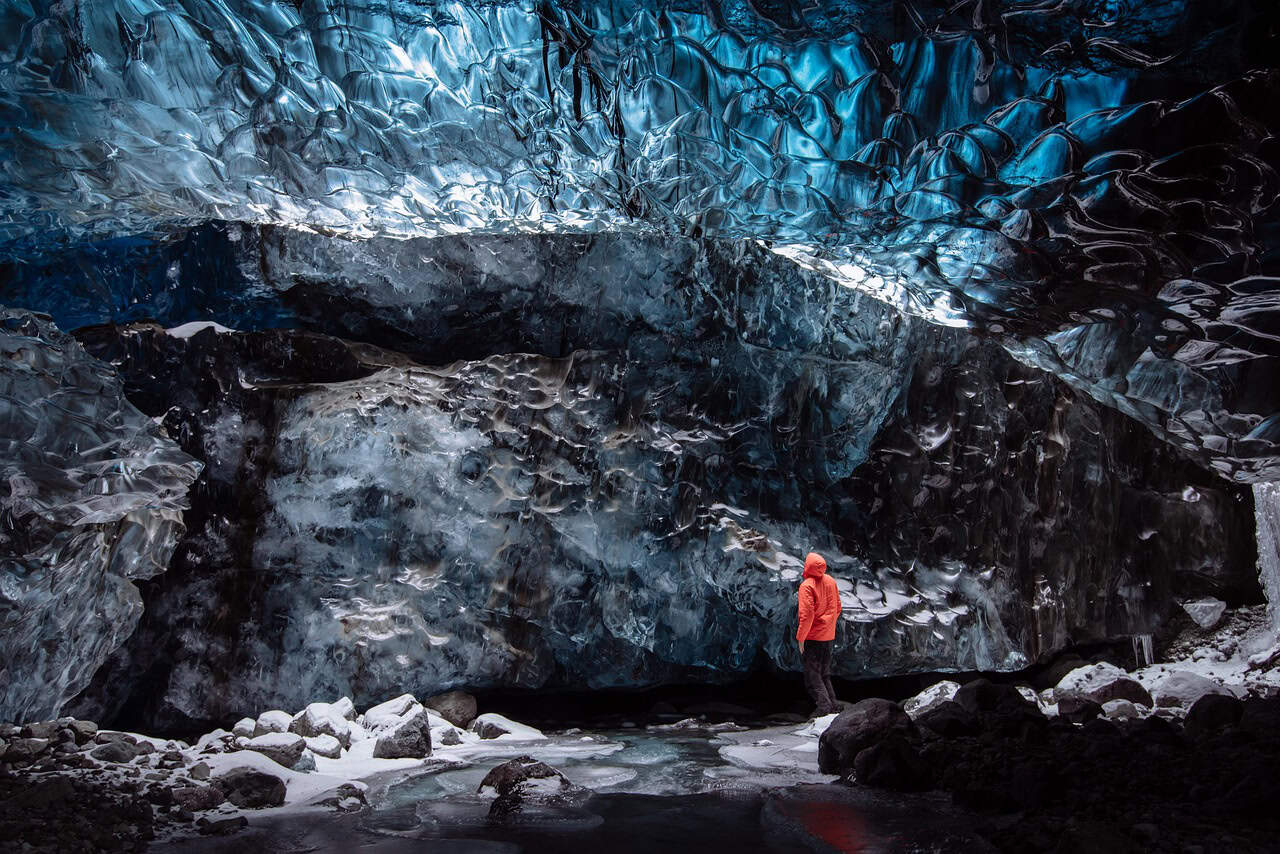
The Waitomo Glowworm Caves stand as New Zealand’s crown jewel of bioluminescent tourism, attracting over 600,000 visitors annually to witness one of nature’s most spectacular light displays. These limestone caves, formed over 30 million years ago, house millions of Arachnocampa luminosa – glowworms found nowhere else on Earth. The main Glowworm Cave features a boat ride through the underground Waitomo River, where visitors drift silently beneath a living constellation of blue-green lights.
The glowworms create their ethereal glow through a chemical reaction involving luciferin and luciferase, the same compounds found in fireflies. Each larva spins up to 70 silk threads, creating sticky traps that dangle like fishing lines to catch flying insects drawn to their light. The caves maintain a constant temperature of 14°C year-round, creating perfect conditions for these remarkable creatures to thrive.
Beyond the main cave, adventurous visitors can explore the Ruakuri Cave with its dramatic limestone formations and additional glowworm displays. The nearby Lost World adventure offers abseiling into underground chambers where glowworms create an otherworldly atmosphere. Booking ahead is essential, especially during peak season from December to February, as tours fill up quickly.
Luminous Lagoon, Jamaica

Jamaica’s Luminous Lagoon in Falmouth represents one of only four places on Earth where visitors can swim with bioluminescent plankton year-round. This shallow lagoon glows with an electric blue light whenever the water is disturbed, creating an unforgettable experience as swimmers appear to be moving through liquid starlight. The phenomenon occurs due to microscopic dinoflagellates called Pyrodinium bahamense, which emit light when agitated as a defense mechanism.
The lagoon’s unique conditions – including its shallow depth, warm temperature, and specific salinity levels – create the perfect environment for these microorganisms to flourish. Night tours typically begin after sunset, when the darkness allows the blue glow to appear most dramatically. Visitors can swim, splash, and watch as their movements create trails of light that fade within seconds.
The best time to visit coincides with new moon phases when the sky is darkest, making the bioluminescence more visible. Local tour operators offer evening boat trips that include swimming opportunities, though the experience varies with weather conditions and plankton concentration. The lagoon’s glow is strongest during warmer months, typically from June through October.
Mosquito Bay, Vieques, Puerto Rico

Mosquito Bay holds the Guinness World Record as the brightest bioluminescent bay on the planet, with an estimated 720,000 dinoflagellates per gallon of water. This extraordinary concentration creates a spectacular light show when kayakers paddle through the mangrove-lined waters, leaving glowing trails with every stroke. The bay’s unique ecosystem has been carefully protected since the 1970s, ensuring these microscopic light-producers continue to thrive.
The bioluminescence results from Pyrodinium bahamense, the same species found in Jamaica’s Luminous Lagoon, but in much higher concentrations. When disturbed, these single-celled organisms flash for about one-tenth of a second, creating the appearance of underwater lightning. The bay’s isolation and pristine mangrove environment provide perfect conditions for the plankton to multiply and maintain their incredible density.
Kayak tours operate nightly, though swimming is now prohibited to protect the delicate ecosystem. The experience is most dramatic during moonless nights when the contrast between darkness and bioluminescent glow is most pronounced. Conservation efforts have been crucial in maintaining this natural wonder, as pollution and development threaten similar bioluminescent bays worldwide.
Te Anau Glowworm Caves, New Zealand

Located beneath the shores of Lake Te Anau, these caves offer a more intimate glowworm experience than their famous Waitomo counterparts. The caves were rediscovered in 1948 after being known to local Māori for generations, and they feature a unique combination of limestone formations and active glowworm colonies. Visitors access the caves by boat across Lake Te Anau, adding an element of adventure to the underground experience.
The journey begins with a scenic cruise across New Zealand’s second-largest lake, followed by a walk through sculpted limestone passages carved by underground streams. The caves feature three distinct chambers, each offering different perspectives on the glowworms’ behavior and habitat. The final chamber provides the most spectacular display, where thousands of glowworms create a stellar ceiling effect.
These caves differ from Waitomo in their geological composition and the species of glowworms present. The Te Anau caves are still actively forming, with water continuing to carve new passages through the limestone. Tours operate year-round, though the experience can vary with seasonal water levels and glowworm activity patterns.
Toyama Bay, Japan

Toyama Bay offers one of the world’s most reliable displays of bioluminescent marine life, particularly the famous firefly squid that create spectacular underwater light shows from March through June. These small cephalopods, measuring only about 3 inches long, produce blue light through specialized organs called photophores located throughout their bodies. The squid rise to the surface in massive swarms during mating season, creating an otherworldly spectacle.
The phenomenon occurs when millions of firefly squid gather in the bay’s nutrient-rich waters, particularly around the Namerikawa area. Local fishing boats capitalize on this natural wonder, offering night tours where visitors can witness the squid’s mating displays and bioluminescent communications. The squid use their light-producing abilities both for communication and as a defense mechanism against predators.
The best viewing occurs during calm nights when the water surface remains undisturbed, allowing the squid’s blue glow to be clearly visible from above. The experience peaks in April and May when squid populations reach their highest density. Local restaurants even serve firefly squid as a delicacy, though many visitors prefer to observe these remarkable creatures in their natural habitat.
Holbox Island, Mexico
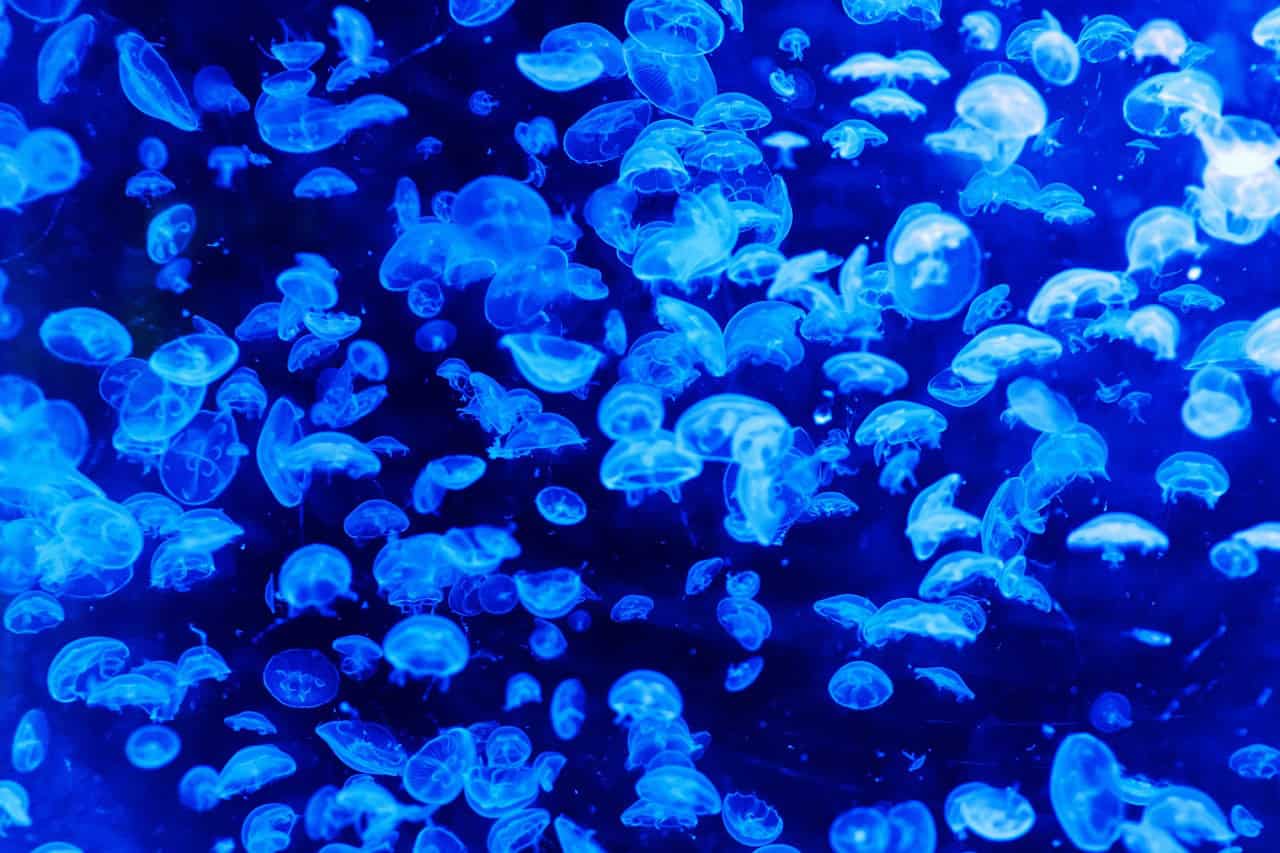
Holbox Island, located off Mexico’s Yucatan Peninsula, offers visitors the chance to experience bioluminescent plankton in pristine Caribbean waters. The island’s shallow lagoons and protected status create ideal conditions for dinoflagellates to thrive, producing spectacular light displays during nighttime swimming and kayaking excursions. The phenomenon is most visible during warmer months when plankton populations peak.
The island’s remote location and limited development have preserved its natural ecosystem, making it one of the most reliable places in the Caribbean to witness bioluminescence. Visitors can experience the phenomenon while swimming, kayaking, or even walking along the shore where waves create glowing surf. The contrast between the dark night sky and the electric blue water creates an unforgettable sensory experience.
Local tour operators offer specialized bioluminescence tours that combine the light show with opportunities to observe other marine life, including whale sharks during their seasonal migration. The best time to visit is during the dry season from November to April when weather conditions are most favorable. The experience varies with moon phases, water temperature, and plankton concentration levels.
Luminous Beach, Maldives
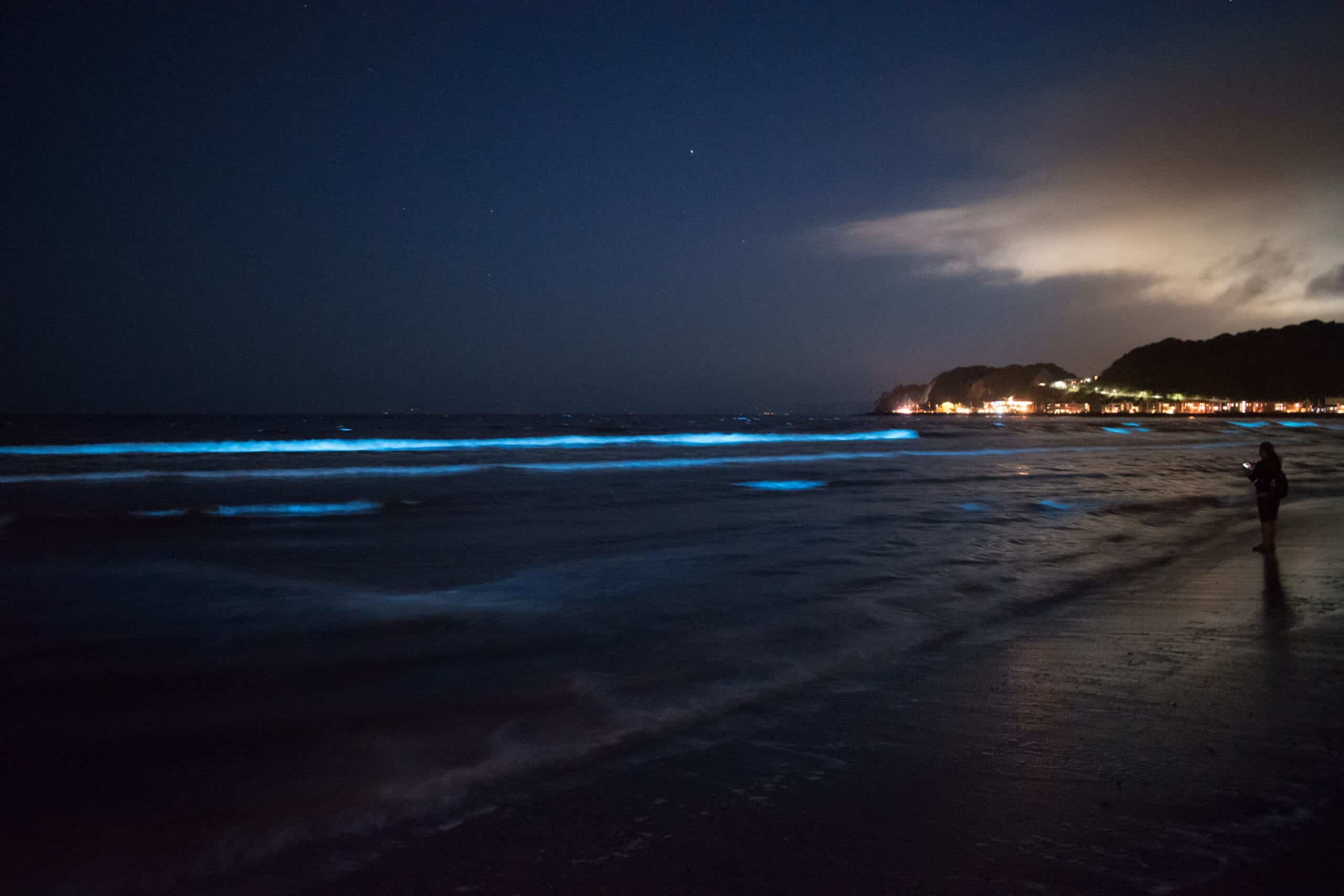
The Maldives’ various atolls occasionally display spectacular bioluminescent phenomena, particularly on beaches like those at Vaadhoo Island where the surf literally glows electric blue. This “sea of stars” effect occurs when dinoflagellates in the water are disturbed by waves, creating a magical shoreline that appears to be lit from within. The phenomenon is most visible during moonless nights when the contrast is most dramatic.
Unlike other bioluminescent destinations, the Maldives offers the unique experience of walking along a glowing beach where each footstep in the wet sand triggers flashes of blue light. The warm tropical waters provide perfect conditions for these microscopic organisms to flourish, particularly during certain seasons when nutrients and water temperature align. The effect is enhanced by the Maldives’ crystal-clear waters and minimal light pollution.
The bioluminescence in the Maldives is sporadic and depends on various environmental factors including water temperature, nutrient levels, and weather conditions. Resort staff often monitor conditions and notify guests when the phenomenon is likely to occur. The experience combines the magic of bioluminescence with the luxury of tropical paradise, making it a bucket-list destination for many travelers.
Gippsland Lakes, Australia

Victoria’s Gippsland Lakes became globally famous in 2008 when unusual conditions triggered one of the most spectacular bioluminescent displays ever recorded. The lakes, normally home to modest dinoflagellate populations, exploded with Noctiluca scintillans following bushfires and flooding that created perfect growth conditions. While this massive bloom was temporary, the lakes continue to offer bioluminescent experiences under the right conditions.
The 2008 event attracted international attention when photographer Phil Hart captured stunning images of the blue-glowing waters, showing kayakers appearing to paddle through liquid lightning. The phenomenon occurred when nutrient runoff from bushfires combined with specific weather conditions to create a population explosion of bioluminescent plankton. The lakes’ complex ecosystem of connected waterways provided the perfect environment for this natural light show.
While the massive 2008 bloom was exceptional, the Gippsland Lakes still offer opportunities to witness bioluminescence on a smaller scale. Local tour operators monitor conditions and offer guided experiences when dinoflagellate populations are sufficient to produce visible light. The lakes’ location in temperate Australia makes them accessible year-round, though the best displays typically occur during warmer months.
Jervis Bay, Australia
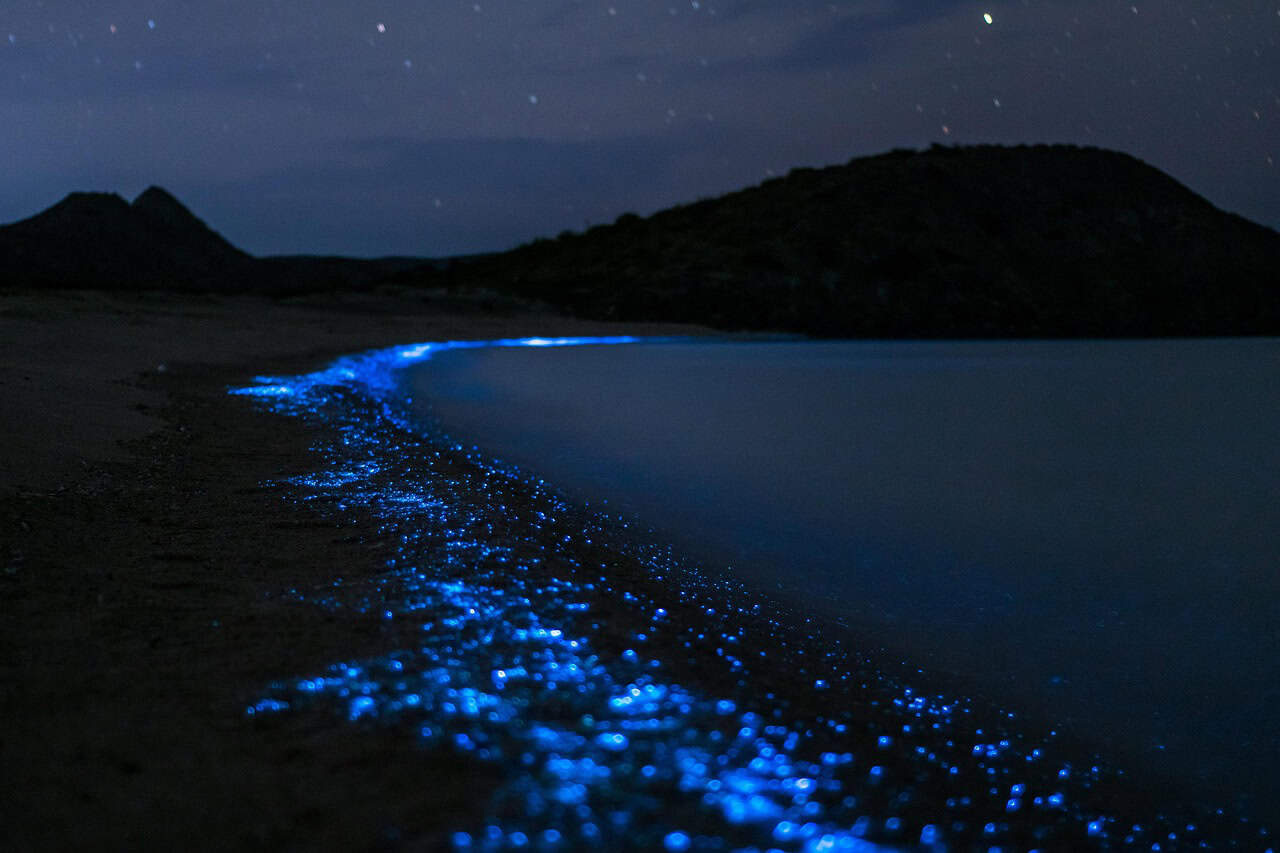
Jervis Bay, located on Australia’s New South Wales coast, offers one of the country’s most reliable bioluminescent experiences. The bay’s protected waters and healthy marine ecosystem support regular populations of dinoflagellates that create spectacular light displays during nighttime activities. The phenomenon is particularly visible during kayaking tours when paddle strokes create trails of electric blue light.
The bay’s unique geography, with its deep waters and sheltered coves, creates ideal conditions for bioluminescent plankton to thrive. The area’s marine park status ensures protection from pollution and development that could harm these delicate organisms. Visitors can experience the phenomenon through guided kayak tours that typically operate during moonless nights when the bioluminescence is most visible.
Local marine biology research has shown that the bay’s bioluminescence is most active during warmer months from October through March. The intensity of the display varies with weather conditions, water temperature, and plankton concentration. Tour operators work closely with marine biologists to ensure sustainable tourism practices that protect this natural wonder for future generations.
Okayama Prefecture, Japan

Beyond Toyama Bay, Japan’s Okayama Prefecture offers unique opportunities to witness bioluminescent organisms in both marine and terrestrial environments. The region’s rivers and coastal areas host various species of glowing creatures, from marine dinoflagellates to terrestrial fireflies that create spectacular synchronized displays. The prefecture’s commitment to environmental protection has preserved habitats crucial for these light-producing organisms.
The coastal areas of Okayama feature seasonal bioluminescent plankton blooms that create glowing waves and shoreline displays. Local researchers have documented various species of dinoflagellates that contribute to these phenomena, each with different peak activity periods throughout the year. The region’s moderate climate and clean waters provide excellent conditions for these microscopic light-producers.
Cultural significance adds another dimension to the bioluminescent experience in Okayama, where traditional festivals celebrate the natural light shows. Local communities have developed sustainable tourism practices that allow visitors to witness these phenomena while protecting the delicate ecosystems. The best viewing periods typically coincide with traditional seasonal celebrations, creating a unique blend of natural wonder and cultural experience.
Halong Bay, Vietnam

Vietnam’s iconic Halong Bay occasionally displays bioluminescent phenomena that add another layer of magic to this UNESCO World Heritage site. The bay’s unique limestone karst formations and protected waters create microenvironments where dinoflagellates can flourish under specific conditions. While not as predictable as other destinations, the bay’s bioluminescence offers an extraordinary experience when conditions align.
The phenomenon typically occurs during warmer months when water temperatures and nutrient levels favor plankton growth. Visitors staying on traditional junk boats sometimes witness the spectacle during nighttime swimming or when boats disturb the water surface. The contrast between the towering limestone pillars and the glowing water creates a particularly surreal and beautiful scene.
Local boat operators have begun monitoring conditions more closely to offer specialized bioluminescence tours when the phenomenon is most likely to occur. The bay’s tourism infrastructure makes it accessible to visitors seeking this natural wonder, though the experience requires patience and favorable environmental conditions. The combination of stunning daytime scenery and potential nighttime bioluminescence makes Halong Bay a unique destination for nature enthusiasts.
Lough Hyne, Ireland

Ireland’s Lough Hyne, a marine lake in County Cork, offers Europe’s most accessible bioluminescent experience. This saltwater lake, connected to the Atlantic Ocean by a narrow channel, supports a unique ecosystem that includes various bioluminescent organisms. The lake’s protected status and pristine water quality create ideal conditions for dinoflagellates and other light-producing marine life.
The lake’s unusual geography creates a natural laboratory where marine organisms from the Atlantic mix with species adapted to the lake’s specific conditions. Bioluminescent displays occur most frequently during summer months when water temperatures rise and plankton populations peak. The phenomenon is particularly visible during swimming and kayaking activities that disturb the water surface.
Research conducted at the nearby marine biology station has documented various species contributing to the lake’s bioluminescence, making it an important site for scientific study. The lake’s accessibility and reliable conditions make it popular with both researchers and tourists seeking to witness this natural phenomenon. Local tour operators offer guided experiences that combine education about marine biology with the magic of bioluminescence.
Phi Phi Islands, Thailand

Thailand’s famous Phi Phi Islands offer spectacular bioluminescent displays in their pristine tropical waters, particularly around the less developed areas away from the main tourist beaches. The islands’ coral reef ecosystems support diverse marine life, including various species of dinoflagellates that create magical light shows when disturbed. The phenomenon is most visible during nighttime snorkeling and swimming activities.
The islands’ location in the Andaman Sea provides ideal conditions for bioluminescent plankton, with warm waters and nutrient-rich currents supporting healthy populations. The best displays typically occur during the dry season from November to April when water clarity is optimal and weather conditions are most favorable. The contrast between the limestone cliffs and glowing water creates particularly stunning photographic opportunities.
Local dive operators have begun offering specialized night tours that focus on bioluminescent experiences, combining traditional snorkeling with the magic of natural light shows. The islands’ tourism infrastructure makes them accessible to visitors seeking this phenomenon, though the best experiences often occur in quieter areas away from the main tourist activities. Conservation efforts are crucial in maintaining the water quality necessary for these delicate organisms.
Torrey Pines State Beach, California
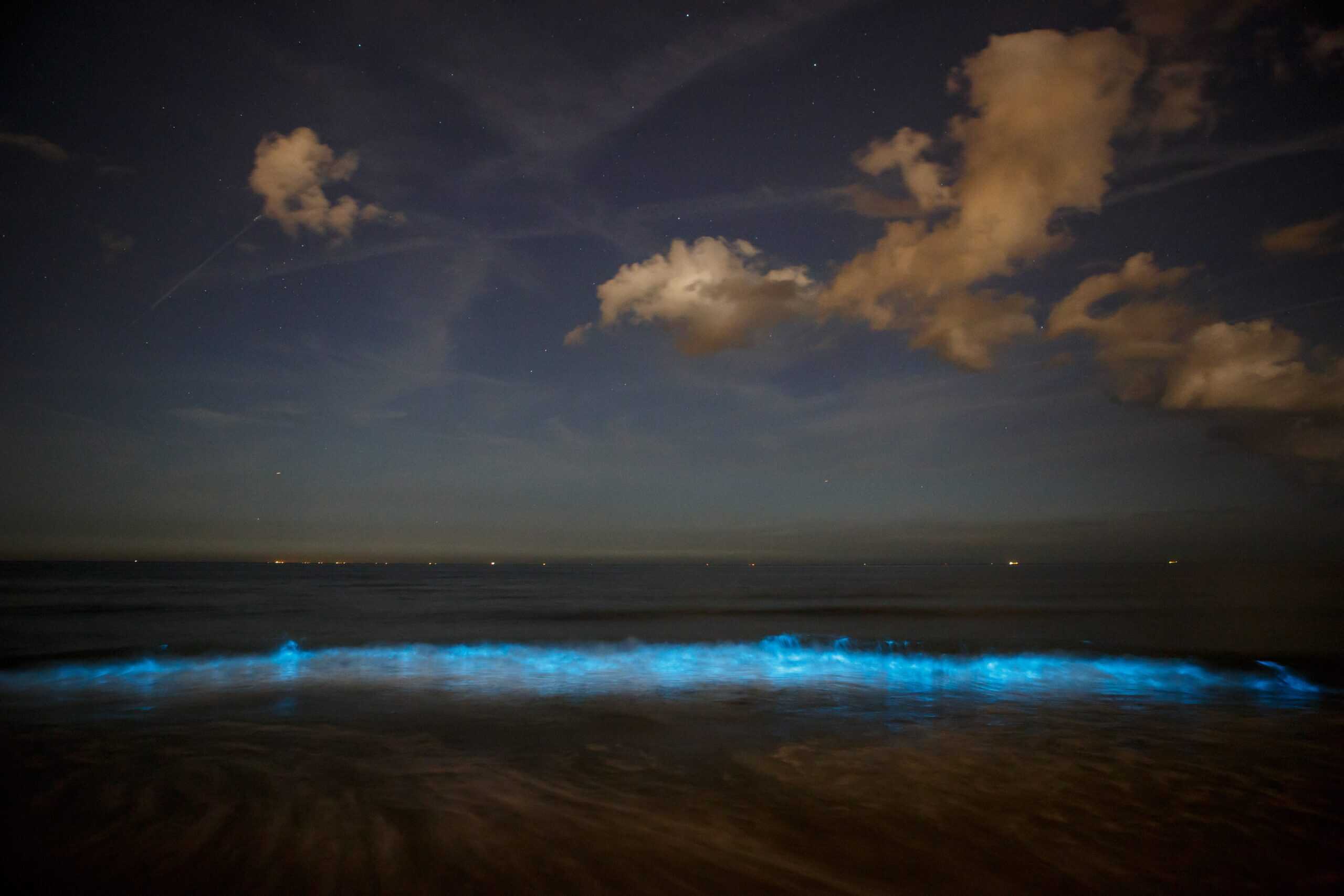
California’s Torrey Pines State Beach, located near San Diego, offers one of North America’s most reliable bioluminescent experiences. The beach’s unique coastal ecosystem supports regular populations of dinoflagellates, particularly Lingulodinium polyedrum, which create spectacular red tide blooms that glow electric blue when disturbed. The phenomenon typically occurs during late summer and early fall when conditions are optimal.
The bioluminescence at Torrey Pines is often associated with red tide events, where massive populations of dinoflagellates color the water reddish-brown during the day and create intense blue glowing at night. While these blooms can be toxic to marine life, they produce some of the most spectacular bioluminescent displays in North America. The beach’s accessibility and proximity to San Diego make it a popular destination for witnessing this natural phenomenon.
Local marine biologists monitor water conditions and provide updates on when bioluminescent displays are most likely to occur. The beach’s protected status within Torrey Pines State Natural Reserve ensures that the coastal ecosystem remains healthy enough to support these spectacular displays. Visitors are advised to check current conditions and follow safety guidelines when the phenomenon is active.
Penang, Malaysia

Malaysia’s Penang Island offers unique bioluminescent experiences in its mangrove ecosystems, where fireflies create spectacular displays among the mangrove trees along the Selangor River. While technically not marine bioluminescence, these terrestrial light shows provide an equally magical experience as thousands of fireflies synchronize their flashing patterns. The phenomenon is best witnessed during boat tours through the mangrove channels.
The island’s coastal waters also occasionally display marine bioluminescence, particularly in sheltered bays and estuaries where dinoflagellates can flourish. The combination of freshwater inputs from rivers and warm tropical seas creates ideal conditions for various species of light-producing organisms. Local tour operators offer combined experiences that showcase both terrestrial and marine bioluminescence.
Conservation efforts in Penang focus on maintaining the pristine mangrove ecosystems that support these natural light shows. The area’s unique geography, with its mix of rivers, mangroves, and coastal waters, provides diverse opportunities to witness different types of bioluminescence. The best experiences typically occur during the dry season when weather conditions are most favorable for both firefly displays and marine bioluminescence.
Kuala Selangor, Malaysia

Kuala Selangor, located about an hour from Kuala Lumpur, offers one of Southeast Asia’s most famous firefly displays along the Selangor River. While not marine bioluminescence, the synchronous flashing of thousands of fireflies in the mangrove trees creates a magical experience that rivals any glowing cave or beach. The phenomenon occurs year-round, making it one of the most reliable bioluminescent experiences in the region.
The fireflies, primarily Pteroptyx tener, gather in the mangrove trees and flash in perfect synchronization, creating a natural light show that has been compared to a living Christmas tree. Boat tours through the narrow river channels provide close-up views of this spectacular display. The fireflies’ flashing serves as a mating signal, with males competing to attract females through their coordinated light patterns.
The area’s protected status as a nature park ensures that the mangrove ecosystem remains healthy enough to support these massive firefly populations. Local conservation efforts focus on maintaining water quality and protecting the specific tree species that fireflies prefer for their displays. The experience combines natural wonder with cultural significance, as fireflies hold special meaning in Malaysian folklore and traditions.
Caves Branch, Belize

Belize’s Caves Branch region offers a unique underground bioluminescent experience in its extensive cave systems. While not featuring traditional glowworms, these caves host various species of bioluminescent bacteria and fungi that create subtle but magical light displays in the complete darkness of the underground environment. The caves’ pristine conditions and stable temperatures provide ideal habitats for these light-producing organisms.
The cave systems, carved through limestone by underground rivers, create diverse microenvironments where different species of bioluminescent organisms thrive. Cave tours often include encounters with these glowing bacteria colonies that appear like tiny stars on cave walls and formations. The experience is enhanced by the caves’ impressive stalactite and stalagmite formations, creating a wonderland of natural sculpture and light.
Adventure tours in the region combine cave exploration with opportunities to witness various forms of bioluminescence, from bacterial colonies to occasional glowing insects. The caves’ accessibility and the region’s developed eco-tourism infrastructure make them popular with visitors seeking unique natural experiences. Local guides provide education about the geological processes that created these caves and the organisms that call them home.
Rawa Island, Malaysia
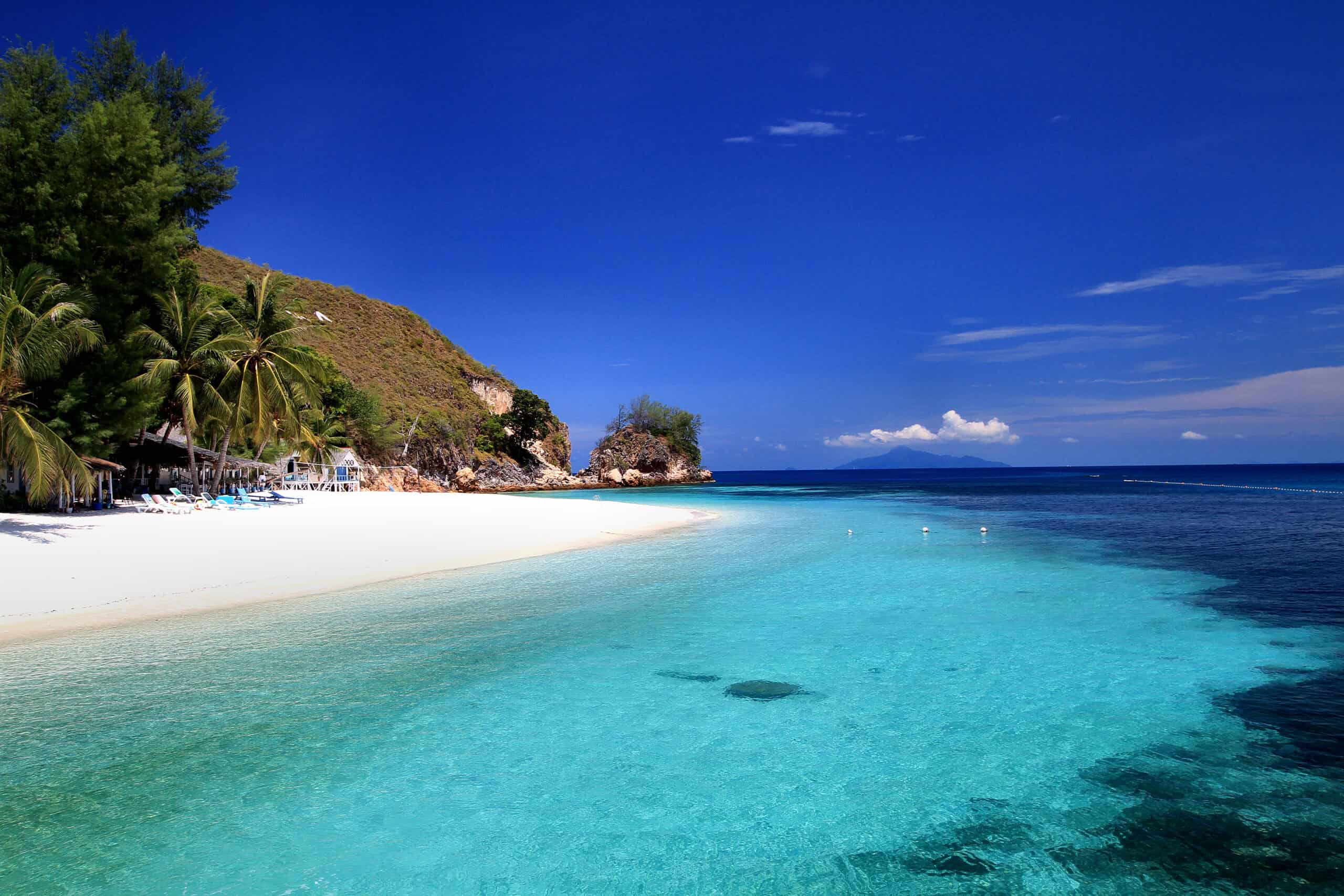
Malaysia’s Rawa Island offers pristine tropical conditions that occasionally produce spectacular bioluminescent displays. Nestled off the east coast of Johor in the South China Sea, this private island is known for its white sandy beaches, crystal-clear waters, and untouched coral reefs. During certain times of the year, plankton in the surrounding waters emit a soft, magical blue glow when disturbed, creating a surreal underwater light show that enchants night swimmers and kayakers alike.
Aside from its bioluminescent charm, Rawa Island is a haven for eco-tourism and marine biodiversity. The surrounding reefs are home to vibrant coral species, reef fish, and even sea turtles, making the island a popular spot for snorkeling and diving. The island has only a couple of resorts, which helps limit overcrowding and supports a more tranquil, conservation-minded experience for visitors seeking to reconnect with nature.
Thanks to its exclusivity and minimal development, Rawa Island remains one of Malaysia’s best-kept secrets. Visitors can hike to panoramic viewpoints, lounge under swaying palms, or paddleboard over calm turquoise waters. Whether drawn by its glowing nighttime waters or its daytime serenity, Rawa offers a peaceful retreat where nature takes center stage.
Conclusion
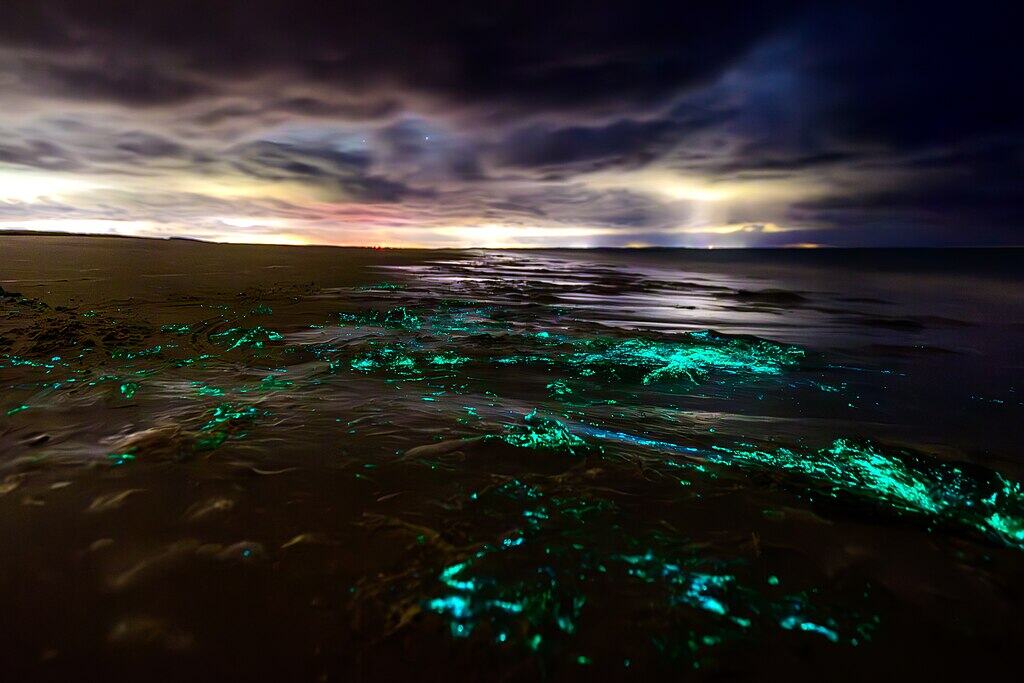
From the glowing caves of New Zealand to the shimmering shores of the Maldives, the world’s bioluminescent destinations reveal nature’s most enchanting light shows. These phenomena—powered by glowworms, fireflies, and microscopic plankton—remind us that even the darkest corners of Earth can burst into color with the right conditions. Each location offers a unique blend of science, wonder, and beauty, showing how evolution has equipped some of our planet’s tiniest organisms with the power to illuminate their environments.
Whether you’re kayaking through the glowing waters of Mosquito Bay or standing in awe beneath the starry ceilings of Waitomo, these experiences tap into something deeply primal and magical. Bioluminescence connects people across cultures and continents through a shared sense of wonder and curiosity. It also underscores the importance of preserving fragile ecosystems that allow these natural light displays to exist.
As tourism grows, so too does the responsibility to protect these environments from overuse and pollution. Sustainable travel practices, scientific research, and conservation efforts are essential to ensuring that future generations can witness the glowing magic of bioluminescent creatures. In the end, these radiant encounters with nature aren’t just memorable—they’re a luminous reminder of the hidden brilliance woven into the fabric of our planet. What other secrets might nature still be hiding in the dark?
Worried about unexpected vet bills?
Pet insurance can cover thousands in unexpected vet costs. Get a free quote from Lemonade in under 2 minutes.
Get My Free Quote →Sponsored · Opens Lemonade.com

- The Animals That Inspired Mythical Creatures in Movies - May 10, 2026
- Why Orcas Teach Their Young to Beach Themselves While Hunting - May 9, 2026
- How Raccoons Use Their Tiny Hands to Explore - May 9, 2026