

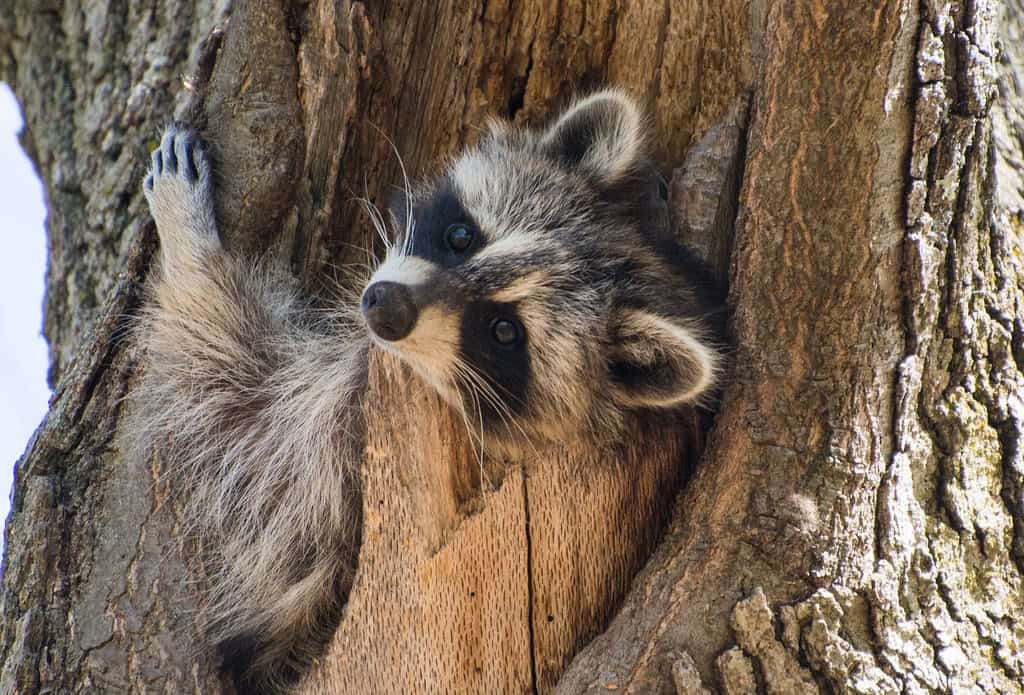
Have you ever watched a raccoon wash its food at a stream and wondered what makes those little hands so special? These remarkable creatures possess some of the most sophisticated paws in the animal kingdom, with abilities that would make even the most skilled human craftsperson envious. Their tiny hands aren’t just cute – they’re precision instruments that have evolved over millions of years to help raccoons thrive in diverse environments.
From urban alleyways to pristine forests, raccoons use their extraordinary dexterity to unlock garbage cans, catch fish, and manipulate objects with surprising finesse. What makes their exploration techniques so fascinating is how they combine touch with intelligence, creating a sensory experience that’s almost otherworldly. These nocturnal bandits have turned their paws into ultimate survival tools that continue to amaze scientists and wildlife enthusiasts alike.
The Anatomy of Raccoon Paws

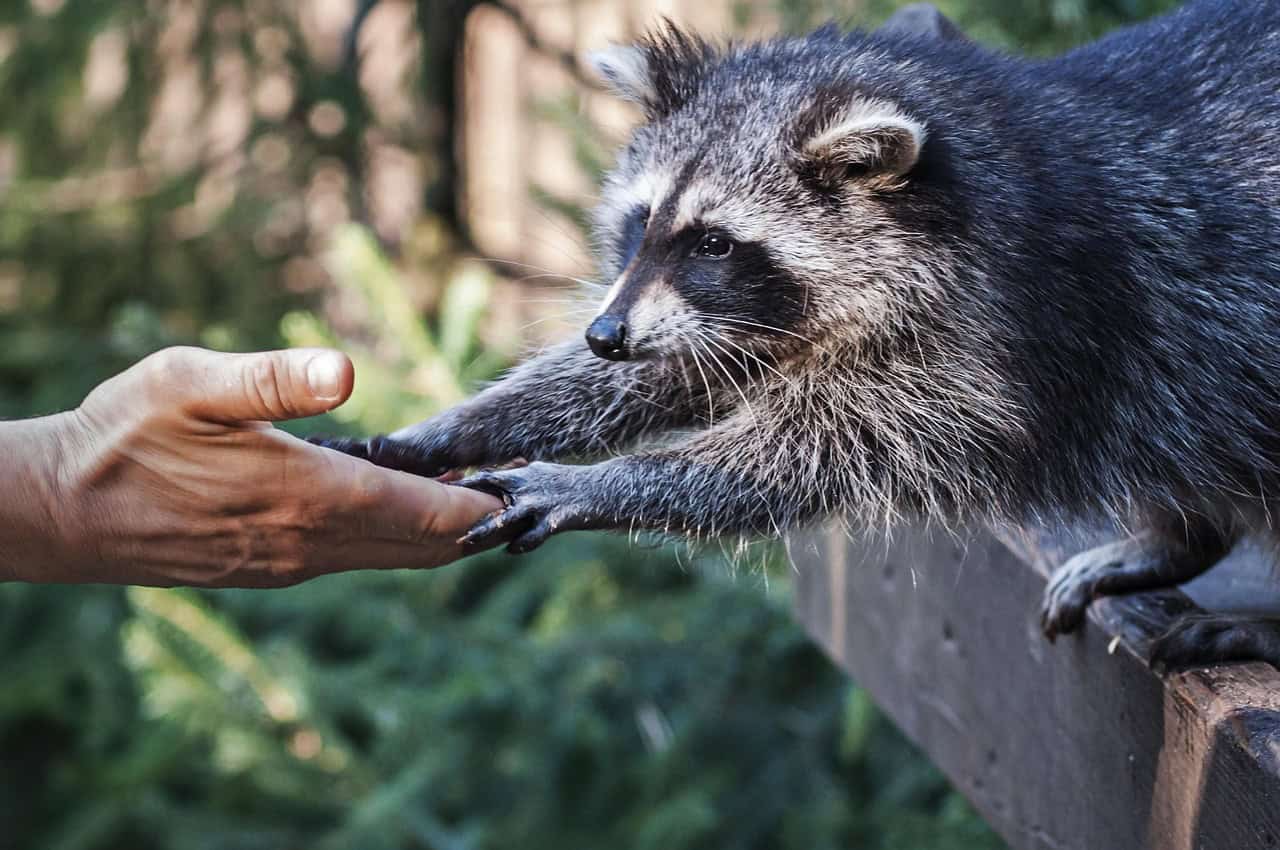
Raccoon paws are architectural marvels that contain approximately 200,000 nerve endings per square inch, making them incredibly sensitive to touch and texture. Each front paw has five distinct digits that function almost like human fingers, complete with joints that allow for impressive flexibility and grip strength. The palms of their paws are completely bare, lacking the fur that covers the rest of their bodies, which maximizes their tactile sensitivity.
What sets raccoon paws apart from other mammals is their unique bone structure, which includes a pseudo-thumb that can work in opposition to their other fingers. This anatomical feature allows them to grasp objects with precision that rivals primates. Their claws are semi-retractable and incredibly sharp, perfect for gripping surfaces and manipulating small objects with surgical precision.
Tactile Sensitivity Beyond Human Capability

The sensitivity of raccoon paws surpasses that of human fingertips by a significant margin, with specialized receptors called Pacinian corpuscles that detect even the slightest vibrations. These receptors are so advanced that raccoons can identify objects underwater without seeing them, relying entirely on touch to determine shape, texture, and even material composition. Their paws can detect pressure changes as minimal as 0.1 grams, allowing them to sense the faintest movements of prey beneath the surface.
This extraordinary sensitivity comes from dense clusters of nerve endings that create a tactile map more detailed than what most animals possess. When raccoons explore their environment, they’re essentially “reading” the world through their paws, gathering information that helps them make split-second decisions about food sources and potential threats.
The Famous Water Washing Behavior

Contrary to popular belief, raccoons don’t wash their food because they’re concerned about cleanliness – they’re actually enhancing their sense of touch through a process called “dousing.” When raccoons submerge their paws in water, the moisture removes debris and oils that might interfere with their tactile sensitivity. Water also softens the keratin layer on their paw pads, making them even more responsive to subtle textures and shapes.
This behavior is so ingrained that captive raccoons will often perform washing motions even when no water is present, demonstrating how crucial this ritual is to their exploration process. The water also helps them better manipulate slippery prey like fish, crayfish, and amphibians that might otherwise escape their grasp.
Foraging Techniques in Urban Environments

Urban raccoons have developed remarkable strategies for using their paws to access human-made food sources, often displaying problem-solving skills that rival those of young children. Their dexterous fingers can manipulate complex latches, twist open jar lids, and even operate simple mechanical devices like door handles and garbage can lids. These abilities have made them incredibly successful urban adapters, earning them the nickname “trash pandas.”
Research conducted by wildlife biologists has documented raccoons learning to open multi-step locks and remembering the solutions for months afterward. Their paws allow them to explore the mechanisms of human-made objects systematically, feeling for weak points and movable parts that might provide access to food rewards.
Climbing and Grip Strength
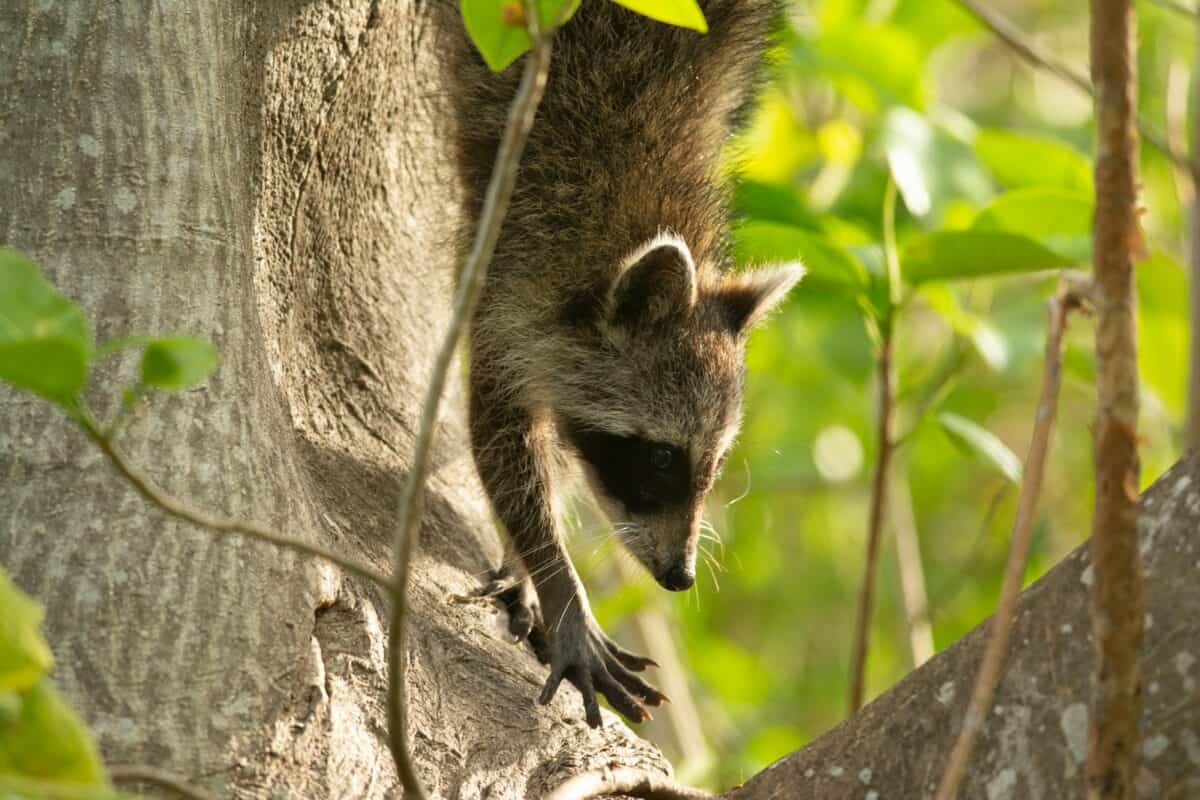
Raccoons possess grip strength that’s proportionally stronger than most primates, allowing them to scale vertical surfaces with ease using their specialized paw pads. Their front paws can support their entire body weight while their hind paws provide additional stability during complex climbing maneuvers. Each digit can move independently, giving them the ability to find purchase on surfaces that would be impossible for less dexterous animals.
The textured surface of their paw pads, combined with their sharp claws, creates a gripping system that works effectively on bark, concrete, metal, and even glass surfaces. This climbing ability is enhanced by their remarkable spatial awareness, as they use their paws to constantly assess the stability and texture of each surface they encounter.
Prey Capture and Manipulation
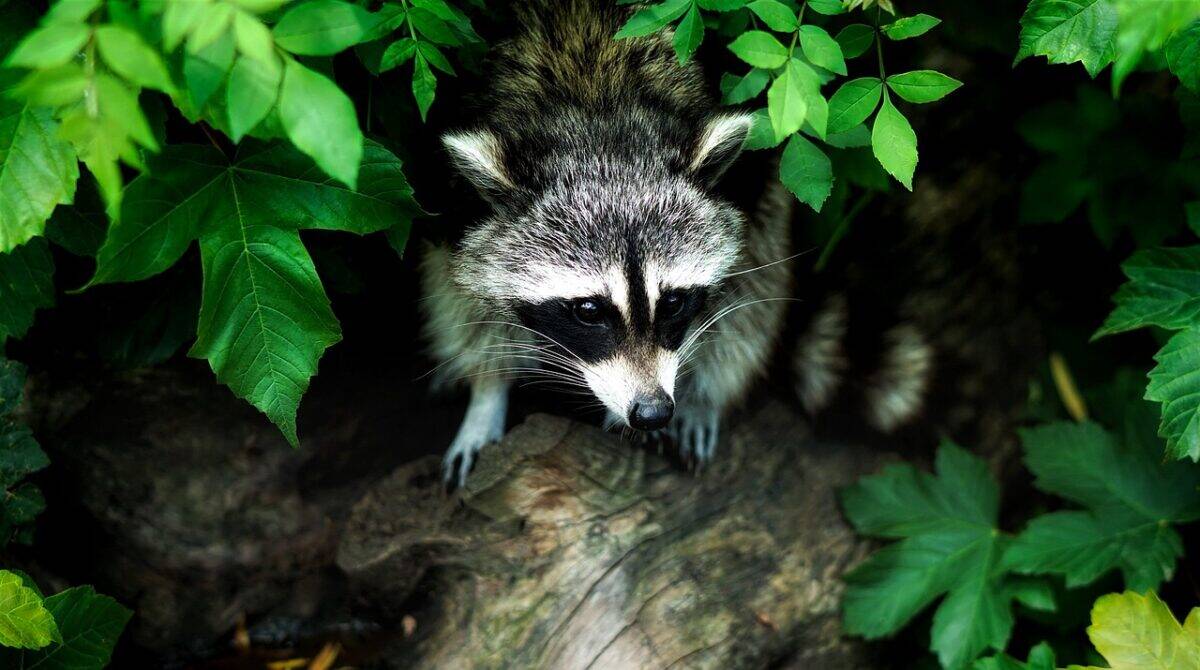
When hunting aquatic prey, raccoons use their paws like underwater metal detectors, sweeping methodically through sediment and vegetation to locate hidden creatures. Their technique involves a systematic search pattern where they use one paw to disturb potential hiding spots while the other remains ready to capture whatever emerges. This dual-paw coordination demonstrates sophisticated motor control that allows them to react to prey movements within milliseconds.
Once they’ve captured prey, raccoons use their paws to examine their catch thoroughly, determining whether it’s suitable for consumption and how best to prepare it. They can quickly assess the shell thickness of crustaceans, the spine placement of fish, and the defensive capabilities of various amphibians through tactile exploration alone.
Tool Use and Object Manipulation

Recent studies have documented raccoons using their paws to manipulate tools in ways that were previously thought to be exclusive to primates and corvids. They’ve been observed using sticks to extract insects from tree bark, rocks to crack open shellfish, and even leaves as makeshift bowls for carrying water. Their paws provide the fine motor control necessary to position these tools precisely and apply appropriate pressure for different tasks.
This tool use extends beyond simple manipulation to include modification of objects to better suit their needs. Raccoons have been seen breaking branches to appropriate lengths, sharpening sticks by rubbing them against rough surfaces, and even stacking objects to create elevated platforms for reaching food sources.
Communication Through Touch

Raccoons use their paws for complex social communication, with mothers teaching their young through gentle guidance and manipulation. Adult raccoons engage in paw-to-paw contact during social interactions, with different pressure patterns and durations conveying various messages about dominance, submission, and social bonding. This tactile communication is particularly important during the mating season when subtle touch cues help establish compatibility between potential partners.
Young raccoons learn essential survival skills through paw-guided instruction from their mothers, who physically demonstrate proper foraging techniques by placing their paws over their offspring’s during feeding sessions. This hands-on learning approach ensures that complex manipulation skills are passed down accurately through generations.
Seasonal Adaptations and Paw Function
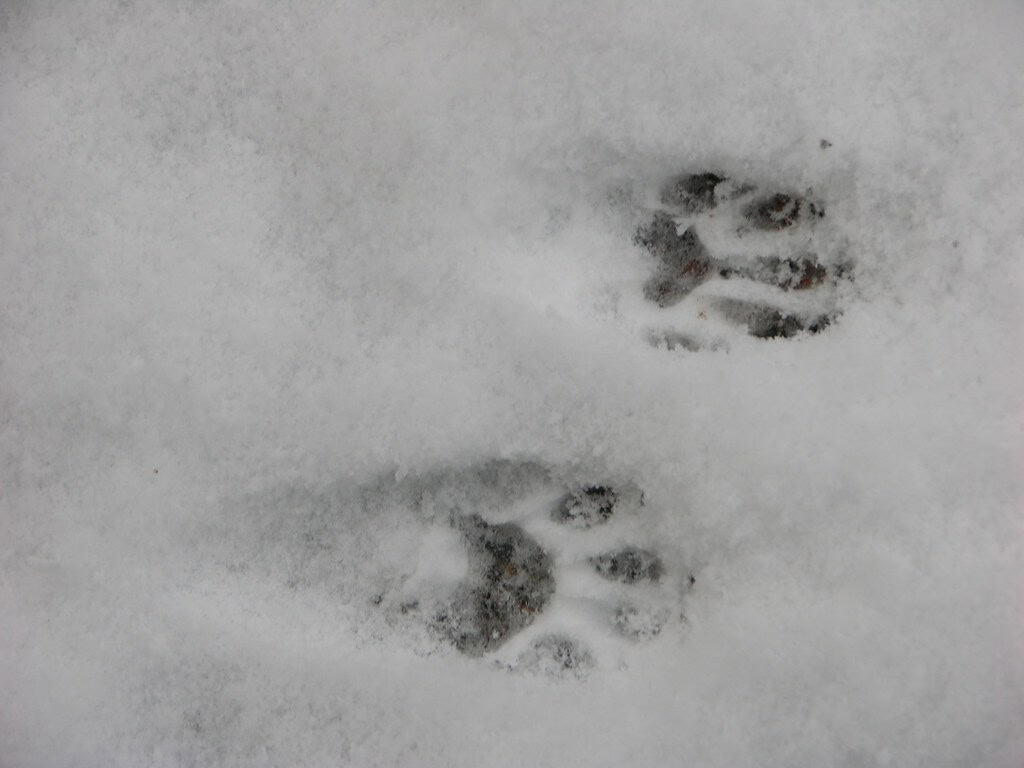
During winter months, raccoons must adapt their paw usage to accommodate colder temperatures and reduced food availability. Their paws become less sensitive in freezing conditions, but they compensate by increasing the pressure and duration of their tactile exploration. Cold weather also affects their grip strength, making them more deliberate in their movements and more selective about the objects they choose to manipulate.
Spring brings renewed sensitivity as warming temperatures restore full tactile function to their paws. This seasonal variation in paw performance influences their foraging strategies, with raccoons shifting from cached food sources in winter to active hunting and exploration as their manual dexterity returns to peak levels.
Neurological Processing of Tactile Information

The raccoon brain dedicates a disproportionately large amount of neural tissue to processing tactile information from their paws, similar to how human brains prioritize hand sensation. This specialized brain region, called the somatosensory cortex, creates detailed mental maps of objects based entirely on touch feedback. The processing speed is so rapid that raccoons can identify and categorize objects within seconds of first contact.
This neurological specialization allows raccoons to build complex mental inventories of their environment, remembering the texture, weight, and manipulation requirements of thousands of different objects. Their brains can even predict the tactile properties of similar objects based on previous experiences, making them incredibly efficient foragers.
Comparison with Other Dexterous Animals

While primates are often considered the gold standard for manual dexterity, raccoons actually exceed many monkey species in certain tactile capabilities. Their paw sensitivity rivals that of spider monkeys, while their grip strength surpasses that of most lemurs. However, raccoons lack the opposable thumbs that give primates their superior grasping ability, compensating instead with incredibly flexible wrists and finger joints.
Compared to other North American mammals, raccoons stand alone in their combination of sensitivity, strength, and coordination. Bears have stronger paws but lack fine motor control, while squirrels have good dexterity but insufficient strength for heavy manipulation tasks. This unique combination makes raccoons the most manually skilled native mammal in their range.
Development of Paw Skills in Young Raccoons

Raccoon kits are born with their paws already showing remarkable sensitivity, but their manipulation skills develop gradually over their first year of life. During the first few weeks, they use their paws primarily for nursing and clinging to their mother, with basic grasping reflexes that become more refined through practice. By six weeks of age, they begin experimenting with object manipulation, though their coordination remains clumsy compared to adult capabilities.
The learning process accelerates rapidly between two and four months of age, as kits begin accompanying their mothers on foraging expeditions. During this critical period, they develop the muscle memory and neural pathways necessary for complex manipulation tasks. Adult-level dexterity is typically achieved by eight months of age, though some individuals continue to refine their skills throughout their lives.
Impact of Habitat on Paw Usage
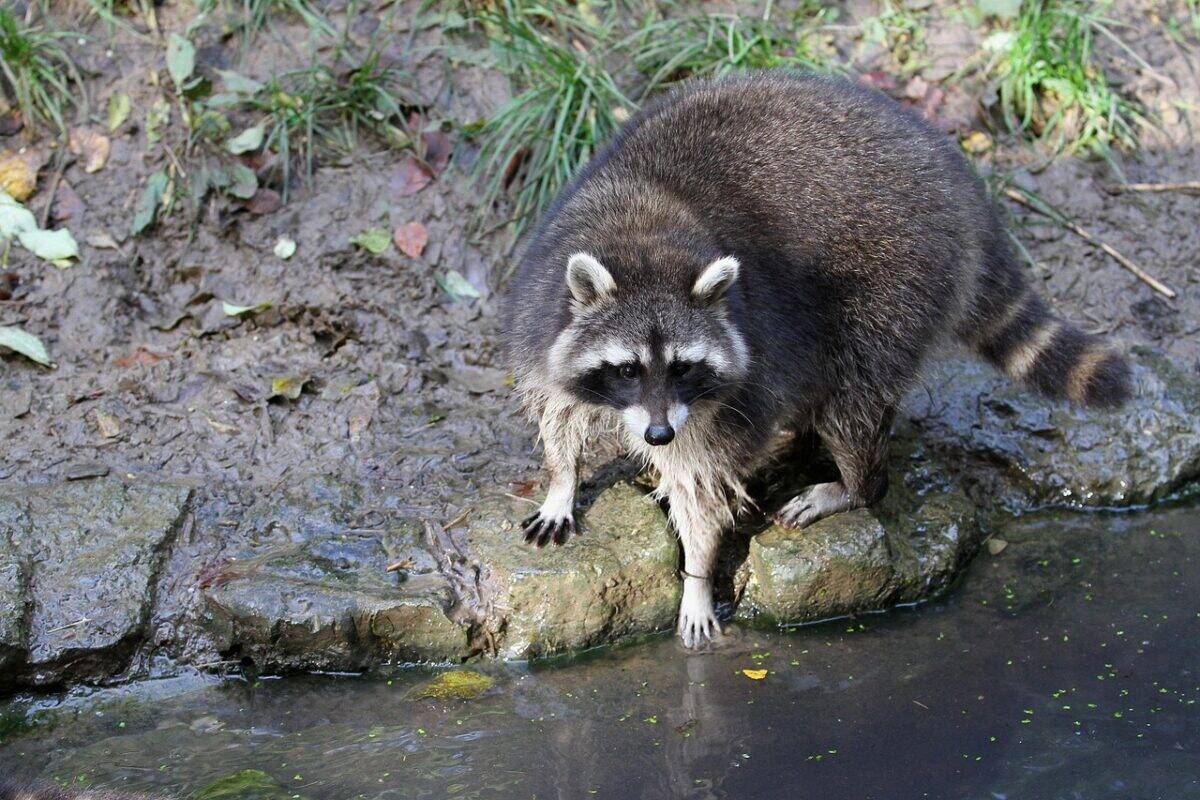
Raccoons living in different habitats develop distinct paw usage patterns based on available resources and environmental challenges. Forest-dwelling raccoons focus heavily on tree-based foraging, developing exceptional climbing skills and the ability to manipulate natural objects like nuts, fruits, and insect larvae. Their paws become specialized for bark texture recognition and branch navigation, with callused pads that provide superior grip on rough surfaces.
Urban raccoons, conversely, develop enhanced fine motor skills for dealing with human-made objects, often showing greater dexterity in manipulation tasks than their rural counterparts. Wetland raccoons develop the most refined aquatic hunting skills, with paws that become extremely sensitive to underwater vibrations and water pressure changes. These habitat-specific adaptations demonstrate the remarkable plasticity of raccoon paw function.
Research Methods for Studying Raccoon Dexterity
Scientists studying raccoon paw capabilities use a variety of innovative techniques to measure their dexterity and sensitivity. Pressure-sensitive platforms record the exact force and duration of paw contacts, while high-speed cameras capture the intricate movements involved in object manipulation. Some researchers use puzzle boxes with increasing complexity levels to test problem-solving abilities and measure improvement over time.
Neurological studies involve monitoring brain activity while raccoons perform tactile tasks, revealing the neural pathways involved in processing paw sensation. These studies have contributed significantly to our understanding of mammalian touch perception and have even influenced the development of robotic hands designed to mimic raccoon paw capabilities.
Conservation Implications of Raccoon Adaptability

The remarkable adaptability of raccoon paws has significant implications for conservation efforts and wildlife management strategies. Their ability to exploit human-modified environments has made them one of the few mammal species to actually benefit from urbanization, with populations in many cities exceeding those in natural habitats. This success story demonstrates how specialized physical adaptations can help species survive in rapidly changing environments.
However, their success also creates challenges for wildlife managers dealing with raccoon overpopulation in urban areas. Understanding how their paws enable their adaptability helps conservationists develop more effective management strategies that work with, rather than against, their natural capabilities. This research also provides insights into helping other species adapt to human-modified landscapes.
Medical and Technological Applications

The study of raccoon paw mechanics has inspired advances in prosthetic design and robotic engineering, with researchers attempting to replicate their combination of sensitivity and strength. Medical researchers studying nerve regeneration have found raccoon paw structure particularly informative for understanding how to restore tactile sensation in human patients with nerve damage. The density and organization of their nerve endings provide a model for optimizing sensory prosthetics.
Robotics engineers have developed artificial hands based on raccoon paw mechanics, incorporating similar joint flexibility and grip patterns. These bio-inspired designs show promise for applications ranging from deep-sea exploration to surgical procedures, where the combination of sensitivity and strength could provide significant advantages over current robotic systems.
Cultural Impact and Human Fascination

Raccoons have captured human imagination largely due to their remarkable paw capabilities, appearing in folklore and popular culture as clever tricksters and problem-solvers. Their “tiny hands” have become internet sensations, with countless videos showcasing their dexterous abilities garnering millions of views. This fascination reflects our own appreciation for manual dexterity and our recognition of intelligence in other species.
The anthropomorphic qualities of raccoon paws – their resemblance to human hands – create an emotional connection that has made raccoons popular subjects for wildlife photography and nature documentaries. This cultural impact has positive conservation implications, as public interest in raccoons often translates into support for wildlife preservation efforts and habitat protection initiatives.
Future Research Directions

Ongoing research into raccoon paw capabilities continues to reveal new aspects of their remarkable abilities, with scientists exploring everything from their chemical sensing capabilities to their potential for learning complex sequences of movements. Emerging technologies like 3D motion capture and micro-CT scanning are providing unprecedented insights into the biomechanics of raccoon manipulation. These studies are revealing that raccoon paws may be even more sophisticated than previously understood.
Climate change research is also examining how changing environmental conditions might affect raccoon paw function and adaptation strategies. As temperatures and precipitation patterns shift, scientists are monitoring whether raccoons will need to develop new paw usage patterns or whether their current adaptability will be sufficient for future environmental challenges. This research has broader implications for understanding how wildlife will respond to global environmental changes.
Conclusion
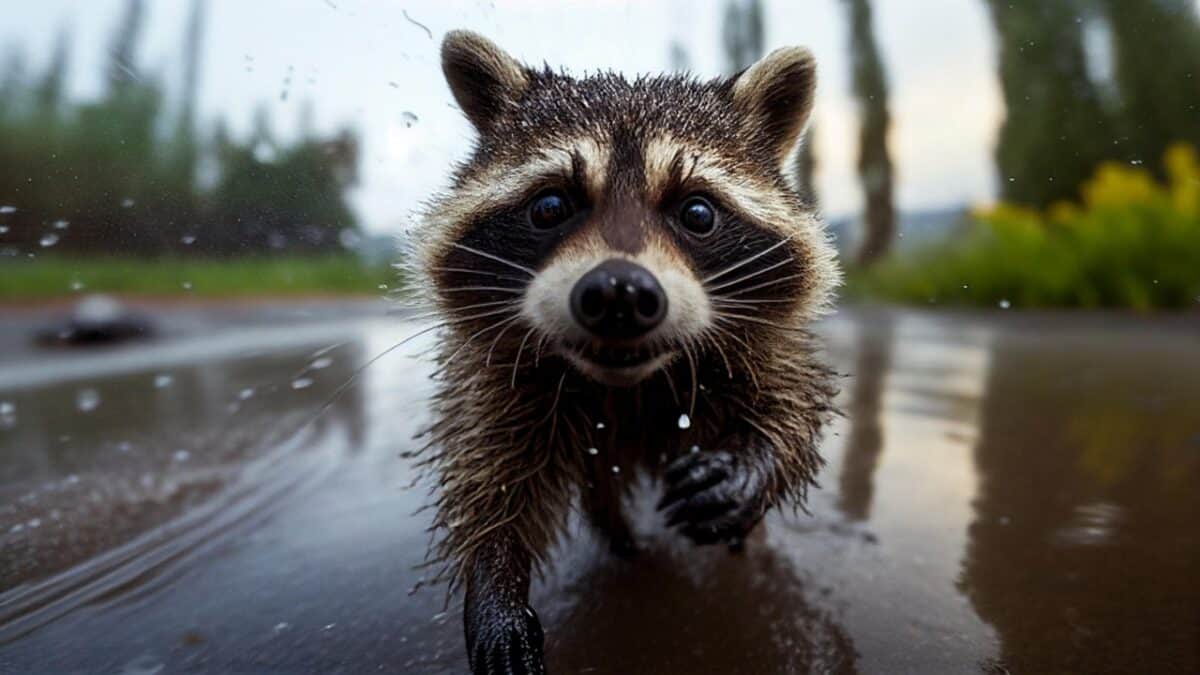
The tiny hands of raccoons represent one of nature’s most remarkable examples of evolutionary engineering, combining sensitivity, strength, and intelligence in ways that continue to astonish researchers and wildlife enthusiasts. Their paws have enabled them to become one of the most successful mammalian species in North America, adapting to environments ranging from pristine wilderness to bustling cities. Through their dexterous exploration of the world around them, raccoons have shown us that intelligence and adaptability often manifest in the most unexpected ways.
Understanding how raccoons use their paws provides valuable insights into animal cognition, biomechanics, and the incredible potential for adaptation in the natural world. As we continue to study these remarkable creatures, we gain not only scientific knowledge but also a deeper appreciation for the complexity and wonder of the animal kingdom. The next time you see a raccoon delicately manipulating an object with those tiny hands, remember that you’re witnessing millions of years of evolutionary refinement in action.
What other secrets might those remarkable little paws be hiding, waiting for us to discover?

- The Coldest-Blooded Reptile That Can Survive Snow - June 20, 2026
- These Giant Jellyfish Keep Washing Up on U.S. Beaches - June 20, 2026
- These Fish Change Gender to Survive - June 19, 2026