

American indigenous cultures have embraced the mystical bond between humans and animals for countless generations. These tribes’ beliefs further explain that a totem animal is with you for life, both in the physical and spiritual world, according to American Indian belief, serving as the main guiding spirit that stays with you for your lifetime. What captivates me most is how each tribe’s relationship with reflects their unique environment, values, and spiritual understanding.
In Native American traditions, animals are sometimes used to communicate the values and spiritual beliefs of Native communities, with animals’ importance also evident in the creation stories of many tribes. The profound connection between these communities and their animal guides offers us a fascinating glimpse into a world where the natural and spiritual realms intertwine seamlessly. Let’s explore the rich tapestry of ten American tribes and their sacred totem animals.
Cherokee Nation and the Wolf Spirit
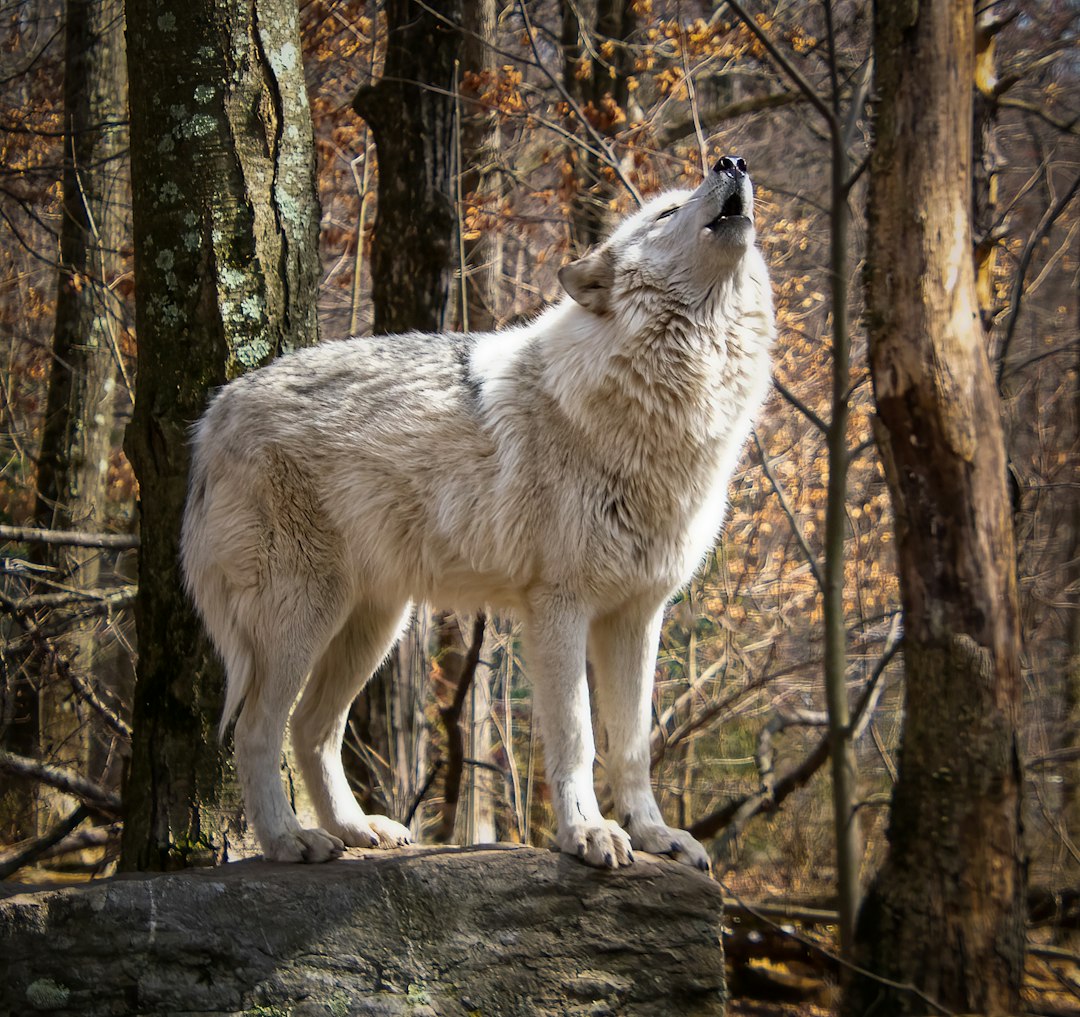
Cherokee Wolf Clan (Aniwaya) – largest clan, provided war chiefs, and regarded wolves as protectors. Only Wolf Clan members could kill a wolf, that too with proper ceremony and “wolf medicine,” showing reverence.
The Cherokee people hold a particularly sacred relationship with the wolf that extends far beyond simple admiration. At the center of the flag of the Cherokee Nation is a seven-pointed star, which represents the seven clans — the Bird, Wild Potato, Blue, Wolf, Deer, Long Hair and Paint clans. The wolf often embodies the very virtues a community prizes: for the Cherokee it was protection and leadership.
Lakota Tribe and the Sacred Buffalo
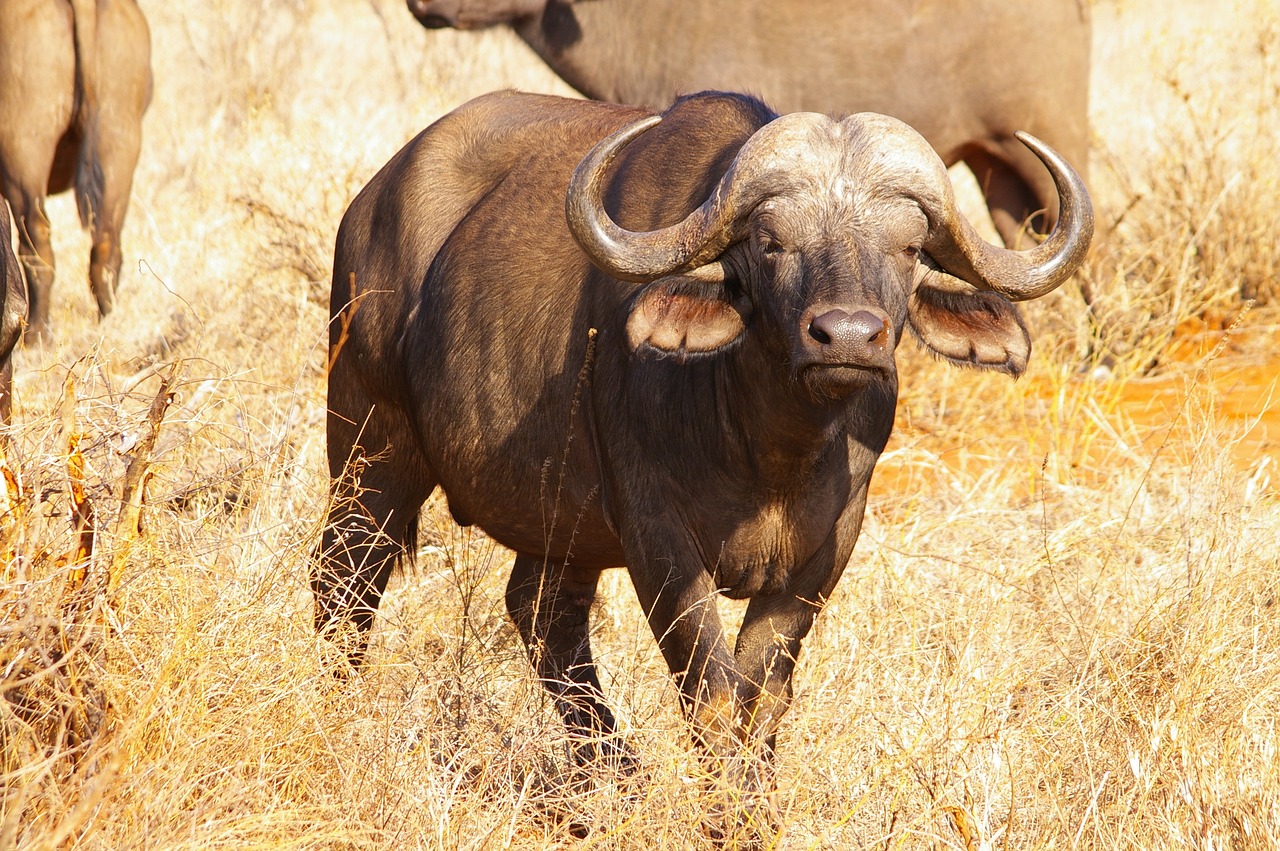
Being closely tied to nature and all living things, the Lakota believed strongly in animal powers and the supernatural, with observance of animal behavior incorporated into everyday life, creating a belief system that protected all who sought their animal powers.
In Sioux stories, the White Buffalo Calf Woman taught the people many survival skills, educated them about civilization and spiritual rituals and ceremonies, most importantly, she bestowed the “sacred peace pipe” to the Lakota people. The buffalo brings medicine knowledge that’s considered sacred. The buffalo represents the very essence of abundance and spiritual strength that sustained the Plains tribes through generations.
Ojibwe and the Wise Turtle

Certain Native American tribes like the Menominee have spring rituals honoring this fish, and the Ojibwe tribe has a sturgeon clan, in both these settings the sturgeon represents vitality and long life even in the face of hardship. However, the turtle holds equally profound significance.
The Native American creation story of North America (Turtle Island) describes how the Great Spirit created the East Coast tribes’ homeland on the back of a giant turtle, with the shape of North America believed to resemble the shell and legs of a turtle. Turtles are associated with healing, wisdom, protection, fertility, longevity, and spirituality. The Ojibwe taught that whatever befell the wolf would eventually befall their people, underscoring a kinship between wolves and humans.
Iroquois Confederation and the Mighty Bear
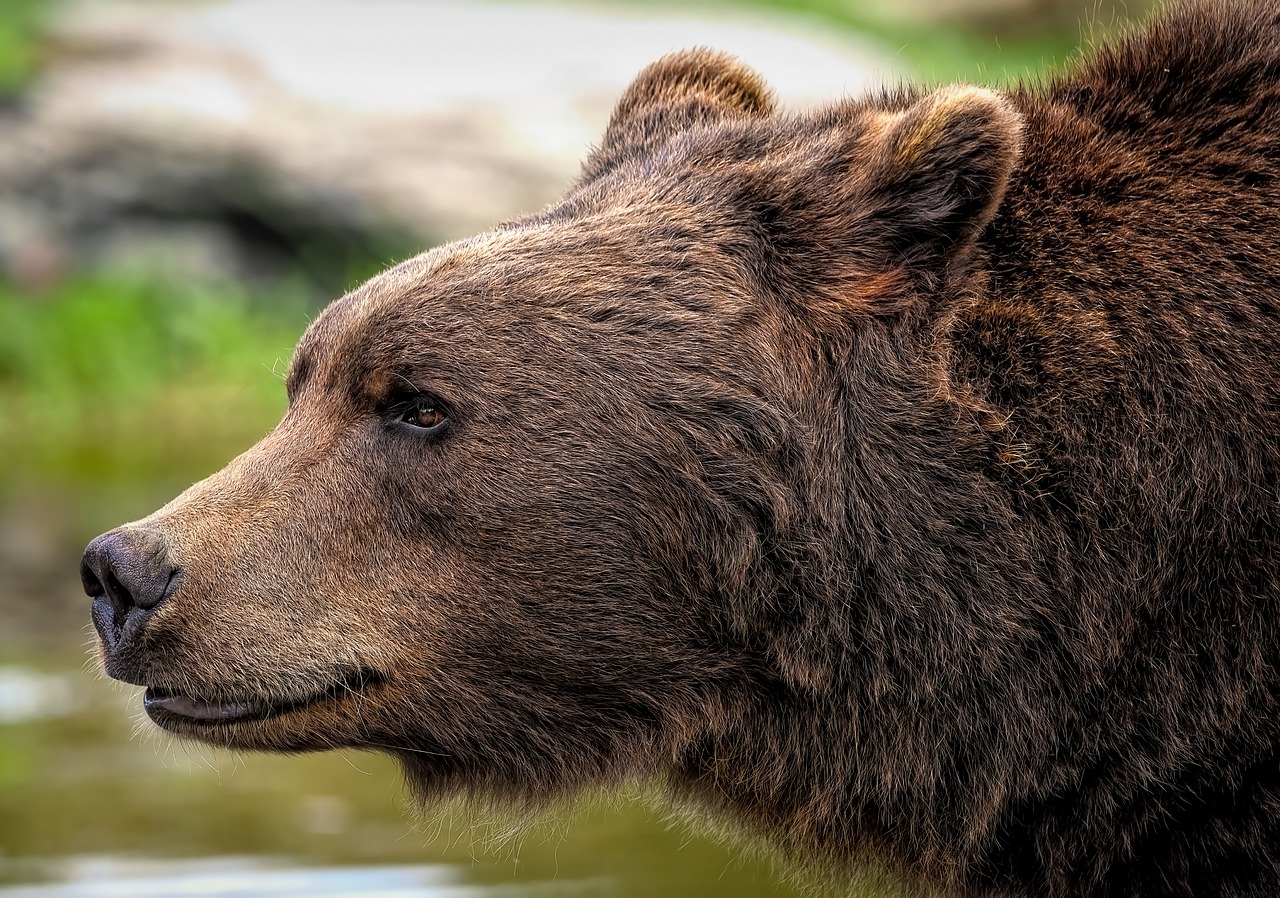
Various tribes have Beaver as a totem including the Muskogee, Chippewa and Iroquois. Yet the bear stands as one of their most revered animal spirits. Iroquois and Algonquian tribes also view the wolf as a wise guardian and guide; wolf totems represent intelligence, courage, and strong instinct or intuition.
Native American tradition associates bear with elders and family, with bear also a teacher in gathering necessary sustenance, and in all this the bear spirit remains eminently pragmatic and patient. The BEAR is known for its human-like qualities and caring for family, serving as a symbol of strength, power and honor.
Apache Warriors and the Eagle’s Vision
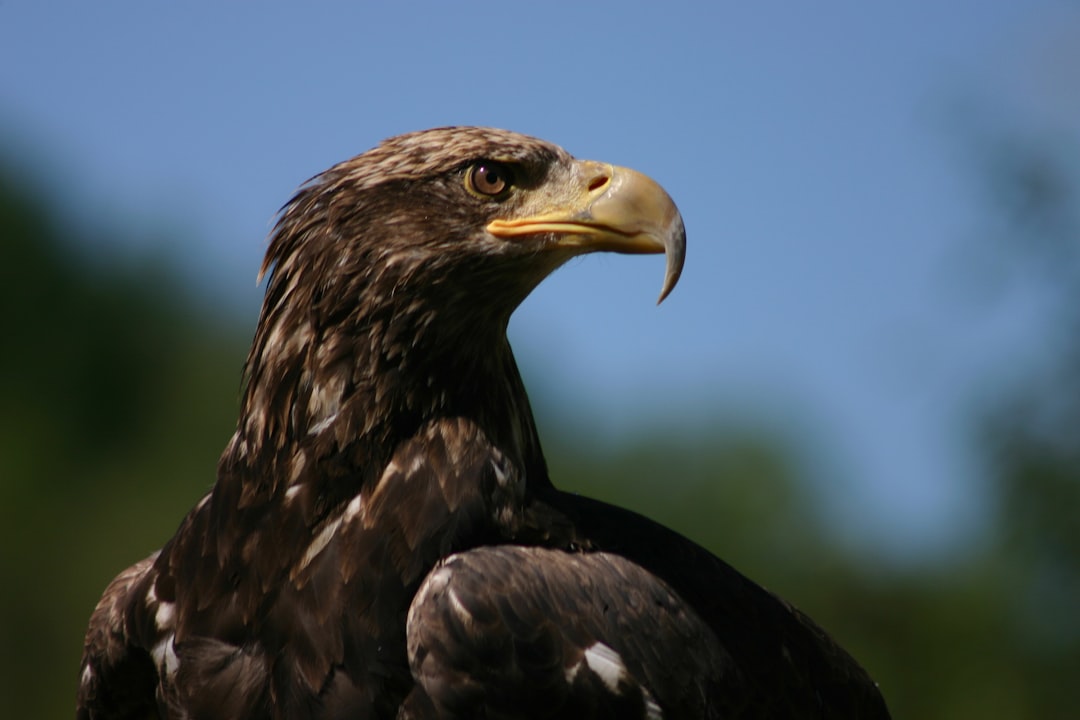
Apache warriors imitated wolf teamwork in pre-battle rituals. Though they respected the wolf, the Apache tribe held the eagle in supreme reverence. The eagle, with its soaring flight, represented freedom and spiritual connection to the heavens.
In most native tribes, the eagle stood for spiritual protection, as well as strength, courage, and wisdom, and like an eagle in flight, as a totem animal, the bird represents the ability to see broad truths that we cannot see from our normal earth-bound perspective, with the eagle being the power animal closest to the Creator. Different tribes and communities may have distinct interpretations of the same animal, for instance, the eagle, while often associated with spirituality across many tribes, might have different meanings within specific communities: one tribe might focus on its strength, another on its ability to see far, yet another on its role as a messenger between the worlds.
Navajo Nation and the Complex Relationship with Wolves
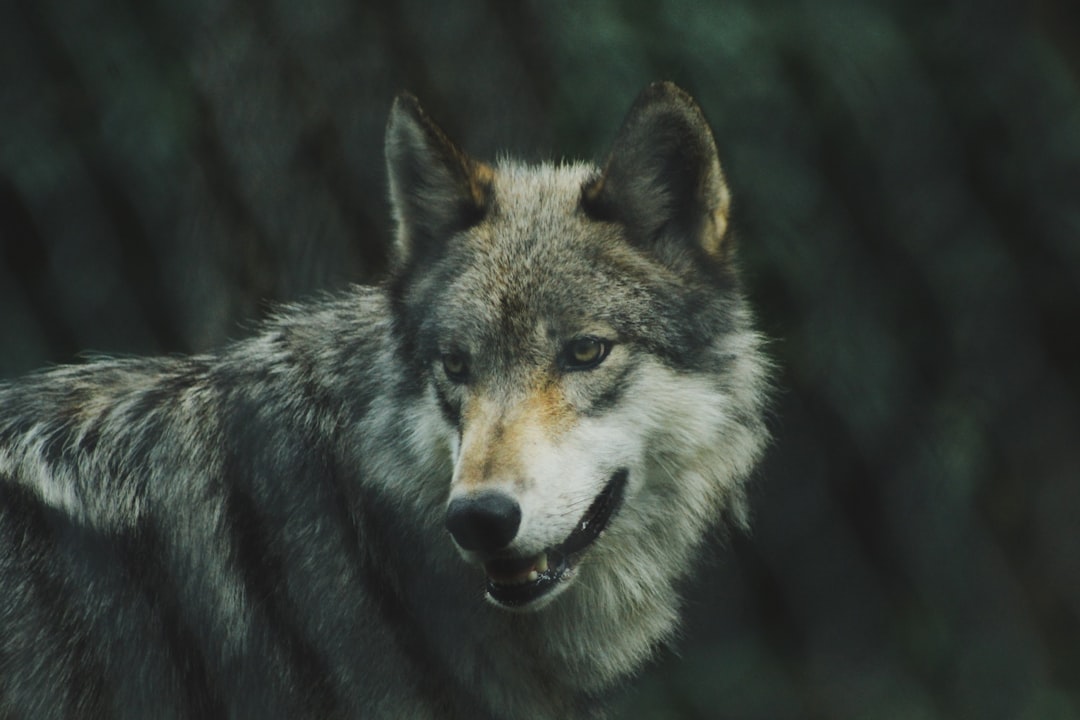
Navajo (Diné) traditionally associate wolves with witches (skinwalkers). This presents a fascinating contrast to other tribes’ reverence. Native tribes in the Southwestern United States, such as the Navajo and Hopi, have a rich artistic tradition, but totem poles are not part of their traditional cultural traditions.
The Navajo wariness of “wolf witches” stands in contrast to the Cherokee kinship with the wolf as a clan ancestor. The Navajo and some other nations even have traditional healing chants that involve wolf spirits, considering the wolf as having healing qualities. This duality illustrates how the same animal can embody both protective and potentially dangerous spiritual forces within different cultural contexts.
Chippewa People and the Industrious Beaver

Various tribes have Beaver as a totem including the Muskogee, Chippewa and Iroquois. As an animal spirit Native American lore reveals the beaver as a mover and shaker, with this creature representing sagacity and success in the hunt.
Other tales depict the beaver as a builder, and the lesson you can learn from the beaver is not to be prideful, but to strive to build things in life that will make it a better world, and if beaver comes into your life, the message is one of cooperation. The Chippewa understood that the beaver’s dam-building represents the importance of community effort and environmental stewardship.
Plains Cree and the Resilient Elk
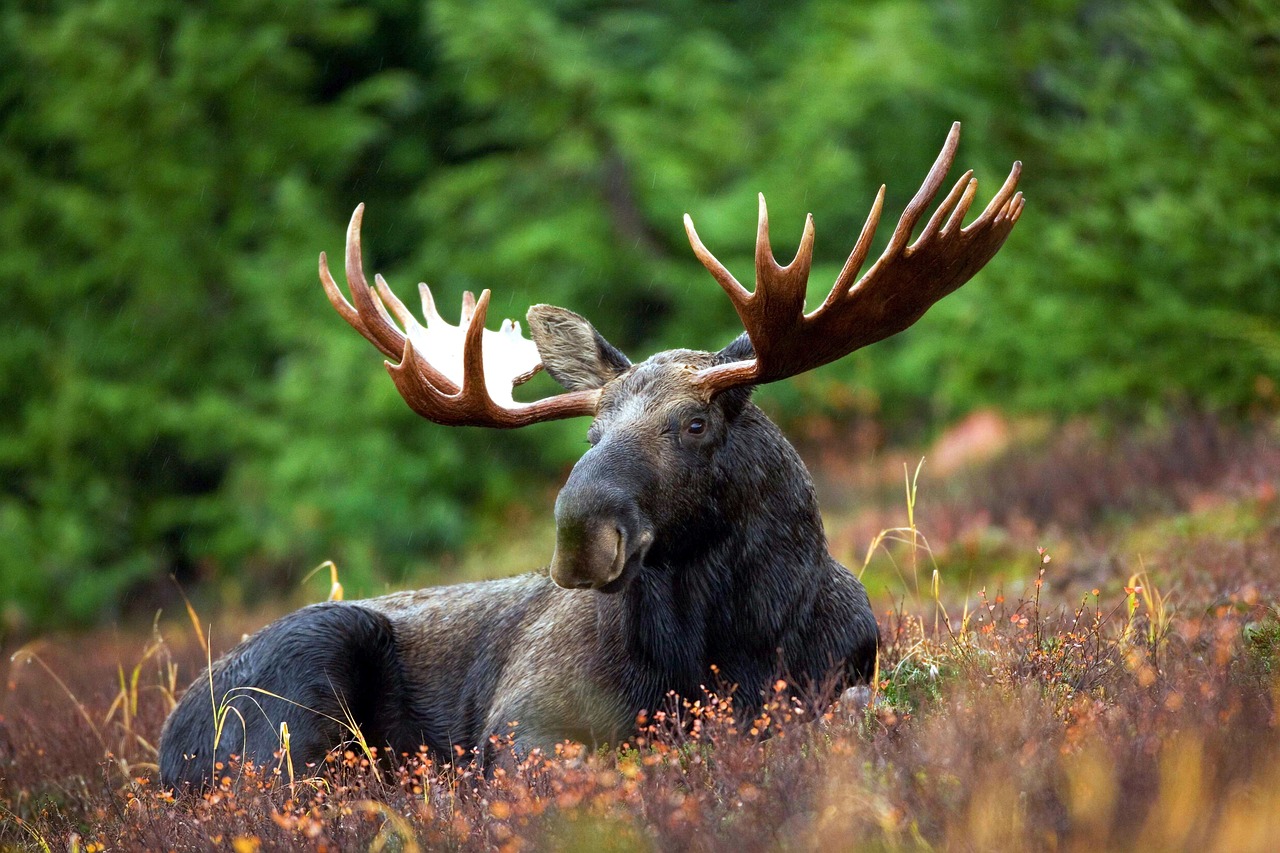
The Plains Cree developed a deep spiritual connection with the elk, an animal that embodied grace under pressure and seasonal wisdom. Traveler, mobility, preference to be nomadic, adaptability to adversity, sensitivity, guidance, surety.
The elk taught these people about migration patterns and survival during harsh winters. Its ability to thrive in various terrains while maintaining social bonds reflected the Cree values of adaptability and community strength. The elk’s seasonal shedding of antlers symbolized renewal and the cyclical nature of life that the Plains Cree embraced in their spiritual practices.
Hopi Tribe and the Sacred Snake
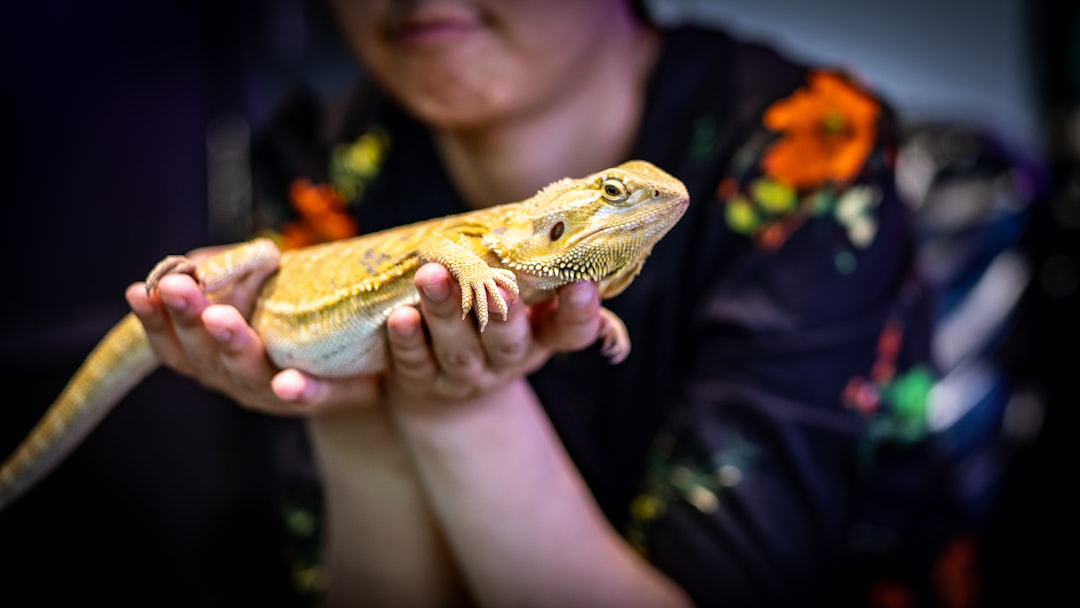
The snake is associated with transformation and healing, and as it sheds its skin, it symbolizes renewal and personal growth, with some tribes seeing the snake as a guardian of sacred knowledge and medicine. Those with Snake totems have visionary aptitude and many people misunderstand them, with these souls requiring times away to renew so they can return to the circle in which they live, love and laugh, and Snake people have incredible primal forces within.
The Hopi people particularly revered the snake’s connection to water and rain ceremonies. In Native American astrology, people born during the sign of the snake often become tribal shamans, with the snake representing both the mundane and spiritual aspects of life – a bridge that the Shaman must walk between to serve the tribe.
Menominee Nation and the Ancient Sturgeon

Certain Native American tribes like the Menominee have spring rituals honoring this fish, and the Ojibwe tribe has a sturgeon clan, with both these settings having the sturgeon represent vitality and long life even in the face of hardship, and when the sturgeon spirit comes into our lives it reminds us of how to gracefully navigate our emotions and remain in control when life’s waters turn rough.
The Menominee developed elaborate ceremonies honoring the sturgeon’s return each spring to their rivers. These ancient fish, some living for over a century, became symbols of ancestral memory and the continuity of tribal knowledge. The sturgeon’s bottom-feeding habits taught lessons about humility and finding nourishment even in difficult circumstances, values that sustained the Menominee through challenging historical periods.
Conclusion
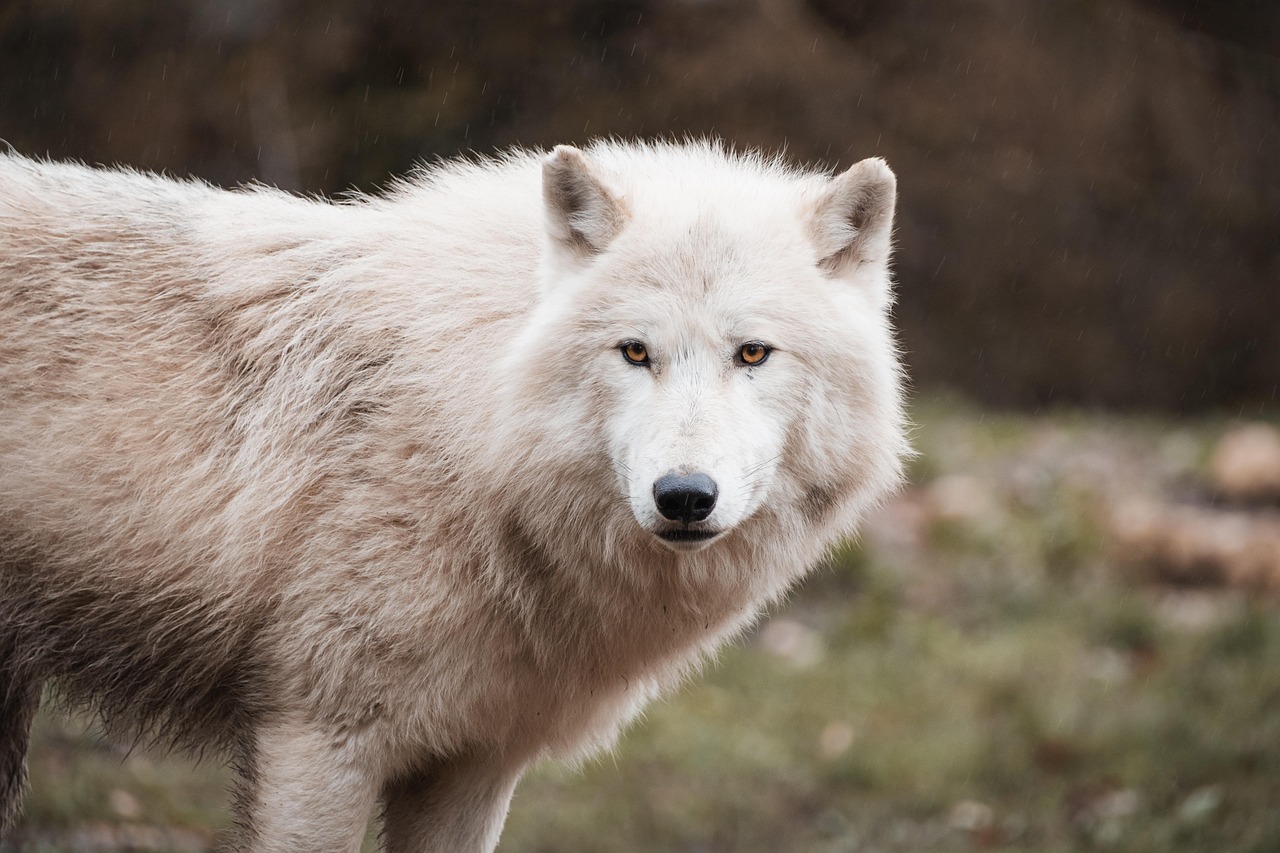
The sacred relationship between reveals a profound understanding of interconnectedness that modern society often overlooks. The Lakota people learn from childhood that all beings depend on one another or perish and there are lessons to be learned from all forms of life. Common threads run through these traditions: nearly everywhere the wolf is respected for its loyalty, strength, and intelligence, and seen as a being humans can learn from, with many tribes honoring the wolf as a guardian – whether guarding the tribe from spiritual harm, guarding the secrets of hunting, or guarding the pathways between this world and the spirit world.
Each tribe’s unique relationship with their totem animals demonstrates how spiritual beliefs adapt to specific environments while maintaining universal themes of respect, learning, and protection. These ancient wisdoms offer valuable perspectives on living harmoniously with nature and understanding our place within the greater web of life.
What wisdom do you think we might gain from reconnecting with these ancient teachings about our relationship with the animal world?
