

Nature’s laboratory has been running wild experiments for millions of years, creating creatures with abilities that would make Marvel’s mutants jealous. From regenerating limbs to detecting magnetic fields, the animal kingdom harbors superpowers that seem ripped straight from comic book pages. While humans dream of genetic mutations granting extraordinary abilities, many animals already possess these remarkable traits through natural evolution. The line between science fiction and reality becomes surprisingly thin when we examine what creatures can actually do in the wild. These aren’t fictional mutants born from radioactive accidents – they’re real animals whose genetic makeups have naturally evolved to produce abilities that would make Wolverine, Storm, and Professor X take notice.
The Regeneration Masters: Axolotls
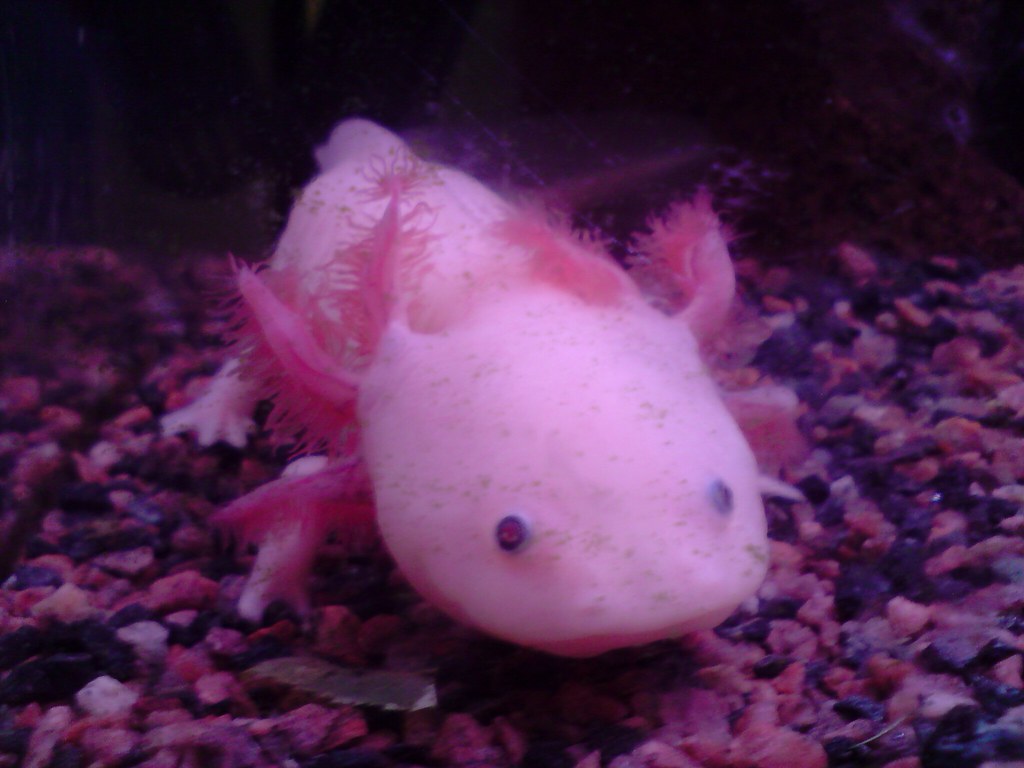
The axolotl, a type of salamander, possesses one of the most astonishing mutations in the animal world: the ability to regenerate lost limbs, spinal cord, and even heart tissue. This unique trait is linked to its genetic makeup, which allows it to repair damaged cells without forming scar tissue. This regenerative power means the axolotl can survive injuries that would be fatal to other animals.
Picture Wolverine’s healing factor, but perhaps even more impressive. Unlike most animals, which can only heal wounds, the axolotl can regrow entire limbs, spinal cords, and even portions of its heart and brain. This remarkable capability is due to the presence of unique cells called blastemal cells, which can transform into various tissue types.
The Magnetic Navigators: Migratory Birds

Magnetoreception is a sense which allows an organism to detect the Earth’s magnetic field. Animals with this sense include some arthropods, molluscs, and vertebrates (fish, amphibians, reptiles, birds, and mammals). Imagine having Magneto’s connection to magnetic fields, except using it for navigation rather than moving metal objects.
Certain animals, like birds, have a “sixth sense” known as magnetoreception. This ability allows them to sense Earth’s magnetic field and navigate during migrations. The special cells containing magnetic particles in their brains help them sense the direction and intensity of the Earth’s magnetic field. These feathered mutants essentially have built-in GPS systems that never need updates.
The Master Shapeshifters: Octopuses
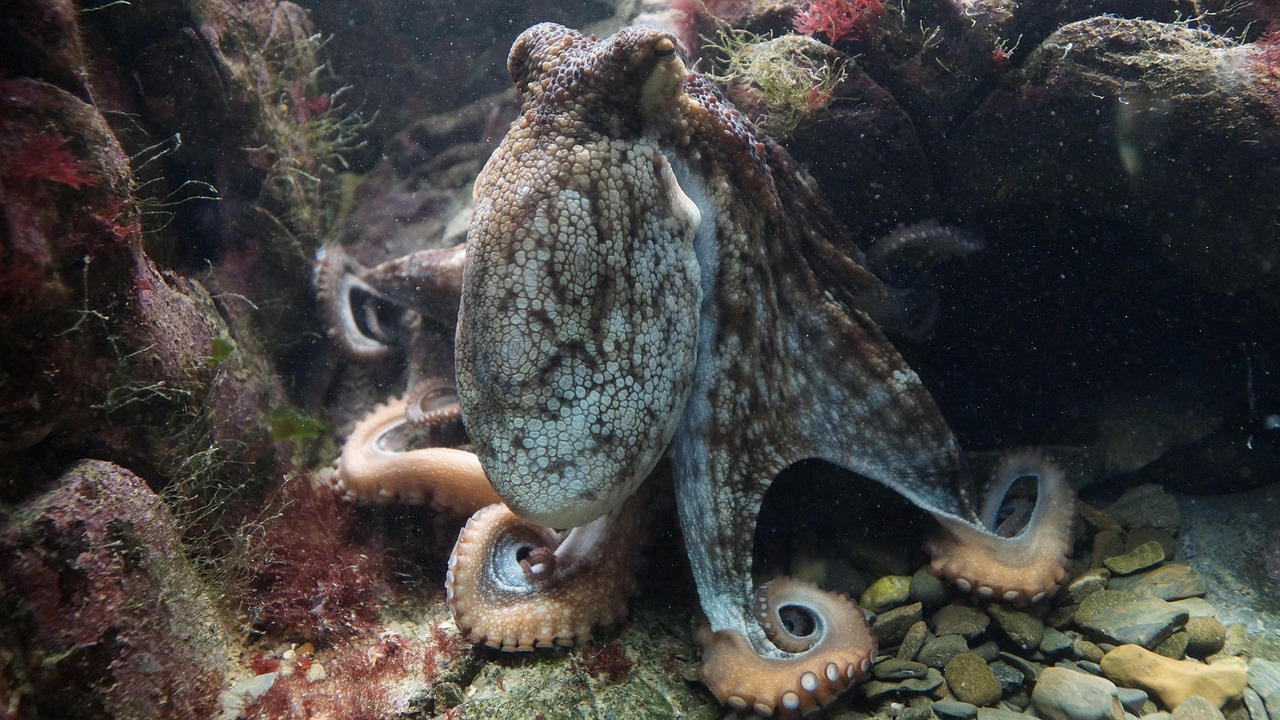
Some animals have incredible camouflage skills, like the octopus, which can change color and texture to blend into its surroundings. This rivals Mystique’s shapeshifting abilities, though octopuses focus on environmental mimicry rather than copying other creatures.
Cuttlefish are masters of disguise, capable of changing their skin color and texture in the blink of an eye. This ability is used to evade predators, communicate, and hunt. Cuttlefish possess specialized cells called chromatophores, leucophores, and iridophores, allowing them to produce various colors and patterns. By adjusting these cells, they can blend seamlessly into their surroundings or create mesmerizing displays to attract mates or intimidate rivals.
The Speed Demons: Peregrine Falcons
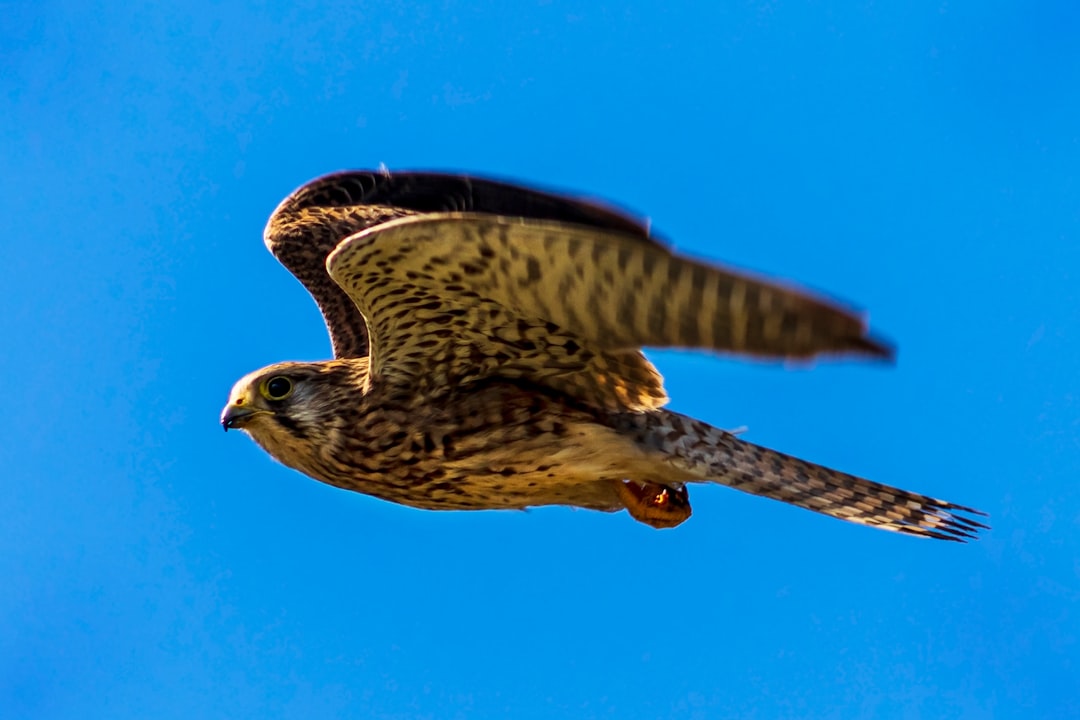
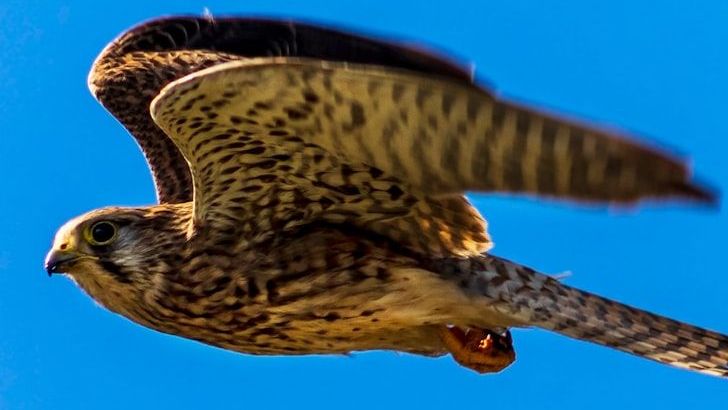
Others, like the peregrine falcon, are speed demons, diving at speeds over 240 miles per hour. While Quicksilver might outrun them on land, these aerial speedsters could give any X-Men speedster a run for their money in the sky. Their incredible velocity comes from genetic adaptations that optimize their aerodynamics and muscle efficiency.
These birds don’t just achieve impressive speeds – they maintain perfect control while diving at velocities that would challenge even the most advanced aircraft. Their mutations include specialized heart rates, enhanced oxygen processing, and reinforced bone structures that prevent them from literally falling apart at such extreme speeds.
The Electric Generators: Electric Eels
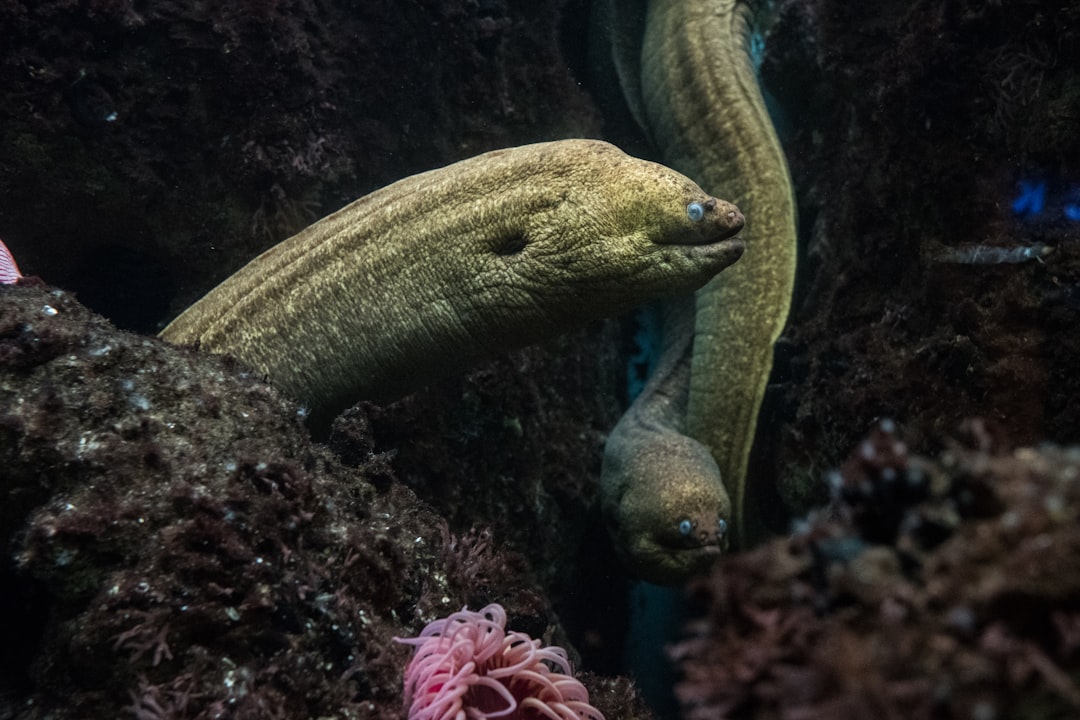
Then there’s the electric eel, which can generate electricity to stun prey. Electric Eel: For shocking predators and prey with up to 600 volts. Storm’s weather manipulation might seem more dramatic, but electric eels pack enough punch to power a small household – or knock out a full-grown crocodile.
It can navigate murky waters by detecting the electric fields generated by nearby prey and immobilize them with powerful electric shocks. The electric eel’s shocking superpower makes it a true marvel of the aquatic world. Their genetic mutations created specialized cells that function like living batteries, stacked in series to amplify their electrical output.
The Invulnerable: Tardigrades
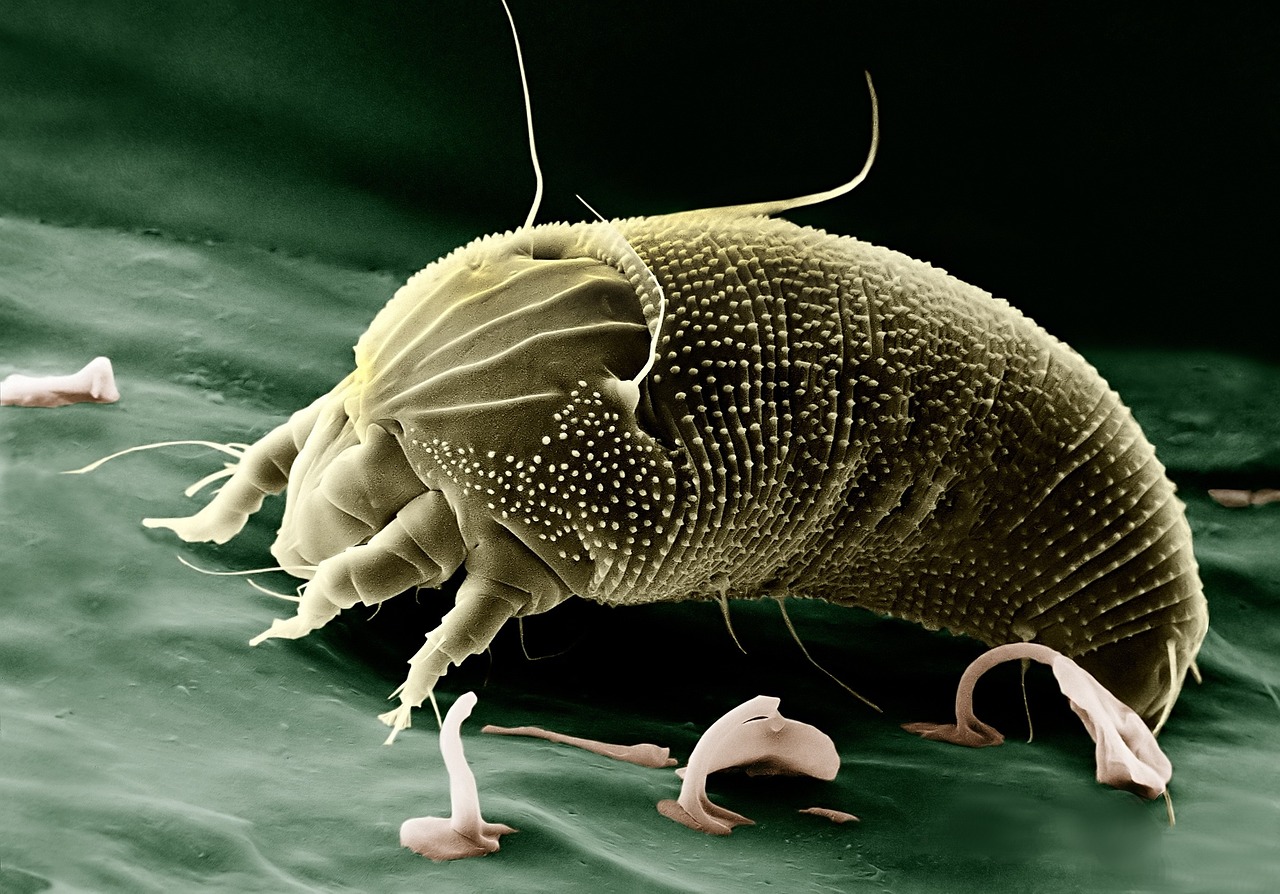
Tardigrades (Water Bears): For surviving extreme temperatures, space vacuum, and radiation. These microscopic creatures possess mutations that would make even the toughest X-Men envious. They can literally survive in the vacuum of space, withstand radiation levels thousands of times higher than what would kill humans, and endure temperatures ranging from near absolute zero to over 300 degrees Fahrenheit.
Think of them as nature’s version of Colossus, but instead of transforming into steel, they enter a state called cryptobiosis where they essentially shut down all biological processes and become virtually indestructible. Their genetic makeup includes unique proteins that protect their DNA from damage and allow them to revive after decades of suspended animation.
The Super Strength Champions: Hercules Beetles
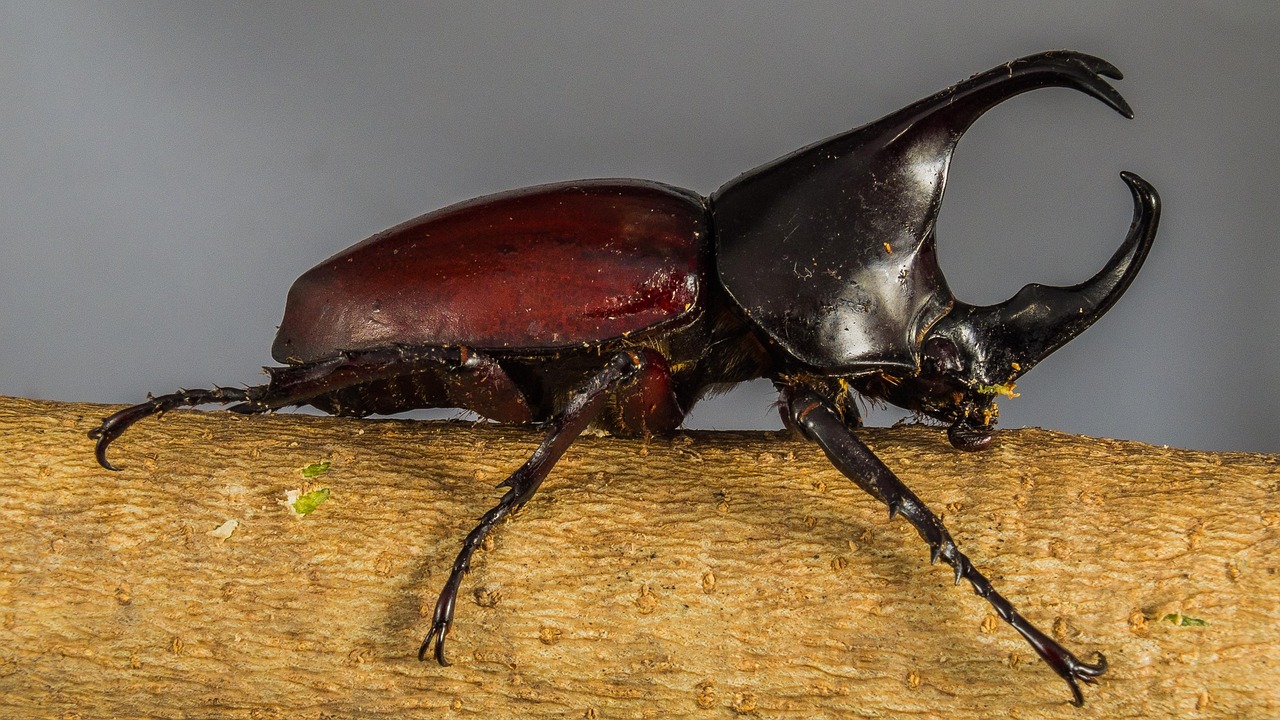
The Hercules beetle, named after the mythological hero, possesses an incredible superpower – unparalleled strength. Despite its relatively small size, this beetle can lift objects up to 850 times its own weight, making it one of the strongest creatures on the planet.
Dung Beetle: This tiny insect can lift over 1,000 times its body weight. Imagine a human lifting a stack of 18-wheelers! These insects have mutations affecting their muscle fiber density and leverage systems that put even the Hulk’s proportional strength to shame. Their exoskeletons are engineered at the molecular level to distribute enormous forces without breaking.
The Echolocation Experts: Bats
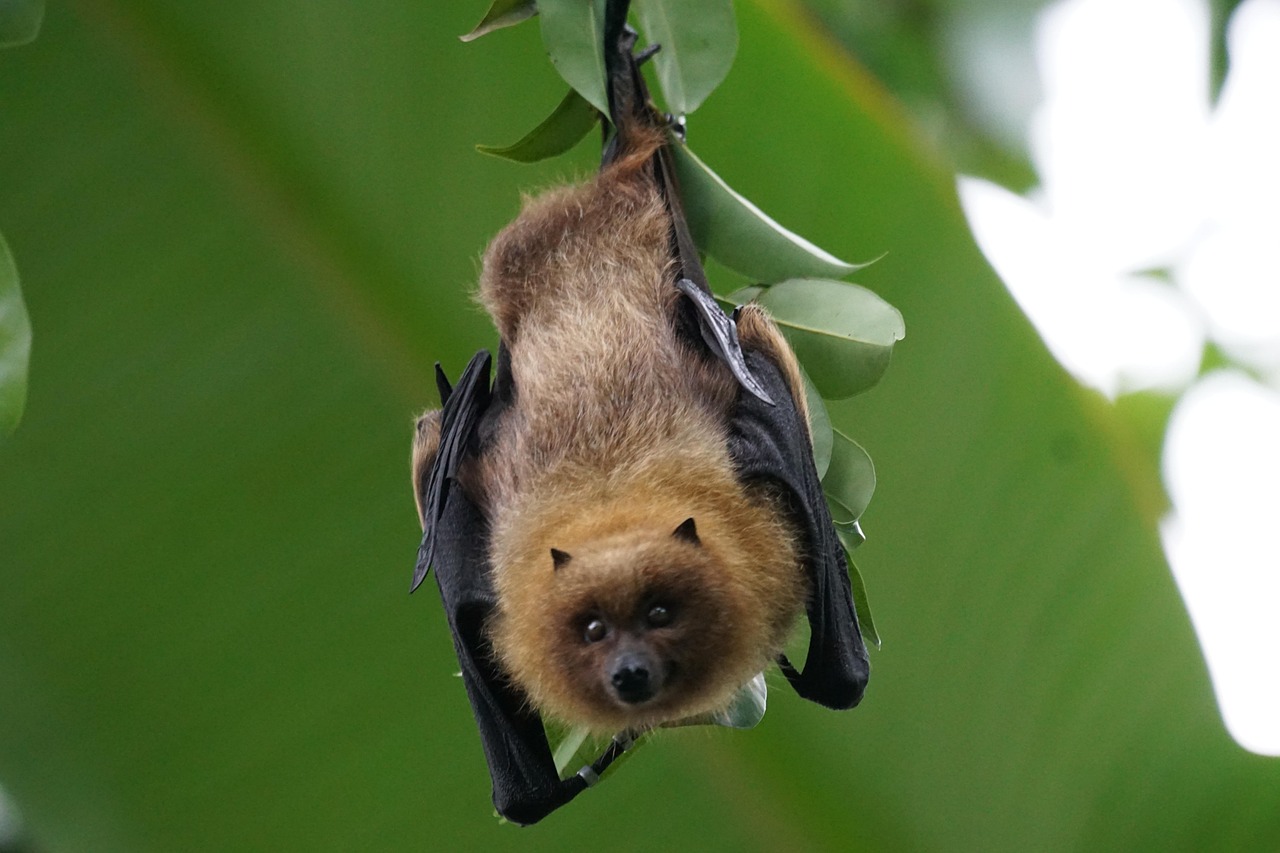
Magnetic fields appear to play a role in bat orientation. They use echolocation to orient themselves over short distances, typically ranging from a few centimetres up to 50 metres. Like Daredevil’s enhanced senses, bats have evolved genetic mutations that allow them to “see” with sound.
To track insects, during the day or night, they create a sound that has a boomerang effect when it hits an object. This process of echolocation tells the bat where food and objects are hiding, which helps them expose prey while memorizing their path back home. Their mutations include specialized vocal cords, enhanced hearing structures, and brain regions dedicated to processing acoustic information with incredible precision.
The Toxic Avengers: Poisonous Animals
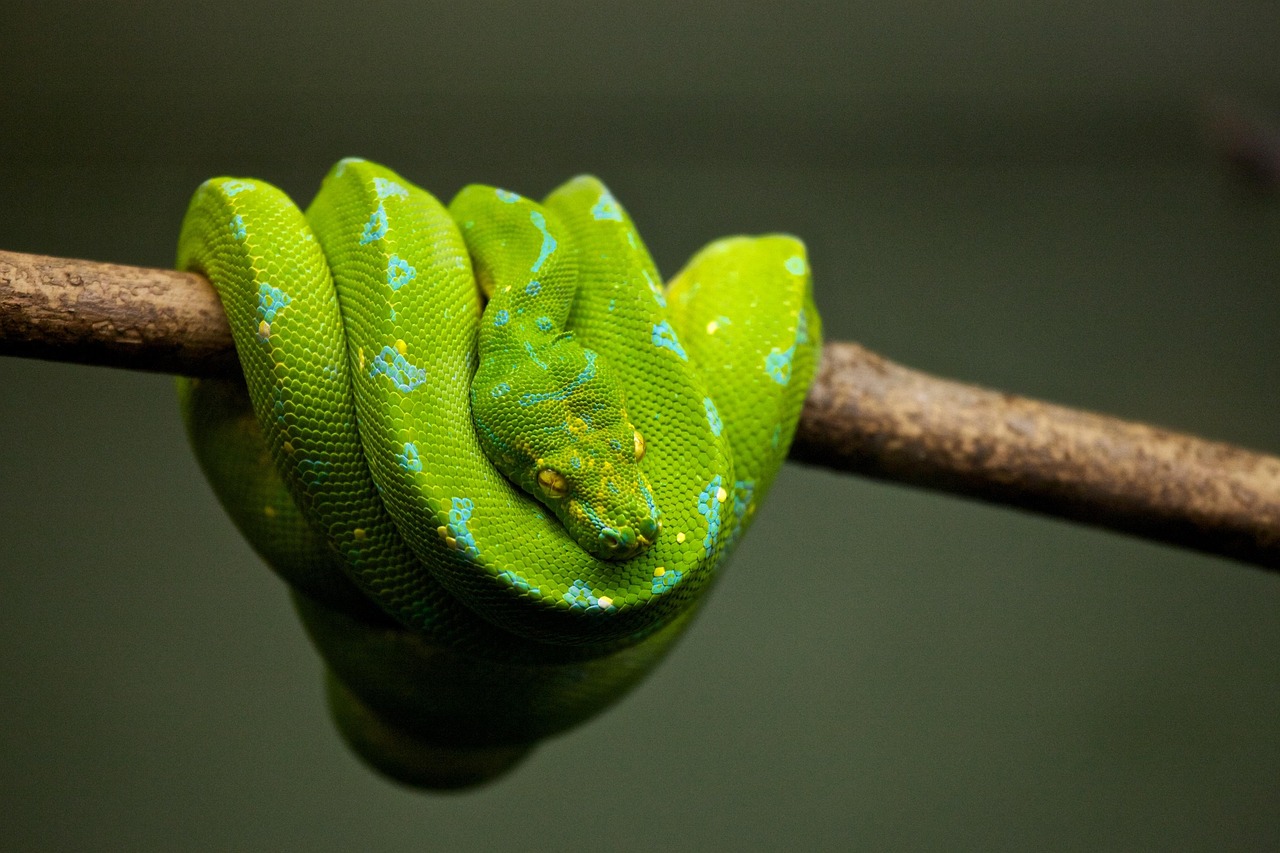
Many animals have developed genetic mutations that allow them to produce and deploy toxins with deadly efficiency. Bombardier Beetles: Can shoot a boiling, chemical spray to defend themselves. This is essentially a biological weapons system that would make any villain’s chemical arsenal seem primitive.
Poison dart frogs, venomous snakes, and various spiders have mutations affecting their biochemistry to produce cocktails of toxins specifically designed to paralyze, kill, or digest their targets. These aren’t accidental byproducts – they’re precision-engineered molecular weapons that represent millions of years of evolutionary arms races.
The Weather Sensors: Storm Predictors
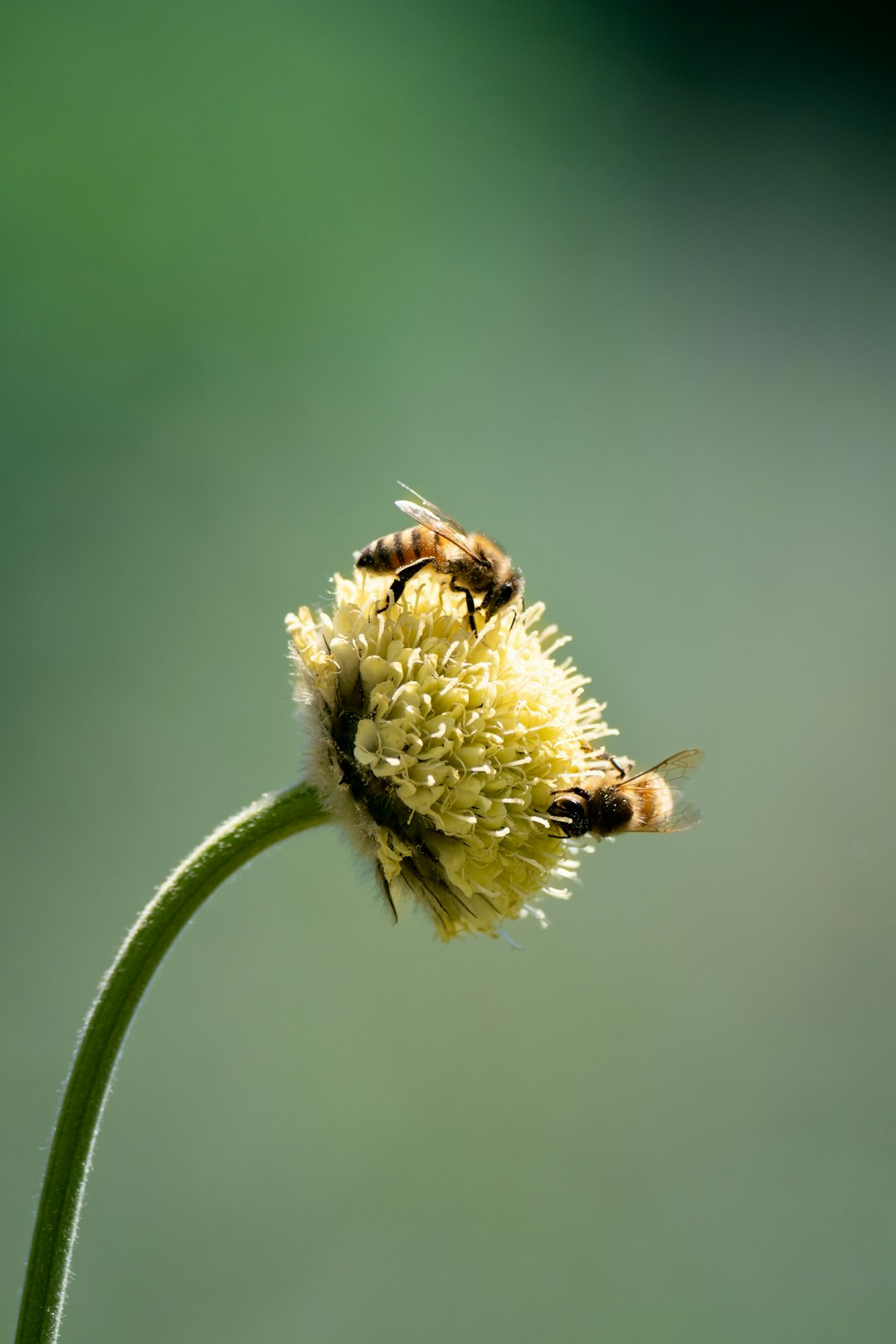
Aside from being able to produce honey through the pollination of flowers, did you know that bees are incredibly hypersensitive that they can also sense the Earth’s magnetic field? Aside from that, they can also detect atmospheric electromagnetic waves that indicate thunderstorms. These abilities help bees in navigating flowers and determining whether a storm is approaching.
While Storm controls weather, many animals can sense it coming with uncanny accuracy. Their genetic mutations include specialized sensors for detecting minute changes in air pressure, electromagnetic fields, and even infrasonic vibrations that precede major weather events by hours or even days. Some sharks can sense approaching storms from hundreds of miles away.
In the end, nature’s mutants put Xavier’s School for Gifted Youngsters to shame. These real-world genetic variations have produced abilities that span the entire spectrum of superhuman powers. From regeneration and super strength to magnetic sensing and electrical generation, the animal kingdom demonstrates that extraordinary abilities aren’t just the stuff of comic book fantasies – they’re evolutionary solutions to survival challenges that have been tested and refined over millions of years. What makes these creatures truly remarkable isn’t just what they can do, but how their mutations arose through natural processes, proving that reality often surpasses even our wildest fictional imaginations. What do you think about these real-life superpowers? Tell us in the comments.

- What It Actually Means When a Hummingbird Visits You - July 25, 2026
- Which Ocean Animal Are You Based on Your Zodiac Sign? - July 25, 2026
- 12 Powerful Dog Breeds that Can Take Down a Wolf - July 24, 2026