
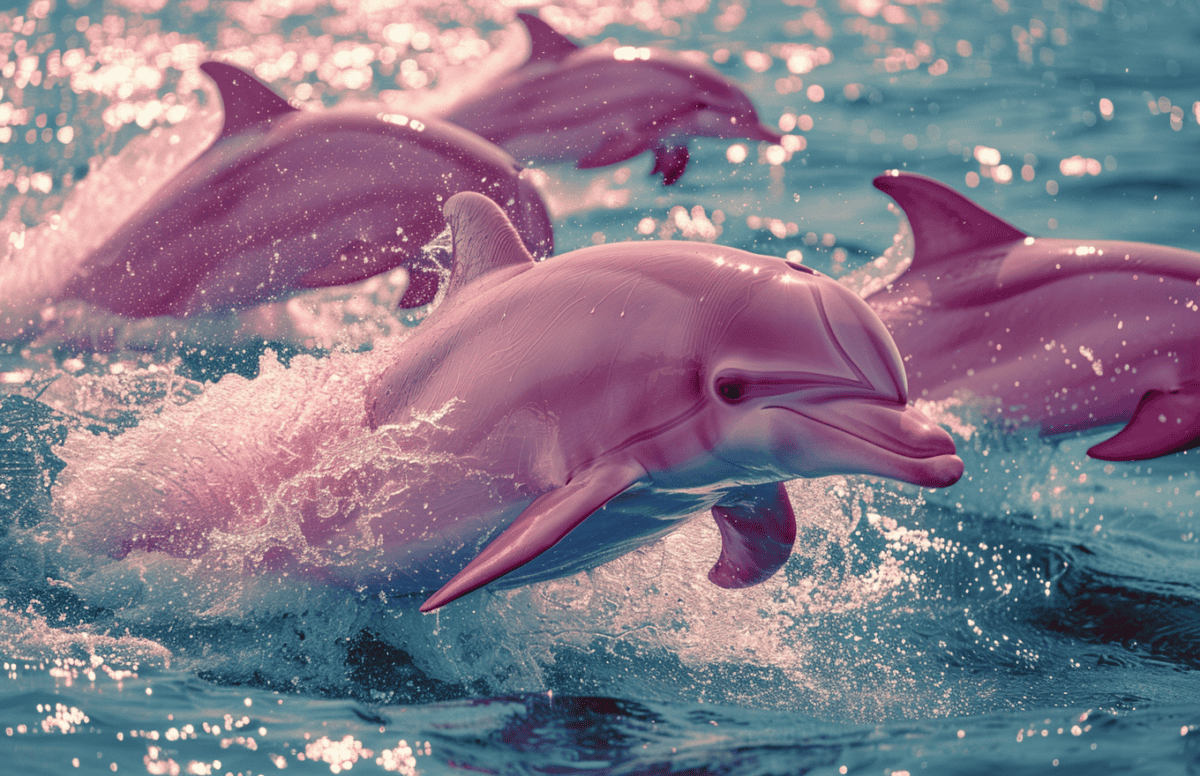
Deep within the murky waters of the Amazon Basin swims one of nature’s most fascinating creatures – the Amazon River dolphin, also known as the boto or pink river dolphin. Unlike their ocean-dwelling cousins, these remarkable mammals possess a distinctive rosy hue that has captivated scientists and locals alike for centuries. Their pink coloration isn’t just a curious anomaly but a complex biological adaptation tied to their unique environment and lifestyle. From scientific explanations to cultural significance, the pink river dolphin represents one of the Amazon’s most enchanting mysteries and serves as an important indicator of ecosystem health in the world’s largest river system.
The Biology Behind the Blush: Understanding Amazon River Dolphins

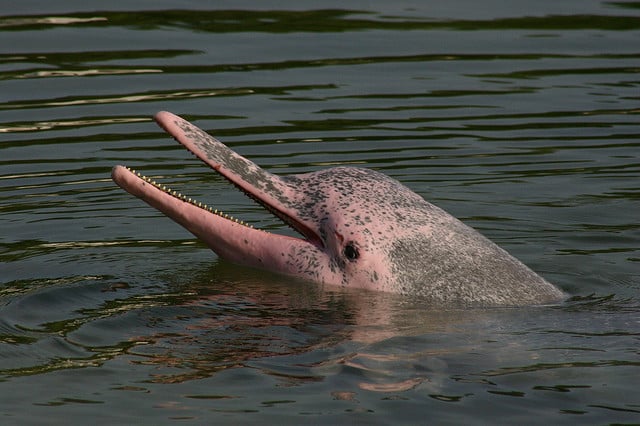
Amazon river dolphins (Inia geoffrensis) are freshwater cetaceans belonging to the family Iniidae. Unlike the streamlined appearance of oceanic dolphins, these river specialists have evolved distinctive physical characteristics to navigate their complex habitat. They possess long, slender beaks filled with 24-34 conical teeth per jaw, flexible necks that allow them to move their heads in all directions, and broad flippers that provide excellent maneuverability through flooded forests and narrow channels. Most notably, while they begin life with a grayish coloration, many adults develop their signature pink hue over time.
These intelligent mammals can grow up to 8.2 feet (2.5 meters) in length and weigh approximately 352 pounds (160 kilograms), with males typically growing larger than females. Their uniquely adapted bodies include unfused neck vertebrae (unlike ocean dolphins), small eyes with limited vision, and enhanced echolocation abilities to compensate for poor visibility in sediment-rich waters. While their physical adaptations are remarkable, it’s their gradual transformation to pink that remains their most mysterious and captivating feature.
The Science of Pink: What Causes Their Rosy Coloration

The pink coloration of Amazon river dolphins isn’t present at birth but develops gradually throughout their lives. The primary scientific explanation relates to blood vessel activity near the skin surface. These dolphins have particularly thin skin compared to other cetaceans, with an abundance of capillaries located close to the skin’s surface. As blood flows through these vessels, it creates a pinkish tinge visible through their translucent skin layer. This physiological mechanism functions similarly to how human skin can appear flushed when blood vessels dilate near the surface.
Adding to this natural phenomenon is the dolphins’ ability to control blood flow to their skin surface. When excited or agitated, they can increase blood flow to their skin, intensifying their pink appearance – effectively “blushing” in response to stimuli. This vascular control also serves thermoregulatory purposes, helping them adapt to temperature changes in their aquatic environment. The intensity of their pink coloration can vary significantly among individuals, with some appearing almost white or light gray and others displaying vibrant reddish-pink hues.
Age and Gender Factors in Pink Coloration

The pink coloration of Amazon river dolphins shows distinct patterns related to age and sex. Juveniles are typically born with a dark gray appearance that gradually lightens as they mature. Males generally develop a much more intense pink coloration than females, with some mature bulls displaying vibrant reddish-pink skin that can appear almost fluorescent. This sexual dimorphism suggests the coloration may play a role in sexual selection and mating behaviors, with females potentially preferring more vibrantly colored males.
Scientists have observed that the most intensely colored individuals tend to be older males, particularly those bearing numerous scars from social interactions. These battle-marked males often display the brightest pink hues, supporting the theory that coloration serves as a visual signal of dominance and experience. The gradual development of this coloration throughout their 30+ year lifespan creates a visual record of their maturity and social standing within boto communities.
The Role of Scar Tissue in Color Development

One fascinating aspect of the pink river dolphins’ coloration involves their response to injuries and aggressive encounters. When these dolphins engage in social conflicts or sustain injuries, the healing process leaves distinct scar tissue that often appears more intensely pink than surrounding skin. Male botos frequently engage in aggressive behaviors during mating competitions, using their teeth and robust bodies to establish dominance. These encounters result in numerous scars that accumulate throughout their lives, particularly on their dorsal regions and flippers.
Each scar triggers increased blood vessel development during the healing process, creating patches of more intensely vascularized skin. Older males with extensive social histories can appear almost entirely pink due to the accumulation of these scars. This phenomenon creates a visible record of each dolphin’s life experiences and social interactions. Researchers studying boto populations often use these unique scar patterns to identify and track specific individuals, similar to how scientists use fin patterns to identify oceanic dolphins and whales.
Dietary Influence on Pigmentation

While blood vessels play the primary role in creating the pink appearance, scientists have also identified dietary factors that may influence the intensity of this coloration. Amazon river dolphins feed on a varied diet including more than 50 species of fish, crustaceans, and occasionally small turtles. Many of these prey items contain carotenoids – organic pigments that create red, orange, and yellow colorations in many animals. When ingested, these compounds can be metabolized and potentially deposited in the dolphins’ skin cells, enhancing their pink appearance.
Research suggests that certain riverine fish species contain particularly high levels of these pigments, which the dolphins may incorporate into their skin through their diet. Similar dietary influences on coloration have been documented in flamingos and some other aquatic animals. While still being studied, this nutritional aspect may explain some of the variation in pink intensity observed among different boto populations across the Amazon Basin. Dolphins living in regions with different prey availability may develop slightly different hue variations based on their local diet.
Environmental Adaptations: Thermoregulation and Camouflage
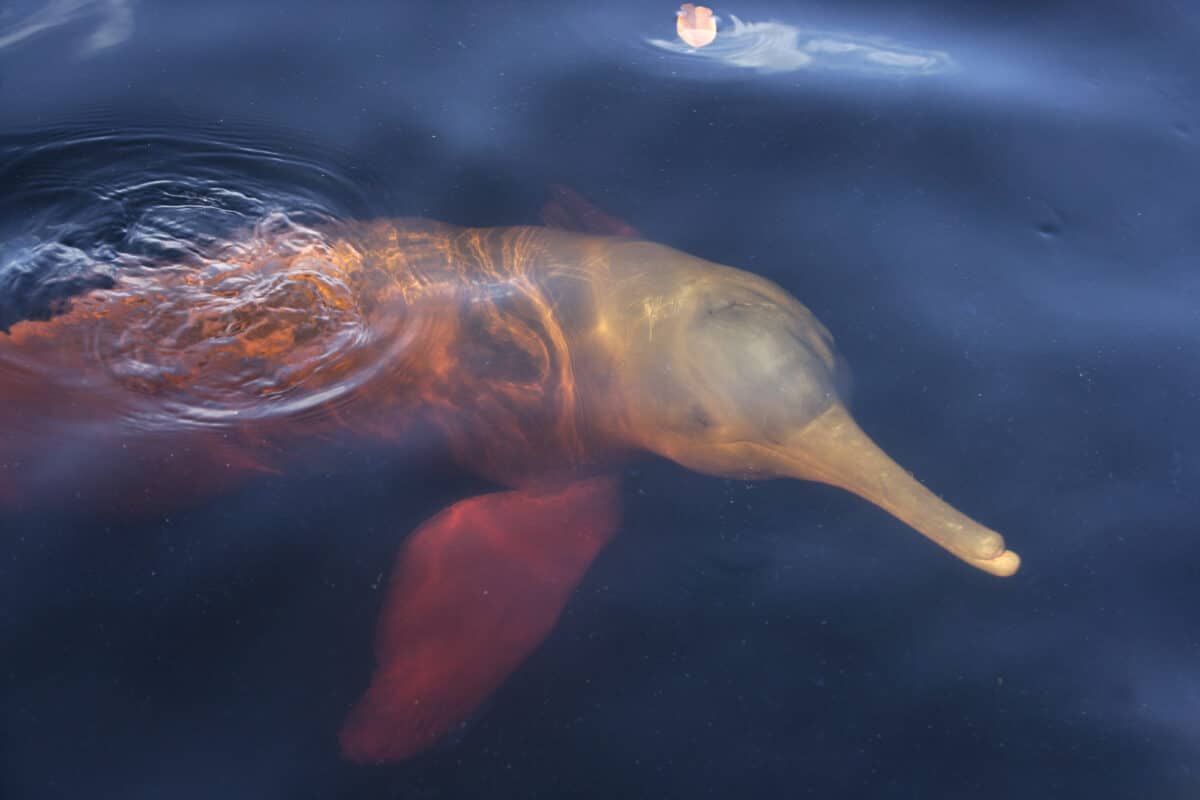
The pink coloration may serve important adaptive functions in the Amazon’s challenging environment. The network of blood vessels near the skin surface that creates their pink appearance also helps these mammals regulate their body temperature. When swimming in warmer waters, the dolphins can increase blood flow to their skin surface, allowing excess heat to dissipate into the surrounding environment. Conversely, they can reduce peripheral blood flow in cooler conditions to conserve body heat, causing their coloration to appear less intense.
Some researchers have also proposed that the pink coloration might provide a form of camouflage in the reddish, sediment-rich waters of certain Amazonian tributaries. During the rainy season, many rivers take on a reddish-brown appearance due to high sediment loads, potentially making the pink dolphins less visible to both predators and prey. While ocean dolphins typically display countershading (dark above, light below) for oceanic camouflage, the pink river dolphins have evolved a different approach suited to their unique freshwater habitat’s visual characteristics.
Regional Variations in Pink Intensity
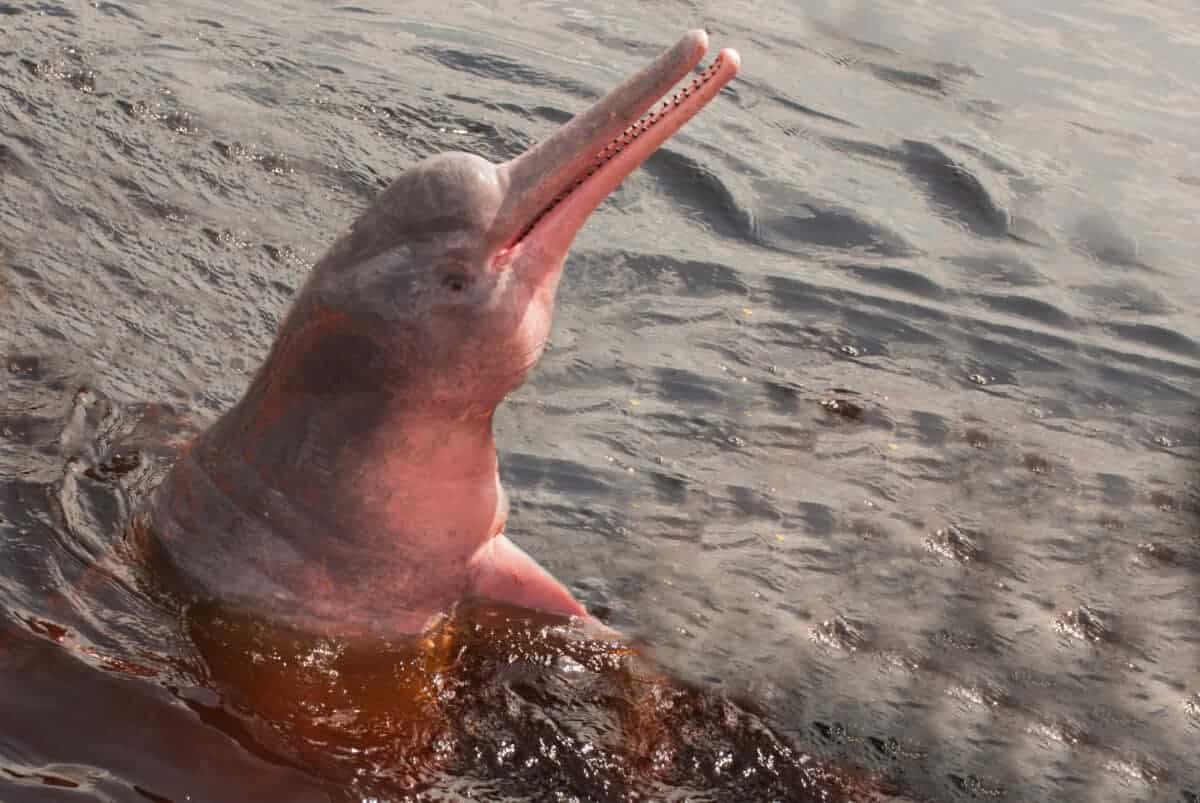
Interestingly, the intensity of pink coloration varies not just between individuals but also among different river systems throughout the Amazon Basin. Dolphins living in the blackwater tributaries like the Rio Negro tend to display deeper, more vibrant pink colorations than those inhabiting the main channel of the Amazon River. These regional differences likely result from a combination of environmental factors including water chemistry, temperature patterns, prey availability, and possibly genetic variations among semi-isolated populations.
Scientists studying these regional variations have documented that dolphins from the upper Amazon tributaries in Peru and Colombia often show different pigmentation patterns compared to those in the central Amazon of Brazil. Some populations in Bolivia’s river systems appear more consistently pink throughout their populations. These geographical differences provide valuable research opportunities for understanding how local environmental conditions influence the expression of this unique trait, potentially offering insights into the adaptive significance of their coloration across different Amazonian ecosystems.
Social Signaling Through Color Changes
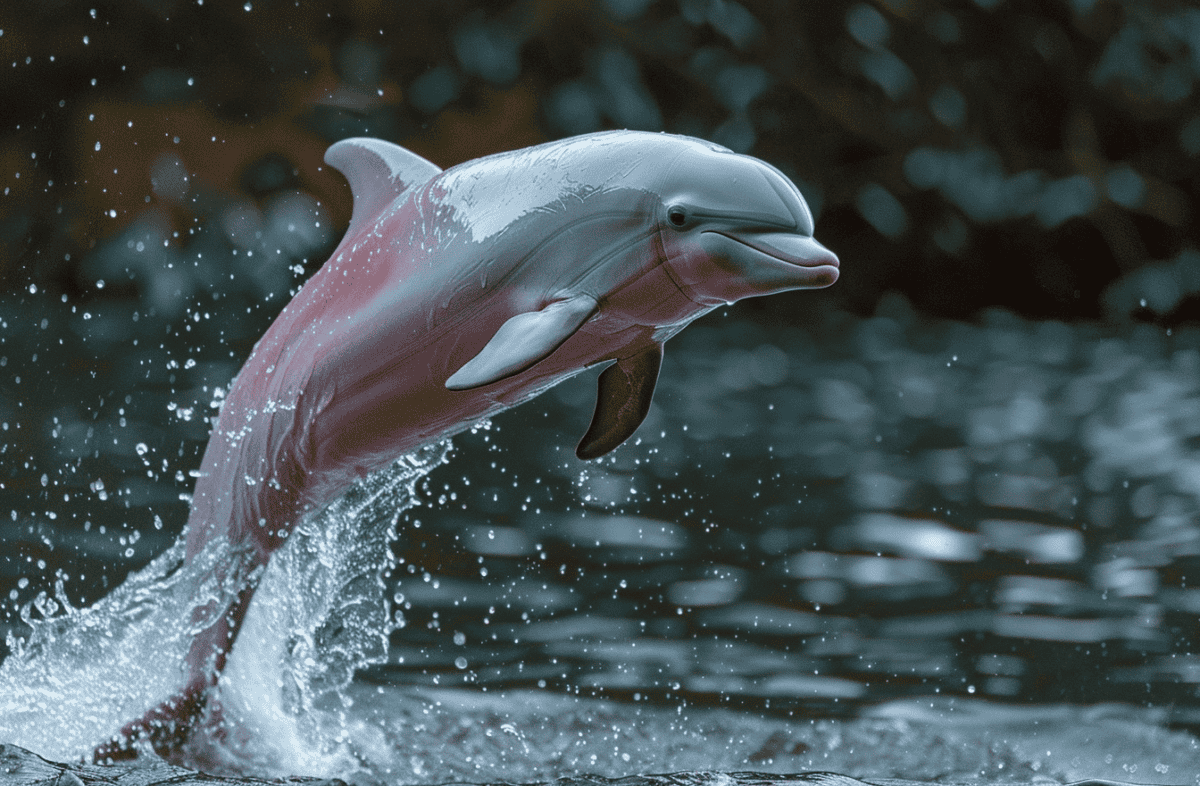
The ability of Amazon river dolphins to intensify their pink coloration through increased blood flow appears to serve important social communication functions. During mating interactions, males have been observed “flushing” to a more intense pink, particularly when competing for female attention. This visual display may communicate information about the male’s physiological state, health, and hormonal condition to potential mates and rivals. The brightest pink individuals often achieve dominance in social hierarchies, suggesting the coloration serves as an honest signal of fitness and competitive ability.
Beyond mating contexts, researchers have documented color changes during other social interactions, including play behaviors and aggressive encounters. Young dolphins develop this ability to control their coloration gradually as they mature, with juveniles showing less capacity for rapid color changes than adults. This complex visual communication system adds another dimension to the already sophisticated social dynamics of these highly intelligent animals. Their color-changing abilities complement their extensive vocal communication repertoire, allowing for multi-modal social signaling underwater.
Cultural Significance and Local Legends

The pink river dolphins hold profound cultural significance among indigenous Amazonian communities, who have woven elaborate mythology around these unusual creatures. According to widespread legends, botos possess the ability to transform into handsome men who seduce women during village festivities before returning to the river at dawn. These “encantados” (enchanted beings) are believed to be powerful shamanic figures capable of crossing between the aquatic and terrestrial worlds. The dolphins’ distinctive pink coloration plays a central role in these beliefs, symbolizing their supernatural and transformative nature.
These cultural associations have created complex relationships between local people and the pink dolphins. In some areas, they are revered and protected by traditional taboos against hunting them. In other regions, body parts from these dolphins are unfortunately still used in folk medicine and love charms due to their mythological associations with fertility and seduction. The pink color specifically features prominently in local art, stories, and ceremonies throughout the Amazon Basin. Understanding these cultural dimensions is crucial for conservation efforts that must navigate both scientific and traditional knowledge systems.
Conservation Challenges for the Pink Ambassadors
Despite their cultural significance and unique adaptations, Amazon river dolphins face serious conservation challenges. Currently classified as endangered on the IUCN Red List, their populations have declined by more than 50% in some regions over three generations. Major threats include habitat destruction from dam construction, mercury contamination from gold mining, entanglement in fishing gear, and deliberate killing for use as fish bait or to reduce competition with commercial fisheries. Their distinctive appearance and restricted habitat make them particularly vulnerable to these anthropogenic pressures.
The pink dolphins’ coloration inadvertently makes them more visible targets for some threats, particularly illegal hunting. However, their distinctive appearance also makes them excellent flagship species for conservation initiatives. Organizations working to protect Amazonian river ecosystems often highlight these charismatic pink mammals to raise awareness about broader conservation issues affecting the entire river system. Conservation efforts include establishing protected areas, developing sustainable fishing practices, mitigating mercury pollution, and working with local communities to promote boto-friendly ecotourism as an economic alternative to harmful activities.
Scientific Research and Remaining Mysteries

Despite decades of scientific interest, many aspects of Amazon river dolphin biology remain poorly understood, including some details of their unique coloration. Research challenges include their remote habitat, the difficulty of maintaining them in captivity for controlled studies, and the murky waters that complicate direct observation. Scientists continue investigating the precise mechanisms controlling their pigmentation, including potential genetic factors that might influence individual variation in color expression. New technologies like underwater drones equipped with specialized cameras are helping researchers document boto behavior and appearance in unprecedented detail.
Recent genetic studies have revealed that what was once considered a single species may actually comprise several distinct species or subspecies across different river systems, each potentially displaying subtle variations in their pink coloration patterns. Ongoing research focuses on how environmental changes, including climate shifts and water quality degradation, might affect the expression of their pink coloration. These studies not only illuminate the mysteries of these remarkable animals but also provide valuable insights for developing effective conservation strategies tailored to different populations throughout their extensive range.
Conclusion: The Enduring Pink Mystery of the Amazon

The pink coloration of Amazon river dolphins represents a fascinating convergence of biology, ecology, and cultural significance that continues to captivate both scientists and the public. From the complex interplay of blood vessels and scar tissue to dietary influences and social signaling, their rosy hue emerges as an adaptive feature uniquely suited to their Amazonian environment. As one of the few freshwater dolphin species remaining on our planet, these pink ambassadors highlight the extraordinary biodiversity of the Amazon Basin and the evolutionary innovations that allow life to thrive in specialized niches.
Beyond their scientific importance, the pink dolphins serve as living connections between the natural world and human cultural systems that have developed alongside them for millennia. Their conservation not only preserves a biological marvel but also protects cultural heritage and ecological relationships vital to the Amazon’s health. As research continues to unravel the remaining mysteries of their coloration, the Amazon river dolphins remind us that even in our age of scientific advancement, nature still holds beautiful secrets waiting to be discovered and protected for future generations.

- Why Sea Anemones Are Both Deadly and Beautiful - June 20, 2026
- Dogs as Guardians of the Afterlife in Global Myths - June 20, 2026
- The Most Elusive Mountain Lions Roaming the California Wilderness - June 20, 2026