


Otters, with their playful antics and seemingly joyful demeanor, have captivated human hearts for generations. Beyond their charming appearance and behavior lies something even more fascinating: their complex social structures and emotional intelligence. These aquatic mammals demonstrate remarkable levels of empathy and cooperative behaviors that offer intriguing insights into how empathy may have evolved across species, including our own. By studying how otters interact, care for one another, and navigate their social worlds, scientists are uncovering valuable clues about the evolutionary roots of empathy—one of humanity’s most cherished emotional capacities. This exploration not only enhances our understanding of animal cognition but also provides a mirror through which we can better comprehend our own emotional development and the biological foundations of compassion.
The Nature of Empathy: A Biological Perspective
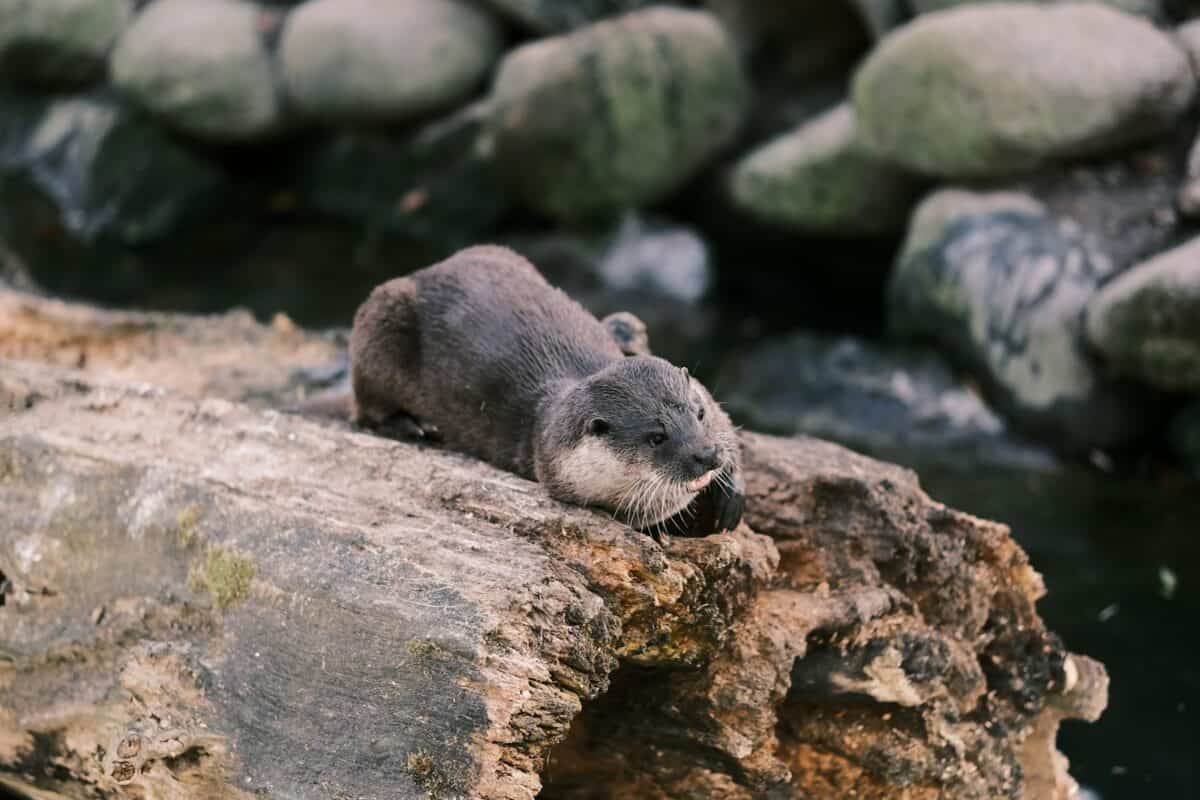
Empathy, at its core, is the ability to understand and share the feelings of another. From a biological standpoint, empathy isn’t simply a lofty human virtue but rather a set of neurological processes that evolved for specific survival advantages. Scientists recognize several types of empathy, including emotional contagion (automatically sharing another’s emotional state), cognitive empathy (understanding another’s perspective), and compassionate empathy (feeling concern and taking action to help others). These capacities are mediated by specific brain regions, particularly the anterior cingulate cortex, insula, and mirror neuron systems, which are activated both when we experience emotions and when we observe others experiencing them.
The evolutionary advantages of empathy are significant. In social species, empathic abilities strengthen group cohesion, facilitate cooperation, enable care for vulnerable offspring, and help in predicting others’ behavior—all crucial for survival. What makes otters particularly interesting in this context is that they exhibit many of these empathic behaviors despite being evolutionarily distant from primates, suggesting that empathy may have evolved independently multiple times across different mammalian lineages through convergent evolution.
Otter Species and Their Social Structures

The family Mustelidae includes 13 species of otters, each with distinct social arrangements that influence their empathic behaviors. Sea otters (Enhydra lutris) are relatively solitary compared to their river-dwelling relatives, though they often form same-sex rafts for resting. River otters vary considerably in their sociality: North American river otters (Lontra canadensis) form small family groups, while giant otters (Pteronura brasiliensis) of South America live in highly cohesive family units of up to 20 individuals. Asian small-clawed otters (Aonyx cinereus) are perhaps the most social, living in extended family groups with complex hierarchies.
These varying social structures present a natural laboratory for studying how social complexity correlates with the development of empathic capabilities. Notably, the more socially complex otter species tend to exhibit more sophisticated forms of empathy and cooperation, supporting the theory that social living creates evolutionary pressure for enhanced emotional intelligence. By comparing these different otter societies, researchers can isolate specific environmental and social factors that may have driven the evolution of empathy not just in otters, but potentially across all mammalian species.
Maternal Care: The Foundation of Otter Empathy
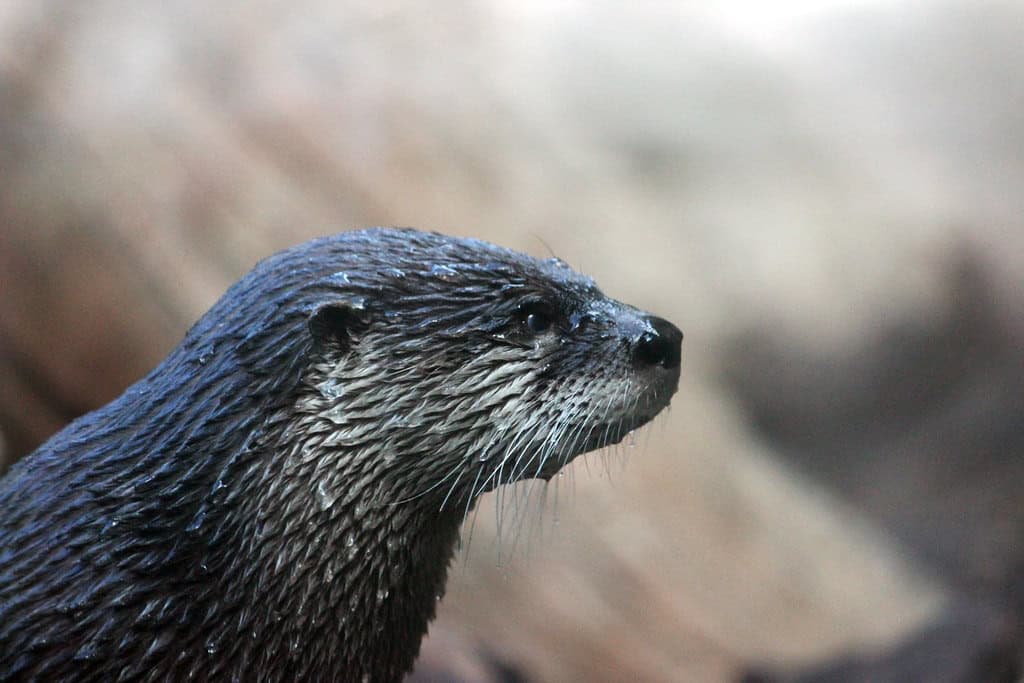
The most fundamental expression of empathy in otters begins with maternal care. Otter mothers demonstrate extraordinary dedication to their pups, investing significant time and energy in their offspring’s development. Female sea otters carry their pups on their chests for months, keeping them dry and warm while teaching them crucial survival skills like grooming and foraging. This constant physical contact not only ensures the pup’s survival but also creates neurological foundations for empathic development through oxytocin release and sensory stimulation.
In river otter species, parenting often extends beyond the mother to include fathers and older siblings in what biologists call “alloparenting.” This distributed care system requires individuals to respond appropriately to the needs and distress signals of young otters that aren’t their direct offspring—a clear demonstration of empathic capability. Research has shown that this extended care system increases survival rates and provides young otters with multiple behavioral models from which to learn empathic responses. The intensity and duration of parental investment in otters mirror patterns seen in primates, suggesting that extensive parental care may be a crucial evolutionary pathway toward more sophisticated forms of empathy.
Distress Responses: Evidence of Emotional Contagion

One of the most compelling indicators of empathy in otters is their response to distress calls from conspecifics (members of the same species). When an otter is injured or in danger, it emits distinctive vocalizations that prompt rapid responses from nearby group members. These responses aren’t merely curiosity but often involve direct assistance, suggesting a fundamental form of empathy known as emotional contagion—the automatic sharing of another’s emotional state.
Field researchers have documented numerous instances of otters coming to the aid of injured group members, bringing food to sick individuals, and even attempting to rescue drowning companions. In giant otters, the entire group may respond vocally and behaviorally to a distress call, suggesting a collective empathic response. Neurobiological studies in other mammals indicate that such responses involve the activation of mirror neuron systems and the release of stress hormones that motivate helping behaviors. These distress responses in otters provide a window into the early evolutionary forms of empathy that may have preceded more complex cognitive empathy in humans and other primates.
Tool Use and Problem-Solving: Cognitive Foundations for Empathy

While empathy is primarily an emotional capacity, its more sophisticated forms require cognitive abilities that allow for perspective-taking and understanding others’ mental states. Otters, particularly sea otters, demonstrate remarkable cognitive abilities through their skilled use of tools. Sea otters are among the few non-primate species known to regularly use tools, carrying rocks to crack open shellfish and sometimes even using underwater rocks as anvils. This cognitive flexibility indicates neural complexity that could support more advanced forms of empathy.
The relationship between cognition and empathy becomes even clearer when observing how otters teach these skills to their young. Adult otters modify their demonstrations based on the apparent understanding of their pups, showing an implicit recognition of another’s knowledge state—a rudimentary form of cognitive empathy. Studies of captive otters further reveal sophisticated problem-solving abilities, including cooperation on tasks that require coordinated action. These cognitive capabilities, while not directly measuring empathy, provide the neural architecture necessary for understanding others’ perspectives and needs, which is essential for the more complex forms of empathy observed in highly social species.
Cooperative Behaviors: Empathy in Action
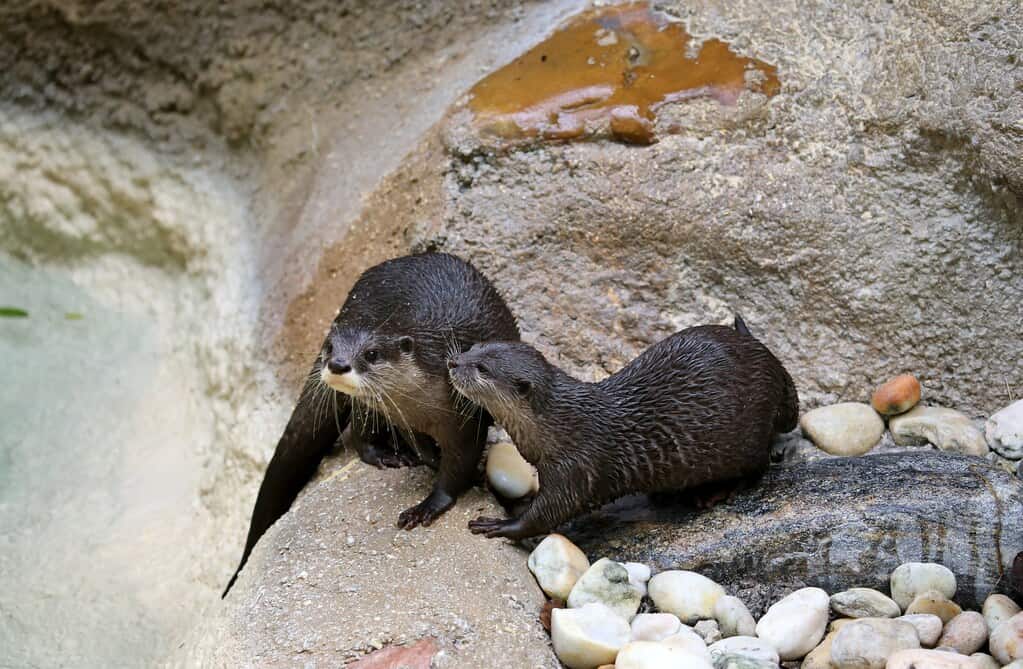
Perhaps the most visible manifestation of empathy in otter societies is their extensive cooperative behavior. Giant otters in the Amazon coordinate hunting efforts with remarkable precision, using sophisticated vocalizations to signal positions and intentions to group members. This coordination requires not only understanding the goals of others but also adjusting one’s behavior to complement those goals—a hallmark of empathic functioning. Similarly, Asian small-clawed otters work together to herd fish into shallow waters where they can be more easily caught, demonstrating a collective hunting strategy that benefits the entire group.
Beyond hunting, otters cooperate in territory defense, construction of dens and holts, and in alerting the group to danger. These behaviors extend beyond simple instinct or learned responses; they require flexible adjustment to the actions and needs of others in real-time. Neurologically, such cooperation involves the same brain regions activated during empathic responses in humans, including the prefrontal cortex and anterior cingulate cortex. The ubiquity of cooperation across otter species suggests that empathy may have evolved as an adaptation that facilitated the coordination necessary for group living and collaborative survival strategies.
Play Behavior: The Social Laboratory for Empathy Development

Otters are renowned for their playfulness, but their play serves a deeper purpose than mere entertainment. Play behaviors in otters, as in many mammals, function as a safe context for developing and refining social skills, including empathy. When otters engage in wrestling, chase games, or slide down muddy banks together, they are continuously practicing the reading of social cues, self-regulation, and appropriate responding to others’ emotional states—all components of empathic functioning.
What makes otter play particularly significant for understanding empathy is how it is modulated based on the participants. Adult otters adjust their play intensity when interacting with pups, demonstrating an awareness of others’ capabilities and vulnerabilities. Similarly, researchers have observed that play sessions between differently-sized otters include self-handicapping by larger individuals, suggesting an understanding of fairness and the other’s experience. Neuroscience research across mammalian species indicates that play activates reward circuits while simultaneously building neural connections in regions associated with social cognition and empathy. Through play, young otters essentially rehearse the empathic responses that will later enable cooperation, conflict resolution, and group cohesion in adult life.
Consolation Behaviors: Advanced Empathic Responses

Among the most sophisticated empathic behaviors observed in otters are consolation behaviors—actions directed toward comforting distressed group members. In several otter species, particularly giant otters and Asian small-clawed otters, researchers have documented instances where individuals approach, groom, and maintain close contact with group members who have experienced conflict or injury. These behaviors aren’t explained by simple self-interest and appear specifically directed at alleviating another’s distress.
Until relatively recently, consolation was considered unique to great apes and humans, making its presence in otters particularly significant for understanding empathy’s evolution. Neurobiologically, consolation behaviors are associated with oxytocin release and activation of the brain’s care circuits. The fact that such behaviors appear in otters, who last shared a common ancestor with primates over 90 million years ago, suggests either that the foundations for consolation behaviors were present in early mammals or that similar social pressures led to convergent evolution of these empathic responses. Either way, otter consolation behaviors provide compelling evidence that complex empathy isn’t uniquely primate or even uniquely human, but rather a more widespread adaptation to social living.
Comparing Otter Empathy with Primate Empathy

When scientists compare empathic behaviors across species, they often focus on primates as our closest relatives. However, otters offer a fascinating comparative case precisely because they’re evolutionarily distant from us. While primates and otters both exhibit empathic behaviors like consolation, cooperation, and attentiveness to others’ distress, they evolved these traits independently through convergent evolution. This parallel development suggests that empathy isn’t simply a quirk of primate evolution but a beneficial adaptation that emerges predictably under certain social and ecological conditions.
Some key differences exist between otter and primate empathy. Primates generally demonstrate more sophisticated cognitive empathy, including the ability to understand false beliefs and engage in tactical deception—capabilities not yet documented in otters. However, otters sometimes surpass certain primate species in cooperative behaviors and group cohesion. These differences provide valuable insights into how different evolutionary pressures shape empathic abilities. The semi-aquatic lifestyle of otters, which creates unique survival challenges, may have favored particularly strong cooperative tendencies as a form of adaptation. By comparing these different evolutionary pathways to empathy, scientists can better isolate the specific conditions that promote empathic development both across species and within our own evolutionary history.
The Neurobiology of Otter Empathy

While direct neurobiological studies of otter brains are limited compared to laboratory animals, comparative neuroscience allows researchers to make informed inferences about the neural mechanisms underlying otter empathy. Like other mammals, otters possess brain structures critical for empathic processing, including the anterior cingulate cortex, insula, and amygdala. These regions process emotional information and enable the emotional resonance that forms the basis of empathy. Additionally, otters likely possess mirror neuron systems similar to those found in primates and other mammals, which activate both when an animal performs an action and when it observes another performing the same action.
Hormonal factors also play a crucial role in otter empathy. Oxytocin, often called the “bonding hormone,” facilitates maternal care, pair bonding, and prosocial behaviors in mammals. The tactile nature of otter social interactions—from pup-rearing to group grooming—promotes oxytocin release, which in turn strengthens social bonds and empathic responses. Stress hormones like cortisol also influence empathic behavior, potentially explaining why otters under threat may display enhanced group cohesion and protective behaviors toward vulnerable group members. By understanding these neurobiological mechanisms, scientists can trace how similar neural systems evolved to support empathy across different mammalian lineages, including our own.
Conservation Implications: Protecting Empathic Species

Understanding empathy in otters has significant implications for conservation efforts. Many otter species face serious threats from habitat loss, pollution, and poaching, with 12 of the 13 species classified as vulnerable, threatened, or endangered by the International Union for Conservation of Nature. The complex social behaviors and empathic capabilities of otters make them particularly vulnerable to population declines, as these social systems may collapse below certain population thresholds. When empathic animals like otters experience social disruption, the consequences can include impaired parenting, increased stress, and reduced survival—creating a negative feedback loop that accelerates decline.
Conservation strategies informed by an understanding of otter empathy are more likely to succeed. For example, reintroduction programs that maintain family groups rather than relocating individuals have shown greater success. Similarly, habitat protection efforts that preserve not just feeding grounds but also social meeting areas can better support otter populations. By recognizing otters as emotionally complex beings rather than simply ecological units, conservation approaches can address both their physical and social needs. This perspective also tends to increase public support for conservation, as people are naturally drawn to protect animals whose emotional lives they can recognize and value—highlighting how the study of animal empathy can itself generate empathy for endangered species.
What Otters Teach Us About Human Empathy

The study of empathy in otters ultimately holds a mirror to our own emotional evolution. By observing how empathy functions in a species that evolved along a separate path from our own, we gain perspective on which aspects of human empathy are unique and which are shared across the mammalian family tree. The presence of sophisticated empathic behaviors in otters suggests that the foundations of human empathy are ancient and deeply rooted in our mammalian heritage, rather than being recent developments unique to human culture or cognition.
Otter empathy also challenges us to reconsider the traditional hierarchy that places human emotional capabilities above those of other animals. The evidence of consolation, cooperation, and care in otter societies reminds us that empathy exists on a continuum rather than being uniquely human. This recognition has ethical implications, potentially informing how we treat animals in research, agriculture, and conservation. Perhaps most importantly, understanding the evolutionary roots of empathy in species like otters helps us appreciate empathy not as an optional moral virtue but as a fundamental biological adaptation that has enabled social species to survive and thrive. By recognizing empathy’s deep evolutionary history, we can better understand its crucial role in human societies and work to nurture this essential capacity in ourselves and future generations.
Conclusion: The Evolution of Empathy

The study of empathy in otters reveals a fascinating evolutionary story that extends far beyond these charismatic mammals. What we observe in otter behavior—from maternal care to consolation, from cooperation to play—represents the outcome of millions of years of natural selection favoring social cohesion and emotional connection. The parallel evolution of empathic capabilities in otters and primates, despite their distant evolutionary relationship, powerfully demonstrates that empathy is not a luxury but a survival strategy that emerges repeatedly when social living provides adaptive advantages.
As we face global challenges that require unprecedented cooperation, the lessons from otter societies remind us that empathy has deep biological roots that long predate human civilization. This understanding offers both humility and hope: humility in recognizing that our emotional lives connect us to other species rather than separating us from them, and hope in knowing that empathy is not merely a cultural invention but a robust adaptation woven into our biology. The playful otter, sliding down riverbanks and sharing food with companions, offers more than entertainment—it provides a window into the evolutionary processes that shaped our own capacity for emotional connection.

From exploring the marine wonders in the Azores and witnessing the vast savannas of Kenya, to delving deep into the rich biodiversity of South Africa and traversing iconic landscapes in Australia and the US like Yellowstone, Chris's experiences are vast.
With a penchant for diving alongside sharks, the ocean holds a special place in his heart.
Through his academic insights, he champions wildlife conservation, striving with 'Animals Around The Globe' to cultivate a profound connection between humans and animals, enhancing our mutual appreciation.
Connect with him at Feedback@animalsaroundtheglobe.com.
- The World’s Smallest Owl Is Making a Big Comeback - July 19, 2026
- From Herding to Guarding What Farm Dogs Do That City Dogs Don not - July 19, 2026
- The Anatomy of a Spider: What Makes It So Unique? - July 19, 2026