

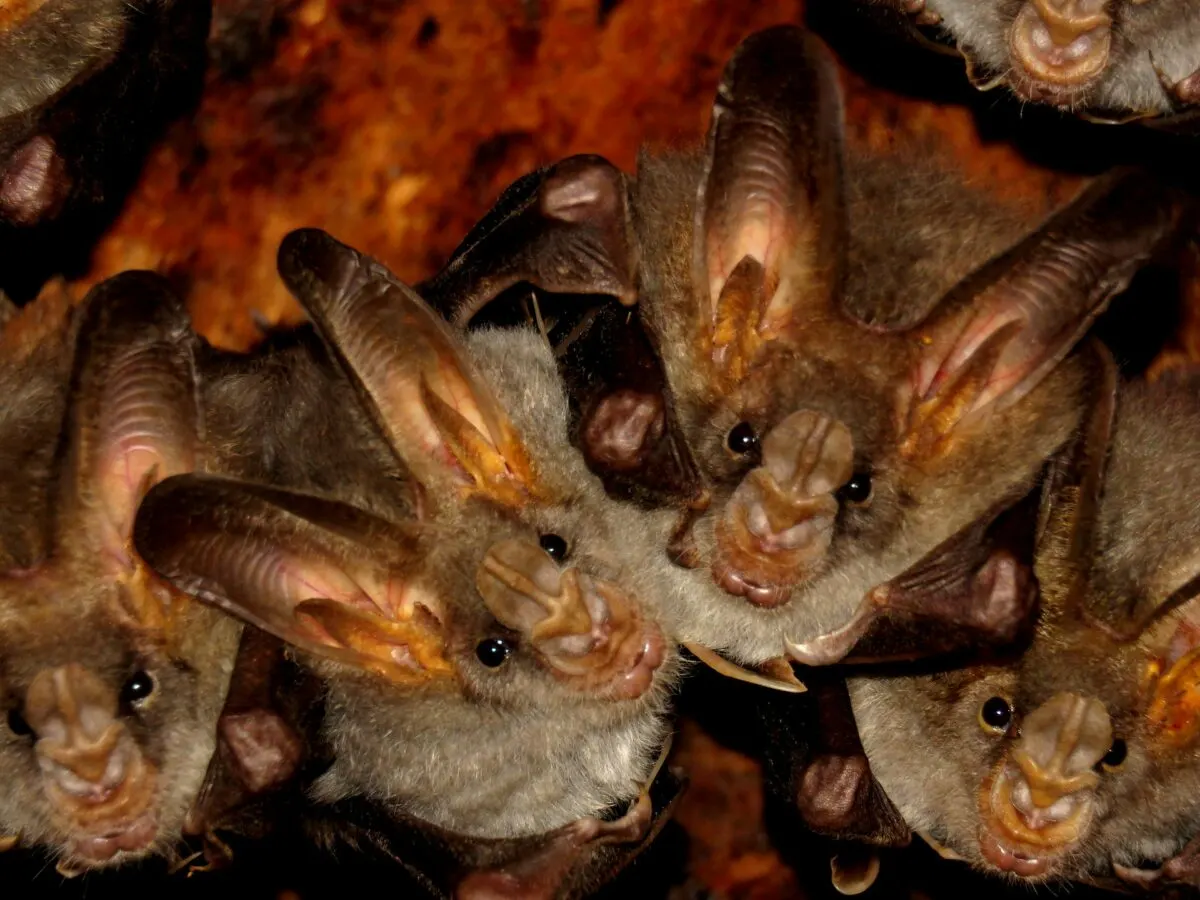
Bats are often misunderstood creatures, but they play a crucial role in maintaining healthy ecosystems. They help in pollination, seed dispersal, and controlling insect populations, especially harmful agricultural pests. This biodiversity contribution supports food production and the health of natural environments.
Understanding America’s Largest Bat Colony
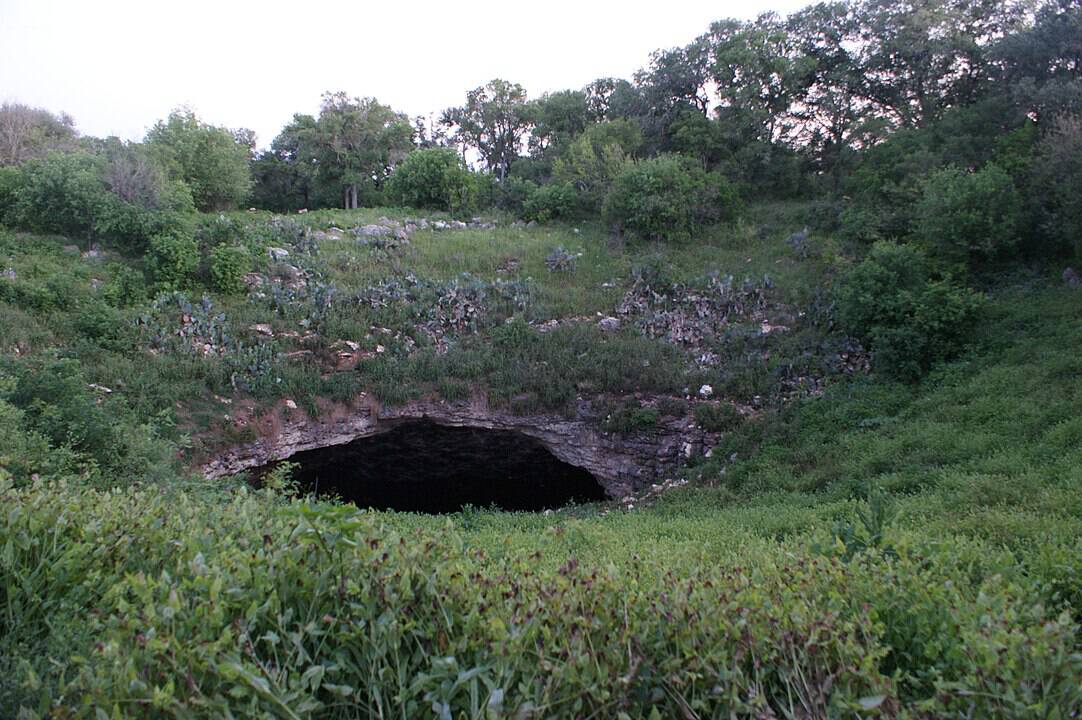
Bracken Cave, located in Texas, is home to the largest bat colony in the world. It hosts an estimated 20 million Mexican free-tailed bats that migrate from as far as Mexico to roost each warm season. These bats are not just a biological wonder but also a tourist attraction, drawing visitors fascinated by the spectacular nightly emergence of bats from the cave.
Environmental Threats Facing Bat Colonies

The stability of bat colonies like the one at Bracken Cave faces several environmental threats. Habitat destruction, climate change, and pollution are among the main challenges. Urban expansion and agricultural practices sometimes lead to the destruction of natural habitats, leaving bats with fewer roosting sites which are crucial for their survival.
Bat Diseases: A Growing Concern
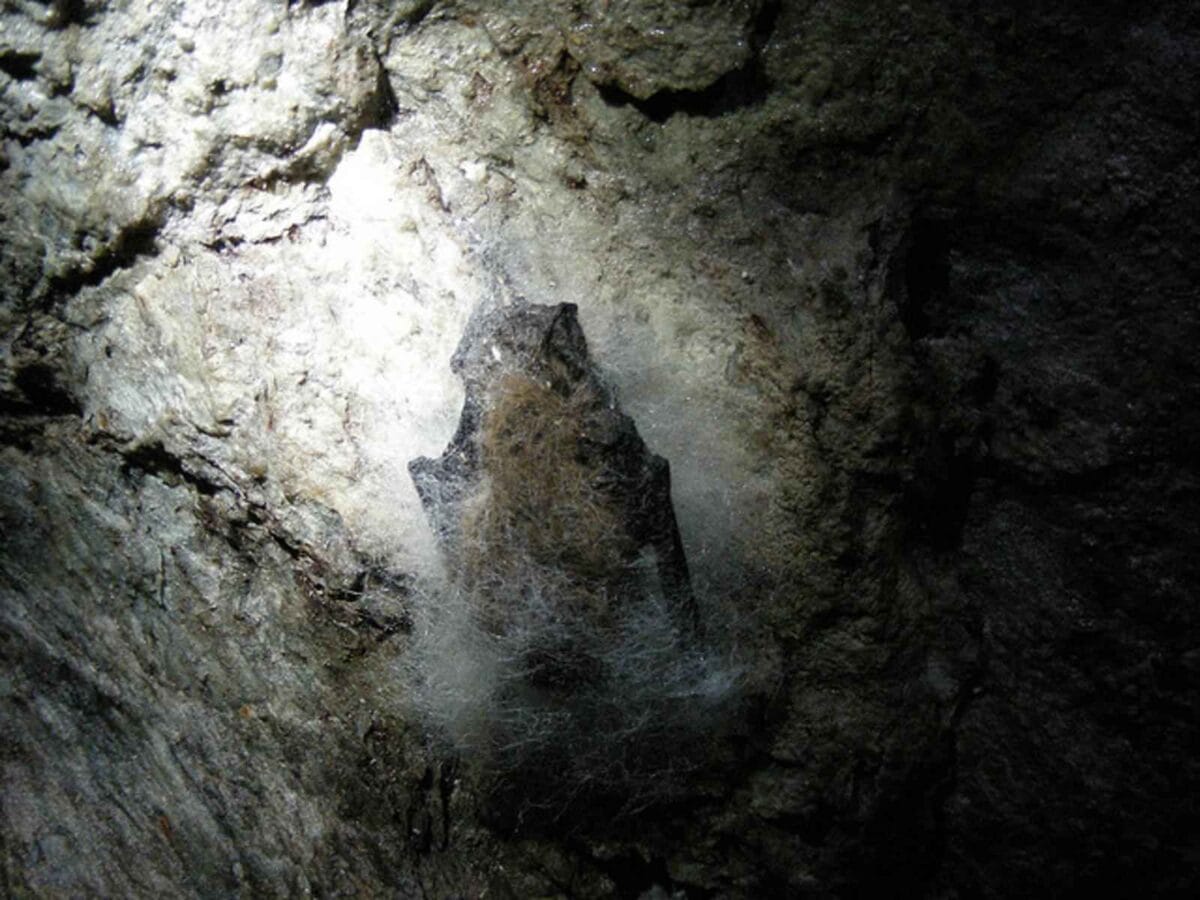
One of the major threats to bat populations is disease, most notably White-nose Syndrome (WNS). This fungal disease, which has decimated bat populations across North America, disrupts hibernation, leading to energy depletion and increased mortality. The spread of WNS to Bracken Cave could have devastating effects on the colony.
The Impact of Pesticides on Bats
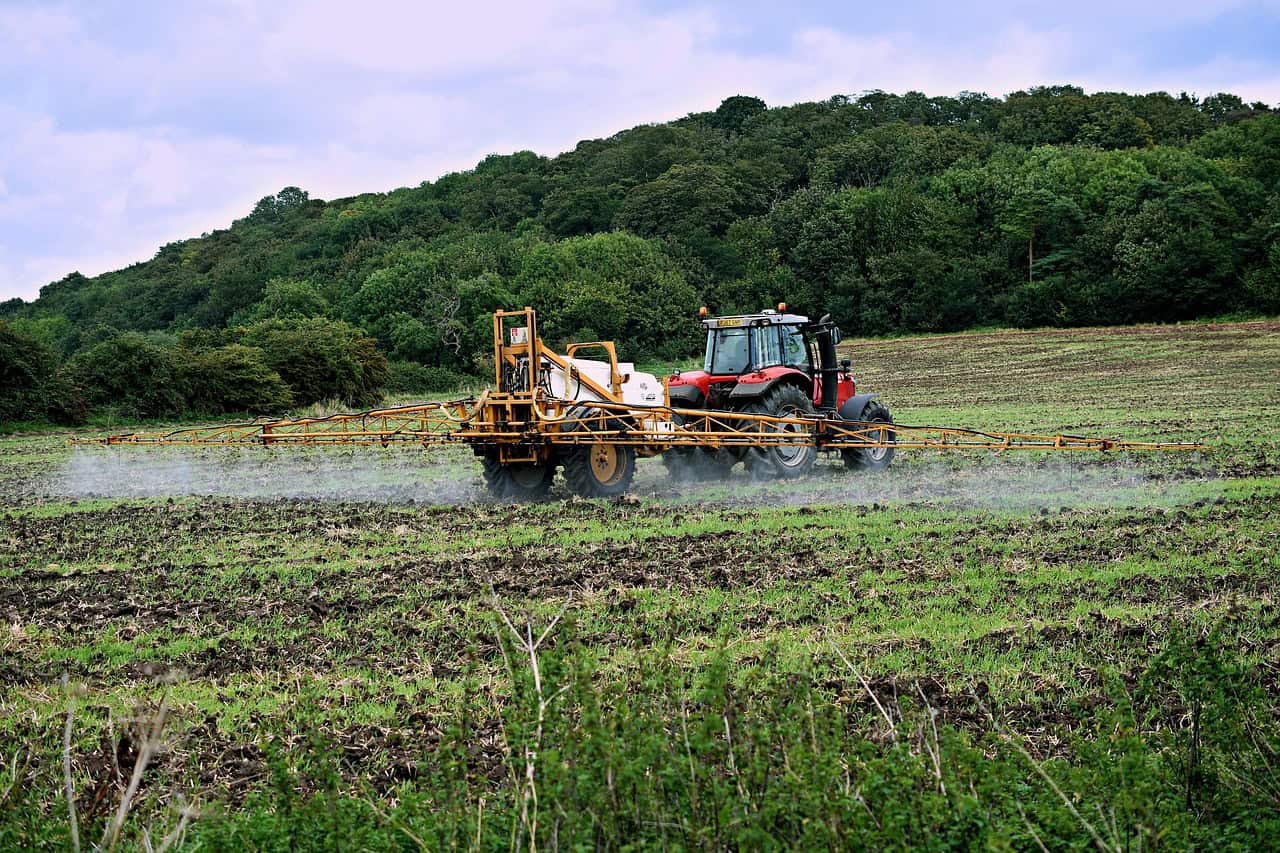
Pesticides and other chemical pollutants can have lethal and sublethal effects on bats. By contaminating their food sources, these chemicals impact bat health and reproduction rates, threatening the sustainability of entire colonies. Healthy insect populations free from chemical residues are essential for feeding bats and maintaining their populations.
Urban Development: A Double-Edged Sword
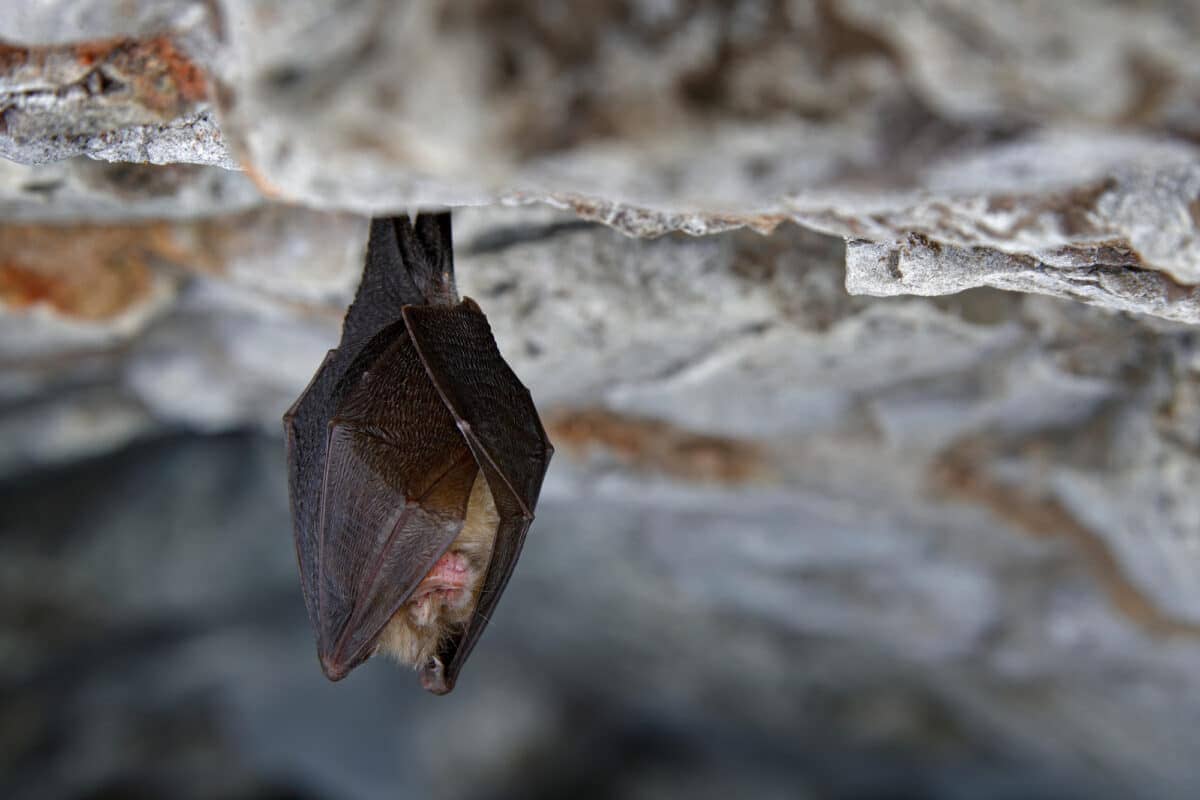
While urban development can lead to habitat loss, in some cases, it can also offer new roosting opportunities for bats. However, construction activities and increasing human-bat interactions could lead to disturbances in their natural behaviors, disorienting bats and reducing their ability to find food and mates.
The Role of Climate Change
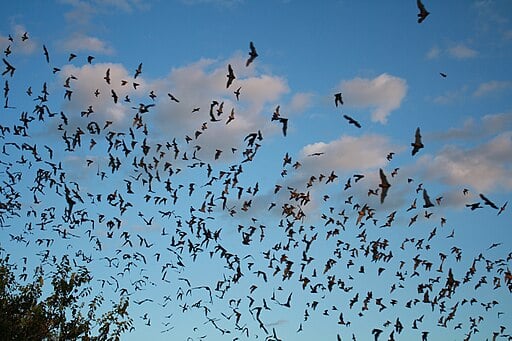
Climate change poses a significant threat by altering the environment that bats depend on. Changes in temperature and weather patterns can affect insect populations, the timing of migration, and the very habitats bats rely on for survival. Shifts in climate can increase the frequency of severe weather, further affecting bat colonies.
Conservation Efforts to Protect Bat Colonies

Conservation efforts focus on safeguarding bat habitats and mitigating the threats they face. Initiatives to preserve natural habitats, reduce pesticide use, and promote ecological farming practices are vital. Education and community involvement also play key roles in conservation activities, raising awareness of the importance of bats and the need to protect them.
Scientific Research and Monitoring

Ongoing research and monitoring are critical in understanding bat population dynamics, health, and threats. Scientists use technology to track bat movements, study their genetics, and monitor disease prevalence. This research is vital in forming effective conservation strategies and ensuring healthy bat populations for the future.
The Advent of Eco-Tourism

Eco-tourism centered around bat watching is becoming increasingly popular. This not only helps raise awareness about the importance of bats but also provides funding for conservation efforts. By promoting responsible tourism, communities can benefit economically while advocating for the protection of these vital creatures.
Community Engagement in Bat Conservation
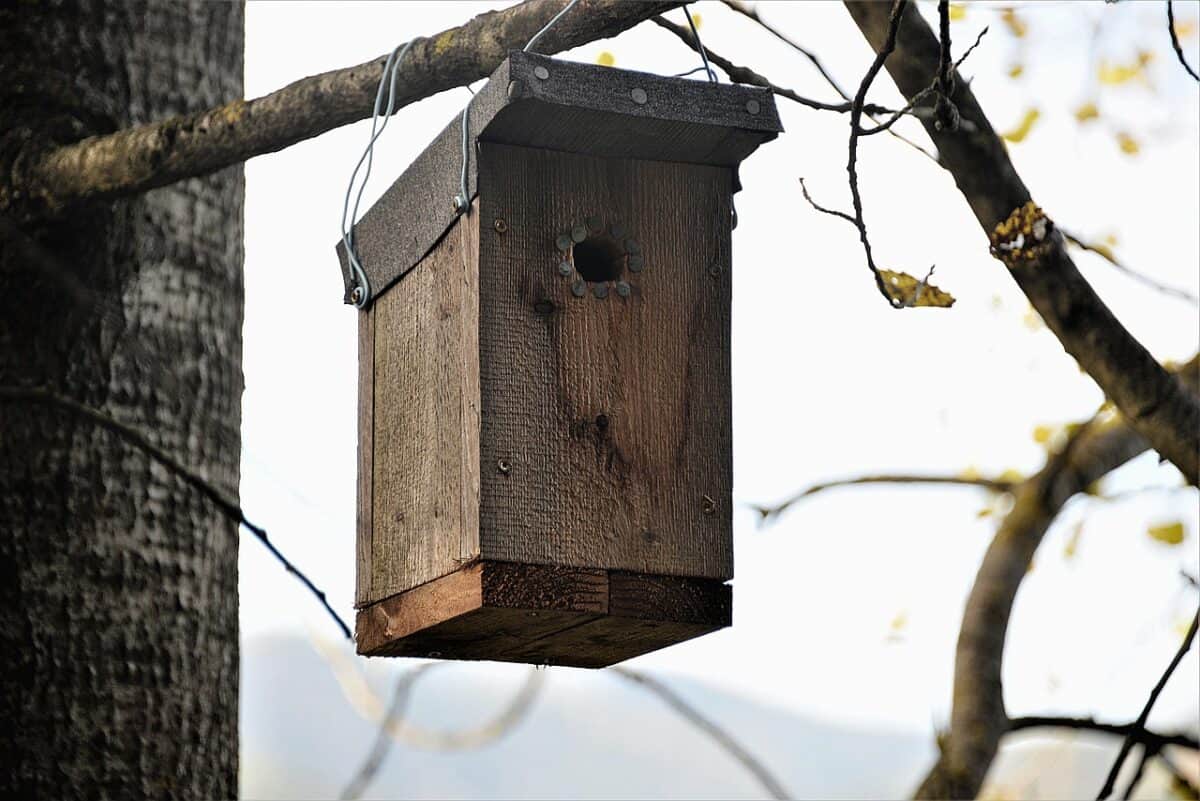
Community engagement is essential in bat conservation efforts. Local communities can participate in habitat restoration projects, bat box installations, and educational programs. Such involvement fosters a sense of stewardship and ensures long-term protection and appreciation of bat colonies and their habitats.
The Future of America’s Bat Colonies

The future of America’s bat colonies, including the one in Bracken Cave, heavily depends on collaborative efforts between scientists, policymakers, and communities. By addressing the threats posed by disease, habitat loss, and climate change, these stakeholders can work together to ensure that these vital populations not only survive but thrive.
Bats, particularly those in America’s largest colony, are a linchpin of ecological stability. While they face significant threats from various directions, the concerted efforts of conservationists, scientists, and local communities offer hope. By continuing to expand understanding and protective measures, the collapse of this extraordinary bat colony can be averted, preserving the health of ecosystems that rely on these fascinating creatures. Through awareness and action, bats can continue to grace our skies for generations to come.

- Cuddling for Warmth: How Meerkats Stay Cozy - July 18, 2026
- This U.S. Lake Is Mysteriously Disappearing—Here’s What Scientists Say - July 18, 2026
- This Jellyfish Hunts in Packs - July 18, 2026