


Orcas have long fascinated humans with their intelligence, grace, and sheer power. Yet, their presence in aquariums remains a contentious topic, sparking debates worldwide. Despite their popularity, orcas are now being removed from aquariums and marine parks. This article explores the reasons behind this significant shift and the compelling arguments that support it.
History of Orcas in Captivity

The orca, also known as the killer whale, became a star attraction in marine parks during the 1960s. The orca’s majestic appearance and complex behaviors drew crowds, sparking an era of orca shows that captivated audiences. However, capturing these animals from the wild and keeping them in tanks led to ethical concerns that surfaced over the decades.
The Ethics of Capturing Orcas

Historically, orcas were captured from the wild, often using methods that disrupted entire pods and resulted in the deaths of some of these majestic creatures. This sparked outrage and initiated conversations about the ethics of removing orcas from their natural habitats. The ethical implications revolved around not only the capture methods but also the living conditions provided in captivity.
The Natural Habitat of Orcas

Orcas live in complex social structures and require vast ocean spaces to roam and hunt. They travel as far as 100 miles a day with their pods, demonstrating an intricate combination of behaviors and interactions. These natural conditions can’t be replicated in the confined tanks of an aquarium, leading to physical and psychological stresses for the orcas.
Physical Health Challenges in Captivity

In captivity, orcas face numerous health challenges absent in the wild. Such conditions include dorsal fin collapse, dental issues, and shorter lifespans. Captive environments can often lead to health issues due to confinement, lack of stimulation, and inadequate social group sizes, affecting the animals’ well-being.
The Psychological Impact of Captivity on Orcas

Orcas are highly intelligent creatures, and captivity can induce psychological stress, evident in their abnormal behaviors and social interactions. Isolation, lack of stimulation, and forced social structures often lead to aggressive behaviors and psychological distress. Understanding these impacts has been pivotal in changing public and scientific views on orca captivity.
Rising Public Awareness and Backlash
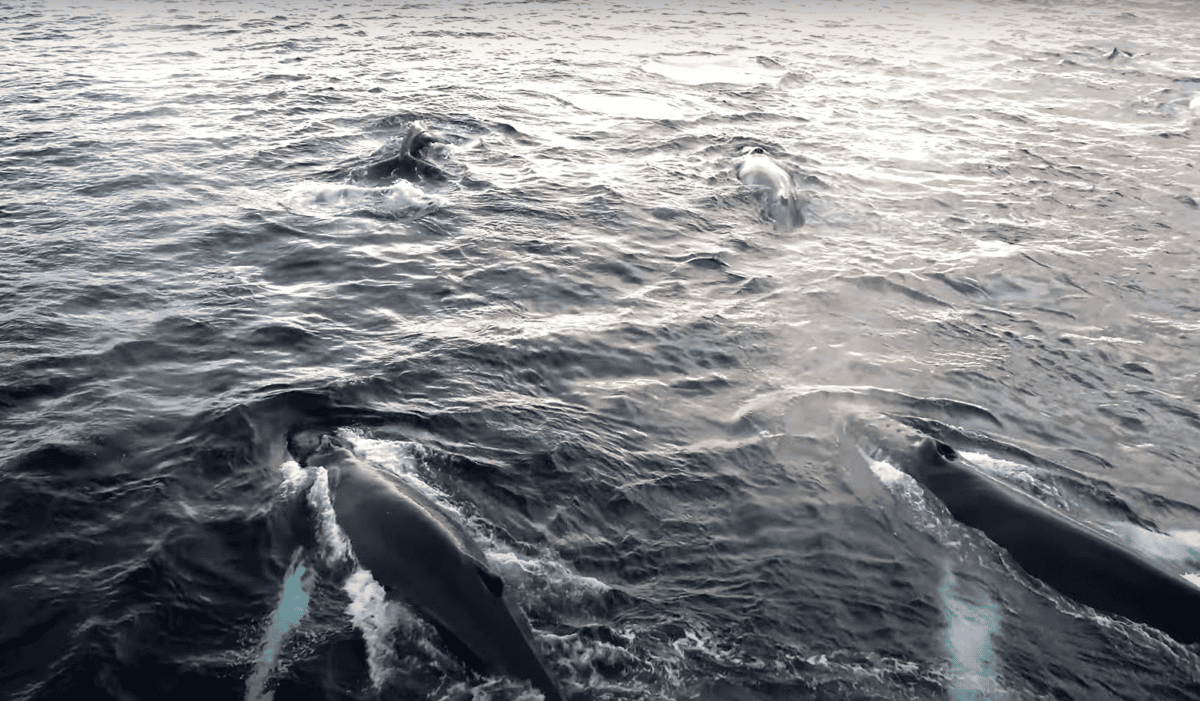
Raising public awareness through documentaries, such as “Blackfish,” has highlighted the plight of orcas in captivity. These films have played a critical role in shifting public opinion, creating backlash against established marine parks, and pressuring them into reevaluating their practices concerning orcas.
Governmental and Legislative Actions

In response to rising public outrage, governments worldwide have started implementing laws and regulations against keeping orcas in captivity. Prohibitions on breeding programs and capturing orcas indicate a progressive shift in policy and public sentiment towards marine mammal conservation.
Corporate Responses and Policy Changes

Marine parks and aquariums have also begun to change policies regarding orcas. Many have announced the phasing out of orca shows and breeding programs, aligning with public sentiment and ethical standards that prioritize animal welfare over entertainment value.
The Role of Conservation Focusing on Natural Habitats
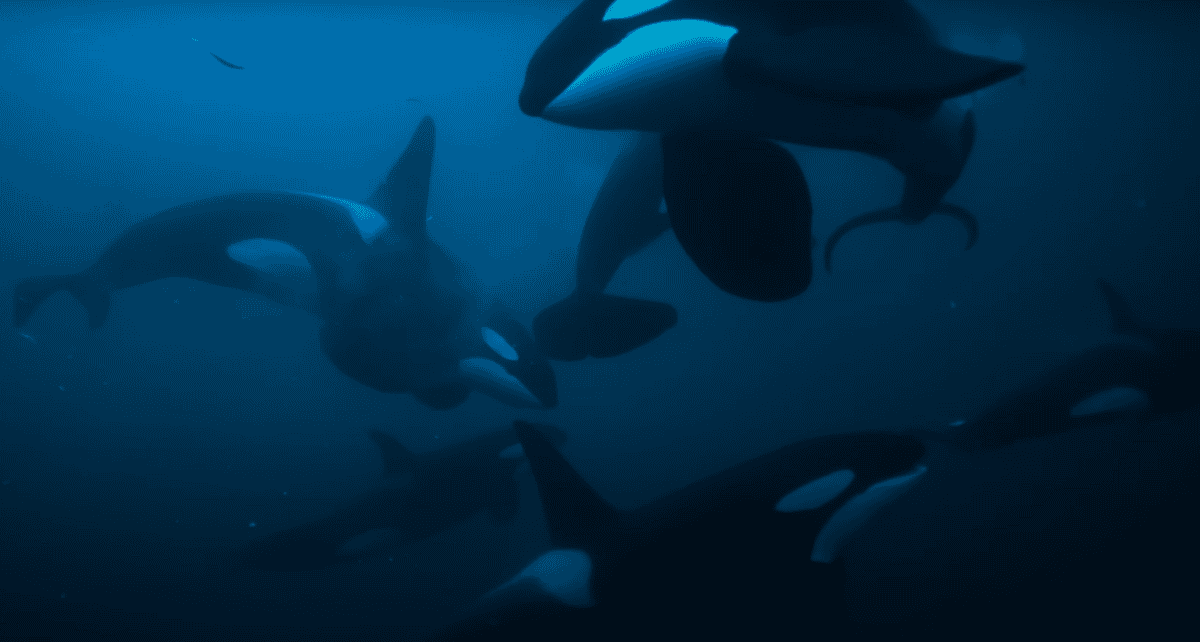
With orcas being phased out of aquariums, the focus has shifted towards conservation in their natural habitats. Efforts are underway to protect orca populations in the wild through research, habitat preservation, and addressing human-induced threats, highlighting the importance of maintaining these creatures within their ecosystems for healthier populations.
The Ethical Dilemma Entertainment Versus Welfare

The ethical dilemma often pits entertainment against the welfare of intelligent animals. While some argue that marine parks provide educational value, the opposing sentiment focuses on orcas’ well-being and ethical considerations, pushing for experiences that respect the dignified existence of these marine mammals.
Educational Alternatives to Orca Performances
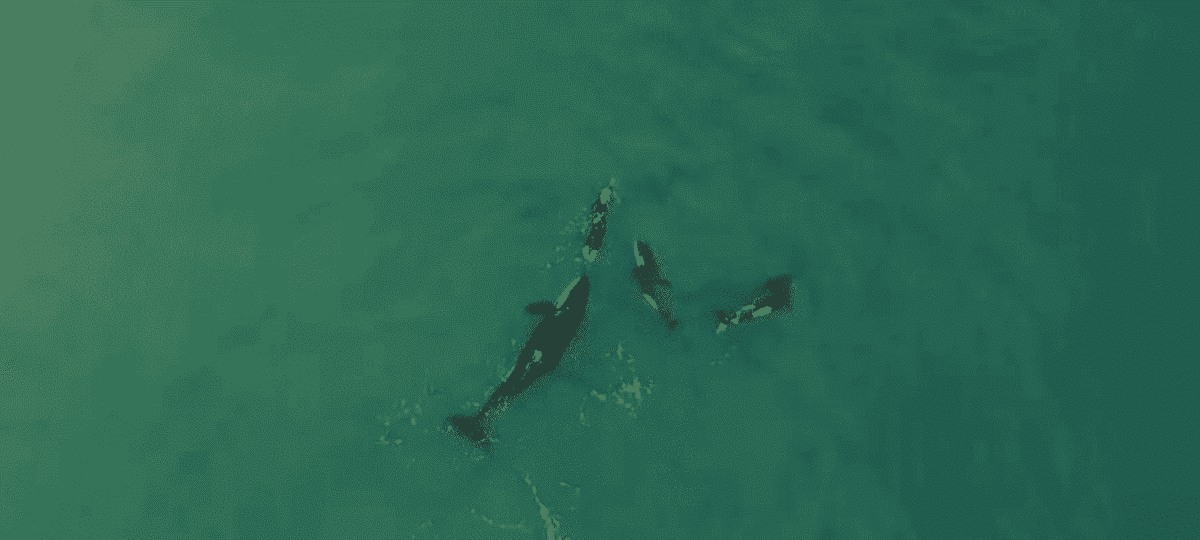
Technological advancements now allow for alternative educational methods that don’t involve live animals, such as virtual reality experiences and interactive exhibits. These innovations educate the public, especially children, about marine life without compromising the well-being of the orcas.
The Future of Orcas Beyond Captivity

The future for orcas lies in enhanced conservation efforts, legal protections, and an ethical commitment to safeguarding their natural existence. As awareness grows, there’s hope for a world where orcas can thrive in the wild, respected and protected.
Conclusion:
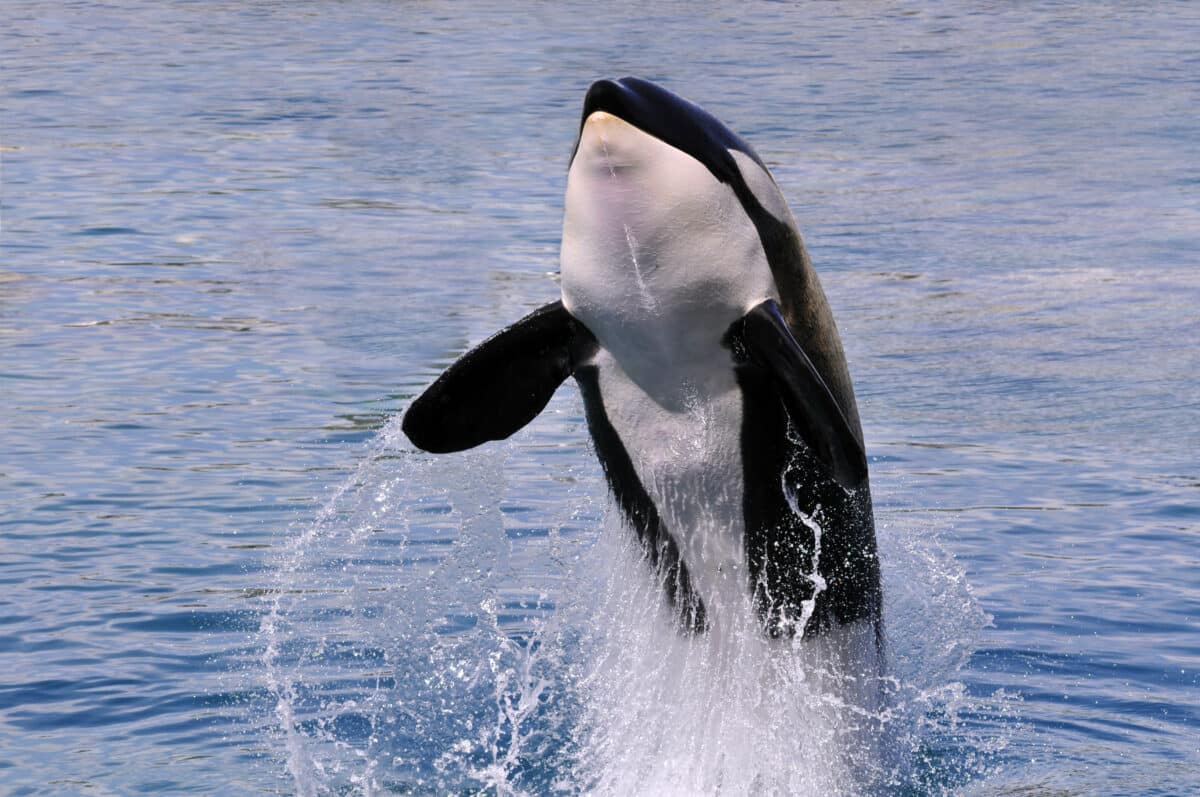
In summary, the absence of orcas in aquariums reflects a shift in societal values towards prioritizing animal welfare and natural conservation. While aquariums once showcased these majestic creatures, ethical considerations, scientific understanding, and public awareness have united in demanding change, advocating for a future where orcas swim free once more.

As a little kid, I fell in love with nature, wildlife, and animals. Living in the USA, South Africa, Italy, China and Germany gave me the opportunity to discover the world's Wildlife. My favorite animals are Mountain Gorillas, Siberian Tigers, and Great White Sharks.
I'm a certified PADI Open Water Diver, went to Everest Base Camp and Trekked Gorillas in Uganda. I hold a Master of Science in Economics and Finance.
Please send any feedback to feedback@animalsaroundtheglobe.com
- 10 Things Fish Use Their Fins For And 3 They Can Not Do - July 31, 2026
- 10 Animals That Survived Mass Extinction Events - July 31, 2026
- 10 Facts About the New Guinea Singing Dog - July 31, 2026