

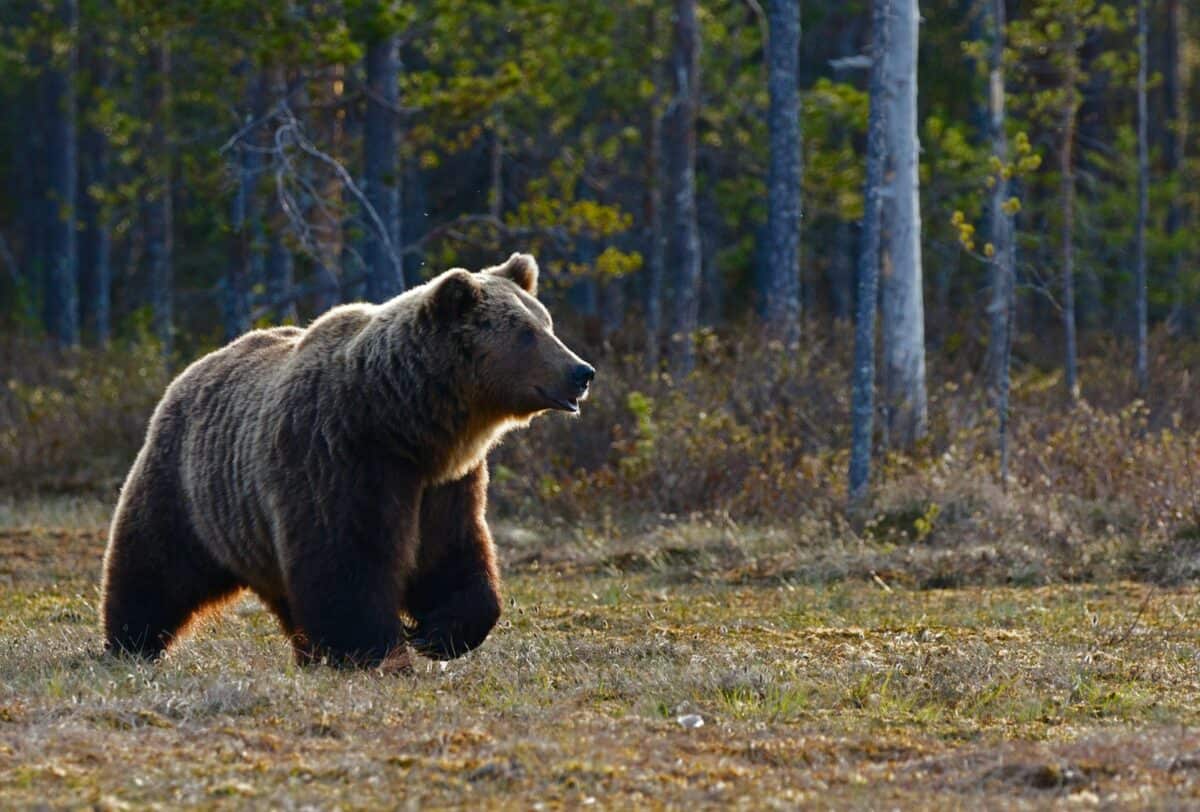
Bears are a fascinating and often misunderstood part of the North American wildlife. Recently, reports of bears seemingly “dancing” in U.S. forests have caught the attention of observers and wildlife enthusiasts alike. But why are these magnificent creatures exhibiting such behavior? Let’s delve into the reasons behind the dancing bears and gain a deeper understanding of this captivating phenomenon.
Understanding Bear Behavior
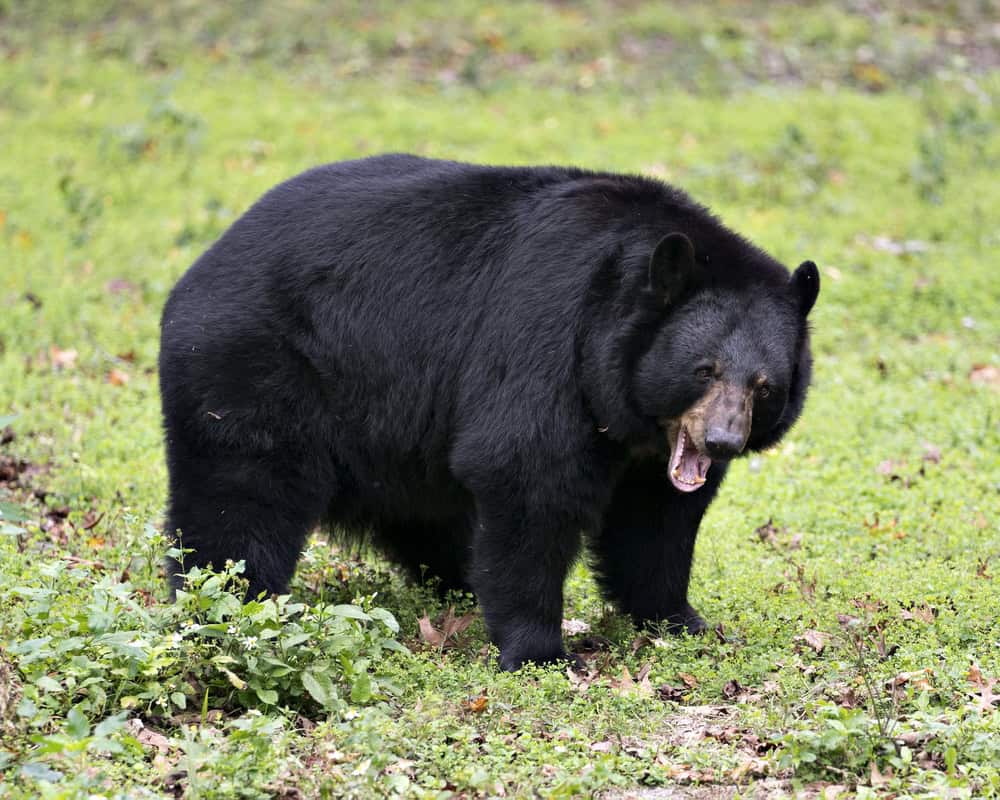
Bears are intelligent mammals with a wide range of behaviors driven by instinct and environmental factors. Often, what might seem unusual to us is actually quite normal within the context of their natural habitats. Understanding bear behavior is crucial for interpreting what we might observe in the wild, including the so-called “dancing” movements.
Interpreting the Dance

The term “dancing” isn’t entirely accurate when describing what these bears are doing. More often than not, these movements are related to territory marking or communication. Bears might stand on their hind legs and sway or move side to side, rubbing their backs against trees to leave scent marks. This helps establish territory and communicate with other bears.
The Role of Scent Marking

Scent marking is a critical component of a bear’s interaction with its environment. They possess large scent glands under their skin, and by rubbing against trees, they leave behind chemical signals. This behavior is particularly prevalent during mating seasons, as it helps bears attract potential mates or warn rivals.
The Importance of Trees

Trees play a pivotal role in the ecosystem of bears beyond sourcing food and shelter. The act of rubbing against trees isn’t arbitrary; bears select specific trees to mark with their scent, leading to a phenomenon known as “rub trees,” which are preferred for communication and sometimes frequented by multiple bears.
Bear Communication Techniques

Aside from scent marking, bears utilize a range of communication techniques. Vocalizations, body language, and even mock fighting or play are all part of their repertoire. “Dancing” behaviors often fall into these ranges as a means for individual bears to communicate without direct confrontation.
Observing Seasonal Behavior

Bears are more active during certain times of the year, governed by their natural life cycles and environmental conditions. Understanding these patterns helps explain why certain behaviors, like tree rubbing and “dancing,” might peak during specific seasons, particularly in spring and summer.
The Influence of Environmental Change

As seasons change, so do environmental cues that affect bear behavior. Fluctuations in climate and human activity in forested areas can influence when and where bears are more likely to perform these signaling behaviors. Warmer temperatures can extend active months, thus extending the period when behaviors like tree marking are observed.
Human Impacts on Bear Movement

With increasing human encroachment on natural habitats, bears are adapting in unique ways. This adaptation can sometimes lead to increased visibility of behaviors like tree marking, which could be misconstrued as “dancing.” Understanding human influence on natural landscapes is vital to comprehending wildlife behavior.
Monitoring Bear Populations

Organizations and researchers continuously monitor bear populations to understand their health, movements, and behaviors better. Data from such studies inform conservation strategies and facilitate human-wildlife coexistence by predicting and mitigating potential conflicts.
Bears and Ecotourism

Bear viewing has become an attractive ecotourism activity, with people flocking to observe these iconic animals in their natural habitats. Such initiatives promote conservation awareness and provide financial incentives to maintain the natural environments where these behavioral displays occur.
Conservation Efforts
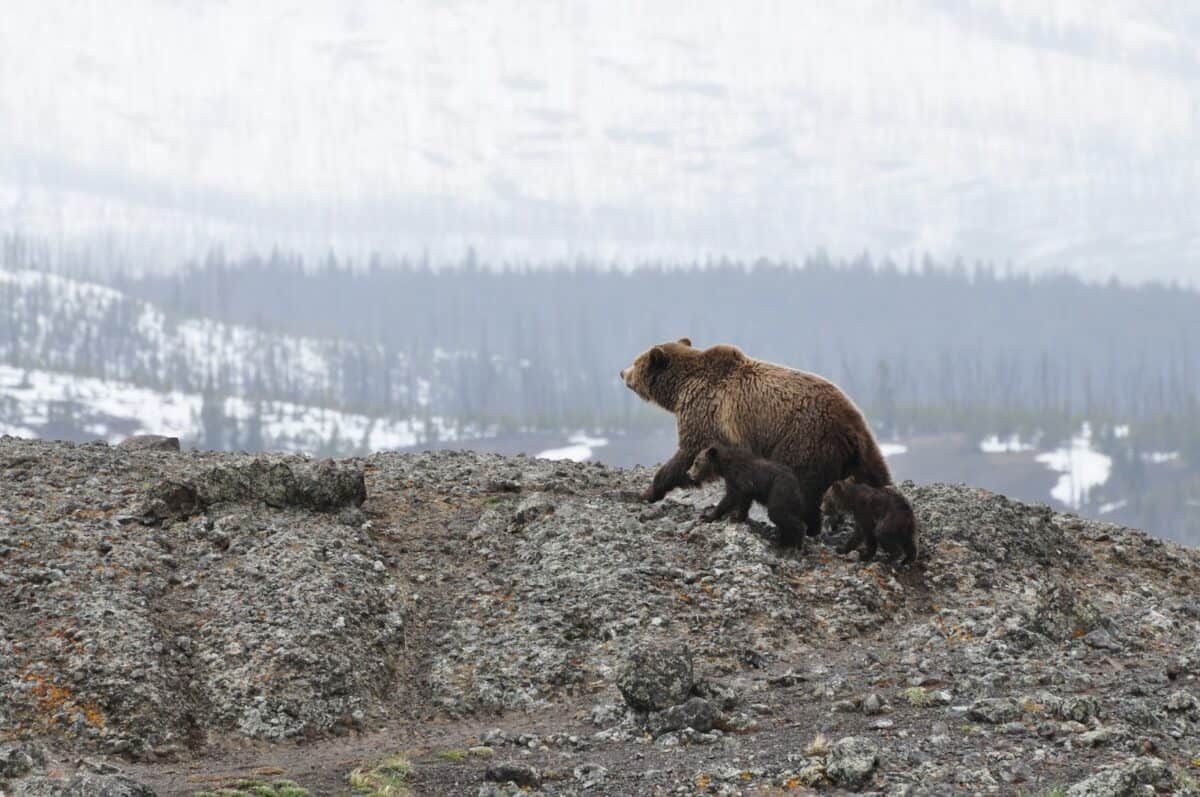
Global and local conservation efforts play a crucial role in preserving bear habitats. By sustaining the ecosystems that support bear populations, these efforts help ensure that we can continue witnessing natural behaviors, fostering an eco-friendly approach to wildlife interaction.
Responsible Wildlife Viewing
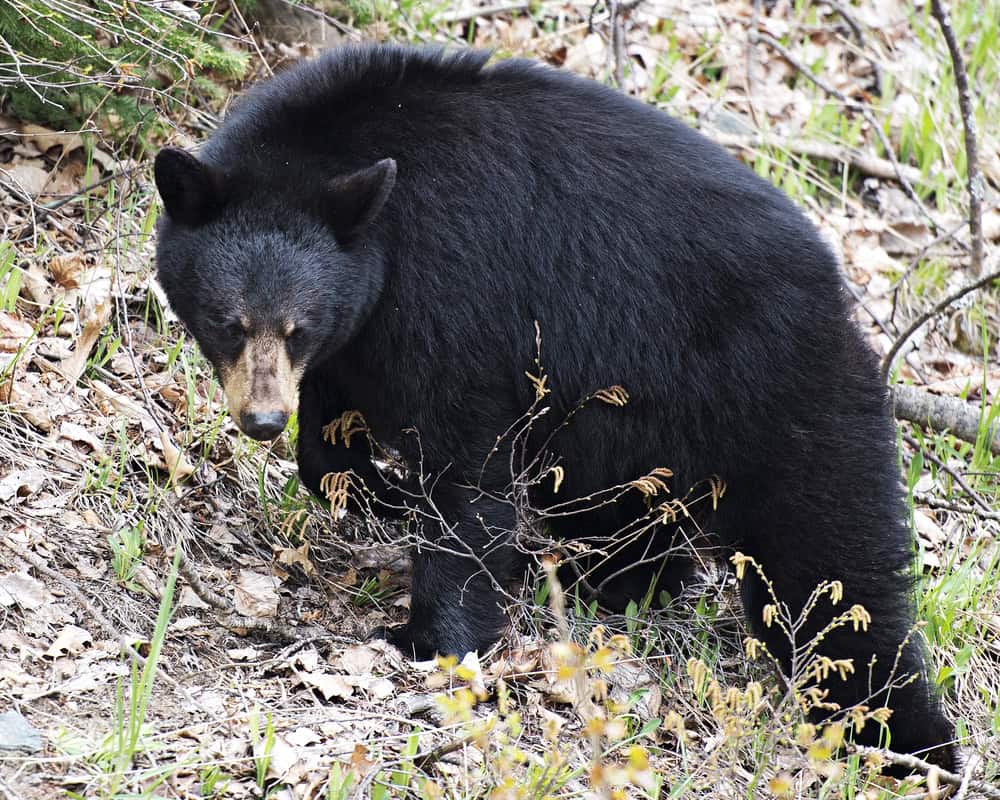
It’s imperative to approach wildlife viewing responsibly. Keeping a safe distance, minimizing noise and disturbances, and adhering to guidelines set by wildlife authorities ensure that bears remain undisturbed in exhibiting their natural behaviors like “dancing.”
While the notion of bears dancing in the forests may ignite our imaginations, it is essential to recognize these movements as part of their complex social and environmental behavior. By appreciating and understanding these nuances, we can foster a deeper respect and commitment to conserving the magnificent wildlife that enriches our natural world.

From exploring the marine wonders in the Azores and witnessing the vast savannas of Kenya, to delving deep into the rich biodiversity of South Africa and traversing iconic landscapes in Australia and the US like Yellowstone, Chris's experiences are vast.
With a penchant for diving alongside sharks, the ocean holds a special place in his heart.
Through his academic insights, he champions wildlife conservation, striving with 'Animals Around The Globe' to cultivate a profound connection between humans and animals, enhancing our mutual appreciation.
Connect with him at Feedback@animalsaroundtheglobe.com.
- This Monkey Has a Mustache - July 21, 2026
- How Steve Irwin Changed the World’s View of Wildlife - July 21, 2026
- The Catfish That Caused Earthquakes in Japanese Folklore - July 21, 2026