


In the shadowy world of big cat predators, where stealth and darkness typically reign supreme, one feline stands apart from its relatives. The cheetah, with its slender frame and distinctive tear marks, defies the nocturnal hunting patterns that define lions, tigers, leopards, and jaguars. While these other big cats prefer the cover of darkness for their hunts, cheetahs boldly stalk the savanna under the blazing African sun. This unique diurnal hunting behavior isn’t merely an interesting anomaly—it’s a fascinating evolutionary adaptation that has shaped everything from the cheetah’s physical characteristics to its hunting strategies and ecological niche. Let’s explore why cheetahs broke ranks with their big cat cousins and embraced the daylight.
The Big Cat Family: A Nocturnal Tradition
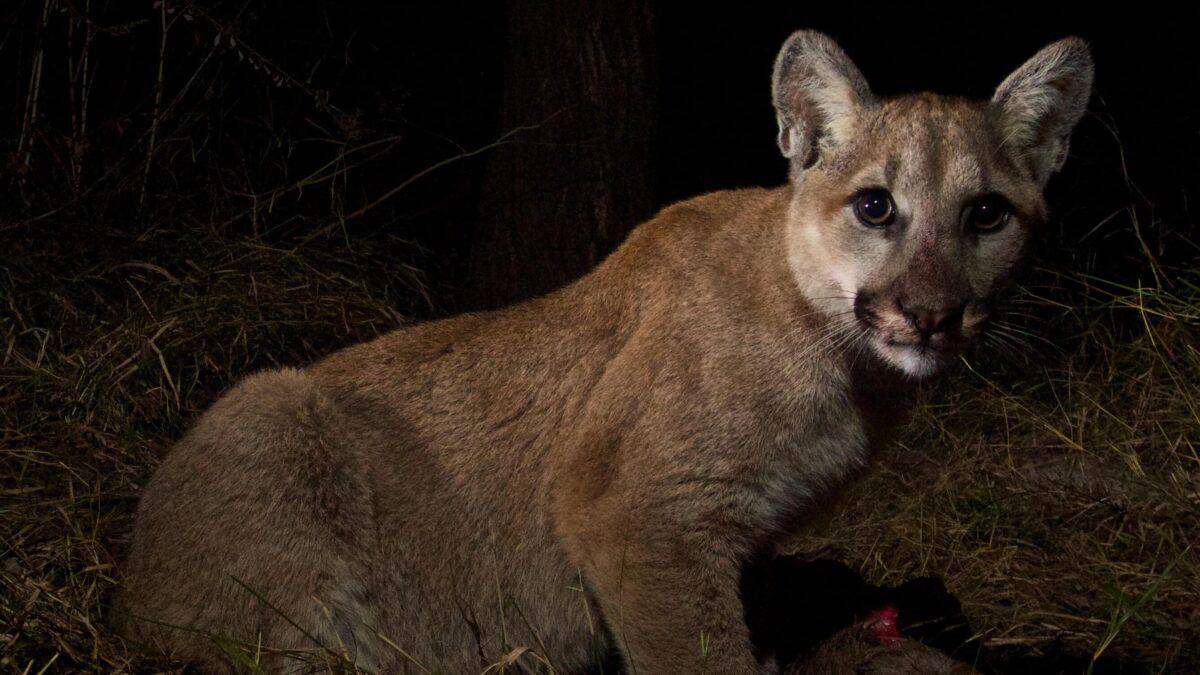
Most big cats—lions, tigers, leopards, and jaguars—conduct the majority of their hunting activities during dawn, dusk, or night. This nocturnal preference stems from several evolutionary advantages. Darkness provides cover for these ambush predators, allowing them to stalk prey undetected. Their exceptional night vision, supported by a reflective layer behind the retina called the tapetum lucidum, gives them a significant advantage over prey species with poorer night vision. Additionally, many prey animals are more active at dawn and dusk, creating prime hunting opportunities. This nocturnal tradition has been so successful that it became the dominant hunting strategy among almost all big cats—with the notable exception of cheetahs.
Cheetahs: The Speed Specialists
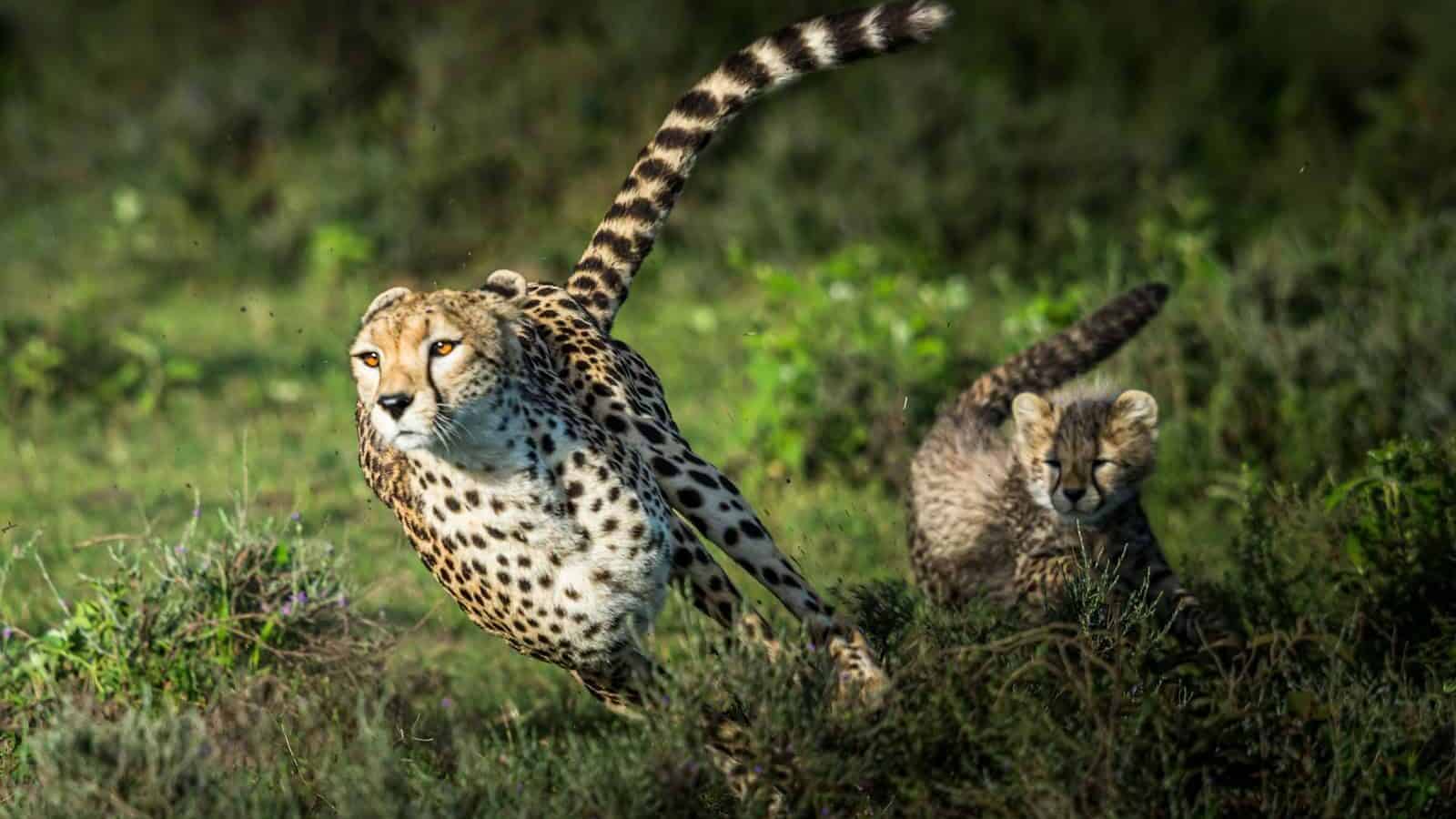
The cheetah’s divergence from nocturnal hunting is fundamentally tied to its evolutionary specialization in speed rather than stealth or strength. Capable of reaching speeds up to 70 mph (113 km/h), cheetahs are the fastest land animals on Earth. This remarkable speed requires exceptional vision to navigate terrain at high velocities and spot prey from distances. Daylight hunting provides optimal visibility conditions that allow cheetahs to fully leverage their speed advantage. Unlike other big cats that rely on ambush tactics in low light, cheetahs depend on spotting prey from afar, calculating the perfect approach, and executing a brief but explosive sprint—a hunting strategy that works best with excellent visibility.
Avoiding Nighttime Competition
Another compelling reason for the cheetah’s daytime hunting preference lies in avoiding direct competition with other, more powerful predators. Lions, leopards, hyenas, and other nocturnal hunters are generally stronger than the relatively lightweight cheetah, which typically weighs between 75-140 pounds. By hunting during daylight hours when these competitors are typically resting, cheetahs reduce the risk of dangerous confrontations and having their hard-earned kills stolen. This temporal niche partitioning—using different times of day for hunting—allows cheetahs to coexist with larger predators while minimizing direct competition for resources. Research in the Serengeti has shown that cheetahs lose up to 10-15% of their kills to larger predators, a percentage that would likely be much higher if they competed directly during peak nocturnal hunting hours.
Anatomical Adaptations for Daytime Hunting
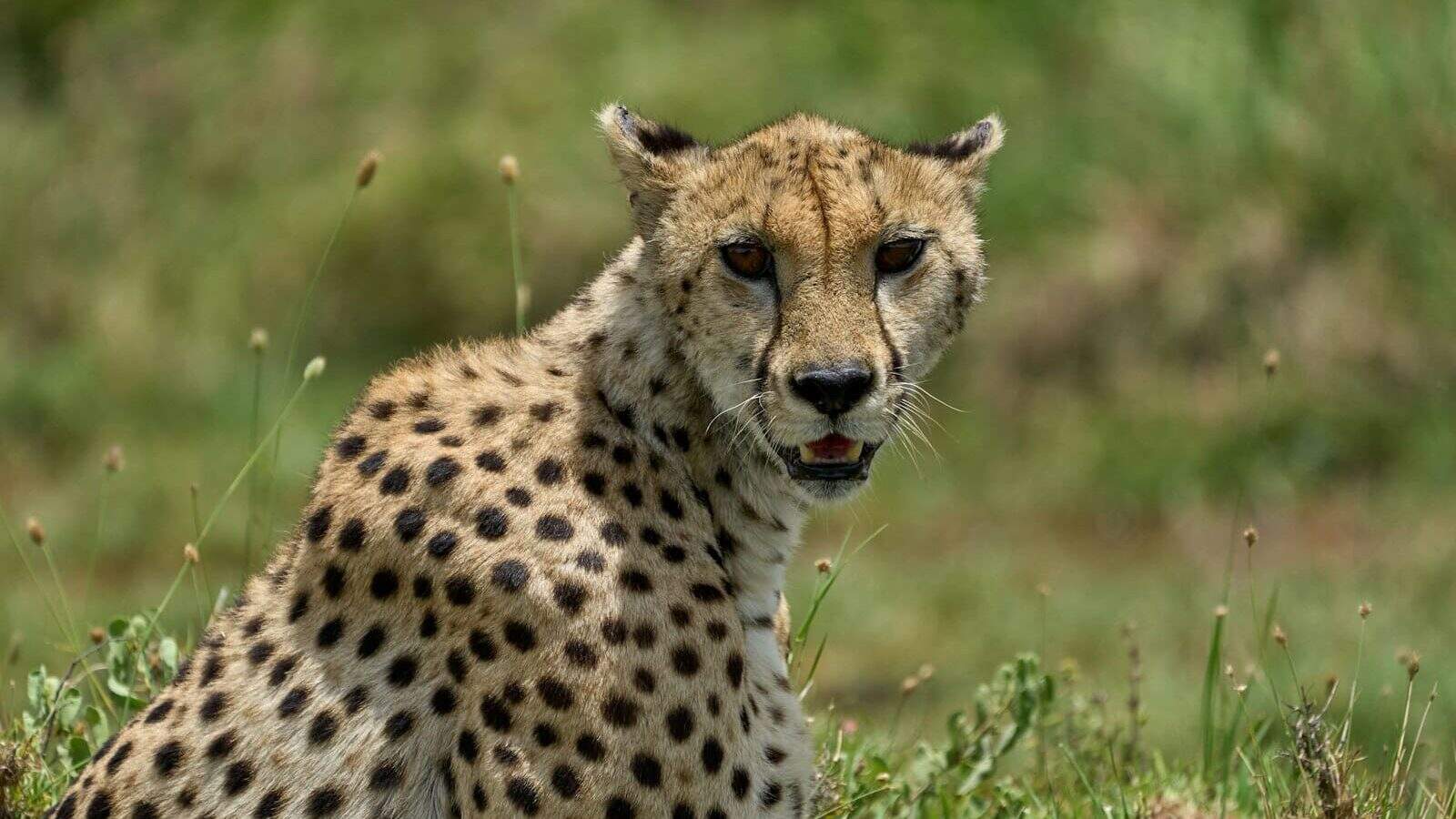
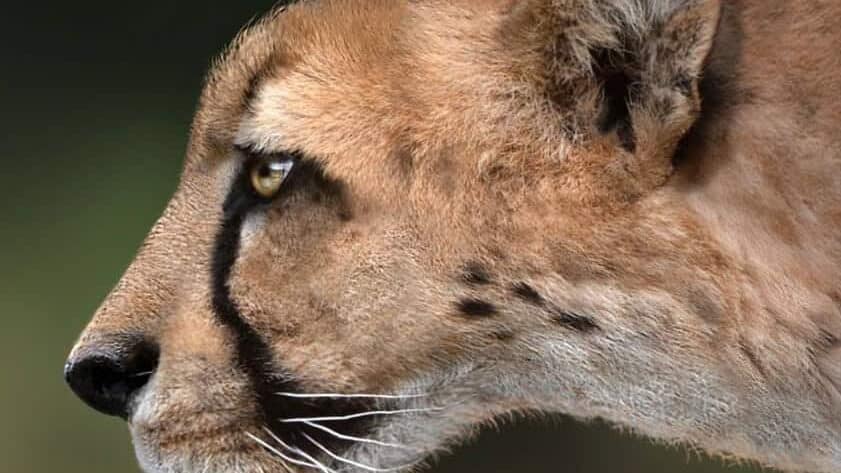
Cheetahs possess specific anatomical adaptations that enhance their daytime hunting capabilities. Their eyes feature enlarged optic nerves and a higher concentration of nerve cells that provide exceptional visual acuity in bright conditions. Unlike other big cats whose pupils contract to thin slits in bright light, cheetah pupils remain round, similar to human eyes, allowing for better depth perception and movement tracking in daylight. Additionally, the distinctive black tear marks that run from their eyes to their mouths serve a practical purpose—they reduce glare from the sun, much like an athlete’s eye black, enabling clearer vision when hunting under bright sunlight. These specialized visual adaptations would provide less advantage in low-light conditions, reinforcing the evolutionary benefit of daytime hunting for cheetahs.
Prey Visibility and Selection
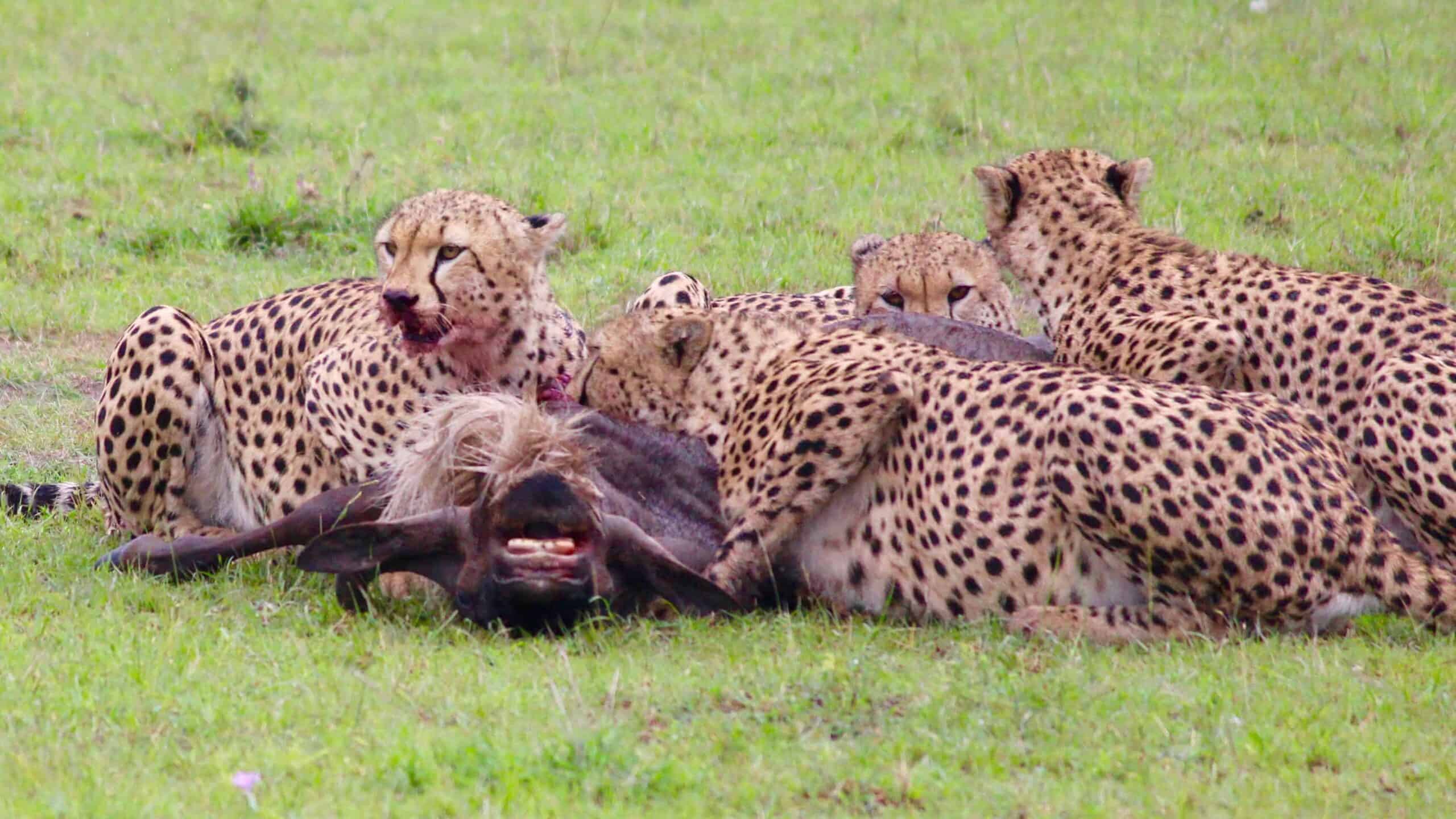
Daytime hunting offers cheetahs significant advantages in prey selection and stalking. Their preferred prey—including Thomson’s gazelles, impalas, and smaller antelopes—are active during daylight hours. These animals rely heavily on visual detection of predators, but cheetahs counter this by using the landscape strategically, approaching from downwind and utilizing available cover like termite mounds or tall grass. The cheetah’s spotted coat provides excellent camouflage in dappled sunlight and tall grass, allowing them to approach within 100 meters of prey before launching their sprint. In open savanna habitats, cheetahs can spot suitable prey from distances exceeding 5 kilometers during clear daylight conditions—a capability that would be impossible in darkness.
Thermal Regulation Challenges
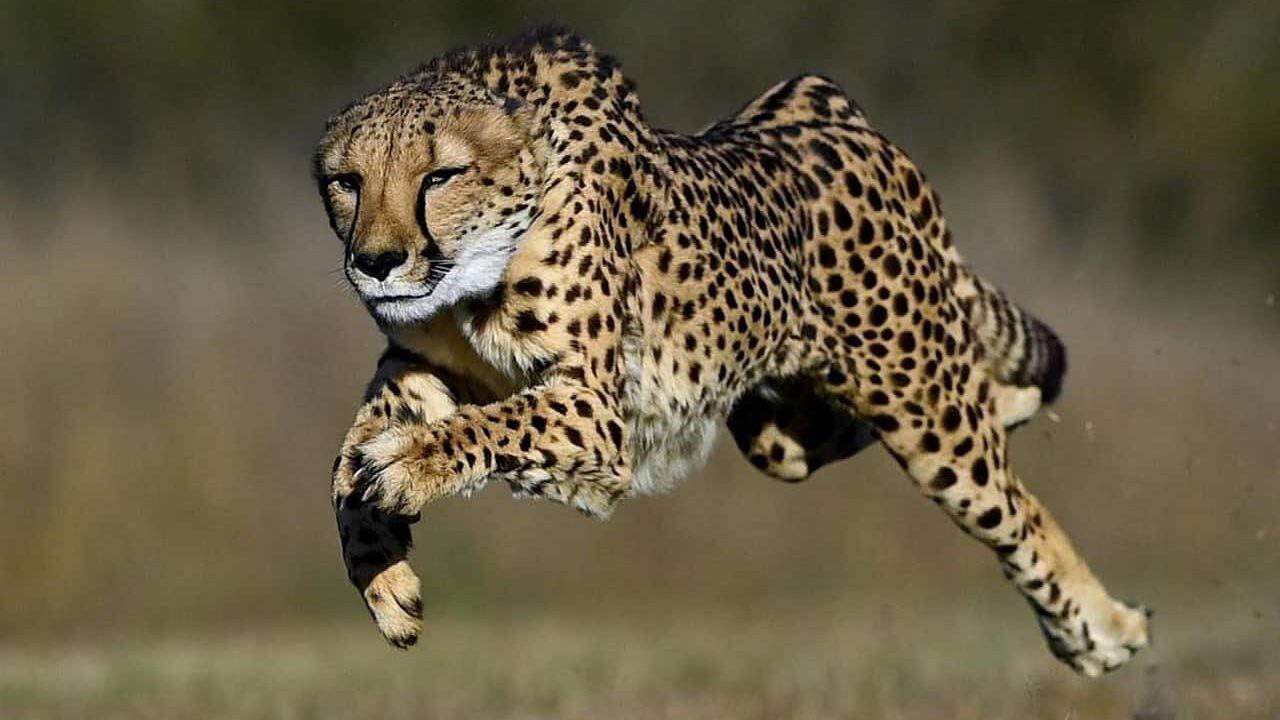
Daytime hunting in hot African environments presents significant thermal regulation challenges for cheetahs. Their high-speed chases generate tremendous internal heat, with body temperatures sometimes rising to dangerous levels exceeding 105°F (40.5°C). To manage this, cheetahs have evolved to conduct shorter hunts, typically sprinting for only 20-30 seconds, and they hunt primarily during early morning or late afternoon when temperatures are more moderate. Unlike lions that can hunt for extended periods, cheetahs must rest for up to 30 minutes after a chase to cool down. Their slim bodies with less muscle mass compared to other big cats also help dissipate heat more efficiently. Additionally, cheetahs are more water-efficient than many other predators, an important adaptation for an animal active during the hottest parts of the day.
Energy Conservation Strategy

The cheetah’s daytime hunting pattern represents an effective energy conservation strategy. Their hunting method requires explosive bursts of speed rather than the prolonged stalking or ambushing techniques used by nocturnal cats. This high-intensity, short-duration approach demands significant energy but for brief periods. Studies have shown that cheetahs succeed in approximately 50% of their hunts—a remarkably high success rate compared to lions (about 25-30%) and leopards (approximately 38%). This efficiency is partly due to hunting in optimal visibility conditions. Additionally, cheetahs typically rest during the hottest midday hours and hunt during morning and late afternoon, creating a balanced daily energy expenditure pattern that suits their physiology and hunting style.
The Role of Habitat in Hunting Patterns
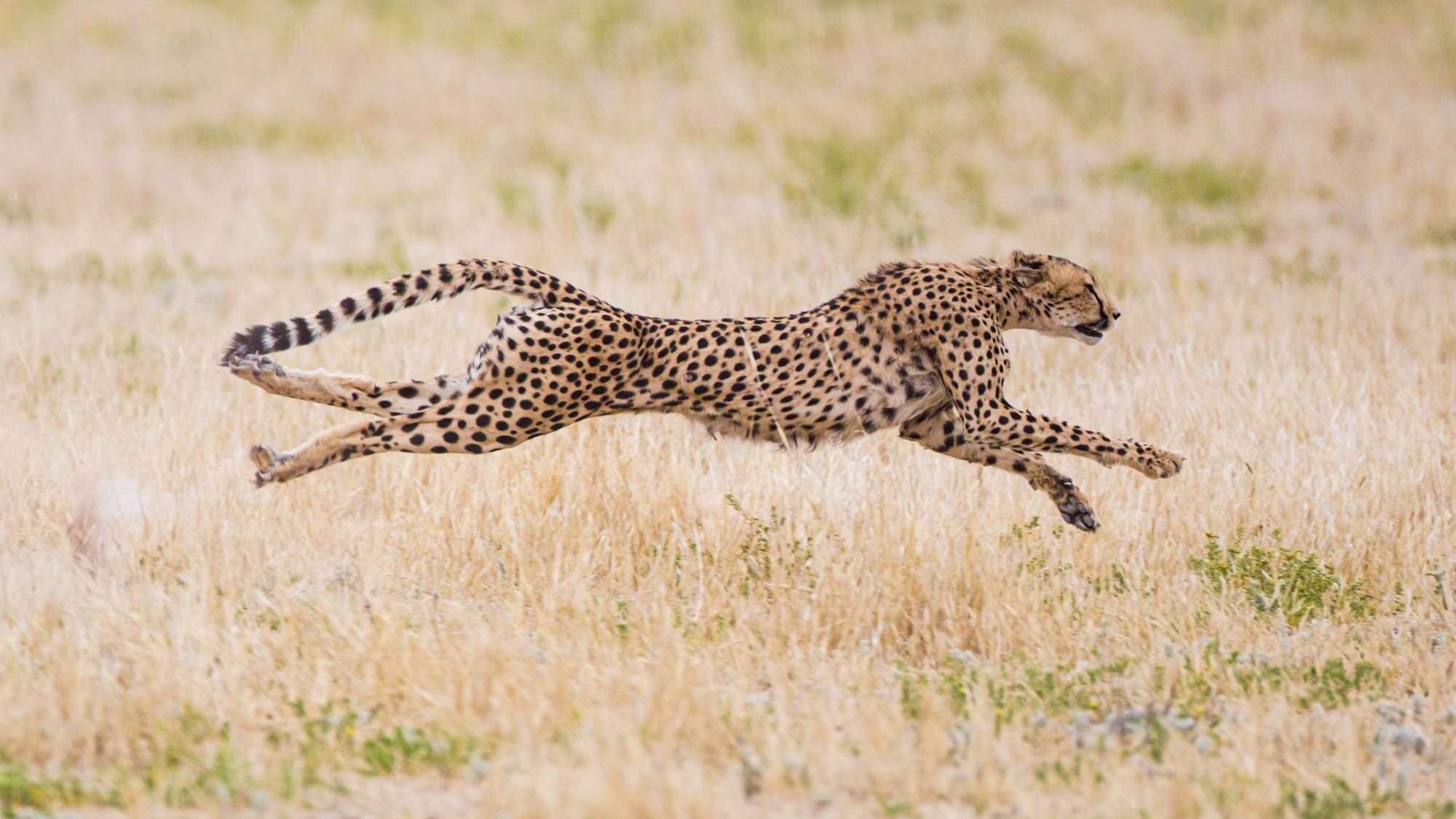
The cheetah’s preferred habitats—open grasslands, savannas, and light woodlands—are particularly conducive to daytime hunting. These environments provide sufficient cover for the initial stalking phase while offering clear running paths for high-speed pursuits. In contrast, dense forests or extremely rocky terrains would impede the cheetah’s speed advantage and increase injury risk during chases. Historical evidence suggests that as African landscapes opened up approximately 3-4 million years ago, shifting from forests to grasslands, proto-cheetahs evolved their distinctive speed-based hunting strategy to exploit these new environments. This ecological specialization further reinforced the advantages of daytime hunting, as open terrain pursuits require excellent visibility to avoid dangerous obstacles at high speeds.
Maternal Behavior and Cub Protection
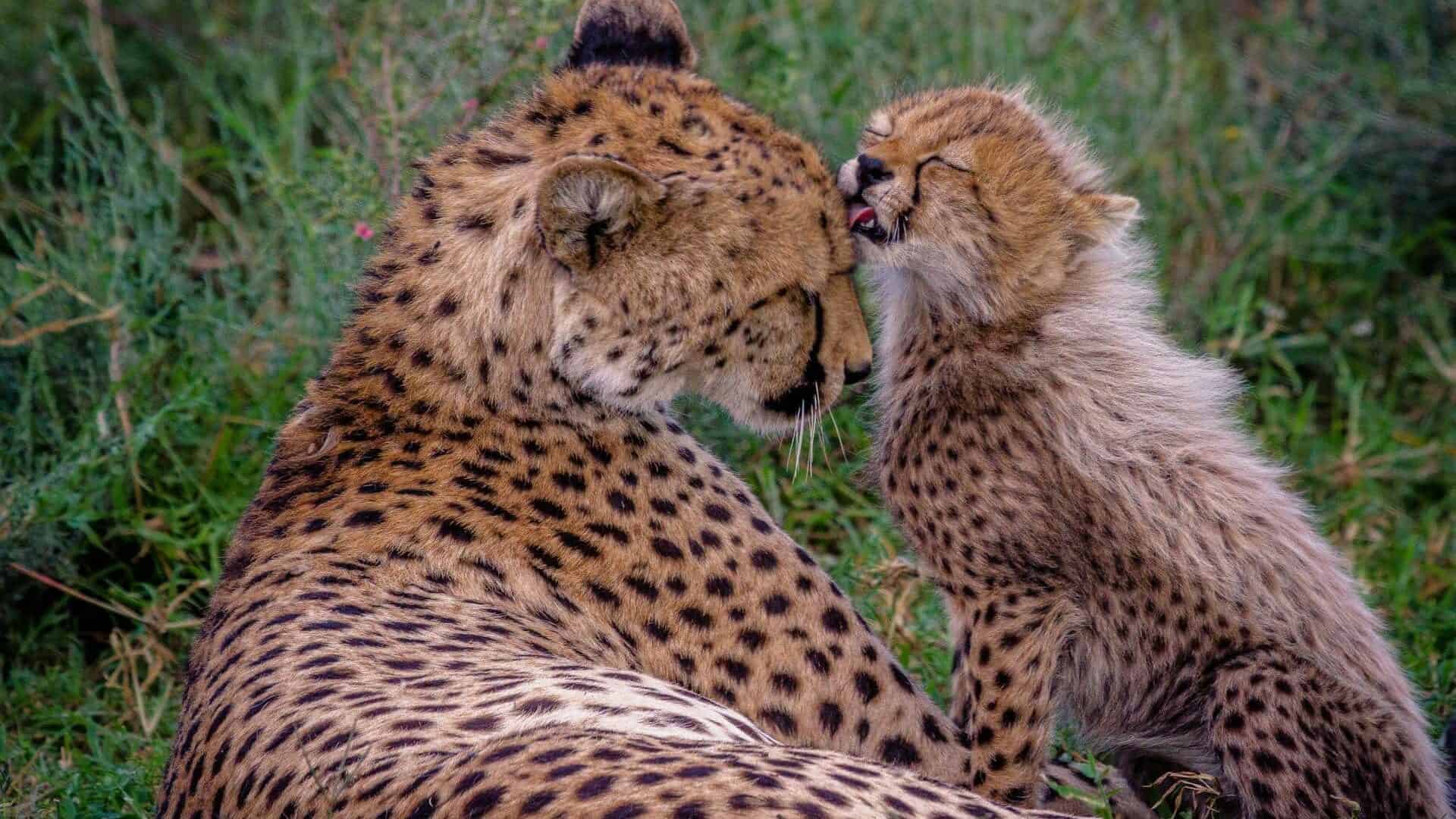
Daytime activity patterns play a crucial role in cheetah maternal behavior and cub protection strategies. Female cheetahs with cubs face a challenging balancing act—they must hunt to feed themselves and their offspring while also protecting their vulnerable young from predators. By hunting during daylight hours, mother cheetahs can maintain better visual contact with their cubs, even when separated during hunting. Cubs can also better detect approaching threats during daylight. Research has shown that cheetah cub mortality rates can reach 90% in areas with high densities of lions and hyenas, highlighting the importance of vigilance. Mother cheetahs frequently relocate their cubs to new hiding spots every few days, a task more safely accomplished during daylight when potential den predators like jackals and honey badgers are less active.
Exceptions to Daytime Hunting
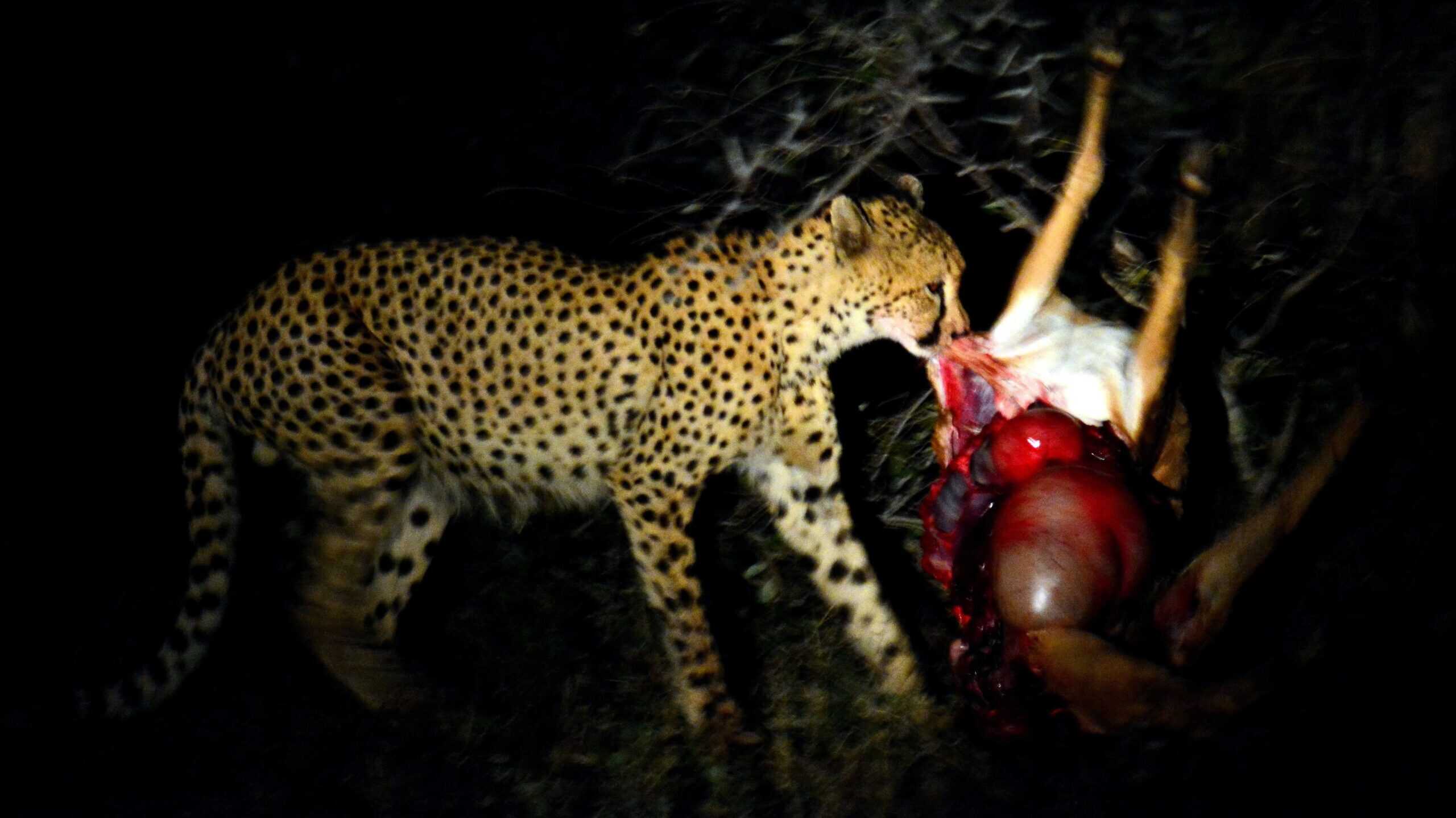
While cheetahs predominantly hunt during daylight, they do exhibit some flexibility in their hunting patterns. In regions with high human disturbance or excessive daytime heat, cheetahs have been observed shifting their hunting activities toward dawn, dusk, or occasionally even nighttime, particularly during full moons. In Namibia’s farmlands, where human activity peaks during daylight, some cheetah populations have adapted to more crepuscular (dawn and dusk) hunting patterns. Similarly, in the hot desert environments of Iran, where the critically endangered Asiatic cheetah survives, individuals may hunt in early morning and evening to avoid extreme temperatures. These adaptations demonstrate the cheetah’s behavioral plasticity while still generally favoring higher light conditions than other big cats.
Evolutionary History and Divergence
The cheetah’s unique daytime hunting strategy reflects its distinctive evolutionary history. Genetic studies suggest that cheetahs diverged from other big cats approximately 6.7 million years ago. This early separation allowed them to evolve along a specialized trajectory focused on speed rather than strength. Fossil evidence indicates that ancient cheetah ancestors (like Acinonyx pardinensis) were even larger than modern cheetahs but still possessed adaptations for cursorial hunting—catching prey through speed rather than ambush. A severe population bottleneck approximately 10,000-12,000 years ago, which nearly caused cheetah extinction, further reinforced their specialized adaptations by reducing genetic diversity. This evolutionary history created a big cat that, despite its taxonomic classification, behaves more like a hybrid between big cats and smaller cursorial predators—occupying a unique ecological niche that includes daytime hunting.
Conservation Implications
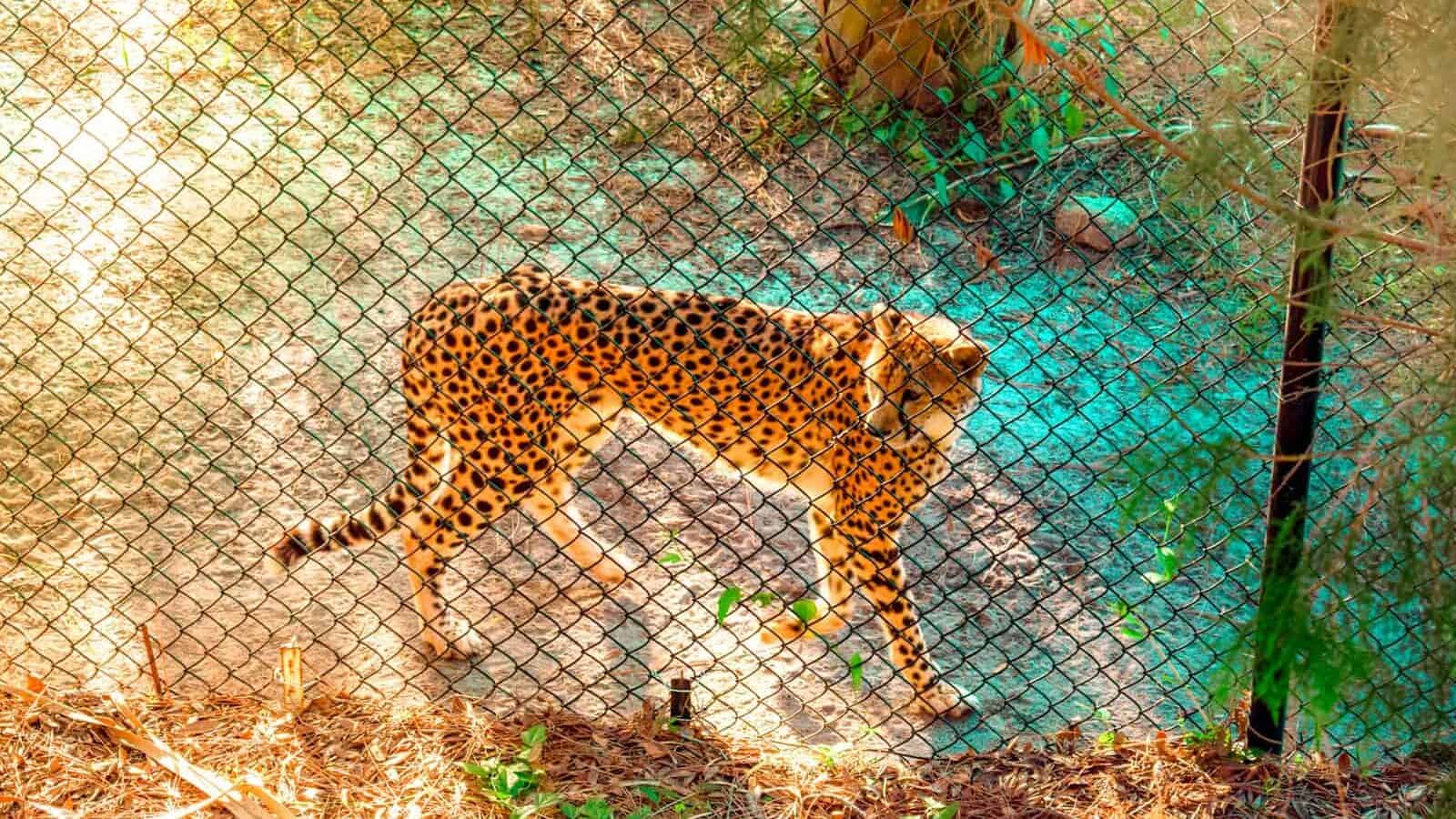
The cheetah’s daytime hunting behavior has significant implications for conservation efforts. Their diurnal activity pattern increases their visibility to humans, making them more vulnerable to conflict, especially in agricultural areas where they may hunt during the same hours that farmers are active with livestock. Conversely, this visibility has made cheetahs important flagship species for conservation, as they can be reliably viewed by ecotourists during daylight safari drives. This tourism value provides economic incentives for protection. However, climate change poses particular threats to cheetahs; rising temperatures may reduce the viable hunting hours in already hot environments, potentially forcing shifts in hunting patterns that could increase competition with nocturnal predators. Conservation strategies must consider these complex factors related to the cheetah’s unique temporal niche.
The cheetah’s exceptional status as the only big cat that primarily hunts during daylight hours represents a remarkable evolutionary adaptation that has shaped every aspect of its existence. This temporal specialization has allowed cheetahs to carve out a unique ecological niche, avoiding direct competition with larger predators while maximizing their extraordinary speed advantage. From their specialized visual systems to their distinctive hunting strategies and even their social behaviors, cheetahs have evolved a comprehensive suite of adaptations that make them masters of the daylight hunt. As we work to conserve these magnificent cats for future generations, understanding their unique temporal adaptation provides crucial insights into their ecological requirements and vulnerabilities. The cheetah’s day-hunting specialization isn’t merely an interesting biological footnote—it’s a testament to the diverse evolutionary pathways that have created Earth’s remarkable biodiversity.

- What’s Hiding in the Forests of the Pacific Northwest - July 21, 2026
- Tarsiers: The Tiny Primates with Giant Eyes - July 21, 2026
- Are Zoos Still Ethical in 2025? - July 21, 2026