
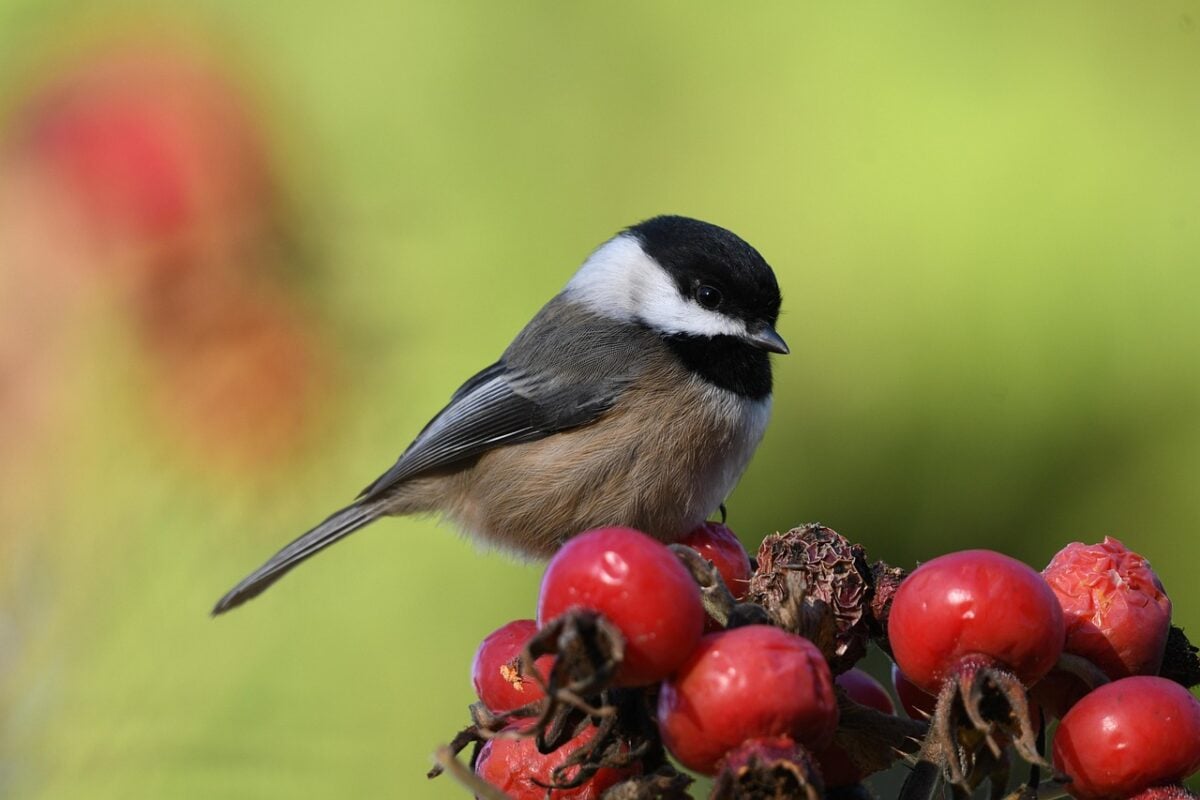
Picture a bird smaller than your fist, weighing about as much as three paperclips, hiding food in thousands of different spots across a snowy forest. Now picture that same bird, weeks later, flying straight to each one of those hiding spots without hesitation, like it’s checking off a mental grocery list only it can see.
That’s not a fluke. That’s not luck. That’s a chickadee doing what its brain was built to do, and the science behind it is stranger and more impressive than most people ever imagine. Stick around, because the last part of this list is the kind of brain trick that sounds almost impossible.
7. Every Hidden Seed Gets Its Own Private Brain Signal

Here’s the part that stops most people cold: chickadees don’t just remember a general area where they stashed food. Each hiding spot gets its own unique burst of brain activity, almost like a barcode scanned and filed away in the bird’s hippocampus. When the bird comes back for that exact seed, that exact pattern fires again, like a key sliding into the right lock.
What makes this even wilder is how close together some of these caches can be. Two hiding spots might sit just inches apart, yet the chickadee’s brain still tells them apart without mixing them up. It’s the kind of precision you’d expect from a filing cabinet, not a bird that weighs less than a slice of bread.
Fast Facts
- Each cache appeared to have its own unique combination of neurons, or neural bar code, and those bar codes differed even for individual caches at the same location.
- These are very striking patterns of activity, but they’re very brief – only about a second long on average.
- Researchers built a 76 × 76 cm behavioral arena containing 128 cache sites with 5.3 cm minimum spacing.
- Even brief, split-second signals are enough for the bird to tell nearly identical hiding spots apart.
6. Their Brains Physically Grow to Handle the Workload
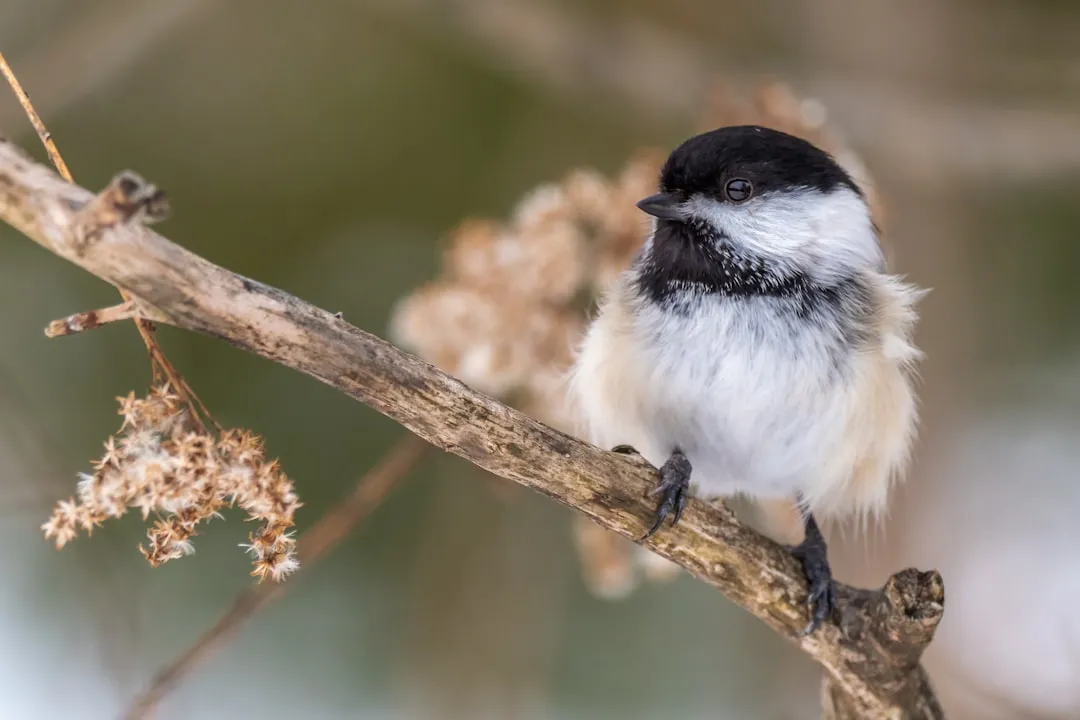
Most animals don’t get a brain upgrade just because life gets demanding. Chickadees do. Their hippocampus, the memory hub responsible for spatial recall, runs noticeably larger than that of birds who don’t cache food, and it’s not by accident.
That extra tissue exists for one reason: storage space. As caching season ramps up, the hippocampus can actually expand to meet the memory load, then shrink back down once the pressure eases. It’s less like a static organ and more like a muscle that bulks up right when it’s needed most.
5. They Remember What’s Buried, Not Just Where
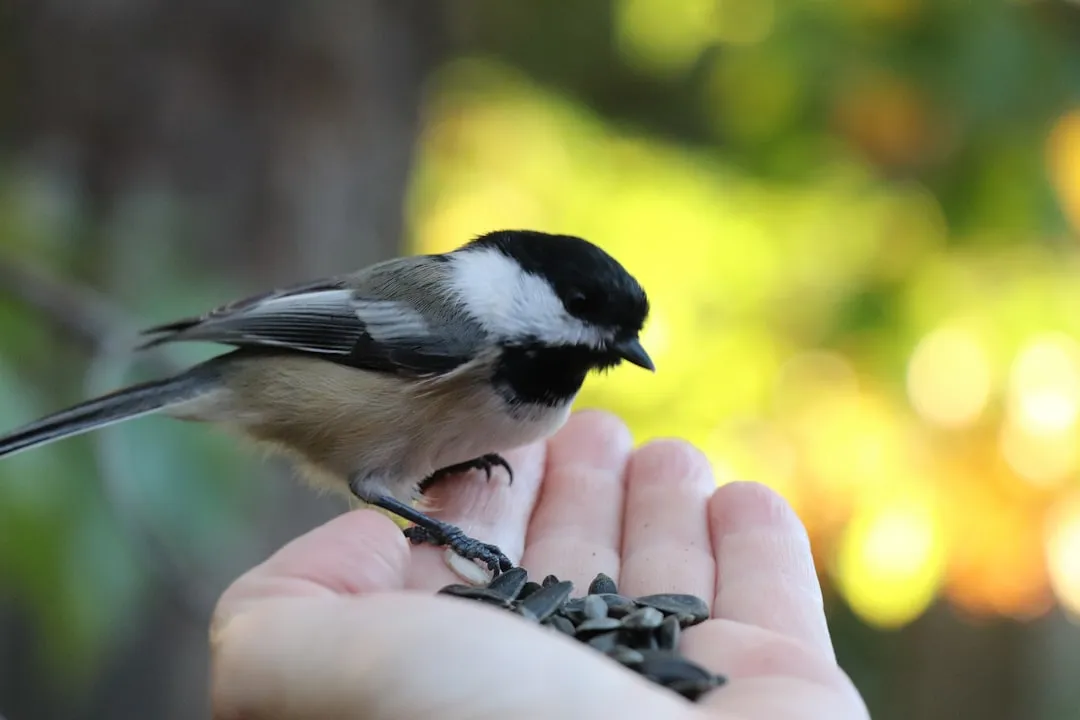
Location is only half the puzzle. A chickadee doesn’t just recall that something is hidden behind a certain branch or under a particular patch of bark. It remembers what’s there, whether it’s a fatty sunflower seed or something less valuable.
That distinction matters when the temperature drops and every calorie counts. A hungry chickadee can prioritize the richest, most energy-dense caches first, skipping over lower-value stashes until it truly needs them. It’s less foraging and more strategic budgeting, done entirely from memory.
4. Some Caches Stay Locked In for Nearly a Month
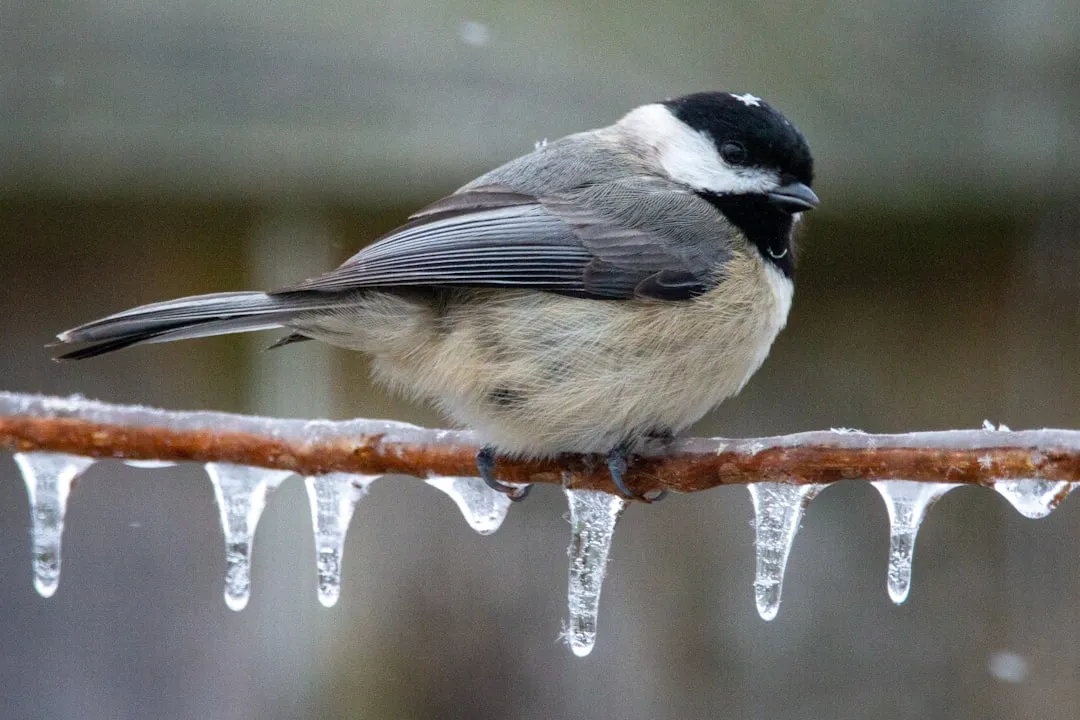
Short-term memory is impressive on its own, but chickadees push it further. Some of their cached locations remain retrievable for close to 28 days, long enough to carry a bird through the harshest stretch of winter without the food supply going stale in its mind.
Even more remarkable, snow doesn’t erase the memory. A chickadee can still zero in on a cache buried under a fresh layer of snowfall, relying on internal spatial mapping rather than visual cues that have literally been covered up overnight.
3. Thousands of Hiding Spots, Zero Written Notes
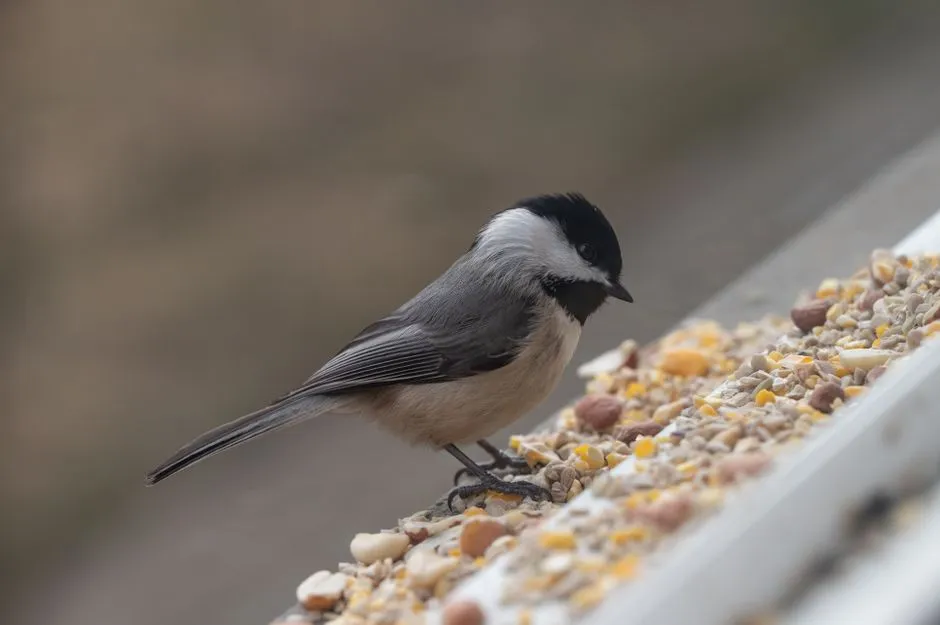
Try to imagine memorizing the location of a thousand small objects scattered across a forest, then imagine doing it again every single autumn. That’s the daily reality for a chickadee, whose caching behavior can produce not hundreds, but thousands of individual hiding spots each season.
This isn’t a party trick. It’s survival hardwired into the brain through generations of evolutionary pressure. Birds with sharper spatial memory lived through harder winters, passed on their genes, and slowly turned caching into one of the most demanding memory feats in the animal kingdom.
At a Glance
- Some chickadees make up to 5,000 individual food stashes per day during peak caching season.
- Unlike most birds that live in cold places, chickadees don’t migrate during the winter, so every hidden seed has to last through the entire cold season.
- Researchers have shown, for the first time, that there is a genetic component underlying the spatial memory abilities of mountain chickadees.
2. They Change Strategy When Conditions Change
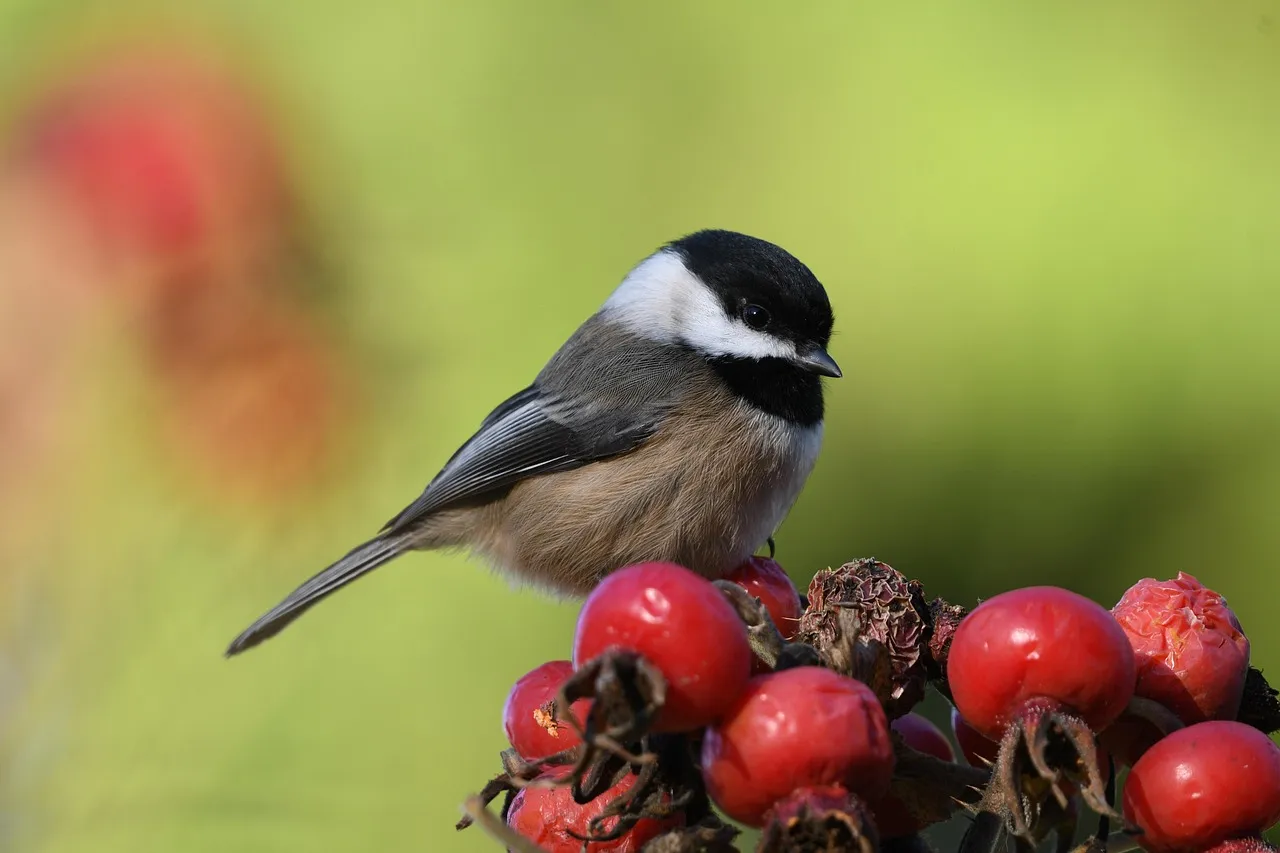
A rigid memory system would crack under pressure the moment weather or food supply shifted. Chickadees don’t have that problem. They adjust how and when they retrieve their caches based on real-time conditions, pulling from different strategies depending on scarcity, temperature, or how much competition is around.
That flexibility is what separates simple memorization from genuine cognitive skill. It’s not just about remembering; it’s about knowing when to act on that memory and when to hold off, a decision-making layer stacked on top of an already complex mental map.
Quick Compare
- Rigid memory: Retrieves caches in the same fixed order no matter what’s happening outside.
- Chickadee memory: Shifts retrieval order based on scarcity, temperature, and nearby competitors.
- Rigid memory: Treats every hidden seed as equally important.
- Chickadee memory: Prioritizes the richest, highest-calorie caches first when conditions turn harsh.
1. Their Brain Rebuilds Itself With the Seasons
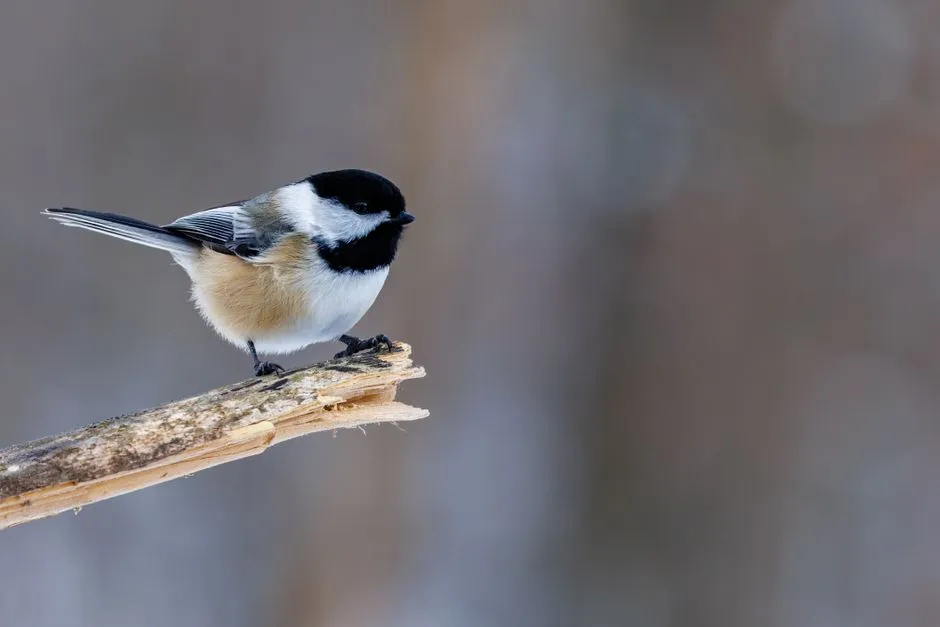
Save the strangest fact for last. As autumn caching ramps up, the chickadee’s hippocampus doesn’t just get busier, it physically grows, adding new neurons to handle the flood of new memories being formed. This isn’t subtle background biology; it’s a visible, measurable seasonal transformation.
Then spring arrives, the caches empty out, and the hippocampus shrinks back down again, like the brain equivalent of packing away winter gear once it’s no longer needed. Very few animals rebuild their own brain tissue on a seasonal cycle, and it’s one of the clearest signs that nature sometimes solves problems in ways that sound more like science fiction than biology.
The Bottom Line
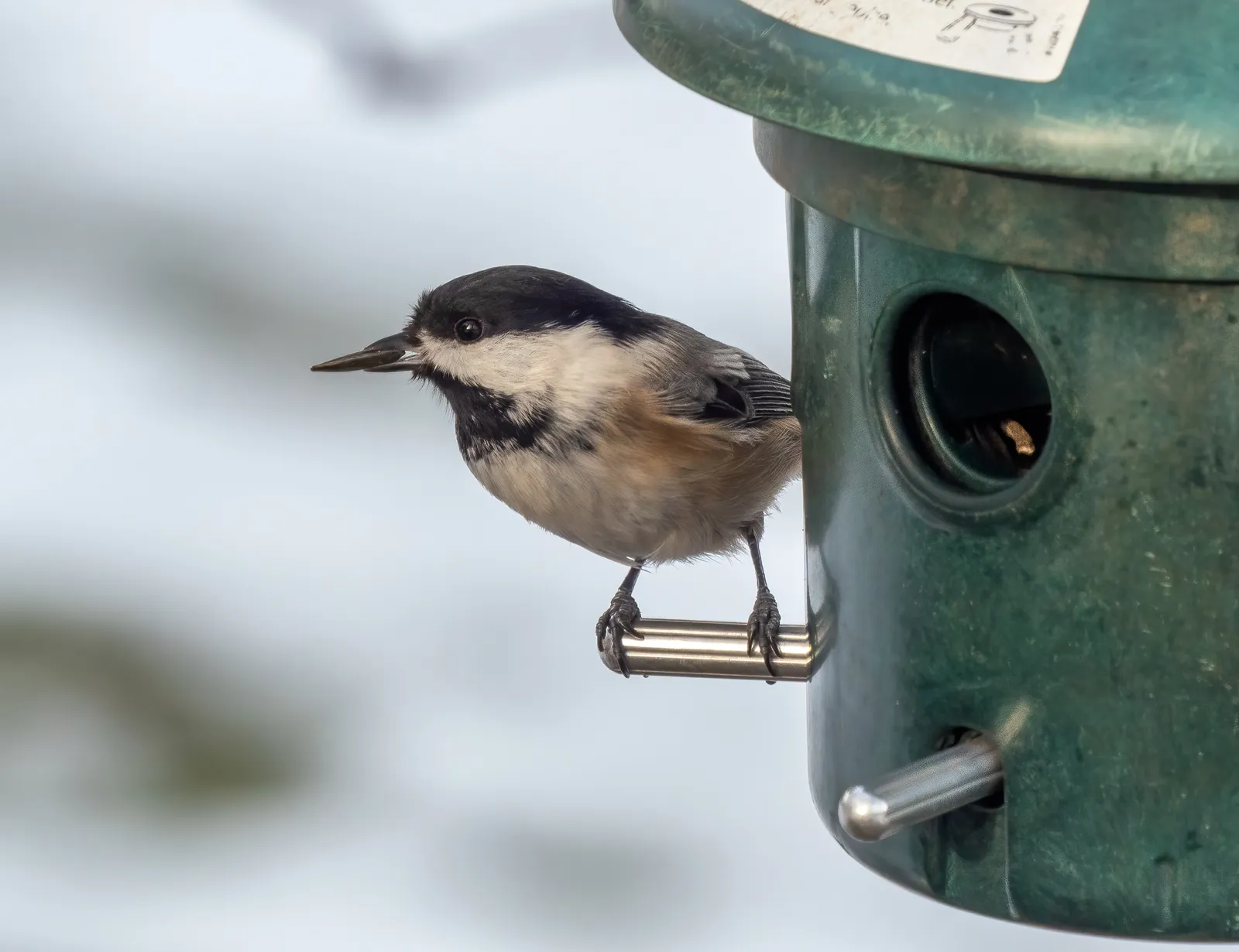
Once you know what’s actually happening inside a chickadee’s skull, it’s hard to look at one the same way again. This is not a cute backyard bird getting by on instinct. It’s a tiny, living memory machine, rewriting its own brain twice a year just to survive a season most animals simply endure.
Chickadees are “memory geniuses.”
Dr. Aronov, Columbia University’s Zuckerman Institute
If anything, chickadees make a strong case that intelligence has nothing to do with size. The next time one lands on a feeder, grabs a seed, and disappears into the trees, remember it’s not just eating. It’s filing away one more coordinate in a map more detailed than most of us could ever hold in our heads.

- Why Chickadees Remember Thousands of Hidden Food Caches Every Year - July 14, 2026
- What It Means When You See a Red-Tailed Hawk at a Significant Moment According to Native American Tradition - July 14, 2026
- The Bird That Shares Your Zodiac Sign's Most Defining Characteristic – According to Both Astrology and Ornithology - July 14, 2026