
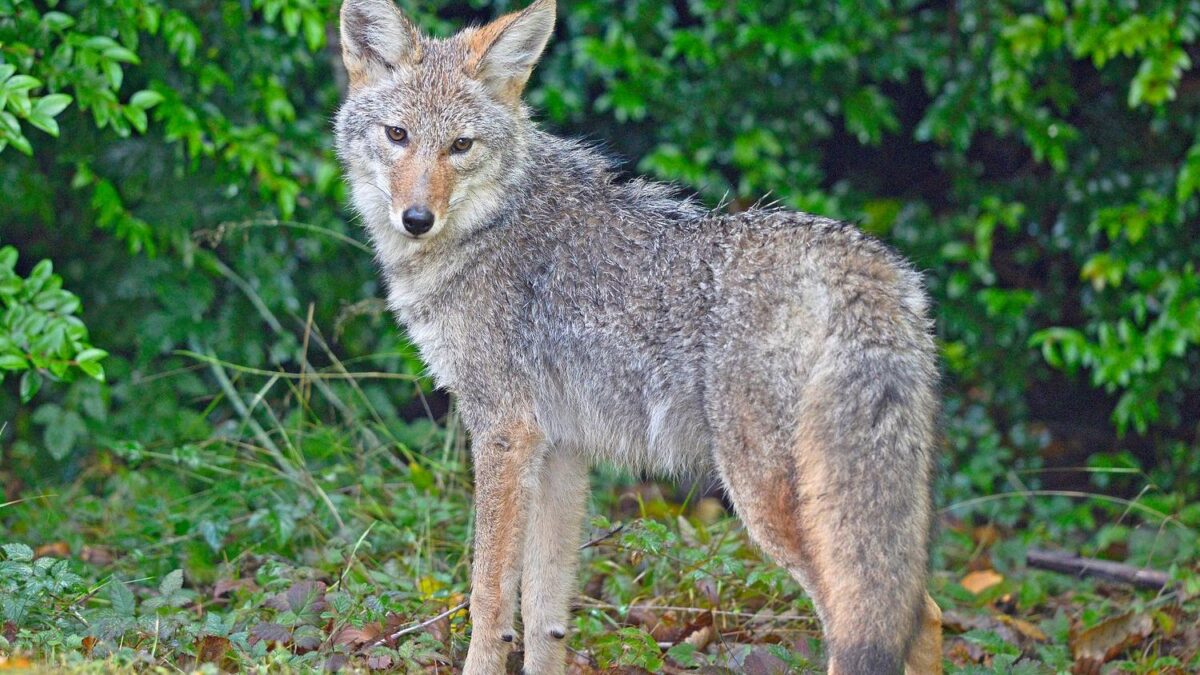
The Initial Freeze as Risk Assessment
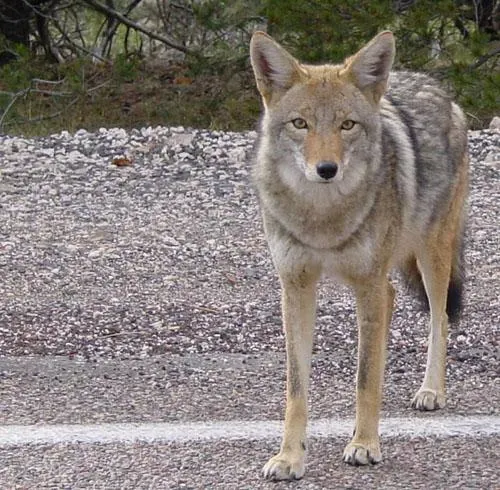
Coyotes rely on quick visual checks to decide whether an encounter requires flight or further observation. When one stops and stares, it is often measuring distance, movement, and any signs of threat from the human or accompanying dog. This brief evaluation helps the animal conserve energy that would otherwise be spent on unnecessary escapes throughout the day.
Experts note that immediate flight every time would exhaust a coyote living near people. The pause allows it to gather information without committing to a full retreat right away. In many documented cases, the animal simply continues on its path once it determines the person poses no immediate danger.
Curiosity Balanced Against Caution
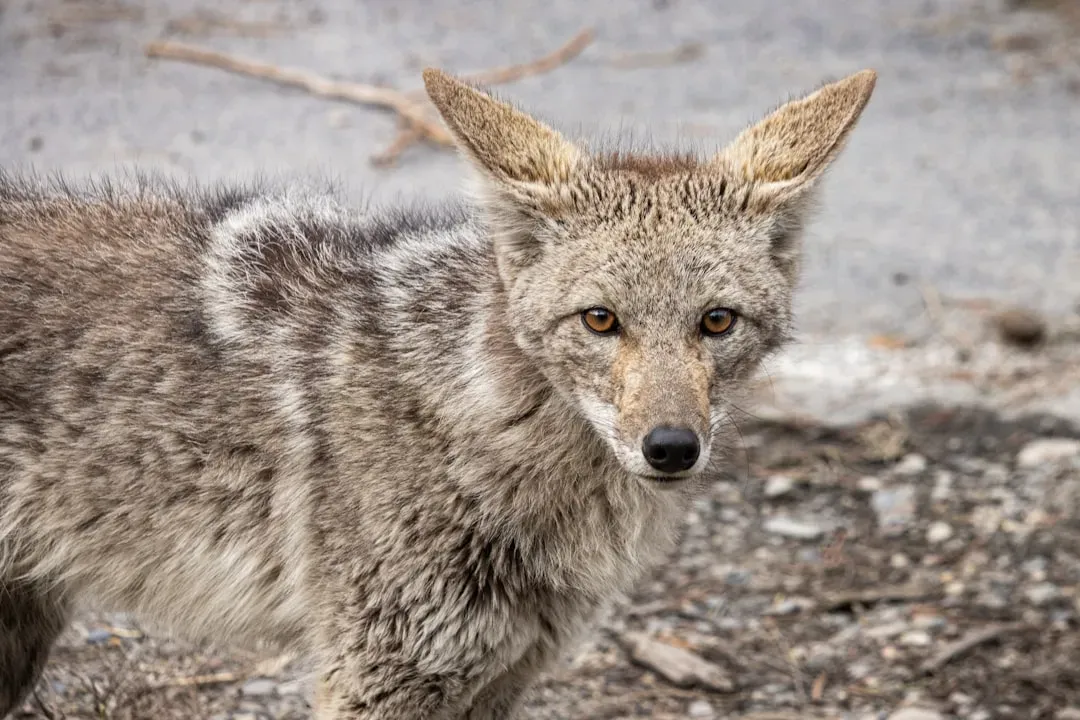
These animals are naturally inquisitive, especially in areas where humans appear regularly but rarely interact directly. The stare gives them a chance to watch for unusual behavior, such as sudden gestures or changes in direction. At the same time, their wariness keeps the interaction short and one sided.
Field reports show that stillness on the human side can actually prolong the moment because it mimics the kind of unpredictable element a coyote wants to understand. Once satisfied, the coyote typically turns and moves off at its own pace rather than bolting in panic.
Intelligence Driving the Decision
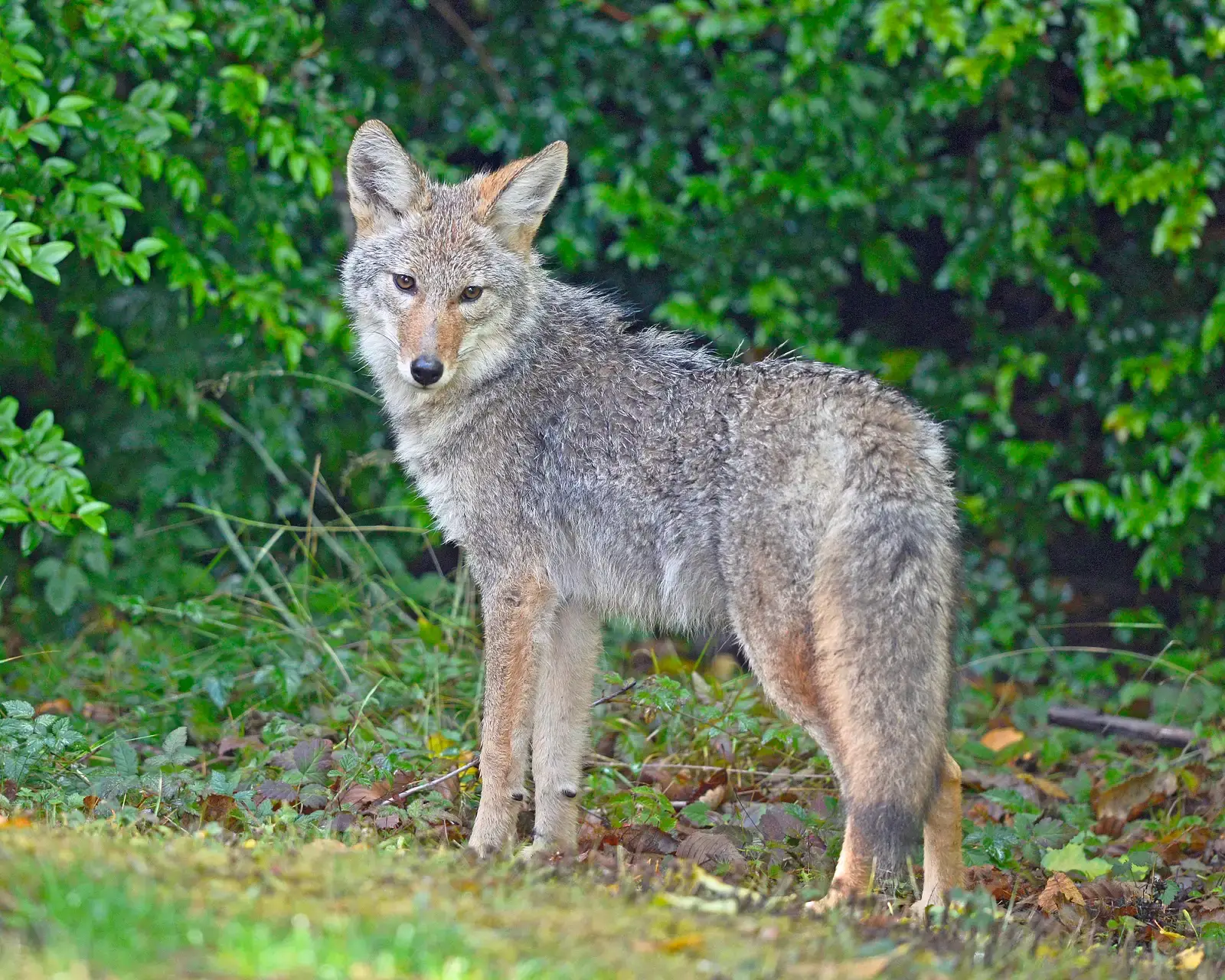
Coyotes demonstrate problem solving skills that set them apart from many other wild canids. The stare serves as a moment of processing, almost like running a quick mental checklist about the stranger in their territory. This cognitive pause helps them adapt to changing environments, from rural edges to city parks.
Observations in multiple regions confirm that coyotes adjust their responses based on past experiences with people. An animal that has learned humans usually keep moving will stare longer to confirm the pattern before resuming its route. The behavior reflects flexibility rather than fixed instinct alone.
Proximity to Dens or Resources
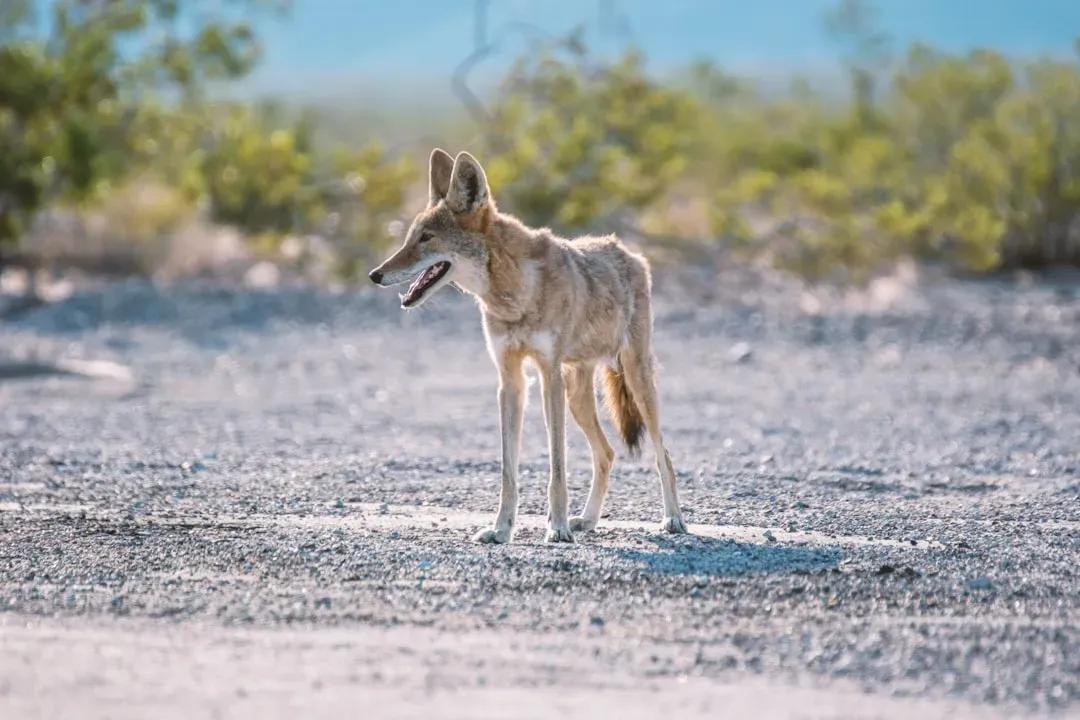
When a coyote lingers in a stare, it may be guarding a nearby den site or food source during certain seasons. The pause allows it to monitor the intruder while deciding whether to escort the person away or simply wait for them to pass. This protective element appears most often in spring when pups are present.
Even then, the response stays measured. The animal rarely advances and instead uses the visual connection to signal its presence and encourage the human to keep distance. Once the perceived risk moves on, the coyote returns to its original activity without further display.
Urban Living Shapes the Pattern
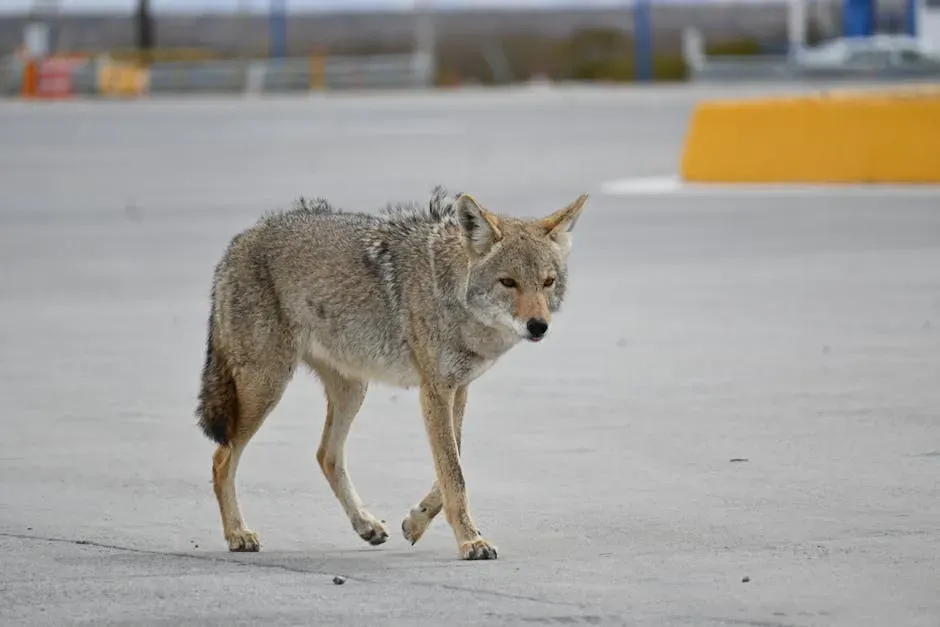
In cities and suburbs, coyotes encounter people far more often than their rural counterparts. The stare becomes a common tool for navigating these frequent crossings without constant disruption. It lets the animal gather details about routines, such as dog walkers or joggers, while staying safely out of reach.
Studies of urban populations show that habituated coyotes still maintain this visual check rather than ignoring humans entirely. The behavior helps them thrive alongside dense human activity by reducing unnecessary conflicts and energy loss. Over time, the pattern becomes a reliable part of their daily navigation.
Why the Stare Gets Misread as Threat
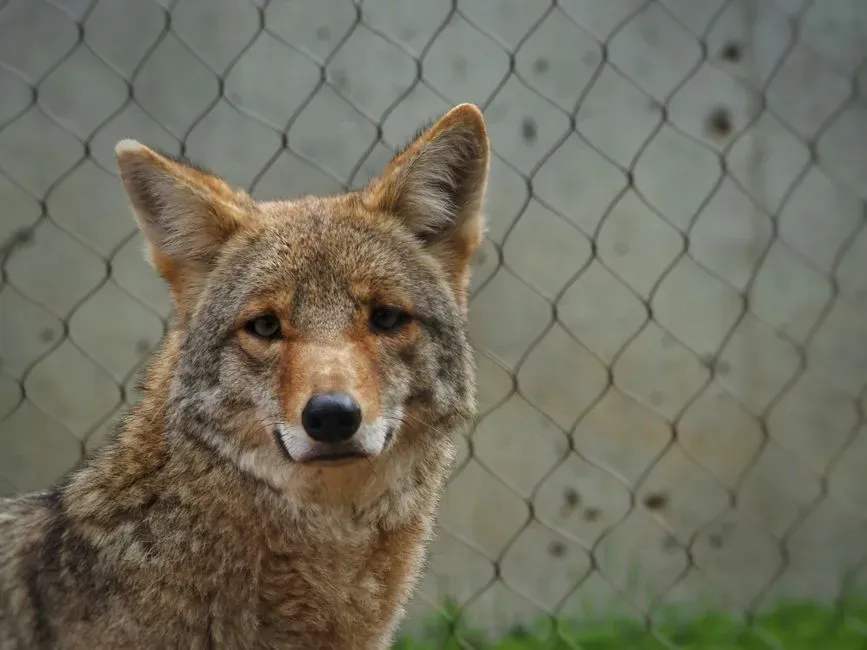
Direct eye contact from a wild animal triggers strong reactions in people, often leading to assumptions of aggression. In reality, the coyote is usually gathering information rather than preparing to confront. Its body language remains neutral or slightly tense, with no signs of charging or vocalizing in most encounters.
Wildlife educators emphasize that mistaking caution for boldness can escalate situations unnecessarily. When humans respond with loud noises or sudden movements, the coyote simply accelerates its departure. The original stare was never an invitation to interact, only a moment of evaluation.
Respecting the Pause in Future Encounters
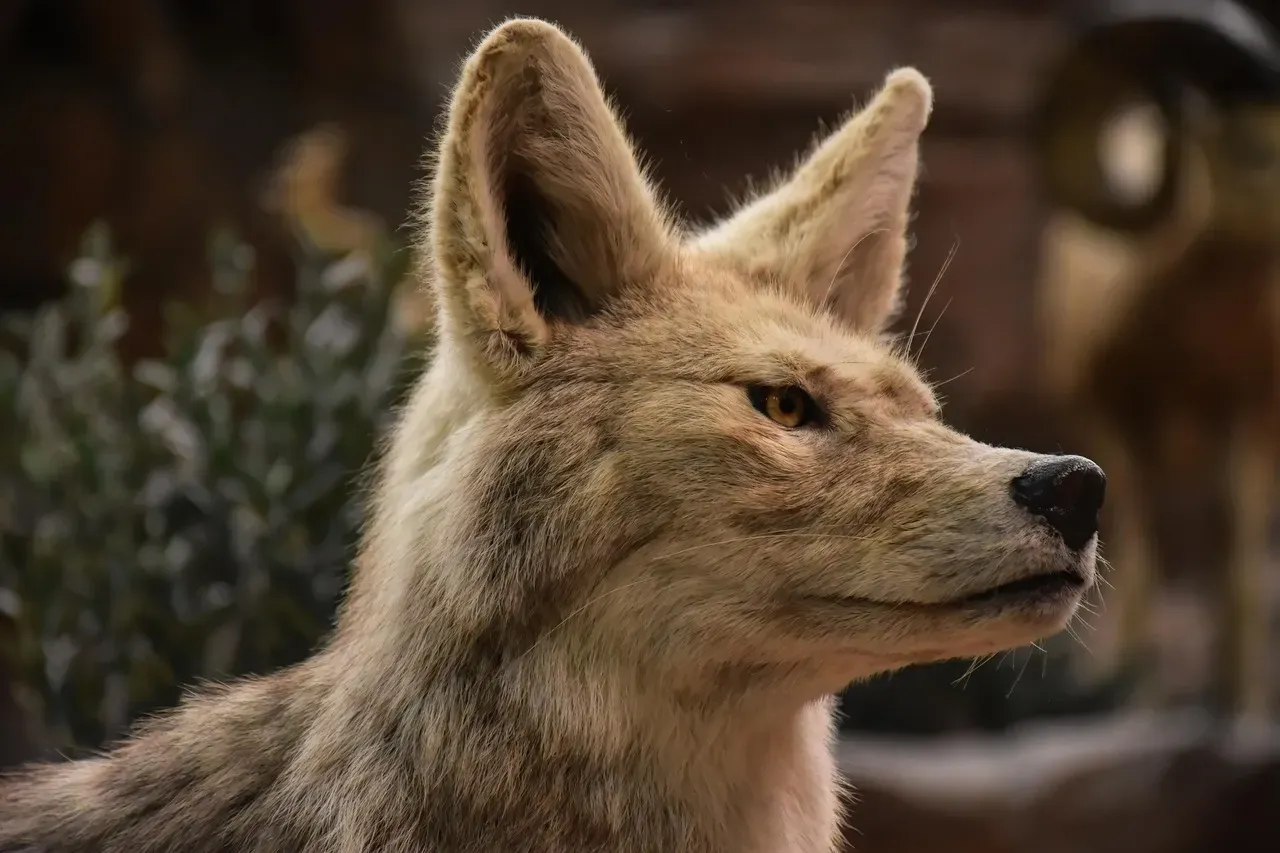
Understanding the stare changes how people move through shared spaces. Standing still or backing away slowly often ends the moment faster than any dramatic reaction. Giving the animal time to complete its assessment respects its natural process and reduces stress for both sides.
Over years of observation, this simple adjustment has helped countless trail users and residents coexist peacefully with local coyotes. The decoded behavior ultimately points to an animal that values information over confrontation, a trait worth remembering the next time those eyes meet yours on the path.

- 8 Myths About Surviving a Tornado - June 25, 2026
- 11 Incredible Birds That Migrate Thousands of Miles Every Year - June 25, 2026
- 8 Simple Gardening Tips That Work Anywhere - June 25, 2026