


Deer have become a common sight in many U.S. neighborhoods, and their presence is causing both wonder and concern among residents. As urban landscapes continue to encroach on natural habitats, these graceful animals are adapting to new environments, leading to increased interactions with humans. This article delves into the reasons behind this phenomenon and the implications it has on communities.
Urbanization and Habitat Loss
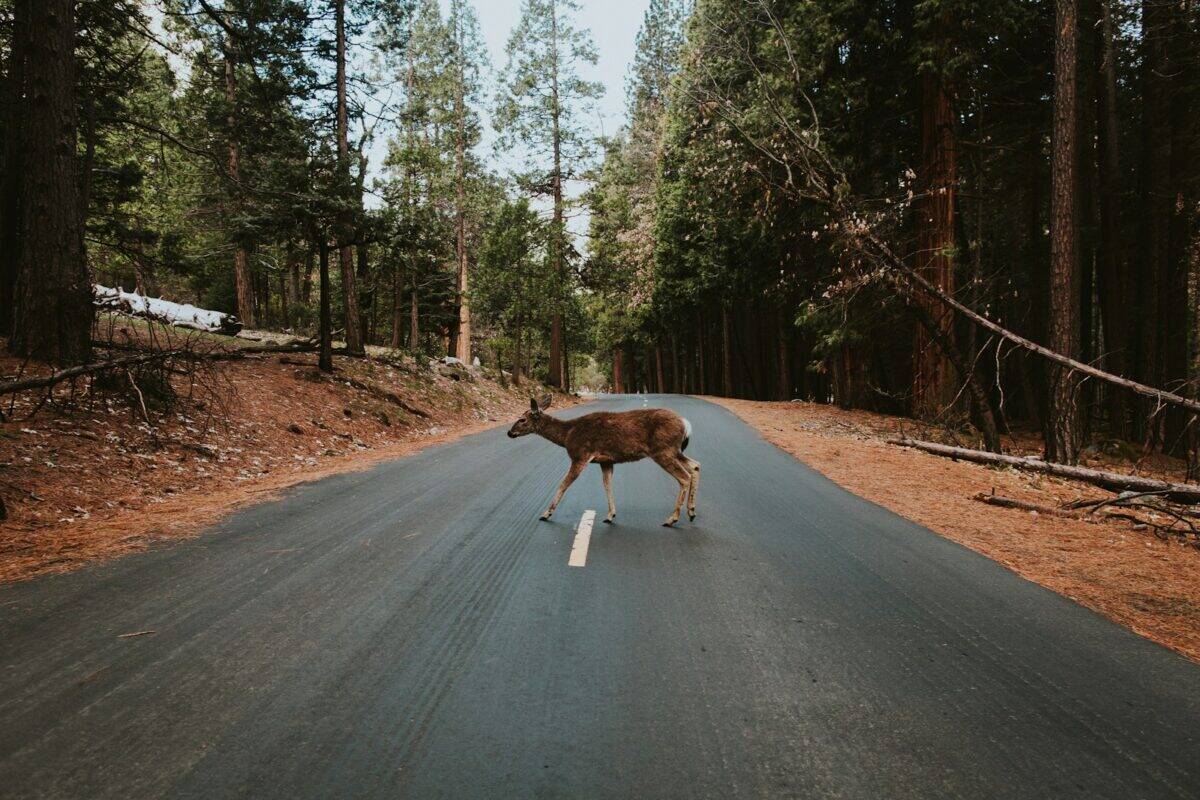
As cities and suburbs expand, they inevitably encroach on the natural habitats of wildlife, including deer. Urban sprawl reduces the availability of large, unbroken swaths of forest and grassland, driving deer into more populated areas in search of food and shelter. This transformation of landscapes is arguably the most significant factor behind the rising presence of deer in residential neighborhoods.
Abundance of Food Sources

Deer are opportunistic feeders and are highly adaptable when it comes to finding food. Gardens, lawns, and ornamental plants in suburban areas offer a variety of food sources that are often more nutritious and abundant than those in their natural habitats. Additionally, the lack of natural predators in these areas makes them appealing refuges for deer.
Changing Landscapes and Fragmented Forests
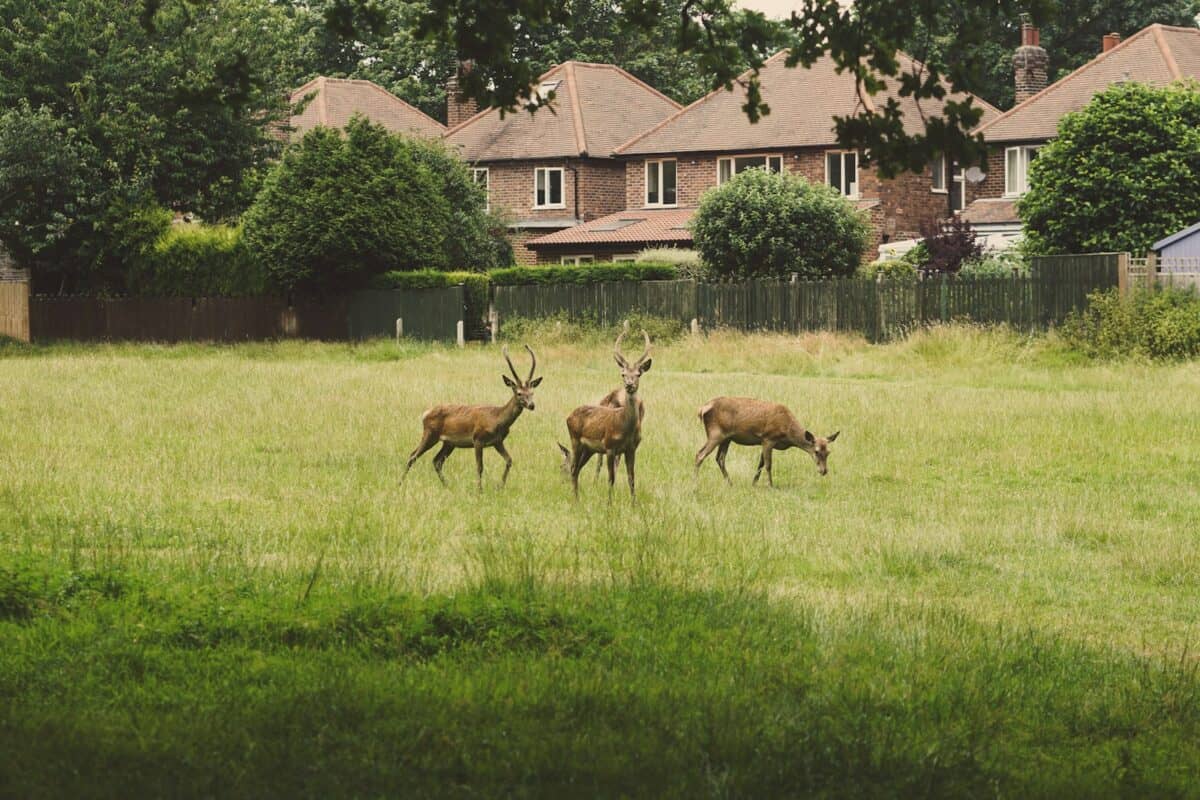
Fragmentation of forests and wooded areas due to development leaves deer without continuous habitats. This has resulted in deer populations becoming more linearly distributed along green belts, forest patches, and even urban parks, effectively making these areas corridors and refuges within cities.
The Role of Conservation Efforts
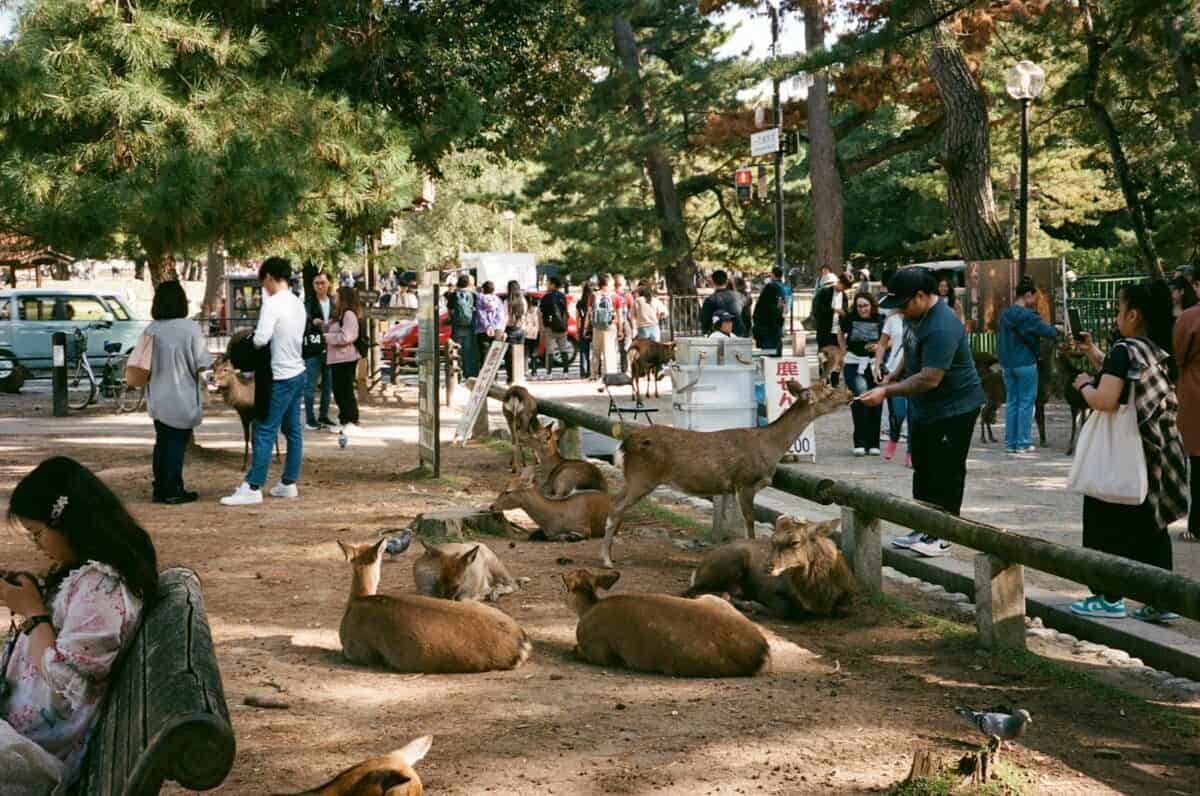
Conservation efforts aimed at increasing deer populations for ecological stability and hunting purposes have been largely successful. However, these increased populations, coupled with reduced predator numbers, have enabled deer to venture into new territories, including urban areas where they have begun to thrive.
Adaptation and Behavioral Changes
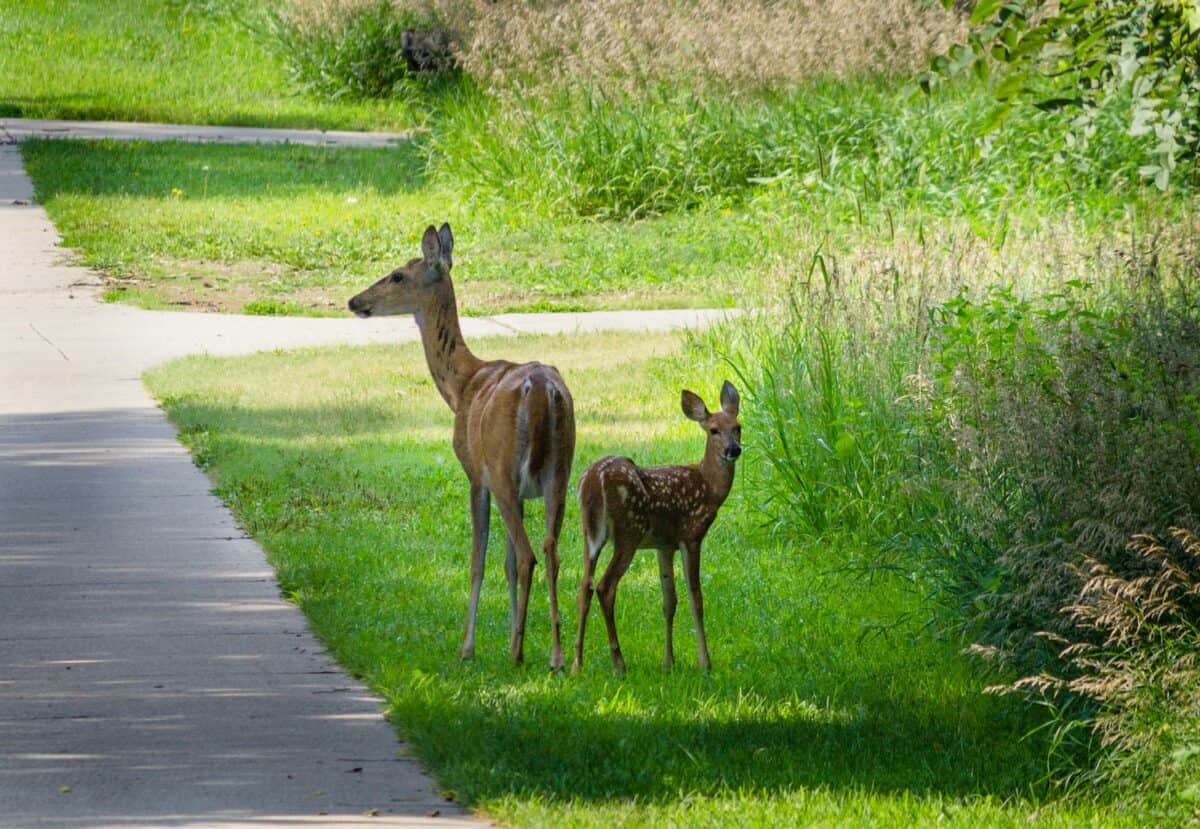
Deer have shown remarkable adaptability to urban environments, altering their behavior to navigate roads, avoid people, and exploit urban resources. Some deer have adapted nocturnal behaviors to minimize human contact, while others have become more accustomed to human presence, making them bolder and more visible during the day.
Impact on Ecosystems
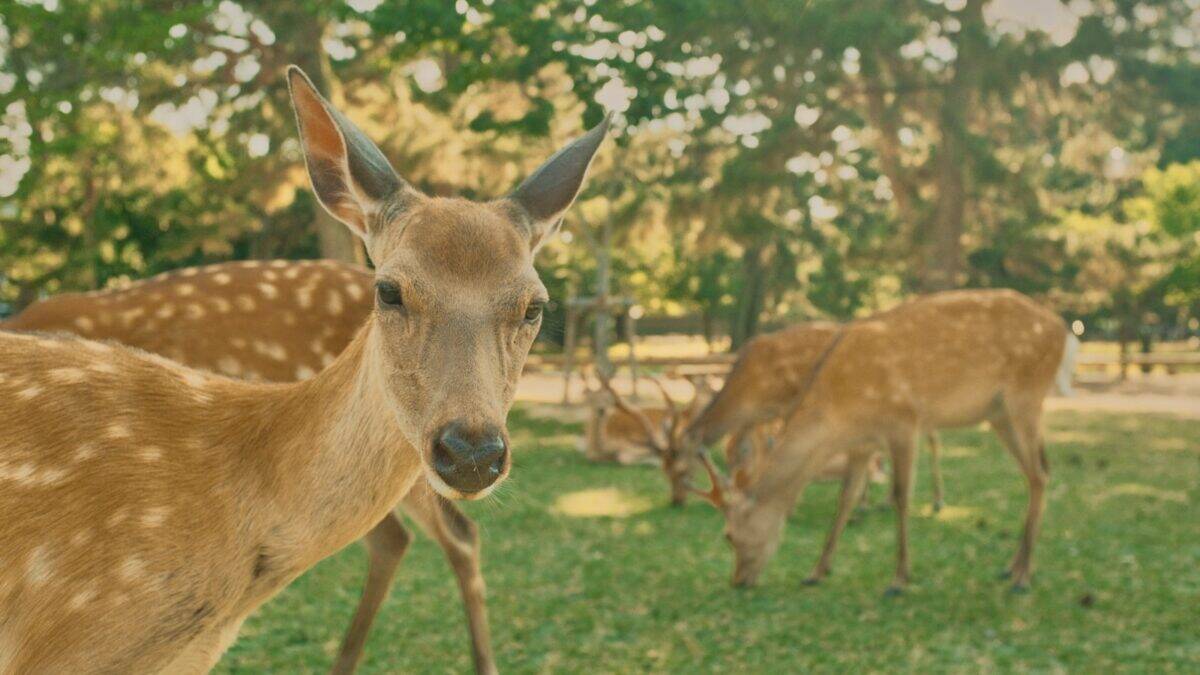
The presence of deer in urban neighborhoods has a cascading effect on local ecosystems. Overbrowsing can lead to the decline of certain plant species, impacting biodiversity and the health of local flora. This, in turn, affects other wildlife dependent on these plants for survival. Deer can also be carriers of ticks, influencing the spread of diseases like Lyme disease.
Concerns for Public Safety

While deer are generally not aggressive, their presence poses certain risks such as road accidents and aggressive behavior during mating season. Automobile collisions involving deer can result in significant property damage and, in some cases, injuries to drivers and passengers. Awareness and caution are essential in areas with high deer populations.
Human-Wildlife Conflicts
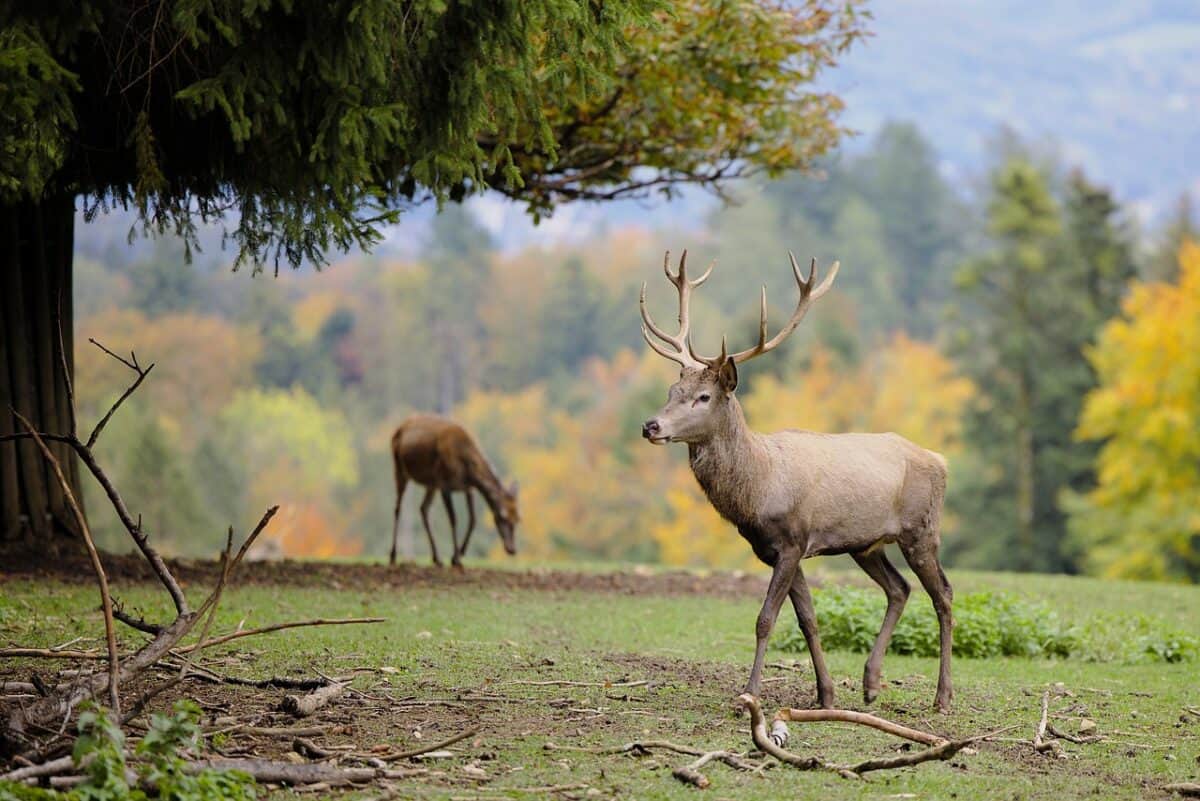
Deer can become nuisances to homeowners, damaging gardens, trees, and outdoor vegetation. They can also cause friction between neighbors who may have differing attitudes towards wildlife, with some viewing deer as picturesque residents and others considering them as pests.
Property Management Strategies
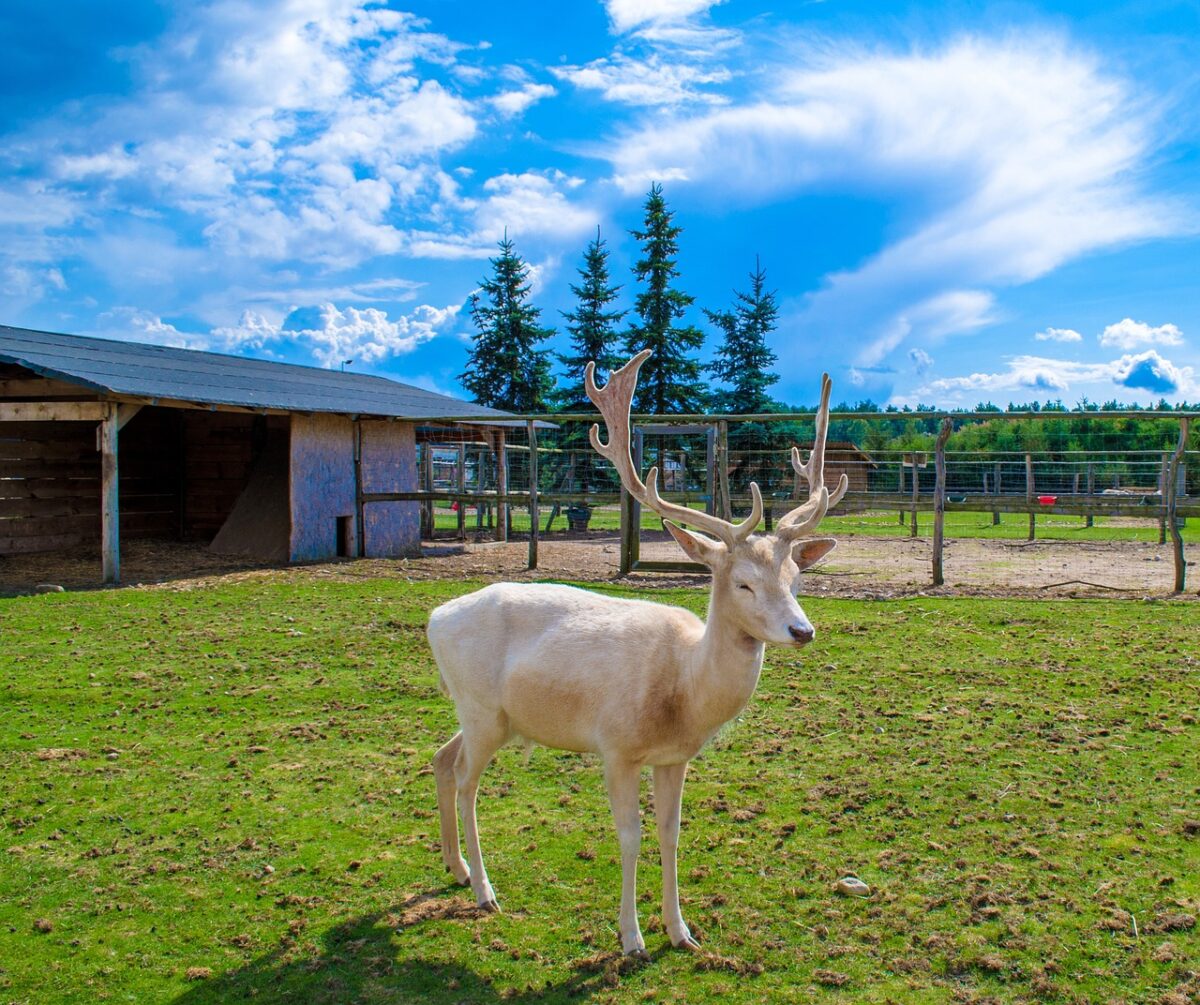
Property owners seeking to manage deer presence can employ various strategies. Physical barriers like deer fencing, motion sensor lights or sprinklers, and choosing deer-resistant plant species can help protect gardens and property. Community-level efforts may involve coordinated fencing and shared strategies for managing deer.
Legal and Ethical Considerations
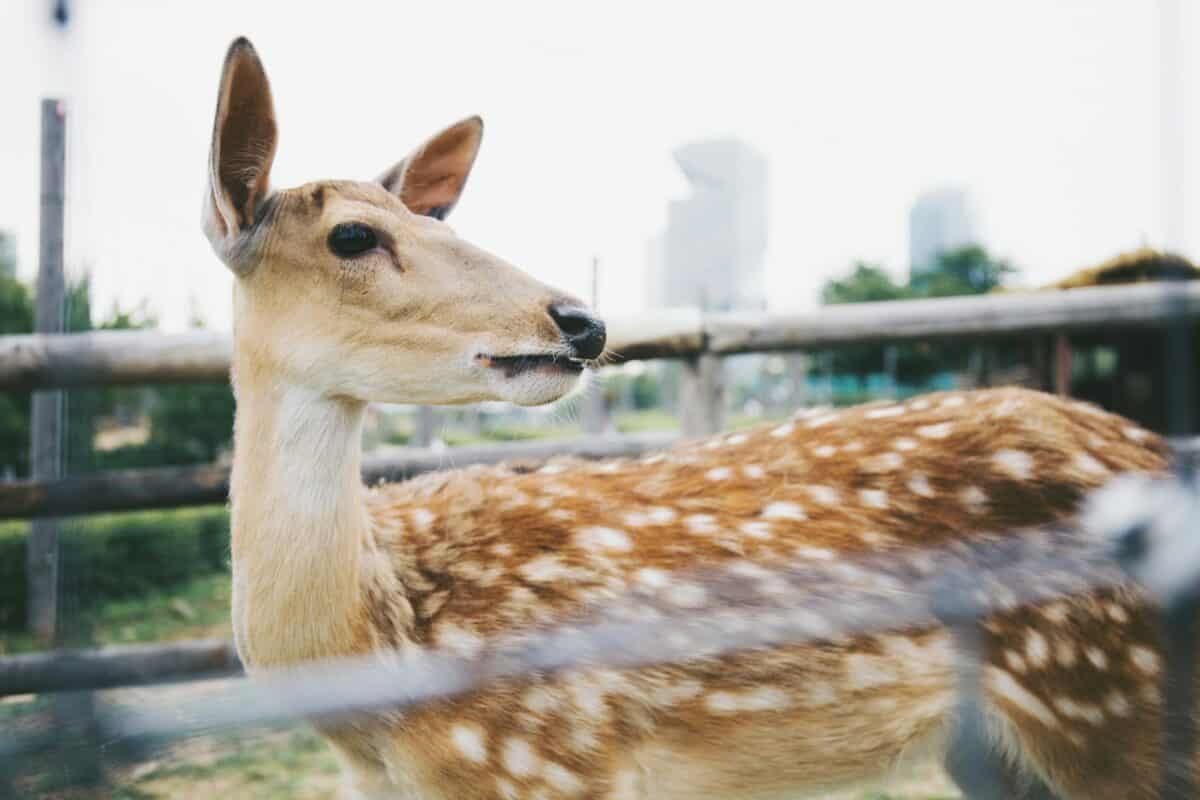
Managing urban deer populations involves complex legal and ethical considerations. Local and state wildlife management agencies play a significant role in establishing regulations concerning hunting and habitat modification. Community discussions and policies are essential to develop humane and effective strategies for coexistence.
The Future of Urban Wildlife Management

Growing deer populations in urban areas highlight the need for innovative wildlife management strategies that balance ecological, economic, and social factors. Future efforts may include habitat restoration, public education, and enhanced community engagement to foster understanding and cooperation among stakeholders.
Deer appearances in U.S. neighborhoods are a testament to the adaptability of wildlife in the face of human expansion. Understanding the reasons behind this trend is essential to developing effective strategies for coexistence. By fostering responsible management and community awareness, we can ensure that these encounters are balanced and beneficial for both humans and wildlife.

- Fastest Fish in American Waters Identified - July 15, 2026
- How Ants Build Living Bridges - July 15, 2026
- Why Foxes Scream at Night—and What It Means - July 15, 2026