
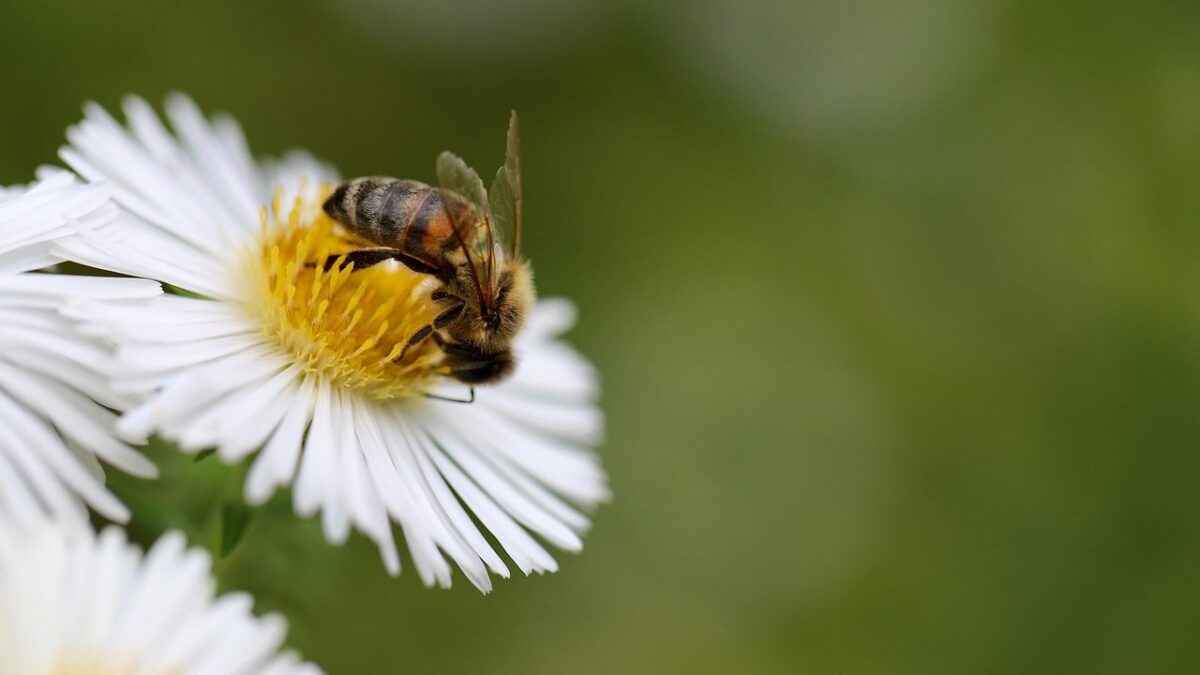
Imagine a world without GPS, without smartphones, without any maps. Now imagine navigating miles of open landscape to find a single flower patch, memorizing every detail of the journey, returning home, and then somehow broadcasting all of that information to thousands of your friends using only your body. Sounds impossible, right? For honeybees, this is just Tuesday.
The waggle dance is one of the most remarkable communication systems in the entire animal kingdom. It has fascinated scientists, naturalists, and curious minds for centuries. There is so much more to this tiny creature’s shimmy than meets the eye, so let’s dive in.
What Exactly Is the Waggle Dance?
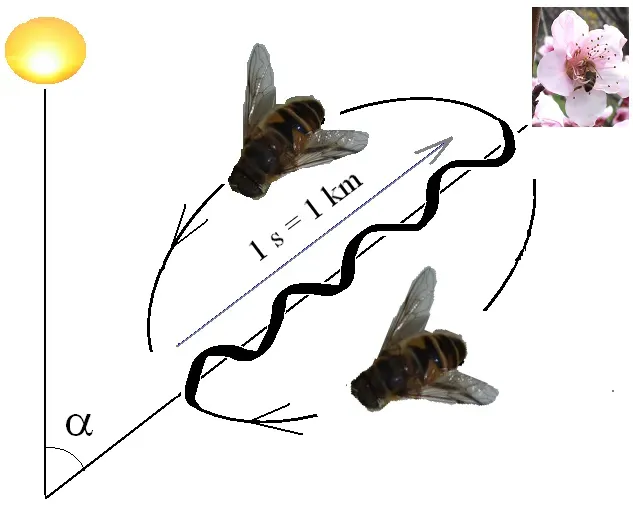
The waggle dance is a particular figure-eight dance of the honeybee. By performing it, successful foragers can share information about the direction and distance to patches of flowers yielding nectar and pollen, to water sources, or to new nest-site locations with other members of the colony. Think of it like a living, breathing Google Maps update, delivered with your entire body on a dark, bustling dance floor made of wax.
A waggle dance consists of one to 100 or more circuits, each of which consists of two phases: the waggle phase and the return phase. A worker bee’s waggle dance involves running through a small figure-eight pattern: a waggle run followed by a turn to the right to circle back to the starting point, another waggle run, followed by a turn and circle to the left, and so on in a regular alternation between right and left turns.
Performed at breakneck speed, each bee moves a body length in less than one second. The motions within the dance translate visual information from the environment around the hive and the location of the sun into the distance, direction, and even the quality of the resource to nestmates. Transmitting this information accurately is a remarkable feat because bees must move rapidly across an often uneven honeycomb hive surface.
Austrian ethologist and Nobel laureate Karl von Frisch was one of the first who translated the meaning of the waggle dance. Honestly, it is hard to overstate how astonishing his discovery was. The idea that a tiny insect brain could encode a symbolic language was, at the time, almost unthinkable.
How Bees Encode Direction and Distance in Every Move
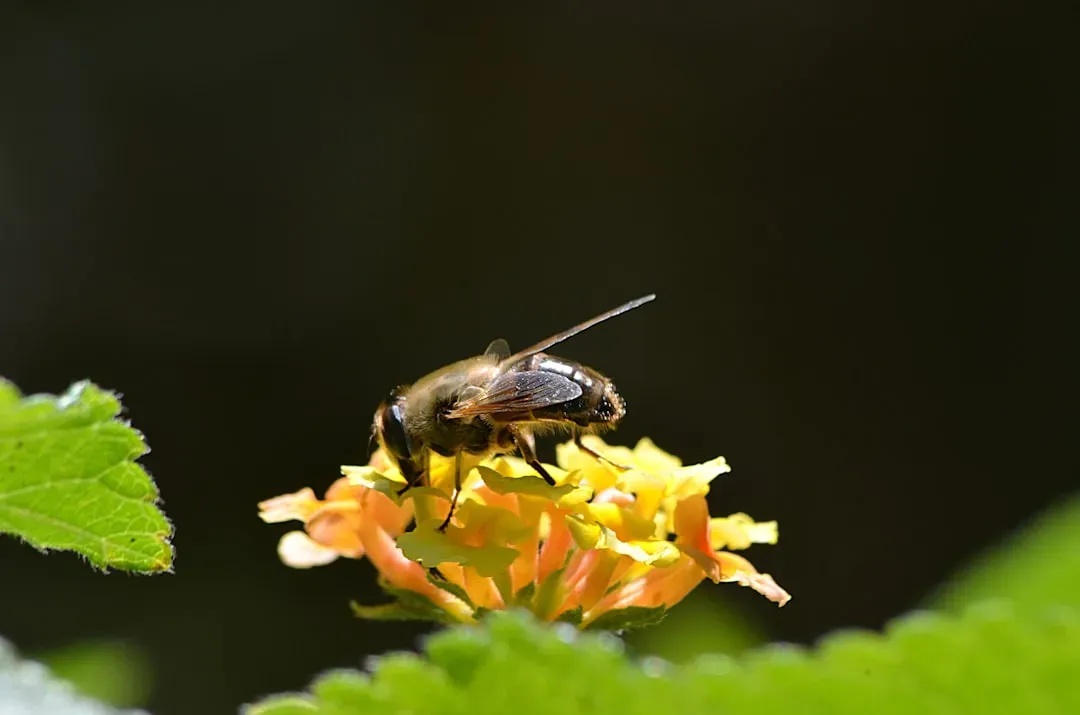
Here is the thing that genuinely blows my mind: the bee is essentially performing a miniaturized reenactment of her entire outbound flight. Every wiggle, every angle, every second of the performance carries real, precise data. It is not random. Not even a little.
The angle at which the scout bee begins the straight run indicates the angle of the food source in relation to the sun. If the angle of the dance is directed straight up the comb, the recruit bees know that the food source is in the direction of the sun. If the dancer starts at a downward angle, then the food source is in the opposite direction of the sun.
The distance between hive and recruitment target is encoded in the duration of the waggle runs. The farther the target, the longer the waggle phase. So a quick shimmy says “close by,” while a long, dramatic performance says “buckle up, ladies, it’s a long flight.”
The enthusiasm and vigor with which the waggle dance is performed can also convey information about the quality of the food source. A more vigorous dance suggests that the food source is particularly rich and worth visiting. It is essentially a bee’s version of leaving a five-star review online, except with considerably more flair.
Waggle dancing bees that have been in the nest for an extended time adjust the angles of their dances to accommodate the changing direction of the sun. Therefore, bees that follow the waggle run of the dance are still correctly led to the food source even though its angle relative to the sun has changed. That is real-time recalibration, happening inside a dark hive with no visual reference to the outside world. Stunning.
The Dance Is Learned, Not Just Instinctive
I know it sounds crazy, but here is a finding that genuinely rewrites what we thought we knew. For a long time, scientists assumed the waggle dance was purely hardwired into bee genetics. Something you were simply born knowing. Turns out, that is only part of the story.
Professor James Nieh of the School of Biological Sciences and his collaborators discovered that the waggle dance, which signals the location of critical resources to nestmates through an intricate series of motions, is improved by learning and can be culturally transmitted.
Bees without the opportunity to follow any dances before they first danced produced significantly more disordered dances with larger waggle angle divergence errors and encoded distance incorrectly. The former deficit improved with experience, but distance encoding was set for life. The first dances of bees that could follow other dancers showed neither impairment.
Honey bees appear to have a critical period for language acquisition, much like humans and many songbirds. Miss that window, and you may never quite get the distance code right. Honey bees are the only animals other than humans to relay information about distance, which makes this finding all the more extraordinary.
Out of the nine different species of honey bees recognized, the waggle dance is seen in all of them, however they each have different “dance dialects” dependent on the habitats in which they live. It is like regional accents, except the stakes are survival.
Dance Competition and Collective Decision-Making
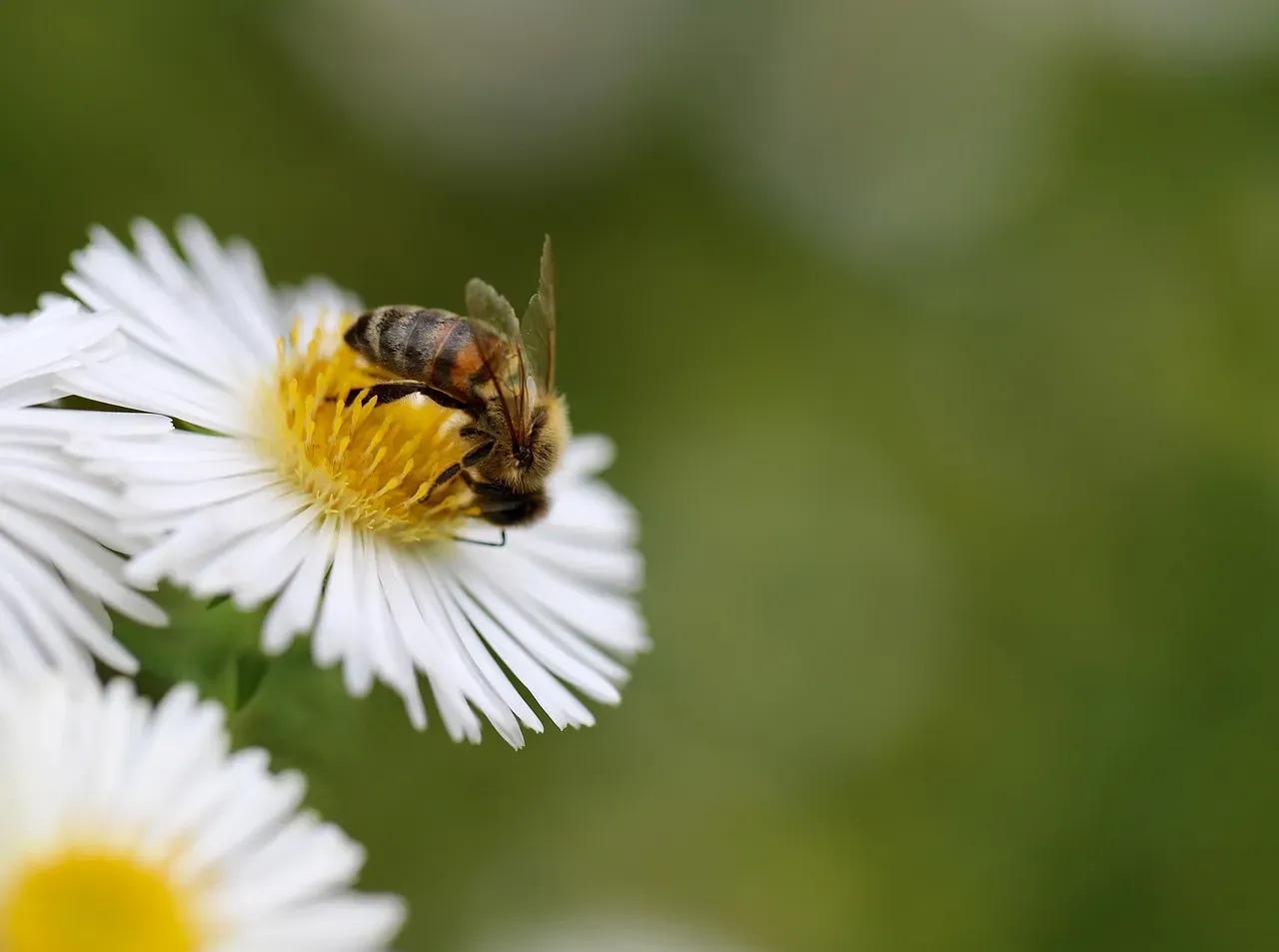
Let’s be real: a hive is not just a passive audience. When multiple foragers come home buzzing with news of different flower patches, things get genuinely competitive. The dance floor becomes a sort of chaotic stock exchange where different bees are pitching their best investment.
The more excited the bee is about the location, the more rapidly it will waggle, trying to grab the attention of the observing bees and convince them. If multiple bees are doing the waggle dance, it’s a competition to convince the observing bees to follow their lead, and competing bees may even disrupt other bees’ dances or fight each other off.
When multiple foragers return with information about different food sources, they each perform their own waggle dances. Other bees observe these dances and compare the information, ultimately leading to a collective decision about which source is most beneficial to the hive. This collective behavior ensures that the hive optimizes its foraging efforts, focusing on the most rewarding food sources.
Research shows that dance communication plays an important role in the spatial distribution of foraging and is potentially beneficial in reducing commuting costs by directing recruits to closer foraging locations. Efficiency at its finest. Research has shown that novice foragers depended on information from waggle dances to help them locate flowers roughly three-fifths of the time. Without the dance, the whole colony becomes significantly less efficient, especially in complex landscapes where food is scattered and scarce.
What New Science Is Still Discovering About the Dance
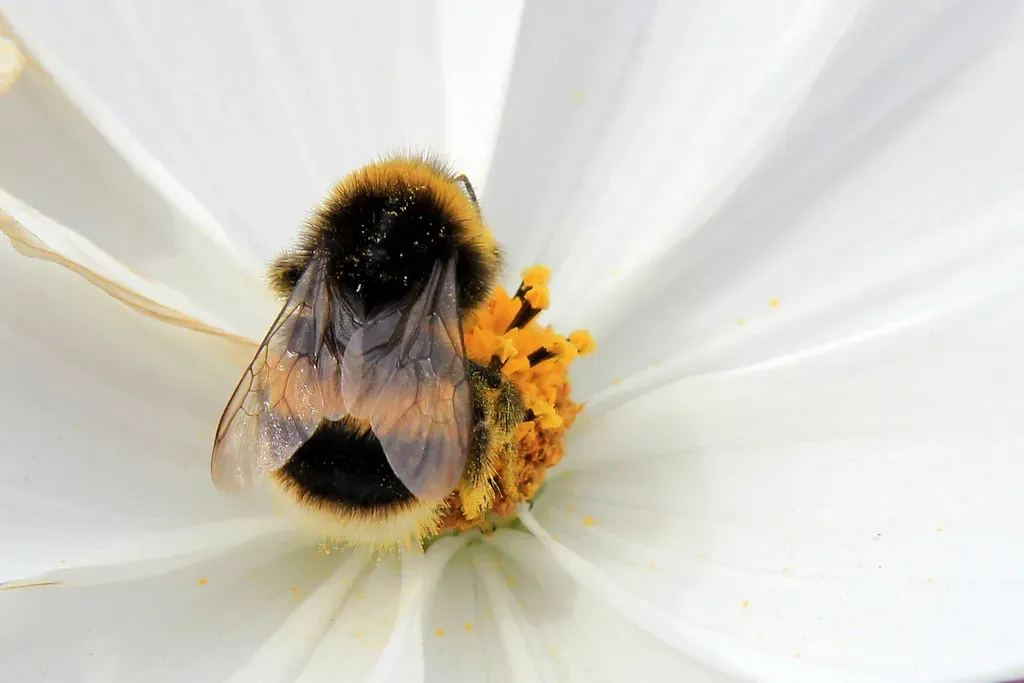
Even after more than 80 years of scientific study, the waggle dance still manages to surprise researchers. The more we look, the more layers of complexity we uncover. It is hard to say for sure where the limits of bee communication actually lie, and that is genuinely exciting.
One striking observation from recent research is that bees have consistent, unique ways of dancing, meaning each bee has its own “style” that it adds to the communication. Think of it as a personal signature embedded in every performance.
A 2025 Virginia Tech study found that similar dance communication did not actually result in the most successful foraging. Dances that had a longer run, effectively telling the recruits to overshoot the food source, were more successful than dances describing similar, more accurate, distances. This pattern suggested that the “overshooting” instructions may have led to additional opportunities to find the food, once on the way past the food source and again on the way back to the hive.
If every bee communicated the same way, the likelihood of foragers reaching the food would actually decrease compared to having a diverse set of styles. This study adds effective dance moves to the list of known benefits of individuality, showing that a diverse set of communication skills helps improve the likelihood that one bee can tell another where food can be found.
When familiar landmarks are present, bees follow more direct routes; without expected landmarks, their search becomes less precise and more exploratory. This demonstrates cognitive mapping in honeybee navigation. In other words, bees are not just blindly following dance instructions. They are cross-referencing those instructions with a mental map of the world around them. That is a level of cognitive sophistication that most people would never attribute to an insect.
Conclusion: A Dance Worth Marveling At
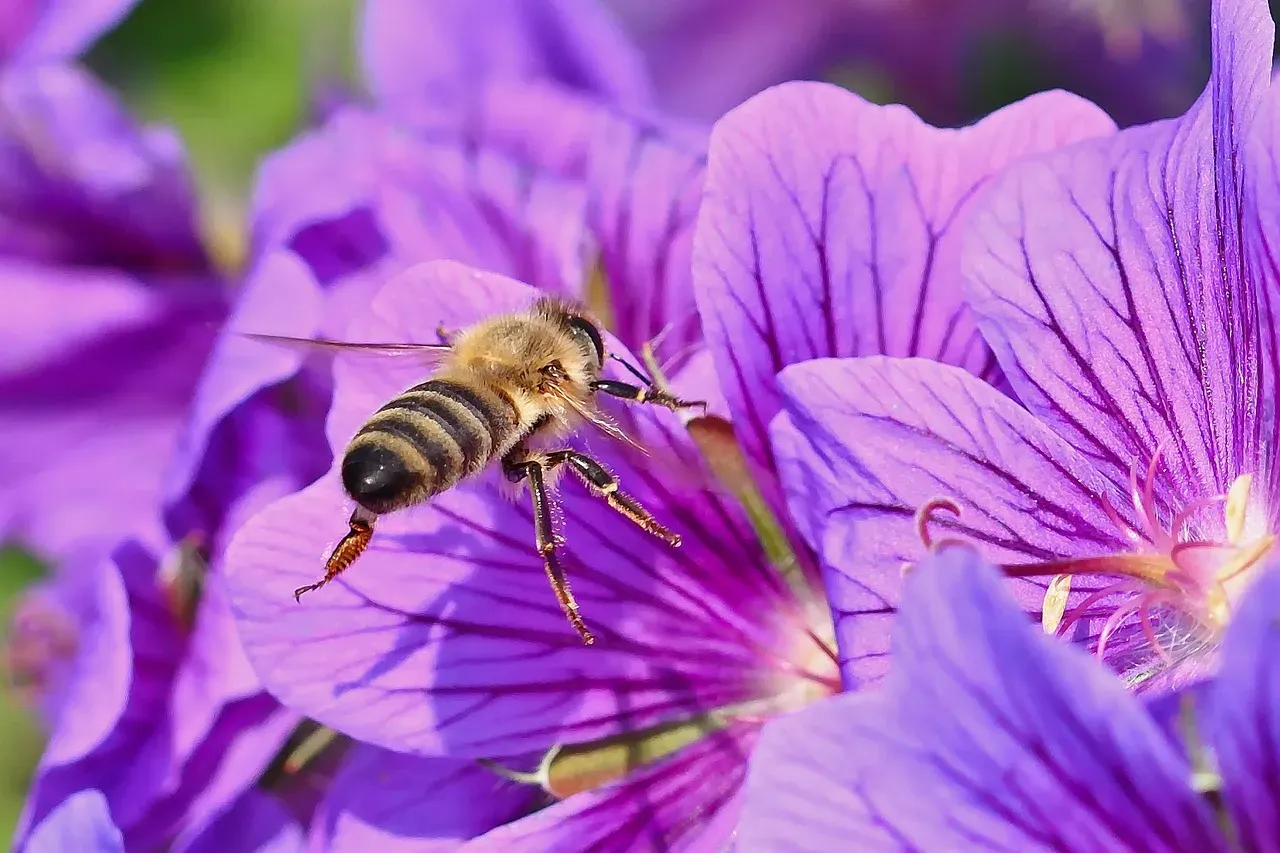
The waggle dance is not just a quirky animal behavior to watch on a nature documentary. It is a window into one of the most sophisticated non-human communication systems ever discovered. A tiny creature, with a brain smaller than a sesame seed, encodes direction, distance, quality, and even timing into a series of physical movements. Then it teaches that system to the next generation through social learning, with regional dialects, individual styles, and collective decision-making layered on top.
What makes all of this even more humbling is the realization that scientists have been studying the waggle dance for decades and still discover new things about it regularly. The bees were running this system for millions of years before we even noticed it.
Next time you see a bee hovering near a flower, consider that she might be memorizing coordinates to share with thousands of nestmates. She is not just foraging. She is building a live, constantly updated map of the world, one waggle at a time. What would you have guessed she was doing?

- 14 Signs the Backyard Birds That Left Your Yard Are Quietly Coming Back - July 21, 2026
- 12 Cat Breeds Vets Refuse To Recommend to First Time Owners - July 21, 2026
- 6 US States With the Most Alligators - July 21, 2026