

Eels, with their elongated bodies and serpentine movements, have captured the fascination of humans for centuries. These mysterious creatures inhabit both marine and freshwater environments, exhibiting a range of intriguing characteristics. One of the most fascinating features of eels is their propensity to cover themselves in slime. This slick phenomenon raises several questions: Why do eels produce slime? What purpose does it serve in their daily lives? To answer these questions, it is essential to delve deeper into eel biology and behavior.
The Science Behind Eel Slime Production
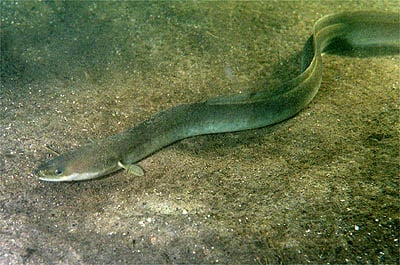
At the heart of an eel’s slimy coating are specialized cells called mucous cells, embedded within their skin. These cells secrete a protein-rich mucus that covers the eel’s body. Contrary to popular belief, this slime is not unique to eels; many fish produce mucus. However, eels are particularly prolific in their slime production. The consistency of this mucus is akin to a gel, which can expand significantly upon contact with water, forming a smooth and protective layer over the eel’s skin.
Protection: Nature’s Slippery Shield
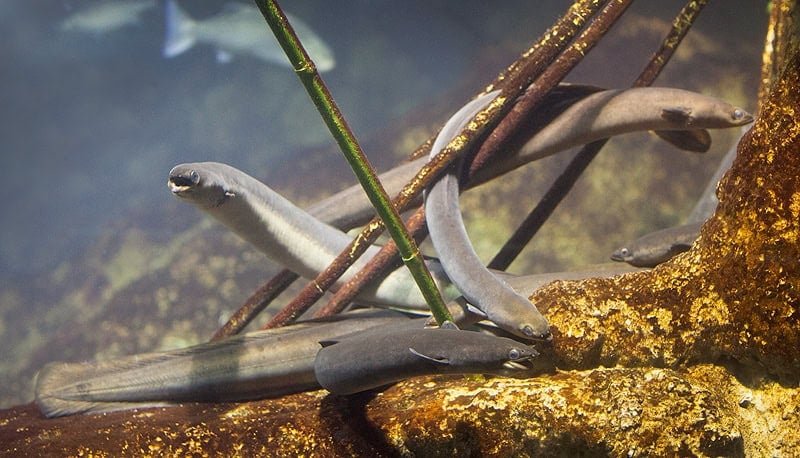
Perhaps the most important function of an eel’s slime is to serve as a protective barrier. In the often harsh and abrasive aquatic environments they inhabit, eels must shield themselves from physical injuries, parasites, and harmful microorganisms. The mucus acts as a first line of defense, preventing bacteria and parasites from attaching to the eel’s skin. Moreover, should an eel sustain an injury, the slime aids in preventing infections by covering wounds and accelerating the healing process.
Enhancing Mobility and Avoiding Predators
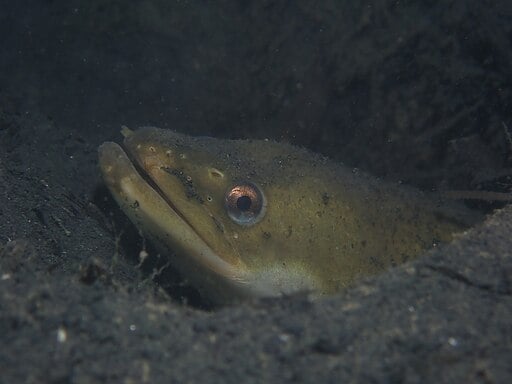
The slippery nature of eel slime also offers biomechanical advantages. Eels often navigate through narrow crevices and sediments in search of food or shelter. The mucus reduces friction between the eel’s body and surrounding surfaces, facilitating smoother movement and allowing them to wriggle through tight spots with ease. Additionally, the slippery coat provides an effective means of predator evasion. Many predators find it challenging to maintain a grip on the eel’s slippery body, allowing the eel to escape from what might have been a deadly encounter.
Aiding in Respiration and Osmoregulation
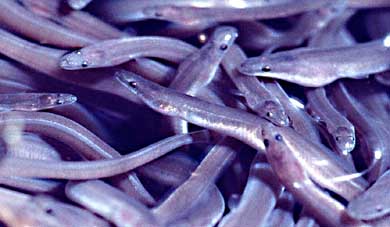
An often overlooked function of eel slime is its role in respiration and osmoregulation. Eels are equipped to breathe not just through gills but also through their skin, particularly in oxygen-poor environments. The mucus coating helps facilitate cutaneous respiration by keeping the skin moist, thereby permitting gas exchange. Moreover, the slime layer aids in osmoregulation by acting as a semi-permeable barrier that regulates the inward and outward flow of water and salts, crucial for maintaining the eel’s internal balance.
Chemical Defense and Communication
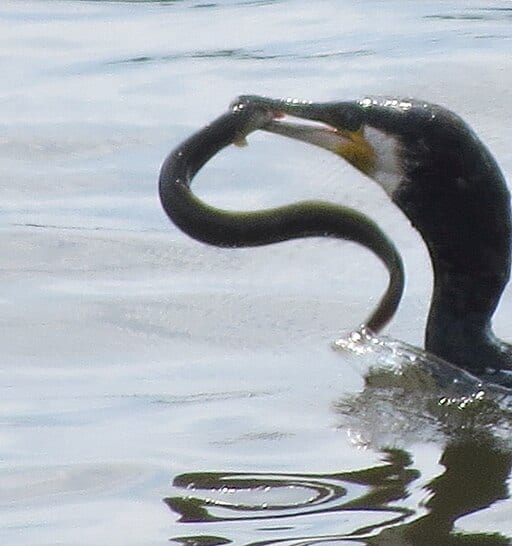
Some species of eels utilize their slime as a chemical defense mechanism. The mucus may contain toxins or unpleasant-tasting compounds that deter predators. Furthermore, there’s potential for slime to play a role in intra-species communication. While research is ongoing, scientists hypothesize that chemical signals within the mucus could relay information about reproductive status or territorial boundaries among eels.
Conclusion: A Symbiotic Relationship with Slime
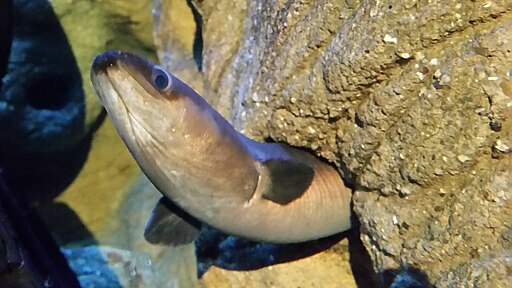
In the complex aquatic world of an eel, slime serves multiple vital functions that are crucial to the survival and thriving of these fascinating creatures. From protection against predators and parasites to enhancing mobility and facilitating respiration, slime is much more than just a superficial coating. It is an integral part of the eel’s lifestyle and biology. Understanding the multitude of benefits provided by this slippery substance offers valuable insights into not just eel biology but the broader ecosystem dynamics of aquatic lifeforms. Ultimately, the next time you encounter an eel or ponder the wonders of nature, this slippery strategy is a testament to the innovative survival tactics employed by creatures in the wild.

Leave a comment
You must be logged in to post a comment.