
There is something almost unbearably sweet about the image of two sea otters floating on their backs, tiny paws clasped together, drifting peacefully on a shimmering ocean. It’s the kind of thing you see and immediately want to show every single person you know. Honestly, it might be the most adorable sight in the entire animal kingdom.
But here is where it gets genuinely interesting. The reason behind this behavior is not quite what most people assume. It goes far deeper than a simple display of affection, touching on survival, instinct, social structure, and one of nature’s cleverest little tricks. Let’s dive in.
The Real Reason: Staying Together in the Current
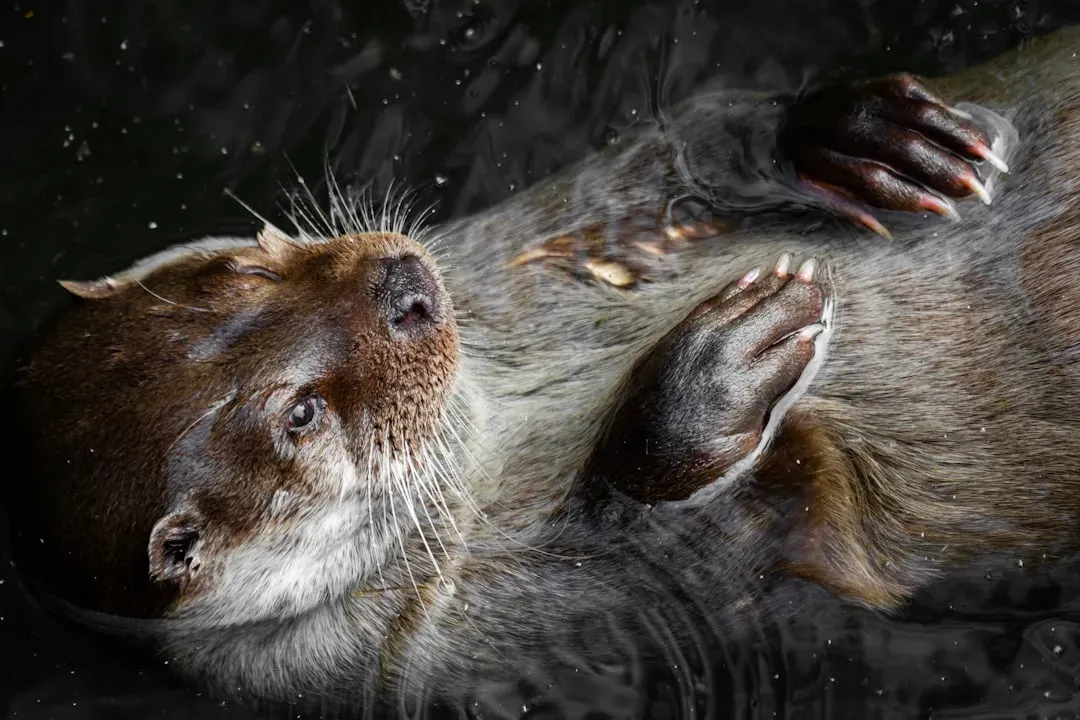
Here’s the thing most people get wrong right away. While the notion of sea otters linking hands as a sign of affection or romantic love is sweet, there is no evidence to support this idea. The truth is far more practical, though no less fascinating.
Sea otters primarily hold hands while they sleep. They may roll over onto their backs and float in the water while sleeping, and they usually choose a place near the shoreline where the water is calm. Even calm sea currents, however, will allow untethered otters to drift apart.
Think of it like letting go of a balloon at the beach. Even the gentlest breeze carries it off. Sea otters hold hands to stop drifting apart and losing each other while sleeping in the water. It’s less of a love story and more of a very smart anchor system.
Another reason why otters hold hands is to stop drifting too far from their food source. The current can move them away from their food source, and the added weight of others helps them stay in one place. Clever doesn’t even begin to cover it.
What Is a “Raft” of Otters?
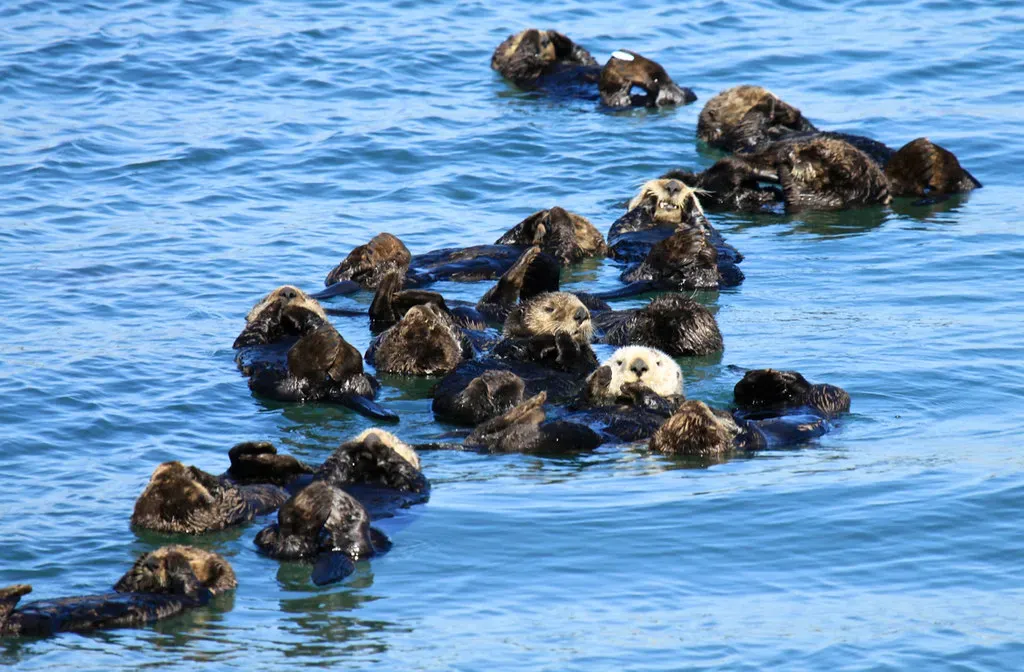
In the wild, sea otters typically travel and sleep in large groups known as “rafts.” Rafts are typically segregated by gender, and otters stay connected to others in the raft through more casual physical contact, or by wrapping themselves in kelp.
A raft typically contains 10 to 100 animals, with male rafts being larger than female ones. The largest raft ever seen contained over 2,000 sea otters. Two thousand animals floating together in one giant, fuzzy, hand-holding fleet. I find that almost impossible to picture but utterly magnificent.
Sea otters usually separate their rafts by gender – males form their own social groups while females and their pups stick together. It’s not random either. Otters don’t just hold hands randomly; they choose their partner or a family member. Their excellent sense of smell helps them tell each other apart.
Out of the 13 species of otters, sea otters (Enhydra lutris) are the only ones known to hold hands while they sleep. That exclusivity makes it even more remarkable.
Survival Strategy: Warmth, Predators, and Self-Preservation
Let’s be real, the ocean is not a forgiving place to take a nap. Forming rafts helps sea otters stay protected from predators, conserve energy, and keep warm while they nap. These functions are particularly important for wild sea otters because, unlike many other aquatic mammals, they don’t have a layer of blubber to keep them warm.
One of the most well-known sea otter adaptations is their fur’s incredible density, the densest of any animal, with up to one million hair follicles per square inch. This dense fur is vital for insulation as sea otters do not have a blubber layer like other marine mammals. The fur traps a layer of air close to their skin, which helps keep them warm in the cold Pacific waters.
Their thick fur coats are their main source of warmth, but they also rely on burning calories for heat, meaning they eat up to roughly a quarter of their body weight on any given day. Resting together is not just cozy. It is genuinely energy-saving.
A sleeping otter is easy prey for apex predators like sharks and killer whales. A raft of otters will appear more formidable, possibly discouraging an attack. There is real strength in numbers here, and the raft is essentially nature’s version of a neighborhood watch, except far cuter.
How Mothers Protect Their Pups
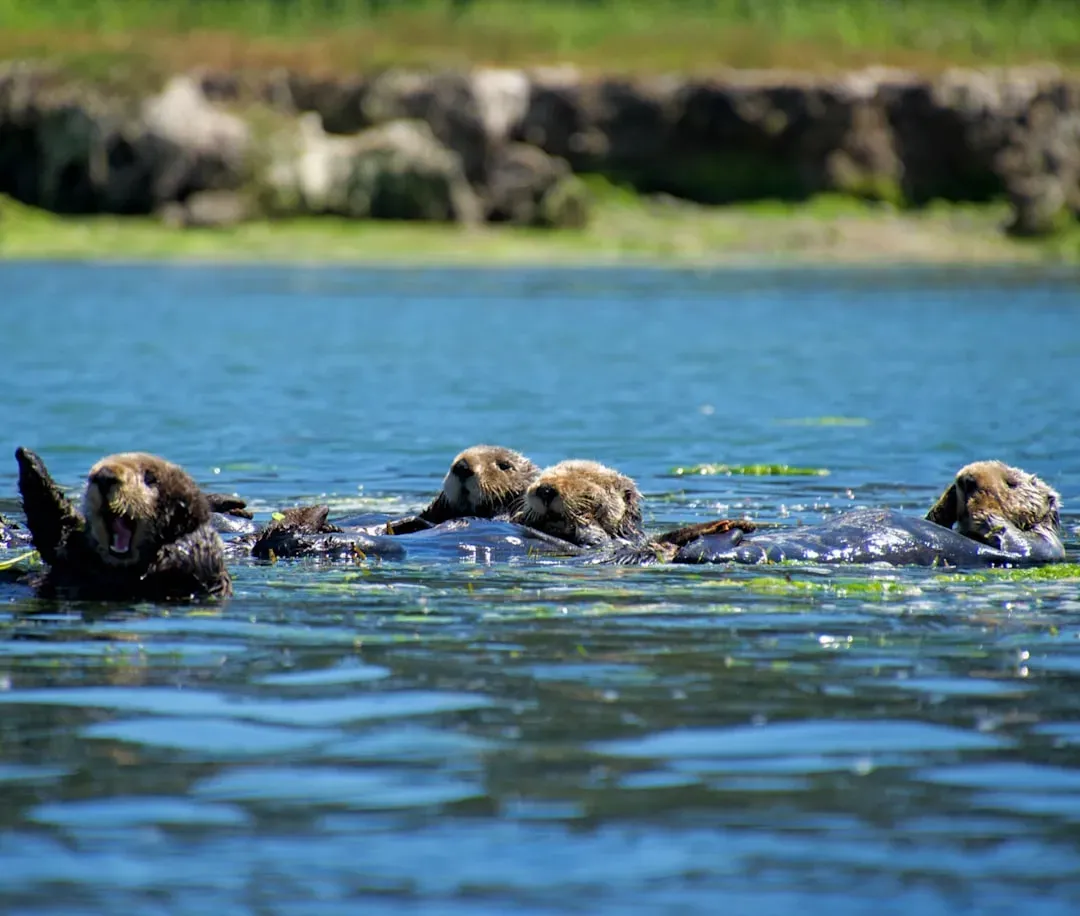
Perhaps the most emotionally gripping part of otter behavior involves the bond between a mother and her pup. Pups are small and especially vulnerable to predators. Until they can swim, pups ride on their mother’s chest. When it’s time to forage, the mother sea otter wraps her baby in kelp to keep it from drifting away.
When a mother sea otter needs to hunt for food, she carefully wraps her pup in a protective blanket of seagrass or kelp to keep them from drifting away with the ocean current. Fortunately, sea otter pups also have a thick and buoyant fur coat. The mother sea otter blows warm air into her pup’s fur, which helps to keep them warm and stay afloat while she’s away.
A newborn pup needs constant attention and will stay with its mother for six months until it develops survival skills. An otter pup’s fur is so dense that it can’t dive underwater until it gets its adult fur. This comes in handy when mothers leave their pups safely floating on the water’s surface while they forage for food.
A sea otter mom produces milk and hunts for herself and her pup. She also teaches the pup how to dive, what food to look for, and how to groom itself. More importantly, female otters provide their offspring with constant motherly affection and support. It’s hard not to feel something watching that level of dedication play out on a quiet ocean.
The Viral Moment That Made the World Fall in Love
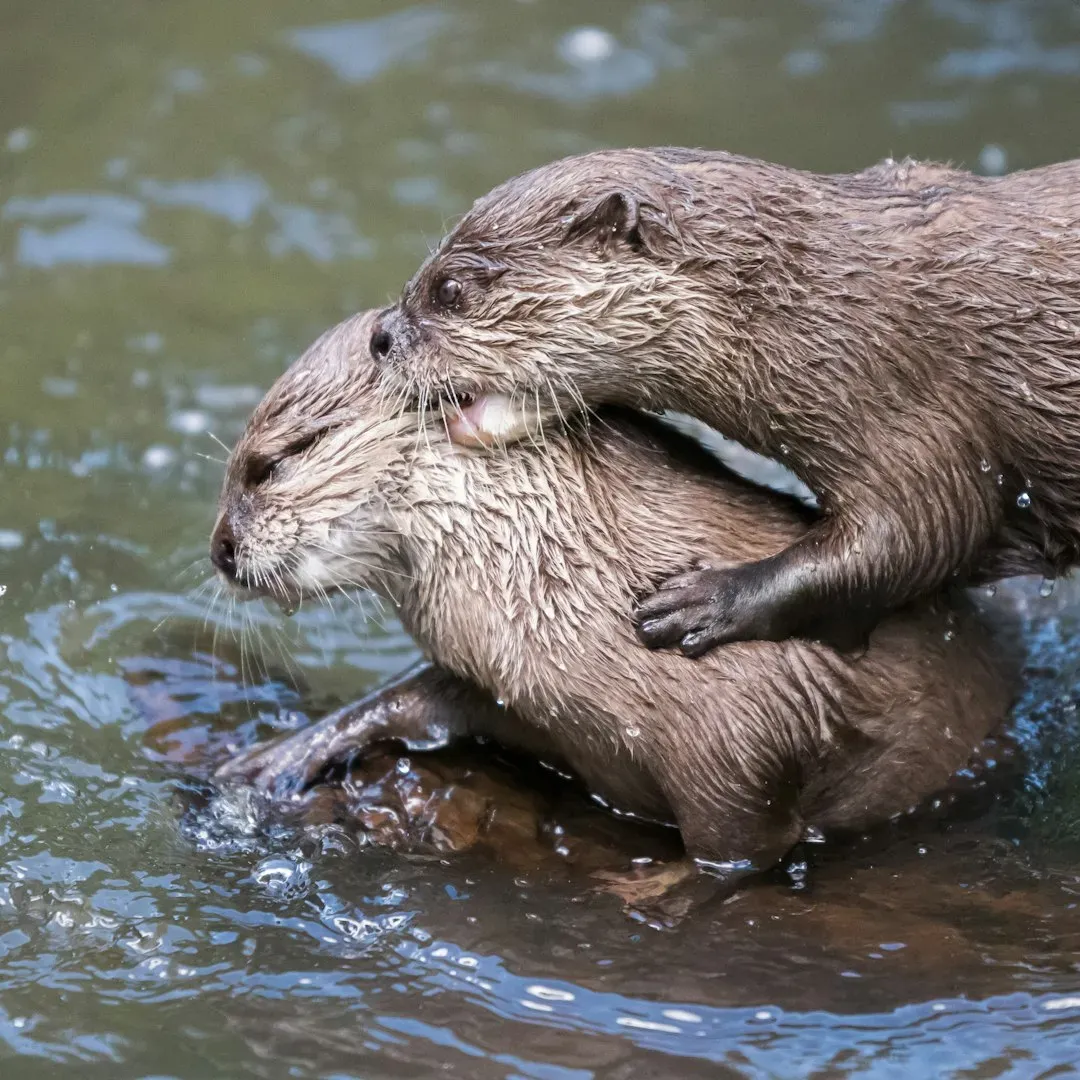
Most people first heard about otter hand-holding not from a nature documentary but from the internet. In 2007, a YouTube video from the Vancouver Aquarium showed two otters floating in their pool, holding hands. The clip quickly went viral, amassing over 22 million views. This adorable moment sparked a global fascination with otters and their social behavior.
Gena Bentall, director and senior scientist of Sea Otter Savvy, points out that among experts from the west coast who had seen it happen in the wild, most of them have only witnessed it once or twice. So while the internet treats it as an everyday event, it’s actually a rare and precious sight in nature.
While heartwarming memes depicting sea otters holding hands have become quite popular across the internet, this cute behavior isn’t quite as common in the wild as you may expect. Some sea otters have been observed holding hands, but we don’t really know exactly why they choose to do so – are they close friends or family members?
While hand-holding likely does help otters stick together, it’s not their typical go-to method for connecting. Instead of holding hands, sea otters usually snuggle up together or wrap themselves in a shared blanket of kelp or seagrass. These collective rafts of kelp or seagrass allow the otters to stay close and connected and avoid drifting apart. It turns out there is more than one way to hold on to someone you love, even if love isn’t exactly the reason.
Conclusion
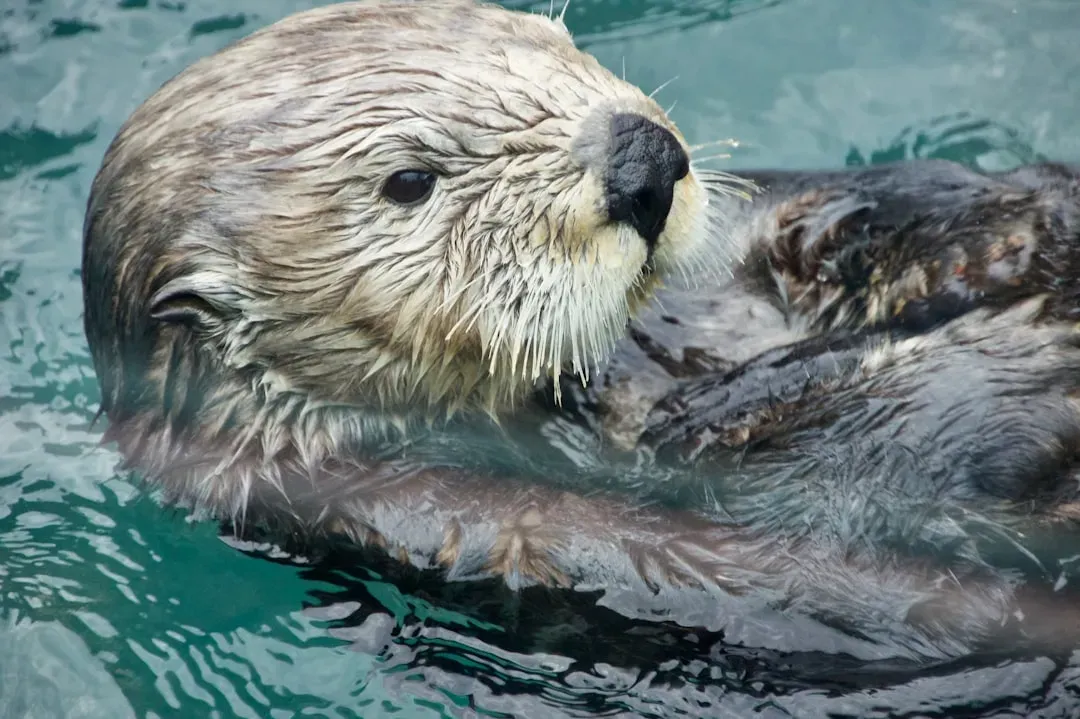
Sea otters hold hands for reasons that are, at their core, about survival. Staying warm, avoiding predators, staying close to food, and protecting their young. The behavior of sea otters holding hands while they sleep is just one example of how deeply connected these animals are to each other. Their social nature and survival tactics speak to a larger pattern in the animal kingdom, where cooperation and interdependence are key to thriving in the wild.
It is a beautiful reminder that sometimes the most tender-looking things in nature are also the most strategic. The ocean is vast, cold, and unpredictable. Holding on to someone, whether a family member, a mate, or a companion, makes all the difference.
I think there’s a quiet lesson in that, even for us. Nature often finds a way to be both ruthlessly practical and surprisingly moving at the same time. So next time you stumble across a photo of two otters floating peacefully, paws intertwined, you’ll know the real story. Does knowing the science behind it make it any less wonderful to you?

- 6 Exotic Bird Species You Can Spot in U.S. National Parks - July 19, 2026
- 11 Iconic American Birds Facing New Challenges and How You Can Help - July 19, 2026
- 10 Friendliest Animals in the World - July 19, 2026