


The United Nations is taking unprecedented steps to address one of the most pressing environmental challenges of our time: funding wildlife conservation efforts in an era of biodiversity crisis. With species extinction rates accelerating to levels thousands of times higher than natural background rates, the global body is now mobilizing financial resources, expertise, and political will to protect the planet’s remaining wildlife. This initiative comes at a critical juncture when traditional conservation funding models are proving insufficient against mounting threats including habitat loss, climate change, poaching, and illegal wildlife trade. As UN Secretary-General António Guterres recently noted, “We cannot claim to be saving the planet if we are not saving the creatures with whom we share it.” This comprehensive exploration of innovative financing mechanisms represents a potential turning point in how humanity invests in protecting Earth’s biological heritage for future generations.
The Global Biodiversity Funding Gap

Current estimates reveal a staggering annual biodiversity financing gap of approximately $598-824 billion globally. Despite the critical importance of biodiversity to human survival and well-being, conservation efforts remain chronically underfunded. The United Nations Environment Programme (UNEP) has identified that current spending on biodiversity conservation amounts to roughly $52-143 billion per year, representing merely a fraction of what’s required. This shortfall is particularly acute in biodiversity-rich developing nations, which harbor the majority of the planet’s endangered species but often lack financial resources for adequate protection.
The gap isn’t merely a financial issue but represents a fundamental misalignment between economic systems and ecological sustainability. As discussions advance within UN frameworks, addressing this funding disparity has become a cornerstone of international conservation policy, with particular emphasis on developing sustainable, long-term financing solutions rather than stopgap measures that fail to provide ongoing support for critical conservation work.
The Kunming-Montreal Global Biodiversity Framework

In December 2022, the adoption of the Kunming-Montreal Global Biodiversity Framework (GBF) at the UN Biodiversity Conference (COP15) marked a watershed moment for conservation financing. The framework explicitly addresses the funding challenge through Target 19, which calls for increasing financial resources from all sources to at least $200 billion per year. Critically, it specifies that at least $20 billion in annual international financial flows should be directed from developed to developing countries by 2025, scaling to $30 billion by 2030.
This represents the first time that concrete financial targets have been incorporated into a global biodiversity agreement, signaling a recognition that conservation goals cannot be achieved without commensurate financial commitments. The framework also emphasizes the importance of aligning all financial flows with biodiversity objectives—a principle that extends beyond dedicated conservation funding to encompass broader economic activities and investments. By establishing this comprehensive approach, the UN is creating a roadmap for translating conservation commitments into actionable, funded initiatives across global, national, and local levels.
Public Sector Financing Innovations
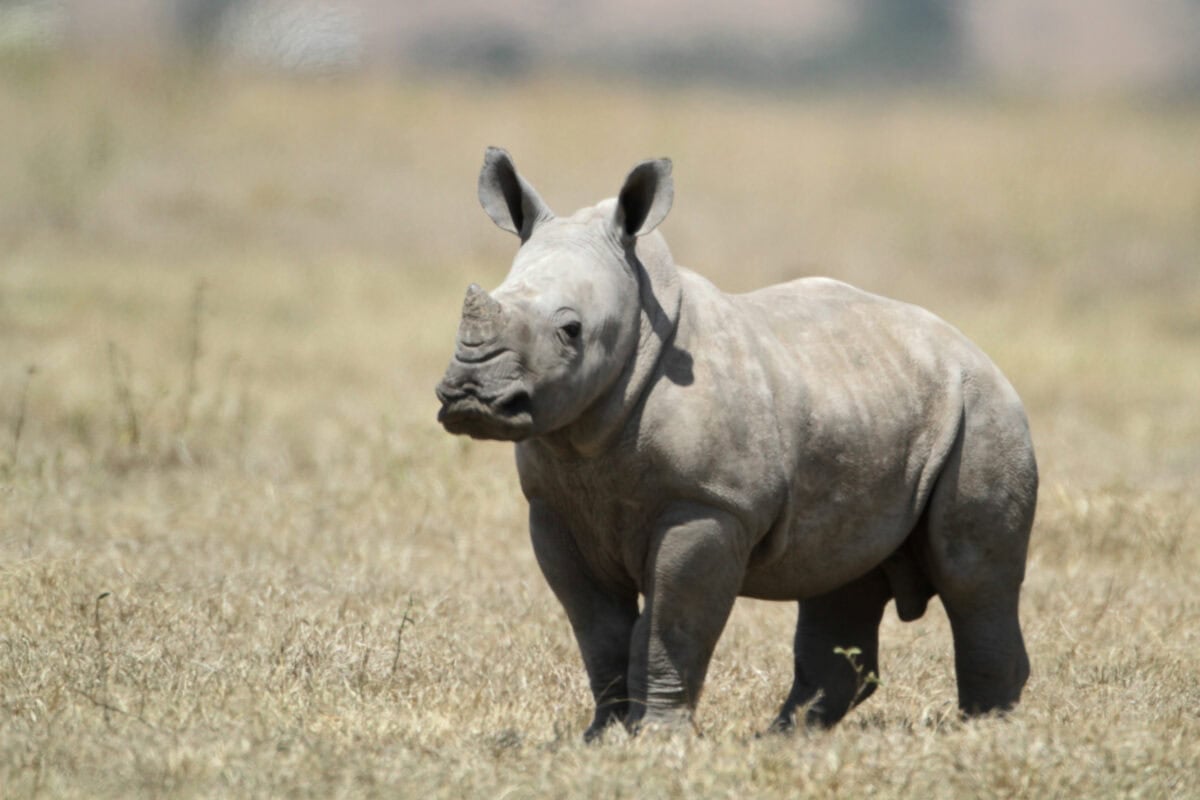
The United Nations is actively promoting innovative public sector financing mechanisms to supplement traditional conservation budgets. Debt-for-nature swaps represent one promising approach, where a portion of a developing nation’s foreign debt is forgiven in exchange for commitments to protect natural resources. Belize’s groundbreaking $553 million debt conversion in 2021, supported by The Nature Conservancy with UN technical assistance, exemplifies this approach, generating $180 million for marine conservation while reducing the country’s debt burden.
Additionally, the UN is encouraging governments to implement ecological fiscal transfers (EFTs), which redirect tax revenue to conservation priorities. Brazil’s ICMS Ecológico program has become a model, allocating approximately $170 million annually to municipalities based on protected area coverage. Green bonds represent another innovation, with sovereign green bonds issued by countries including France, Fiji, and Nigeria raising billions for projects with positive environmental impacts. The UN is also supporting biodiversity-related taxes and fees, such as Costa Rica’s successful fuel tax that directs funds to forest conservation, demonstrating how public revenue tools can create sustainable conservation funding streams.
Private Sector Engagement and Investment

Recognizing that public funding alone cannot close the biodiversity financing gap, the UN is increasingly facilitating private sector engagement in wildlife conservation. The recently launched UN Biodiversity Finance Initiative (BIOFIN) works with businesses to develop investment models that generate both conservation outcomes and financial returns. Impact investing in conservation has grown substantially, with the Conservation Finance Alliance estimating the market at $8.2 billion in 2021—a nearly tenfold increase from 2014.
The UN-supported Coalition for Private Investment in Conservation (CPIC) has been instrumental in standardizing investment blueprints for replicable conservation projects, from sustainable forestry to coastal resilience. Meanwhile, biodiversity credits and offsets are being refined through UN technical guidance to overcome previous criticisms regarding measurement and verification. Corporate sustainability commitments are also evolving, with over 1,100 companies having set science-based targets for nature through the UN Global Compact. By creating enabling environments for private investment while ensuring robust safeguards, the UN is helping transform conservation from a philanthropic endeavor to a viable investment opportunity with measurable returns both for investors and the natural world.
Blended Finance Approaches
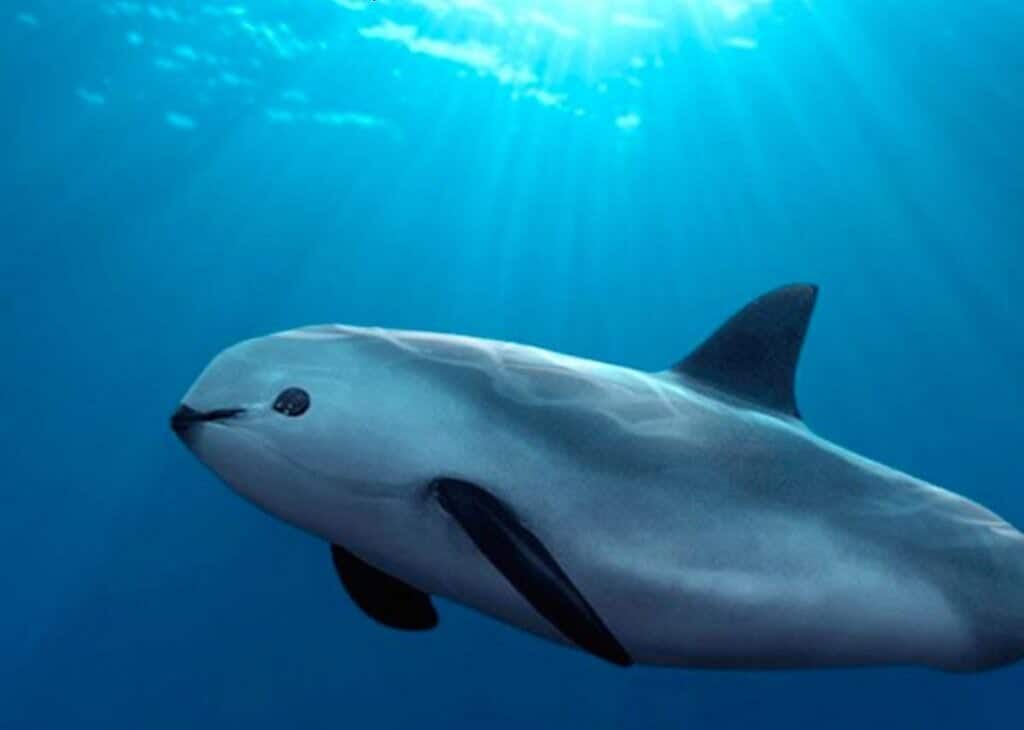
The UN is increasingly championing blended finance as a powerful tool for wildlife conservation, strategically using public and philanthropic capital to catalyze private investment. This approach is exemplified by the recently established UN-backed Rhino Impact Investment Project, which created the world’s first outcomes-based financial instrument for species conservation. This innovative mechanism uses development funding to mitigate risk for private investors while linking financial returns directly to rhino population increases in target areas. Similarly, the UN-supported Land Degradation Neutrality Fund combines public, private, and philanthropic capital to invest in sustainable land management projects, having mobilized over $300 million for initiatives that protect wildlife habitat while generating income through sustainable agriculture and forestry.
The Global Environment Facility (GEF), administered in part through UN agencies, has pioneered the use of concessional financing and guarantees to attract private co-financing, with every dollar of GEF investment typically leveraging more than seven dollars in co-financing. These blended finance mechanisms are proving especially valuable for funding the initial, higher-risk phases of conservation projects, allowing them to establish track records that can later attract conventional financing. The UN’s efforts in this space recognize that effective wildlife conservation requires sophisticated financial engineering that aligns different sources of capital with their appropriate risk-return profiles.
Indigenous and Community-Led Conservation Finance
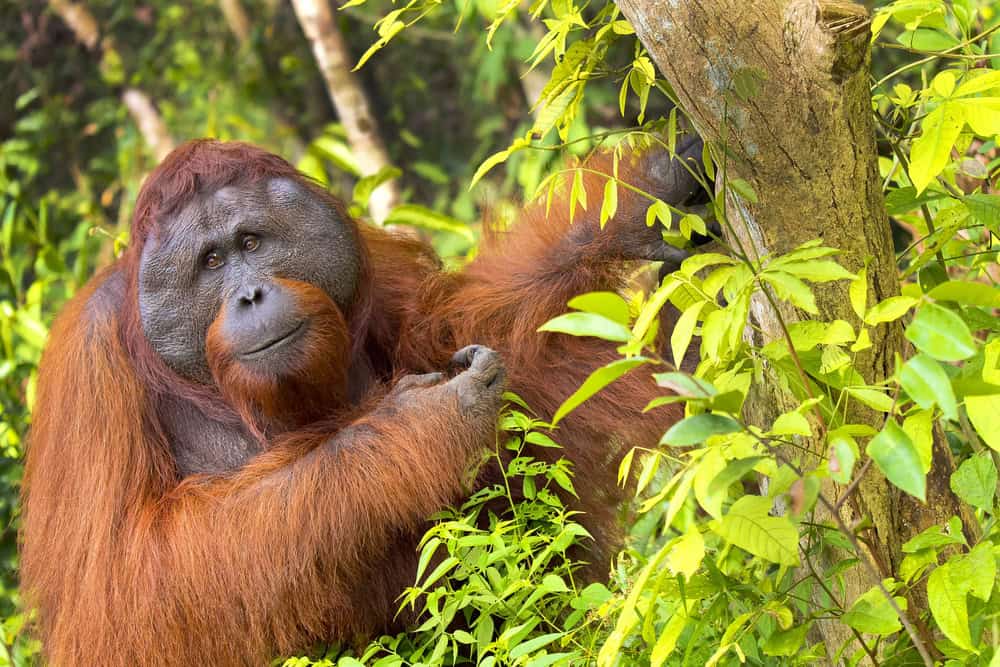
A transformative element of the UN’s approach to conservation financing involves directing resources to Indigenous peoples and local communities (IPLCs), who manage or have tenure rights over approximately 38% of the Earth’s remaining intact natural landscapes. The UN Development Programme’s Equator Initiative has been instrumental in channeling microfinancing to community-led conservation enterprises, disbursing over $15 million to support initiatives ranging from community-managed wildlife conservancies in Namibia to Indigenous forest patrols in the Amazon. The Green Climate Fund, operating under the UN Framework Convention on Climate Change, has allocated more than $270 million to projects with dedicated IPLC components, recognizing the dual benefits of supporting traditional stewardship practices for both climate and biodiversity.
The UN is also promoting direct access financing models that bypass traditional intermediaries, allowing community organizations to receive and manage conservation funds directly. This approach is exemplified by the Community-Based REDD+ initiative, which has transferred over $80 million directly to community organizations for forest conservation projects. By redirecting financial flows to those most directly engaged in day-to-day conservation work, the UN is not only improving conservation outcomes but also advancing social justice and sustainable livelihoods in biodiversity-rich regions.
Technology and Innovation in Conservation Finance

The United Nations is harnessing cutting-edge technologies to revolutionize how wildlife conservation is financed and monitored. Blockchain applications are being piloted through the UN Innovation Network to create transparent, tamper-proof systems for tracking conservation funds from donors to field implementation, addressing longstanding concerns about accountability. The UN-supported DigitalEarth initiative is developing satellite-based monitoring systems that provide near real-time verification of conservation outcomes, enabling performance-based financing models where payments are tied directly to measurable results such as forest cover maintenance or wildlife population increases.
Artificial intelligence tools, developed through partnerships between the UN and technology companies, are enabling more efficient allocation of limited conservation resources by predicting poaching hotspots and optimizing patrol routes. Mobile banking platforms are democratizing conservation contributions, with apps like the UN-backed M-Pesa Wildlife Pay allowing even small-scale donors to contribute directly to community conservancies in Kenya.
Perhaps most promisingly, the emergence of environmental digital currencies and tokens is creating entirely new conservation funding streams, exemplified by the UN Environment Programme’s backing of initiatives that convert plastic waste collection into digital tokens redeemable for goods and services. These technological innovations are collectively transforming conservation finance from a static, grant-based model to a dynamic ecosystem of incentives, verification systems, and transparent transactions.
Addressing Wildlife Trafficking Finance
The United Nations Office on Drugs and Crime (UNODC) estimates the illegal wildlife trade generates $7-23 billion annually, making it among the world’s most profitable criminal enterprises. Recognizing that wildlife conservation financing must address both protection and threat reduction, the UN has intensified efforts to disrupt the financial flows associated with wildlife trafficking. The Financial Action Task Force (FATF), working in coordination with UN agencies, recently integrated wildlife crime into its standards for combating money laundering, prompting over 60 countries to strengthen financial regulations around wildlife trafficking. The UN-led International Consortium on Combating Wildlife Crime has established specialized financial investigation units in trafficking hotspots, resulting in asset seizures totaling more than $570 million from wildlife crime networks since 2019.
Innovative partnerships between UN bodies and financial intelligence units have produced risk assessment tools specifically calibrated to detect suspicious transactions linked to endangered species trade. Additionally, the UN Environment Programme Finance Initiative has developed due diligence guidelines for financial institutions to identify and mitigate wildlife trafficking risks in their portfolios. By treating wildlife trafficking as a financial crime rather than merely an environmental offense, these initiatives are enabling countries to deploy powerful anti-money laundering tools against trafficking networks, effectively increasing the financial resources available for wildlife conservation by reducing the profitability of wildlife crime.
Reforming Harmful Subsidies
A critical component of the UN’s wildlife conservation financing strategy involves redirecting the estimated $500 billion in annual government subsidies that harm biodiversity. Agricultural subsidies that incentivize habitat conversion, fishing subsidies that contribute to overexploitation of marine resources, and fossil fuel subsidies that accelerate climate change collectively represent a massive financial flow working against conservation objectives. The Kunming-Montreal Global Biodiversity Framework explicitly calls for reducing harmful subsidies by at least $500 billion per year by 2030, and UN agencies are providing technical assistance to countries undertaking subsidy reform.
Notable progress includes the World Trade Organization agreement to eliminate harmful fishing subsidies, facilitated by UN technical support, which could reduce global fishing pressure by an estimated 12-35% according to recent modeling. The UN Food and Agriculture Organization has developed comprehensive toolkits for repurposing agricultural subsidies toward regenerative practices that benefit wildlife, with pilot programs in Colombia and Vietnam demonstrating how reformed subsidies can support both farmers and biodiversity. The potential of subsidy reform is enormous—analyses by the UN Environment Programme suggest that redirecting just 10% of harmful subsidies toward conservation could close roughly one-third of the global biodiversity financing gap. By addressing these perverse incentives, the UN is working to ensure that public finances work in harmony with rather than opposition to wildlife conservation goals.
National Biodiversity Finance Plans

The United Nations Development Programme’s Biodiversity Finance Initiative (BIOFIN) is supporting countries in developing comprehensive National Biodiversity Finance Plans (NBFPs) that serve as roadmaps for mobilizing resources at the national level. Currently, 40 countries are implementing these plans, which involve systematic assessment of financing needs, existing expenditures, and potential finance solutions tailored to national contexts.
In Mexico, the NBFP has led to the establishment of a national biodiversity offset system expected to generate $120 million annually for conservation. South Africa’s plan identified 16 finance solutions projected to mobilize $1.2 billion over ten years, including innovative mechanisms like water tariffs directed to watershed conservation and expanded tax incentives for private protected areas. The Philippines has used its NBFP to establish a Green Climate Fund, which has already channeled over $22 million to biodiversity conservation projects that deliver climate co-benefits.
Importantly, these plans don’t focus solely on generating new funds but also emphasize improved efficiency and effectiveness of existing conservation spending. The UN estimates that countries implementing NBFPs have collectively mobilized over $800 million in additional biodiversity financing since 2018, demonstrating how structured national planning processes can translate global commitments into concrete financial resources for wildlife conservation.
Measuring Conservation Finance Effectiveness

As conservation financing increases, the UN is spearheading efforts to develop robust systems for measuring the effectiveness and impact of these investments. The recently established UN Biodiversity Finance Impact Registry provides a standardized framework for reporting both financial inputs and conservation outcomes, enabling comparative analysis across different financing mechanisms and geographical contexts.
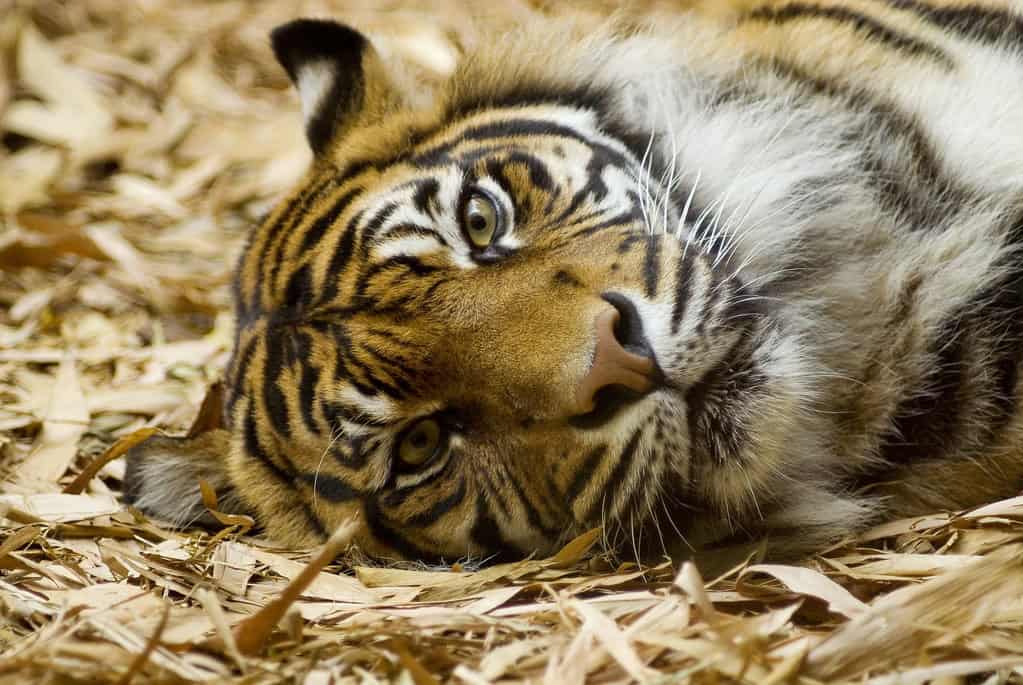
This initiative builds on the Protected Area Management Effectiveness methodology, which has been expanded to incorporate financial sustainability metrics across more than 18,000 protected areas worldwide. The UN is also supporting the development of species-specific return on investment models, such as the Tiger Recovery Investment Scorecard, which quantifies the conservation return per dollar invested in tiger protection and habitat restoration. These measurement frameworks are increasingly incorporating socioeconomic dimensions, recognizing that sustainable wildlife conservation must deliver benefits to local communities.
The UN Biodiversity Lab is providing open-access spatial data to support this monitoring work, allowing conservation funders to visualize the impacts of their investments on both biodiversity and human well-being indicators. By strengthening these measurement systems, the UN is helping ensure that increased conservation financing translates into meaningful outcomes for wildlife while building an evidence base for what works, enabling more effective allocation of limited resources.
Future Directions for UN Conservation Finance

Looking ahead, the United Nations is developing several pioneering initiatives that promise to transform wildlife conservation financing over the coming decade. The proposed UN Fund for Nature, currently in advanced planning stages, would create a dedicated multilateral financing mechanism with initial capitalization of $10 billion, specifically designed to close funding gaps in the highest-priority biodiversity hotspots.
Complementing this, the UN is exploring the creation of a Global Biodiversity Impact Bond—a financial instrument that would raise up to $5 billion for conservation projects delivering measurable biodiversity outcomes, with returns linked to verification of these outcomes. The UN Secretary-General’s Task Force on Nature-related Financial Disclosures is finalizing a framework that will require companies and financial institutions to disclose their dependencies and impacts on nature, potentially redirecting trillions in private capital away from activities that harm wildlife.
Perhaps most ambitious is the UN-supported proposal for a globally coordinated biodiversity credit market, which would standardize methodologies for measuring biodiversity gains and establish a trading platform linking conservation projects with corporate and governmental buyers. At the policy level, discussions are advancing on a potential international financial transaction tax earmarked for biodiversity conservation, which could generate an estimated $30-60 billion annually if implemented across major economies. These forward-looking initiatives reflect the UN’s recognition that protecting the world’s wildlife requires not incremental adjustments but transformative changes to how conservation is financed at a global scale.
Conclusion

The United Nations’ exploration of innovative financing mechanisms for wildlife conservation represents a critical evolution in global environmental governance, acknowledging that protection of biodiversity cannot succeed without substantial, sustainable financial resources. By establishing concrete funding targets through the Kunming-Montreal Global Biodiversity Framework, facilitating both public and private investment flows, and developing sophisticated measurement systems, the UN is creating a comprehensive architecture for conservation finance commensurate with the scale of the biodiversity crisis.
These efforts recognize that effective wildlife conservation requires not just more funding, but smarter funding—resources that are strategically allocated, efficiently managed, and generate measurable impacts. As these initiatives advance from planning to implementation phases, their success will ultimately be measured not in dollars mobilized but in species saved from extinction, ecosystems preserved, and harmonious relationships fostered between human communities and the wildlife with which they share landscapes. The future of wildlife conservation finance being shaped by the UN today will determine whether coming generations inherit a world of diminished biodiversity or one where humanity’s relationship with nature has been fundamentally restored.

From exploring the marine wonders in the Azores and witnessing the vast savannas of Kenya, to delving deep into the rich biodiversity of South Africa and traversing iconic landscapes in Australia and the US like Yellowstone, Chris's experiences are vast.
With a penchant for diving alongside sharks, the ocean holds a special place in his heart.
Through his academic insights, he champions wildlife conservation, striving with 'Animals Around The Globe' to cultivate a profound connection between humans and animals, enhancing our mutual appreciation.
Connect with him at Feedback@animalsaroundtheglobe.com.
- Why Spiders Don’t Get Stuck in Their Own Webs - July 20, 2026
- What Scientists Found in a 10,000-Year-Old Beehive - July 20, 2026
- This Spider Builds Fake Decoys of Itself - July 20, 2026