
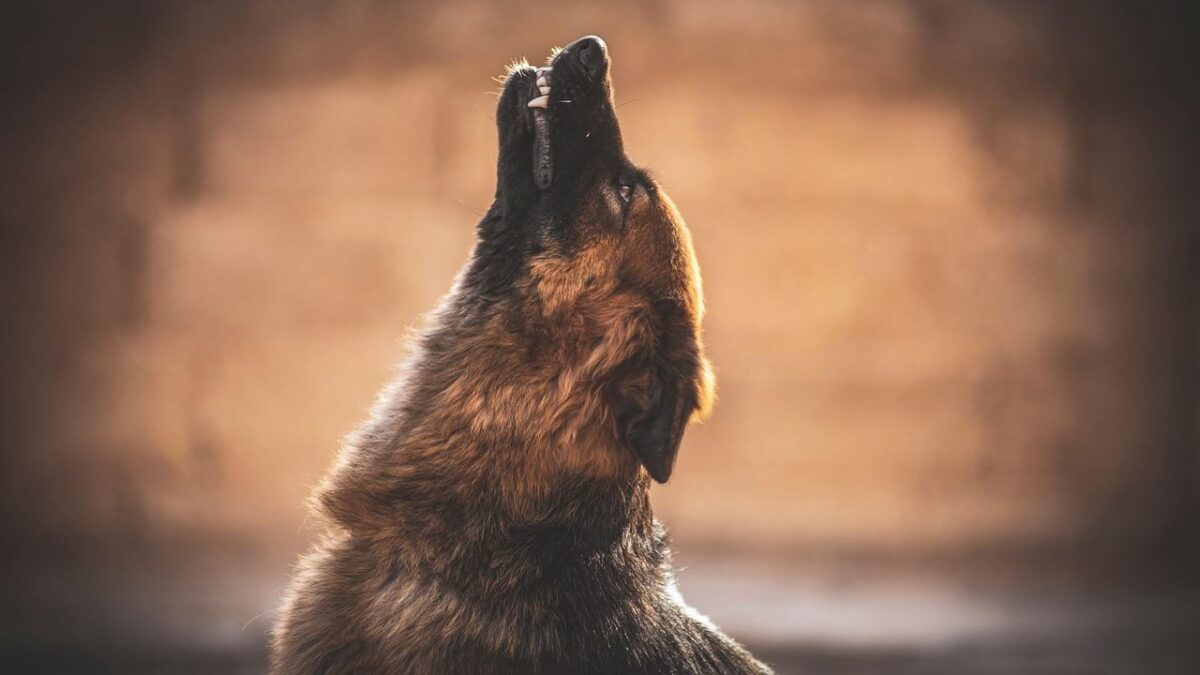
Every dog owner has witnessed this peculiar scene: a distant siren wails, and suddenly your furry companion throws back their head and adds their voice to the cacophony. Some dogs will harmonize with every passing emergency vehicle, while others barely lift an ear. This fascinating behavior puzzles many pet parents and sparks countless questions about what’s really happening in those furry heads.
The answer actually lies with their ancestors, wolves, though there’s much more to this story than simple genetics. From mistaken identity to protective instincts, the reasons behind this vocal performance are both complex and deeply rooted in canine nature. Let’s dive into the surprising world of dogs and sirens.
The Ancient Wolf Connection
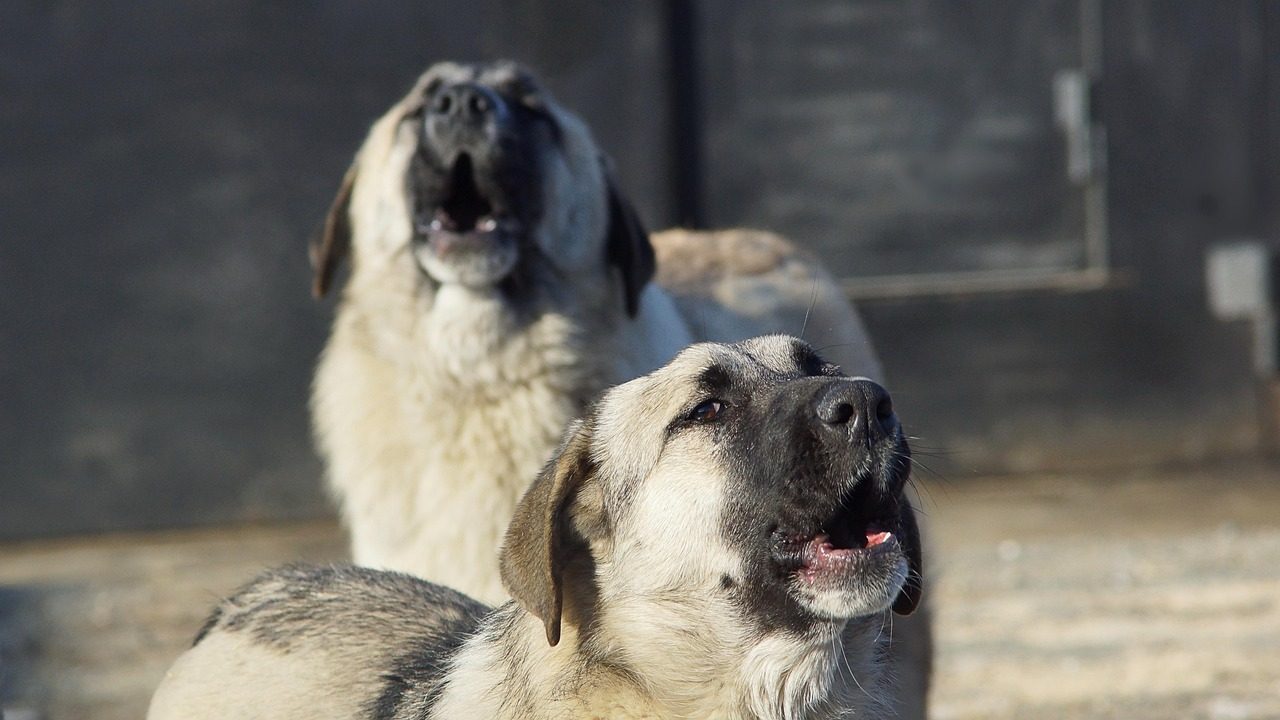
Domesticated dogs descended from wolves more than 15,000 years ago. Wolves use howling to communicate with their pack members over long distances, and this behavior runs deeper than we might expect. The siren, with its high-pitched sound, mimics the type of vocalization wolves use to call to one another. When a dog hears this sound, it may instinctively respond by howling in return, trying to communicate with what it perceives as a distant pack member.
This ancestral programming doesn’t just vanish because dogs now sleep on sofas instead of in dens. Dogs descended from wolves, and they form family groups in the wild where howling serves as communication among all pack members. Think of it like muscle memory, except it’s vocal memory that spans thousands of generations.
Mistaken Identity Theory
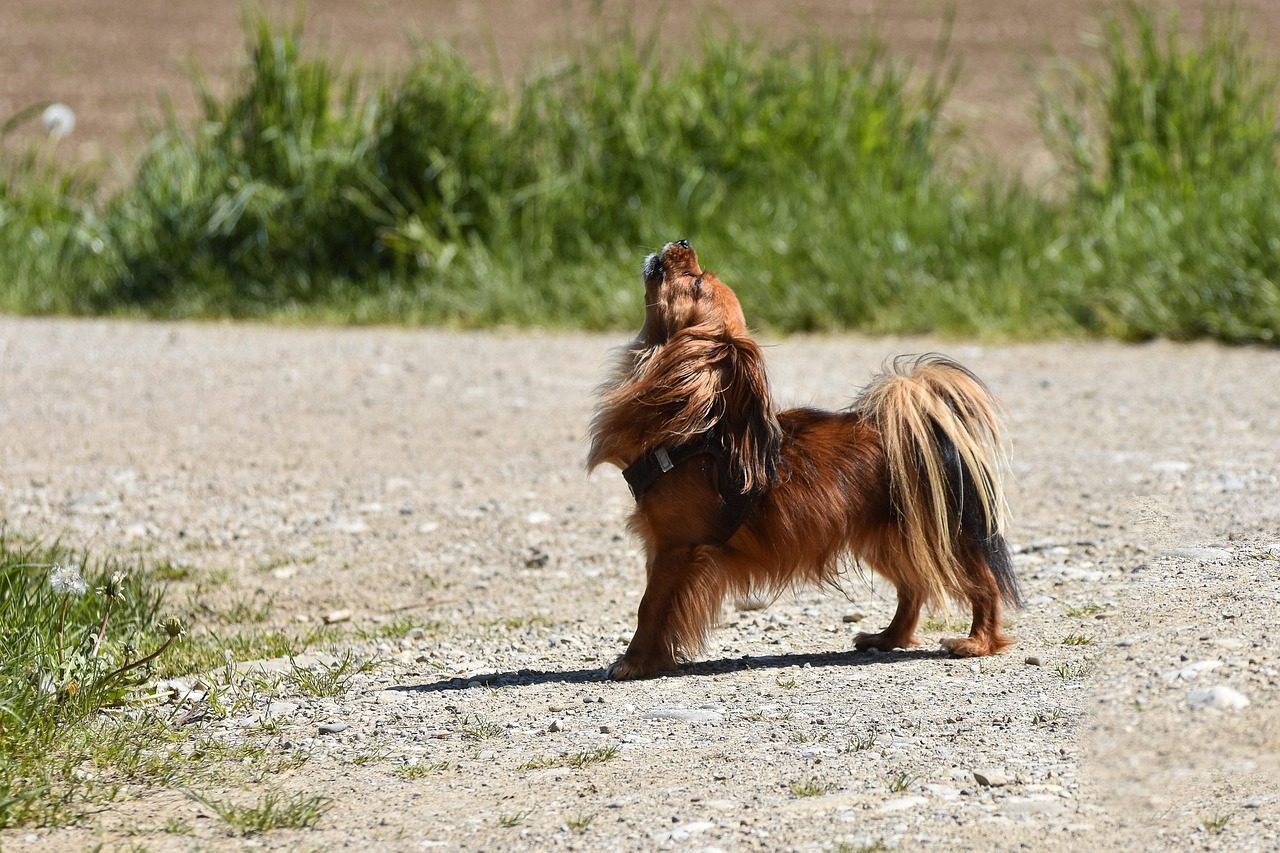
One theory is that your dog mistakes the siren for another dog, and they howl to communicate with them and let them know where they are. Picture this: your dog hears what sounds like a distant canine calling out, so naturally, they want to respond. Sirens from firetrucks, ambulances, or police cars can mimic the sound of a howl. Pups often mistake a siren for another dog, causing them to howl back in response. It’s an acknowledgment that they heard the other pup and are sharing their own location.
This innocent case of mistaken identity explains why some dogs seem so earnest in their howling response. They’re simply trying to be polite neighbors in the canine world. From their perspective, they’re answering a call and letting the “other dog” know they’re here and listening.
The High-Pitched Sound Trigger
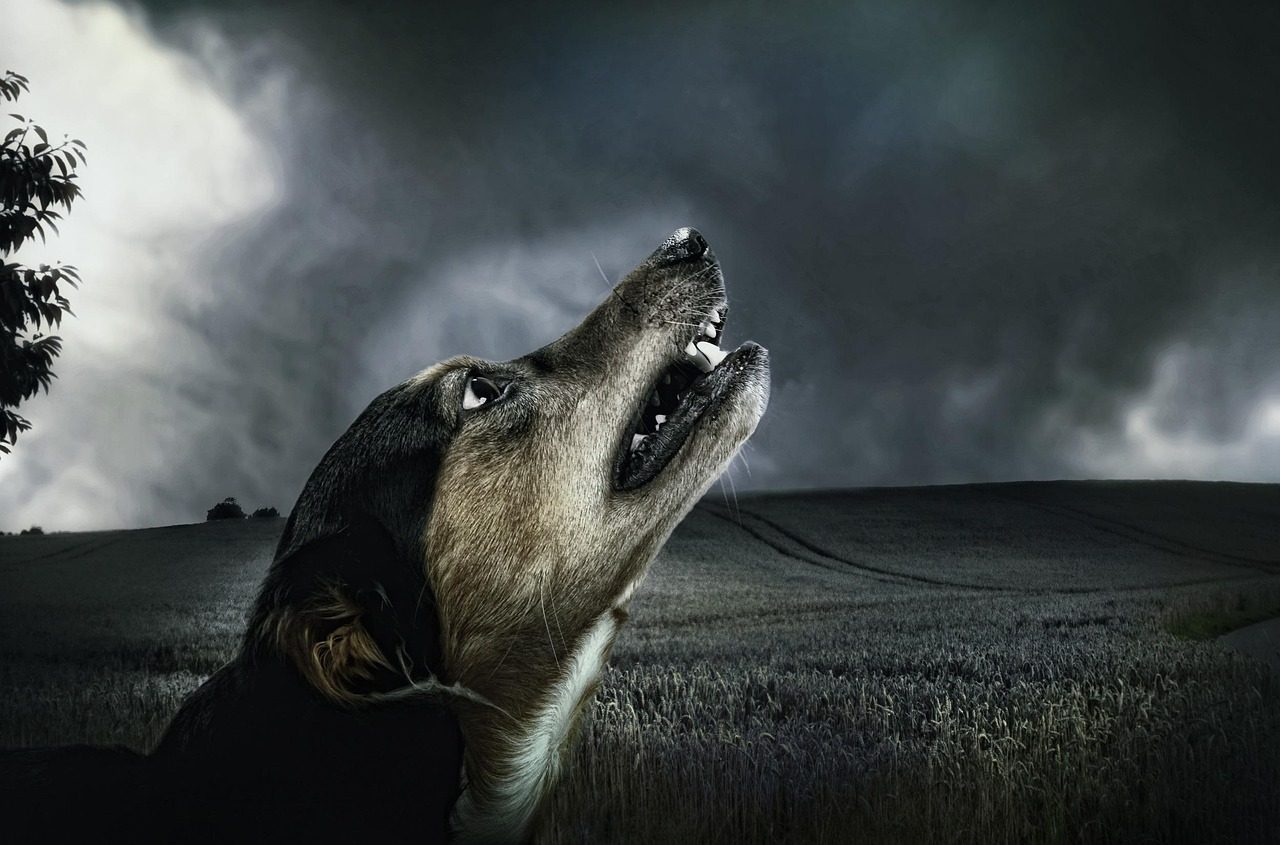
Dogs can detect frequencies from approximately 40 Hz to 60,000 Hz, compared to humans, who hear between 20 Hz and 20,000 Hz. This remarkable hearing ability means that sirens hit their ears differently than ours. Sirens, with their piercing, high-pitched tones, can feel intense to a dog’s sensitive ears. Canines’ acute hearing helps them detect sounds from far away but also makes loud noises harder to ignore.
Dogs often howl in response to high-pitched, persistent sounds like sirens. Sirens make an effective warning signal for humans, and their high-pitched frequencies may coincidentally trigger howling responses in dogs due to their sensitive hearing range.
Protective Warning Instincts

If your dog is howling at the sound of the siren, they may not be comfortable with the sound and believe it is threatening. If your canine suspects an intruder, they may send a signal to alert you to the possible danger and howl at the noise to make it disappear. This protective behavior shows just how seriously dogs take their role as family guardians.
Dogs are loyal companions, and they often feel the need to alert their owners when they sense something unusual or threatening. The sound of a siren could be interpreted as a signal that something is wrong, and the dog howls to warn its human family. In their minds, they’re performing an important security function by letting you know about this unusual sound event.
Fear and Anxiety Response

Sirens, with their sudden and loud nature, can startle and scare our canine friends. The high-pitched wail may overwhelm their sensitive ears, triggering a natural fear response. Pups may feel vulnerable or threatened by the unexpected noise, and so they howl as a way of expressing their unease.
Sirens are a human-made, unnatural sound that usually occur at unpredictable times. Your pal may simply be scared and howling due to stress. However, it’s worth noting that not all howling indicates distress. If your canine friend is howling but not showing other signs of stress – such as lip licking, hiding, shaking, or lifting a front limb – they are likely not distressed or upset by the sound.
Breed-Specific Tendencies
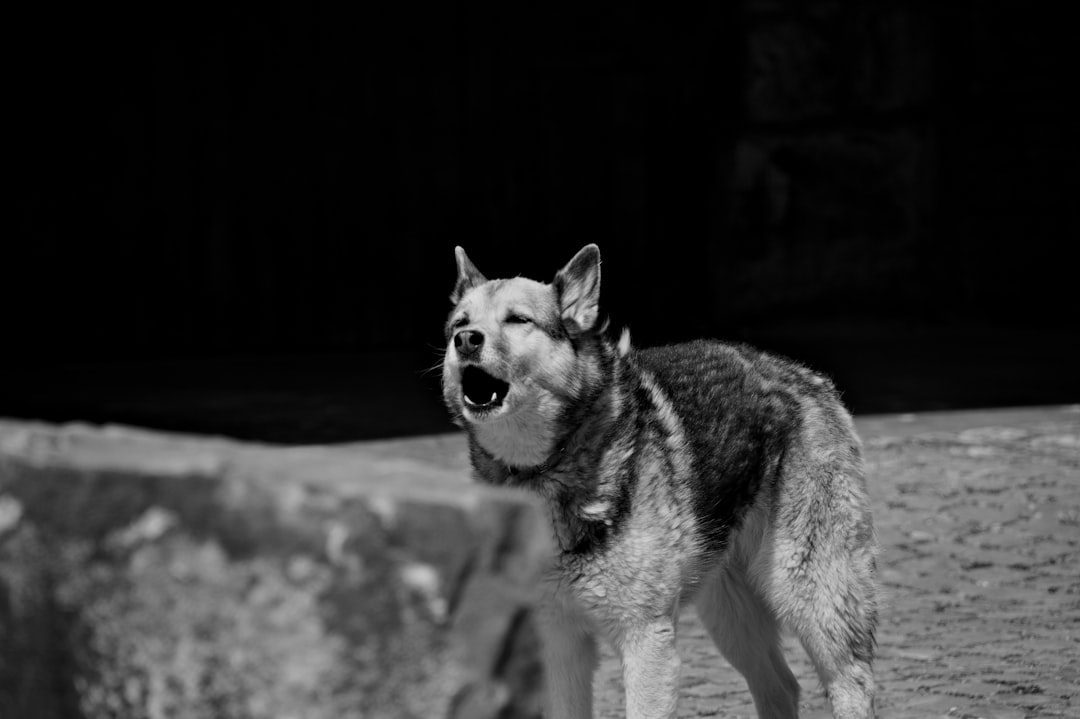
Data from a recent study suggest that ancient breeds more closely related to wolves, such as Huskies, Malamutes, and American Eskimos, are more likely to howl at sirens than other breeds. This genetic connection isn’t just coincidence. Breeds that are genetically closer to wolves are often more inclined to howl.
Siberian Huskies and Alaskan Malamutes are famously talkative dog breeds. These pups don’t just howl – they whine, gruff, bark, and just like to babble to let you know how they’re feeling. Meanwhile, Bloodhounds, Coonhounds, Foxhounds, and other hound breeds were bred to be hunting dogs. They would howl after spotting or catching prey on hunts, so howling is a natural instinct for them.
The “Success” Reinforcement Factor
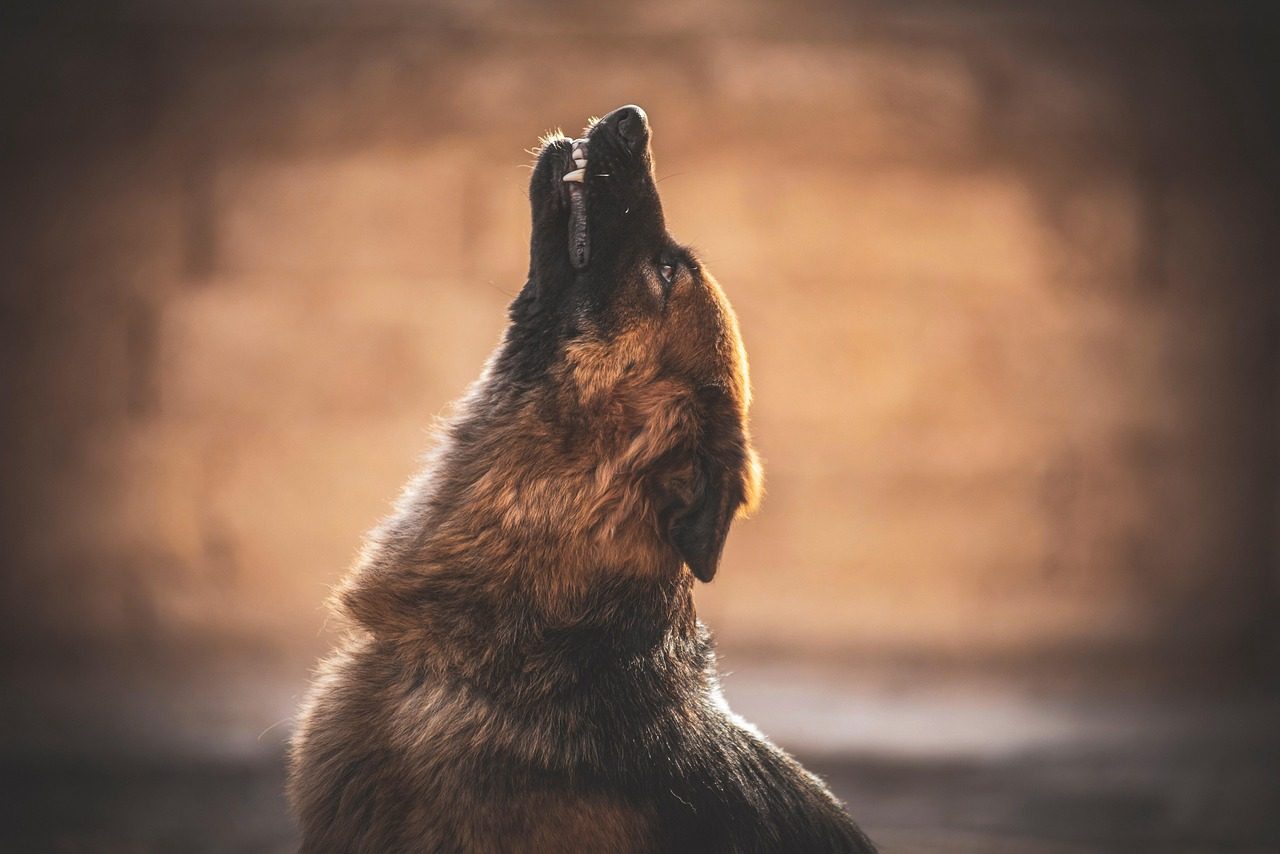
Your pup may think they are chasing it off by howling at the siren. If they had done this before as an ambulance or fire engine approached, and once it passed by and the noise stopped, they may think they were the reason the siren went away. This creates a fascinating cycle of reinforced behavior that’s both logical and amusing from a dog’s perspective.
Think about it from their viewpoint: they hear the siren, they howl, and then the siren disappears. Mission accomplished! They may associate the sound with particular events or have learned that if they howl, the noise is ‘chased’ away. This perceived success encourages them to repeat the behavior every time they encounter a similar situation. Your dog has essentially convinced themselves they’re an expert siren deterrent specialist.
Conclusion
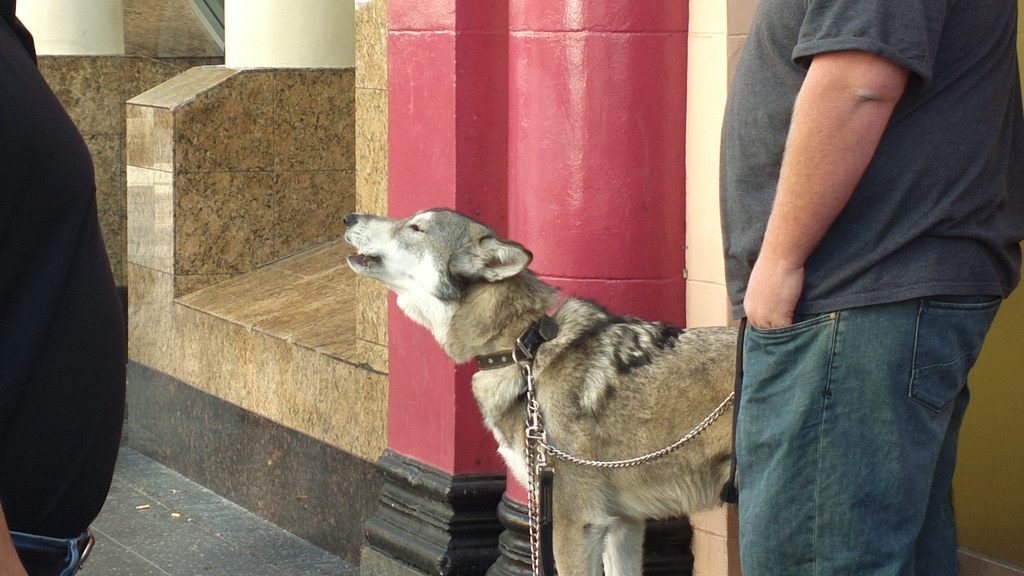
The mystery of why dogs howl at sirens reveals the beautiful complexity of our canine companions. Whether they’re responding to ancient wolf instincts, mistaking sirens for fellow dogs, or genuinely trying to protect their families, this behavior showcases the rich inner world of dogs. Each howl tells a story of evolution, communication, and the unbreakable bond between humans and their four-legged friends.
Understanding these motivations helps us appreciate rather than simply tolerate our dogs’ siren serenades. The next time your pup joins the emergency vehicle chorus, remember that they’re not just making noise. They’re speaking a language that’s older than human civilization, responding to sounds with the same instincts that helped their ancestors survive in the wild. What do you think your dog is really trying to tell you the next time they howl at a passing siren?
