

Worried about unexpected vet bills?
Pet insurance can cover thousands in unexpected vet costs. Get a free quote from Lemonade in under 2 minutes.
Get My Free Quote →Sponsored · Opens Lemonade.com
Have you ever noticed how your dog responds differently depending on how you talk to them? Maybe they inch closer when you whisper sweet nothings, or their body tenses when voices get sharp. There’s actual science behind this reaction. Your voice isn’t just background noise to your furry companion – it’s a complex signal that directly affects how safe and secure they feel around you.
Understanding this connection can transform the way you communicate with your dog. It might even explain some behaviors you’ve been puzzling over for a while. Let’s explore the fascinating reasons behind why a gentle tone makes all the difference in your dog’s emotional world.
Your Dog’s Ears Are Built for Sensitivity

Dogs can hear sounds as high as 47,000 to 65,000 Hz, which is way beyond what your ears can detect. Think about that for a second. While you max out at roughly twenty thousand hertz, your dog is picking up frequencies you can’t even imagine.
Dogs have a much longer ear canal than humans and can hear sounds from up to four times farther away. This means what sounds like normal conversation volume to you might feel much louder to them. , you’re meeting them in a more comfortable auditory space, one that doesn’t overwhelm their incredibly sensitive hearing apparatus.
Soft Voices Lower Stress Hormones

Here’s where it gets really interesting. Cortisol is the hormone that can produce that fight or flight response, so reducing cortisol levels leads to a more relaxed and calm feeling. When you use a gentle, soothing voice with your dog, you’re actively helping to lower those stress hormones in their body.
Gentle massage and soothing interventions can reduce cortisol levels, indicating a calming effect. Your voice works in a similar way. Research shows that calm, reassuring tones help dogs maintain lower baseline cortisol levels. It’s not magic – it’s biology responding to the safety signals you’re sending through your vocal patterns.
The Tone You Use Matters More Than Words

Let’s be real: your dog doesn’t fully understand English, Spanish, or whatever language you speak. Dogs hear the words we speak, but tone, intonation, volume and the emotion behind the words are equally important. They’re reading the emotional content of your voice, not necessarily parsing every syllable.
A soft and reassuring tone of voice expresses affection and caring. , you’re communicating safety on a primal level. Think about how you might comfort a frightened child – you naturally lower your voice, soften your tone, and that instinct translates perfectly to dogs. They pick up on that nurturing quality immediately.
Loud Noises Trigger Anxiety Responses

Anything over 80 to 85 decibels can negate any relaxation, even in sedated dogs. Your shouting voice likely approaches or exceeds that threshold, which explains why yelling rarely produces the behavior you want from your dog.
Honestly, I’ve seen dogs shut down completely when their owners raise their voices. Loud or unexpected sounds can overwhelm a dog’s nervous system, and dogs can become fearful of everyday sounds that people hardly notice. , you remove that layer of auditory stress, allowing your dog to actually focus on you rather than managing their anxiety response.
Gentle Speech Creates Positive Associations

Speaking nicely to dogs produces more positive emotional responses and better, more reliable training performance outcomes. Your dog learns through association, and when gentle voices accompany positive experiences, they build a mental database of safety cues.
Voice tones affect training outcomes, with reproachful tones causing poorer performance and fewer correct responses to commands. The calmer you sound, the more receptive your dog becomes to learning and cooperation. It’s hard to say for sure, but I think dogs in soft-spoken households probably experience less chronic stress overall.
Soft Tones Encourage Relaxed Body Language

Watch your dog’s body to them. A relaxed dog’s face and body will be completely tension-free, with their tail gently wagging and ears in a neutral position. This is what safety looks like in canine body language.
Higher oxytocin levels in owners are associated with dogs displaying calm behaviors, with fewer position changes and less time spent in sitting positions. When you use a gentle voice, your own stress levels drop too, creating a feedback loop of calm. Your dog senses your relaxation and mirrors it back, settling into that comfortable, safe state both of you need.
High-Pitched Happy Voices Work Differently

Now, there’s a difference between soft and high-pitched excited voices. Higher-pitched utterances cause more positive emotional changes, with dogs showing larger behavioral changes in response to high-pitched, happy tones. These work great for playtime and excitement.
But for creating safety? That’s where the softer, lower register comes in. When giving your dog affection, they’ll appreciate a quiet, soft voice that relays reassurance. Think of it like this: high-pitched voices say “let’s have fun,” while soft, gentle voices say “you’re safe here.”
Your Dog Mirrors Your Emotional State
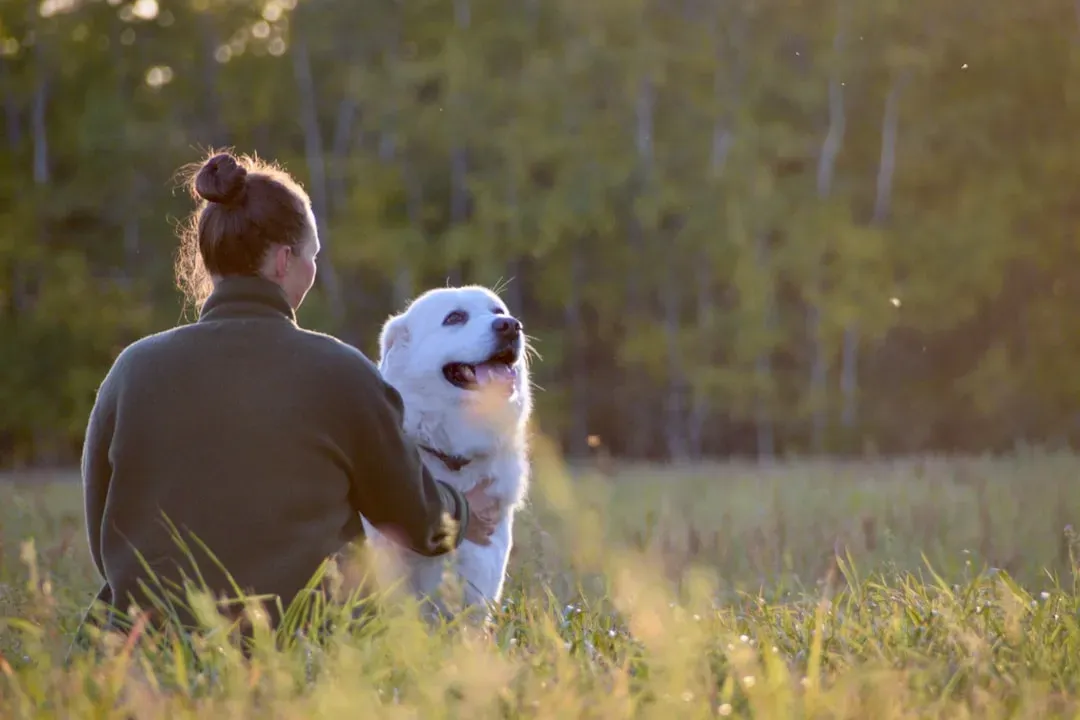
Dogs, to a great extent, mirror the stress level of their owners. This synchronization goes both ways. When you’re anxious and your voice reflects that tension, your dog picks up on it immediately. They don’t just hear the words – they feel the emotion.
Dogs reflect our emotional states, and when music or our voice relaxes us into a positive mood where we feel safe and calm, this can be passed onto our dogs. Speaking softly often means you’re in a calmer state yourself, which creates this beautiful circle of mutual calm between you and your furry friend.
Harsh Tones Reduce Compliance and Trust

Lower-pitched, harsher tones of voice are associated with less predictable responses from dogs in terms of their compliance. It’s counterintuitive, right? You’d think a stern voice would command more obedience, but it actually creates uncertainty and fear.
Sharper, reproachful tones cause dogs to wag their tails less and want to put distance between themselves and the trainer, with effects greater when such statements are longer and more frequently repeated. Every time you use a harsh voice, you’re potentially damaging the trust bond you’ve built. Your dog learns to be wary rather than responsive.
The Science Behind Sound and Safety

The right music can literally slow a dog’s heart rate, ease anxiety, and strengthen the bond you share, as music, voice and natural sounds can help your dog feel safer and more connected. Your voice functions similarly to calming music in your dog’s nervous system.
Sound can regulate your dog’s heart rate, lower cortisol levels, and reduce stress behaviors like barking or pacing. , you’re not just being nice – you’re actively engaging your dog’s physiological calm response systems. The frequency, volume, and tone all combine to either soothe or stress your companion.
Building Safety Through Consistent Soft Communication

Dogs with consistent routines and positive interactions exhibit lower cortisol levels, with gentle handling reinforcing trust and emotional security. Making soft speech a habit creates predictability, which is hugely important for dogs.
Creating a calm and peaceful environment, incorporating relaxation techniques like massage or gentle music, helps reduce stress for dogs. Your gentle voice is part of that peaceful environment. It becomes a consistent signal that everything is okay, no threats here, just safety and love. That consistency builds deep trust over time.
Speaking softly to your dog isn’t about being permissive or lacking authority. It’s about recognizing their incredible sensory capabilities and communicating in a way that makes them feel genuinely secure. When your dog feels safe, they’re happier, healthier, and far more responsive to you. Next time you talk to your furry companion, try lowering your volume just a bit and notice how they respond. You might be surprised by the difference it makes in their behavior and in your bond. What have you noticed about how your dog reacts to different tones? Share your experiences below.
Worried about unexpected vet bills?
Pet insurance can cover thousands in unexpected vet costs. Get a free quote from Lemonade in under 2 minutes.
Get My Free Quote →Sponsored · Opens Lemonade.com
