

You know that feeling when you come home after a long day, and no matter how rough things have been, your dog greets you like you’re the most important person in the world? That tail wagging, those excited jumps, that pure joy radiating from every inch of their furry body. It’s honestly one of the most humbling experiences. We’re not perfect. We lose our tempers. We forget the afternoon walk sometimes. We get so wrapped up in our own chaos that we neglect the basics. Yet somehow, our dogs forgive us every single time. Their loyalty doesn’t waver even when we stumble. Let’s be honest, most humans wouldn’t put up with half the things dogs forgive us for on a daily basis. So what makes these creatures so devoted to us, ?
The Ancient Blueprint of Pack Mentality
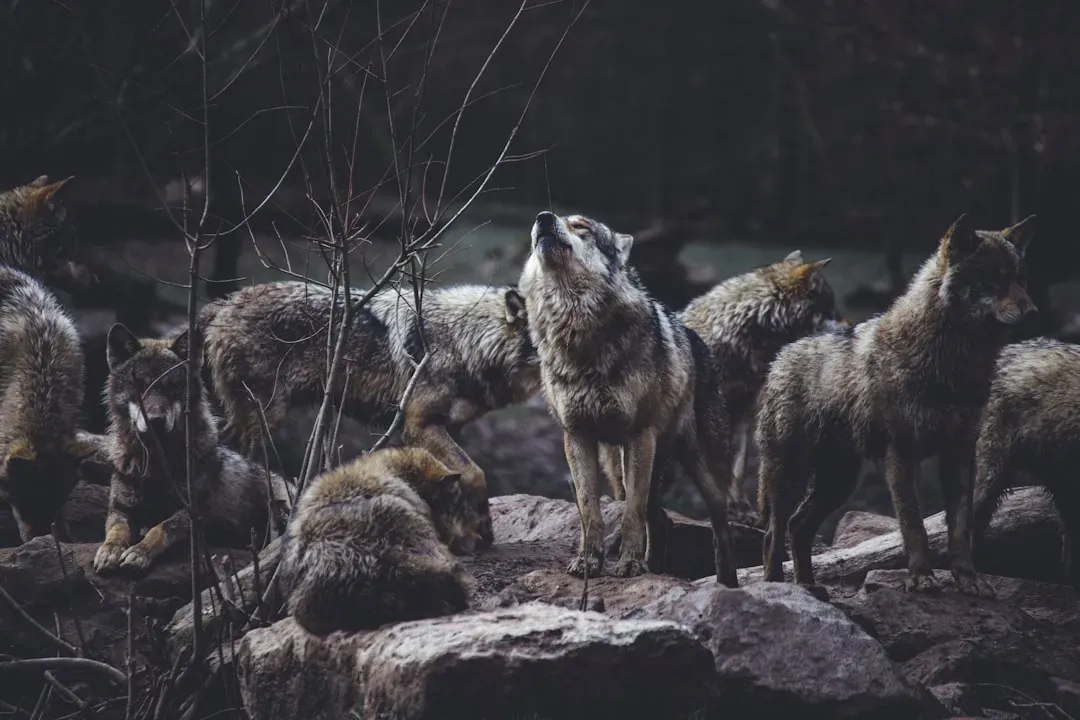
Wolves rely on each other for survival, and this pack behavior has been passed down to dogs, making them naturally inclined to form strong social connections, including with humans. Think about it like this: when your dog looks at you, they’re not just seeing a food provider or a random human. They’re seeing their pack leader, their family, their entire social world rolled into one.
To your loyal dog, your family is their pack and they have adopted you as their own. Loyalty in a pack is crucial. In the wild, survival depends on sticking together through thick and thin. That instinct doesn’t just disappear because dogs now sleep on cozy beds instead of in dens. When you mess up, when you’re late with dinner, when you’re grumpy and short, your dog doesn’t see betrayal. They see a pack member having a rough moment, and their instinct is to stay close, not to abandon ship.
This pack mentality runs so deep that dogs often put their own lives in danger to protect their owners; their pack instincts require it of them. It’s not a conscious choice in the way we humans make decisions. It’s wired into their DNA after thousands of years of evolution alongside us.
I think there’s something beautifully simple about this. While we humans complicate loyalty with conditions and expectations, dogs keep it pure. You’re their pack. Period. End of discussion.
What’s fascinating is how this ancient social structure has translated into modern domestic life. Your apartment or house becomes the territory. Your family members become the pack. Even that annoying cat might be grudgingly accepted as part of the group.
Loyalty in a pack is crucial. In order for a pack to survive in the wild, their members must work together to overcome dangers. So when you have a bad day and snap at your dog, they don’t take it personally the way another human might. They recognize it as stress within the pack structure.
The depth of this instinct explains why dogs seem almost incapable of holding grudges against their humans, even when we genuinely let them down.
The Chemistry of Love and Forgiveness
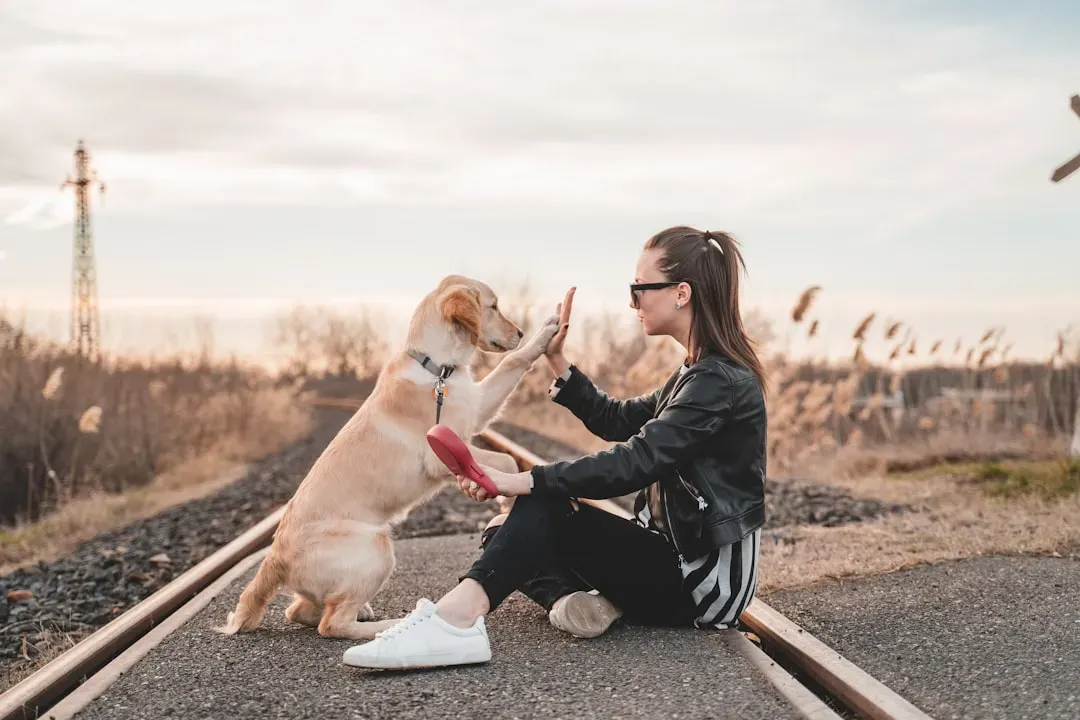
Here’s where things get really interesting. There’s actual brain chemistry at work when you interact with your dog. Oxytocin levels increase in both species when dogs and humans interact, strengthening their bond. This is the same hormone that bonds mothers to their babies. Let that sink in for a moment.
Every time you pet your dog, make eye contact, or play together, both of your brains are literally getting flooded with feel-good chemicals. In addition to oxytocin, other hormones like endorphins, dopamine, and serotonin rise during positive interactions between dogs and humans. These hormones contribute to feelings of happiness, pleasure, and attachment, further solidifying dogs’ loyalty toward their human companions.
This biochemical connection creates something almost magical. When you forget to refill the water bowl or accidentally step on a paw, your dog’s brain doesn’t switch to resentment mode. Instead, the next positive interaction you share triggers that oxytocin release all over again, essentially resetting the emotional connection.
It’s hard to say for sure, but this might explain why dogs seem to have an endless capacity for forgiveness. Their brains are literally designed to bond with us, over and over again, regardless of our imperfections.
In a study from 2005, dogs were presented with their owner’s scent, a scent of a stranger and the scent of food. Brain scans were taken of the dog as they approached each scent. Not only did dogs react more strongly to the scent of their owners, the part of the brain associated with enjoyment and positive emotions lit up when they were given their owner’s scent.
Scientists discovered that your loyal dog does recognize you, and the same patterns in humans would usually be associated with love. This isn’t just conditioning or learned behavior. There’s genuine affection happening in their brains.
Selective Breeding Amplified Their Devotion
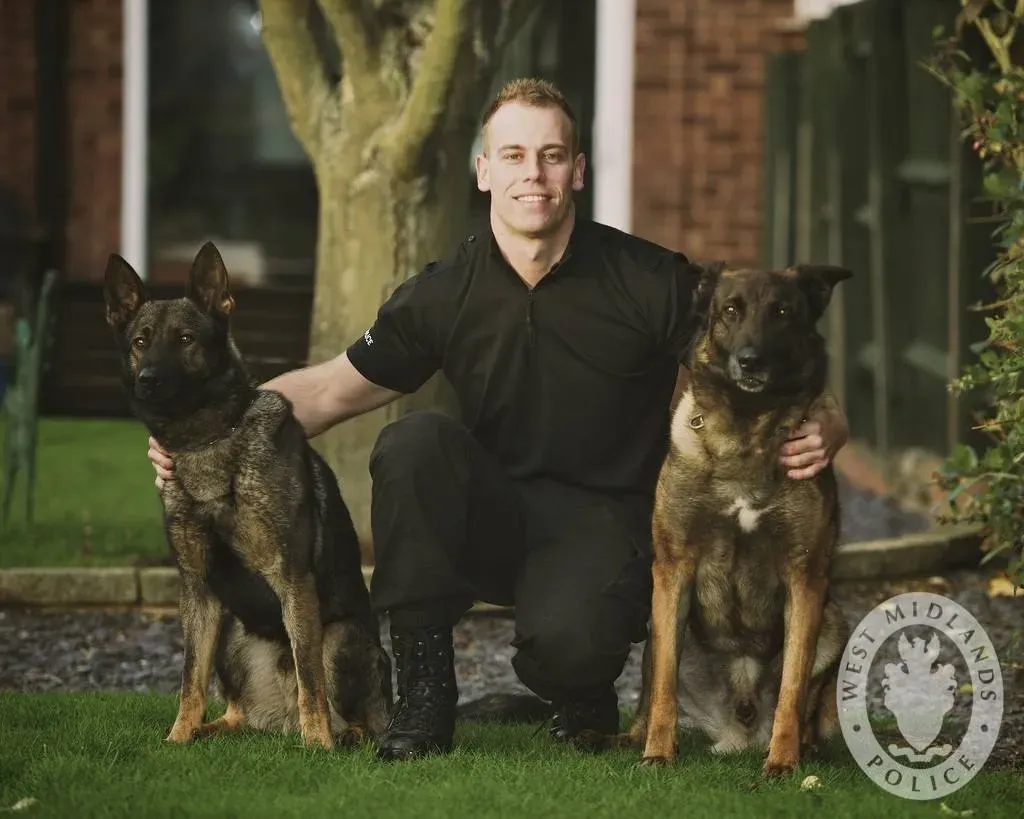
The domestication of dogs has further enhanced their loyalty. Over thousands of years, humans have selectively bred dogs for traits that include loyalty and companionship. This process has reinforced dogs’ natural social tendencies, as those who were more cooperative and bonded well with humans were more likely to be cared for and survive.
Think about it from an evolutionary perspective. The friendliest wolves who hung around human camps got more food scraps. The aggressive ones got driven away. Over countless generations, we essentially bred dogs to be our devoted companions. Those with the strongest capacity for loyalty and forgiveness had better lives, reproduced more, and passed those traits down.
We didn’t just domesticate dogs. We shaped them, generation after generation, into creatures that would tolerate our mistakes and love us anyway. It sounds manipulative when you put it that way, but the relationship became mutually beneficial. Dogs got food, shelter, and protection. Humans got companionship, help with hunting, and unconditional love.
This long history means that your dog’s loyalty isn’t despite your failures. It’s actually part of their design. They’re the product of thousands of years of selecting for the exact trait that makes them forgive you for coming home late or forgetting to play fetch.
Different breeds might show loyalty in different ways, but nearly all of them share this fundamental capacity for devotion. The truth is that all dogs are pack creatures and are devoted to whomever they see as their leader. So, while some breeds may seem more affectionate or willing to please their pet parent than others, all dogs are capable of being loyal.
Whether you have a tiny Chihuahua or a massive Great Dane, that selective breeding for companionship traits runs through their genes.
Emotional Intelligence That Reads Your Every Move
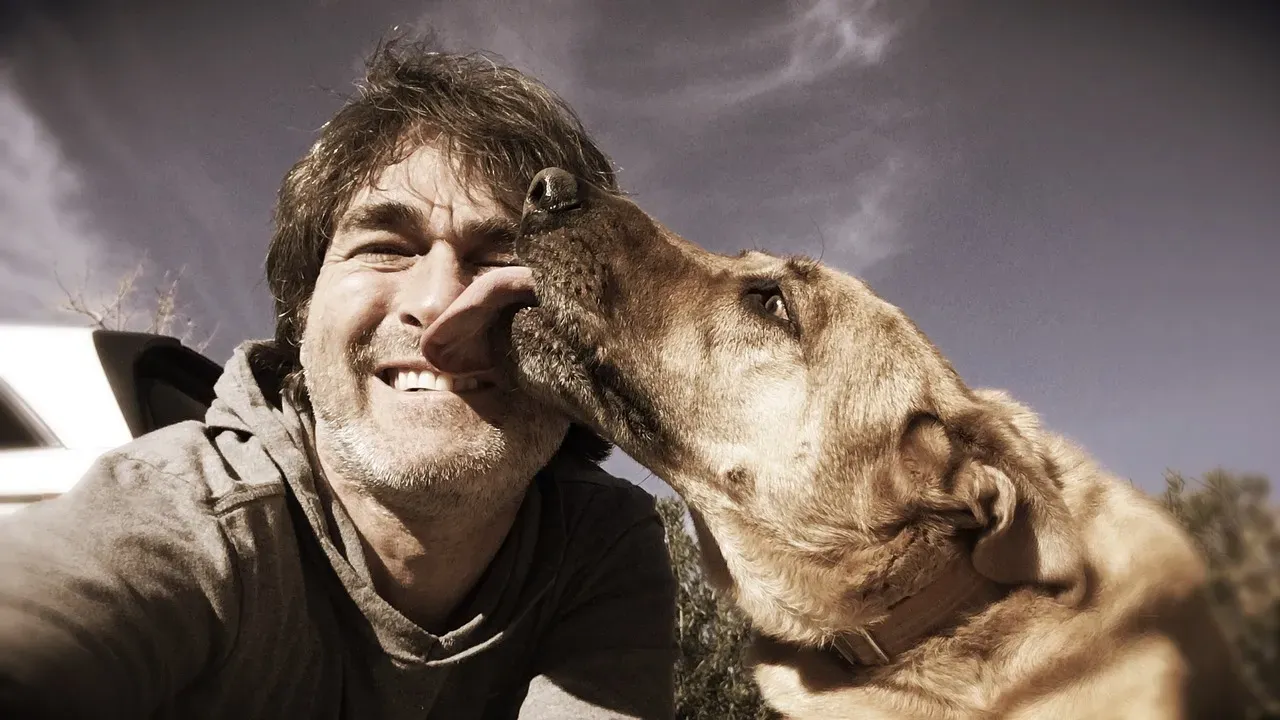
Dogs are highly social animals and have developed the ability to read human emotions and respond to them. This emotional intelligence allows dogs to bond with humans, often viewing them as part of their pack. This isn’t just about recognizing when you’re happy or sad. Dogs can pick up on incredibly subtle cues that even other humans might miss.
Your posture, your tone of voice, the way you’re breathing, even the chemical changes in your sweat when you’re stressed. Dogs process all of this information and adjust their behavior accordingly. When you’re having a terrible day and you’re short with them, they sense that something’s wrong. They don’t interpret your irritation as a personal attack.
Over such a long time of living so closely with people, dogs have developed the ability to empathize with human beings, read our body language and facial expressions, and develop their own ways of communicating with us. This level of emotional attunement is honestly quite remarkable when you stop to think about it.
Researchers explored how dogs would react to their owners being upset, along with complete strangers. When their owner, or a complete stranger cried, the dog would show increased interest as opposed to them humming or talking. The dog would sniff, nuzzle and lick both owners and strangers alike.
There’s actually research showing that dogs were more likely to choose a treat from the kind or neutral stranger and ignored the one who wouldn’t help their guardian. They’re not just loyal to you. They’re also judging the people around you based on how those people treat you. Let’s be real, that’s a pretty sophisticated level of social awareness.
This emotional intelligence means dogs can distinguish between you genuinely being angry at them versus you just having a bad day. They adapt, they forgive, and they wait patiently for things to return to normal.
The Attachment That Mirrors Childhood Bonds
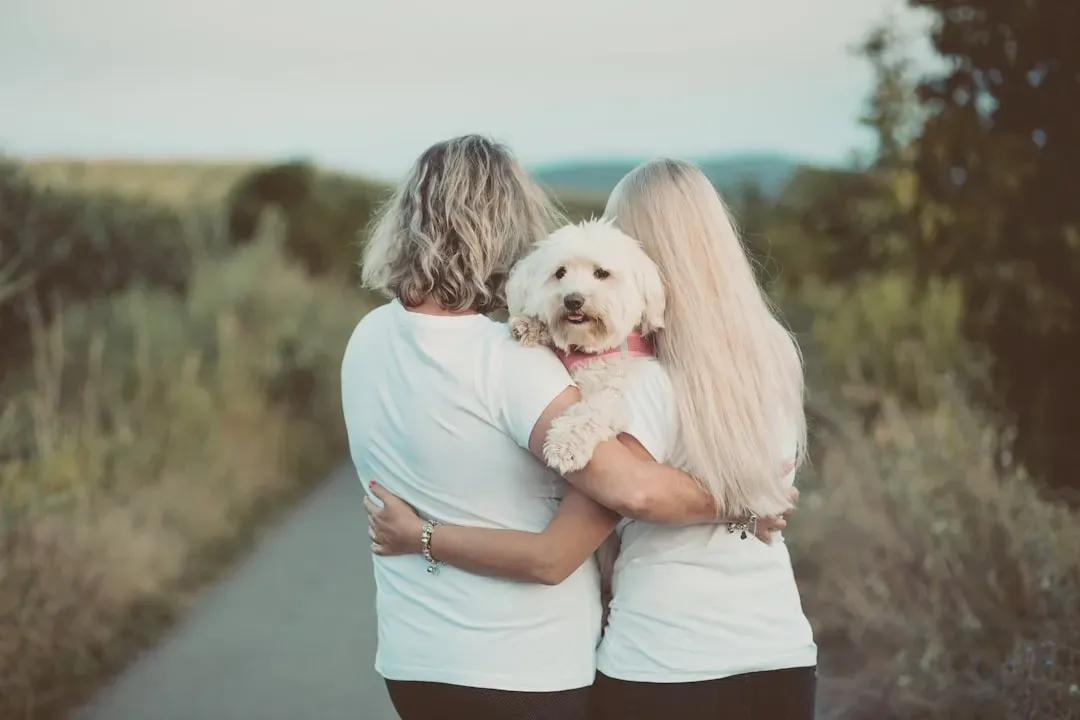
The bond between dogs and humans is similar to the attachment bonds found in caregiver-infant relationships. One example of this behavior is when a dog seeks closeness to their human companions to cope with stress. Think about how a child runs to their parent when they’re scared or upset. Dogs do exactly the same thing with their humans.
This attachment theory helps explain why dogs tolerate so much from us. Just as children forgive their parents for mistakes and imperfections, dogs extend that same grace to their humans. Having a human around can lessen the impact of a stressful situation for a dog, showcasing the “safe haven” aspect of attachment theory.
As much as we rely on our dogs for happiness and stress relief, our dogs depend on us to provide the same comfort. It’s a reciprocal relationship built on emotional dependence. When you mess up, your dog doesn’t start searching for a new owner. They double down on the attachment, seeking reassurance that the bond is still intact.
Recent research has shown that owners rated their bond with their dog as the most satisfying and their best source of companionship. Perhaps even more telling, dog owners also felt that their dog loved them the most among all partners. That’s including romantic partners, children, and best friends. Let that settle in.
Dog owners rated their relationships with their pets higher than with any human, citing more love and less conflict. Maybe it’s because dogs approach the relationship without the complicated expectations that humans bring to the table.
They need food, shelter, love, and play. In return, they offer complete devotion. There are no hidden agendas, no passive-aggressive behavior, no keeping score of past mistakes. Just pure, simple attachment.
Forgiveness as a Survival Strategy
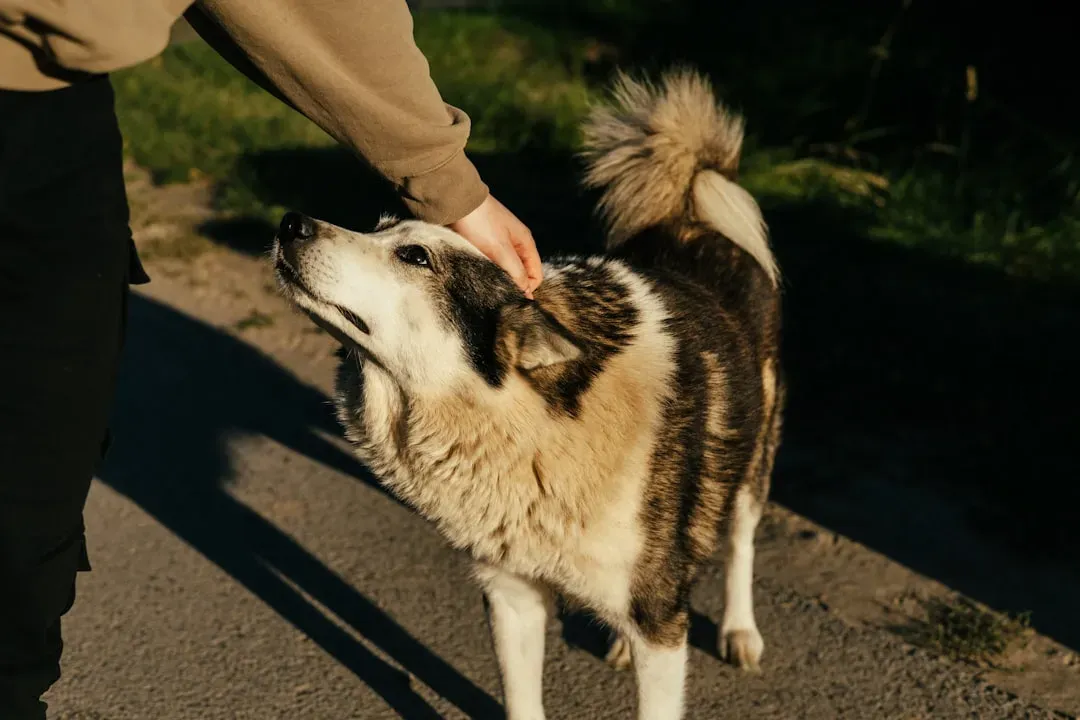
They do not judge and are quick to forgive. This isn’t just about dogs being nice. There’s actually a practical survival element to this trait. In the wild, holding grudges within a pack could be deadly. Cooperation means survival. Resentment means fracture and vulnerability.
Pets have a remarkable ability to forgive and forget, as evidenced by their ability to trust humans after having been abandoned or abused. Even rescue dogs who’ve been through horrible situations can learn to trust again. That capacity for resilience and forgiveness is honestly humbling.
Dogs don’t hold grudges – after a small mistake, like accidentally stepping on their tail, they immediately forgive and forget. Their wagging tails and puppy-dog eyes show us that life is too short to dwell on small accidents. The ability to instantly forgive and move forward with love is something humans often struggle with, but dogs make it look effortless.
This forgiveness isn’t weakness. It’s actually a form of emotional strength that many humans would benefit from developing. When you forget to take your dog to the park or you’re distracted during playtime, they don’t sulk for days. They move on. They accept the imperfection and choose connection over resentment.
Unlike humans, who might expect an apology or acknowledgment before forgiving, dogs forgive without needing anything in return. Whether it’s a harsh word or a forgotten walk, they don’t require any form of recompense to restore their affection. This unconditional approach to forgiveness highlights the importance of loving freely and without conditions.
I know it sounds crazy, but maybe we’ve underestimated what dogs have to teach us about relationships. Their approach to forgiveness isn’t about being a doormat. It’s about choosing love over ego, connection over being right.
This survival strategy has become so deeply ingrained that even when we genuinely fail our dogs, they bounce back faster than we bounce back from minor disagreements with other humans.
The Reciprocal Relationship We Often Take for Granted
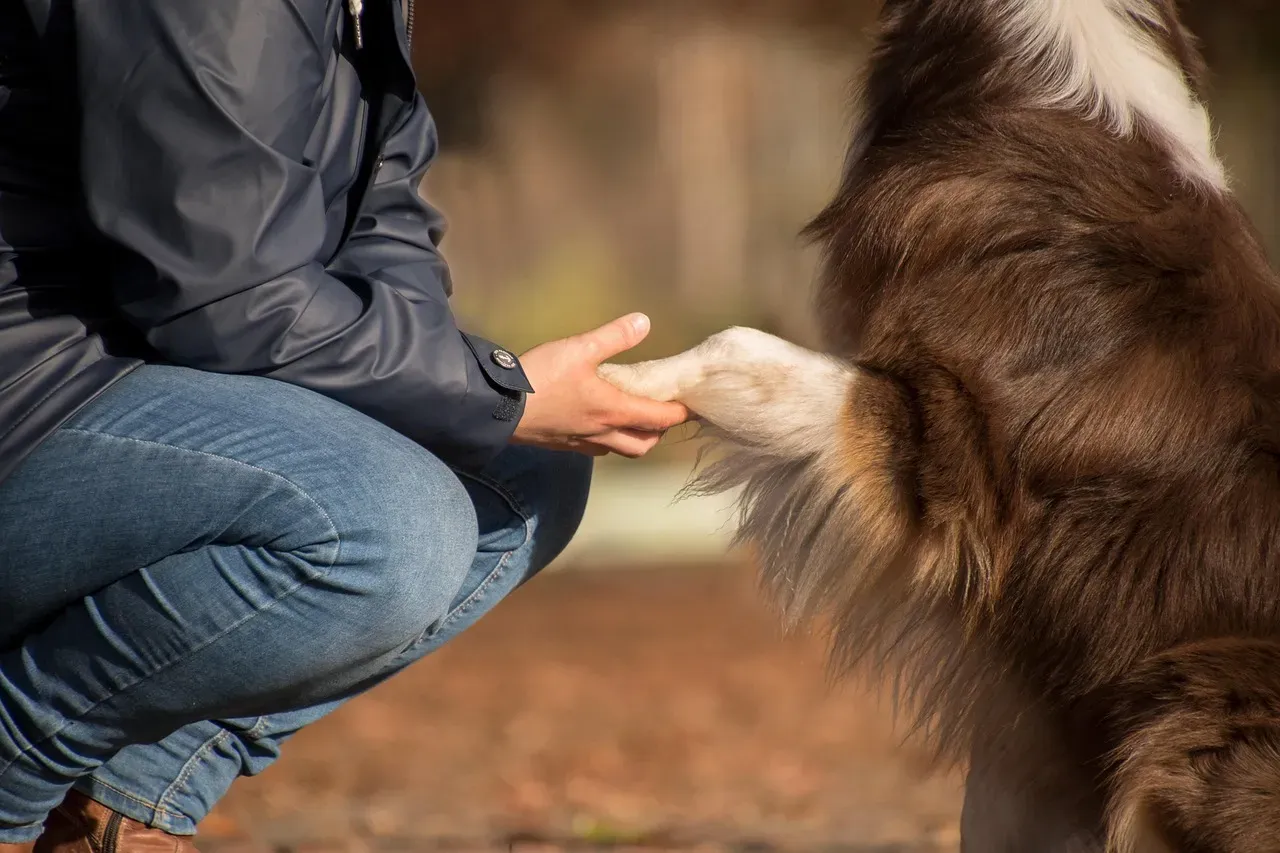
Domestic dogs are descended from wolves, which man once took in and tamed with shelter and food in return for them acting as guard dogs. This reciprocal relationship remains in your dog’s genes and their loyalty is a by-product of it. From the very beginning, this partnership was built on mutual benefit, not one-sided dependence.
Dogs provide protection, companionship, emotional support, and nowadays, even medical assistance in some cases. While dogs provide companionship, protection, and assistance, humans offer food, shelter, and affection. This mutual dependence has been reinforced over millennia, creating a cycle of loyalty and care that benefits both species.
by forgetting a walk or being too busy to play, dogs don’t see it as a breach of contract. They understand, on some level, that the relationship is bigger than individual moments. You still provide shelter. You still give food. You still offer affection, even if the timing isn’t always perfect.
Because of how they view their relationship with us, dogs will trust us to provide for them. When we fulfill that duty, it creates a sense of belonging for them and their loyalty develops. This trust is remarkably resilient. It can withstand our bad days, our mistakes, our human imperfections.
There’s the famous story of Hachiko, the loyal dog who used to greet his owner each day at the train station after work – and continued to wait for him for nine years after he died. That level of devotion goes beyond simple reciprocity. It transcends into something that honestly defies easy explanation.
The relationship works because both species benefit, but the loyalty dogs show often exceeds what strict reciprocity would require. They give more than they receive, and they keep giving even when we fall short.
Maybe that’s the most important lesson here. Love doesn’t have to be perfectly balanced to be real. Sometimes one party gives more, and that’s okay. Dogs seem to understand this instinctively, even when we humans struggle with it.
Conclusion
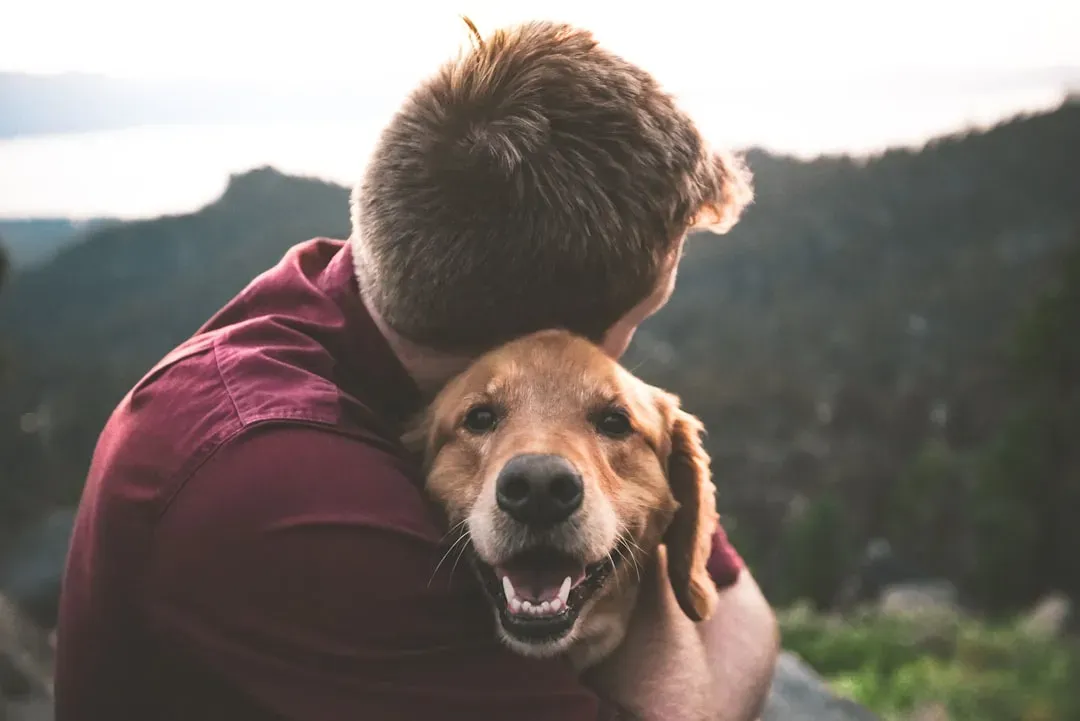
Dogs stay loyal because their entire evolutionary history, brain chemistry, and emotional makeup has designed them to do exactly that. Their pack mentality, selective breeding, emotional intelligence, childlike attachment, capacity for forgiveness, and understanding of reciprocal relationships all combine to create creatures that love us despite our flaws. It’s honestly one of the most profound relationships available to humans.
We don’t deserve dogs, honestly. We forget walks, we get distracted during playtime, we’re grumpy when they just want attention. Yet they greet us every single day like we’re heroes returning from war. That loyalty teaches us something valuable about love itself. It doesn’t have to be earned every single moment. Sometimes it just is, flaws and all.
The next time your dog forgives you for coming home late or being too tired to play, maybe pause for a second. Appreciate what you’re witnessing. That tail wag represents thousands of years of evolution, complex brain chemistry, and a capacity for unconditional love that most humans spend their entire lives trying to learn. So what’s your take on this extraordinary bond? Have you experienced moments where your dog’s loyalty humbled you?
