


The natural world is filled with wonders, but it is also fraught with dangers, especially for wildlife. As habitats shrink and threats multiply, many animals find themselves in peril. Wildlife sanctuaries play an indispensable role in providing refuge, care, and rehabilitation for rescued animals. These sanctuaries are lifelines for countless creatures, ensuring they receive the compassion and protection they desperately need.
Conservation and Rehabilitation

Wildlife sanctuaries are facilities specifically designed for the conservation and rehabilitation of animals. They serve as critical spaces where rescued animals can recover and thrive, away from the threats they once faced in the wild or in captivity.
History of Wildlife Sanctuaries
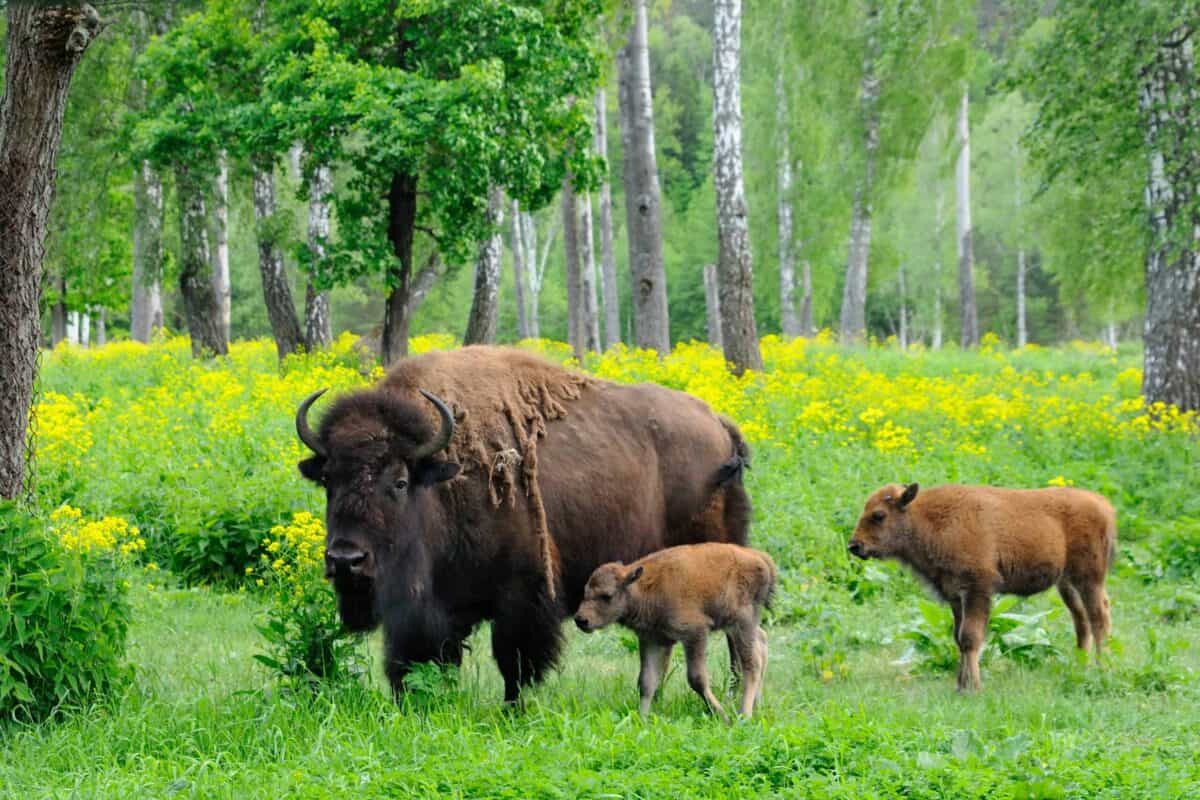
The concept of wildlife sanctuaries dates back centuries, evolving dramatically over time. Originally, they served as hunting reserves for nobility, but have since transformed into safe refuges. The modern sanctuary movement gained momentum in the late 20th century as awareness about animal rights and conservation burgeoned.
The Mission of Wildlife Sanctuaries
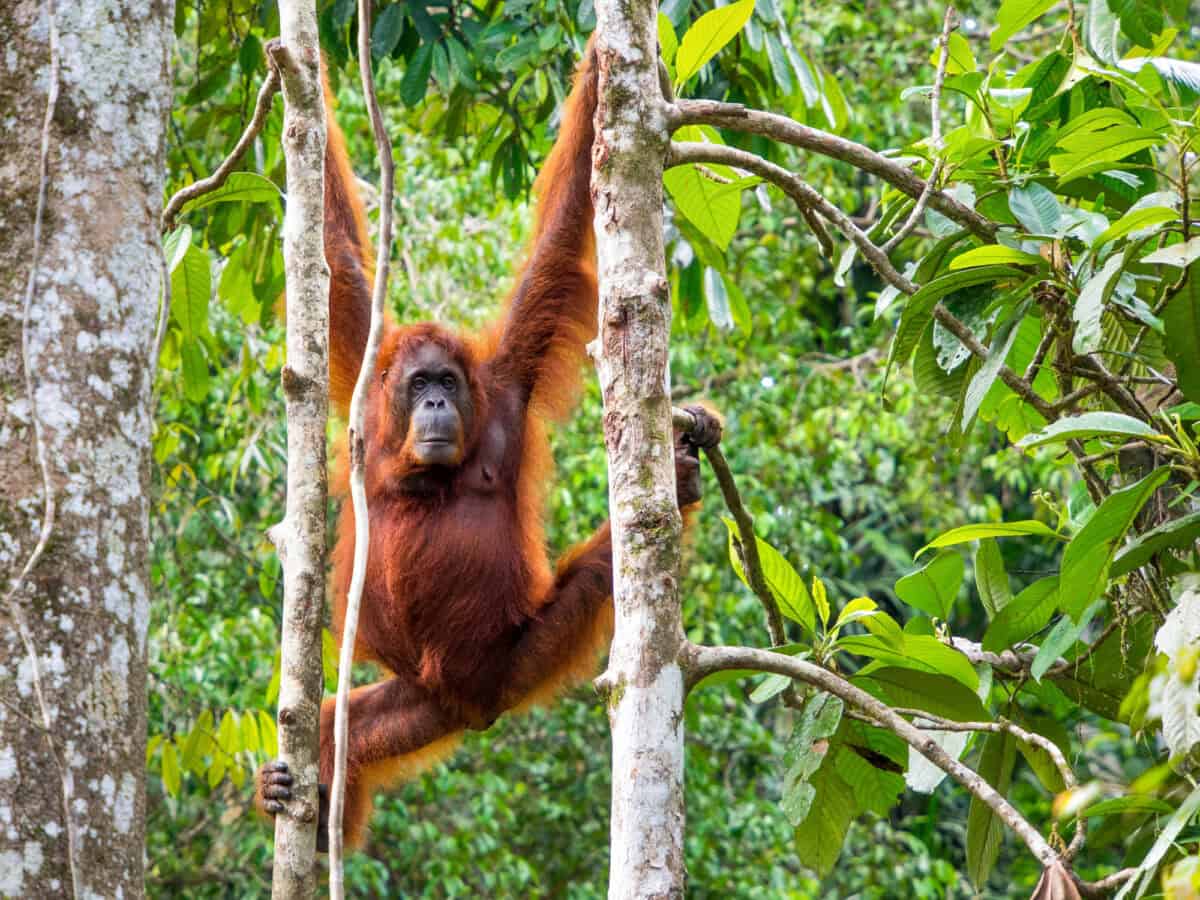
At their core, wildlife sanctuaries aim to rescue, rehabilitate, and, when possible, release animals back into their natural habitats. Sanctuaries strive to provide lifelong care for those animals that, due to injury or prolonged captivity, cannot return to the wild.
Distinct from Zoos and Other Facilities

Unlike zoos that often prioritize education and entertainment, sanctuaries focus purely on animal welfare and rehabilitation. Animals in sanctuaries are not bred, sold, or traded, and human interaction is minimized to enhance their natural behaviors.
The Need for Wildlife Sanctuaries

Escalating threats like deforestation, poaching, and climate change underscore the necessity of these sanctuaries. They offer a solution for captive animals, victims of illegal trade, and wildlife suffering from human-wildlife conflict.
Types of Animals in Sanctuaries

Wildlife sanctuaries house a wide variety of animals including big cats, birds of prey, elephants, and primates. Each sanctuary may specialize in different species based on expertise, climate, and capacity.
Key Characteristics of Effective Sanctuaries
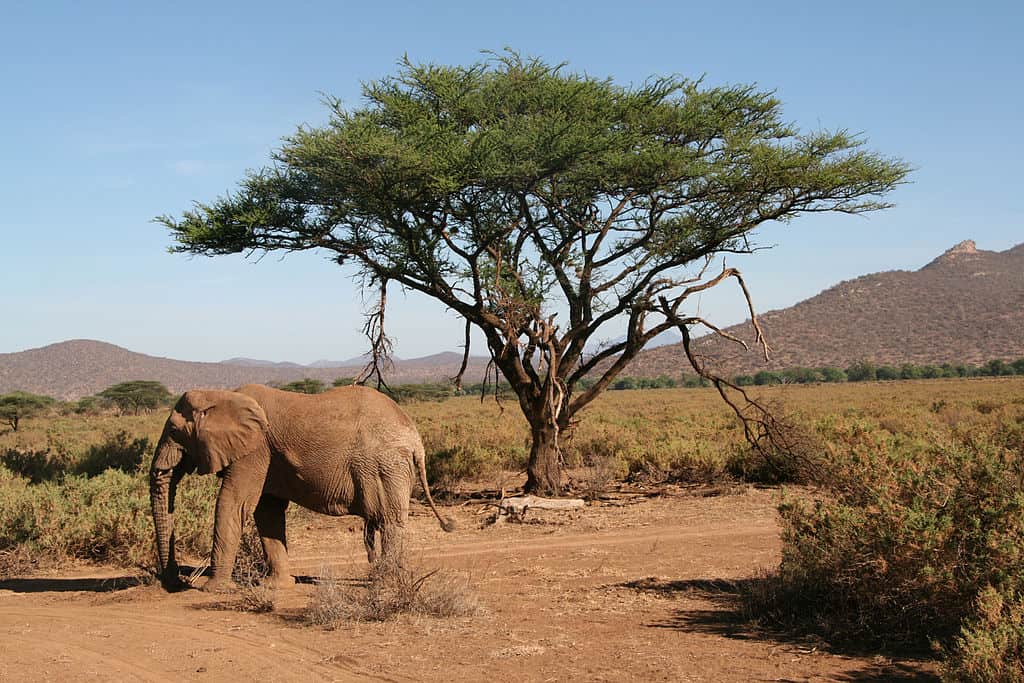
Effective sanctuaries adhere to high standards of animal welfare, offer enriched environments, and employ knowledgeable staff. They collaborate with research institutions to continuously improve care techniques and rehabilitation strategies.
The Role of Wildlife Sanctuaries in Conservation
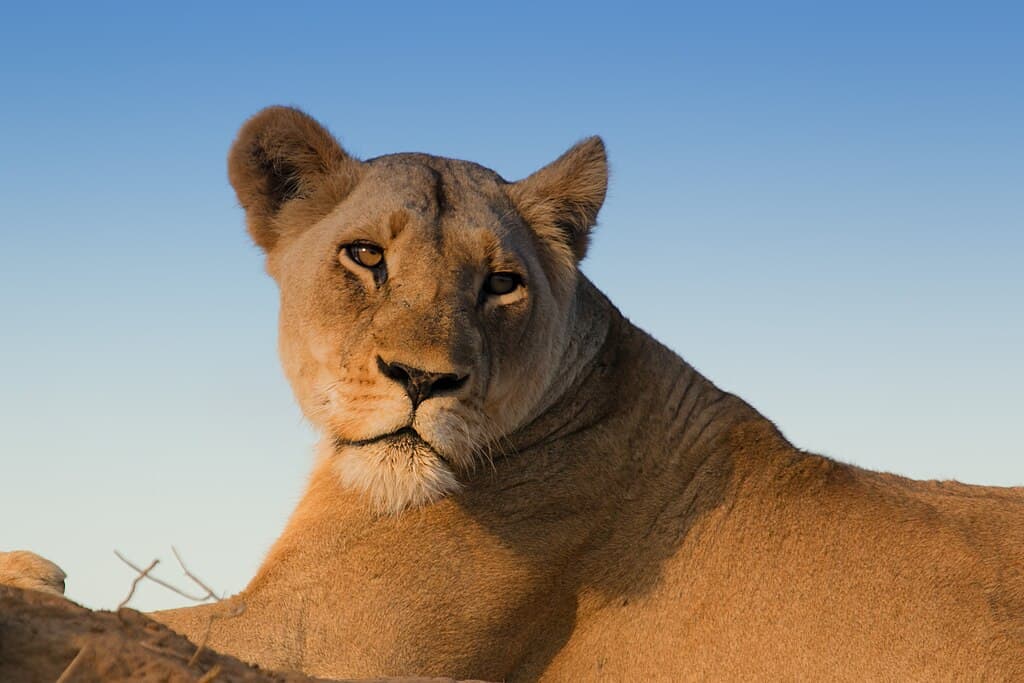
In addition to caring for animals, sanctuaries often engage in conservation work. They help maintain genetic diversity, work to rehabilitate habitats, and educate the public about local and global conservation issues.
Educational Outreach and Public Engagement

Through guided tours, workshops, and outreach programs, sanctuaries raise awareness about wildlife issues. This engagement helps foster a greater appreciation and understanding of wildlife conservation among the general public.
Challenges Faced by Wildlife Sanctuaries
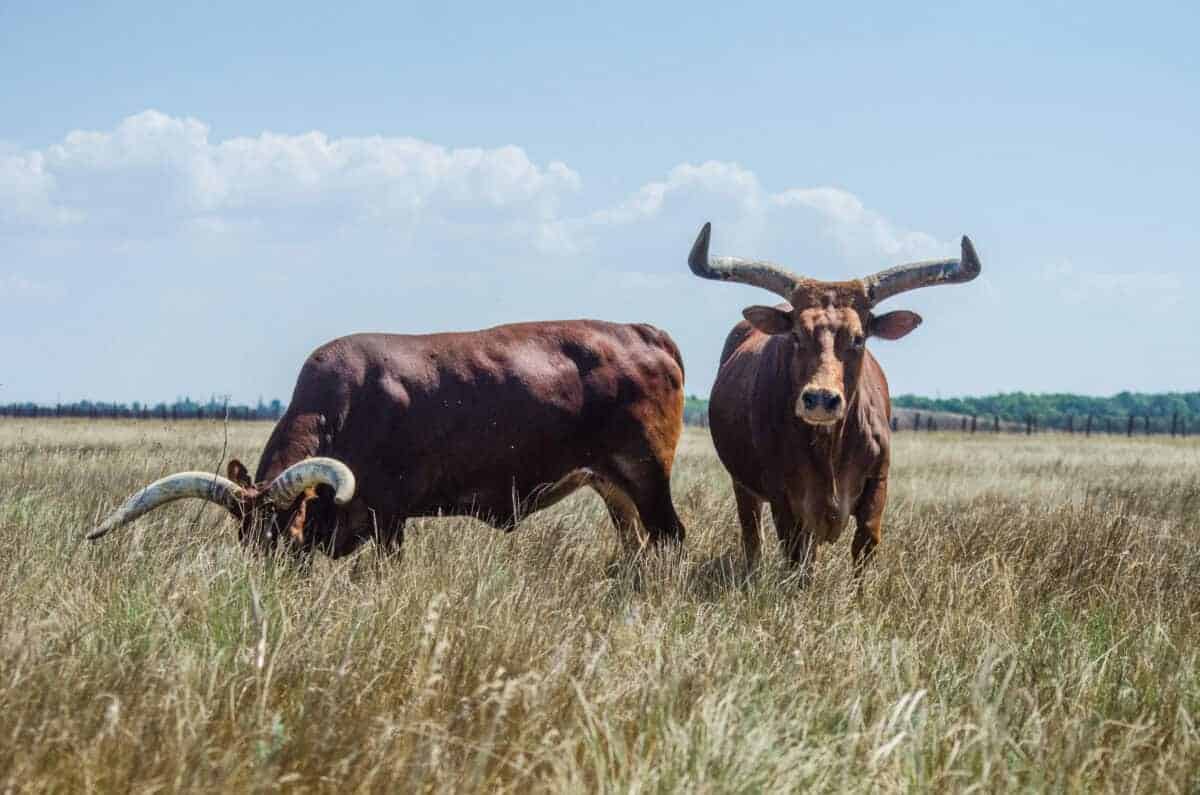
Operating a sanctuary comes with significant challenges, including funding limitations, disease outbreaks, and maintaining skilled staff. Moreover, the sheer number of animals needing sanctuary often exceeds available resources and space.
Collaborations and Partnerships
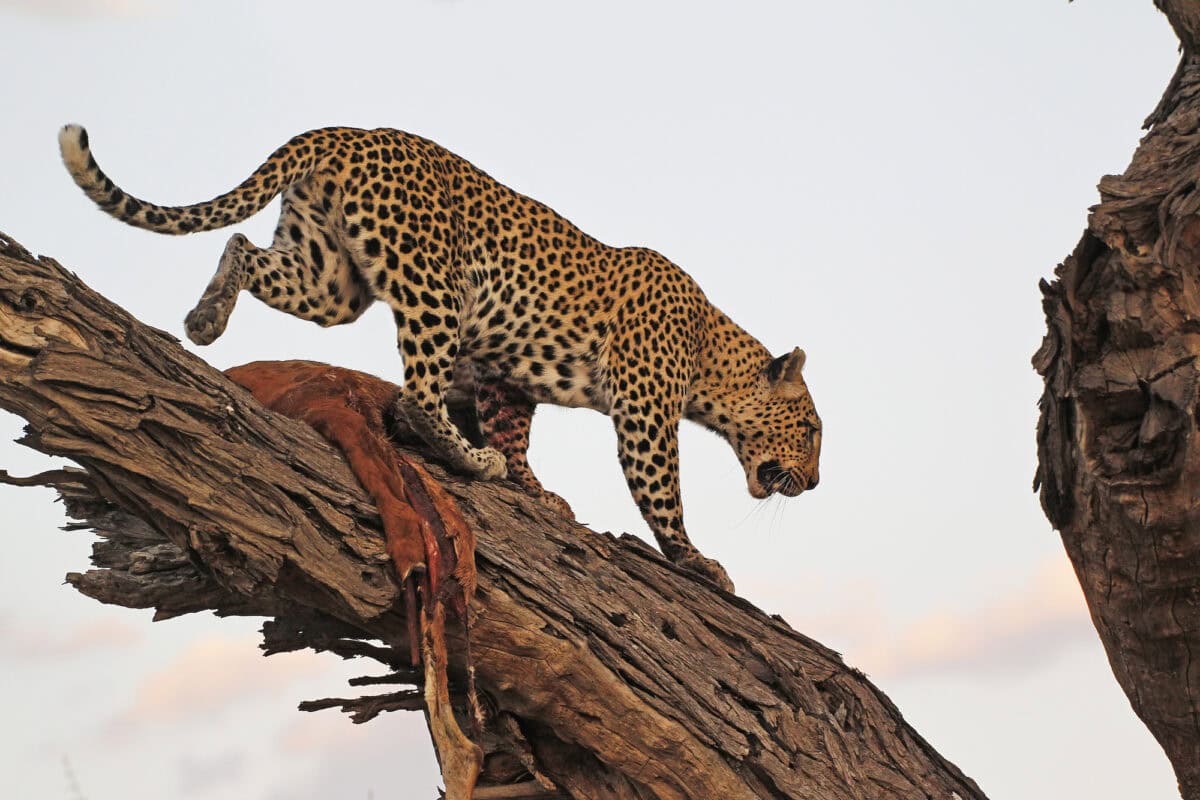
Sanctuaries frequently partner with governments, NGOs, and research organizations. These collaborations help secure funding, share knowledge, and enhance conservation strategies, ultimately benefiting the animals they serve.
How the Public Can Support Wildlife Sanctuaries
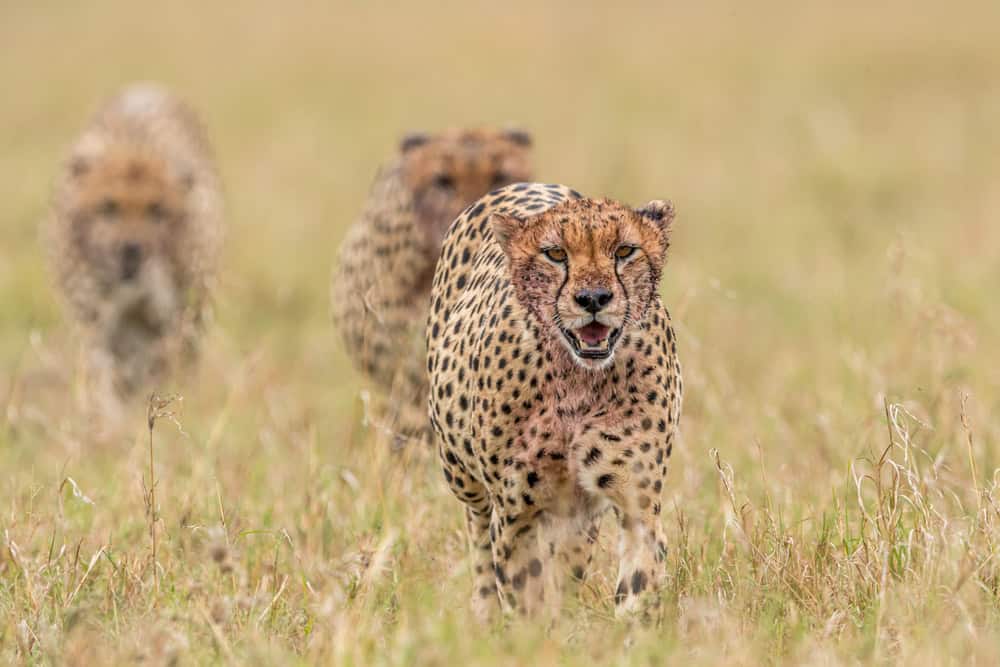
Individuals can support sanctuaries through volunteering, adopting animals, donating, or participating in their educational programs. Every form of support contributes significantly to the sustenance and expansion of sanctuary efforts.
Future of Wildlife Sanctuaries
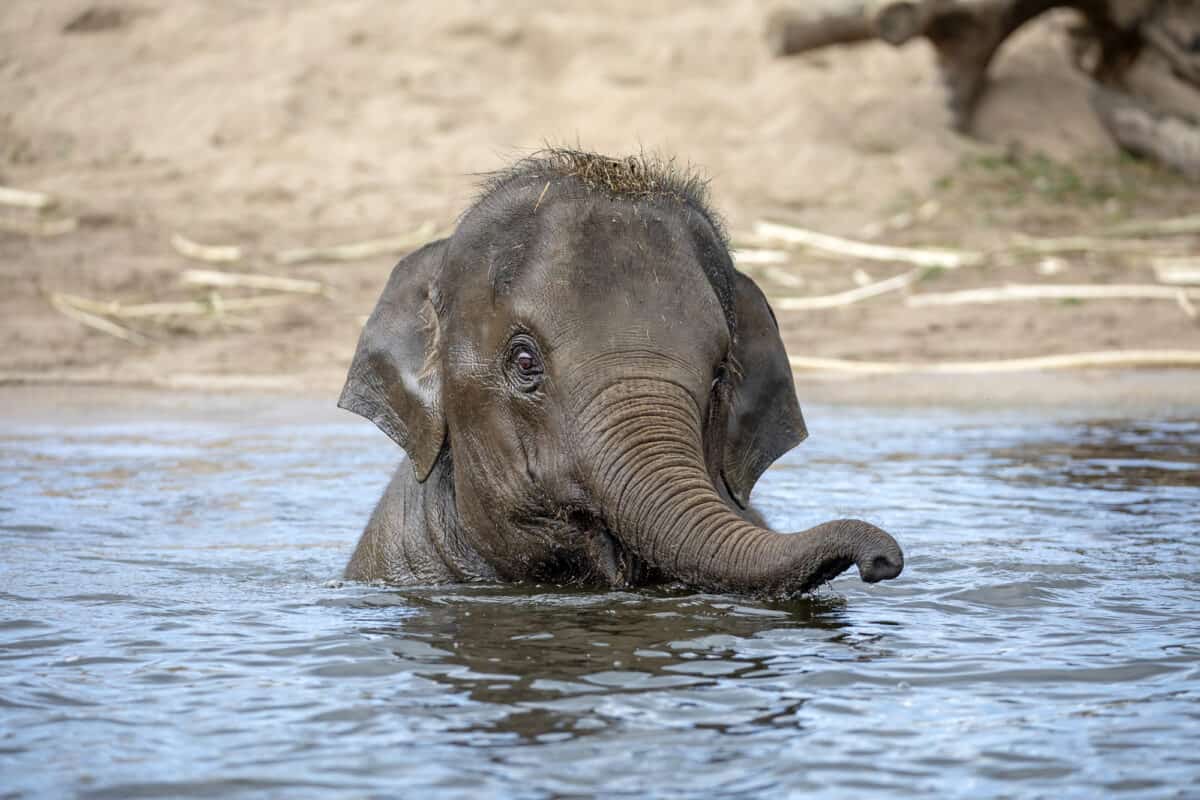
As threats to wildlife continue to rise, the role of sanctuaries will only become more crucial. Innovations in technology, along with increased global awareness, are paving the way for more effective animal care and conservation efforts. Expansion into urban areas and the use of virtual platforms can extend their reach and impact.
Wildlife sanctuaries are essential pillars in the field of animal protection. They offer a vital lifeline for rescued animals, provide educational opportunities for the public, and serve as stalwarts in the global conservation effort. Supporting these institutions is not only beneficial for animals but also crucial for biodiversity and the enduring health of our planet.

From exploring the marine wonders in the Azores and witnessing the vast savannas of Kenya, to delving deep into the rich biodiversity of South Africa and traversing iconic landscapes in Australia and the US like Yellowstone, Chris's experiences are vast.
With a penchant for diving alongside sharks, the ocean holds a special place in his heart.
Through his academic insights, he champions wildlife conservation, striving with 'Animals Around The Globe' to cultivate a profound connection between humans and animals, enhancing our mutual appreciation.
Connect with him at Feedback@animalsaroundtheglobe.com.
- This Monkey Has a Mustache - July 21, 2026
- How Steve Irwin Changed the World’s View of Wildlife - July 21, 2026
- The Catfish That Caused Earthquakes in Japanese Folklore - July 21, 2026