

You’ve probably noticed it a hundred times. You come home after a terrible day, say nothing, but your dog already knows. Maybe she tilts her head, presses against your leg, or offers a gentle lick. There’s something almost uncanny about how dogs seem to read us without needing our words at all.
Most people believe they understand their dogs pretty well. Yet new research suggests the opposite might be true. While dogs are remarkably good at recognizing human emotional expressions, our understanding of them is surprisingly weak. It seems dogs have evolved to pay exquisite attention to our faces, our body language, and the subtle shifts in how we carry ourselves. Meanwhile, we often miss what they’re trying to tell us entirely.
They’re Watching Your Face More Closely Than You Think
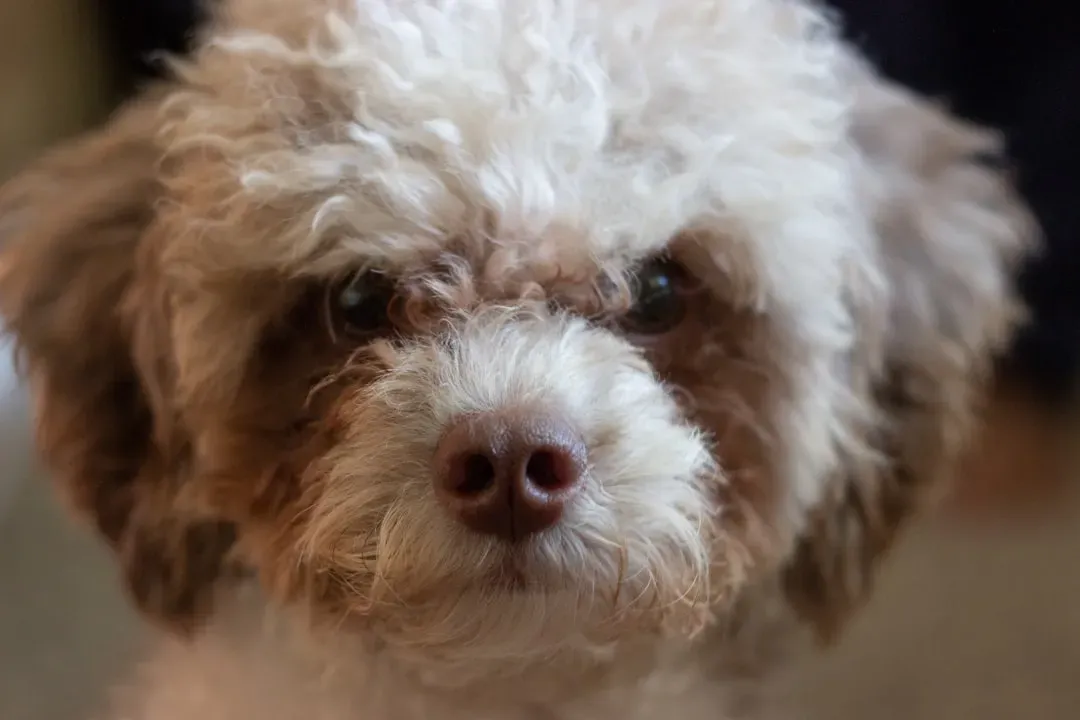
Dogs monitor our every move and know when we are rushed or relaxed, happy or mad, focused or available for play time. It’s not just casual observation. Non-verbal posture, gestures, body carriage, and facial expressions communicate ninety percent of what humans have to say, so dogs have learned to monitor these physical actions very closely.
Research using eye-tracking technology reveals how dogs allocate their gaze when looking at us. Dogs pay particularly close attention to human facial expressions, perhaps because we don’t have tails and our ears don’t move. They’ve essentially learned to compensate for our lack of canine communication features by becoming experts at reading what we do have.
Dogs Can Distinguish Between Happy and Angry Faces
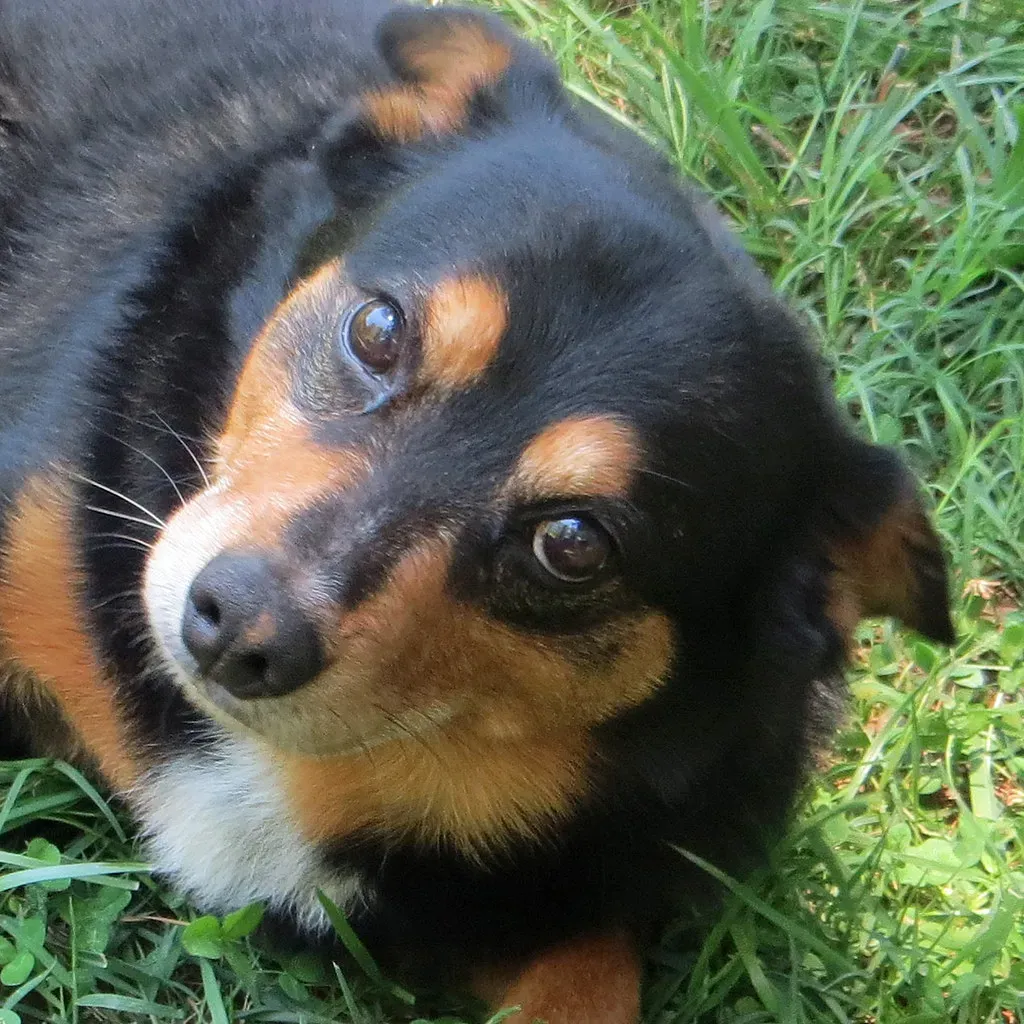
Scientists demonstrated that dogs differentiate between happy and angry human faces, and that dogs find angry faces to be aversive. That’s not just learned behavior from repeated scolding. Dogs actually process human facial expressions in dedicated brain regions.
Dogs have a dedicated region in their brain for processing facial expressions, similar to humans and nonhuman primates. When neurobiologists used functional MRI to study canine brains, they found specialized areas that light up when dogs view human faces. Honestly, it’s a bit humbling to realize they’ve devoted actual brain real estate to understanding us.
Emotional Recognition Works in Real Time With Authentic Emotions
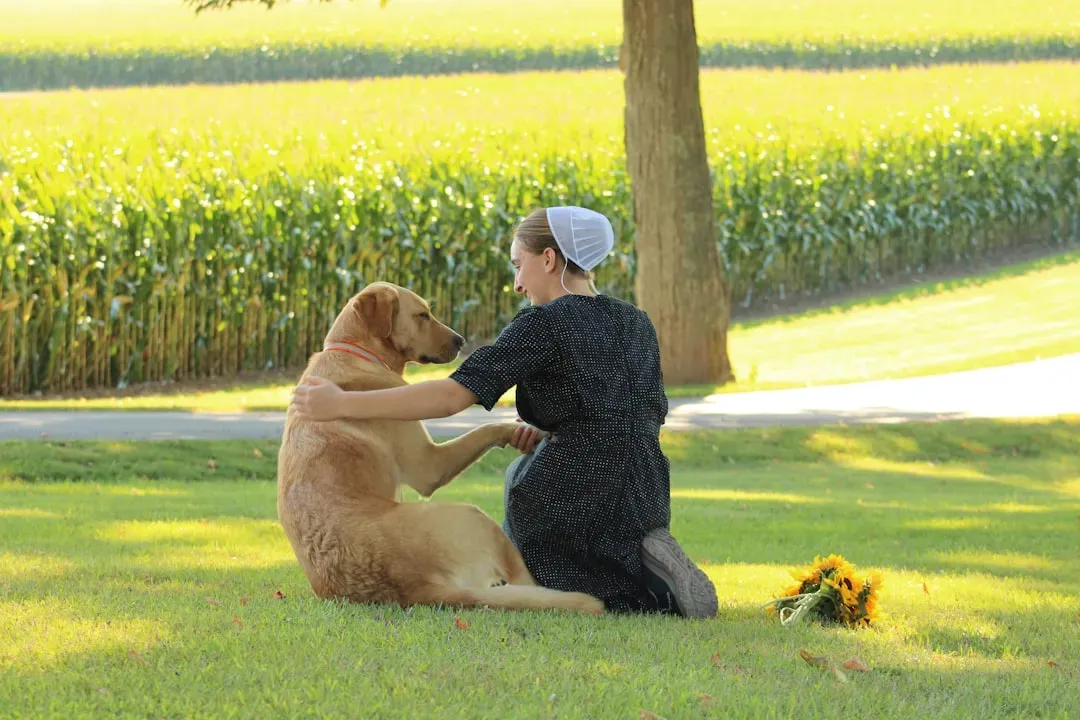
Dogs behaved differently depending on the owner’s emotional state: they gazed and jumped less at owners when they were sad, and their compliance with the ‘sit’ command was also diminished. This comes from a study where owners genuinely experienced different emotions, not acted ones. Researchers found that dogs behaved differently depending on their owner’s emotion, performing better at a training task with a happy owner.
What struck me about this research is that the owners didn’t even realize their emotions were being tested. Researchers did not notice any obvious behavioral changes in the owners between sessions, and the owners themselves believed that the focus of the study was on how to train their dog to perform the task. Thus, it is very likely that dogs’ behavior was actually influenced by the emotional state of the owner. Your dog picks up on things you don’t even realize you’re broadcasting.
The Oxytocin Connection Creates a Bonding Loop
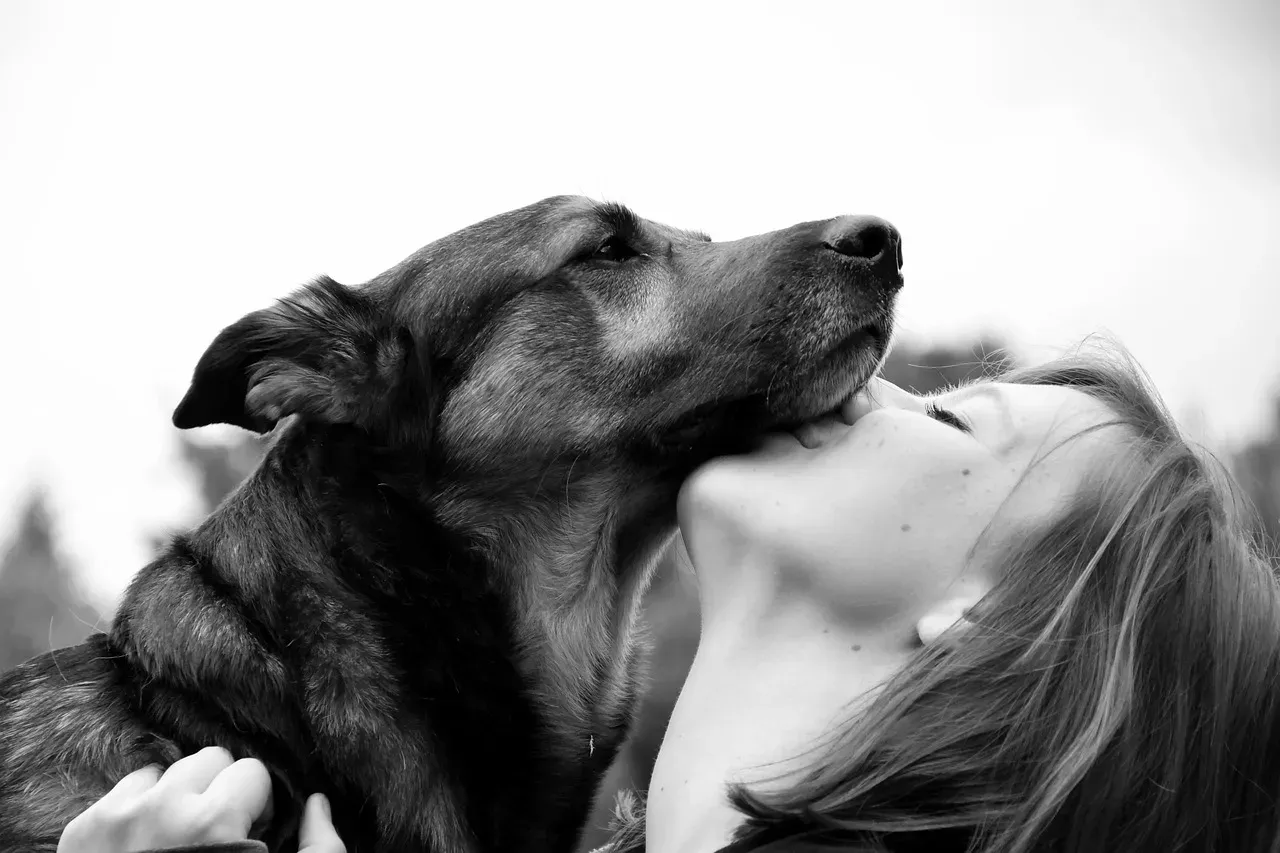
Mutual gazing increased oxytocin levels, and administering oxytocin increased gazing behavior in dogs, which in turn increased urinary oxytocin concentrations in owners, supporting the existence of an interspecies oxytocin-mediated positive loop facilitated by gazing. This is the same hormonal system that bonds mothers to infants.
Human-dog interactions elicit the same type of oxytocin positive feedback loop as seen between mothers and their infants. When you and your dog gaze into each other’s eyes, you’re both experiencing a neurochemical event that deepens your bond. In the domestic dog, oxytocin enhances social motivation to approach and affiliate with conspecifics and human partners, which constitutes the basis for the formation of any stable social bond. It’s a remarkable evolutionary adaptation that makes dogs uniquely suited to connect with us on an emotional level.
Meanwhile, We Struggle to Read Their Emotions Accurately
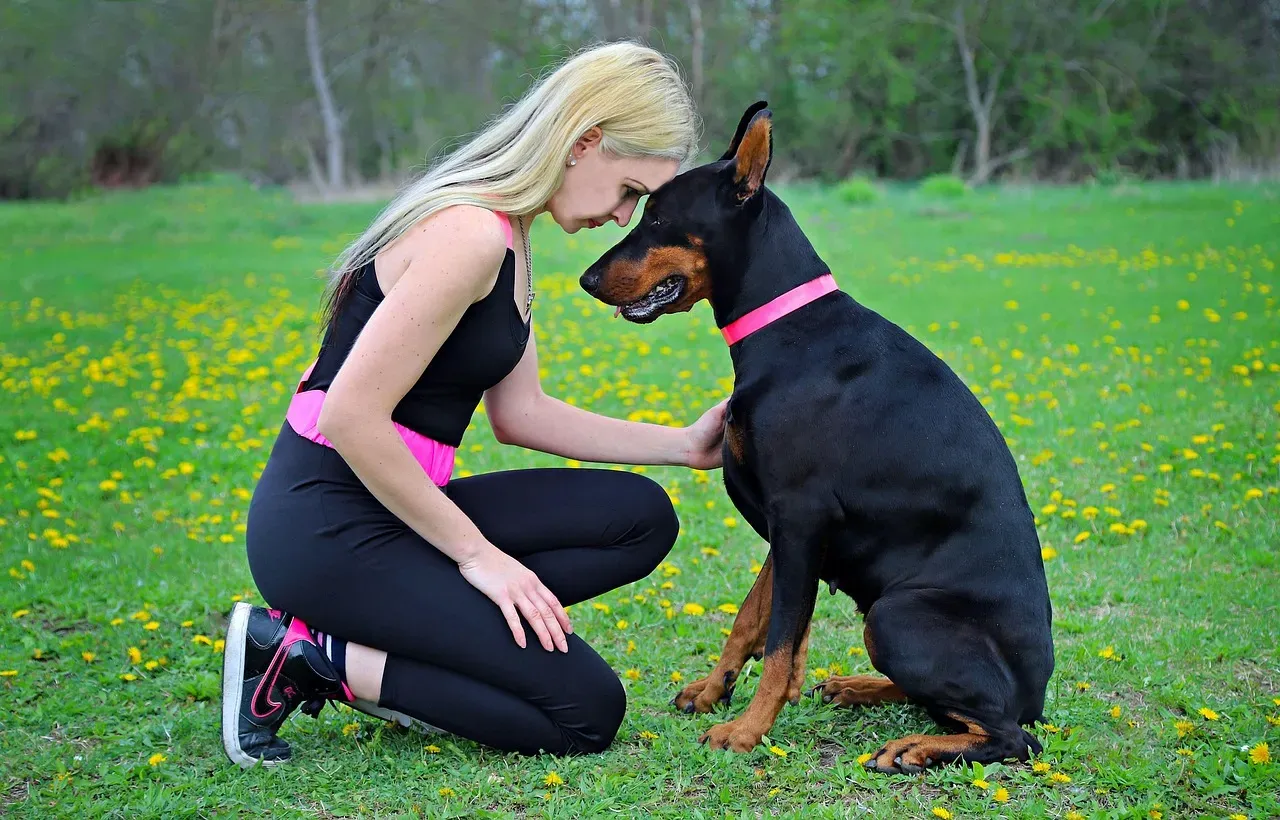
Here’s the uncomfortable truth. People often do not perceive the true meaning of their pet’s emotions and can misread their dog, due to a human misunderstanding of dog expressions and a bias towards projecting human emotions onto our pets. Humans typically do not have a good understanding of the emotional state of their dog because they judge the dog’s emotions according to the context of the event they witness, looking at the situation surrounding the dog rather than what the dog is actually doing.
Researchers tested this by showing people videos of dogs in various emotional states, then switching the context around. People consistently judged the dog’s mood based on the background situation rather than the dog’s actual behavior. We think that guilty look means our dog knows she did something wrong, but it might just mean she’s scared of our anger.
Why This Emotional Intelligence Matters for Your Relationship
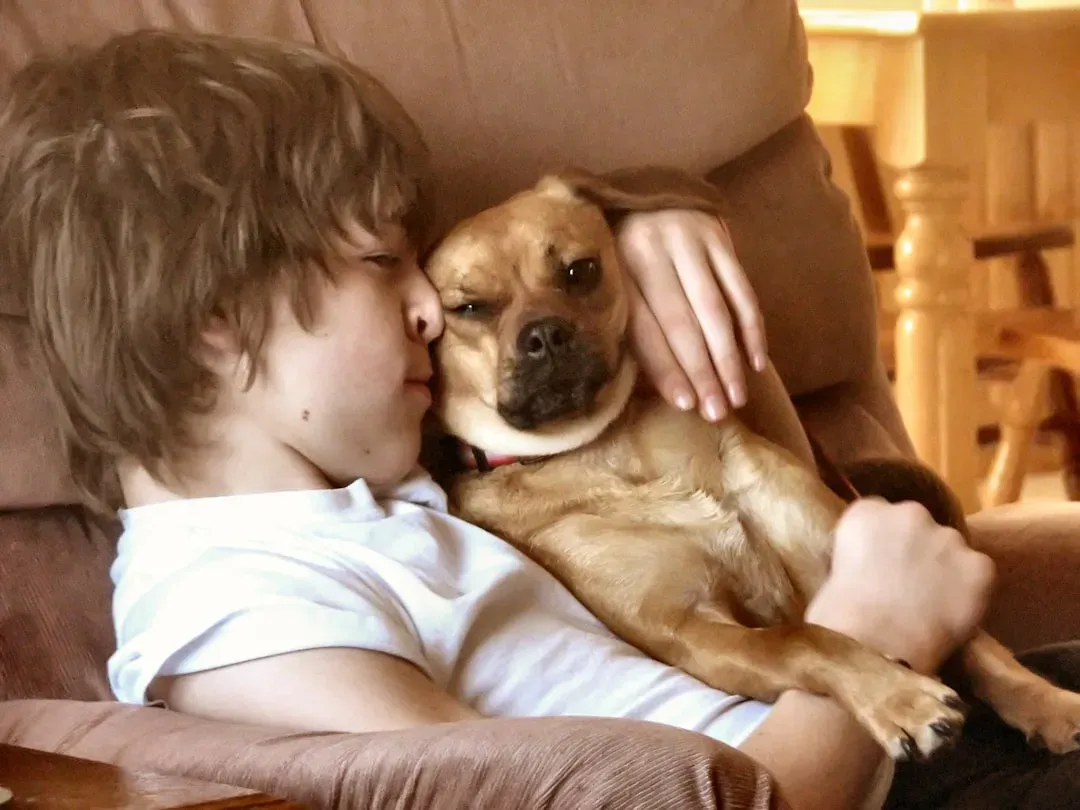
Dogs’ ability to perceive and distinguish human emotions is highly valuable, and by better understanding how dogs respond to human emotions, the relationship between humans and dogs will only improve, leading to improved training regimes, fewer confrontations, and new areas of cooperation. This isn’t just academic curiosity.
When we recognize how carefully our dogs study us, we can become more mindful about what we’re communicating. Every dog’s personality and emotional expressions are unique to that dog, so paying attention to your own dog’s cues and behaviors, knowing that you need to overcome a bias to view the situation rather than the dog himself, can lead to a stronger bond between the two of you. Taking that extra moment to actually observe what your dog is telling you, rather than assuming based on context, transforms how you interact.
Dogs have spent thousands of years learning to understand us. Maybe it’s time we returned the favor with equal attention and care. What surprised you most about how dogs read our emotions?
