

Dolphins are often celebrated for their intelligence, playfulness, and intricate social structures. In the wild, these charismatic marine mammals exhibit fascinating behaviors, one of which is forming alliances. These alliances are essential to their survival and success, providing insights into the social complexity of these extraordinary creatures. This article delves into why dolphins form alliances, exploring the benefits these coalitions provide, the societal structure they support, and the extensive communication methods employed by these aquatic allies.
Understanding Dolphin Society

Dolphin societies are complex and dynamic, characterized by fluid group compositions. Unlike many other animals, dolphins typically do not adhere to fixed pod structures. Instead, they form loose, fission-fusion societies where group membership frequently changes. This flexibility allows dolphins to create alliances that serve various purposes within their social and environmental contexts.
The Importance of Alliances in Dolphin Populations
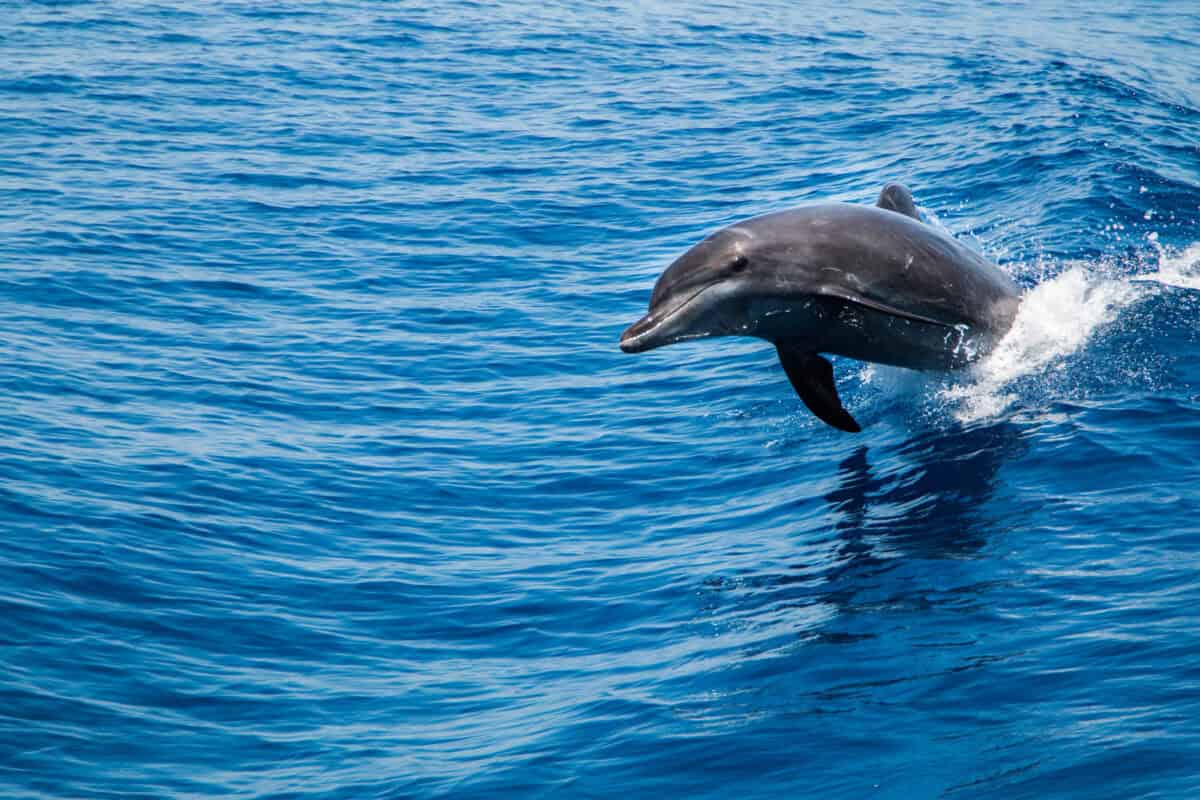
Alliances in dolphin communities are not just social constructs; they are strategic partnerships that enhance individual survival and reproductive success. Through alliances, dolphins can access resources, improve foraging efficiency, and protect themselves from predators. These relationships are crucial in navigating their dynamic ocean habitats.
Evolutionary Advantages of Forming Alliances
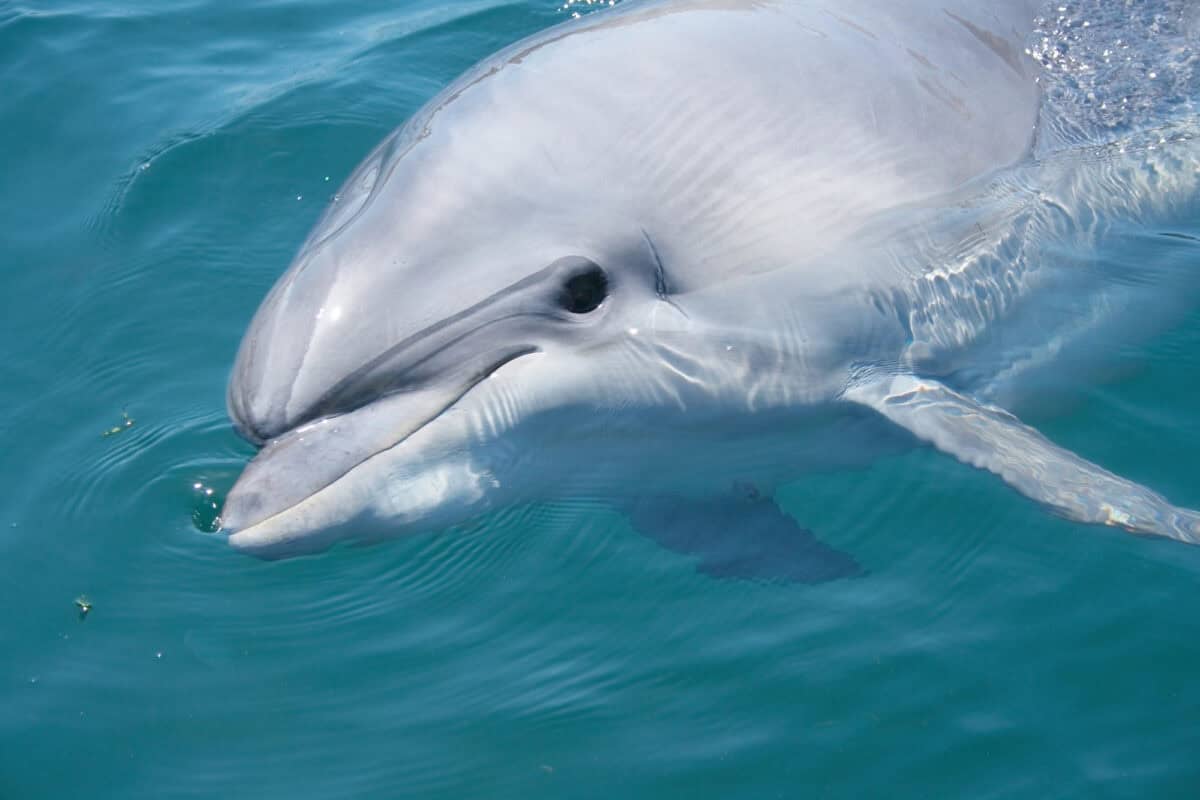
The evolutionary advantages of forming alliances among dolphins are significant. By cooperating, dolphins can increase their fitness by gaining access to mates and limited resources. These alliances are often long-term and can involve complex social bonds between individuals, suggesting a high level of social intelligence and cooperation.
Competition and Cooperation Among Male Dolphins

One of the most intriguing aspects of dolphin alliances is the cooperation among male dolphins. In many species, male dolphins will form stable alliances to compete for access to females. These male coalitions can work together to fend off rival groups and improve their chances of successful mating, illustrating a unique balance of competition and cooperation.
Female Dolphins and Their Social Networks
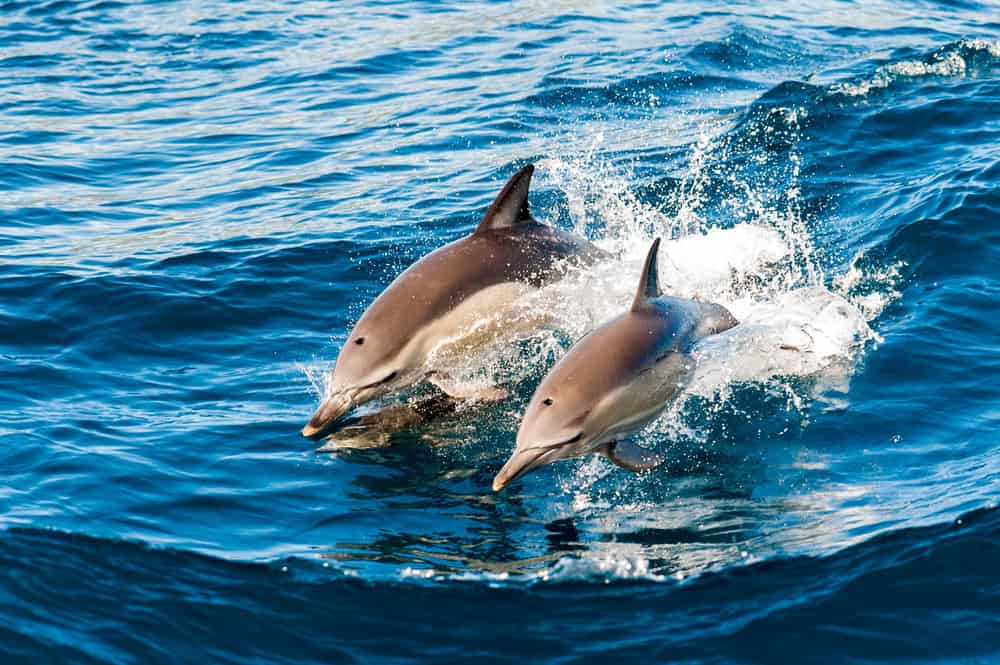
While male alliances often revolve around competition for mates, female dolphins tend to form networks that support child-rearing and foraging. These social bonds among females can provide mutual benefits such as increased protection for calves and enhanced access to food sources, underscoring the adaptive nature of these alliances.
Communication: The Key to Successful Alliances

Effective communication is a cornerstone of successful alliances in dolphin societies. Dolphins employ a vast array of vocalizations, including clicks, whistles, and body language, to convey information and coordinate activities within their groups. The complexity and richness of their communication are integral to maintaining social cohesion.
Fission-Fusion Dynamics: Flexibility in Alliance Formation

In dolphin societies, fission-fusion dynamics allow for tremendous flexibility in alliance formation. This social structure enables dolphins to join or leave groups based on current environmental conditions and social needs. Such adaptability is crucial for maximizing survival in changing marine environments.
Case Studies: Bottlenose Dolphins and Their Alliances

Bottlenose dolphins offer a well-documented example of alliance formation. Research shows differing alliance tiers, where primary and secondary alliances are formed, often including unrelated individuals. These sophisticated structures highlight the role alliances play in facilitating social strategies to achieve mutual benefits.
The Role of Memory and Learning in Maintaining Alliances

The cognitive abilities of dolphins play a significant role in the formation and maintenance of alliances. Dolphins possess excellent memories and learning capabilities, allowing them to remember allies and recognize individuals within their social networks. This skill helps in building trust and cooperation, vital components for sustaining complex alliances.
Environmental Pressures Driving Alliance Formation

Environmental pressures, such as resource availability and predation risk, drive alliance formation in dolphins. By forming strategic partnerships, dolphins can more efficiently explore new areas for food and protect against potential threats. These alliances thus represent adaptive responses to external pressures.
Comparisons to Other Animal Species

While alliances are a distinctive feature of dolphin societies, similar behaviors are observed in other animal species like primates and elephants. These comparative studies provide valuable insights into the evolutionary roots and benefits of social alliances, highlighting universal principles of social behavior in the animal kingdom.
Challenges and Future Research Directions

Despite significant advances, many aspects of dolphin alliances remain understudied. Future research could explore the influence of human activities on these alliances, the genetic factors involved in alliance preferences, and the long-term outcomes of these complex social structures. Understanding these factors can aid conservation efforts and foster a deeper appreciation of dolphin societies.
In conclusion, the formation of alliances in dolphin societies is a testament to their intelligence, adaptability, and social sophistication. These alliances not only enhance survival and reproductive success but also provide a fascinating glimpse into the complex social lives of marine mammals. As we continue to investigate these behaviors, we gain valuable insights into the evolutionary pressures and cognitive capacities that shape such intricate social networks in the wild.

- The Glasswing Butterfly: Nature’s Invisible Beauty - July 21, 2026
- What Happens If a Whale Dies in the Ocean? - July 21, 2026
- Why You Should Stop Feeding Ducks at the Park - July 21, 2026