
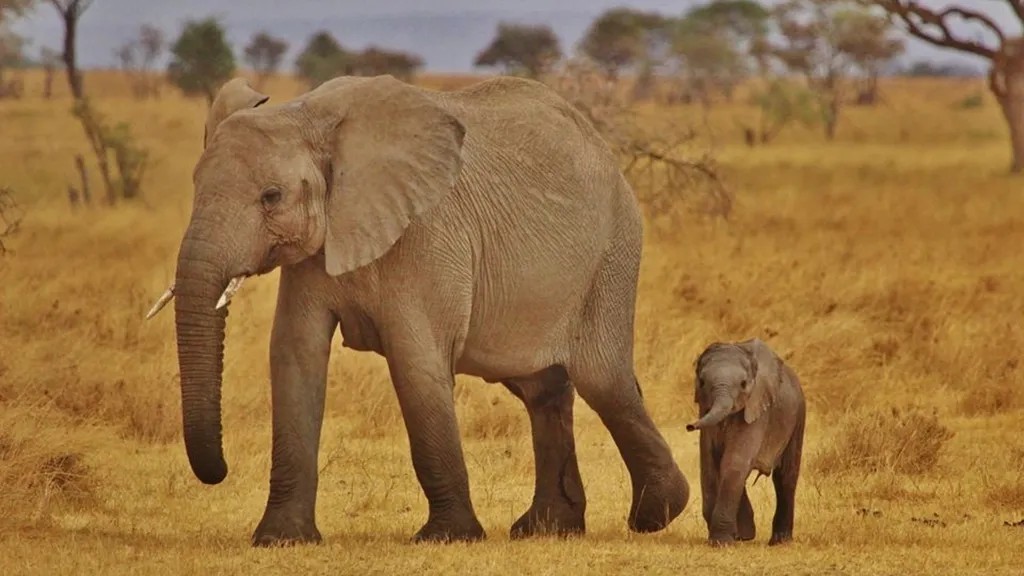
There is a scene that wildlife researchers have described more than once and never quite gotten used to. A herd of elephants crosses a stretch of open savanna and then, without any obvious environmental cue, slows down. They converge on a particular spot, lower their trunks, and go still. Beneath them, scattered in the dry grass, are bones. The bones of one of their own.
This is not a rare accident of nature. Field research has confirmed that this behavior extends beyond the immediate aftermath of death, with elephants returning to the sites where herd members had died, even years later when only bones remain. What drives them back, again and again, to a place that holds nothing living? The answer is both scientifically grounded and quietly profound, touching on memory, grief, social bonds, and what it might mean to be aware of mortality at all.
#1: They Know Whose Bones These Are
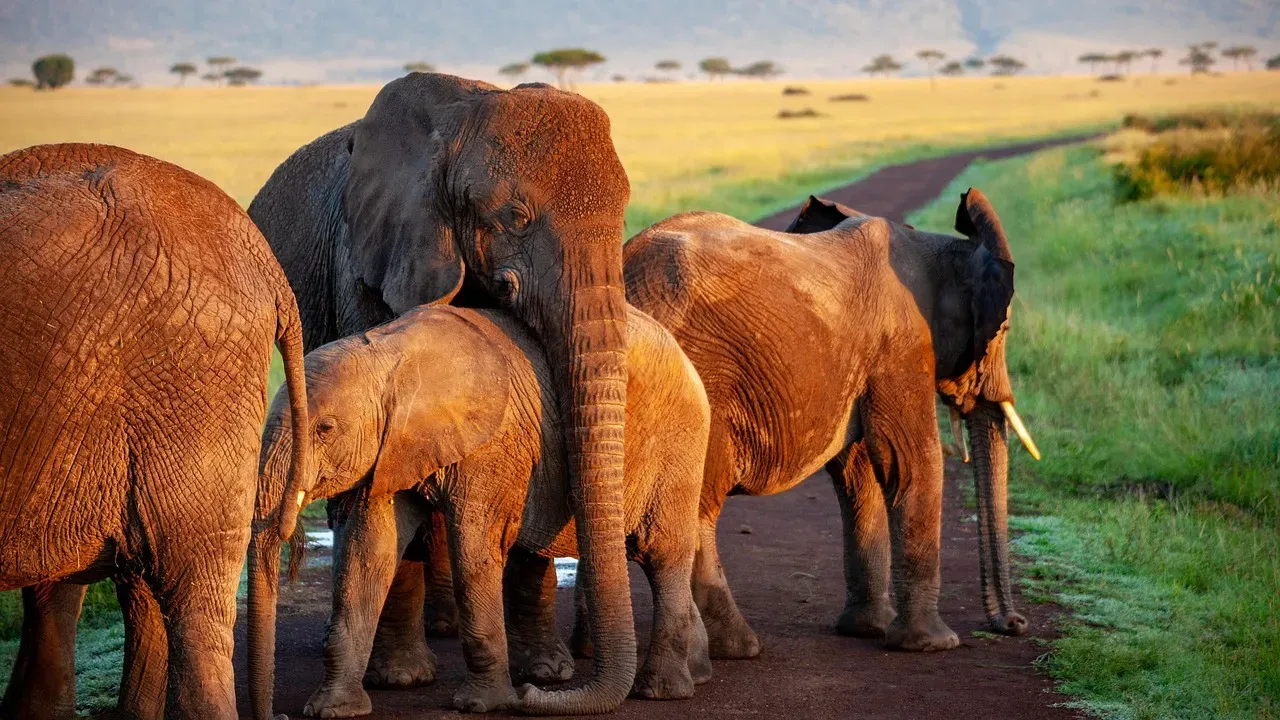
One of the most striking things about elephants and their dead is the specificity of their attention. What particularly fascinated scientists was that elephants didn’t show the same level of interest in the remains of other animal species. Their attention seemed specifically directed toward elephant remains. This isn’t generalized curiosity about bones as objects. It’s something more targeted.
Studies conducted in Amboseli National Park in Kenya have shown that elephants can distinguish elephant bones from those of other large mammals. When given a choice, they consistently show more interest in elephant remains, particularly skulls and tusks. They show particular interest in the bones of elephants compared to those of other animals, indicating they can distinguish remains of their own species.
The temporal lobe in elephants is proportionally larger than that of humans, which might explain their extraordinary recall. They can recognize the bones of deceased family members years after death, distinguishing them from the remains of strangers. There is something almost forensic about the way they investigate. Elephants will often investigate remains, using their trunks to gently touch and explore the bones, tusks, and even the ground where an elephant died.
#2: Memory That Outlasts a Lifetime
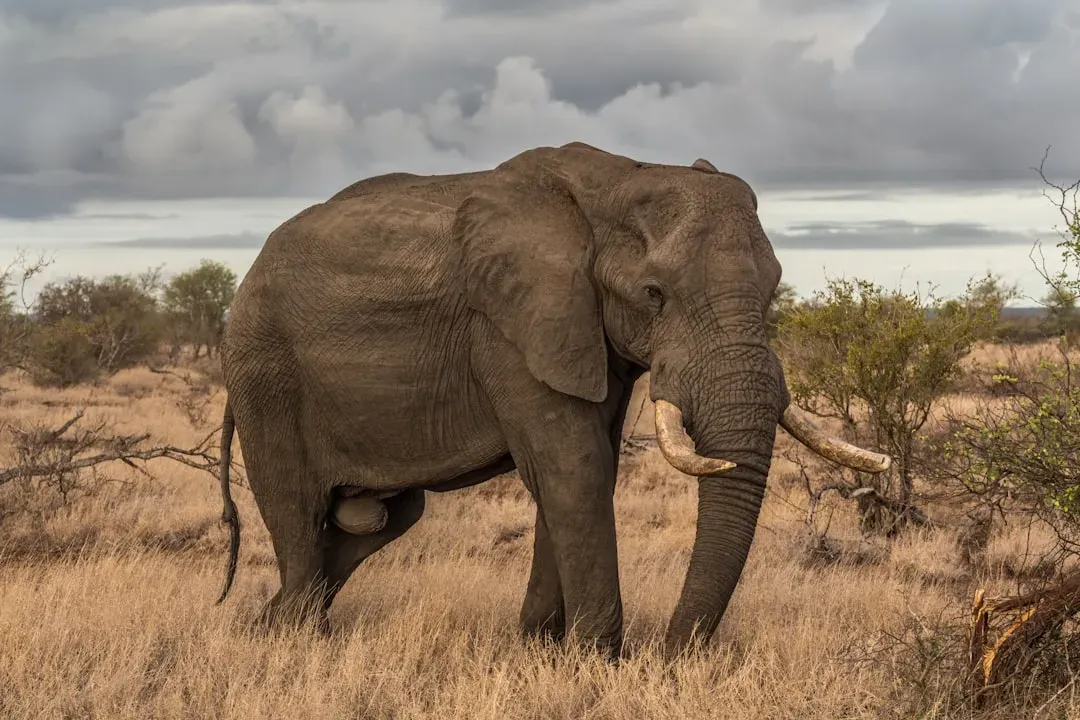
The elephant’s relationship with its dead is inseparable from its extraordinary capacity for memory. Researchers have found that elephants have a remarkable memory, which plays a crucial role in their mourning behaviors. They can recognize individual elephants even after many years apart, and the loss of a family member is not something they simply forget.
In a groundbreaking study published in the journal Animal Behaviour, researchers played recordings of long-deceased matriarchs to elephant families. Elephants showed strong recognition responses to recordings made twelve to twenty-three years earlier, demonstrating that vocal memory persists across decades. That’s not just impressive. It reshapes how we think about what an animal is capable of carrying within itself.
Research confirms that elephants have an olfactory memory longer than one year and up to twelve years, and can distinguish between kin and non-kin just by scent. These findings confirm the significance of scent for family bonds in African elephants. When they approach a scatter of bones, they may be doing something closer to recognition than investigation. Elephants can identify bone sites of deceased herd members years later, suggesting they maintain mental representations of individuals after death.
#3: A Grief-Like Response That Science Takes Seriously
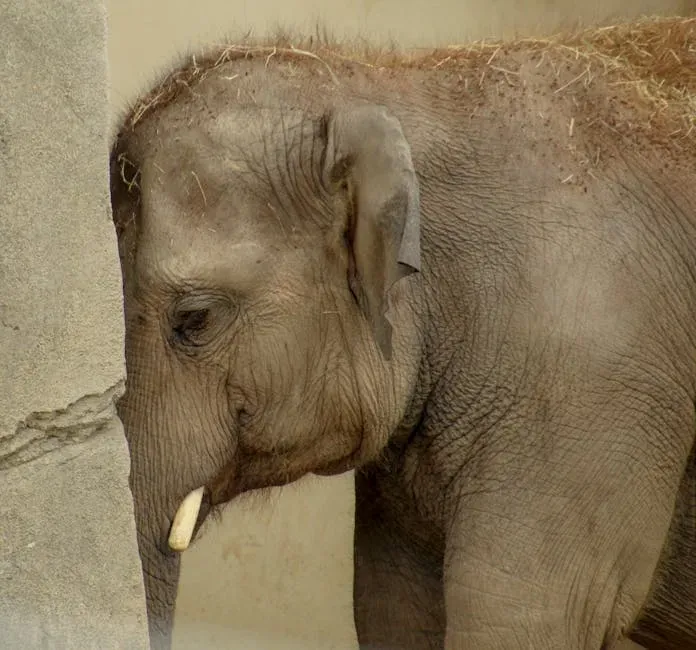
For a long time, attributing grief to animals was seen as a scientific misstep, a form of projection rather than observation. That position has grown harder to maintain. Researchers have extensively studied this behavior, and it now appears to be a deliberate, emotionally driven practice rather than simple curiosity. The patterns are simply too consistent to wave away.
Research has revealed several key aspects: elephants will often investigate remains using their trunks to gently touch and explore the bones, they may spend considerable time near the remains, far longer than they would near other non-food objects, and periods of quiet observation have been noted, possibly indicating a form of mourning. The silence is what many field researchers find most striking.
The loss of a calf represents one of the most distressing events for elephant mothers, who may display intense and prolonged grieving behaviors. Mother elephants have been observed carrying or guarding the bodies of deceased calves for days or even weeks. They may refuse to leave the calf’s side, showing signs of agitation when other herd members attempt to move them along. Researchers identified five calf burials conducted by Asian elephants in the north of India’s Bengal region in 2022 and 2023. In each case, a herd carried the deceased calf by the trunk and legs before burying it in the earth.
#4: The Matriarch and the Weight of Collective Loss
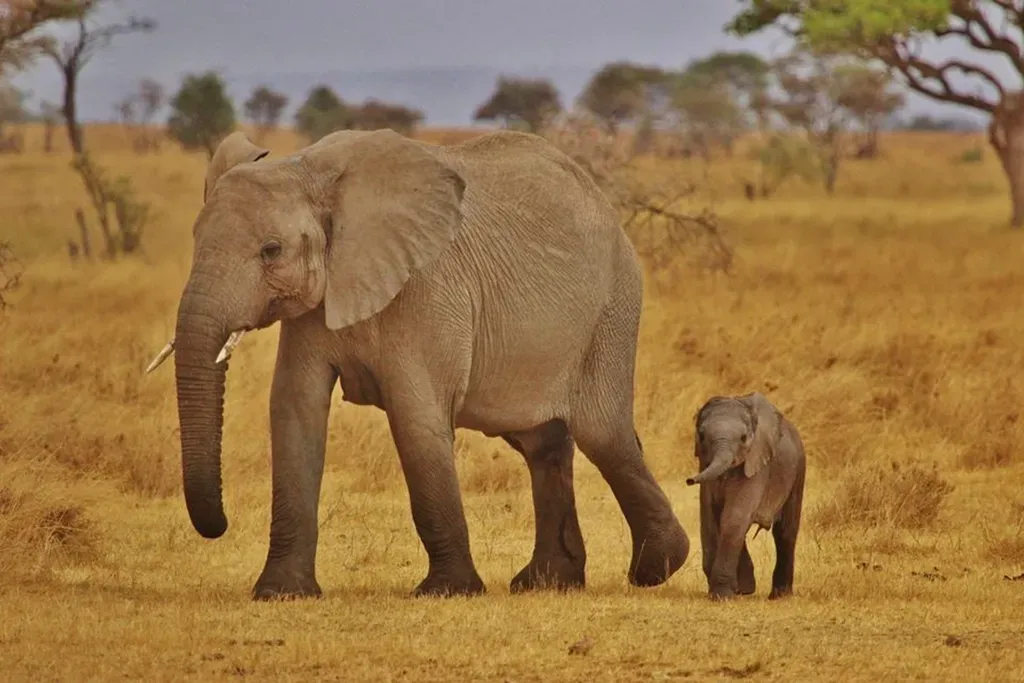
Elephant society is built on long-term bonds, and at the center of every herd stands the matriarch. At the helm of every elephant herd is a matriarch, an experienced, older female who serves not only as the group’s leader but also as its memory keeper, decision-maker, and protector. The matriarch is the anchor of elephant society, a figure of immense knowledge and emotional intelligence honed through decades of life in the wild.
When she dies, the loss is not just emotional. It has real survival consequences. When a long-term matriarch dies, the stability of the herd can be severely tested, particularly if the successor is young and inexperienced. The loss of her accumulated knowledge, especially regarding critical migratory routes and water sources, can lead to increased stress and lower survival rates for the entire group. The loss of an influential matriarch can cause the family unit to become disoriented, leading to a breakdown of social bonds.
Researchers from the Amboseli Trust for Elephants have documented family groups returning repeatedly to the death sites of matriarchs, sometimes for years after the death occurred. The returns are not random. Elephants demonstrate remarkable spatial memory and have been observed returning to the locations where family members died, sometimes years after the death occurred. When passing by these sites, herds often pause, become quiet, and may touch or investigate any remaining bones. This suggests that elephants not only remember specific individuals but also associate particular locations with past losses.
#5: A Behavior That May Be Learned, Not Just Felt
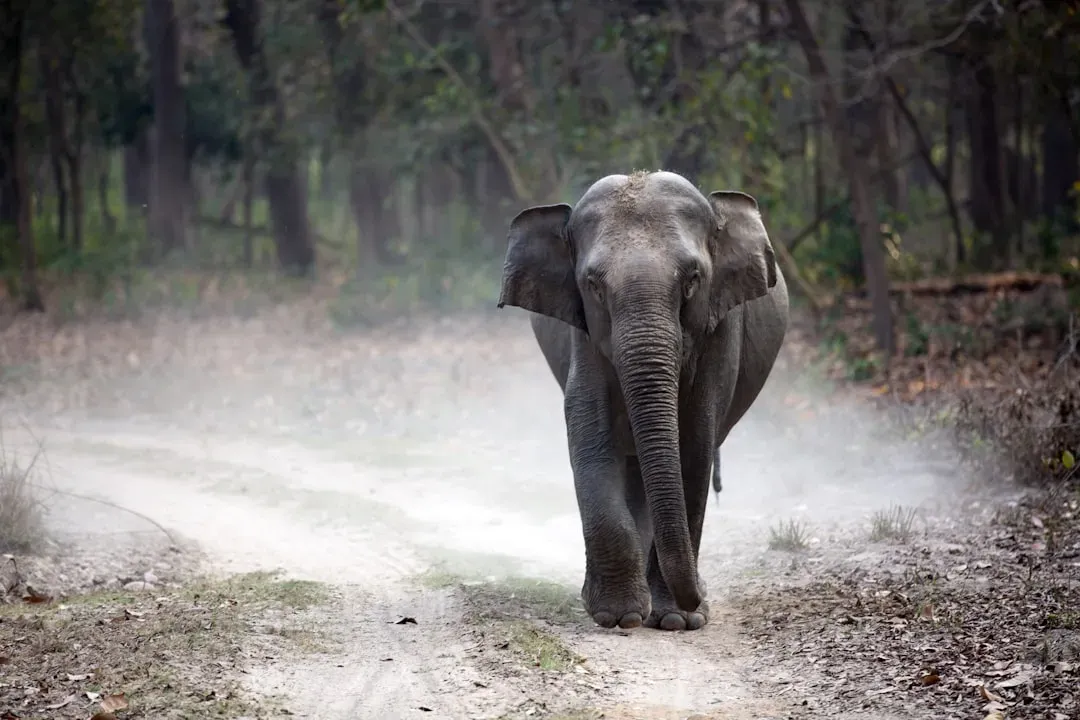
Perhaps the most unsettling and fascinating dimension of this behavior is the possibility that it is culturally transmitted. This isn’t scavenging or territorial behavior. It’s ritualistic, and it happens with a frequency that suggests it’s culturally transmitted. Young elephants watch older ones perform these actions and later replicate them, which implies learned behavior rather than pure instinct.
Observations show elephants visiting the bones or remains of deceased herd members, gently touching skulls or tusks, behaviors that suggest recognition and remembrance. These responses indicate that elephants retain memories not only of physical places and individuals but also of emotional experiences. From a neurological perspective, this emotional memory involves the limbic system. The amygdala, a key part of the limbic system, interacts with the hippocampus to attach emotional significance to memories, helping elephants recall past experiences with emotional context that influences future behavior and social bonds.
Some researchers propose that elephants possess a rudimentary understanding of death’s permanence, as evidenced by their changed behavior toward deceased individuals versus temporarily absent ones. While we cannot know precisely what elephants comprehend about mortality, their behavior suggests a level of death awareness that exceeds that of most non-human animals. There is one recorded incident that captures this perfectly. Local people butchered an elephant for meat, then moved the carcass half a mile away. That night, elephants returned a shoulder blade and leg bone to exactly the spot where the elephant had fallen. Whatever word we reach for to describe that, “instinct” probably isn’t enough.
A Quiet Mirror Held Up to Us
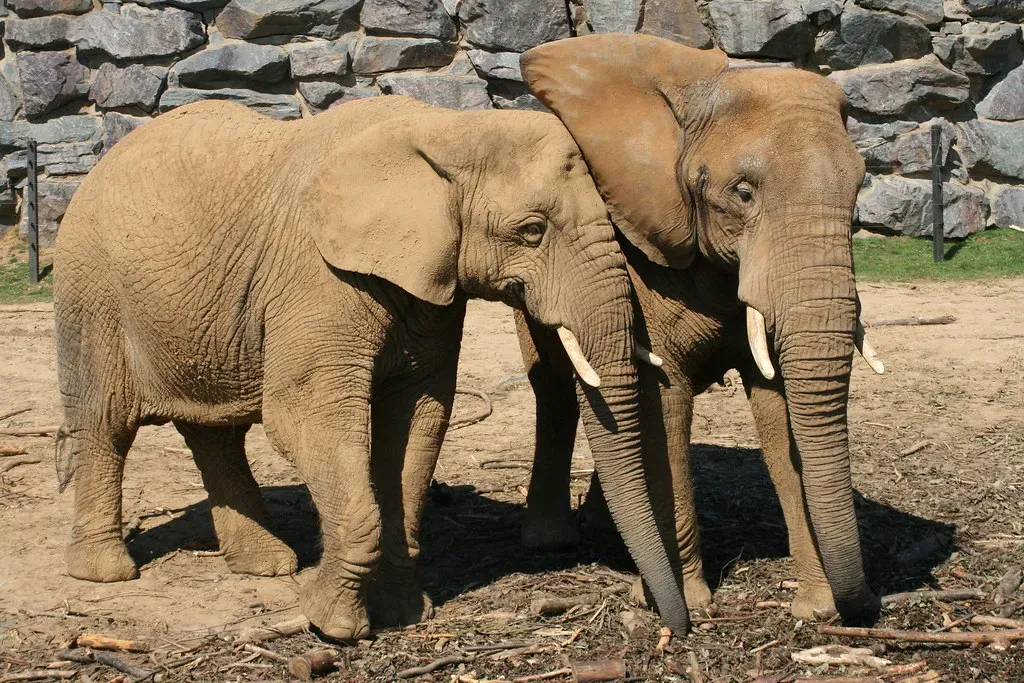
The science here does not claim that elephants grieve exactly as humans do. Researchers are careful to note that we can’t access another species’ inner experience directly. What they can say, and increasingly do say, is that while we can’t know for certain what elephants are feeling, their behaviors, such as touching the remains, lingering, and quiet observation, strongly suggest a grief-like response.
Of the entire animal kingdom, perhaps elephants most mirror the human grieving process. They return to the bones not because they are confused about death, but seemingly because they remember a life. The sheer consistency of this behavior across decades of field research, across both African and Asian species, across herds that have never encountered each other, points to something real and significant in the biology of these animals.
What remains quietly remarkable is this: among all the vast, open spaces an elephant could walk through, they choose to return to that one particular patch of ground. They know where it is. They always have. That kind of remembering, carried across years and miles, says something about the nature of loss that no laboratory can fully quantify.
