
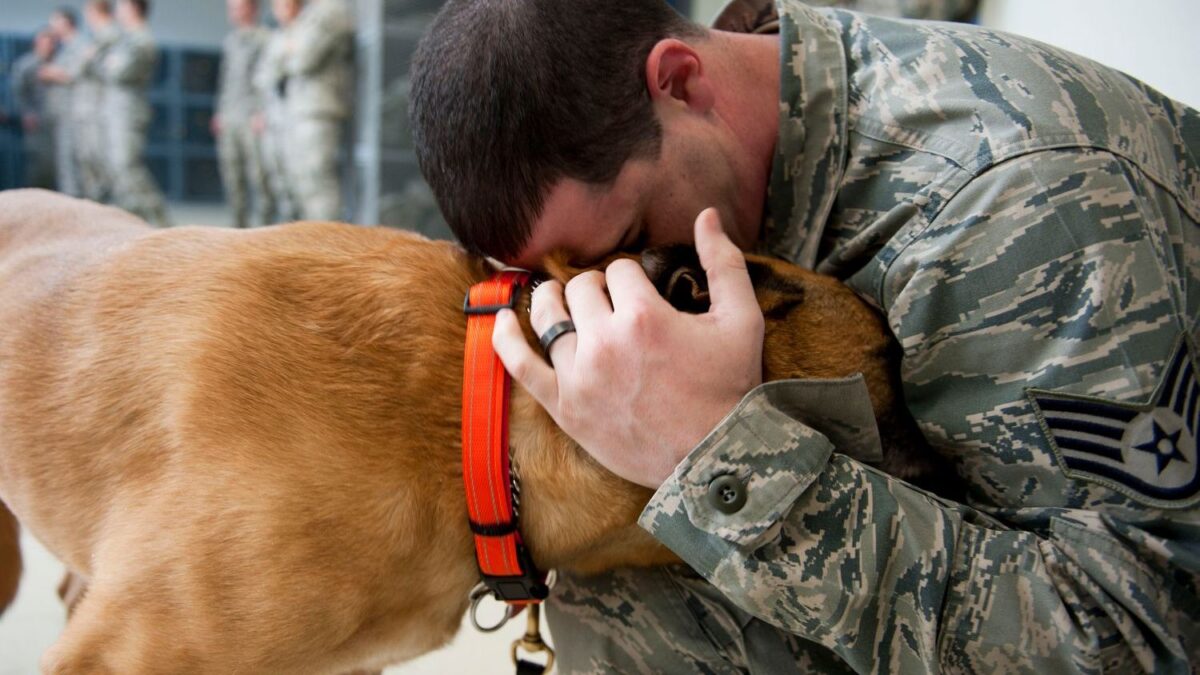
Think about the last time you walked through an animal shelter. Chances are, your eyes immediately locked onto those bouncing puppies or playful kittens. That’s natural. But pressed against the kennel walls in the quieter corners sit older animals whose eyes tell a different story, one of patience, wisdom, and an almost desperate hope.
Recent data shows a noticeable decrease in adoptions of senior cats and dogs compared to their juvenile counterparts. While younger animals get swept up quickly into loving homes, senior dogs have only a 25% adoption rate, compared to the 60% adoption rate of younger dogs and puppies. The numbers paint a stark reality for these animals. Yet here’s the thing most people miss: adopting a senior pet might actually be one of the smartest decisions you’ll ever make.
They Come With Life Experience Already Built In

Professional trainers note that an older dog will have life experiences that help them be more confident in certain situations, and they’ll also have more focus and might be able to learn skills quickly. Let’s be real, you’re not going to spend months cleaning up accidents or replacing chewed furniture. Older dogs are typically housebroken and are still capable of learning new behaviors.
Senior dogs are already full-grown, which means pet parents know exactly what to expect, including the dog’s temperament when adopting a senior. Honestly, there’s something liberating about skipping the unpredictability phase. You’re not gambling on whether that adorable puppy will grow into a calm companion or a hyperactive whirlwind. These experienced companions come with established personalities and skip the demanding puppy phase.
Their Calm Demeanor Makes Them Perfect for Modern Living
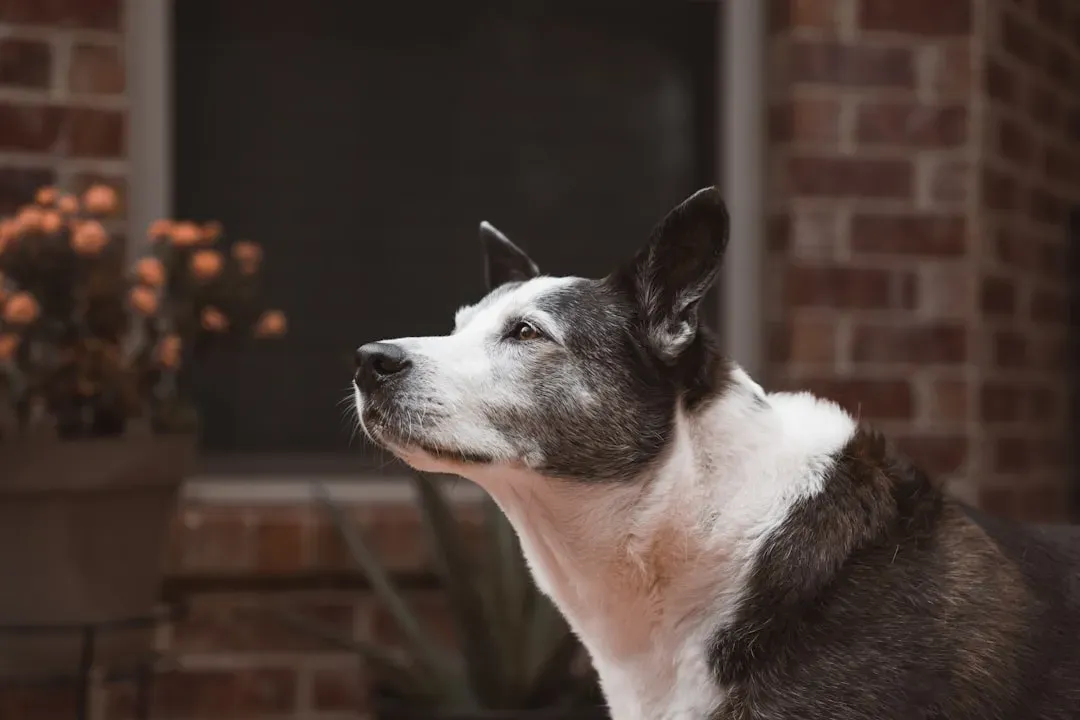
Senior dogs are often overlooked in shelters, but their calm temperaments and low energy levels make them ideal companions, as they are generally calmer and more relaxed due to their older age. Think about your actual daily life for a moment. How many hours can you genuinely dedicate to training, exercising, and supervising a young, energetic animal?
Senior dogs are typically calmer and great for families or single households. They tend to be calmer, often house-trained, and ready to settle in right away. If you work from home, a senior pet won’t be climbing your curtains during video calls. If you have young kids, you won’t be constantly worried about an overexcited puppy knocking them over. Families used to living a more relaxed lifestyle, but who still want to add a canine companion, can benefit from choosing a senior dog.
You Actually Save a Life in the Most Literal Sense
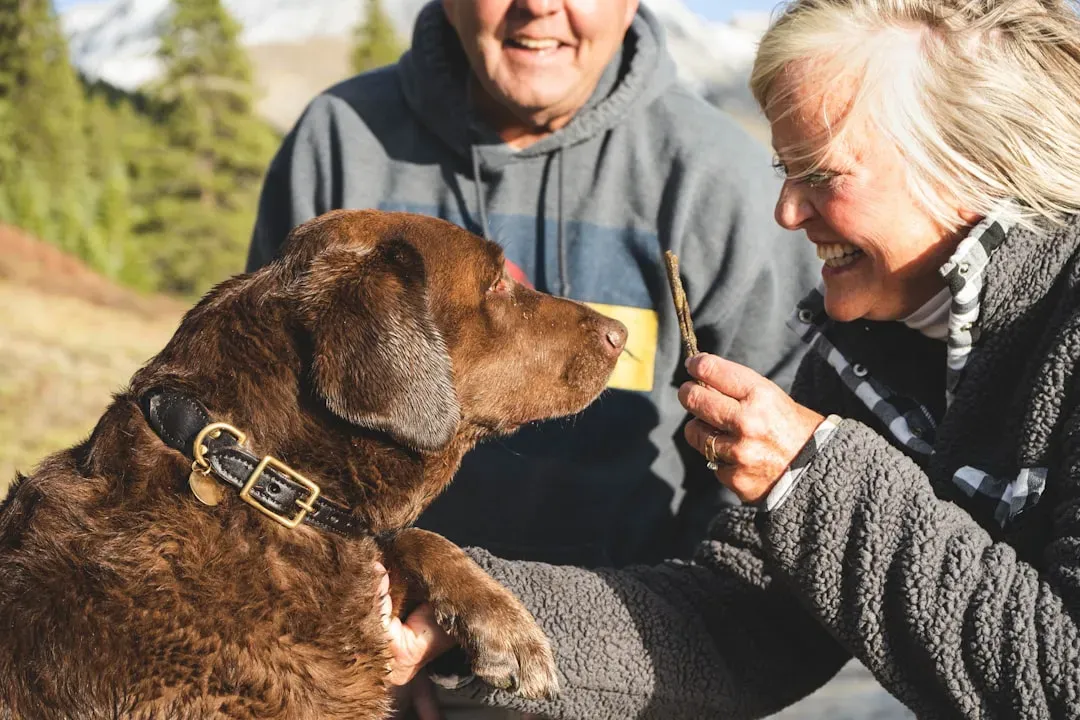
This part is uncomfortable to discuss, but it matters. Senior dogs are one of the most at risk groups in shelters as they spend up to 4 times longer than a younger dog, with only a 25% adoption rate. Over 81% of kittens in animal shelters are adopted, compared to just 54% of senior cats. The gap is enormous and heartbreaking.
Celebrating Adopt A Senior Pet Month helps reduce the high euthanasia rates for senior animals in shelters, as encouraging the adoption of older pets saves lives and opens up space in shelters for other animals in need. When you adopt a senior animal, you’re not just giving them a home. You’re literally pulling them from the front of a very grim line. The senior dog adoption rate is 25% compared to an adoption rate of 60% for younger dogs, and the live release rate for senior dogs is 56.5% compared to 75.6% for younger dogs. These aren’t abstract statistics; they’re individual animals whose time is running out.
The Training Has Already Been Done for You
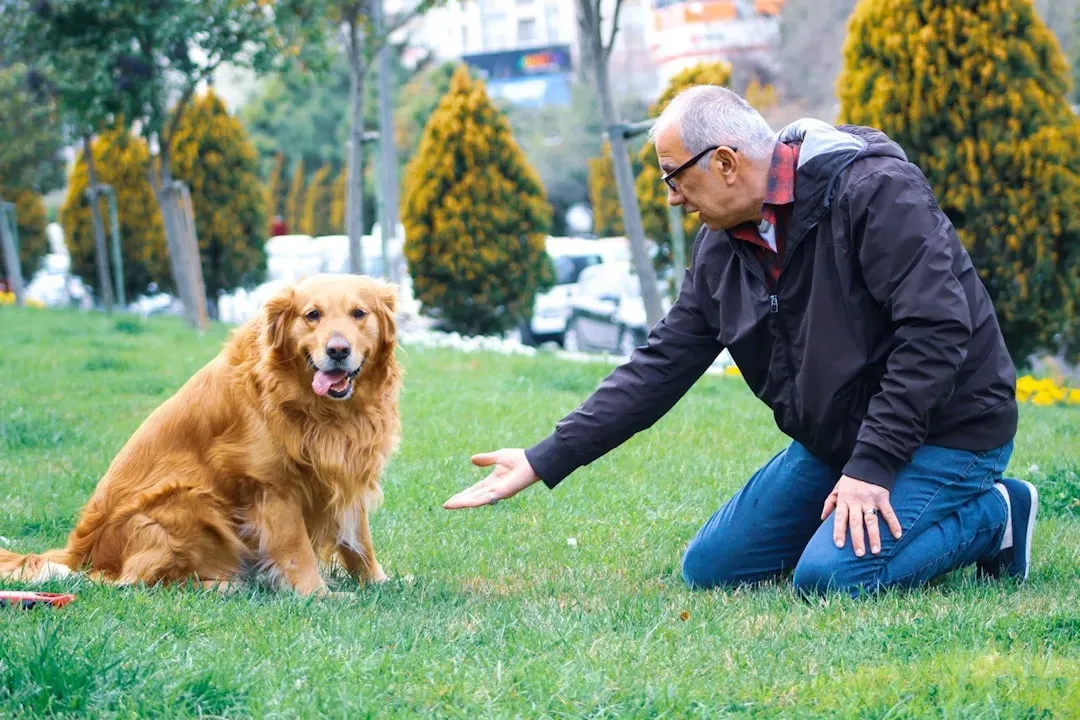
Many senior pets are already house-trained and know basic commands like “sit” and “stay,” saving new owners time and effort. I know it sounds almost too good to be true, but most senior animals come with the basics already mastered. The advantage of adopting a senior dog is that they have known temperaments and are fully grown, and older dogs are more likely to be housebroken and have doggie manners.
It’s important to remember that senior dogs can still learn, despite that old wives’ tale that says old dogs can’t learn new tricks, and the good news is that learning does not stop with age. They’ve already figured out how human households work. They understand the concept of a leash, the rhythm of meal times, and the boundaries of acceptable behavior. You can still teach an old dog new tricks, as senior dogs are generally eager and willing to learn.
They Bring Instant Companionship Without the Chaos
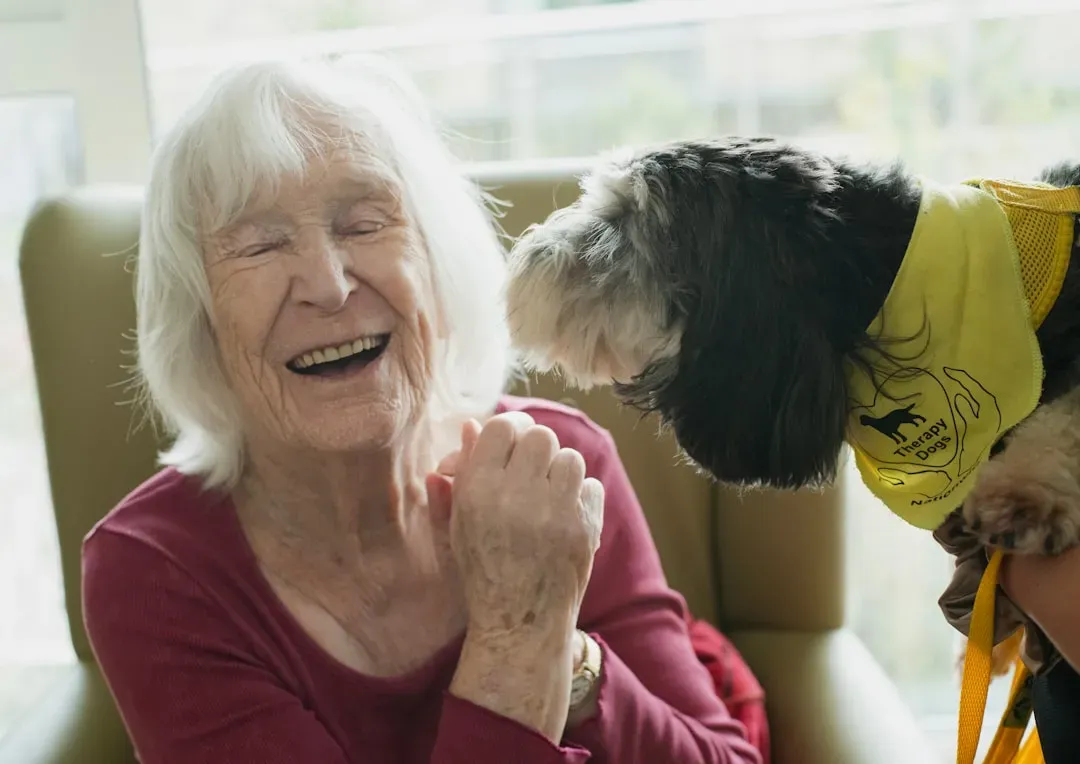
These dogs offer immediate companionship without the exhausting demands of puppyhood, and they’re perfect for apartment living, ideal for retirees or remote workers and wonderful for families seeking a calmer pet experience. The adjustment period is remarkably smooth because they’ve done this before. One of the many perks of adopting an older pet is that they often have prior training and can be extremely adaptive in new households, as many senior pets have once been part of another family and are already accustomed to living in a household around people and other animals.
It is well-proven that owning a pet is relaxing and calming, as it even lowers blood pressure, and senior pets tend to have a calmer, mellow attitude. There’s something genuinely peaceful about sharing your space with an animal who isn’t constantly demanding every ounce of your attention. They’re content to simply be near you, which honestly might be exactly what you need.
You Get More Love Than You Ever Expected
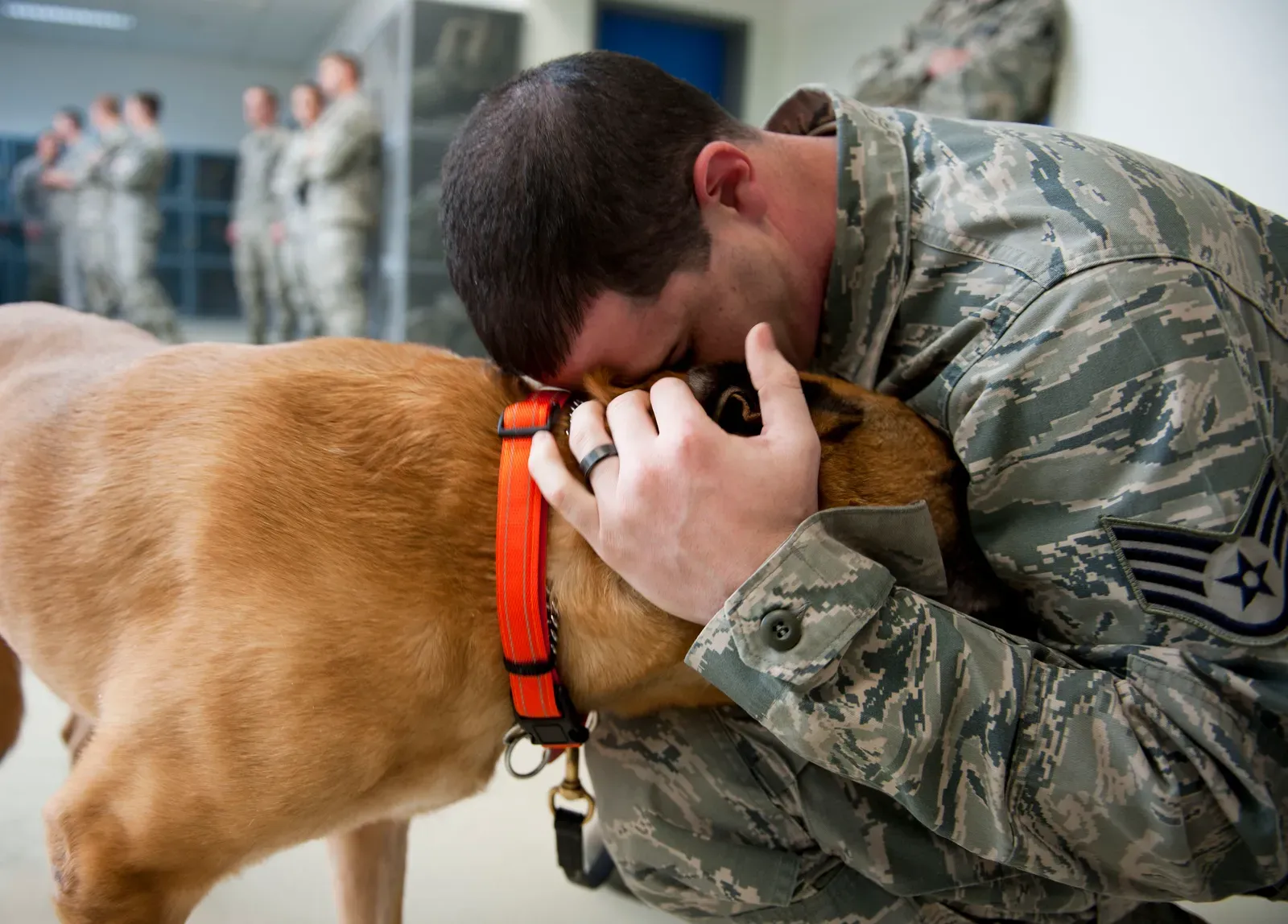
The bond you’ll form with a senior dog is unlike any other, as there’s something special about giving an older dog the loving retirement they deserve, and while the time you have together might be shorter than with a puppy, the quality of that time and the difference you make in their life is immeasurable. Senior animals seem to understand that they’ve been given a second chance.
Senior pets often make wonderful companions, offering loyalty and affection to their new families. The gratitude is palpable. These animals don’t take a single moment for granted. Senior dogs are filled with love and deserve to live out their remaining years in a safe, loving home, and by choosing to adopt a senior dog, you can provide that second chance to them. They’ll follow you from room to room not out of anxiety but out of appreciation. Every meal, every walk, every quiet evening on the couch becomes something extraordinary because they know how easily it could have been taken away.
Conclusion
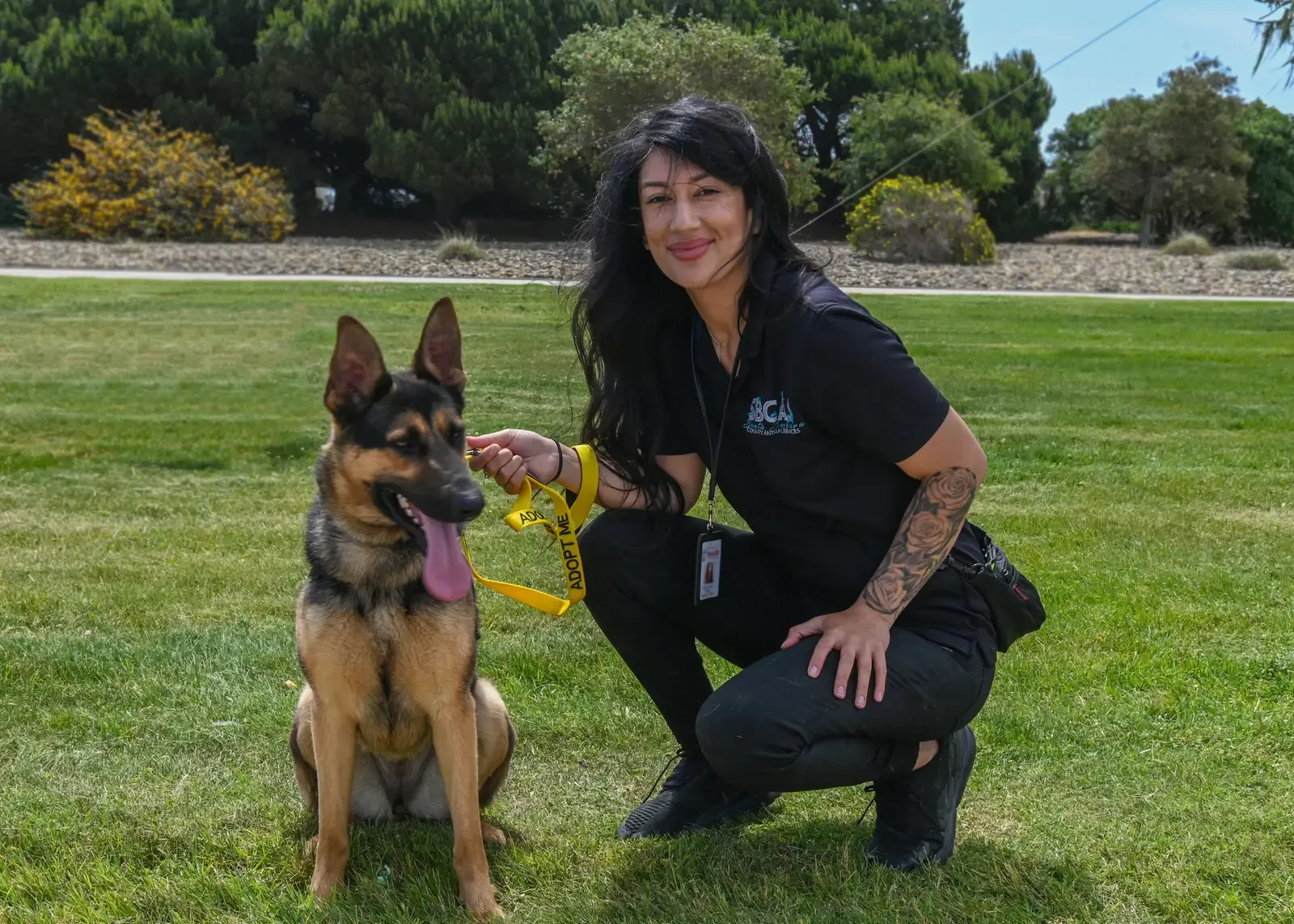
The choice to adopt a senior animal challenges everything we’ve been conditioned to believe about pet ownership. We’re taught to want the youngest, the cutest, the one with the most years ahead. Yet the animals waiting in the back kennels of shelters across the country offer something far more valuable than longevity. They offer perspective, patience, and a love that has been tempered by experience.
Every senior dog deserves to spend their golden years in a loving home and by choosing to adopt one, you’re not just gaining a pet but you’re saving a life and gaining a devoted friend who will treasure every moment with you. The time may be shorter, sure. But it will be richer, deeper, and more meaningful than you can possibly imagine. These animals have spent enough time waiting. Maybe it’s time we stopped overlooking them and started seeing them for the incredible companions they truly are.
So what do you think? Could you picture yourself walking into a shelter and asking to meet the older animals instead of the puppies? The choice might surprise you.
