
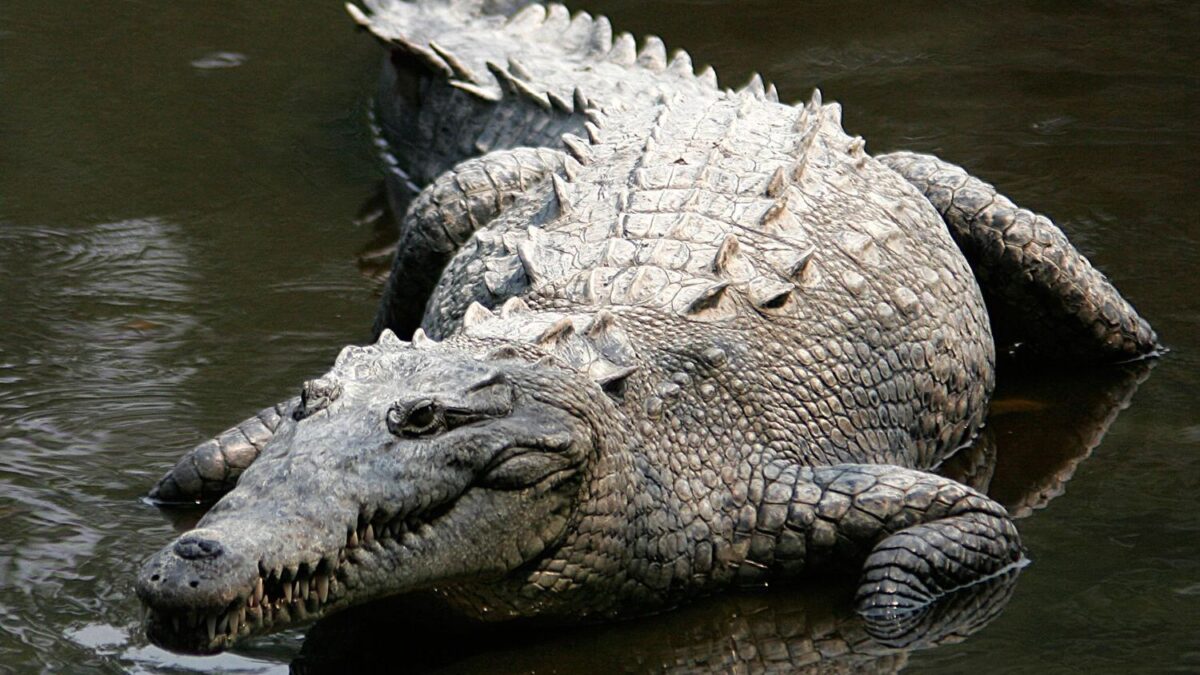
Ever wondered why Florida seems to have a monopoly on crocodiles in the United States? It’s actually a fascinating tale of geography, climate, and some remarkable reptilian resilience. When most people think of Florida wildlife, they picture alligators lounging by golf courses or lurking in retention ponds. Though that’s certainly true, there’s another ancient predator sharing those same waters that most folks don’t realize exists right here on American soil.
South Florida is the only place you can find both animals in the wild. While alligators thrive throughout the state and across much of the southeastern U.S., their crocodilian cousins have a far more limited range. Let’s explore why these shy, prehistoric creatures have chosen the Sunshine State as their only American home, and what dog owners venturing into Florida’s wild spaces need to know.
Climate Makes All the Difference
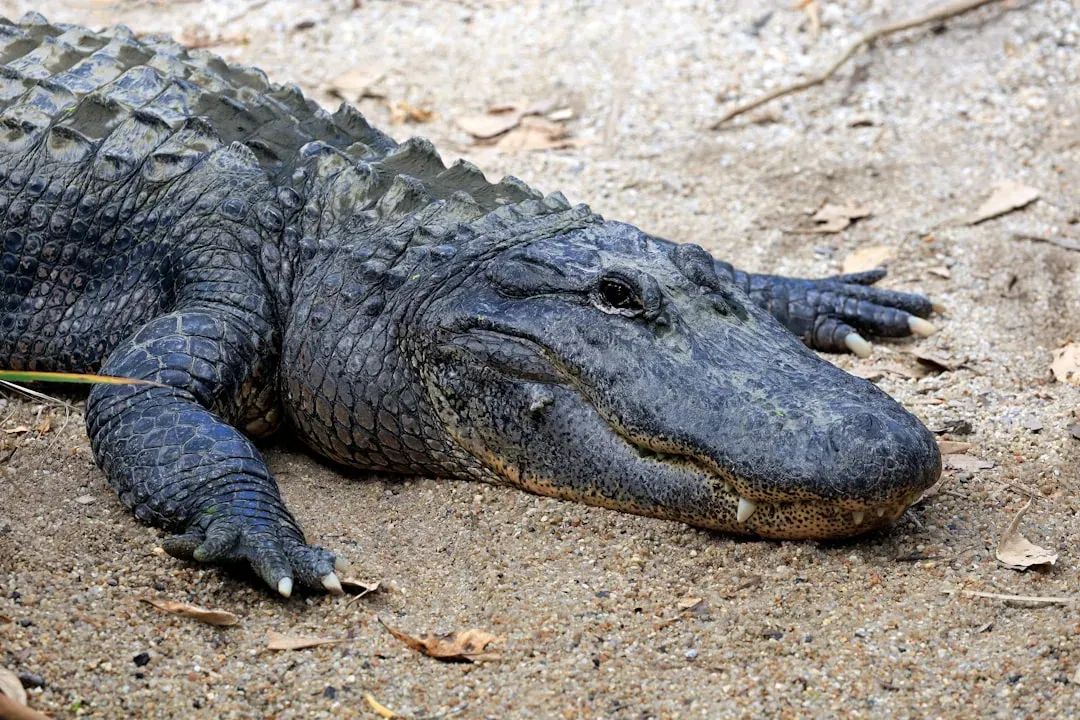
The climate, as crocodiles are less tolerant of cold, explains why these reptiles stay put in Florida’s southernmost reaches. Think of crocodiles as those friends who refuse to visit anywhere that might drop below seventy degrees. Unlike their alligator relatives who can tolerate chillier temperatures, American crocodiles require consistently warm, tropical conditions to survive.
Within the United States, the American crocodile’s distribution is generally limited to the southern tip of Florida, though at least two have been found as far north as the Tampa Bay area. The warmth isn’t just about comfort. These ectothermic reptiles depend on external heat sources to regulate their body temperature, and sustained cold snaps can be fatal. Florida’s subtropical climate at its southern tip provides the year-round warmth these creatures absolutely need.
A Saltwater Specialty Sets Them Apart
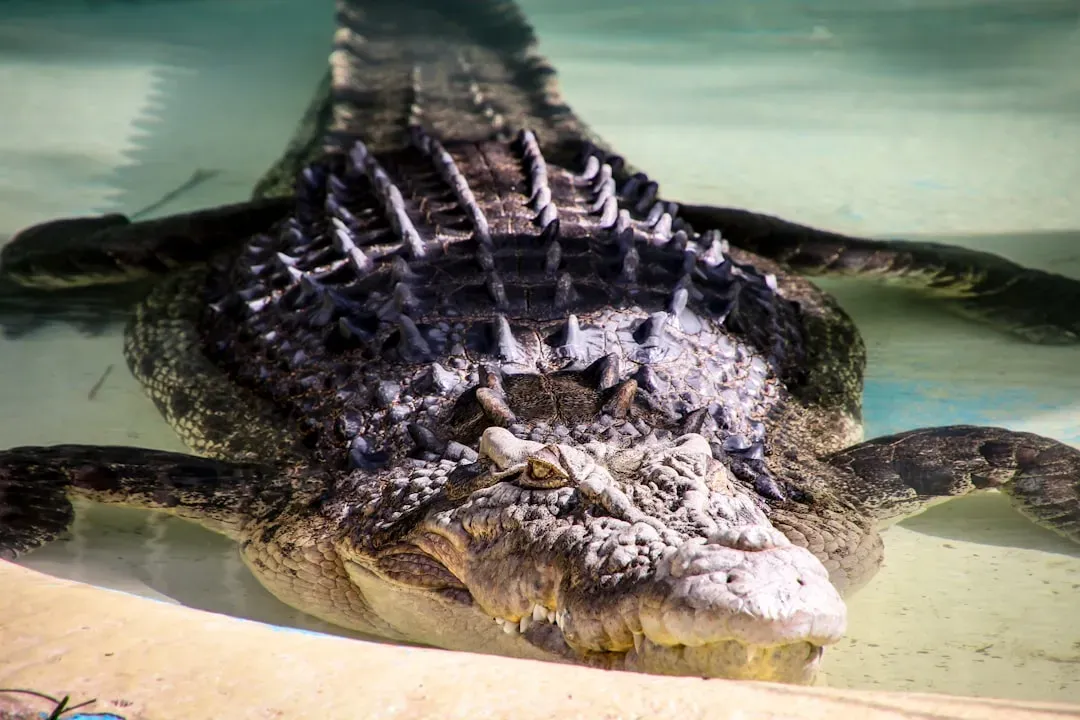
Here’s where crocodiles really diverge from their alligator cousins. The American crocodile is the only species other than the saltwater crocodile to commonly live and thrive in saltwater. This remarkable adaptation allows them to inhabit coastal areas, brackish estuaries, and mangrove swamps where alligators struggle.
They live in brackish or saltwater areas, and can be found in ponds, coves, and creeks in mangrove swamps. Their salt glands underneath the tongue excrete excess salt, enabling them to venture into marine environments that would be inhospitable to most other crocodilians. For dog owners, this means crocodiles could potentially appear in coastal areas where you might not expect large reptiles, making vigilance near saltwater equally important as near freshwater.
The Mangrove Connection
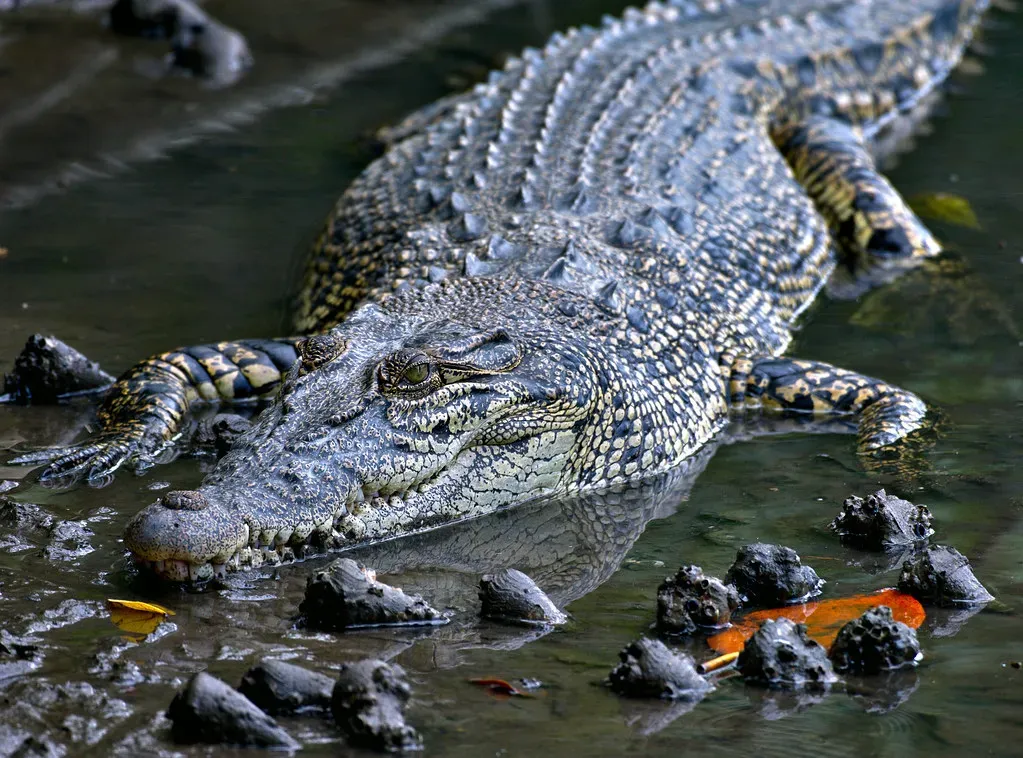
Crocodiles are not as flexible, and need mangrove forests to thrive. Unlike adaptable alligators that can make themselves at home in almost any water body, crocodiles have specific habitat requirements. The intricate root systems of mangroves provide perfect nesting sites, nursery areas for hatchlings, and hunting grounds teeming with fish and crustaceans.
Florida’s extensive mangrove ecosystems along its southern coasts create ideal conditions that simply don’t exist elsewhere in the continental United States. Many Floridian coastal estuaries have lost as much as 60 percent of their mangrove forest cover in the past century. Despite this loss, enough remains to support a recovering crocodile population. These mangrove-lined waters become nurseries where young crocodiles learn to hunt, protected from larger predators by the tangled vegetation.
A Remarkable Recovery Story
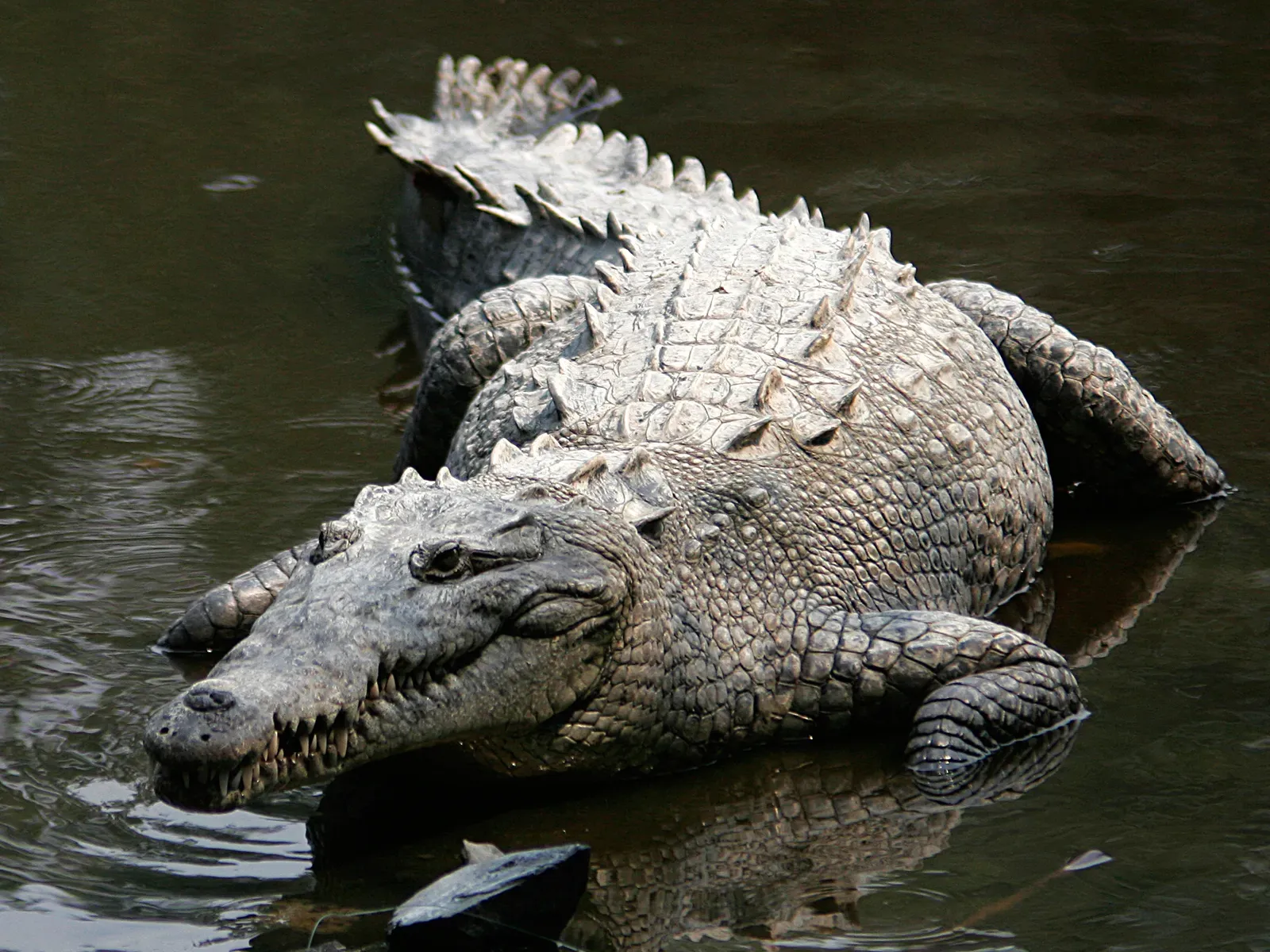
Their numbers have risen dramatically from an estimated all-time low of around 150 to around 2,000 individuals in the state of Florida. This represents one of conservation’s genuine success stories. Hunting for their valuable hides nearly wiped them out completely by the mid-twentieth century, and by the seventies, fewer than three hundred individuals remained.
The Turkey Point Nuclear Power Plant near Miami constructed a massive series of canals to cool the water used to cool the reactor, and unintentionally, the soil mounded up between the canals as they were dug created almost perfect crocodile nesting habitat. Sometimes conservation comes from unexpected places. Protected areas, legal protections under the Endangered Species Act, and ironically, human-altered landscapes have all contributed to their comeback.
What Dog Owners Need to Understand
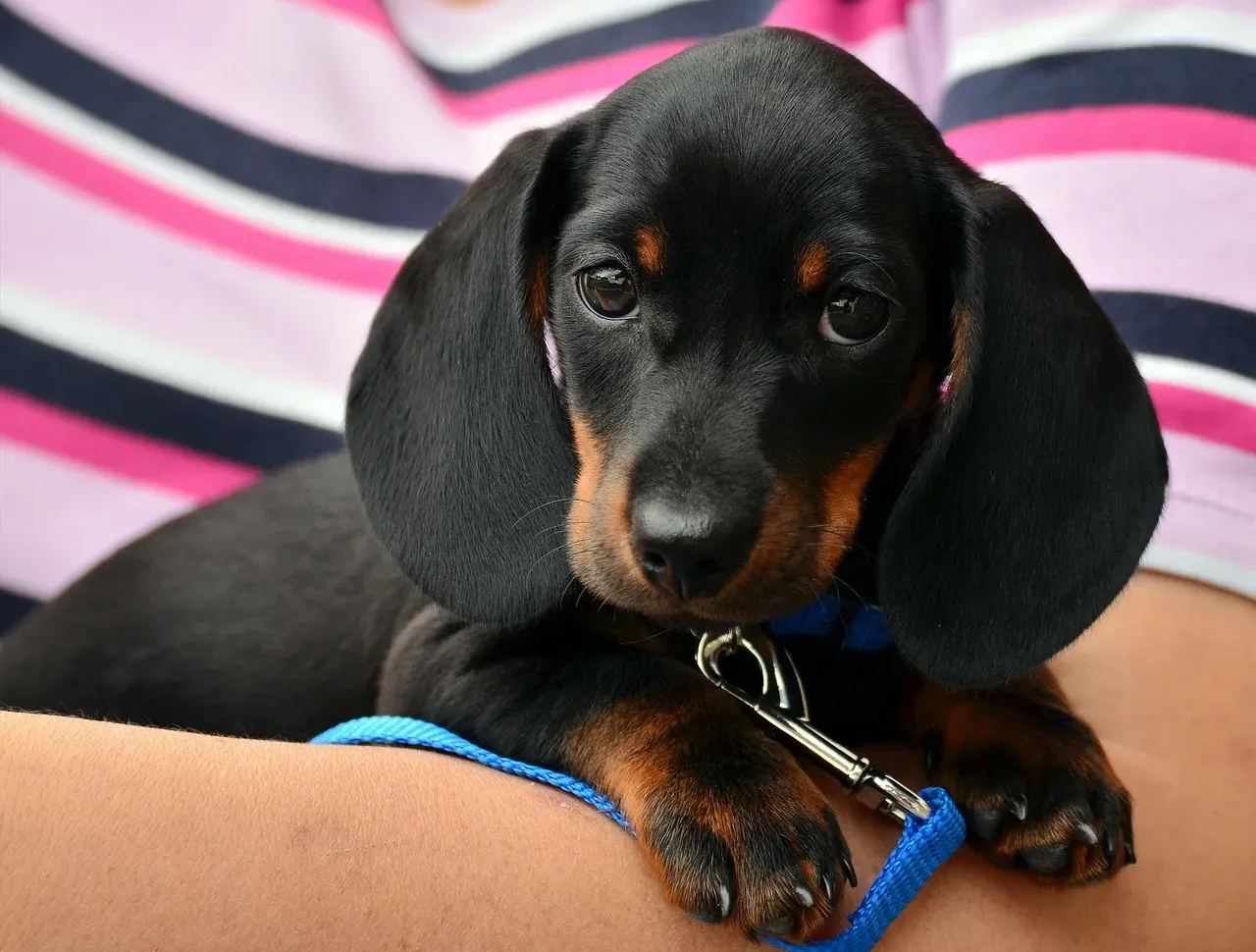
Let’s be real about the risks. Animals that resemble their natural prey, such as dogs and cats, are more susceptible to being bitten by crocodiles when in or near the water. Your furry companion, especially smaller breeds, could be mistaken for natural prey like raccoons or opossums that crocodiles typically hunt.
Keep pets on a leash and away from the water. This simple precaution dramatically reduces risk. Dawn and dusk are when crocodiles are most active, so schedule your walks accordingly. If you’re exploring Florida’s coastal trails or camping near mangrove areas, maintain constant supervision. Remember that unlike the more common alligator encounters, crocodile sightings may occur in brackish waters where you might feel safer letting your dog wade.
They’re Actually Quite Shy
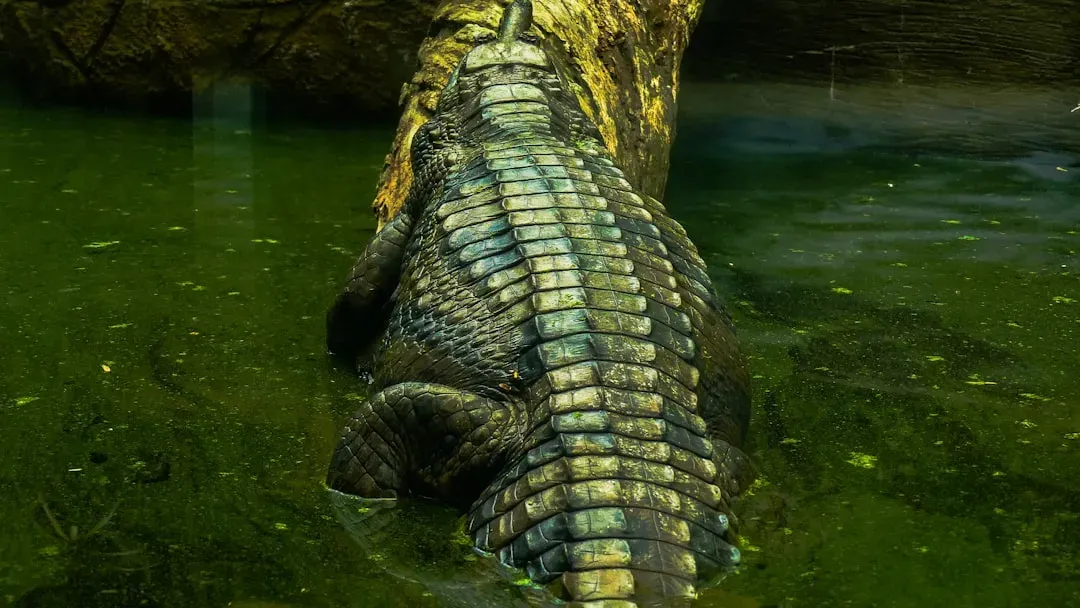
American crocodiles are a shy and reclusive species. This might surprise folks accustomed to sensational crocodile attack stories from Australia or Africa. Florida’s crocodiles are genuinely timid creatures that typically flee from humans. Only one non-fatal bite incident ever having been documented in Florida speaks volumes about their reluctance to tangle with people.
American crocodiles are shy and avoid humans, and they’re more likely to splash into the water to escape than attack – unless provoked. That splash you hear when approaching water? That’s probably a startled crocodile getting away from you as fast as possible. This doesn’t mean carelessness is acceptable, particularly with pets, yet understanding their behavior helps put the actual risk in perspective.
Looking Toward the Future
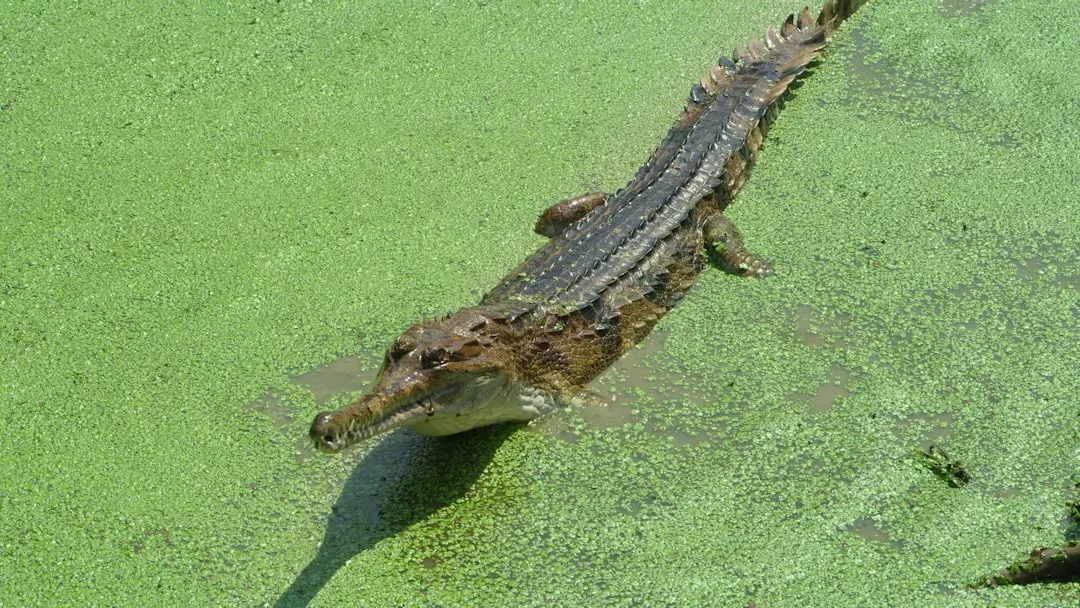
The crocodile’s habitat is expected to become significantly inundated with at least a third of its home turf disappearing by 2100. Climate change presents a complex challenge for these reptiles. While warming temperatures might expand their potential range northward, rising seas threaten to drown critical nesting beaches along the low-lying Florida Keys and coastal areas.
Scientists have documented crocodiles appearing in areas where they weren’t found 30 years ago, including sightings as far north as Tampa Bay on the west coast and the Indian River Lagoon on the east coast. They’re already on the move, adapting to changing conditions. For dog owners throughout Florida, this means crocodile awareness isn’t just for those visiting the Everglades anymore. These remarkable survivors are reclaiming territory, reminding us that wilderness and suburbia increasingly overlap.
Conclusion
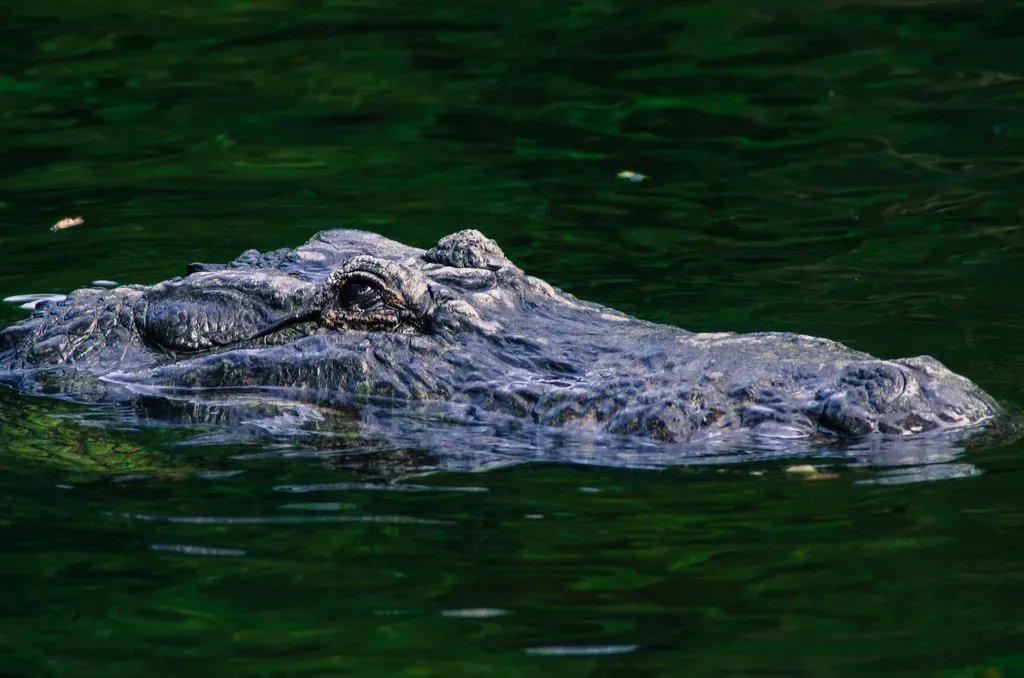
Florida’s unique position as America’s only crocodile habitat stems from its warm climate, coastal geography, and vital mangrove ecosystems that exist nowhere else in the continental United States. For those of us who love exploring nature with our canine companions, understanding this special status means practicing extra vigilance in southern Florida’s waterways. These shy reptiles deserve our respect and space as they continue their remarkable recovery from near-extinction.
As a dog lover, staying informed about local wildlife keeps both you and your pet safe during adventures. What surprises you most about Florida’s crocodile population? Have you spotted any signs of these elusive reptiles during your travels?

- 13 Dog Breeds Experienced Groomers Quietly Stopped Recommending to First-Time Owners After Seeing Too Many Heartbroken Families - June 18, 2026
- 15 Silent Signs Your Old Dog Is Getting Ready to Cross the Rainbow Bridge – Most Owners Never Catch Them - June 18, 2026
- 12 National Parks Where Bison Still Rule the Plains - June 18, 2026