

The Florida panther stands as one of America’s most endangered mammals, with fewer than 200 individuals remaining in the wild. These majestic cats, a subspecies of mountain lion (Puma concolor coryi), face an uphill battle for survival despite decades of conservation efforts. Their protection represents one of the most challenging wildlife conservation cases in the United States, combining biological vulnerabilities with complex socioeconomic and political factors. From habitat fragmentation to genetic bottlenecks, human-wildlife conflict to climate change threats, the Florida panther’s story illustrates the multifaceted challenges of preserving an apex predator in one of America’s fastest-growing states. This article explores why protecting Florida panthers proves so difficult despite widespread public support and substantial investment in recovery efforts.
A Population on the Brink: Historical Decline and Current Status

The Florida panther’s struggle began long before modern conservation efforts. By the mid-20th century, the subspecies had been hunted, harassed, and habitat-starved to near extinction. In 1967, when the Florida panther was listed as endangered under the precursor to the Endangered Species Act, researchers estimated fewer than 30 individuals remained, primarily confined to southwest Florida’s swamps and forests. This severe population bottleneck created genetic complications that continue to plague recovery efforts today.
Current estimates place the wild population between 120-230 individuals, representing a significant recovery from their lowest numbers but still far from sustainable levels. This small population remains vulnerable to catastrophic events, disease outbreaks, and genetic problems. Despite being designated Florida’s official state animal in 1982 and receiving substantial conservation attention, the panther continues to face an uncertain future, demonstrating how difficult it is to recover a large predator species once its numbers have fallen so critically low.
Shrinking Habitat in a Growing State

Perhaps the most significant challenge to Florida panther conservation is the rapid loss and fragmentation of suitable habitat. Adult male panthers require territories of up to 200 square miles, while females need approximately 75-100 square miles. This extensive spatial requirement places panthers in direct competition with Florida’s booming human population and associated development. Florida gains about 900 new residents daily, with much of this growth occurring in prime panther habitat in the southwestern part of the state.
Conservation biologists estimate that panthers have lost more than 95% of their historical range. Today, the breeding population is largely restricted to areas south of the Caloosahatchee River in southwest Florida, primarily within Collier, Lee, Hendry, Monroe, and Miami-Dade counties. Protected areas like Big Cypress National Preserve, Florida Panther National Wildlife Refuge, and Fakahatchee Strand Preserve State Park provide critical habitat, but these disconnected patches are insufficient for a recovered population. The challenge of securing, restoring, and connecting enough habitat for a sustainable panther population in one of America’s fastest-developing states presents a seemingly insurmountable obstacle.
Deadly Roadways: Vehicle Collisions as a Primary Threat
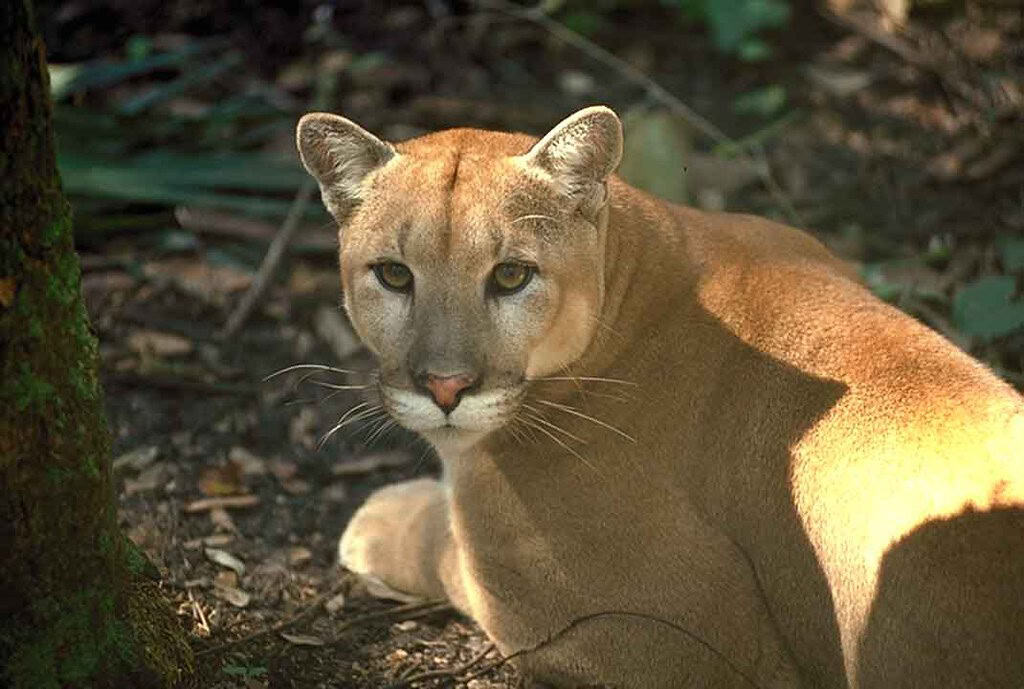
Florida’s expanding road network creates deadly barriers for panthers trying to navigate their fragmented habitat. Vehicle strikes consistently rank as the leading documented cause of panther mortality, with approximately 25-30 panthers killed on Florida roadways annually in recent years. This represents a staggering loss for such a small population. The year 2021 set a grim record with 27 confirmed panther deaths from vehicle collisions.
While wildlife underpasses and fencing have proven effective in reducing panther roadkills in specific locations, such as along Alligator Alley (I-75), these mitigations are expensive and politically challenging to implement widely. A single wildlife crossing can cost $3-8 million to construct. The Florida Department of Transportation must balance wildlife protection with traffic flow, maintenance costs, and development pressures. Additionally, even with crossings in place, panthers must first know to use them and survive long enough to find them, making road mortality an ongoing conservation challenge that increases with every new highway and housing development.
Genetic Bottlenecks and Inbreeding Depression

The Florida panther’s brush with extinction left lasting genetic scars on the population. By the early 1990s, scientists documented serious physical problems resulting from inbreeding depression, including heart defects, reproductive issues, and kinked tails. Male panthers showed severely compromised sperm quality, and many cats displayed cryptorchidism (undescended testicles). These genetic issues threatened to finish what habitat loss and hunting had started, potentially dooming the subspecies to extinction despite protection efforts.
In a controversial but ultimately successful intervention, eight female Texas pumas (the closest genetic relatives to Florida panthers) were introduced in 1995 to diversify the gene pool. This genetic rescue temporarily alleviated inbreeding depression, with subsequent generations showing improved fitness and reproductive success. However, with the small population still largely isolated, inbreeding concerns are reemerging. Maintaining genetic diversity in such a restricted population requires ongoing management and potentially additional genetic introductions—a complex and resource-intensive undertaking that illustrates the difficult balancing act between preserving the subspecies’ unique characteristics and ensuring its survival.
Human-Wildlife Conflict: Panthers and Livestock

As the panther population has grown and expanded, incidents of livestock predation have increased, creating friction between conservation efforts and rural livelihoods. Panthers occasionally prey on calves, goats, sheep, and other domestic animals, causing economic losses for ranchers and small-scale farmers. A single panther may kill multiple animals over time, creating significant hardship for affected landowners. These conflicts generate resentment and resistance to panther recovery among some rural residents whose cooperation is essential for conservation success.
Addressing these conflicts requires complex solutions. The U.S. Fish and Wildlife Service established a livestock compensation program in 2013 to reimburse verified panther depredation losses, but the verification process can be challenging, and some landowners remain skeptical. Conservation organizations have worked to provide technical assistance for predator-resistant enclosures and livestock management practices, but implementing these solutions across the landscape is difficult. Balancing the needs of endangered wildlife with the economic realities of rural communities represents one of the most challenging aspects of panther conservation, requiring ongoing dialogue, trust-building, and compromise.
Regulatory Challenges and Political Resistance

The legal protections afforded to Florida panthers under the Endangered Species Act create a regulatory framework that can generate political pushback. Development restrictions in panther habitat, mitigation requirements, and additional environmental review processes can delay projects and increase costs for landowners, developers, and local governments. This regulatory burden has fostered resistance from some political and economic interests who view panther conservation as an impediment to growth and prosperity in southwest Florida.
Conservation agencies must navigate these complex political waters while fulfilling their mandates to protect endangered species. The U.S. Fish and Wildlife Service and Florida Fish and Wildlife Conservation Commission often find themselves caught between development interests and conservation imperatives. Recent years have seen various legislative attempts to weaken endangered species protections, highlighting the ongoing tension between economic growth and wildlife conservation. This political dimension adds another layer of complexity to panther recovery efforts, as biological solutions alone cannot address the socioeconomic aspects of the conservation challenge.
Limited Range Expansion Opportunities

For the Florida panther population to achieve long-term viability, range expansion beyond its current southwest Florida stronghold is essential. However, establishing breeding populations north of the Caloosahatchee River faces substantial obstacles. While individual male panthers occasionally disperse northward, female panthers have rarely been documented north of the river in recent decades. Without female dispersal, no breeding population can establish in central and northern Florida, limiting recovery potential.
Potential reintroduction of female panthers to areas north of their current range encounters both biological and social hurdles. Suitable habitat patches have diminished throughout the state, and many remaining areas may be too small or fragmented to support viable panther populations. Additionally, introducing predators to areas where they’ve been absent for generations raises concerns among residents about safety, livestock predation, and land use restrictions. The challenges of range expansion illustrate how panther recovery is not simply about protecting existing populations but requires proactive, landscape-scale interventions that inevitably intersect with human communities and interests.
Disease Threats to a Small Population
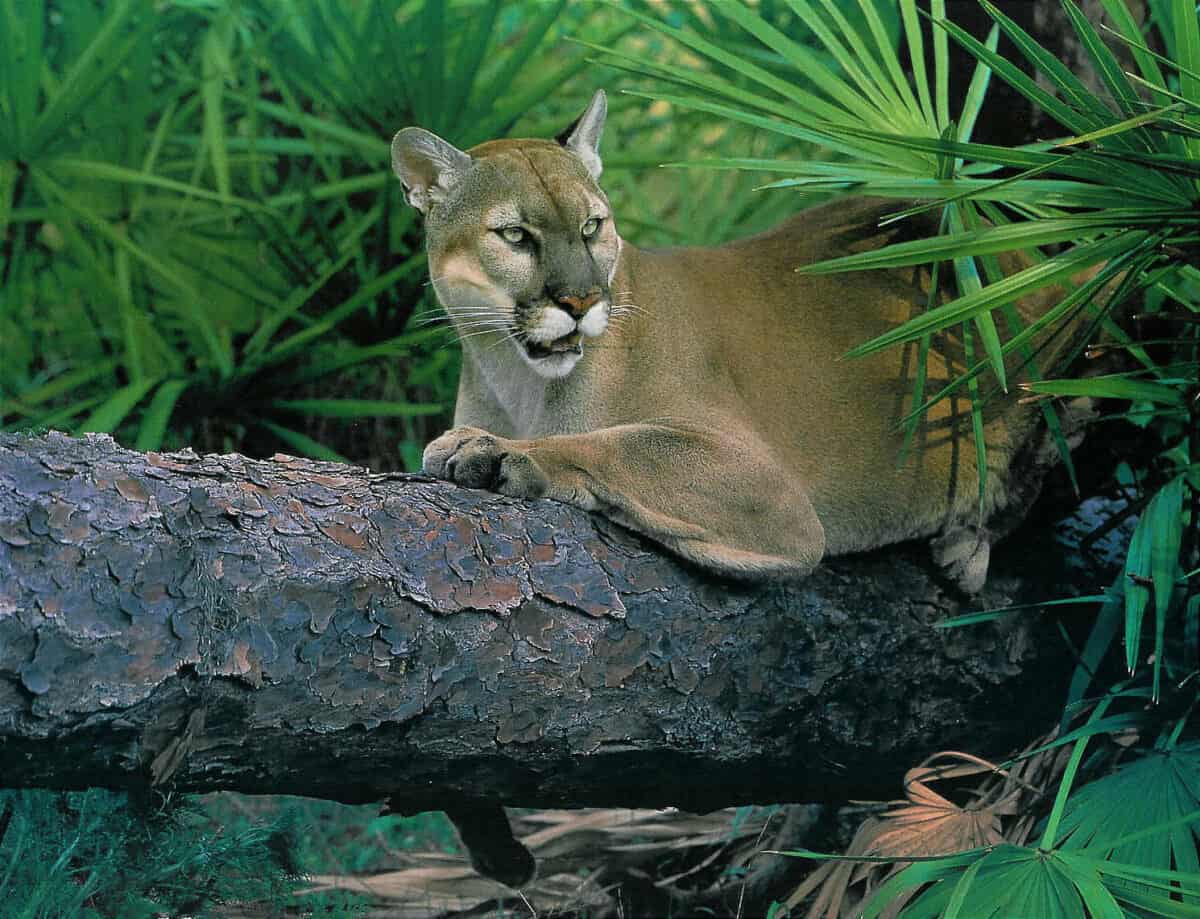
The Florida panther’s small population size and limited genetic diversity make it particularly vulnerable to disease outbreaks. Feline leukemia virus (FeLV) emerged as a serious threat in the early 2000s when several panthers died from the disease, prompting emergency interventions including vaccination of wild panthers. While that outbreak was contained, the potential for new disease events remains a significant concern, especially as panthers come into increasing contact with domestic cats and other potential disease vectors.
Other health challenges affecting panthers include parasites, mercury bioaccumulation from their aquatic prey, and exposure to rodenticides and other environmental toxins. Monitoring and managing health threats in a wild, endangered population requires specialized expertise, substantial resources, and rapid response capabilities. The Florida Panther Health Assessment Program conducts regular examinations of radio-collared panthers, but this covers only a fraction of the population. The constant threat of disease outbreaks that could devastate the small panther population represents yet another challenge for conservation managers working to ensure the subspecies’ survival.
Climate Change and Environmental Uncertainty

Florida’s low-lying geography makes it particularly vulnerable to climate change impacts, adding another layer of complexity to panther conservation. Rising sea levels threaten coastal habitats, while changing precipitation patterns affect the hydrology of the Everglades ecosystem that supports much of the panther’s prey base. Models predict that up to 35% of current panther habitat could be impacted by sea-level rise within this century, potentially forcing panthers into smaller areas and increasing conflict with humans.
Intensifying hurricane activity also poses direct threats to panthers through flooding, habitat destruction, and disruption of prey populations. Hurricane Irma in 2017 flooded significant portions of panther habitat, temporarily displacing individuals and altering movement patterns. These climate-related challenges complicate long-term conservation planning and add urgency to habitat protection and connectivity efforts. Conservation strategies must now account not only for current conditions but also for projected environmental changes that could fundamentally alter the landscape panthers depend on.
Resource Limitations and Competing Priorities

Despite the Florida panther’s flagship status, conservation efforts often face resource constraints that limit effectiveness. Comprehensive monitoring, habitat acquisition, conflict mitigation, research, and public education all require sustained funding and staffing. The Florida Fish and Wildlife Conservation Commission and U.S. Fish and Wildlife Service dedicate significant resources to panther conservation, but these agencies must balance numerous competing wildlife priorities with limited budgets.
Private conservation organizations help fill gaps through land acquisition, research funding, and advocacy, but the scale of the challenge exceeds available resources. The estimated cost of implementing the Florida Panther Recovery Plan runs into hundreds of millions of dollars over decades. Acquiring sufficient habitat for a recovered population would cost billions at current land prices. In a political climate often skeptical of government spending and regulation, securing adequate resources for long-term panther recovery represents an ongoing challenge that fundamentally constrains conservation options and timeline.
Public Perception and Awareness Challenges
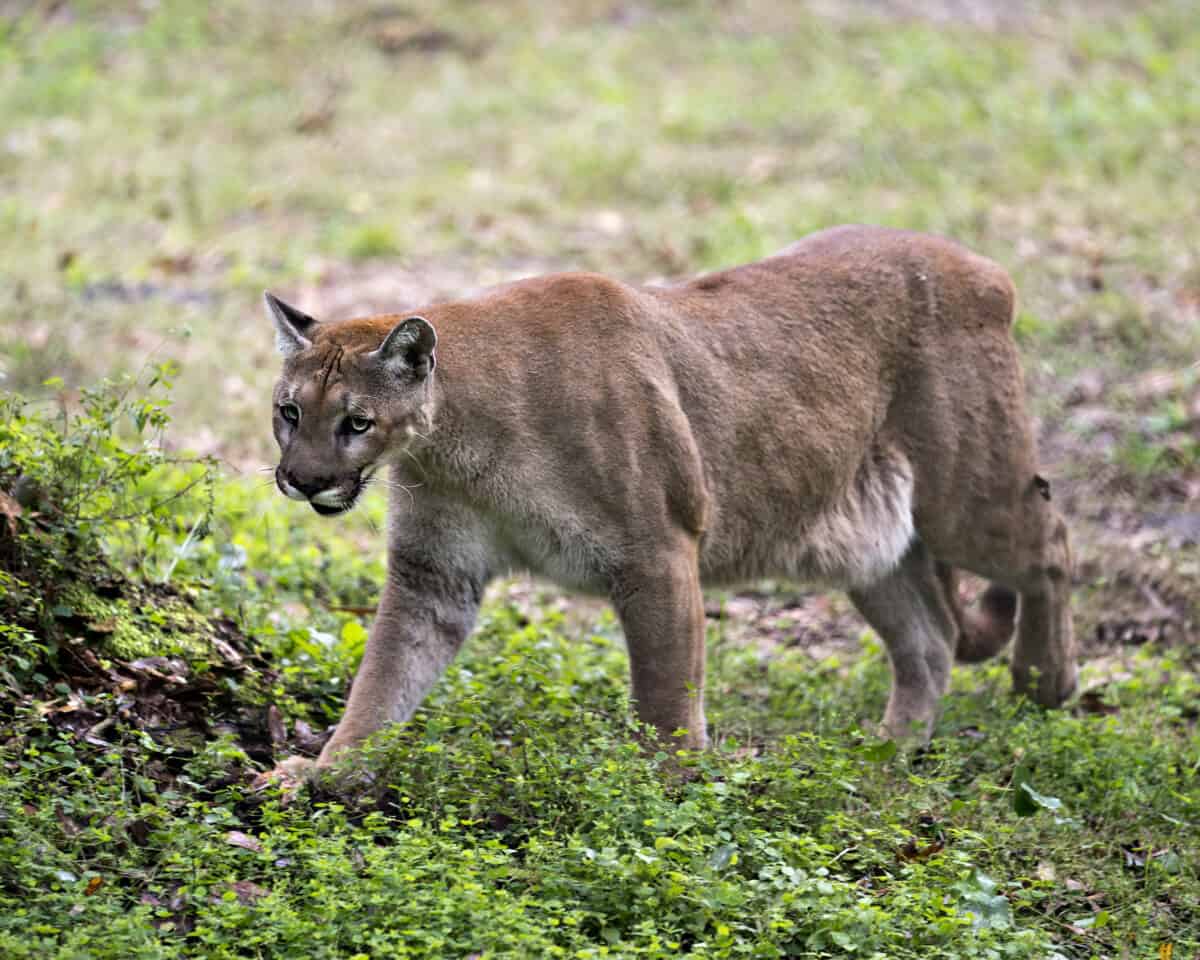
While surveys indicate strong public support for Florida panther conservation in principle, awareness of specific conservation needs and willingness to accept necessary trade-offs vary widely. Many Florida residents have never seen a panther and may not understand the complex ecological, economic, and social dimensions of recovery efforts. Misconceptions about panther behavior and risk to humans can generate fear and opposition to recovery initiatives, particularly in communities near panther habitat where coexistence is essential.
Conservation organizations and agencies invest in public education programs, but reaching diverse audiences effectively requires sustained effort and cultural sensitivity. Urban residents who support panther conservation in theory may not understand the challenges faced by rural communities living alongside these predators. Conversely, some rural residents may view panthers primarily as threats to livestock or hunting opportunities rather than as essential components of Florida’s ecological heritage. Bridging these perception gaps and building broad-based support for the difficult choices required for panther recovery represents a critical but often underappreciated aspect of conservation work.
The Path Forward: Integrated Solutions for a Complex Challenge
The multi-faceted challenges facing Florida panther conservation demand equally sophisticated and integrated solutions. Successful recovery requires coordinating efforts across jurisdictional boundaries, scientific disciplines, and stakeholder groups. The path forward must include strategic habitat conservation that prioritizes connectivity between protected areas, innovative approaches to human-wildlife conflict resolution, and continued genetic management of the population. Public-private partnerships that engage landowners in conservation through incentives rather than solely through regulation show particular promise for expanding effective panther habitat beyond public lands.
Technology offers new tools for monitoring and managing panthers, from GPS collars that provide real-time movement data to roadside animal detection systems that could reduce vehicle collisions. Ultimately, however, the Florida panther’s future depends not just on scientific and technical solutions but on societal choices about land use, development patterns, and values. The story of the Florida panther illustrates both the immense challenges and the potential for success in conserving charismatic predators in human-dominated landscapes. Despite the daunting obstacles, the panther’s recovery from fewer than 30 individuals to today’s population demonstrates that with sufficient commitment, even the most endangered species can be pulled back from the brink of extinction.

- The Record for the Biggest Animal Migration in History - July 28, 2026
- The Largest Wildlife Bridge in the US - July 28, 2026
- Why Coyotes Are Adapting Faster Than Any Other Predator - July 28, 2026