


The gentle giants of the ocean, hammerhead sharks, have long fascinated both scientists and the general public with their unique appearance and intriguing behaviors. Recently, however, there has been a noticeable decline in sightings of these remarkable creatures off the coast of Florida. This article explores some of the reasons behind their apparent migration patterns, providing a comprehensive look at the factors influencing their movements.
Hammerhead Sharks

Hammerhead sharks are easily recognized by their distinct hammer-shaped heads, known scientifically as cephalofoils. There are several species within the hammerhead family, each varying in size and habitat preference. Known for their schooling behavior and acute senses, hammerheads are a key species in marine ecosystems, maintaining balance within the oceanic food chain.
Ecological Significance of Hammerhead Sharks
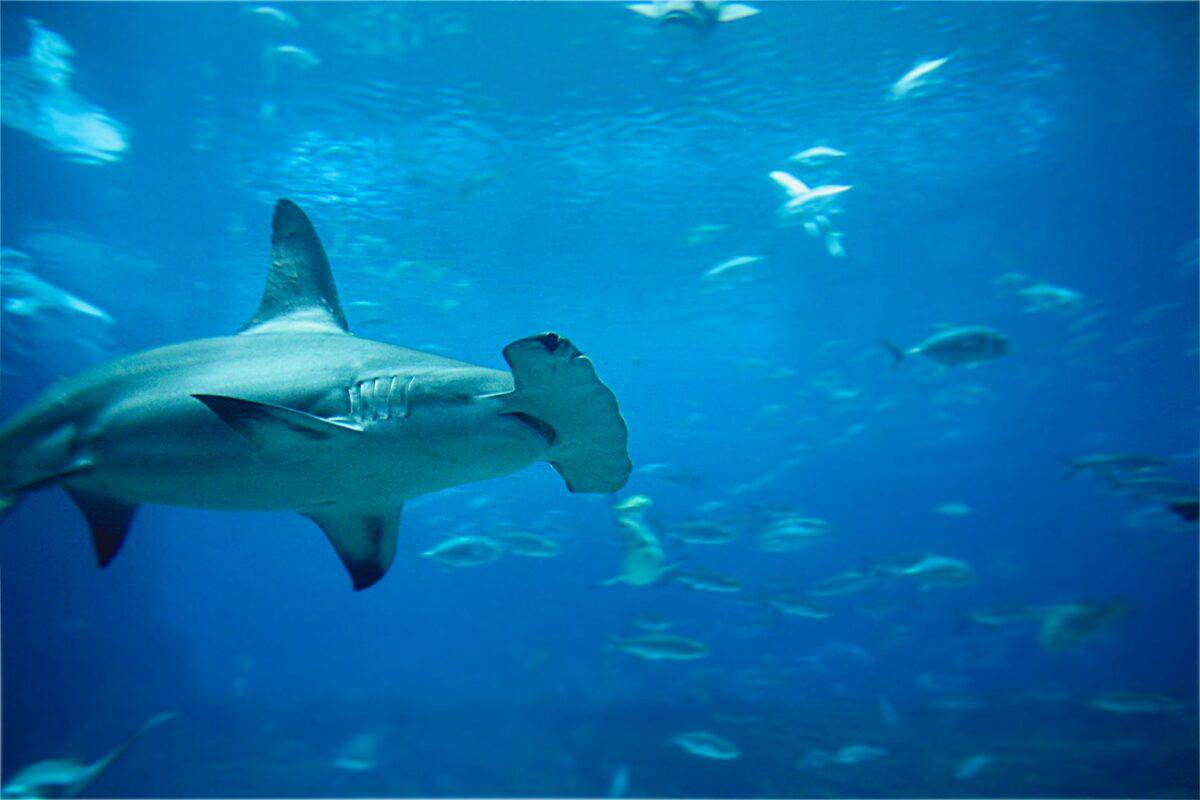
As apex predators, hammerhead sharks play a crucial role in regulating the population of prey species and maintaining healthy marine ecosystems. Their predation helps to keep fish populations in check, preventing overpopulation and the subsequent depletion of marine resources. This ecological significance underscores the importance of maintaining healthy hammerhead populations in oceanic regions.
Changing Ocean Temperatures

One of the primary reasons hammerhead sharks may be avoiding the Florida coast is the rise in ocean temperatures. The warming waters off Florida, often influenced by climate change, can disrupt the preferred habitats of these sharks. Hammerheads tend to favor cooler waters, and as temperatures rise, they may migrate to areas where the water is more conducive to their biological needs.
Overfishing and Its Impact

Overfishing in the Florida region has also impacted hammerhead shark populations. Fishing practices often result in bycatch, where non-target species like hammerheads are caught unintentionally. The reduction in prey species due to overfishing further compounds the problem, as hammerheads are forced to search for food in other areas, leading them away from the Florida coast.
Pollution Concerns

The increase in ocean pollution is another factor contributing to the avoidance of the Florida coast by hammerhead sharks. Pollution can lead to habitat degradation, making certain areas less hospitable for marine life. Contaminants in the water can have adverse effects on the health of sharks and their prey, prompting hammerheads to seek cleaner, safer waters elsewhere.
Coastal Development and Habitat Loss
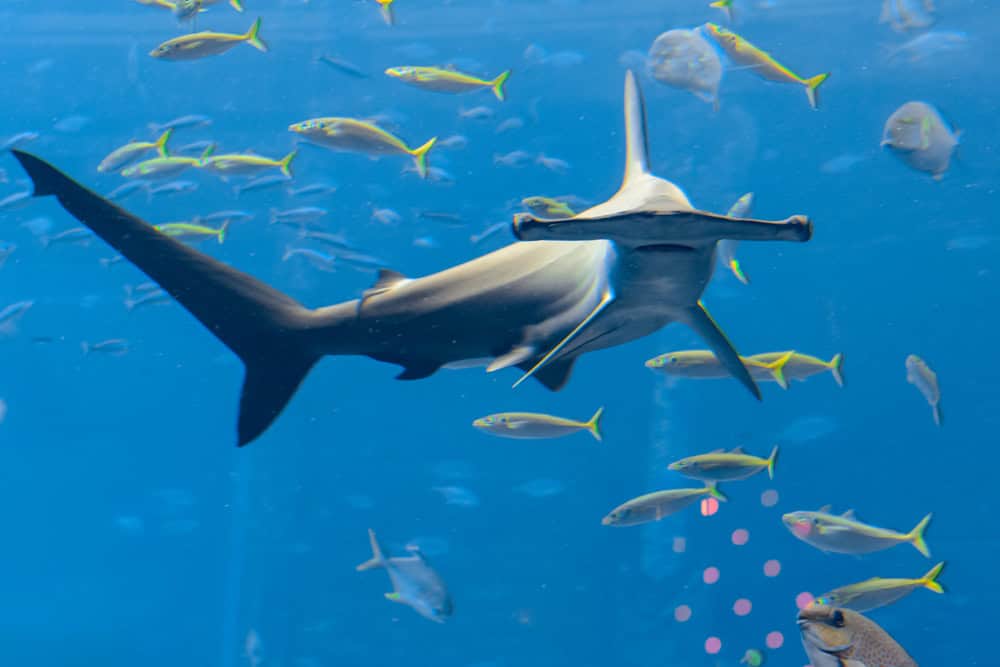
Rapid coastal development in Florida has led to significant habitat loss for marine species, including hammerhead sharks. The alteration of coastal environments, such as the destruction of mangroves and coral reefs, reduces the natural habitats that these sharks rely on for breeding and feeding. Consequently, hammerheads may venture to more pristine, undeveloped areas where their ecological needs can be met.
Changes in Prey Distribution
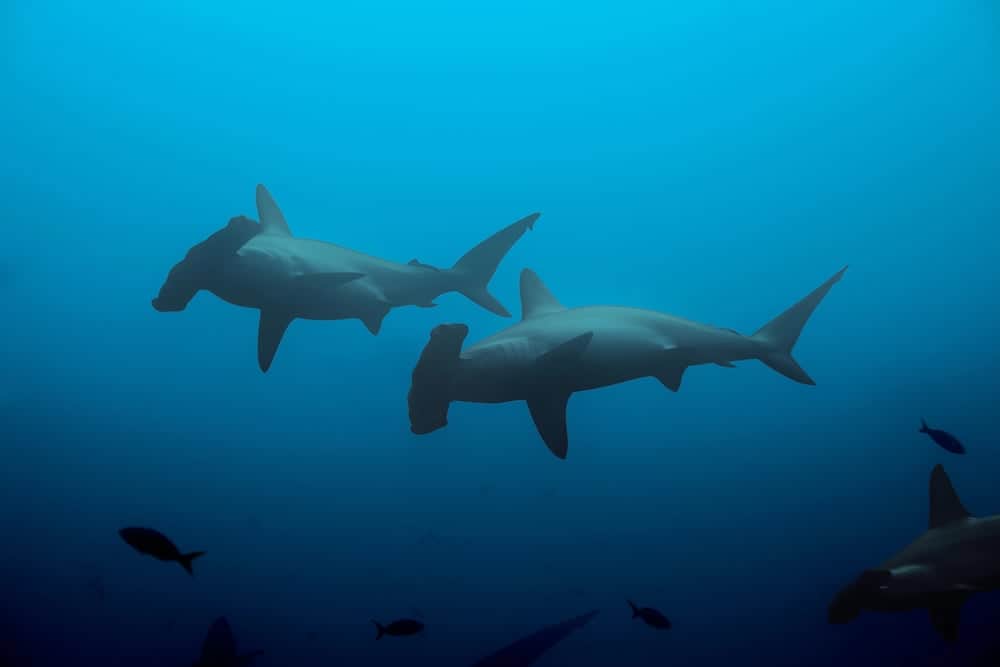
Hammerhead sharks often follow the movement and availability of their prey, such as squid, fish, and stingrays. Changes in prey distribution, influenced by environmental factors and human activity, directly impact the presence of hammerheads off the Florida coast. As prey species move in search of more favorable conditions, hammerheads may follow, leading them away from certain regions.
Shark Conservation Efforts
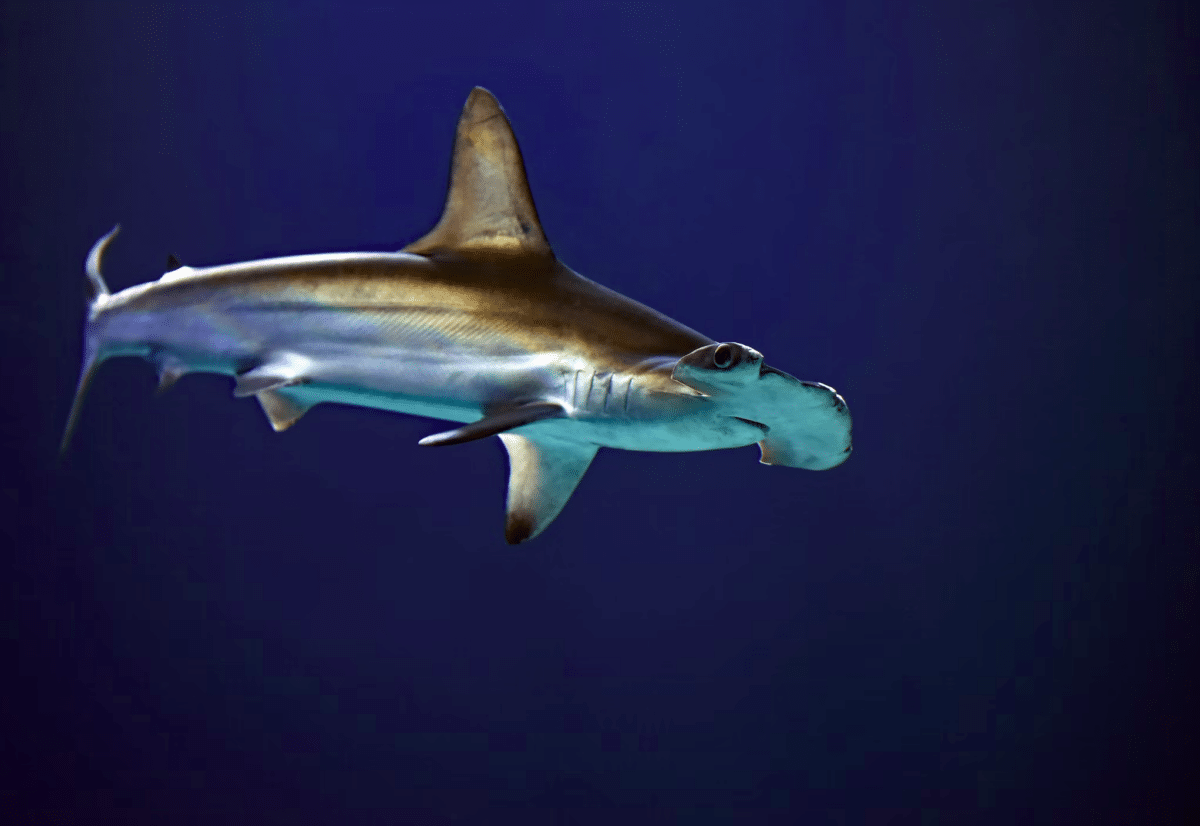
Conservation initiatives are increasingly focused on protecting shark populations, including hammerheads. Efforts include the establishment of marine protected areas, tighter regulations on fishing practices, and increased public awareness. These measures can help create safer habitats, encouraging the return of hammerhead sharks to areas like the Florida coast.
Role of Scientific Research

Ongoing scientific research is crucial in understanding the behavioral patterns and needs of hammerhead sharks. Tagging and tracking projects provide valuable data on shark movements and preferences, aiding in the development of effective conservation strategies. By enhancing our knowledge of their migratory habits, we can better protect hammerheads and ensure their presence in Florida waters.
Impact of Human Activity

Human activities such as recreational boating, fishing, and tourism have a significant impact on marine life. Increased ocean traffic and human presence can disrupt shark behavior and habitats, potentially deterring hammerheads from venturing into areas like the Florida coast. Minimizing human disturbance in critical habitats is essential for the well-being of these impressive creatures.
Engaging with Local Communities

Engaging local communities in conservation efforts is vital for protecting hammerhead sharks. Educational programs and community involvement can foster a sense of stewardship, encouraging sustainable practices that benefit both marine life and local economies. Grassroots initiatives can make a significant difference in creating a more favorable environment for hammerhead sharks.
Long-Term Outlook for Hammerhead Sharks

While the decline of hammerhead sharks off the Florida coast highlights the challenges faced by marine species, it also underscores the importance of comprehensive conservation efforts. By addressing the factors driving their migration and implementing effective protection measures, we have the opportunity to safeguard the future of these fascinating creatures.
Conclusion: Protecting the Gentle Giants of the Sea
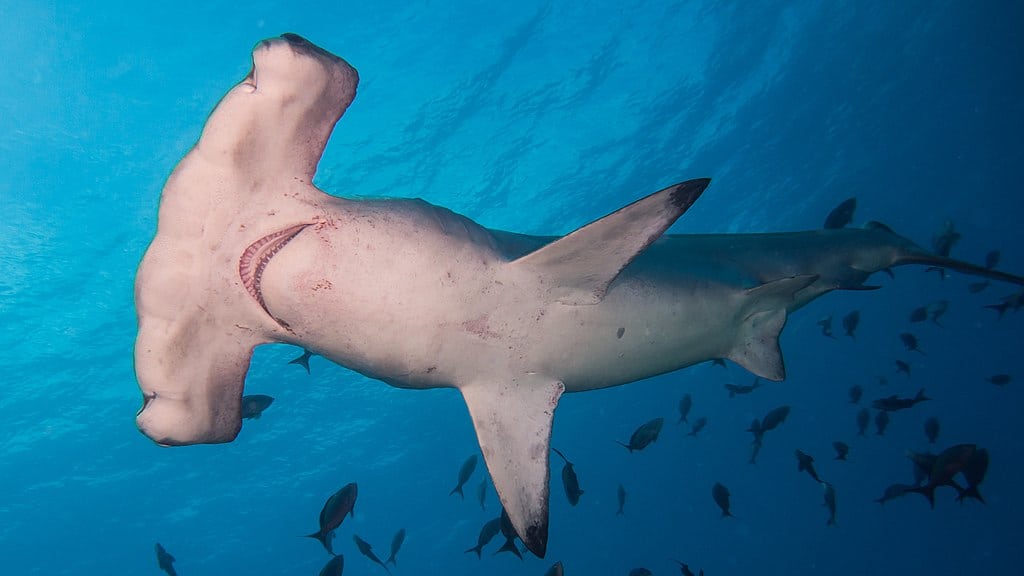
Hammerhead sharks are enigmatic and vital to the health of ocean ecosystems. Understanding why they are avoiding the Florida coast allows us to address the environmental and human-induced factors contributing to their migration. Through concerted conservation efforts, improved research, and community engagement, we can work towards a future where hammerhead sharks thrive off the shores of Florida, contributing to the marine diversity and ecological balance that make our oceans so extraordinary.

From exploring the marine wonders in the Azores and witnessing the vast savannas of Kenya, to delving deep into the rich biodiversity of South Africa and traversing iconic landscapes in Australia and the US like Yellowstone, Chris's experiences are vast.
With a penchant for diving alongside sharks, the ocean holds a special place in his heart.
Through his academic insights, he champions wildlife conservation, striving with 'Animals Around The Globe' to cultivate a profound connection between humans and animals, enhancing our mutual appreciation.
Connect with him at Feedback@animalsaroundtheglobe.com.
- The Anatomy of a Spider: What Makes It So Unique? - July 19, 2026
- The Largest Wolf Pack Ever Tracked in the Wild - July 19, 2026
- Saving Manatees in Florida’s Warming Waters - July 19, 2026