
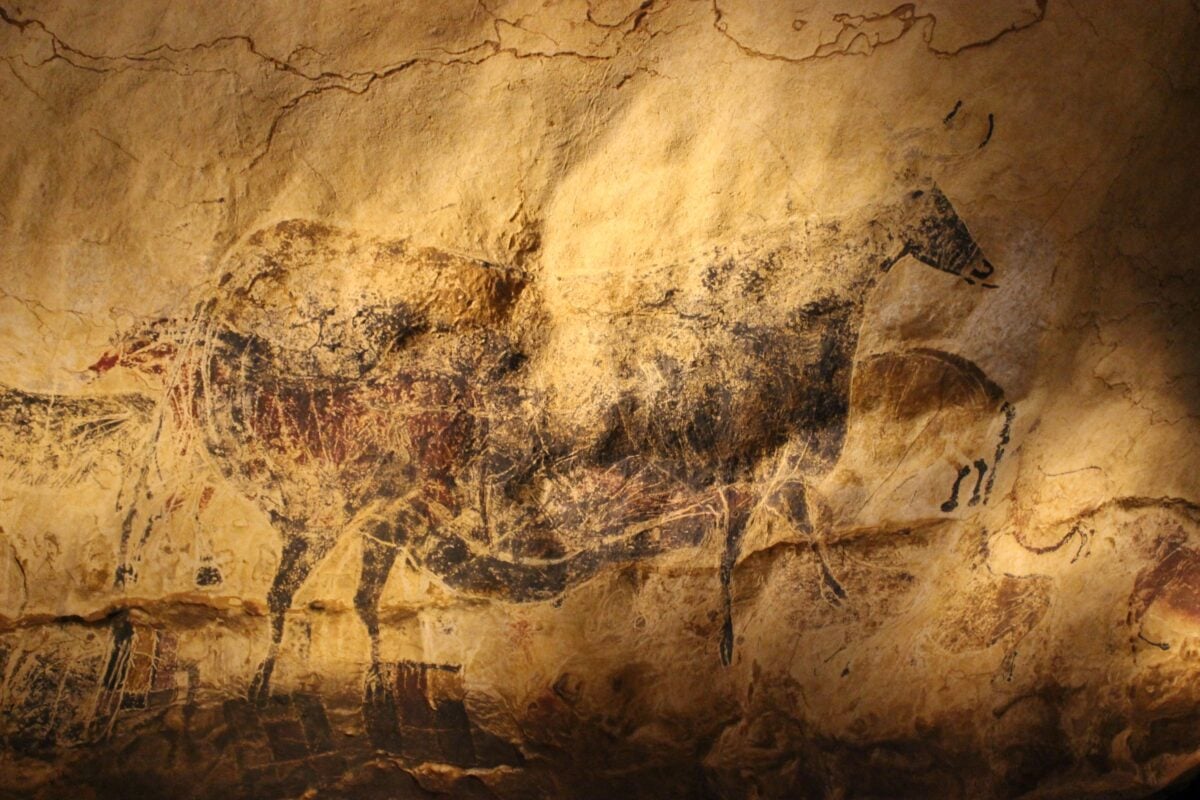
Walk into Lascaux or Chauvet today, and the first thing that strikes you isn’t just the artistry. It’s the location. These paintings weren’t placed where anyone could stumble across them on a casual afternoon. They sit in total darkness, sometimes a mile or more from daylight, in spaces so tight that only one person could have squeezed in to paint them.
That single detail has quietly dismantled one of the oldest assumptions about our ancestors. For decades, people pictured cave art as something like interior decorating with a prehistoric twist, images made simply because early humans liked pretty things on their walls. The archaeological record tells a very different story, and it’s one worth sitting with for a moment before jumping to conclusions.
The Location Problem Nobody Can Ignore
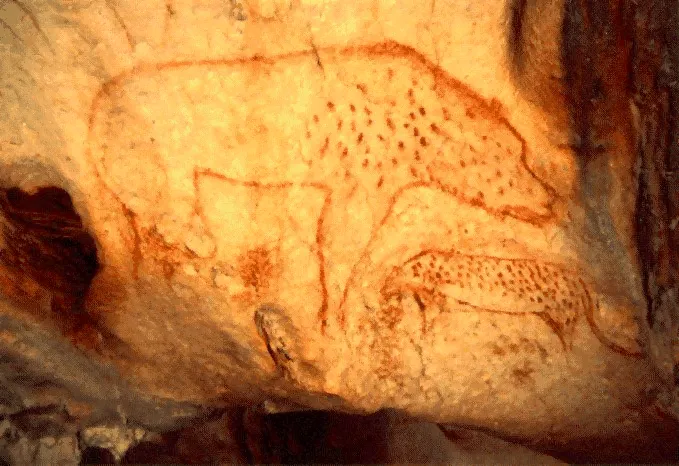
If cave art were purely decorative, you’d expect to find it where people actually lived, near hearths, sleeping areas, the everyday bustle of Ice Age life. Instead, the opposite is true. Most decorated caves were uninhabited, save for the artists.
Even more telling is where inside these caves the art shows up. A significant amount of cave art is found in remote chambers, far from the entrance, and even here, some paintings and petroglyphs are found in small holes and corners, which can accommodate only one person at a time. That’s not how you design a gallery meant to be admired. It’s how you design something meant to be experienced privately, deliberately, and with effort.
Sympathetic Magic and the Hunt
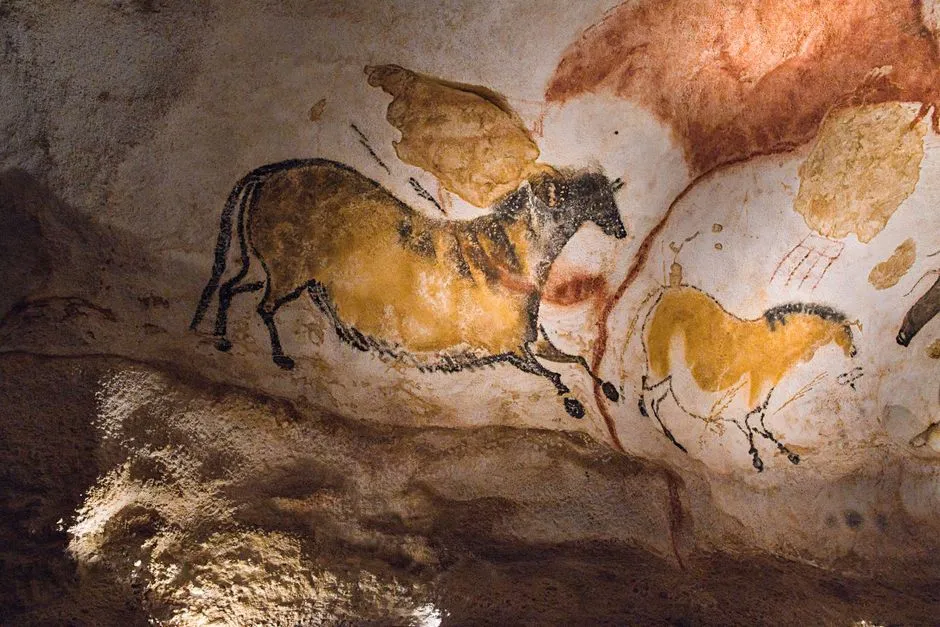
One of the earliest serious theories came from the French priest and prehistorian Abbé Henri Breuil in the early twentieth century. His idea, often called sympathetic magic, suggested that painting an animal on a cave wall might have been a way of gaining power over it before a hunt. Totemism was favored early on but archeological findings and the science of ethnology paved the way for the sympathetic magic theory of Abbé Breuil.
The theory has real problems, though, and scholars have been pointing them out for years. If the art was designed to teach the science of hunting, why did it include creatures already extinct or others that were never hunted, and why did it not include specific hunting scenes? Anyone who has actually tracked or hunted an animal knows the skill comes from practice in the field, not from studying a wall. Sympathetic magic still gets mentioned in textbooks, but most researchers now treat it as one thread among several rather than the whole explanation.
Shamans, Trance States, and the Mind in the Cave
In the 1990s, archaeologist David Lewis-Williams offered a very different framework, one that has arguably shaped the field more than any other since. He proposed a radical reinterpretation of Paleolithic cave art centered on shamanism and altered states of consciousness, arguing that much prehistoric art depicted shamanic visions experienced during trance states. Rather than being about hunting success, the imagery might reflect what people actually saw in their minds during ritual practice.
The neuroscience behind this is genuinely interesting. When humans enter trance states through rhythmic drumming, sensory deprivation, hyperventilation, or drugs, the visual cortex fires in predictable patterns, generating characteristic visual phenomena such as geometric forms, shifting tunnel visions, and complex hallucinations. Those abstract dots, grids, and zigzags found alongside animal figures in many caves match this pattern surprisingly well. Still, the theory has a real weakness, since it explains abstract imagery and distorted animals well but is harder pressed to explain purely naturalistic, anatomically accurate animal paintings in caves like Chauvet, where clarity rather than distortion dominates.
A Language Before Language Existed
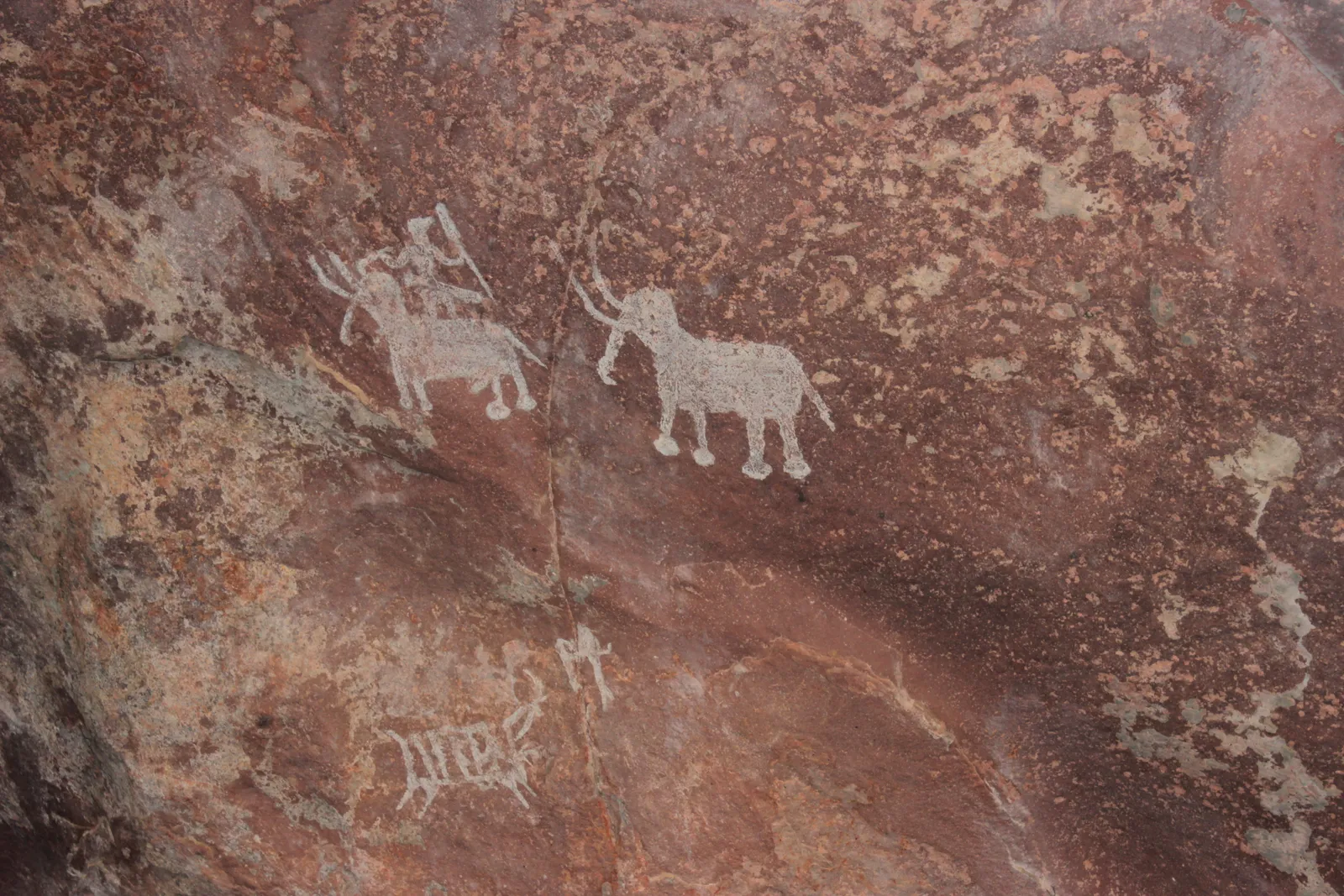
Another compelling line of thinking treats cave art less as ritual and more as an early attempt at communication, a way of thinking through complex ideas before spoken language could fully carry the weight. According to this view, images may have functioned the way words do now, letting people convey concepts that couldn’t yet be spoken aloud. According to anthropologist Philippe Descola of the Collège de France, the people of the Chauvet Cave would have been more comfortable using images instead of words to express complex thoughts.
This isn’t just speculation dressed up in academic language. Some researchers have gone further, suggesting cave art actively pushed cognitive development forward rather than simply reflecting it. It played a creative role not merely in general education but more specifically in the development of sophisticated language, being capable of communicating thoughts on an ever widening range of subjects. If that’s right, these paintings weren’t just art at all. They were an early operating system for human thought itself.
Keeping Track of the Sky and the Seasons

Perhaps the most surprising theory to gain traction in recent years involves astronomy, not spirituality. Researchers analyzing sequences of dots, lines, and Y-shaped symbols found alongside animal depictions across multiple European sites have proposed these aren’t decorative flourishes at all. Some of their cave paintings aren’t just depictions of wild animals, instead they represent constellations in the night sky.
The underlying idea is that Ice Age communities needed a practical system for tracking time, especially breeding seasons and migration patterns tied to specific animals. As far back as 40,000 years ago, humans kept track of time using relatively sophisticated knowledge of the stars, new research shows. This reframes cave art as something closer to a working calendar etched into stone, useful information passed down and preserved rather than mystical imagery meant only for ritual. It’s a theory that has pushed some scholars to reconsider how quickly they reach for spiritual explanations by default.
Ceremony, Sound, and the Theater of Darkness

Step deep into a limestone cave and something strange happens acoustically. Certain chambers naturally amplify sound, creating echo effects that would have been startling, even eerie, to anyone standing there with only torchlight for company. Some researchers have noticed that art tends to cluster in these acoustic hot spots more often than chance would predict.
Archaeologist April Nowell, who studies the origins of art at the University of Victoria, has cautioned against overstating this connection while still taking it seriously. She notes it’s very likely that archaeoacoustics explains the placement of some art in some caves some of the time, though saying cave acoustics inspired the visual representations themselves is a stretch. The picture that emerges is one of caves functioning as immersive ceremonial spaces, where sound, flickering light, and imagery combined to create something closer to theater than gallery viewing.
Symbolic Systems and the Limits of Any Single Theory
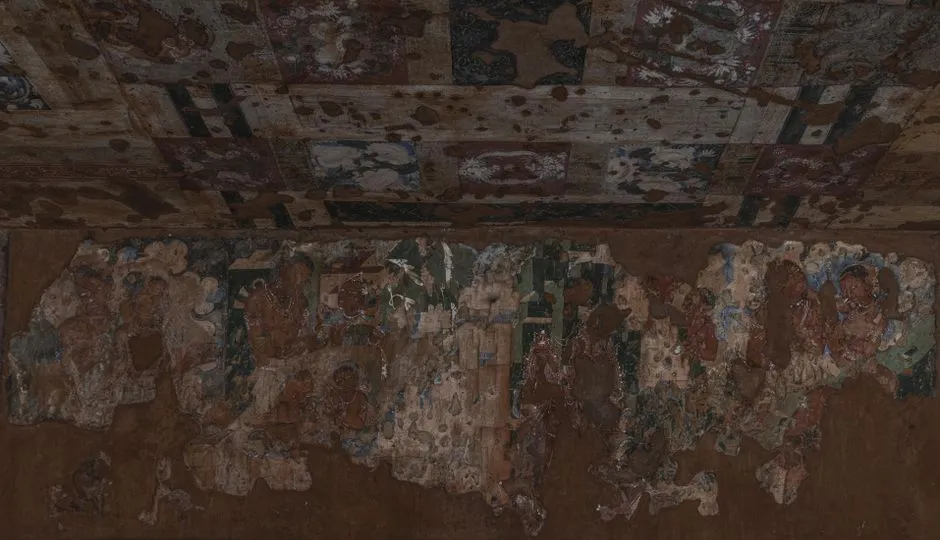
By this point, a pattern should be obvious. Every theory that gets proposed, whether it’s hunting magic, shamanism, astronomy, or proto-language, runs into cases it can’t fully explain. French archaeologist André Leroi-Gourhan responded to this decades ago by arguing that cave art might reflect an entire symbolic system of paired oppositions, male and female, animal and human, rather than any single functional purpose.
Honestly, the most intellectually honest position researchers have landed on is uncertainty paired with confidence about what it wasn’t. Non-utilitarian theories see the art as shamanistic, or magical or religious, but none of these fits all, or most or even many of the facts. That’s not a failure of scholarship. It’s an accurate reflection of how little direct evidence survives from people who left no written records explaining themselves.
A Verdict Without Certainty
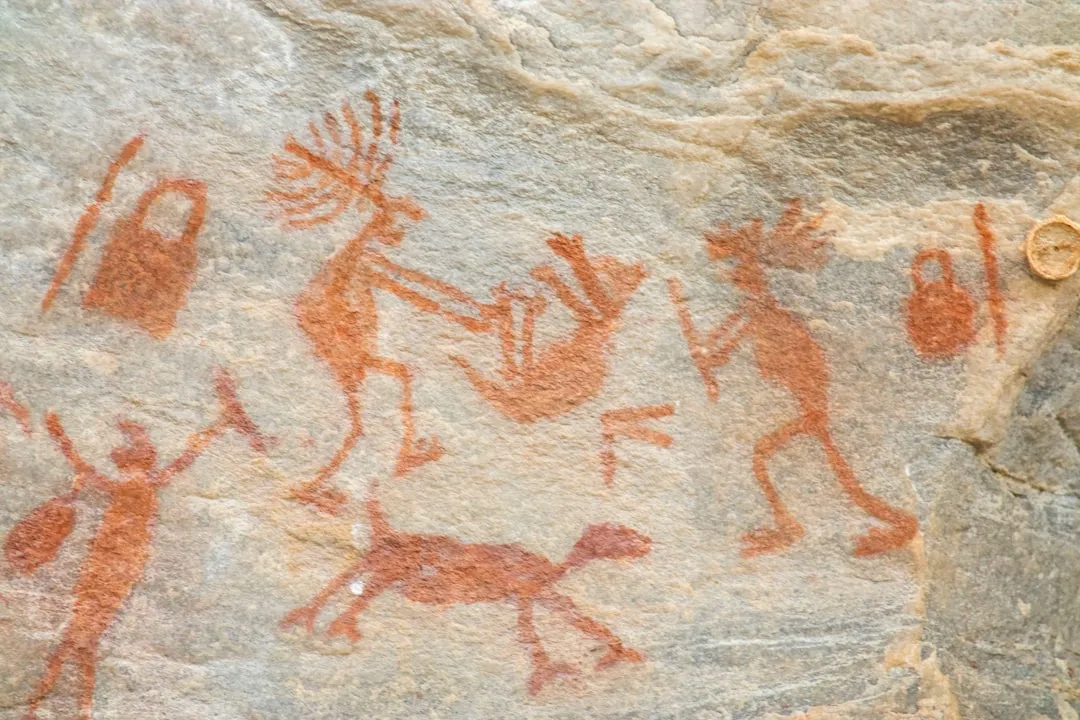
If there’s one thing this research makes clear, it’s that “decoration” was never a serious contender to begin with. The placement, the effort, the darkness, none of it fits a casual aesthetic impulse. Something more deliberate was happening in those chambers, whether it was ritual, record keeping, storytelling, or some combination we haven’t fully pieced together yet.
My own take, for what it’s worth, leans toward multiplicity rather than a single grand answer. Different caves, different communities, different centuries likely produced art for different reasons, and forcing all of it into one tidy theory probably says more about our discomfort with ambiguity than it does about the people who actually held the torches. That unresolved quality isn’t a weakness in the story. It’s the most honest part of it.
