

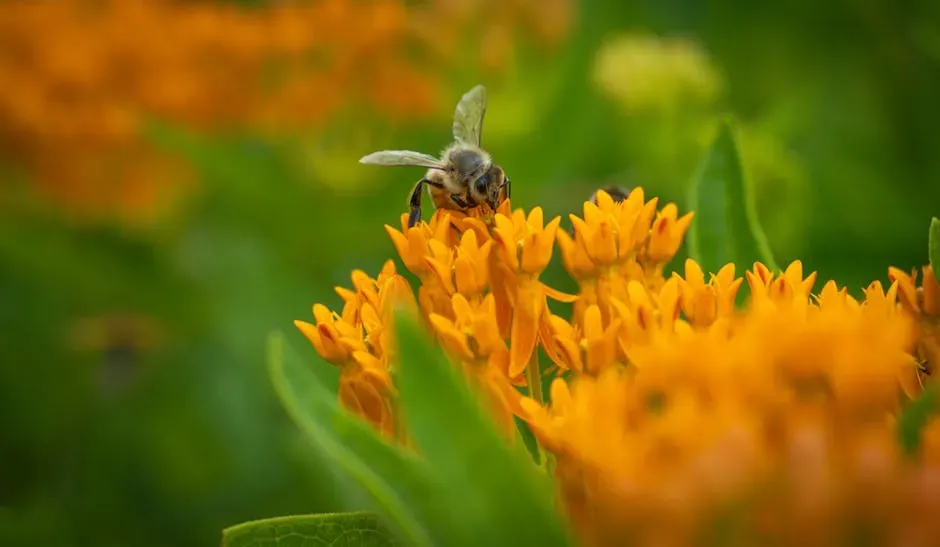
Most people walk past a flowering garden without a second thought. They notice the color, maybe a bee hovering between blooms, and move on. What’s easy to miss is that this quiet, unremarkable exchange is helping feed the world. Pollination is one of nature’s most essential services, and it’s happening all around us, all the time, largely unnoticed and deeply taken for granted.
Pollination is a fundamental process in both human-managed and natural terrestrial ecosystems. It is critical for food production and human livelihoods, and directly links wild ecosystems with agricultural production systems. What makes the current moment so urgent is that the creatures responsible for this service are disappearing at a rate that scientists and policymakers are finding increasingly difficult to ignore.
The Backbone of Our Food Supply
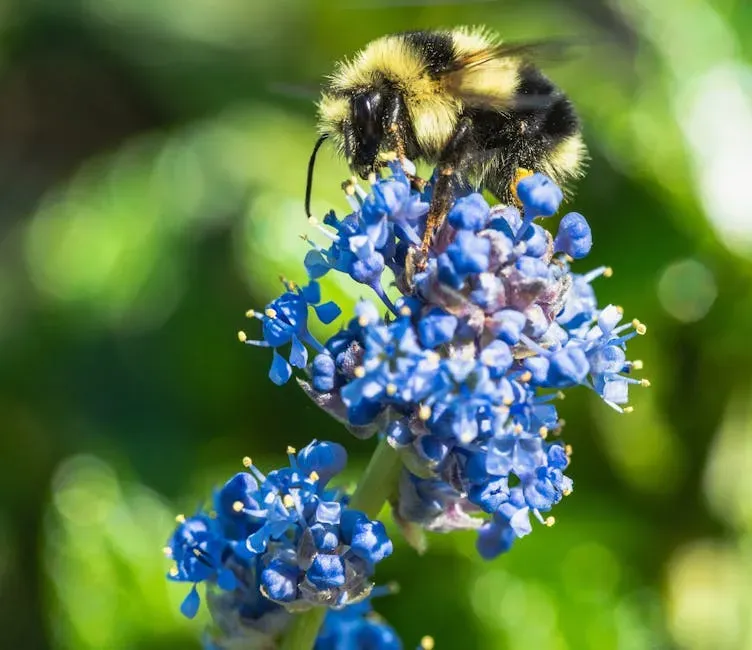
Pollinators like bees, butterflies, some birds and bats are vital to nature and our food supply, with almost ninety percent of flowering plants and over three-quarters of the world’s staple crops depending on them. That’s not a minor footnote in the story of agriculture. It’s the central chapter.
Pollinators have been essential for millions of years, not only for the production of nutrient-rich foods like fruits, vegetables, nuts, and seeds but also for maintaining vibrant ecosystems. About three-quarters of global food crop types depend on pollinators, highlighting their importance in the diversity of our food supply.
These helpful insects contribute up to US$577 billion to the world economy annually. That figure tends to land differently when you consider that it represents apples, berries, almonds, coffee, and much of the produce section of your grocery store. Pollinators are responsible for as much as one third of the food and drinks that we consume, and they contribute to the production of our clothes.
Modern agricultural practices, leading to the expansion of agricultural lands and increased pesticide use, have been linked to the decline in pollinator populations. This decline could impact the availability and cost of vitamin-rich crops, potentially leading to health issues such as malnutrition and non-communicable diseases.
A Crisis Hiding in Plain Sight
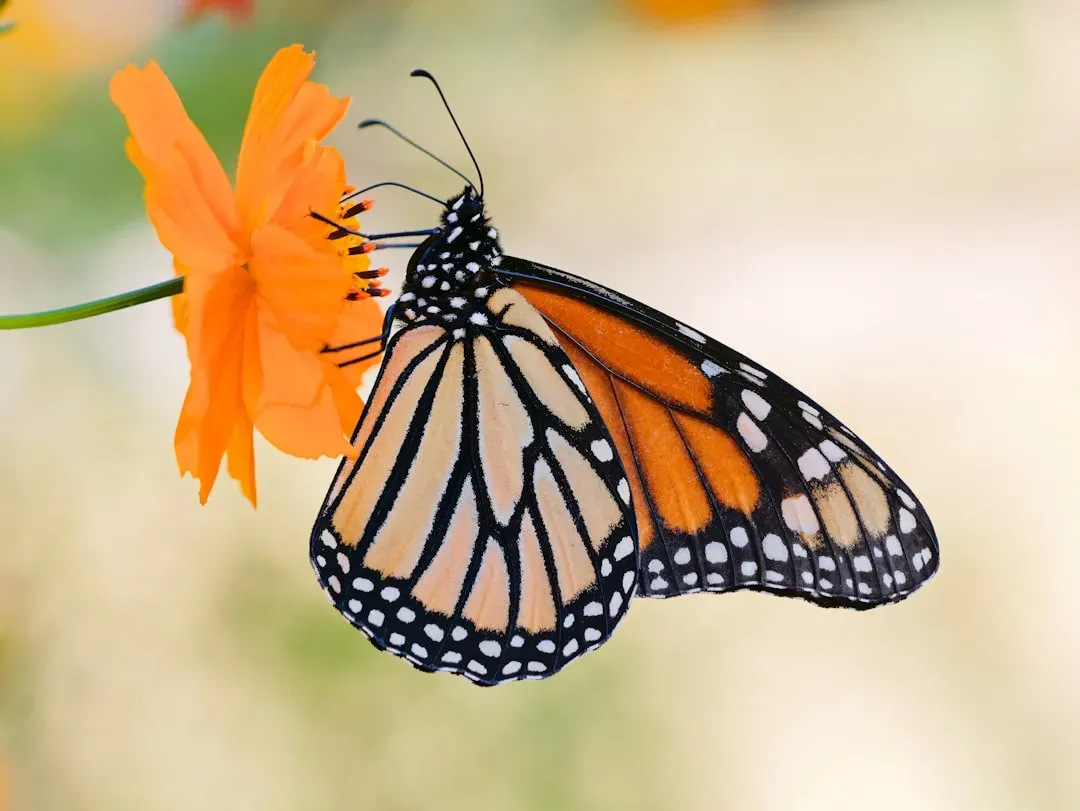
Pollinator populations around the world have been declining at an alarming rate in recent decades. Approximately sixteen percent of vertebrate pollinators, such as birds and bats, and forty percent of invertebrate pollinators, such as bees and butterflies, are at risk of extinction.
Research has shown a rapid and consistent decline in pollinator populations. Average butterfly populations have almost halved since 1991 and bee populations in particular face a steep decline. Meanwhile, the number of managed honey bee colonies in the United States has dropped from five million in the 1940s to approximately 2.68 million in 2023, according to the USDA Animal and Plant Health Inspection Service.
A pivotal study led by NatureServe reveals that more than twenty-two percent of native pollinators in North America are at an elevated risk of extinction. This first-of-its-kind, taxonomically diverse assessment evaluated nearly 1,600 species, including bees, beetles, butterflies, moths, flower flies, bats, and hummingbirds, shedding light on the growing biodiversity crisis affecting ecosystems and food security.
A 2021 study described as the “first long-term assessment of global bee decline,” which analyzed data over a century, found that the number of bee species declined steeply worldwide after the 1990s, shrinking by roughly a quarter in 2006–2015 compared to before 1990. The trajectory is hard to look at without some concern.
What’s Driving the Decline
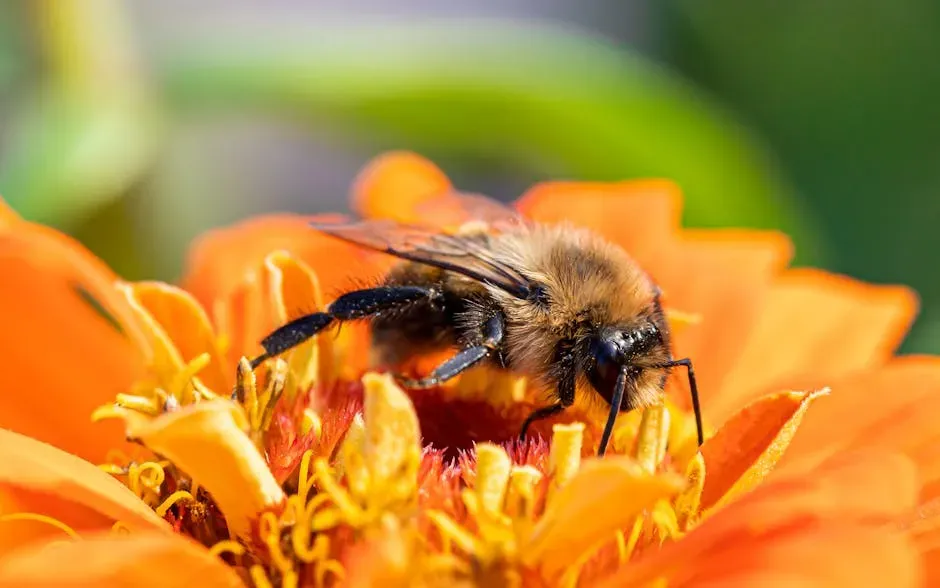
Pollinator populations face multiple threats that can impact their ability to thrive and survive. Many pollinator populations are threatened by habitat degradation and fragmentation. Pollution, pesticides, pests, pathogens, and changes in land use, and climate change have all been associated with shrinking and shifting pollinator populations, particularly insect pollinators.
Neonicotinoids, or “neonics,” are a class of insecticides widely used in agriculture and gardening. Designed to target pests, these chemicals are extremely toxic to bees and other beneficial insects. Unlike other pesticides, neonics are “systemic”: when applied, they are absorbed by the plant, making the entire organism, from roots to pollen, toxic to insects. A thousand times more toxic to bees than DDT, these chemicals cause serious harm even in sublethal doses, attacking insects’ brains and impairing their reproduction, navigation, and immune systems.
Climate change is disrupting the natural timing of plant life cycles, a phenomenon known as phenology. Many plants rely on environmental cues, such as temperature and daylight, to determine when to flower or produce seeds. However, as these cues shift owing to climate change, the flowering period may no longer align with the activity of pollinators like bees. This mismatch reduces pollination success, leading to fewer plants, diminished biodiversity, and a decline in overall ecosystem health.
Microplastic particles are now contaminating beehives across Europe, with testing from 315 honey bee colonies revealing synthetic materials like PET plastic in most hives. Artificial light at night is also reducing flower visits by nocturnal pollinators by sixty-two percent, inhibiting the crucial role moths and night insects play in pollination. These are newer threats layered on top of older ones, and the combination is proving especially difficult to reverse.
Why Biodiversity Loss Reaches Further Than You Think
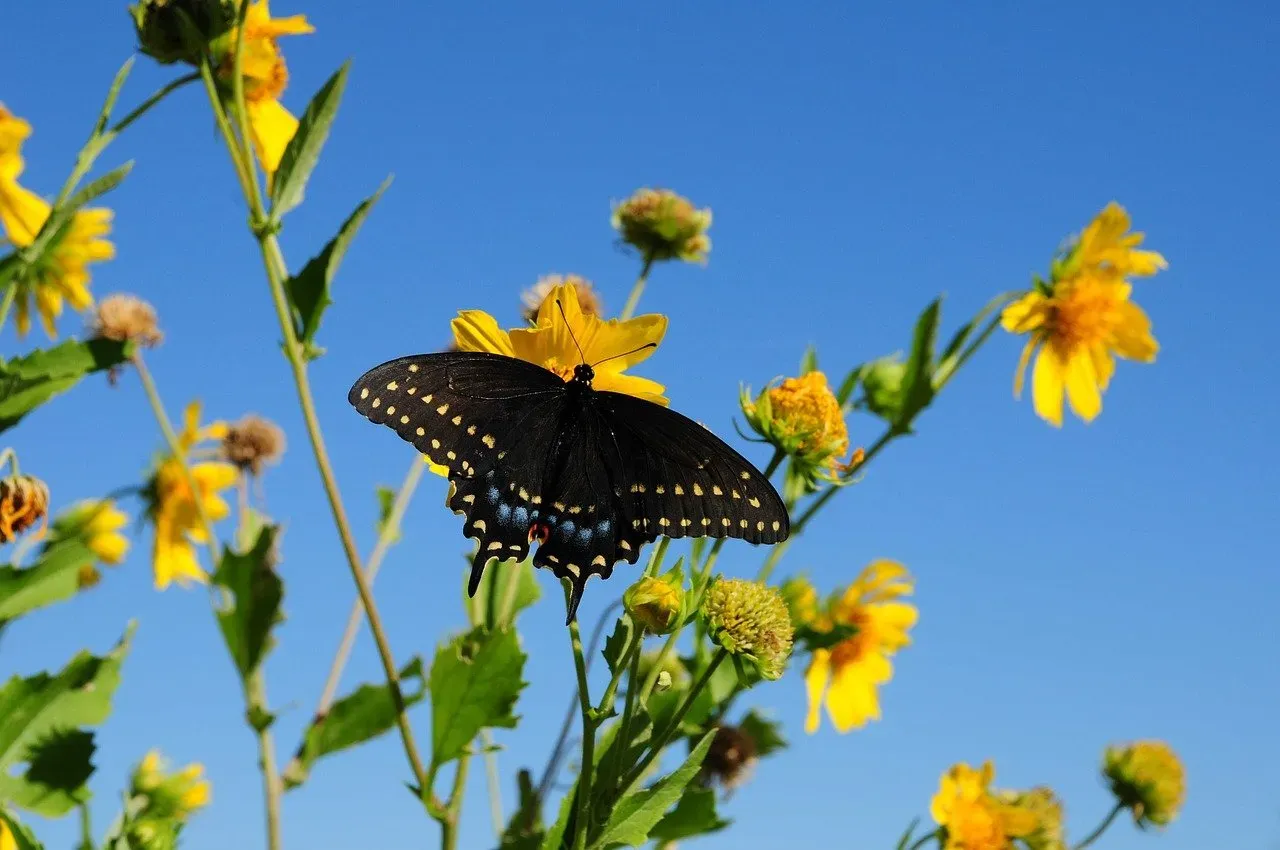
Globally, approximately eighty-seven and a half percent of flowering plants are pollinated by animals. Without pollinators and pollination, many interconnected species and processes functioning within ecosystems would collapse. This isn’t isolated to farms or nature reserves. It cascades through entire food webs.
Beyond agriculture, pollinators are keystone species in most terrestrial ecosystems. Fruits and seeds derived from insect pollination are a major part of the diet of approximately a quarter of all birds, and of mammals ranging from red-backed voles to grizzly bears.
Wild pollinator loss in Europe could cut crop yields by eight percent, reduce exports, and raise food prices. Despite market adjustments, global annual welfare would decline by €34 billion in 2030, with EU consumers in states resisting biodiversity policies hit hardest. The economic argument for protection is, in some ways, just as compelling as the ecological one.
The impact of pollinator decline on wild plants and fruits was viewed as a serious risk in Africa, Asia-Pacific, and Latin America, regions with many low-income countries where rural populations rely on wild-growing foods. The people with the fewest resources to adapt tend to be the most exposed when ecosystems falter.
What Can Actually Be Done
The Nature Restoration Regulation, adopted in 2024, is the first EU-wide, comprehensive law of its kind. It aims to restore ecosystems, habitats and species across the EU’s land and sea areas to enable the long-term and sustained recovery of biodiverse and resilient nature, including pollinators. Article 10 of the regulation requires Member States to put in place appropriate and effective measures to improve pollinator diversity and reverse the decline of pollinator populations at the latest by 2030.
Outside of formal awareness weeks, states across the country are passing legislation with tangible impacts for pollinators and pesticide reform. In 2025 alone, over thirty states introduced nearly two hundred pieces of legislation, with twelve states already passing legislation that session. These policies range from eliminating the use of neonicotinoid pesticides, creating pollinator habitat alongside state highways, and increasing pesticide-use monitoring.
Conserving or promoting pollinator diversity, each with unique traits and responses to climate, contributes to improving climate change resilience. This diversity acts as an insurance for effective pollination under both current and future climatic conditions, enhancing resilience in agricultural ecosystems through biodiversity.
The pollinator protection pledge championed by organizations like the Xerces Society is built on four simple principles: growing pollinator-friendly flowers, providing nest sites, avoiding pesticides, and spreading the word. These core values apply equally to urban community gardens, suburban yards, city parks, and farms, making them possible to implement anywhere, anytime. Individual action may feel modest, but when it scales across neighborhoods and communities, the effect on local pollinator populations is measurable and real.
Conclusion
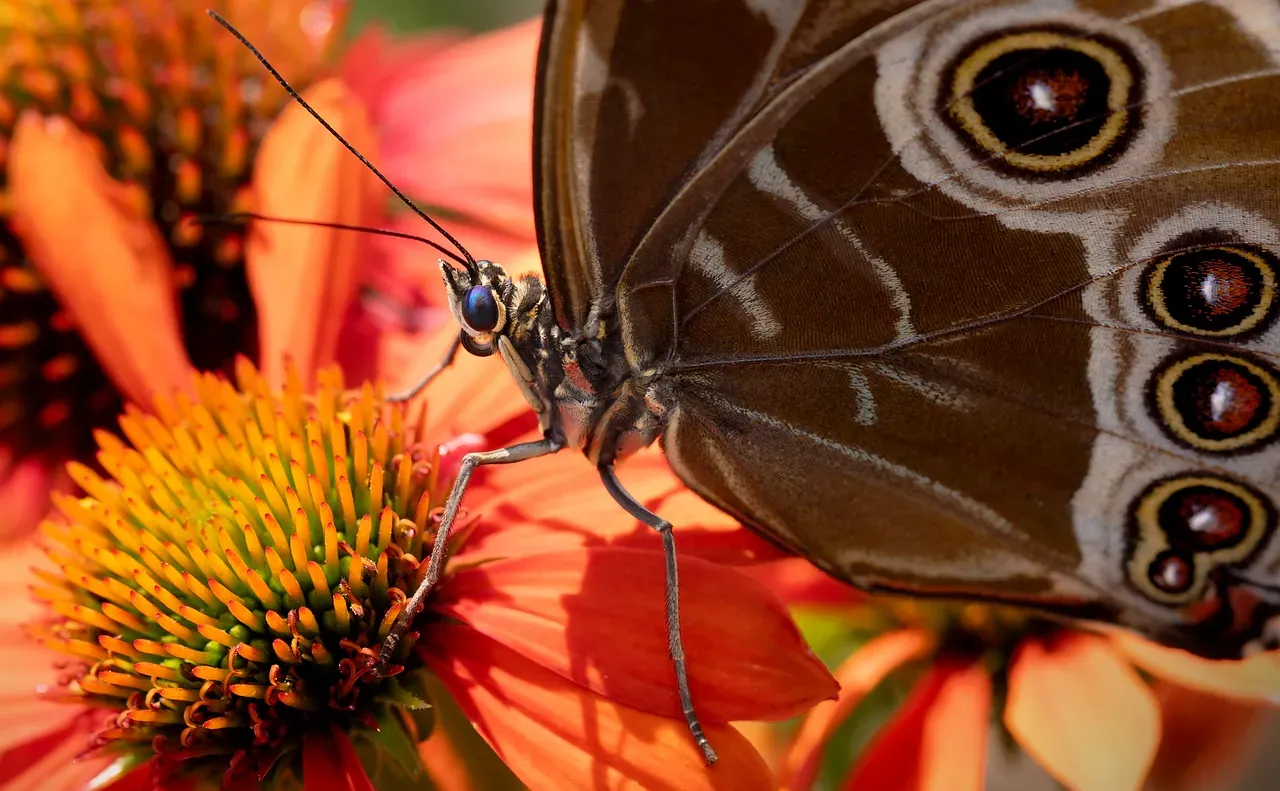
The case for protecting pollinators doesn’t rest on sentiment. It rests on science, on food systems, on economies, and on the kinds of ecosystems that support virtually all life on this planet. Pollinators are a key component of global biodiversity, providing vital ecosystem services to crops and wild plants. There is clear evidence of recent declines in both wild and domesticated pollinators, and parallel declines in the plants that rely upon them.
The solutions already exist. Reducing pesticide use, restoring native habitats, updating land-use policy, and even rethinking what we plant in our own yards are all within reach. The question is less about knowing what to do and more about finding the collective will to do it consistently and at scale.
Pollinators have been doing their work for millions of years, long before anyone thought to thank them for it. The least we can offer in return is a world where they can keep doing it.
