
In the natural world, aging and death seem inevitable. Most organisms follow a predictable pattern: birth, growth, reproduction, decline, and ultimately, death. However, a select group of extraordinary creatures appears to defy this universal law. These animals demonstrate negligible senescence—they show minimal or no biological aging and can potentially live indefinitely if not killed by predation, disease, or environmental factors. This phenomenon, often called biological immortality, challenges our fundamental understanding of life cycles and opens fascinating questions about the limits of longevity.
Scientists studying these seemingly ageless creatures hope to unlock the secrets of their extended lifespans. Could understanding how these animals resist aging lead to breakthroughs in human longevity? While true immortality remains in the realm of science fiction, these remarkable organisms provide glimpses into nature’s alternative aging strategies. Their unusual biology may hold valuable insights for addressing age-related diseases and potentially extending healthy human lifespans.
Understanding Senescence: Why Most Animals Age

Before exploring immortality, we must understand why aging occurs in the first place. Senescence—the biological process of deterioration with age—happens due to multiple factors. At the cellular level, telomeres (protective caps on chromosome ends) shorten with each cell division, eventually limiting further replication. DNA accumulates mutations over time, while proteins and other cellular components sustain damage from oxidative stress. The body’s repair mechanisms gradually become less efficient, leading to tissue and organ dysfunction.
Evolutionary theories suggest aging exists because natural selection’s power diminishes after reproductive age. Genes that benefit youth but cause problems later in life can be favored by evolution since they help individuals reproduce successfully before their negative effects manifest. This explains why most animals follow a predictable lifespan pattern. However, some creatures have evolved remarkable adaptations that appear to circumvent these biological limitations, enabling them to maintain youthful characteristics indefinitely.
Hydra: Tiny Immortals of the Freshwater World
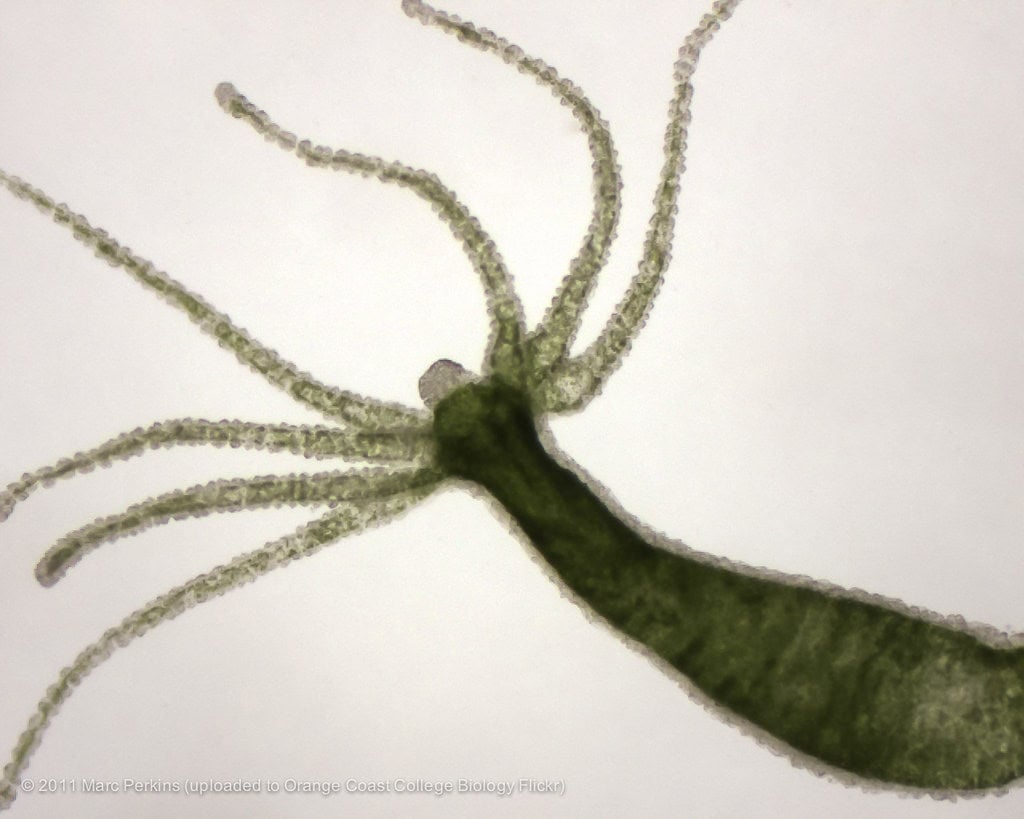
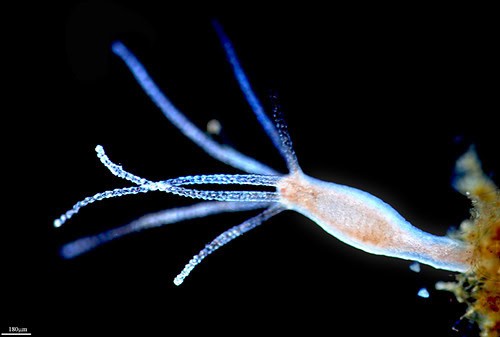
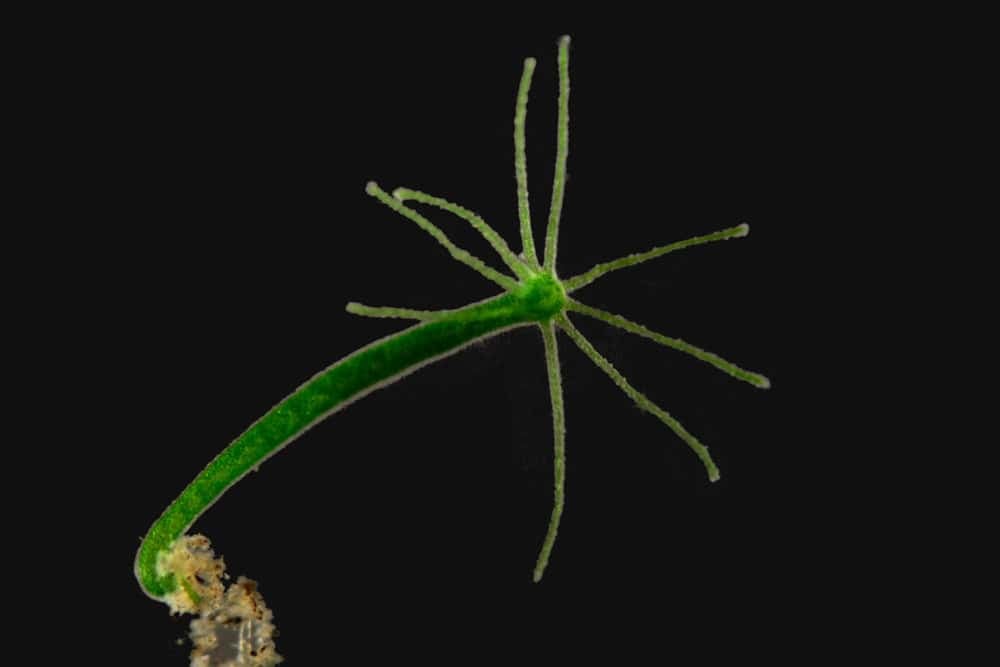
Perhaps the most famous biologically immortal animal is the hydra, a tiny freshwater relative of jellyfish measuring just a few millimeters long. Studies dating back to the 1990s have shown that hydras show no signs of aging and no increased mortality rate over time. When researchers tracked individual hydras over four years—equivalent to about 200 human years in their timescale—they found no decline in reproductive capacity or increase in mortality. These simple creatures can potentially live indefinitely if not killed by external causes.
Hydras achieve this remarkable feat through their abundant stem cells, which make up most of their bodies. These cells continuously divide and differentiate, replacing older cells before they can deteriorate. The entire body of a hydra regenerates every few weeks. Additionally, hydras express high levels of FoxO genes, which regulate stem cell activity and stress resistance. When scientists experimentally reduced FoxO expression, the hydras began showing signs of aging, suggesting these genes play a crucial role in their biological immortality.
Turritopsis dohrnii: The Immortal Jellyfish

The Turritopsis dohrnii, commonly known as the immortal jellyfish, has developed perhaps the most extraordinary anti-aging strategy in the animal kingdom. When facing environmental stress, starvation, physical damage, or even natural aging, this tiny jellyfish (about 4.5mm across) can revert from its mature medusa stage back to its juvenile polyp stage—effectively reversing its life cycle. This would be equivalent to a butterfly turning back into a caterpillar or a human reverting to an embryonic state.
This remarkable process, called transdifferentiation, allows the jellyfish’s cells to transform from one type to another without going through the stem cell stage. The mature jellyfish essentially collapses in on itself, absorbing its tentacles and bell, while its cells transdifferentiate into different types needed for the polyp stage. The new polyp can then mature again, potentially repeating this cycle indefinitely. This capacity for cellular reprogramming and life cycle reversal makes the immortal jellyfish a subject of intense scientific interest for regenerative medicine and aging research.
Planarian Flatworms: Masters of Regeneration

Planarian flatworms exhibit extraordinary regenerative abilities that contribute to their potential immortality. Cut a planarian into pieces, and each fragment can regenerate into a complete worm within weeks. This remarkable capacity stems from their abundant pluripotent stem cells called neoblasts, which make up roughly 20-30% of all cells in their bodies. These neoblasts can differentiate into any cell type needed for regeneration, effectively creating new body parts as needed.
Beyond regeneration, planarians show negligible senescence. Their continuous cell renewal prevents the accumulation of damaged cells and tissues that typically cause aging. Researchers studying these flatworms have identified several genes involved in their regenerative capabilities, including those regulating telomere maintenance and DNA repair. Understanding these mechanisms could potentially inform regenerative therapies for humans. While planarians can still die from disease or predation, their biological aging appears to be effectively neutralized through their remarkable regenerative strategies.
Lobsters: The Crustaceans That Grow Stronger With Time

Contrary to popular belief, lobsters are not truly immortal, but they do show unusual aging patterns that have fascinated scientists. Unlike most animals, lobsters continue to grow throughout their lives and actually become more fertile with age rather than less. This is due to their production of telomerase, an enzyme that repairs the shortening telomeres in their DNA. While humans only produce significant amounts of telomerase during embryonic development, lobsters continuously produce it throughout their lives.
Lobsters also maintain robust DNA repair mechanisms as they age. Their cells continue to function efficiently, and their muscles don’t weaken significantly over time. In the wild, lobsters typically die from external causes rather than old age—they eventually grow so large that molting (shedding their exoskeleton to grow) requires too much energy, leading to death from exhaustion or infection. Some specimens have been estimated to be over 100 years old. While not truly non-aging, their negligible senescence and continued growth with age represent a fascinating alternative to typical aging patterns.
Naked Mole Rats: Cancer-Free Centenarians

Naked mole rats (Heterocephalus glaber) are extraordinary mammals with a lifespan of over 30 years—nearly ten times longer than similarly sized rodents. More remarkably, they show little to no signs of aging for most of their lives. Their mortality rate does not increase with age as it does in virtually all other mammals. They maintain cardiovascular function, reproductive capacity, and overall health well into their third decade of life, only showing slight signs of aging in their final years.
These unusual rodents possess several adaptations that contribute to their exceptional longevity. They appear virtually immune to cancer due to the production of high-molecular-weight hyaluronan, which prevents cells from becoming cancerous. Their cells are remarkably resistant to oxidative damage and show enhanced protein stability. Additionally, naked mole rats live in low-oxygen environments, which may have driven adaptations that protect against cellular damage. As highly social mammals with complex behaviors, they offer valuable insights into the potential for extended mammalian lifespans without the typical deterioration associated with aging.
Ocean Quahogs: The Centuries-Old Mollusks

Ocean quahogs (Arctica islandica) hold the record for the longest-lived non-colonial animal ever discovered. One specimen, nicknamed “Ming” after the Chinese dynasty during which it was born, was determined to be 507 years old when it died in 2006 (researchers accidentally killed it while determining its age). These bivalve mollusks routinely live for centuries, showing remarkably little deterioration in physiological function throughout their extended lifespans.
The secret to the ocean quahog’s longevity appears to lie in their exceptional cellular maintenance mechanisms. They show extraordinary resistance to oxidative stress—a primary driver of aging—and maintain stable protein quality even after hundreds of years. Additionally, these mollusks have evolved to enter states of suspended animation during periods of environmental stress, effectively pausing their metabolic processes. During these periods, they can reduce their oxygen consumption by over 99%, minimizing cellular damage. Their ability to maintain cellular integrity over centuries makes them valuable models for understanding the biological limits of longevity.
Bdelloid Rotifers: Ancient Survivors
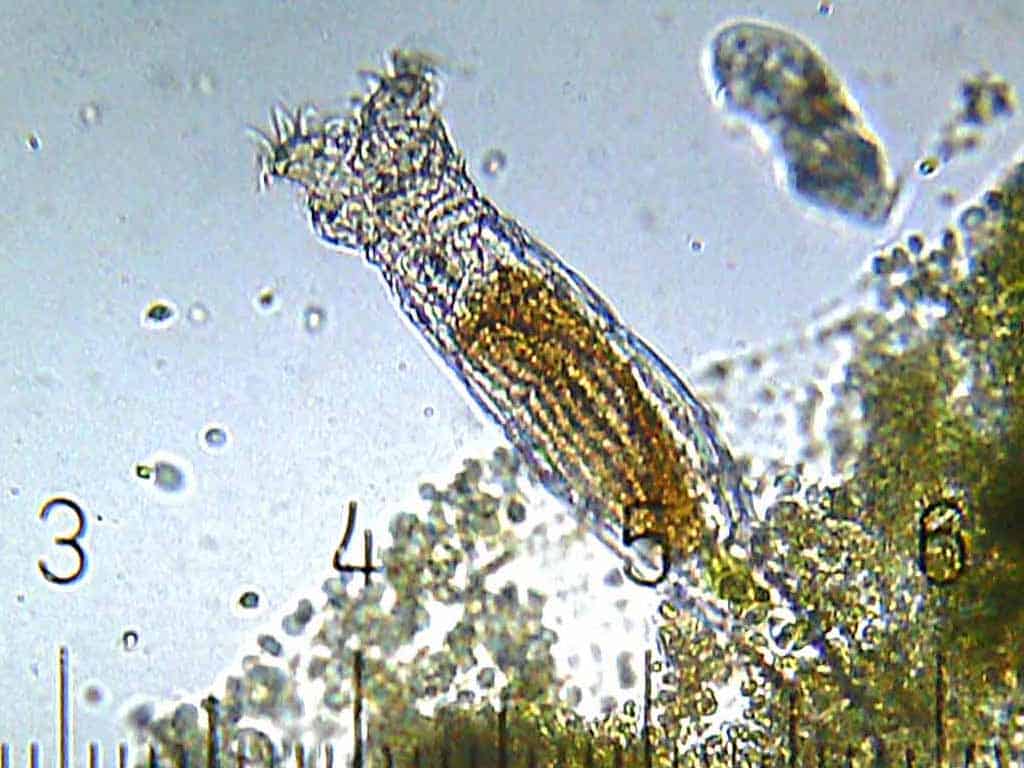
Bdelloid rotifers, microscopic aquatic animals, represent one of evolution’s most peculiar experiments. These tiny creatures (typically less than 1mm long) can enter a state of suspended animation called anhydrobiosis when facing drought conditions. By contracting into a barrel shape and expelling almost all water from their bodies, they can remain dormant for extraordinary periods—some specimens have been revived after being frozen for over 24,000 years in Siberian permafrost.
During anhydrobiosis, bdelloid rotifers essentially stop aging. Their metabolic processes halt completely, and they show no signs of cellular deterioration. When rehydrated, even after millennia, they resume normal functions within hours. Additionally, these remarkable animals reproduce exclusively through parthenogenesis (asexual reproduction) and have apparently done so for over 40 million years, defying the expectation that asexual species should accumulate harmful mutations and go extinct. Their exceptional DNA repair mechanisms, which evolved to fix damage incurred during dry periods, may contribute to their extraordinary resistance to aging.
Sea Anemones: The Eternally Youthful Ocean Dwellers

Sea anemones join their cnidarian relatives (including hydras and immortal jellyfish) in showing negligible senescence. Some species, like Actinia tenebrosa, can live for over 60 years with no signs of aging. Unlike most animals, sea anemones maintain telomerase activity throughout their lives, preventing the telomere shortening associated with cellular aging. They also possess abundant stem cells that continually replace older cells, maintaining tissue function indefinitely.
Perhaps most remarkable is the sea anemone’s ability to revert to earlier developmental stages when stressed. Similar to the immortal jellyfish but less extreme, some sea anemones can partially dedifferentiate their cells and regenerate damaged parts. This plasticity extends to their reproductive capacity, which doesn’t decline with age. A 100-year-old sea anemone is just as capable of asexual reproduction as a young one. These qualities make sea anemones valuable models for understanding the molecular pathways that can prevent or reverse age-related decline.
Tardigrades: Microscopic Survival Specialists

Tardigrades, commonly known as water bears or moss piglets, are microscopic animals renowned for their extraordinary survival abilities. While they don’t live particularly long lives under normal conditions (about 2-30 years depending on the species), they can enter a state called cryptobiosis that effectively suspends aging. In this state, tardigrades can survive extreme conditions including temperatures near absolute zero, the vacuum of space, radiation levels thousands of times higher than lethal doses for humans, and complete dehydration for decades.
During cryptobiosis, tardigrades replace water in their cells with a sugar called trehalose that forms a glass-like state, preserving cellular structures. They reduce their metabolic activity to less than 0.01% of normal and produce specialized proteins that protect their DNA and cellular components from damage. When favorable conditions return, even after decades, they can rehydrate and resume normal life within hours. This ability to pause biological time during cryptobiosis, combined with exceptional cellular repair mechanisms, gives tardigrades a unique relationship with aging—they can effectively “time travel” through periods that would constitute multiple generations for other organisms.
The Cellular Mechanisms Behind Biological Immortality
Several common mechanisms appear across these diverse non-aging species. First, efficient DNA repair systems prevent the accumulation of genetic damage. Most biologically immortal animals express high levels of telomerase continuously throughout their lives, preventing the telomere shortening associated with cellular aging. They also show enhanced protection against oxidative stress—the damage caused by reactive oxygen species that contributes significantly to aging in most organisms.
Stem cell dynamics play a crucial role as well. Non-aging animals typically maintain high numbers of pluripotent stem cells throughout their lives, allowing continuous replacement of damaged or aging cells. Some species like hydras and planarians replace virtually their entire bodies over short periods. Additionally, many of these animals possess mechanisms for removing damaged proteins before they can accumulate and cause cellular dysfunction. Autophagy—the process of breaking down and recycling cellular components—remains highly efficient even in older individuals of these species, preventing the buildup of dysfunctional cellular machinery that typically contributes to aging.
Implications for Human Longevity Research

The study of non-aging animals has profound implications for human longevity research. While humans will likely never achieve the biological immortality of hydras or planarians due to our much greater complexity, understanding the mechanisms that enable negligible senescence could lead to therapies that extend healthy human lifespans. For instance, research on telomerase regulation in lobsters has informed experimental treatments for age-related diseases, while studies of cancer resistance in naked mole rats have yielded insights into potential new anticancer strategies.
The most promising approach may not be attempting to stop aging entirely but rather slowing it down and minimizing its negative effects. Researchers are investigating whether some mechanisms from these extraordinary animals could be adapted to human biology. For example, drugs that mimic the cellular stress responses of long-lived species are already in clinical trials. While the fountain of youth remains fictional, the biology of non-aging animals offers real possibilities for addressing age-related diseases and potentially extending the period of healthy human life. As research continues, these remarkable creatures remind us that what we consider biological laws may sometimes be merely the most common strategies in nature’s diverse toolkit.

- This River Delta Is a Magnet for Endangered Birds - July 17, 2026
- New Fossils in Baja California Reveal a Never-Before-Seen Grouper - July 17, 2026
- The Most Venomous Animal on Land—And How It Kills - July 17, 2026