

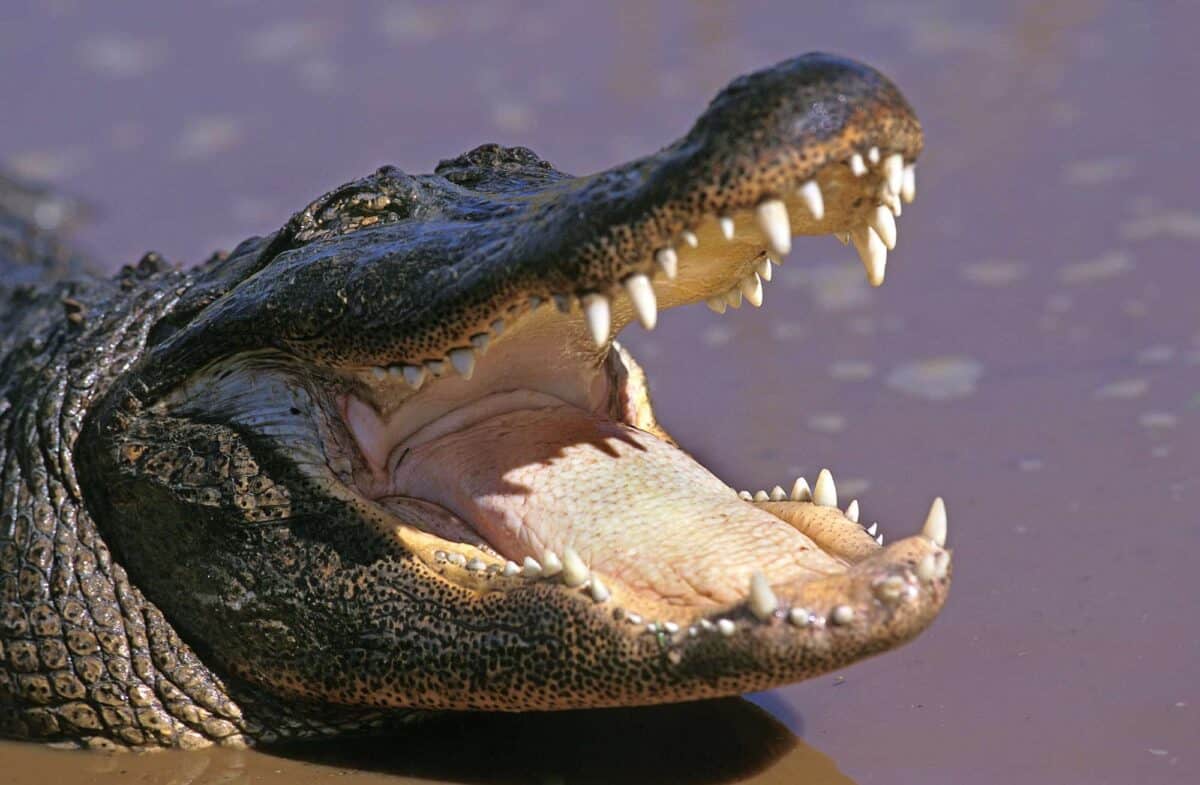
When one thinks of powerful vocalizations in the animal kingdom, the sounds of lions, wolves, or even birds might come to mind. However, among the reptiles, the American alligator stands out for its remarkable ability to produce sounds that can be heard over long distances. Known scientifically as Alligator mississippiensis, the American alligator not only dominates its aquatic habitats in terms of size and strength but also acoustic prowess. This article explores the reasons why the American alligator is considered one of the loudest reptiles.
Vocal Repertoire Beyond the Roar

To grasp the extent of the American alligator’s vocal capabilities, it’s essential to understand their variety of sounds. Alligators produce a range of calls that include bellows, hisses, growls, and even subtle coughs. Each vocalization serves a distinct purpose, from territorial displays to mating calls and warning signals. The most famous of these sounds is the bellow, which is predominantly linked with the mating season.
Acoustic Anatomy The Built-In Megaphone

The American alligator’s capacity for loud sound production is largely owed to its unique anatomy. Their large lung capacity and specialized vocal cords allow them to produce low-frequency sounds that travel well over water. This reptile’s massive head also acts as a resonating chamber, amplifying the sound it generates. This combination of biological adaptations effectively transforms the alligator into a living megaphone.
The Purpose of the Bellow
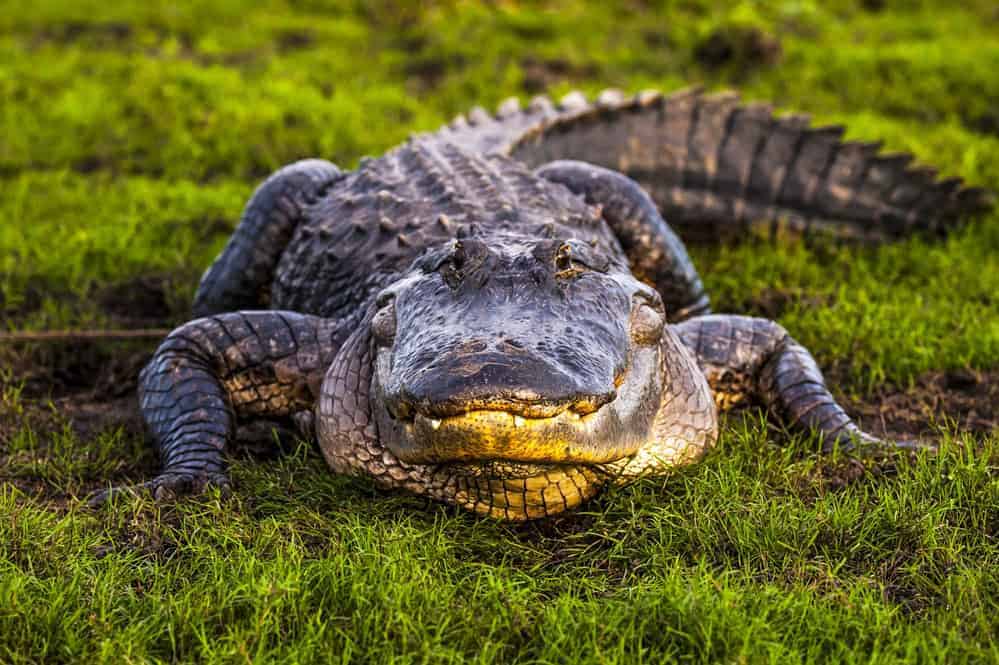
The bellow is arguably the American alligator’s most astonishing sound and serves several vital roles in its life cycle. Primarily, bellows are used during the mating season. Male alligators produce these loud, resonating calls to establish dominance and attract females, showcasing their size and strength audibly. Observations suggest that the deeper and more resonant a male’s bellow is, the better its chances of attracting a mate. Males also use sound to assert their territorial boundaries to potentially rival males, preventing physical confrontations through acoustic signaling.
Water Dance Vibrations You Can See

Interestingly, when a male alligator bellows, it is often accompanied by a phenomenon known as the “water dance.” The low-frequency sound waves create visible vibrations in the water around the alligator. These ripples are not just impressive visual displays but serve as a sensory cue to other alligators, further demonstrating the caller’s size and vigor. This visual representation of sound provides an additional layer of communication in the alligator’s interaction landscape.
Environmental and Conservation Considerations
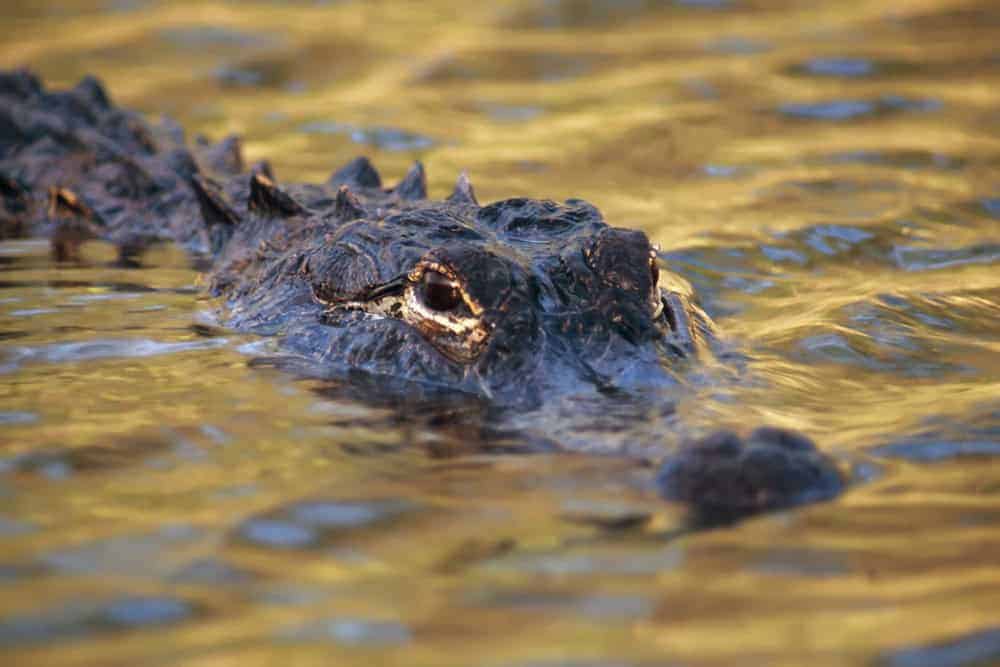
While once endangered, conservation efforts have successfully revived American alligator populations across their native habitats in the southeastern United States. These vocal giants now face new challenges, including habitat destruction and climate change. Understanding their communication methods can aid in developing better conservation strategies. By appreciating and preserving the environments that facilitate their natural behaviors, we maintain the ecological balance and health of their habitats.
Conclusion: The Symphonic Majesty of the Alligator

The American alligator’s impressive vocal abilities highlight its role as a dominant presence in its ecosystem. Its ability to communicate through powerful bellows not only ensures its success in reproduction and territory management but also captivates those fortunate enough to witness this natural spectacle. By studying these aspects of alligator biology, researchers can gain insights into ecological dynamics and the evolutionary pressures that shaped such fascinating acoustic behaviors.
As we continue to learn about these formidable reptiles, we deepen our understanding and appreciation of the natural world. Whether for their striking physical presence or their captivating calls echoing across swamps and rivers, the American alligator remains a remarkable example of the wonders of wildlife.

As a little kid, I fell in love with nature, wildlife, and animals. Living in the USA, South Africa, Italy, China and Germany gave me the opportunity to discover the world's Wildlife. My favorite animals are Mountain Gorillas, Siberian Tigers, and Great White Sharks.
I'm a certified PADI Open Water Diver, went to Everest Base Camp and Trekked Gorillas in Uganda. I hold a Master of Science in Economics and Finance.
Please send any feedback to feedback@animalsaroundtheglobe.com
- Oceanography Says a Layer of Water Exists in the Pacific That Has Not Mixed With the Surface in Over a Thousand Years and What Lives There Defies Current Classification - June 26, 2026
- 12 Wild Animals That Build Homes Better Than Humans - June 26, 2026
- 13 Flight Patterns That Defy Gravity - June 26, 2026