

There’s something quietly unsettling about watching a house cat stalk a bird with the cold precision of a born predator, or a family dog suddenly dig a frantic hole in the garden as if its life depended on what’s buried below. These aren’t random quirks. They’re signals from deep evolutionary time, surfacing through the veneer of domestication in ways that scientists are only beginning to piece together.
The relationship between humans and domestic animals stretches back thousands of years. Wolf domestication is understood to have resulted from processes originating more than 14,000 years ago, when a founder group of less-fearful wolves was drawn toward nomadic human encampments to scavenge kills, and thereafter found utility as barking sentinels, warning of approaching intruders at night. That ancient partnership shaped the animals we share our homes with today. Yet the wild never fully left them.
The Wild Past That Never Truly Disappeared
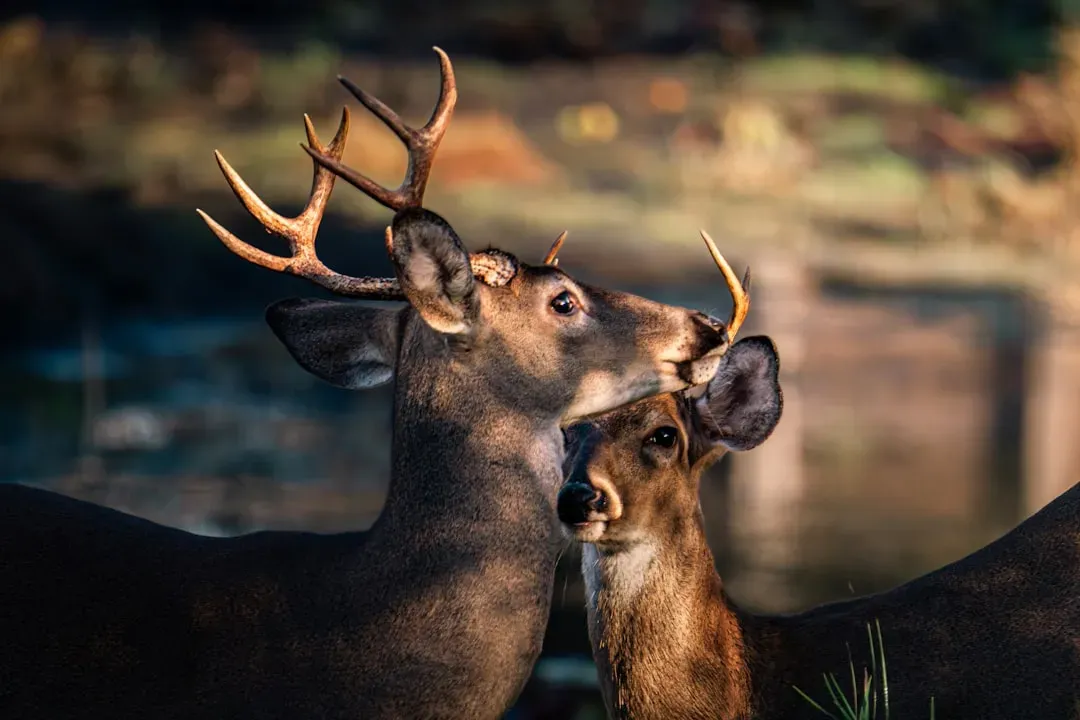
Animal instincts are inherited patterns of behavior exhibited from birth, essential for survival. These instinctive behaviors, known as fixed action patterns, are not learned but are passed down through generations, encompassing basic drives such as reproduction, feeding, and predator evasion. Domestication suppressed many of these patterns over time, but suppression isn’t erasure.
Many of the behaviors we see in our pets are inherited from their ancestors, who lived in the wild and relied on these instincts to survive. Dogs, for example, dig. The desire to dig comes from wild ancestors who dug to create safe sleeping places or to bury food for later. What looks like garden destruction is, from the animal’s perspective, perfectly sensible survival logic.
Domestic animals are derived from their wild counterparts through a gradual transformation process over many generations. In most cases, wild animals had to adapt to human-made conditions, artificial environments, and captivity during domestication. That pressure shaped their biology, but the underlying architecture of the ancestral brain remains largely intact beneath the surface.
Instinctive Drift: When Training Loses to Biology
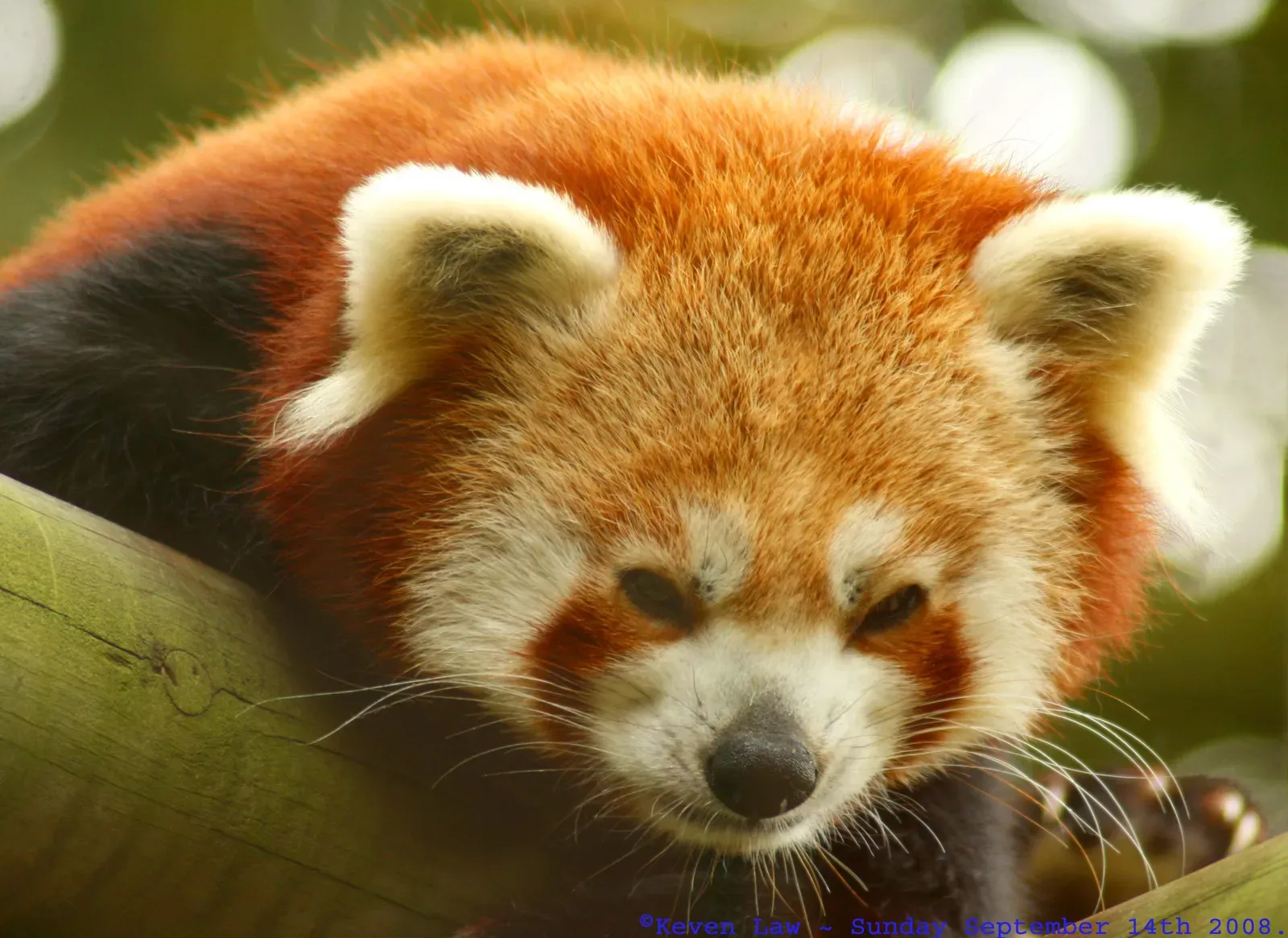
One of the clearest demonstrations of wild instincts reasserting themselves in domestic animals comes from a concept known as instinctive drift. Instinctive drift refers to the tendency of some trained animals to revert to instinctual behaviors, meaning that even after learning a new behavior through conditioning, their innate instincts may interfere and cause them to fall back on natural ones.
Pigs trained to pick up wooden coins and deposit them in a container may begin to root instead, a natural foraging behavior, rather than completing the task as trained. Similarly, raccoons trained to drop coins may begin to rub them together, reverting to a behavior linked to their instinctive food-washing habit. These animals weren’t misbehaving. They were simply being animals.
Instinctive drift is significant because it highlights the limitations of operant conditioning and demonstrates that animal behavior cannot be entirely controlled by training, since innate biological instincts can always resurface. This underscores the complexity of behavior in both animals and humans, showing that learned behavior and instinct can sometimes be in direct conflict. For domestic animals, that conflict never fully resolves.
Epigenetics and the Memory Encoded in DNA
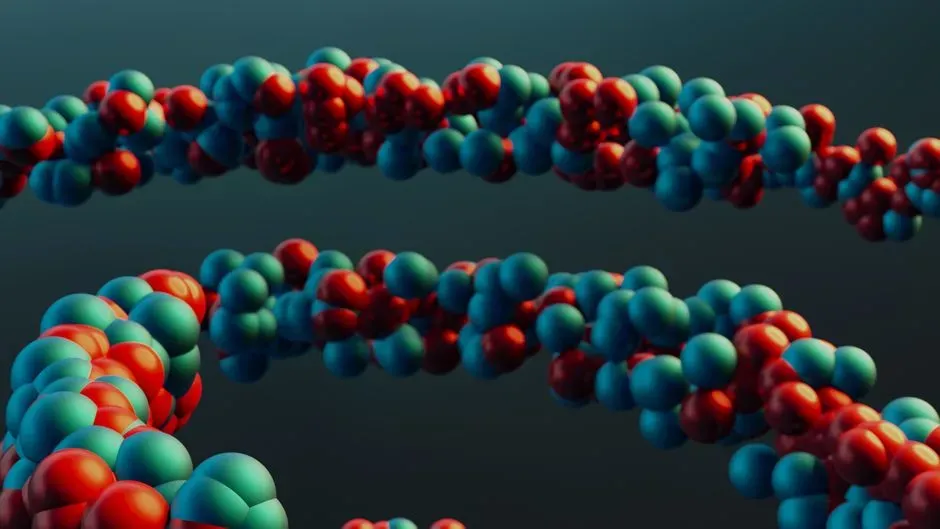
The science explaining how wild behaviors persist across domesticated generations has become considerably more detailed in recent years. Professors Gene Robinson and Andrew Barron argued that learned behaviors in animals had long ago migrated into DNA, becoming the mechanism by which those behaviors turned instinctive as they were transmitted through generations. This process, called epigenetics, involves the modification of genetic material and may occur because of environmental stress, starvation, significant pain, or contact with a pathogen.
Domestication of animals leads to large phenotypic alterations within a short evolutionary time period. Such alterations are caused by genomic variations, yet the prevalence of modified traits is higher than expected if they were caused only by classical genetics and mutations. Epigenetic mechanisms may also be important in driving domesticated phenotypes such as behavior traits, since gene expression can be modulated epigenetically by mechanisms like DNA methylation, resulting in modifications that are variable, susceptible to environmental stimuli, and sometimes transgenerationally stable.
Inherited and acquired behaviors can be altered or reversed under particular conditions. Even wild animals that are well cared for in captivity experience depreciating decision-making and memory skills. The implication cuts both ways: just as wildness can be partially tamed, domestication can be partially undone when conditions shift.
De-Domestication and the Rewilding of Farm Animals
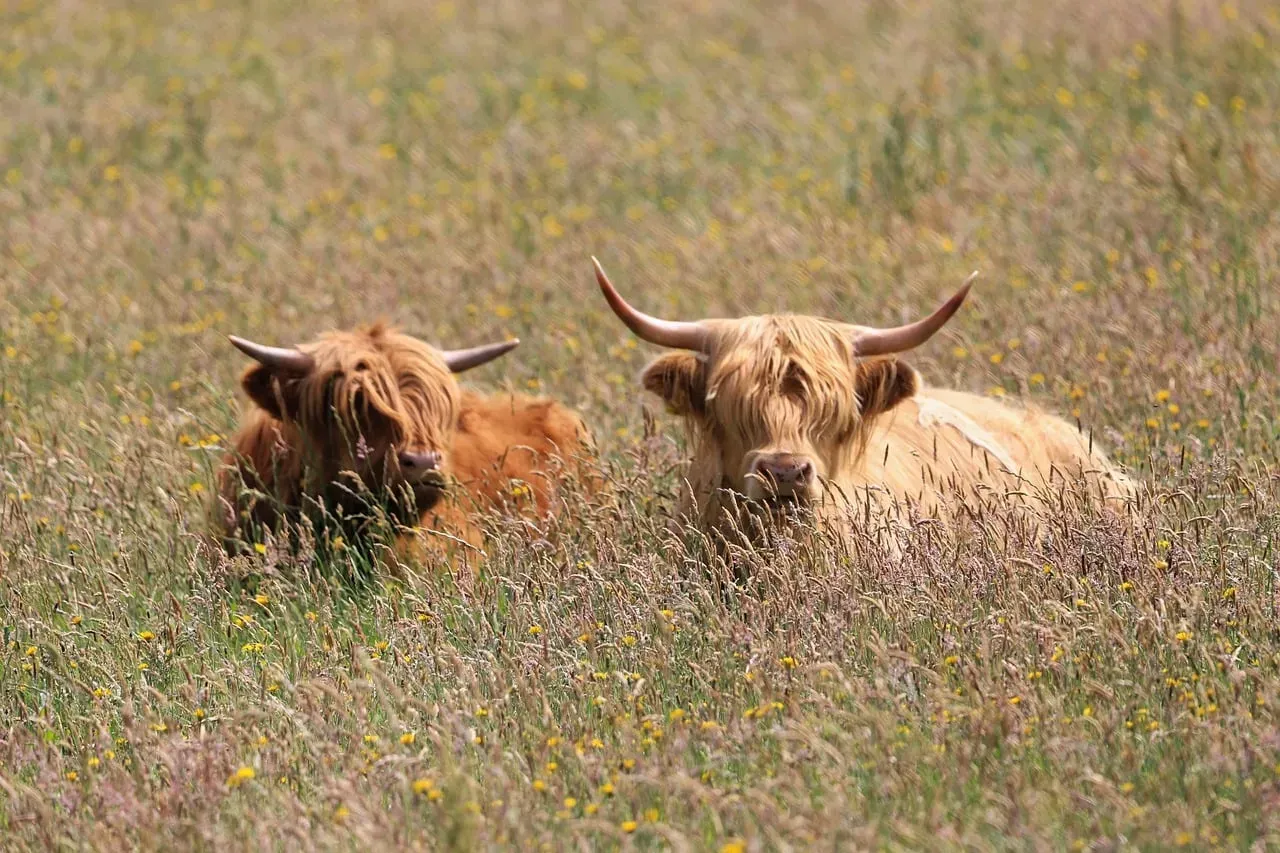
Beyond household pets, there is a broader and more deliberate phenomenon underway involving farm animals. Central to European rewilding efforts is the de-domestication of cattle and horses to act as functional analogues of the extinct aurochs and wild horses. This pathway shifts focus from the loss of species to the loss of their ecological roles caused by human actions commencing millennia ago.
De-domesticated cattle and horses, at various stages on the wilding pathway, are helping create ecosystem assets that sequester carbon, reduce the risk of extreme flood and wildfire events, and contribute to rural regeneration through ecotourism. What this means in practice is that animals bred for thousands of years to be manageable are being released into expansive landscapes and observed as they gradually reclaim behaviors their ancestors once relied on to survive.
The concept of rewilding pets has gained notable traction, encouraging owners to embrace more natural lifestyles for their companions and reflecting a deeper understanding of ancestral needs. Rewilding aligns with dietary shifts toward what animals would eat in the wild, focusing on high-quality, natural ingredients, and promotes the idea that pets thrive when allowed to express their natural behaviors. The trend is far from fringe. It has moved into mainstream animal care conversations and is influencing product design, training philosophy, and veterinary guidance.
What This Means for How We Understand Our Animals

Understanding that wild instincts never fully vanish changes the way we interpret animal behavior at home. When a dog stops every few steps on a walk to sniff the ground or trees, it’s gathering detailed information about its surroundings. This instinctual behavior also explains why dogs sometimes roll in grass or dirt, picking up new scents or masking their own, a behavior passed down from wild ancestors who needed to stay hidden from predators or blend into their environment.
The reason dogs guard people is fairly straightforward: they see their owners as part of the pack and are naturally inclined to protect them. For toys and other items, the behavior is known as resource guarding. Like other animals, dogs developed a natural instinct to protect things they see as valuable, particularly food. These aren’t behavioral problems in the clinical sense. They’re biological echoes of a world the animal’s body still remembers.
Good welfare in the context of captive animals requires more than just preventing harm. It demands thoughtful, tailored environments that give animals the opportunity to thrive, not just survive. That principle applies equally to pets in human homes, where the gap between what an animal’s biology expects and what the environment provides can be surprisingly wide.
Conclusion
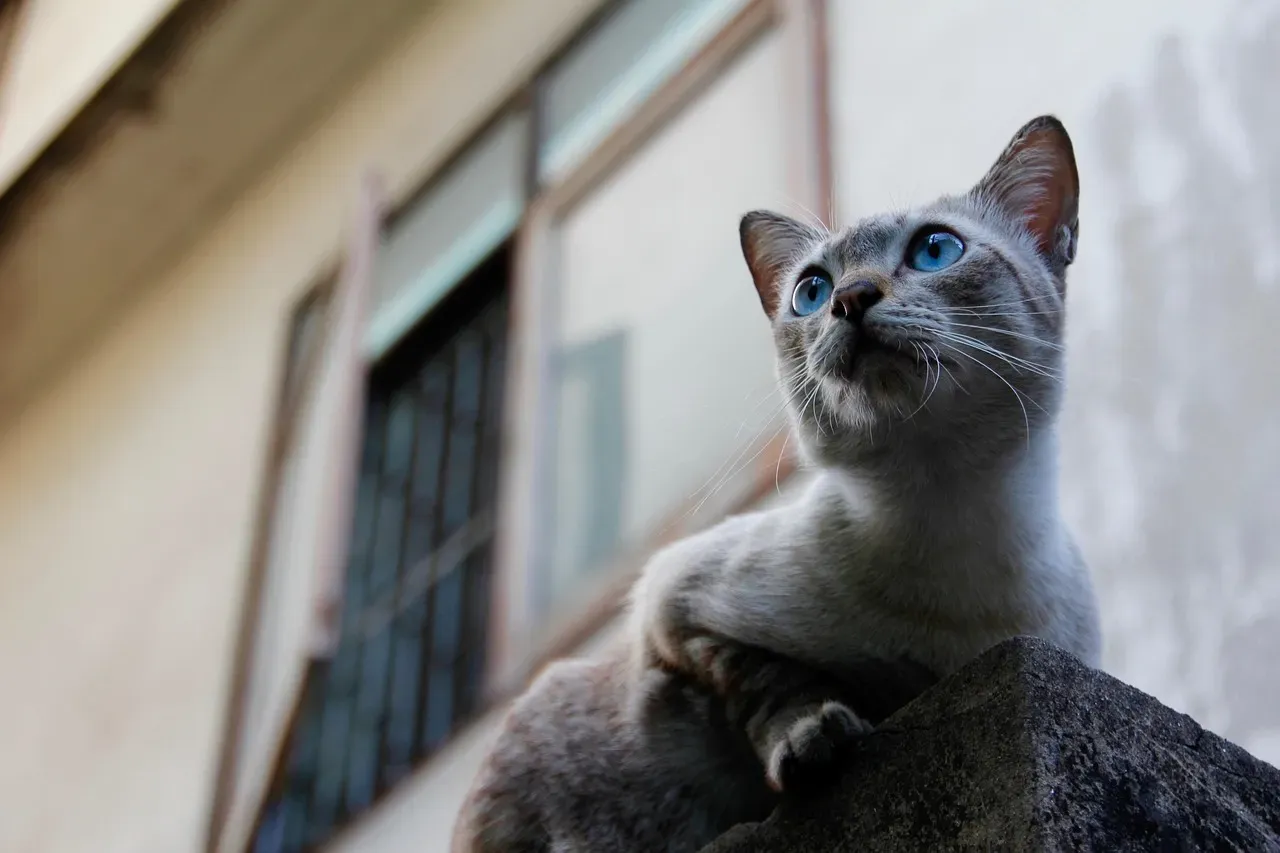
The resurgence of wild instincts in domestic animals isn’t a failure of domestication. It’s proof that evolution is more stubborn than any training program. Millions of years of survival coding don’t disappear because an animal sleeps on a couch or eats from a bowl. What we’re witnessing, whether in a rewilded herd of cattle reclaiming a European landscape or a house cat crouching low in a garden, is something genuine: nature reasserting what was never fully relinquished.
For us, this demands a shift in perspective. Domestic animals aren’t simply smaller, tamer versions of their wild relatives. They are complex beings carrying deep ancestral programming that still shapes how they think, feel, and act. The more honestly we reckon with that, the better we’ll become at caring for them. Treating a pet’s wild instincts as inconvenient misbehavior is a little like being surprised that the tide comes in. It always will.
