


Global warming is a topic that has dominated discussions around environmental policy, economic strategy, and societal change for decades. While the prevailing narrative often highlights the dangers associated with global warming, including rising sea levels and extreme weather events, some experts argue that fears concerning global warming may be overblown. This article delves into the reasons behind these claims, providing an informative perspective on why certain experts believe that America shouldn’t fear global warming.
The Historical Context of Climate Change Discussions
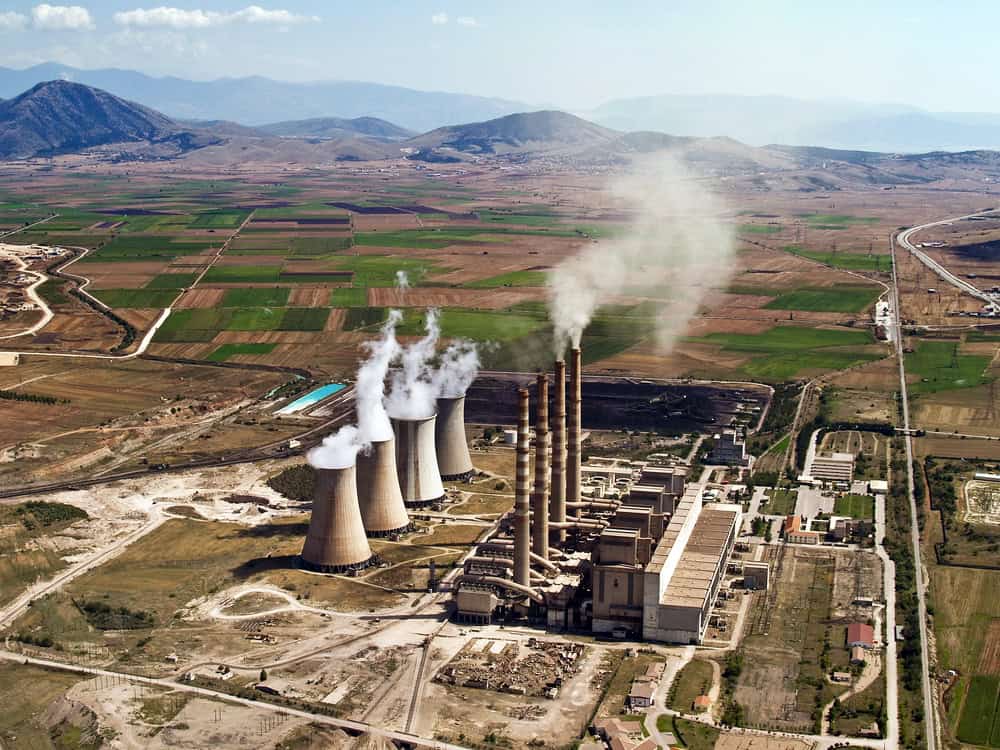
Conversations around climate change are not new. As early as the 19th century, scientists began to understand how human activities could influence the climate. Over the years, the conversation has evolved, often driven by alarming predictions. However, some experts argue that historical data shows a range of natural climate fluctuations, which suggests that the current changes might not be as unprecedented as some fear.
Emphasis on Adaptation Over Alarmism

Many experts advocating for a less alarmist approach to global warming emphasize adaptation rather than panic. They argue that human societies have successfully adapted to environmental changes for centuries and that technological and economic advancements will allow us to continue doing so in the face of a changing climate.
The Role of Technological Innovation

Technology has always played a significant role in overcoming environmental challenges. Proponents of this perspective argue that innovations in renewable energy, agricultural practices, and carbon capture technologies have the potential to mitigate many of the impacts of climate change, thus reducing the fear associated with it.
The Economic Arguments

Some economists suggest that the focus on drastic measures to combat global warming could hinder economic growth and development. They argue that while it’s important to address climate change, the potential for economic disruption from overzealous regulatory practices might outweigh the benefits, especially when alternative solutions are available.
Understanding Regional Climate Variability

Experts in this camp often stress the importance of understanding regional climate variability. They argue that a one-size-fits-all approach to climate policy is ineffective, as different areas experience climate variations differently. Focusing on localized strategies can be more effective and less fear-inducing.
Debunking the Catastrophic Predictions

Critics of the fear-based approach to global warming often scrutinize past predictions that have not come to fruition. They point out that while models are crucial for understanding potential futures, they are not foolproof. This understanding urges a balanced perspective on what to expect from global warming.
The Role of Natural Climate Influences

Some researchers highlight the significant role of natural climate influences like volcanic activity, solar radiation, and oceanic cycles in shaping the climate. They argue that these factors are often underrepresented in the conversation, leading to an overemphasis on human impacts and unnecessary fear.
The Positive Side of a Warming Climate
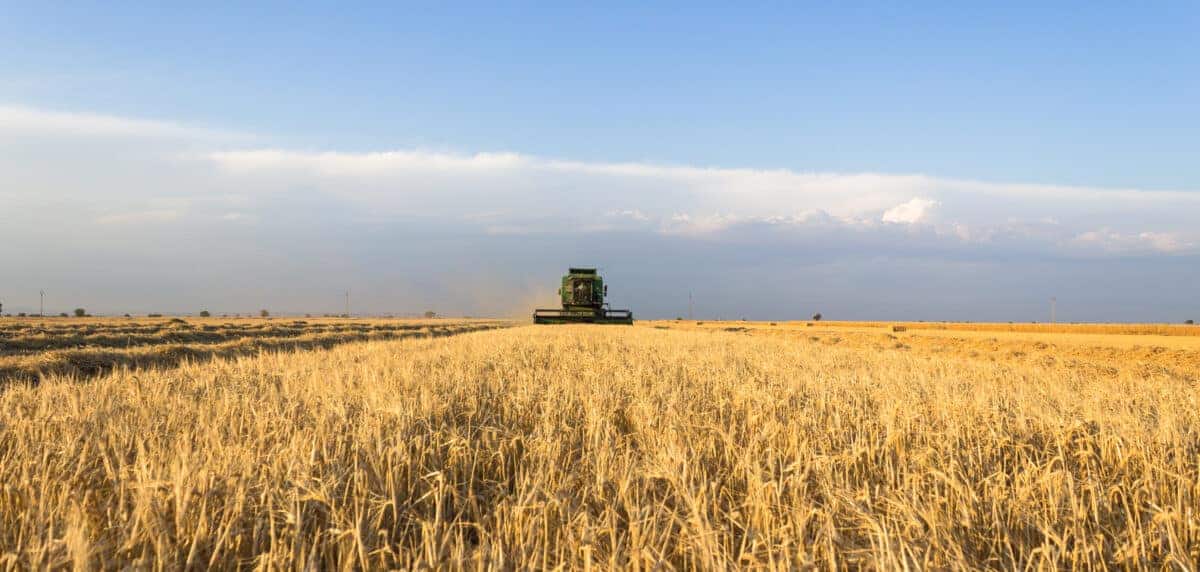
While often controversial, some experts point to the potential benefits of a warmer climate, such as longer growing seasons and increased vegetation in certain regions. They note that some of these changes could positively impact agriculture and food production.
Assessing the Resilience of Ecosystems

Nature has shown an impressive ability to adapt to changes over millions of years. Some experts argue that ecosystems are more resilient than commonly believed and that they may adapt to climate changes without catastrophic consequences.
Public Perception and Media Influence

The influence of media on public perception of global warming cannot be understated. Some experts believe that sensationalized reporting contributes to heightened fear and that a more measured approach could foster better public understanding and policy decisions.
Balancing Environmental Concerns with Social Needs

Balancing environmental protection with human needs is a nuanced debate. Experts from this perspective stress the importance of considering how climate policies impact social equity, access to resources, and quality of life, especially for disadvantaged communities.
The Case for Sustainable Development

Finally, many suggest that focusing on sustainable development provides a comprehensive approach to address climate concerns without inducing fear. By encouraging responsible growth that considers environmental, economic, and social factors, sustainable development offers a pathway toward a less contentious climate future.
Conclusion: The Path Forward
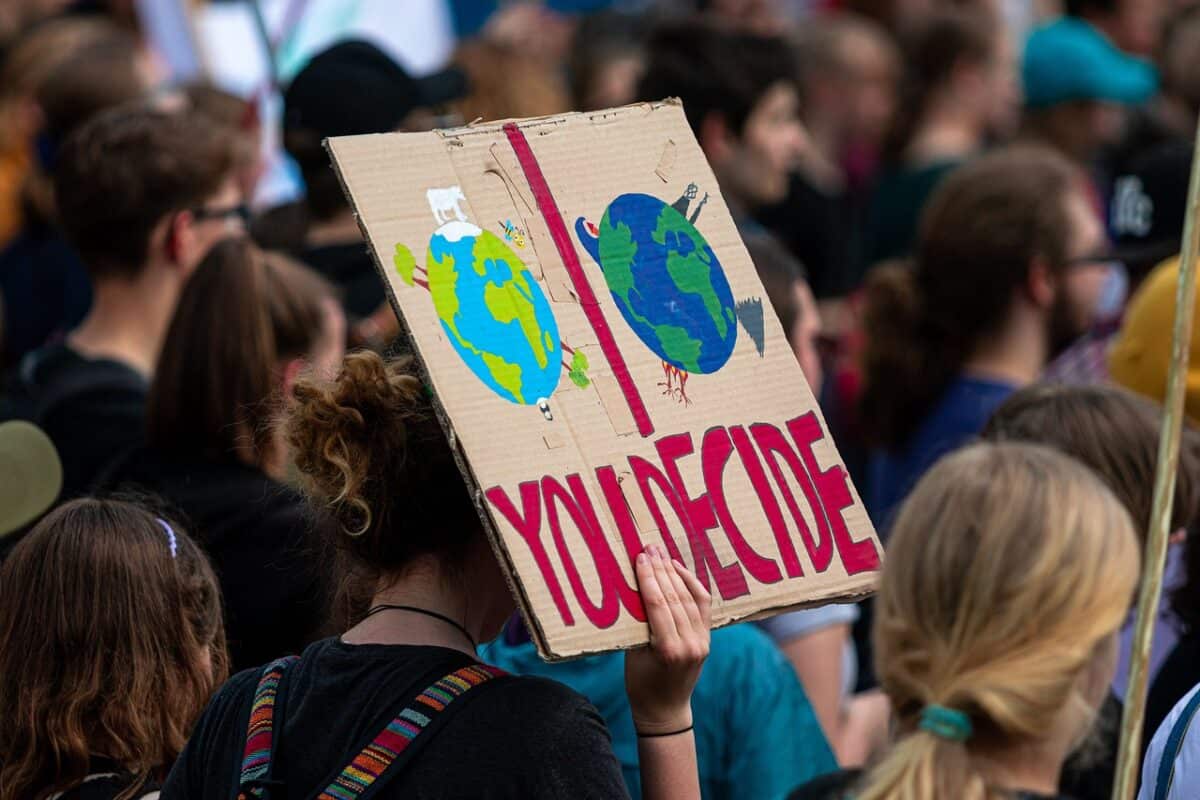
While the conversation around global warming is complex and multi-faceted, understanding the arguments of those who argue against fear-based narratives provides an important counterbalance to prevailing views. Whether emphasizing technological innovation, economic stability, or the resilience of ecosystems, these experts advocate for a future where adaptation and sustainable development lead the way. As America continues to navigate the climate conversation, remaining open to diverse perspectives will be crucial for a balanced approach to the challenges and opportunities that lie ahead.

From exploring the marine wonders in the Azores and witnessing the vast savannas of Kenya, to delving deep into the rich biodiversity of South Africa and traversing iconic landscapes in Australia and the US like Yellowstone, Chris's experiences are vast.
With a penchant for diving alongside sharks, the ocean holds a special place in his heart.
Through his academic insights, he champions wildlife conservation, striving with 'Animals Around The Globe' to cultivate a profound connection between humans and animals, enhancing our mutual appreciation.
Connect with him at Feedback@animalsaroundtheglobe.com.