

Worried about unexpected vet bills?
Pet insurance can cover thousands in unexpected vet costs. Get a free quote from Lemonade in under 2 minutes.
Get My Free Quote →Sponsored · Opens Lemonade.com
Imagine standing on an African savanna, surrounded by silence, watching a herd of elephants freeze in unison. No sound you can hear. No visible signal. Yet somehow, every single elephant stops, tilts its head, and lifts a foot slightly off the ground. Something is happening. Something you simply cannot perceive. That is the staggering reality of elephant communication. It exists on frequencies, distances, and emotional depths that most of us never imagined possible.
Elephants are, without question, among the most sophisticated communicators on the planet. Their language is layered, rich, and sometimes eerily human. Honestly, the more science digs into it, the more jaw-dropping the discoveries become. Let’s dive in.
1. Elephants Actually Have Names for Each Other
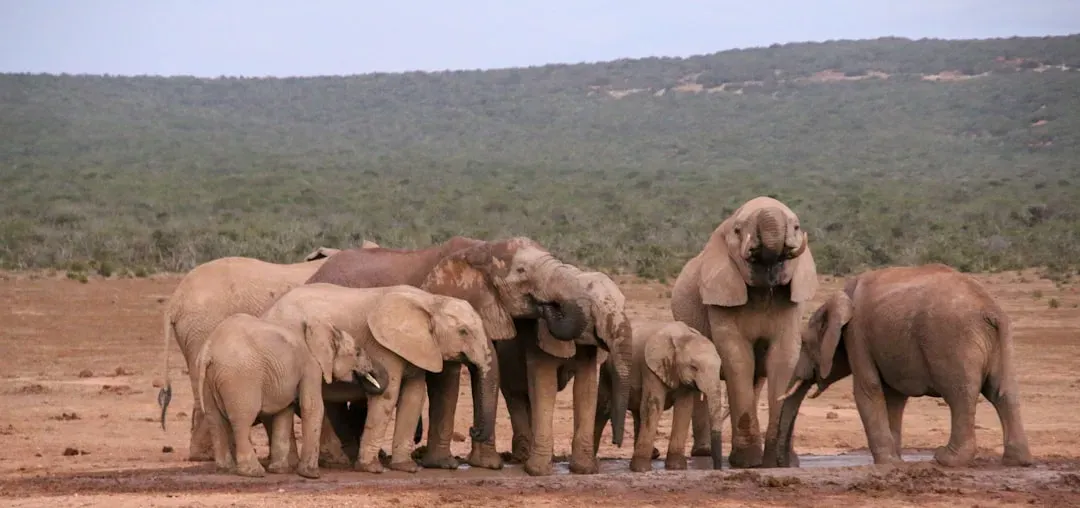
Here’s the thing that genuinely stopped me in my tracks. Wild African elephants address each other with name-like calls, a rare ability among nonhuman animals, according to a study published in Nature Ecology and Evolution. This is not metaphor. This is not wishful thinking on the part of scientists.
Researchers from Colorado State University, Save the Elephants, and ElephantVoices used machine learning to confirm that elephant calls contained a name-like component identifying the intended recipient. When the researchers played recorded calls, elephants responded affirmatively to calls that were addressed to them by calling back or approaching the speaker.
Unlike dolphins and parrots, which call one another by imitating the signature call of the addressee, the data suggests that elephants do not rely on imitation of the receiver’s calls to address one another, which is more similar to the way in which human names work. Think about that. A sound that represents an individual, invented rather than mimicked. That is extraordinary.
The use of arbitrary vocal labels indicates that elephants may be capable of abstract thought. We are not just talking about clever animals. We are talking about minds that may conceptualize identity itself.
2. They Communicate Through Sound Frequencies You Cannot Hear
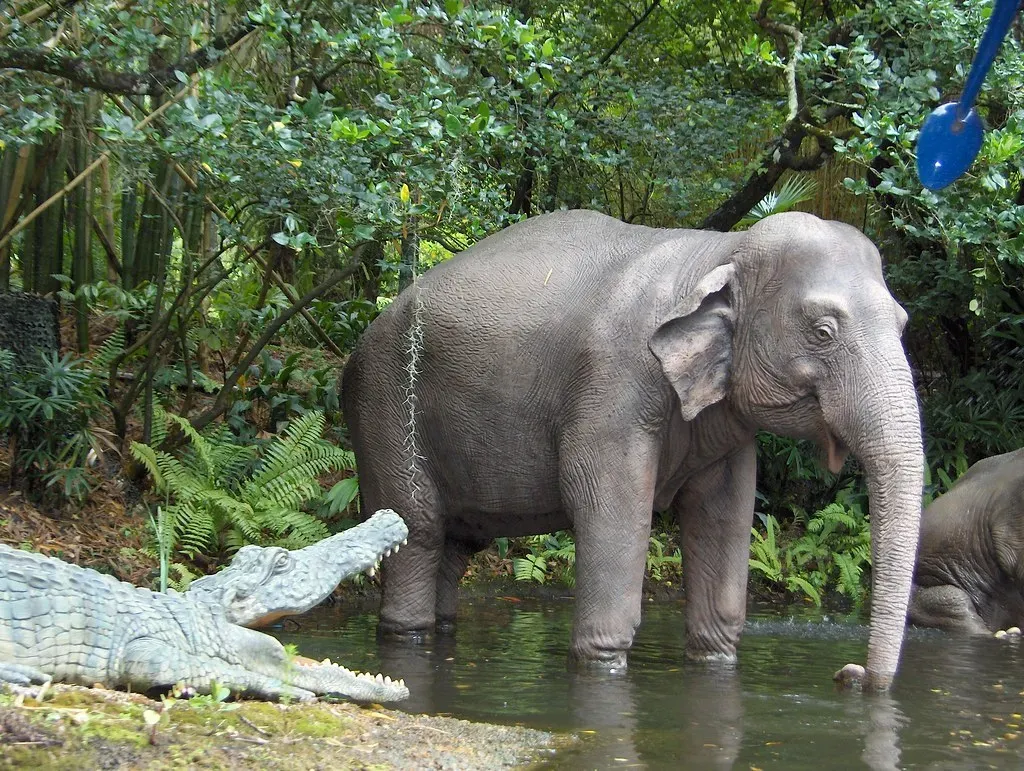
Elephants can produce infrasonic calls which occur at frequencies less than 20 Hz. Infrasonic calls are important, particularly for long-distance communication, in both Asian and African elephants. These are sounds so low-pitched that the human ear registers nothing at all. You could be standing right next to a communicating elephant and have absolutely no idea.
For African elephants, calls range from 15 to 35 Hz with sound pressure levels as high as 117 dB, allowing communication for many kilometres, with a possible maximum range of around 10 km. That is roughly the distance across a major city. All of it, completely silent to us.
Their calls convey a lot of information, including the caller’s identity, age, sex, emotional state and behavioral context. It is less like a phone call and more like a full emotional broadcast. One rumble, and an entire herd knows who is speaking, how they are feeling, and why.
3. They Use the Earth Itself as a Communication Network
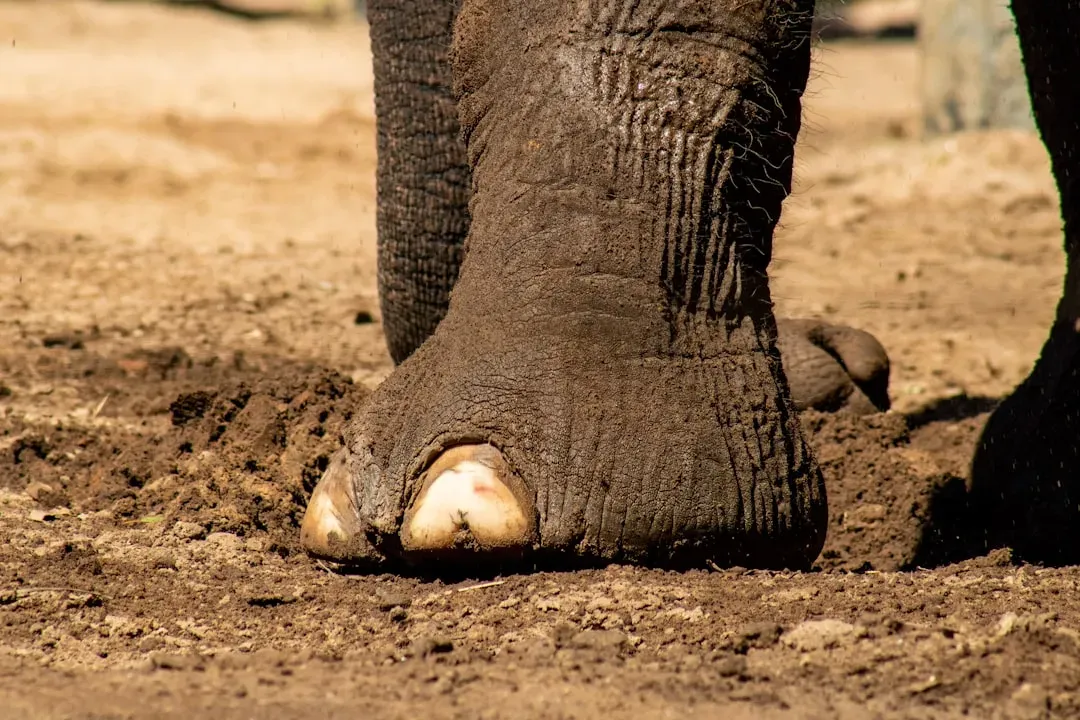
I know it sounds crazy, but elephants essentially have a broadband internet running through the ground beneath their feet. This unique form of communication enables elephants to convey vital information over vast expanses of their habitat, including warnings about potential threats, herd movements, resource utilization, and reproductive status.
Seismic communication vibrations are created when elephants are running and can be detected by other elephants from great distances. They can also be used as somewhat of an alarm call, to alert others of potential predators. For comparison, these seismic vibrations can create waveforms that can travel distances of up to 32 km, while sound waves from vocalizations alone travel closer to 16 km.
Their feet contain substantial cartilaginous fat pads that act as seismic sensors. This adaptation enables them to detect ground vibrations, expanding their range of communication significantly. Think of it like having built-in geological sensors strapped to every limb. Nature’s engineering at its most breathtaking.
4. Elephants Literally Listen With Their Feet

This one is particularly mind-bending. While working in Namibia, biologist Caitlin O’Connell-Rodwell noticed something remarkable: elephants occasionally freezing and lifting a foot without scanning with their ears. This behavior was often followed by the arrival of another group of elephants, and she suspected they might be shifting their weight onto three feet to get a better feel for something in the ground.
The animals have an inner ear, as well as pressure-sensitive nerve endings in their feet called Pacinian corpuscles, and scientists believe that these help them detect seismic vibrations. It is almost poetic, isn’t it? A six-tonne animal, pressing a foot to the ground, eavesdropping on a message sent from kilometers away.
Elephants rely on their leg and shoulder bones to transmit these vibrational signals to their middle ear. So the entire skeleton functions as a kind of antenna. The more you learn about elephants, the more they seem less like animals and more like something out of science fiction.
5. Their Trunk Is a Swiss Army Knife of Communication
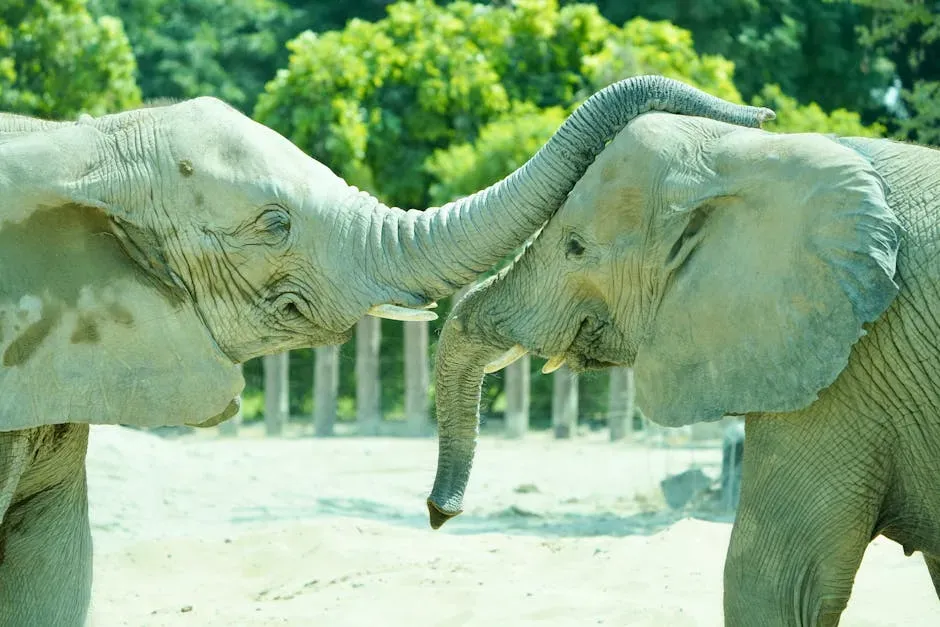
Visual or nonverbal communication is as important for elephants as it is for humans. They use their heads, eyes, mouth, ears, tusks, trunk, tail, feet and even their whole body to signal messages to one another. The trunk alone deserves special admiration here. It is not simply a nose. It is a multitasking communication tool of remarkable precision.
Individual elephants greet each other by stroking or wrapping their trunks; the latter also occurs during mild competition. Older elephants use trunk-slaps, kicks, and shoves to discipline younger ones. Discipline, affection, greeting, competition. One appendage handles them all.
Touching is especially important for mother-calf communication. When moving, elephant mothers will touch their calves with their trunks or feet when side-by-side or with their tails if the calf is behind them. If a calf wants to rest, it will press against its mother’s front legs, and when it wants to suckle, it will touch her breast or leg. That is a full tactile conversation between parent and child. Silent, constant, and deeply tender.
6. Elephants Have a Vocabulary of Distinct Calls for Different Situations
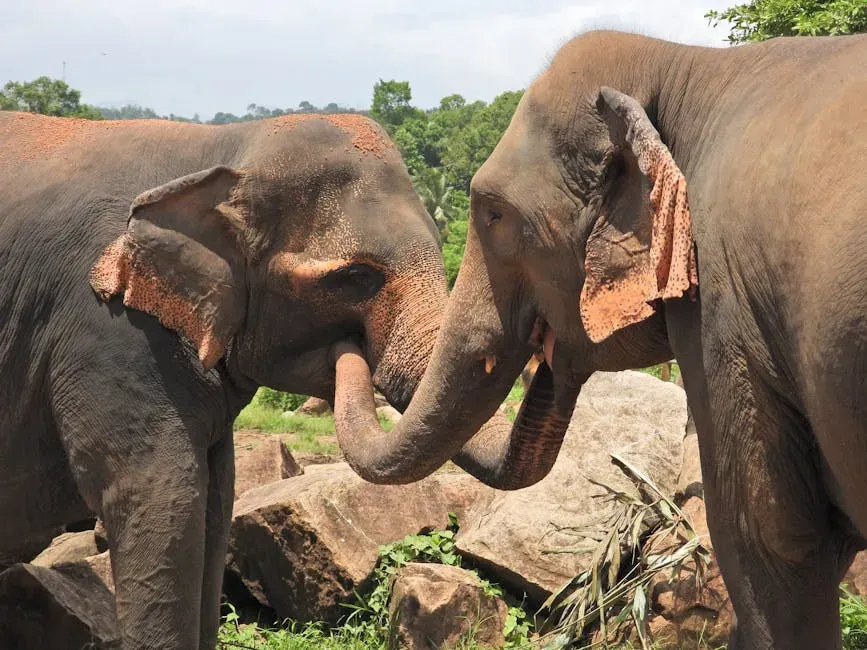
It would be too simple to say elephants just trumpet when they are excited. The truth is far more nuanced. At Amboseli National Park, several different infrasonic calls have been identified: a greeting rumble emitted by adult females reuniting after hours apart; a contact call made by a separated individual up to 2 km away from the group; a contact answer in response; a “time to go” rumble, a soft sound emitted by the matriarch to signal other herd members to move; and a musth rumble, a distinctive low-frequency pulsated rumble emitted by rutting males.
Trumpeting is made during excitement, distress, or aggression. Fighting elephants may roar or squeal, and wounded ones may bellow. Each sound is contextually precise. Like words in a sentence, these calls carry distinct meaning.
The study also found that elephants, like people, don’t always address each other by name in conversation. Calling an individual by name was more common over long distances or when adults were talking to calves. That parallel to human speech patterns is, honestly, a little eerie.
7. They Can Imitate Sounds From Other Species and Environments
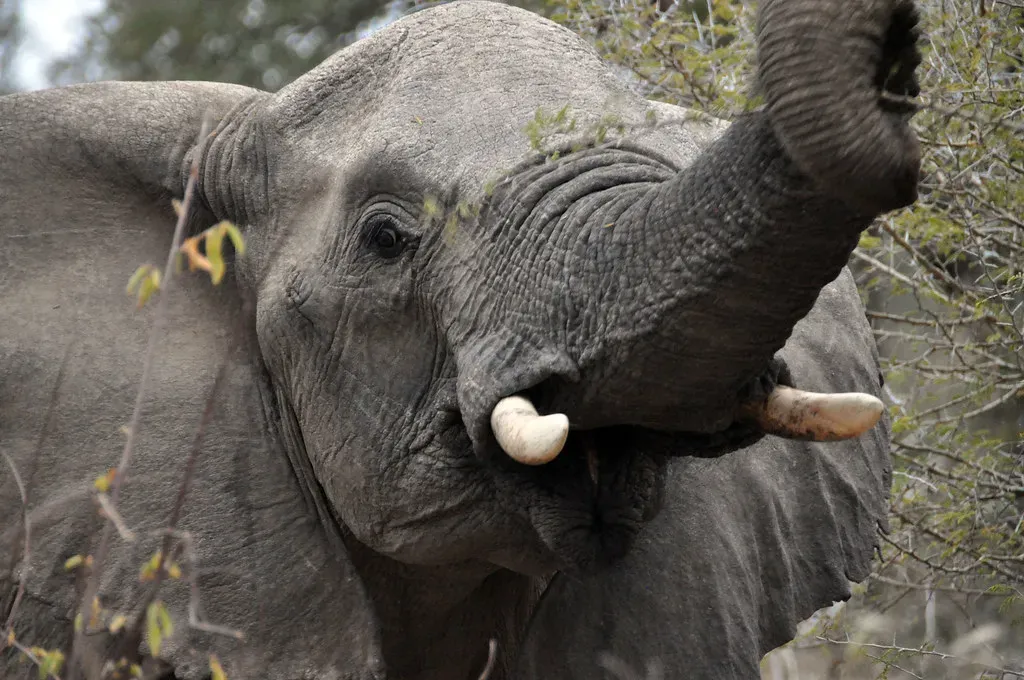
Elephants are genuinely impressive mimics. Studies have shown that elephants have the ability to imitate sounds that they hear. There are cases of Asian elephants mimicking overheard sounds of African elephants or even vehicles that are passing by. A truck engine. Reproduced by an elephant. Let that sink in for a moment.
Elephants can seemingly distinguish between the low-frequency sounds of different herds. Wild elephants who travel with individual family units are able to understand the difference in the family calls. This is essentially dialect recognition. They know their own “accent” versus someone else’s, and they remember the difference.
The recall and memory abilities of elephants are impressive due to their large hippocampus and cerebral cortex. In theory, the size of these neurological structures could certainly aid in an animal’s ability to understand language. It is a brain built for remembering. And what it remembers most is the voices of others.
8. Elephants Communicate Grief and Mourn Their Dead

This is where elephant communication crosses into territory that most people find deeply moving. One of the most moving displays of elephant emotion is the grieving process. Elephants remember and mourn loved ones, even many years after their death. When an elephant walks past a place that a loved one died, he or she will stop and take a silent pause that can last several minutes. While standing over the remains, the elephant may touch the bones of the dead elephant, smelling them, turning them over and caressing the bones with their trunk.
Elephants sometimes return to places where a companion died, showing behaviors such as standing quietly or touching bones. This repeated visitation hints at a lasting memory and emotional attachment. Grief communicated not in words but in silence, in touch, in returning.
They caress the bones of the dead with their trunks and will stand near the body of the deceased for hours. Sometimes they even try to bury the remains. They don’t behave this way toward the remains of other animals. That final detail matters more than it might seem. The selectivity is deliberate. They know who belongs to them.
9. They Demonstrate Empathy Through Physical Comfort
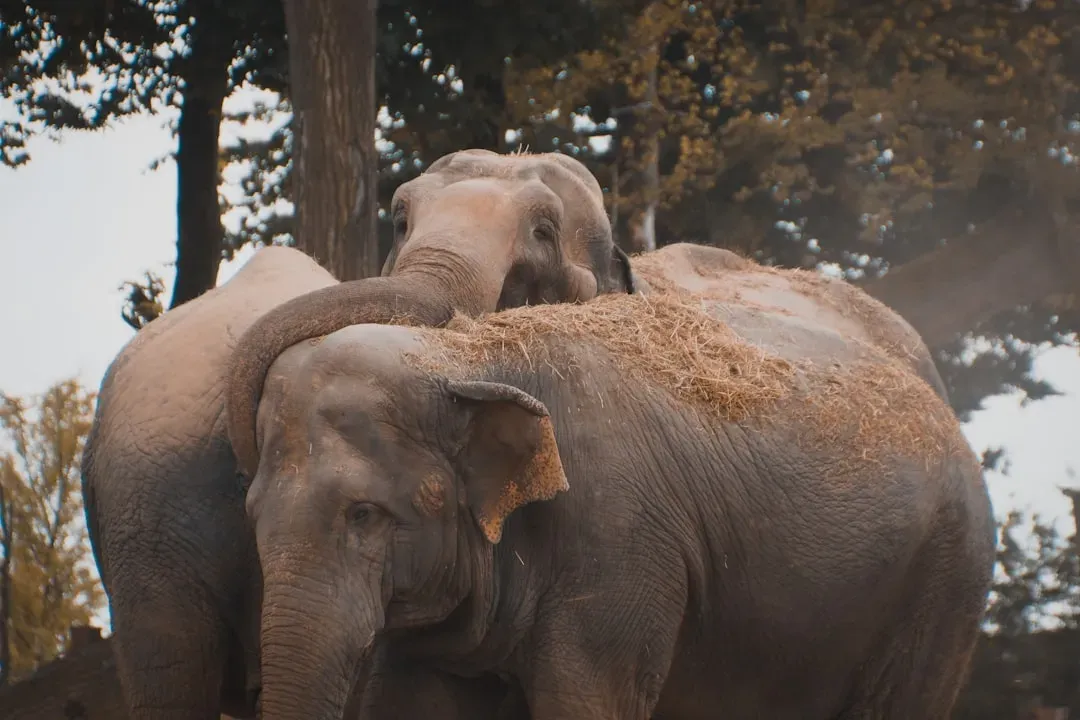
Elephant empathy is not just emotional poetry. It is documented behavior. A study observed Asian elephants comforting one another when distressed. The elephants in the study used both physical contact and vocal sounds as forms of comfort, stroking one another with their trunks and emitting small chirps.
Researchers have commonly found that just like humans, elephants have a strong ability to show empathy. These massive animals can understand and share feelings with other elephants and even different animals. There are observed cases of elephants showing concern for animals from entirely different species, which is remarkable by any standard.
When a member of the herd is injured, the others immediately stop to help. They demonstrate altruism and will risk their own lives to protect the calves of the herd. This compassion can even extend beyond their own species. Let’s be real – that level of empathy puts many humans to shame.
10. Elephants Use Visual Body Language as a Full Communication System
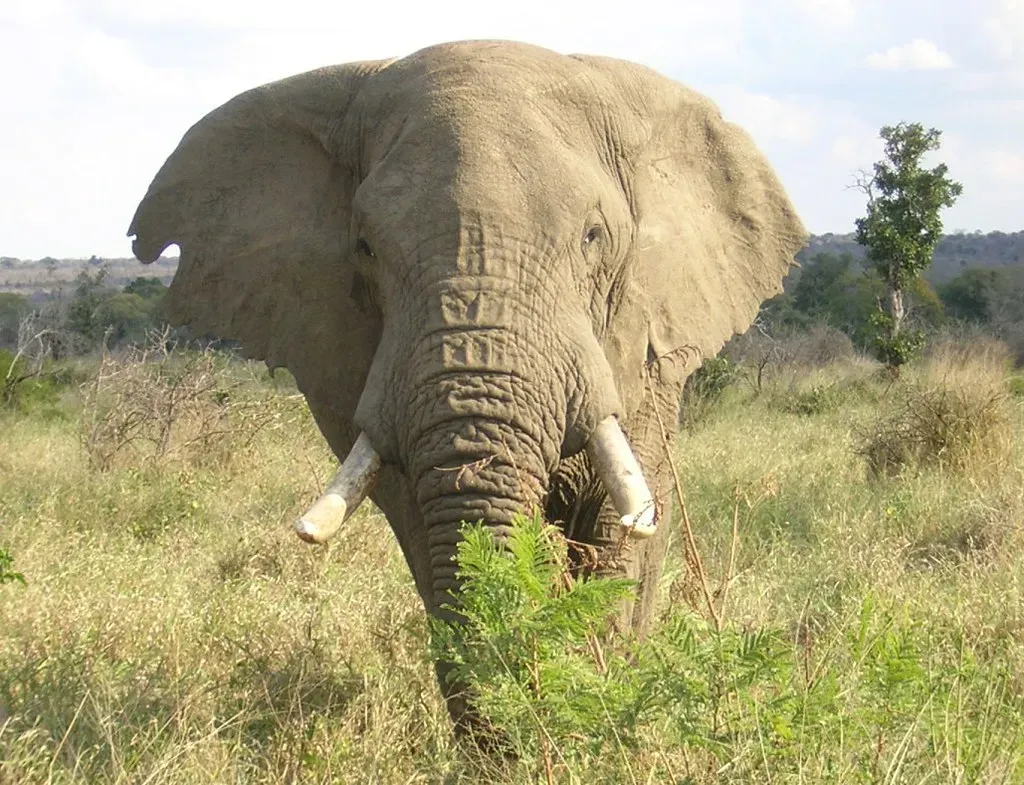
Body language is also incredibly important when it comes to elephant communication, such as ear spreading and the use of their tail. Elephants use their bodies to convey a wide variety of messages such as ear spreading to make themselves appear larger for intimidation purposes, as visual displays are very important when it comes to social interactions and dominance displays.
Elephants will try to appear more threatening by raising their heads and spreading their ears. They may add to the display by shaking their heads and snapping their ears, as well as throwing dust and vegetation. They are usually bluffing when performing these actions. Even their intimidation has a degree of theatre to it. A performance rather than a promise.
Excited elephants may raise their trunks. Submissive ones will lower their heads and trunks, as well as flatten their ears against their necks, while those that accept a challenge will position their ears in a V shape. The nuance here rivals the range of human facial expressions. Every posture means something. Every shift in weight tells a story.
11. Elephants Recognize Human Voices and Detect Threats

Here is something that genuinely changes how you think about your own voice. Researchers at the University of Sussex discovered that African elephants can distinguish differences in human gender, age, and ethnicity purely by the sound of someone’s voice. If the voice belongs to a person who is more likely to pose a threat, the elephants switch into defensive mode.
The researchers recorded two men saying the same phrase in their different languages and played these recordings to elephant family groups at Amboseli National Park in Kenya. When the elephants heard the Maasai, they showed signs of fear, huddling together and moving away from the voice. The same phrase spoken by a Kamba man evoked no reaction from the elephants. They were not reacting to the words. They were reading the voice like a fingerprint.
Researchers at the University of Oxford and Save the Elephants found evidence that African elephants listen and react to ground vibrations created by human activity. Elephants’ heavy footsteps and their low-frequency calls are so powerful that they can create seismic waves. Elephants have evolved sensitivity to these ground-traversing sound waves, in part because it helps them communicate with one another across thousands of metres. Human footsteps, vehicle vibrations, even construction sounds. Elephants pick it all up, and they categorize what is safe from what is not.
12. Their Communication May Hold Clues to the Evolution of Human Language
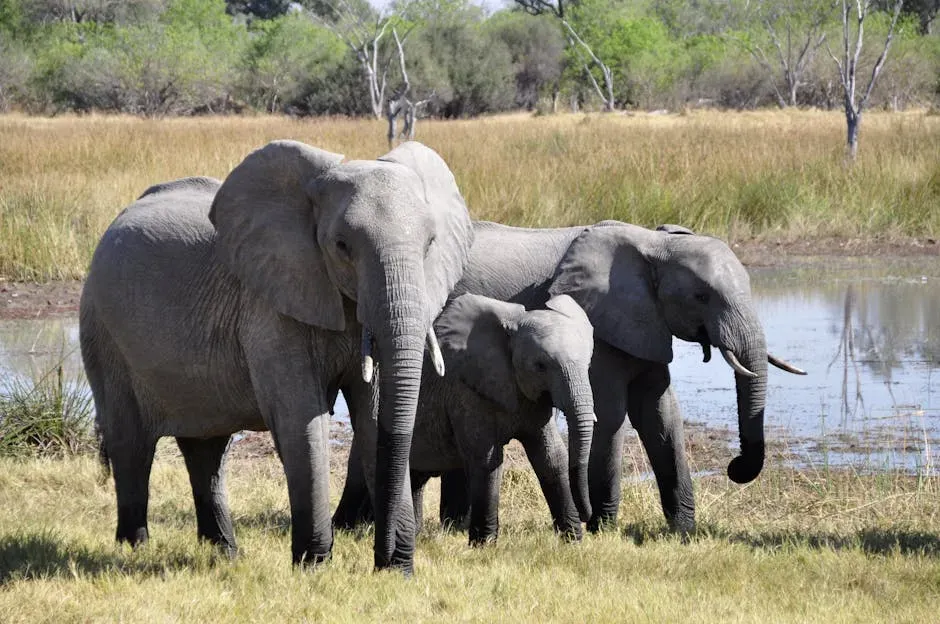
This last fact is perhaps the most profound of all. Elephants, like humans, maintain strong bonds with family members and associates, and it now seems that they have independently evolved a sophisticated mechanism for individually addressing them. Common features in the social environments of both human and elephant ancestors may have led them to develop this rare ability.
Labelling objects or individuals without relying on imitation of the sounds made by the referent radically expands the expressive power of language. If non-imitative name analogues were found in other species, this could have important implications for our understanding of language evolution. In other words, studying elephant communication could help unravel one of humanity’s greatest mysteries: why and how we began to speak.
Animals that use name-like sounds, including humans, dolphins, parrots, and now elephants, are all intelligent, long-lived social animals that live in stable groups. The pattern is striking. Social complexity drives communicative complexity. It is as if language, in its deepest form, is born from the need to know, and be known by, those you love.
Conclusion: A World of Voices We Are Only Beginning to Hear

Elephants are not just large, impressive animals roaming the savanna. They are communicators of breathtaking sophistication. They have names for each other. They send messages through the ground. They grieve, comfort, warn, and remember. They listen with their feet and feel the world in ways we are still only beginning to understand.
What strikes me most, honestly, is the humility this should inspire. For centuries, we assumed that the richness of communication was uniquely human. Elephants, it turns out, have been having complex conversations all along. We just could not hear them.
The more science advances, the more it seems elephants have always had something profound to say. The real question is: are we finally ready to listen? What do you think about it? Tell us in the comments below.
Worried about unexpected vet bills?
Pet insurance can cover thousands in unexpected vet costs. Get a free quote from Lemonade in under 2 minutes.
Get My Free Quote →Sponsored · Opens Lemonade.com

- 14 Quiet Signs Your Dog Is Getting Ready to Say Goodbye – Most Owners Miss Them Completely - June 9, 2026
- 15 Dog Breeds Known for Their Exceptional Loyalty and Devotion - June 9, 2026
- 14 Garden Mistakes That Drive Hummingbirds Away for Good – Most Gardeners Don’t Realize Until It’s Too Late - June 9, 2026