
Worried about unexpected vet bills?
Pet insurance can cover thousands in unexpected vet costs. Get a free quote from Lemonade in under 2 minutes.
Get My Free Quote →Sponsored · Opens Lemonade.com
The grandeur of the United States’ national parks is as seductive as it is deceiving. These natural havens, celebrated for their majestic landscapes and abundant wildlife, often lure adventure-seekers expecting a peaceful communion with nature. However, beneath this serene facade, certain parks conceal hazards that catch many visitors unaware. Understanding why some US national parks are more dangerous than you might think is essential for ensuring a safe and enjoyable visit.
The Sheer Scale of the Wilderness
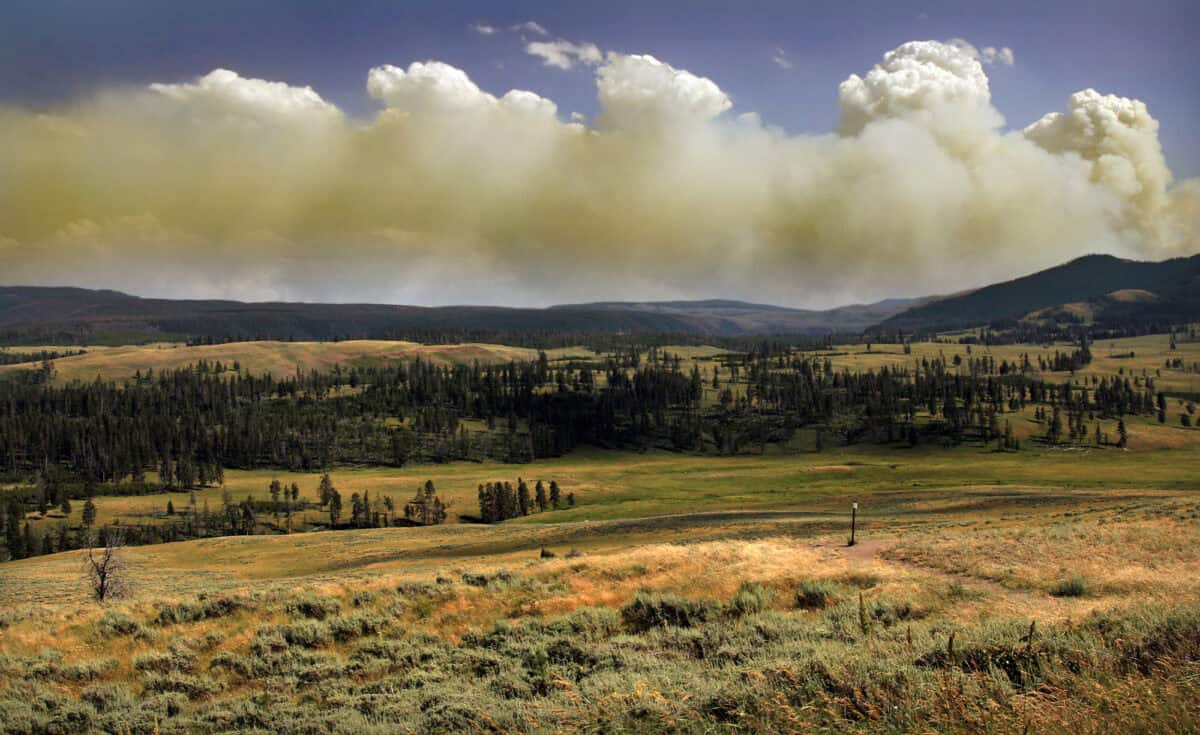
National parks such as Yellowstone and Yosemite encompass vast areas of untamed wilderness. This scale, while inspiring, presents challenges like disorientation and isolation. Visitors often underestimate the complexity of navigating these extensive terrains, leading to situations where they can quickly become lost, especially when venturing off marked trails.
Unpredictable Weather Patterns
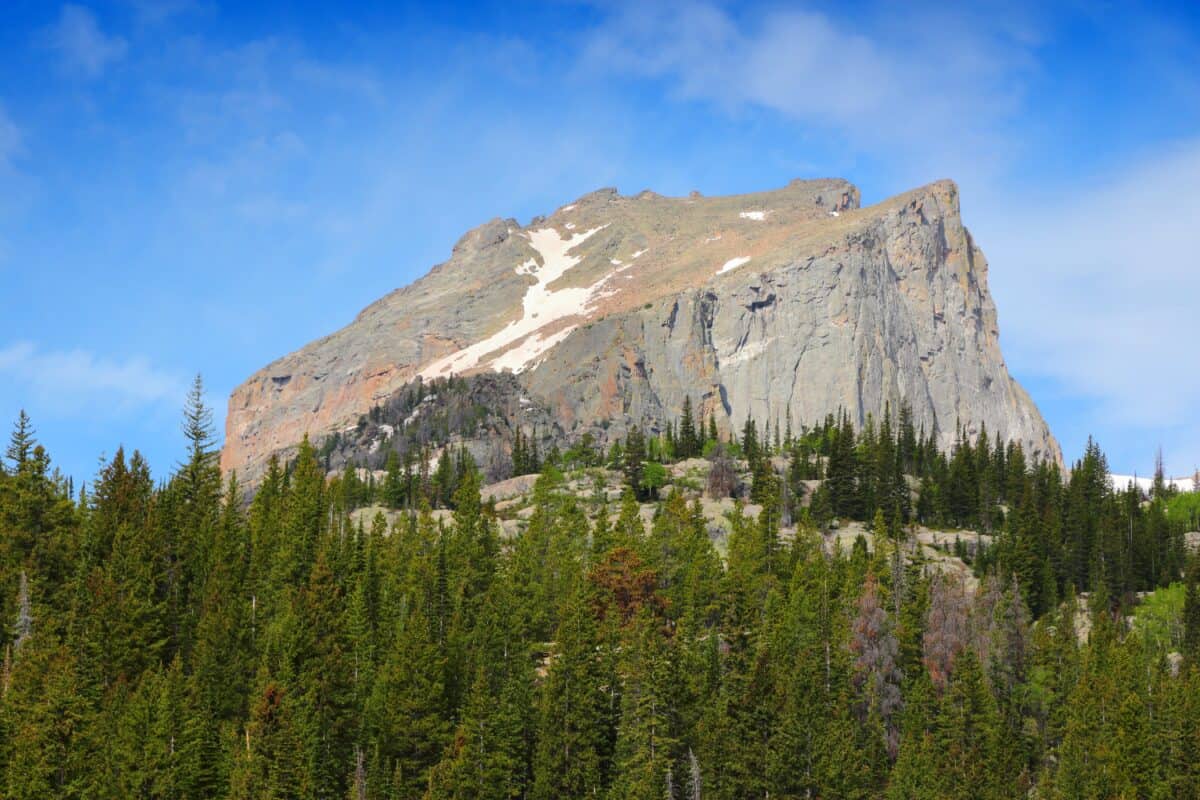
The United States’ sprawling geography means its national parks house diverse climates, many of which change suddenly. In regions like the Rocky Mountains, weather can turn from sunny to stormy in minutes, catching hikers unprepared. This unpredictability can lead to hypothermia or dehydration, particularly when visitors are dressed inappropriately for sudden shifts in temperature.
Wildlife Encounters

Home to a wide array of wildlife, from bison to bears, US national parks provide a habitat for creatures generally unfamiliar to city dwellers. Visitors often misjudge the danger posed by seemingly docile animals. Close encounters can be life-threatening if individuals fail to respect safe distances or provoke defensive behaviors.
Challenging Terrain and Elevation

Many parks feature treacherous terrains, including steep cliffs, rugged paths, and high elevations. These areas require considerable physical fitness and expertise to navigate safely. In parks like Grand Canyon, the combination of heat and steep elevation gains can lead to exhaustion or more severe health issues like altitude sickness.
Limited Cell Reception
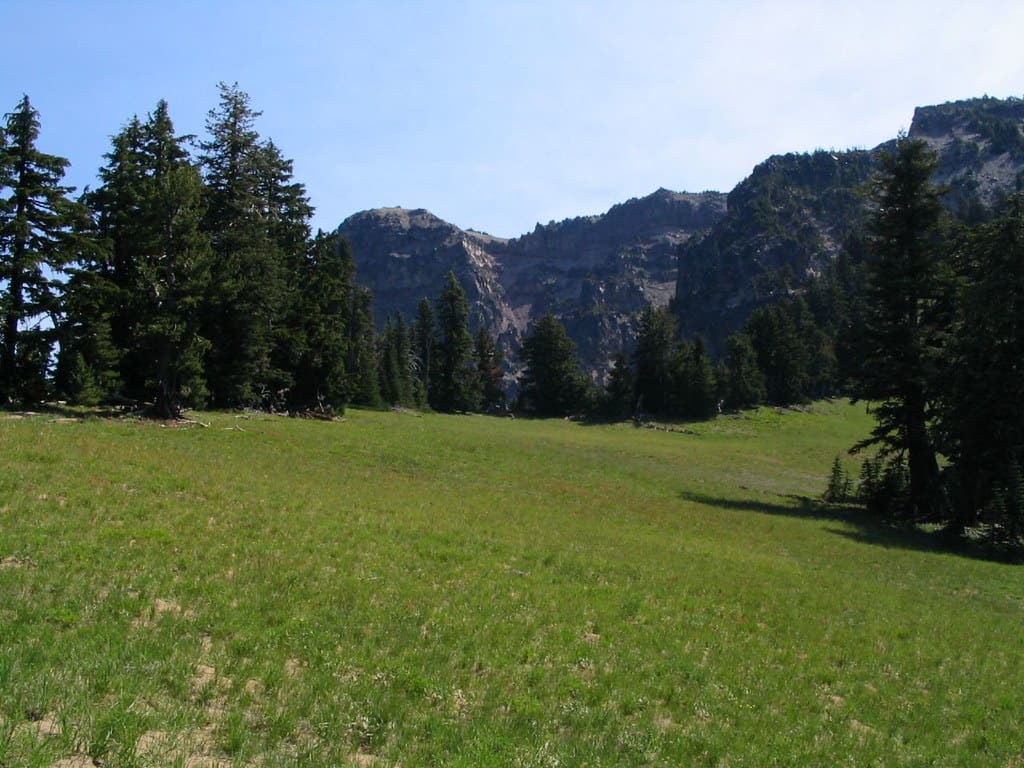
The charm of disconnecting in nature also includes limited cell service in many national parks. This lack of connectivity can be dangerous, as it prevents visitors from easily calling for help in emergencies or accessing directions when lost. Pre-planning, with offline maps and emergency protocols, is crucial for ensuring safety.
Potential for Natural Disasters

The risk of natural disasters such as wildfires, earthquakes, and flash floods is prevalent in many national parks. For instance, areas in California’s parks are prone to wildfires, which can escalate rapidly and unexpectedly. Visitors must be vigilant, stay informed about park alerts, and know evacuation routes in case of emergencies.
Lack of Immediate Medical Assistance

Unlike urban environments, immediate medical assistance is seldom available in the heart of national parks. Injuries from falls, bites, or environmental exposure can become life-threatening without prompt medical attention. Visitors must carry first-aid kits and know basic survival skills to manage injuries until help arrives.
Misunderstandings About Water Safety
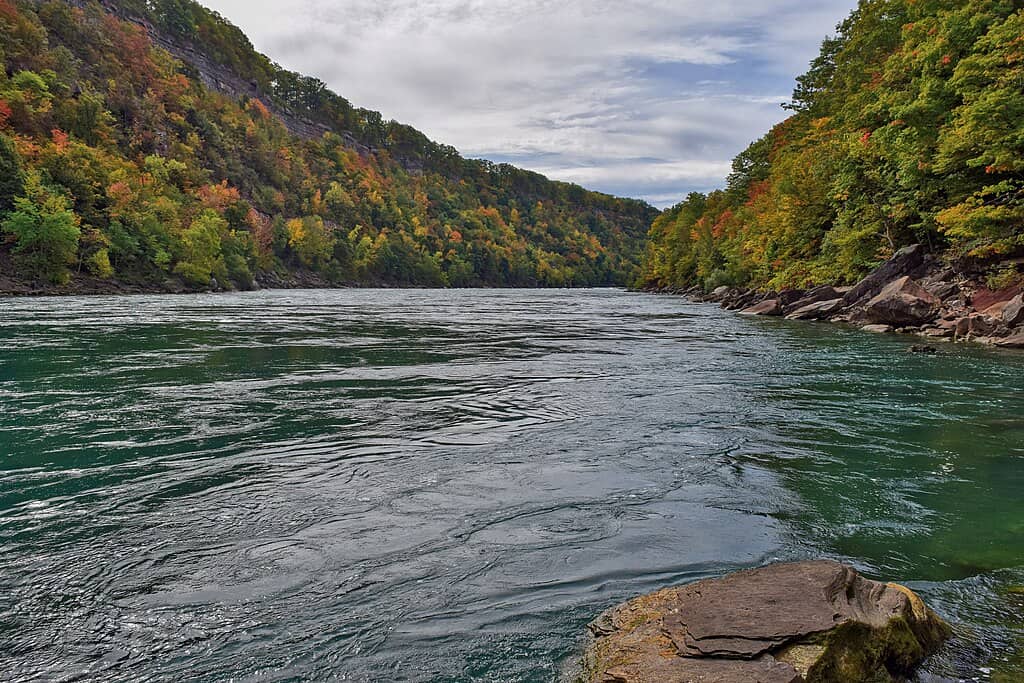
Many national parks feature gorgeous rivers and lakes that invite cooling dips. However, misunderstandings about water safety can lead to dangerous situations. Cold water temperatures, strong currents, and unknown depths have resulted in drowning incidents when swimmers miscalculate the risks involved.
Voluntary Risk Taking and Overconfidence

Some guests, equipped with adrenaline and a sense of invulnerability, take unnecessary risks such as climbing unsafe areas or ignoring warning signs. This overconfidence often leads to accidents, as even the fittest individuals may struggle against the unpredictabilities of nature.
Dehydration and Heat Stroke Risks

Desert parks such as Death Valley present extreme heat conditions that can cause dehydration and heat stroke. Underestimating the need for water and proper attire during hikes can turn a scenic adventure into a perilous endeavor.
Underpreparedness for Nightfall
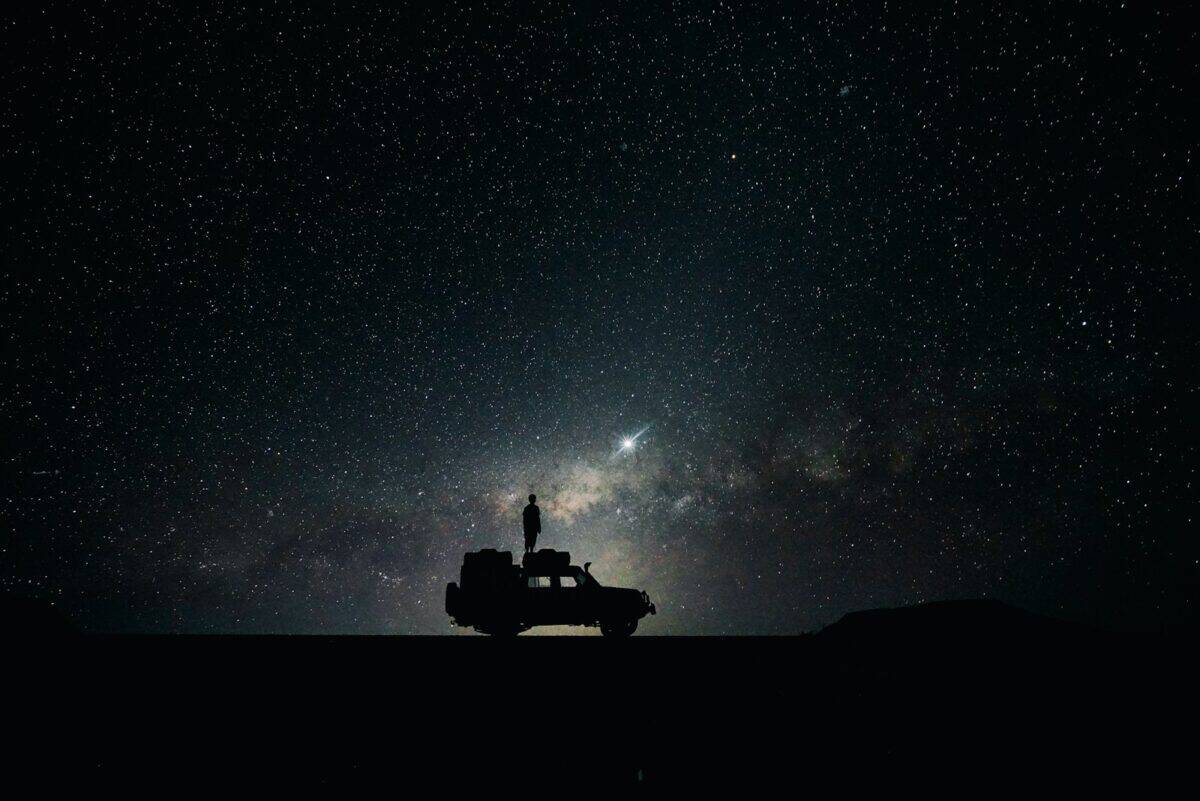
Many visitors fail to anticipate the rapid approach of nightfall and the challenges it brings, such as the drop in temperatures and impaired visibility. Ensuring that you have a flashlight, extra layers of clothing, and a planned return before dark is crucial to prevent night-time hazards.
The Impact of Human Behavior

Human behavior, including littering and feeding wildlife, inadvertently increases danger. Not only does this impact the ecosystem, but it also acclimatizes animals to human presence, leading to bolder behavior and potential attacks. Responsible conduct by visitors is vital to maintaining safety for both humans and wildlife.
In conclusion, the perilous aspects of US national parks underscore the need for awareness and preparation. By recognizing and respecting the diverse challenges of these natural environments, visitors can enjoy their beauty safely and responsibly. Understanding the risks, planning ahead, and adhering to park guidelines are essential steps to safeguard oneself while marveling at the untouched splendor that these parks offer.
Worried about unexpected vet bills?
Pet insurance can cover thousands in unexpected vet costs. Get a free quote from Lemonade in under 2 minutes.
Get My Free Quote →Sponsored · Opens Lemonade.com

- How to Make Your Garden Safe for Small Animals - June 9, 2026
- 15 Dog Breeds That Make the Best Family Companions - June 9, 2026
- How to Help Your Pet Cope with Moving to a New Home - June 9, 2026