
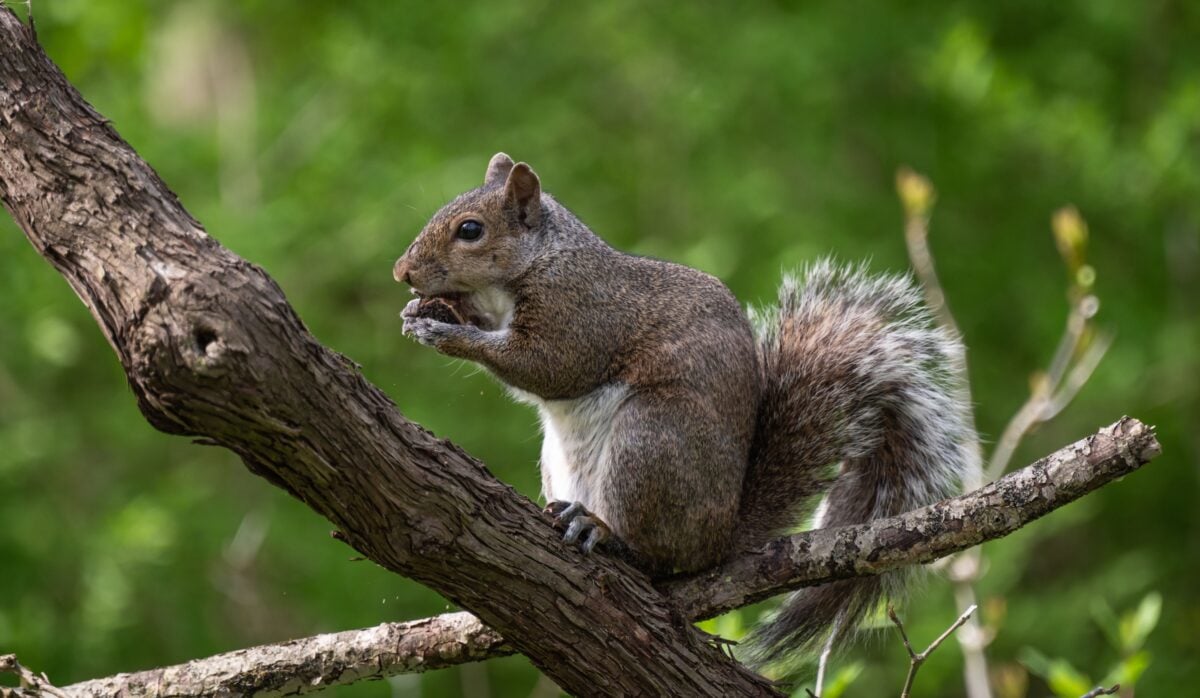
Watch a squirrel long enough in any park or backyard and you’ll notice something odd. It buries a nut, pats the dirt smooth, scurries off, then comes right back to the same spot minutes or days later and digs the whole thing back up. Sometimes it eats the nut on the spot. Other times it just moves the nut a few feet away, buries it again, and leaves once more, as if the first hiding spot suddenly failed some invisible inspection. This isn’t confusion or bad memory. Researchers who’ve spent years watching squirrels say the digging and reburying is actually a set of deliberate strategies, and once you know what’s driving each one, the behavior starts to look less like chaos and more like a surprisingly sophisticated survival system.
#1. Refreshing spatial memory through constant rehearsal
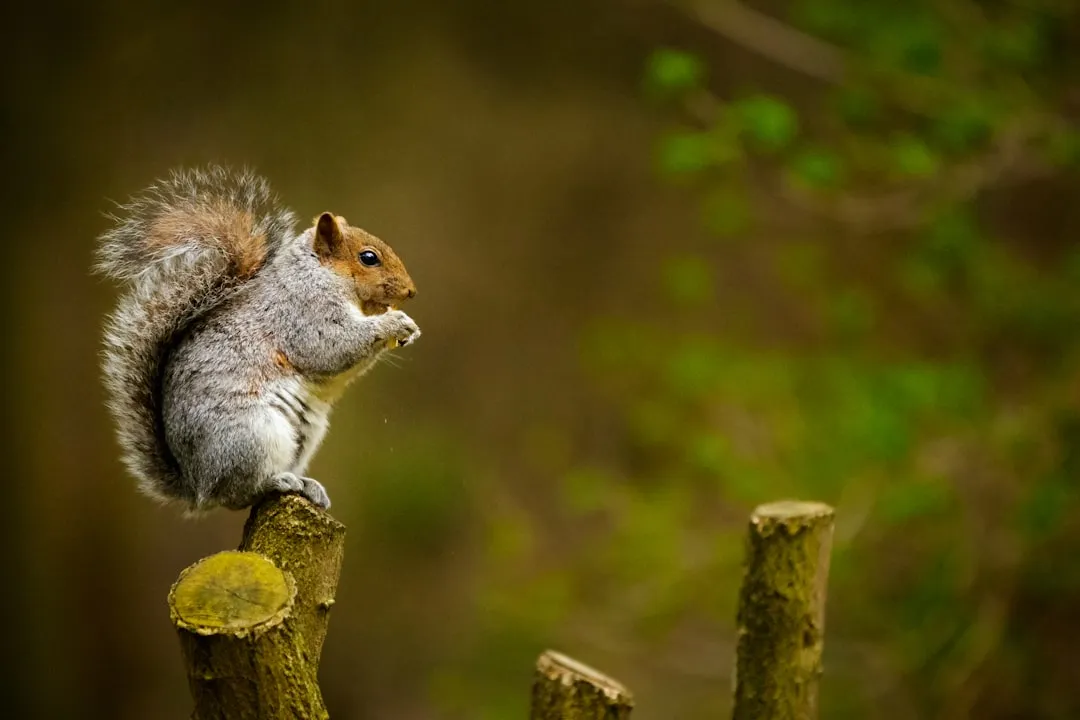
One of the more counterintuitive findings from squirrel researchers is that a cache rarely stays put for long. Field studies have found that in areas with high squirrel density, squirrels keep a cache in its original location for only about three days regardless of the season. That’s not a design flaw. It’s closer to a maintenance routine.
Scientists studying this behavior describe it as a kind of ongoing memory practice. Rather than caching food in the fall and having to remember it months later, squirrels are out there every day rehearsing that information over and over. Each time a squirrel digs up a nut and reburies it, even in the exact same spot, it’s essentially re-encoding the location in its brain. Digging up and relocating their caches may help squirrels recharge their memories of where their food is located. Think of it as a mental sticky note that needs to be rewritten every few days or it starts to fade.
#2. Checking on food quality before it goes bad
Squirrels don’t just bury food and forget about it until winter. Part of the reason they return to caches so often is to check whether the food inside is still worth keeping. Scatter-hoarding squirrels will often dig up and rebury food caches to determine whether or not the food stored is still good.
Nuts and seeds can rot, sprout, or get invaded by mold and insects if left underground too long, especially in damp soil. A squirrel that digs up a cache and finds a nut has started to spoil will typically eat it right away rather than let it go to waste, or move it to a drier spot. This ongoing quality control also happens to double as a memory refresher, which is why digging up a cache may help the squirrel refresh its memory of what food is stored where at the same time it checks the food’s condition.
#3. Outsmarting rivals with decoy caches
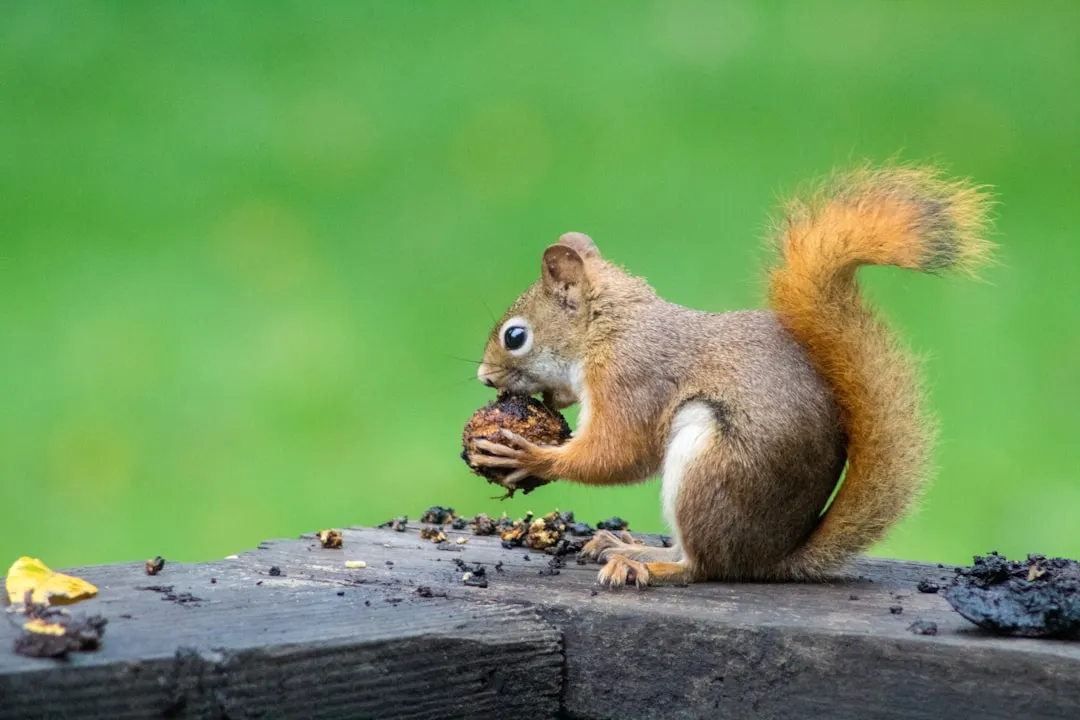
Not every hole a squirrel digs actually has food in it. Squirrels are known to dig empty holes, go through the motions of burying something, and then cover the hole back up while other squirrels or birds are watching nearby. Research shows that free-living eastern grey squirrels caching food in the presence of others perform behavioral deception by covering additional empty sites where nothing has been cached, and this deceptive caching occurred more often near rivals and reduced the odds of cache theft.
This bluffing extends to real caches too. When a squirrel senses it’s being watched, it may dig up a nut it just buried and rebury it somewhere less obvious, essentially undoing its own work to throw off an audience. Digging into a fake cache is especially common when other squirrels are nearby, and competition also makes squirrels more alert and willing to spend extra time camouflaging their real hiding spots. It’s a surprisingly theatrical strategy for an animal most people assume is just running on instinct.
#4. Moving caches for safety and convenience
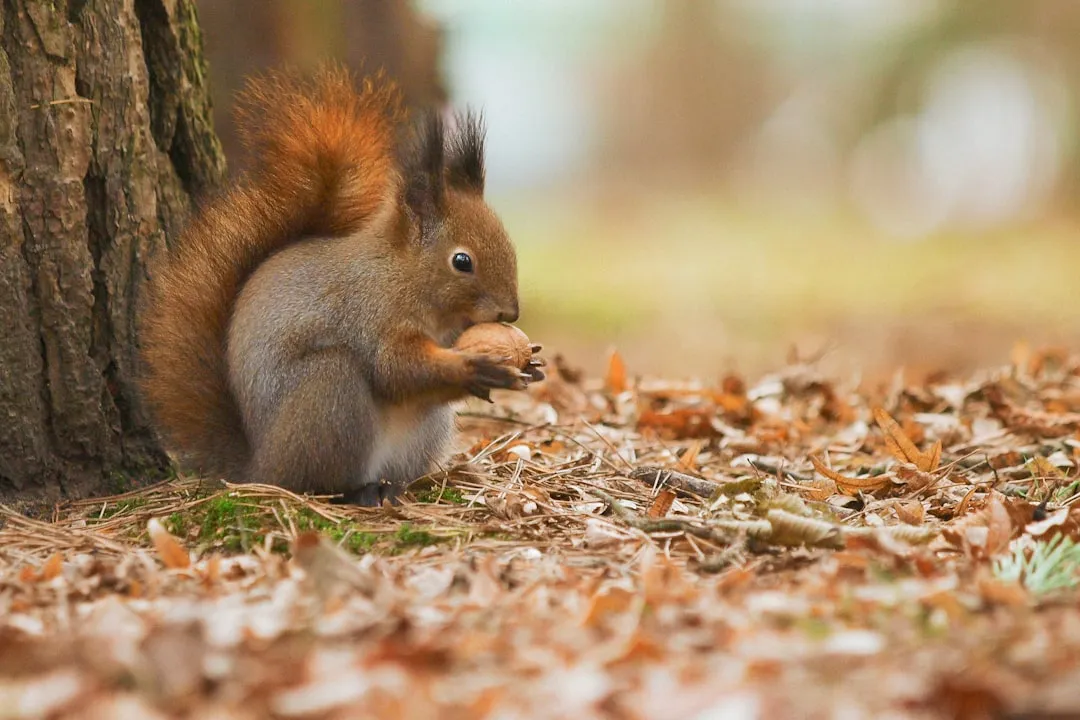
Location matters, and squirrels seem to reassess it constantly. Studies of squirrels caching food near a shared source, like a bird feeder, found that a noticeable share of newly buried nuts got moved within just a couple of hours. Rice-Oxley watched 266 burials and noted that 27, or about ten percent, were moved within the two hour observation period, some by the original squirrel and others stolen and re-cached by different animals.
Interestingly, the motivation isn’t always about hiding food better. One suggestion is that squirrels may bury nuts near a feeder to save time, allowing them to return more often and grab more before the food runs out, planning to redistribute the nuts to safer spots later. In other words, speed and safety are separate problems, and squirrels solve them in stages rather than all at once.
#5. Fighting back against a competitor’s sense of smell
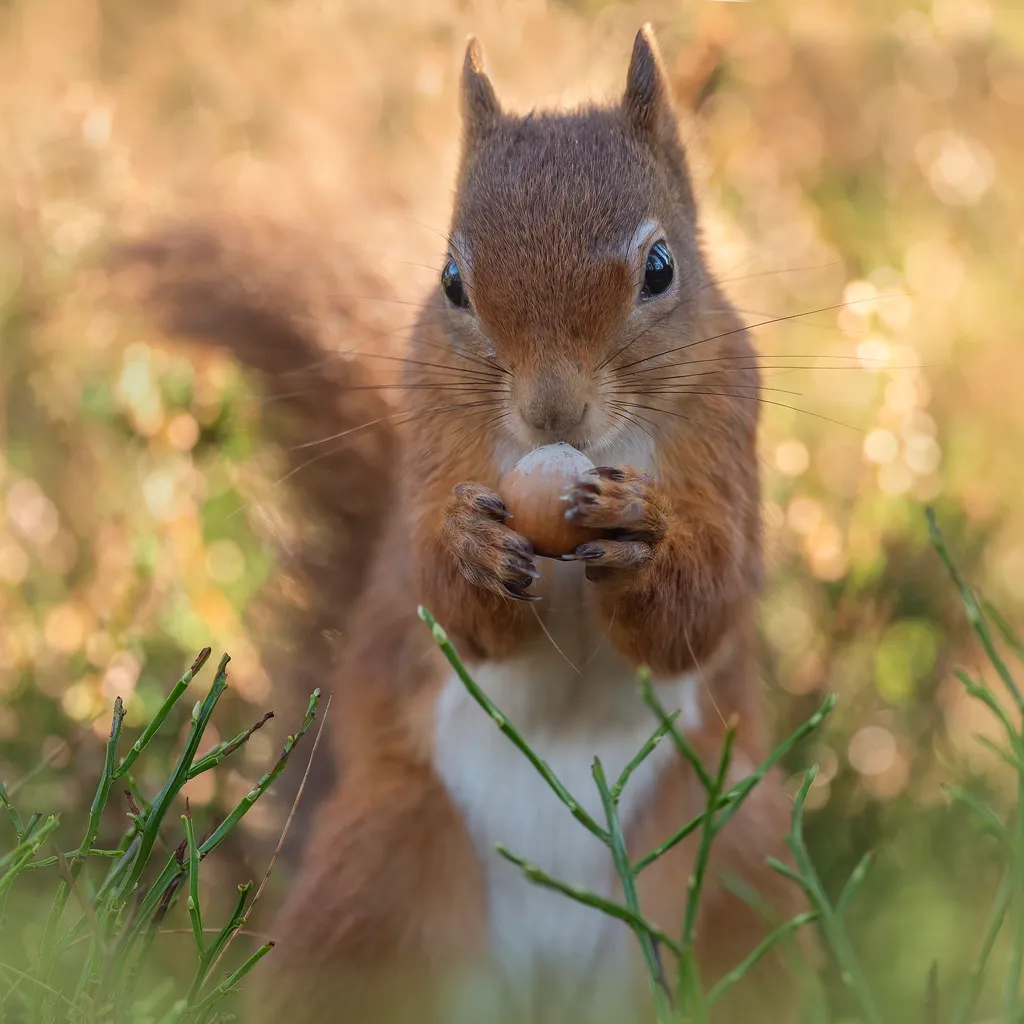
Squirrels rely on more than memory to find food, and so do the squirrels trying to steal from them. Squirrels use smell partly to uncover buried caches, and they often find and steal at least a nut or two from other squirrels’ caches, which they can detect by odor. That means a buried nut is never fully safe just because it’s out of sight.
Digging a cache back up and reburying it, sometimes just a short distance away, can disturb the scent trail that a rival might otherwise follow. This becomes especially important because scent can prove unreliable, and when the ground is too dry or covered in snow, squirrels become more interested in digging up their own food caches even when they can smell other caches nearby. In those conditions, memory has to do more of the work than smell can, which pushes squirrels to revisit and reconfirm their own hiding spots more frequently.
#6. Reorganizing the pantry by type and value
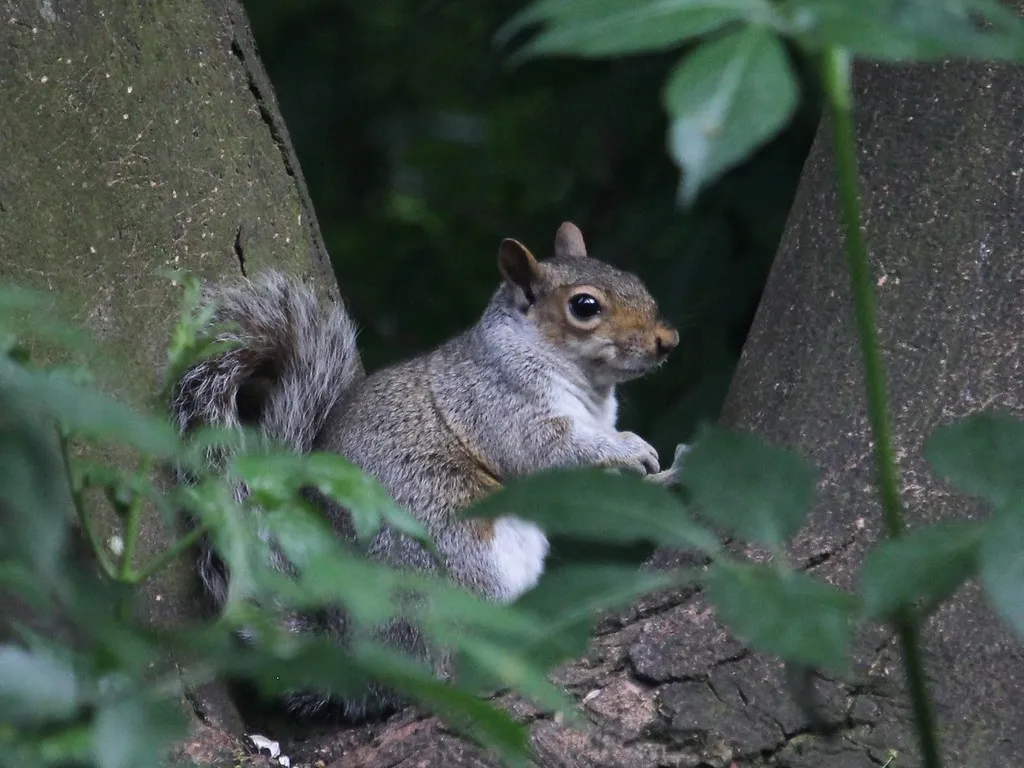
Squirrels don’t scatter their nuts at random, and the reburying process is partly about sorting. Field observations of eastern fox squirrels found strong evidence of what researchers call spatial chunking. The squirrels put specific nuts in similar places to help them remember what nuts were where, so almonds went in one general area and hazelnuts in another.
This kind of organizing doesn’t necessarily happen perfectly on the first try. A squirrel might bury a walnut in a rush, then come back later and move it closer to where it keeps its other walnuts, effectively tidying up its own storage system. Rather than being fixed and automatic, squirrels adjust their assessment behaviors depending on the food item, travel different distances based on how valuable the food is, and change their cache protection strategies depending on food type, season, and competition. The reburying, in this light, looks a lot like inventory management.
#7. Practicing a skill that improves with age
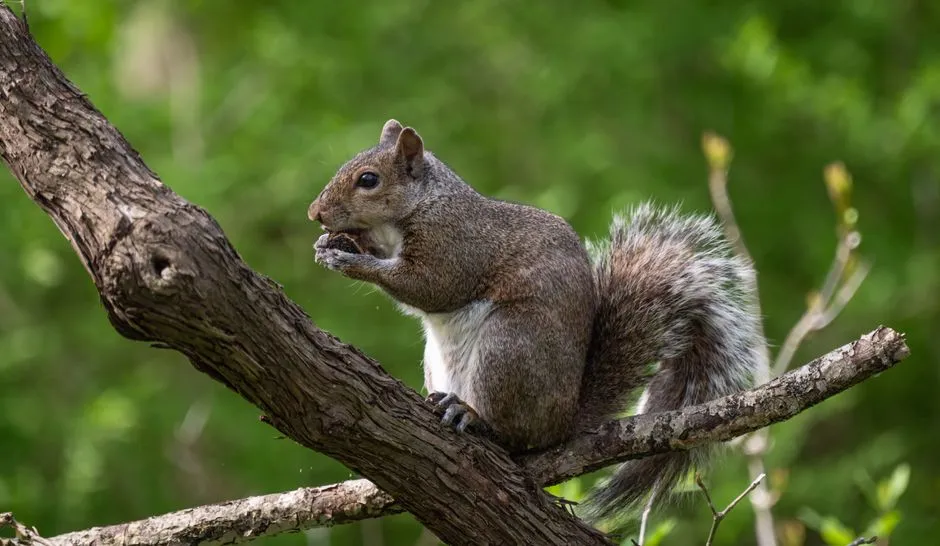
Digging up and reburying food isn’t something squirrels are born knowing how to do perfectly. It’s a skill that sharpens over time, much like any learned behavior. Young squirrels learn caching behavior from their mothers, and adult squirrels generally have more refined spatial memories than juveniles.
Repeated digging and reburying throughout a squirrel’s life appears to reinforce the mental map it relies on. Research has highlighted the importance of practice and repetition in the development of spatial memory in squirrels, with studies showing that these animals improve their recall of cached food through repeated practice and experience. An older squirrel that has spent several winters perfecting this routine is likely far more efficient at it than a first year juvenile still figuring out its own territory.
The Takeaway
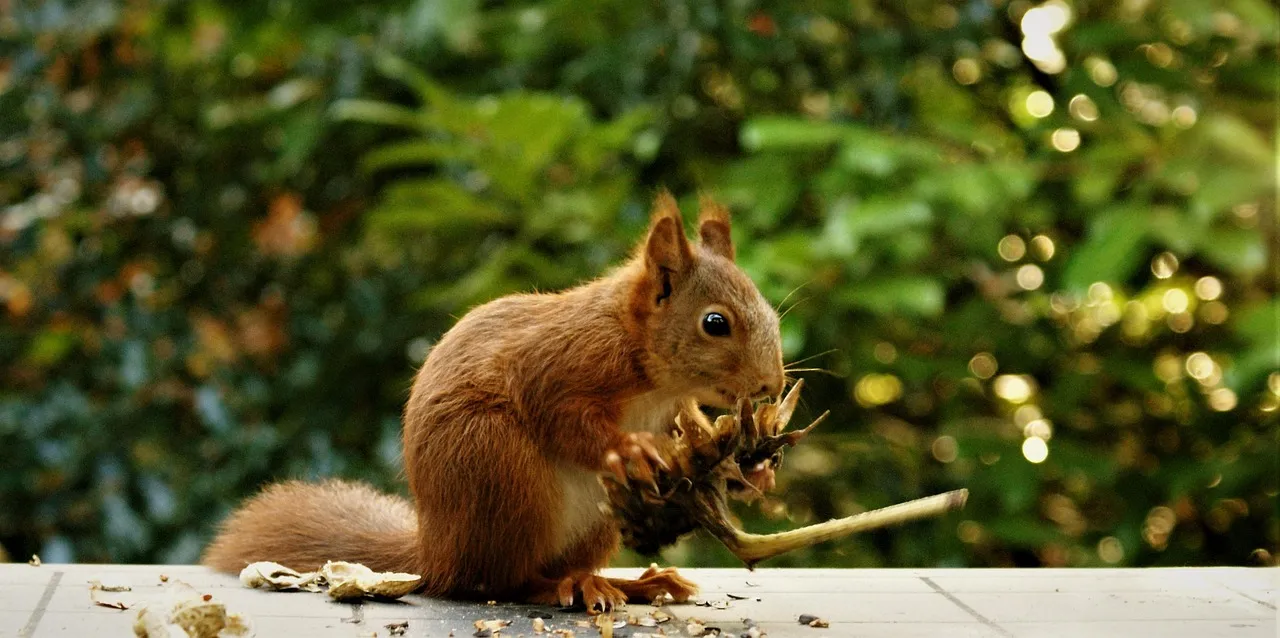
Once you line up all the reasons a squirrel might dig up its own buried food, the behavior stops looking like fidgeting and starts looking like a genuinely smart system built for an unpredictable world. Memory needs upkeep, food spoils, rivals are always watching, and weather changes what senses can even be trusted. A squirrel that only buried food once and never touched it again would probably lose a lot more of its winter supply than one that keeps checking, moving, and second-guessing its own hiding spots.
What strikes me most is how much of this looks like planning rather than instinct on autopilot. These animals are weighing risk, adjusting to competitors, and literally rehearsing their own memories in real time. It’s a reminder that a lot of wildlife behavior dismissed as random or silly usually has a pretty solid reason behind it, if you’re willing to look closely enough.

- Why Squirrels Dig Up Their Own Hidden Food - July 25, 2026
- What It Means When Butterflies Frequent Your Yard - July 25, 2026
- Animal Science Says Ravens Solve Problems Better Together Than Alone - July 25, 2026