
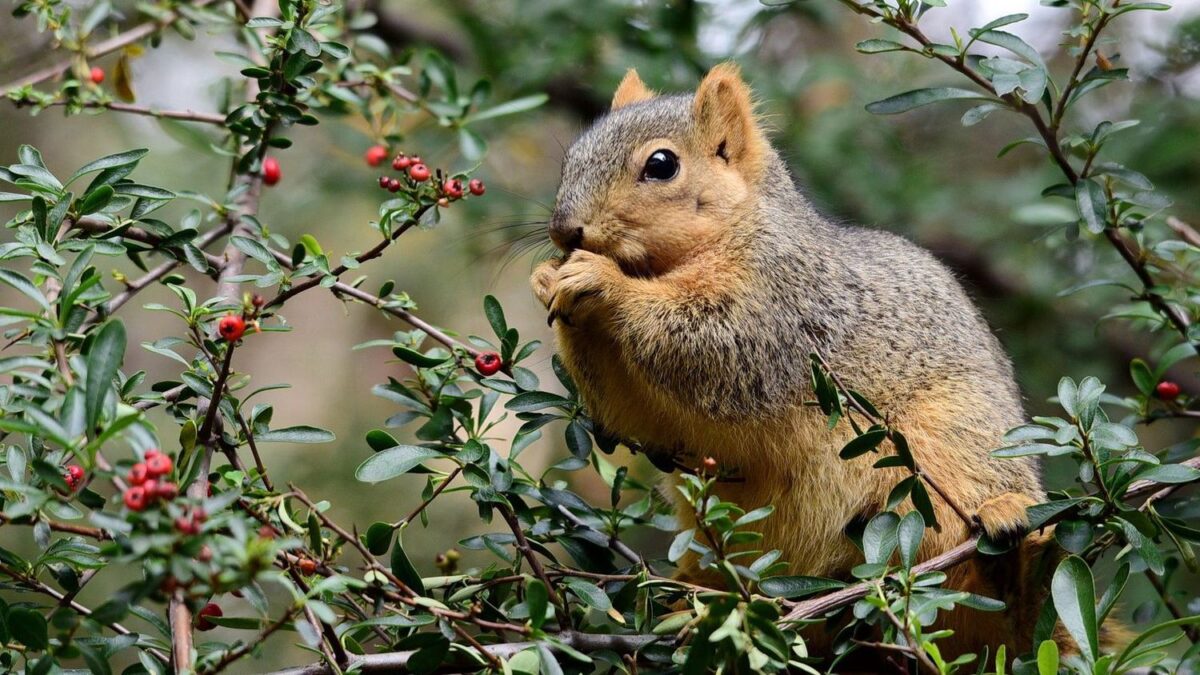
One day, they’re everywhere. Darting across the fence, raiding the bird feeder, burying something mysterious near the garden beds. Then, almost overnight, nothing. The yard goes quiet in a way that feels oddly conspicuous, the kind of silence you only notice because something lively used to fill it.
There are instances where squirrels suddenly disappear, leaving homeowners wondering about the reasons behind their absence. Most people assume the worst, but the truth is usually more nuanced, and often more interesting, than a simple disaster. The answer to where your squirrels went says a lot about how these creatures actually live, and what your yard means to them in the first place.
#1. The Seasons Are Doing Exactly What They’re Supposed To Do
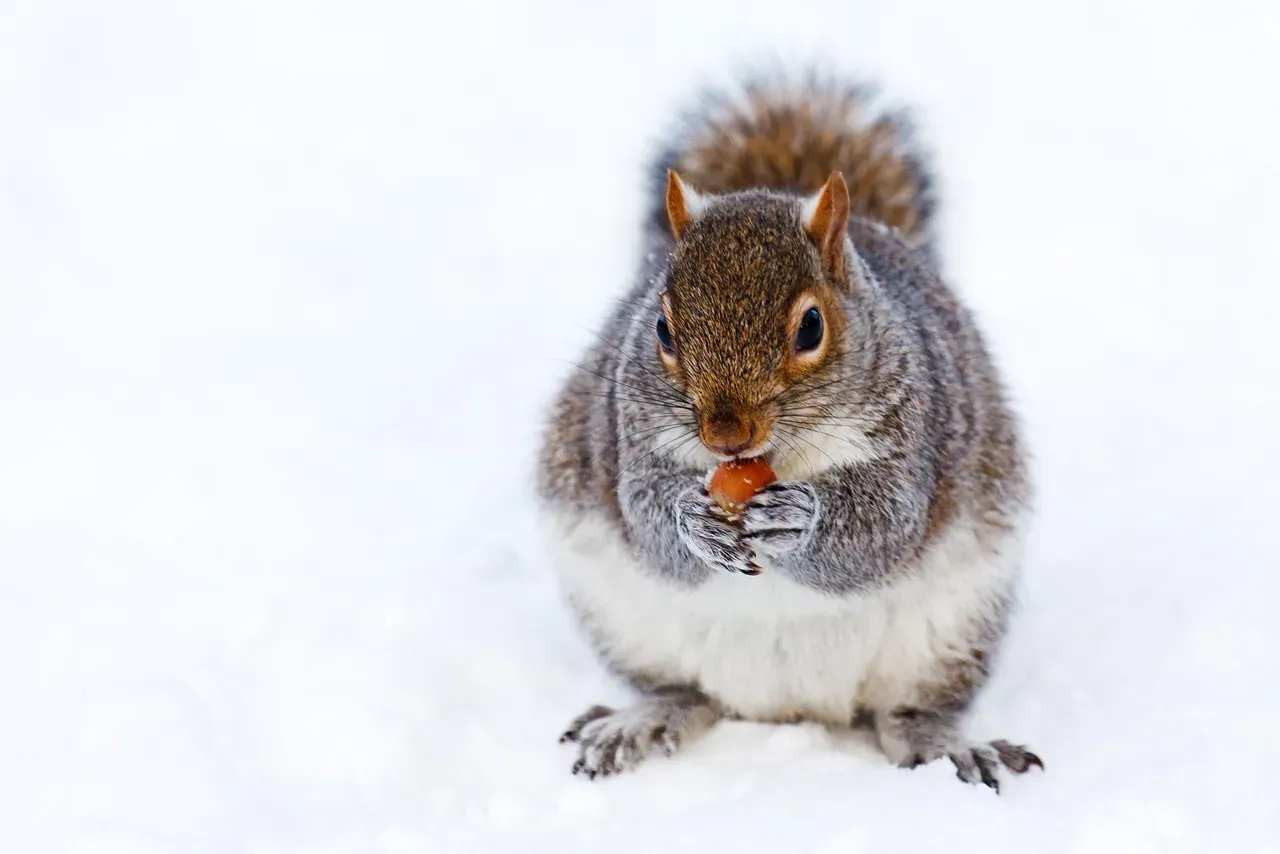
If the squirrels vanished sometime in late fall or winter, the most likely explanation is also the most straightforward: they’re not gone. They’ve just gone still. Most squirrel species do not hibernate but instead enter a state of reduced activity known as torpor, during which their metabolic rate drops to conserve energy.
In the fall, squirrels enter a frantic period of food gathering called “scatter-hoarding,” burying thousands of nuts and acorns in individual locations across their territory, and their impressive spatial memory allows them to retrieve these caches throughout the winter. During the coldest spells, they stay in their nests, called dreys, which are messy-looking balls of leaves and twigs high in trees.
During the winter, squirrels spend most of their time in nests, sleeping up to eighteen to twenty hours daily, which is why yards are often spotless or entirely squirrel-free during winter. They may venture outside on mild winter days, but otherwise they remain indoors. So if it’s cold and grey outside, your yard hasn’t lost its squirrels. It’s just hosting some very well-rested ones.
Another thing worth knowing is that squirrels may be more active at dawn and dusk when the weather is cooler. As temperatures rise during the day, they retreat to their nests or other hiding places to avoid the heat, which can make them seem invisible to humans during daytime hours. The disappearance, in other words, might just be a scheduling conflict.
#2. A Predator Has Moved Into the Neighborhood
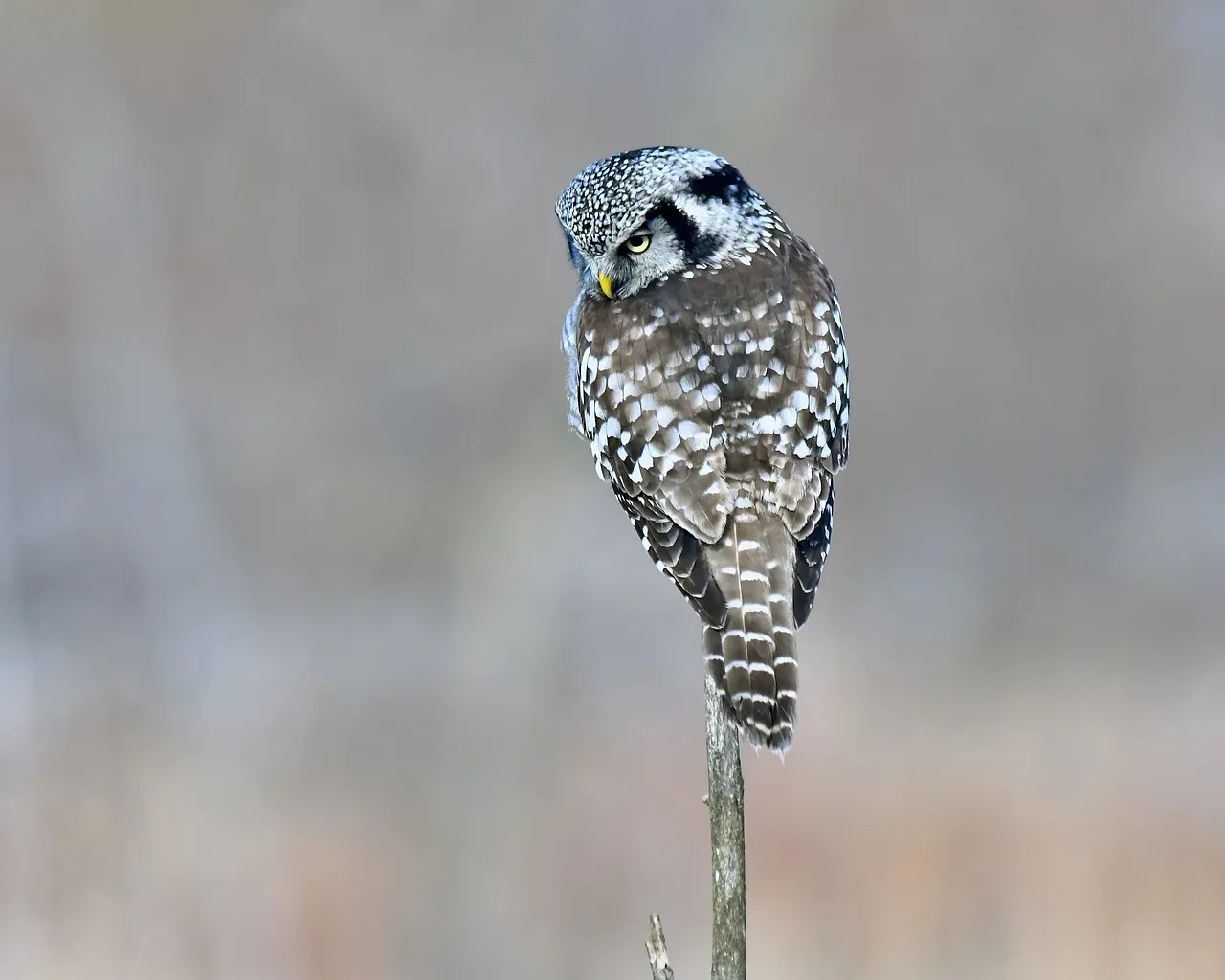
This one tends to catch people off guard. Squirrels are prey animals, and they know it. Hawks and owls swoop down at high speeds, often leaving squirrels no time to react, and daytime hunters like hawks paired with nighttime hunters like owls make squirrels vulnerable around the clock.
Squirrels have a number of natural predators, including foxes, rat snakes, coyotes, hawks, owls, and feral cats, all of which will feed on squirrels. If a transient member of one of these predators were to suddenly move in, even for a short time, it’s possible they could have taken the squirrels. You might not have even seen the predator. A single hawk staking out a territory can clear a suburban yard faster than you’d expect.
Predation not only reduces squirrel numbers but also changes their behavior. In urban settings, squirrels may avoid open yards or wooded edges where predators are active, instead seeking safer ground. That behavioral shift is worth paying attention to. Predators shape squirrels’ daily routines, and squirrels typically forage during times and in areas where they feel safest, avoiding places with strong signs of danger.
Hawks and owls are particularly adept at capturing squirrels, as they can swoop down from above and catch them off guard. If you’ve noticed a large bird of prey perching regularly near your yard, that alone can be enough to send the local squirrel population into hiding for days or even weeks at a stretch.
#3. The Food Supply Has Shifted
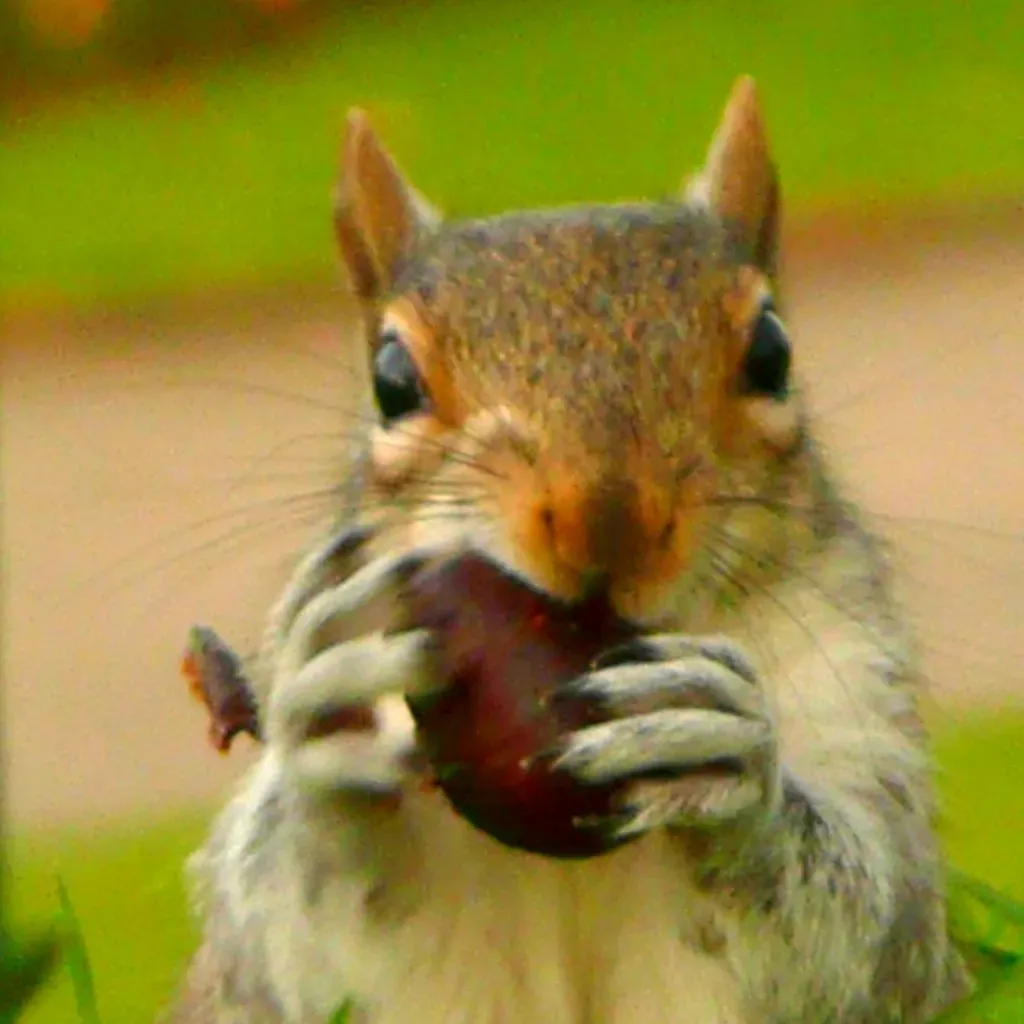
Squirrels are practical in a way we often underestimate. They don’t stick around out of loyalty. They follow the food. Food shortages are a primary concern for squirrel populations. If food sources like acorns or nuts become scarce, local squirrels may migrate to find better options. Habitat destruction caused by urban development or severe weather also forces squirrels to relocate.
There’s a fascinating ecological phenomenon that plays into this directly. What many people observe is part of a natural cycle that follows an event known as oak tree masting, a process that ecologists have studied closely in wooded and semi-urban regions. A single oak tree can produce over ten thousand acorns in a mast year, which triggers squirrels into hoarding more than can be consumed, leaving seeds scattered and increasing the chances that they will eventually germinate.
The problem comes in the years that follow. After a heavy mast year floods the area with food, squirrel populations boom. Then, when the next year brings a lean crop, there are simply too many squirrels competing for too little food. The reasons behind squirrel migration include lack of food, nesting places, drought, and overpopulation in their area. The population corrects itself, often abruptly, and your yard ends up quieter as a result.
Fall is actually an excellent time to attract squirrels to your yard, since they are actively caching food for the winter and a reliable food source will make your yard more appealing. If your yard has lost mature trees or if nearby construction has disrupted the local food web, squirrels will simply find somewhere more productive to spend their time.
#4. Habitat Changes Have Made Your Yard Less Livable
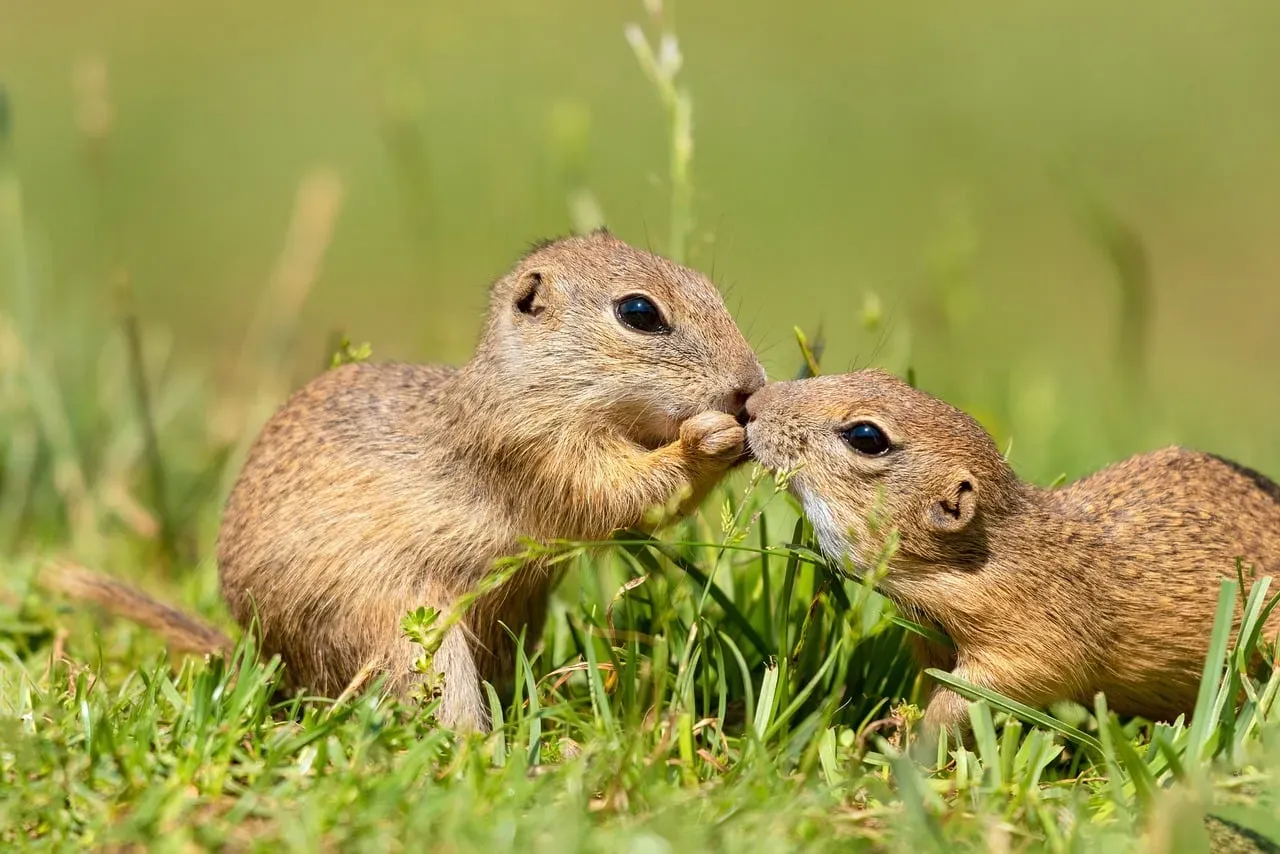
Squirrels don’t need much, but they do need specific things. Mature trees. Cover. Safe nesting spots. Remove one of those pillars and the equation changes. Loss of mature trees eliminates nesting sites known as dreys and reduces food sources like nuts and seeds, while construction projects fragment habitats and isolate squirrel populations, limiting their ability to find food and mates.
Aggressive landscaping, such as the removal of undergrowth or the use of extensive hardscaping, deprives squirrels of foraging opportunities and shelter, and expanding cities consume natural habitats and displace wildlife including squirrels. That tidy, manicured yard that looks beautiful to human eyes can look barren and exposed to a squirrel sizing it up.
Sudden departures can occur due to various factors like a sudden increase in predator activity, the depletion of a food source, or construction projects nearby, and these sudden changes can disrupt squirrels’ normal patterns. Renovation work on a neighboring property, the removal of an old tree, or even a new fence can shift the micro-landscape enough to send squirrels elsewhere.
A squirrel stays in the same place and rarely ventures far from home. In areas with little to no food or where there are too many squirrels in one area, squirrels tend to leave home if they are more than one to two miles away, and if they do leave home, they seldom return. That last part is worth sitting with. A displaced squirrel isn’t necessarily coming back.
#5. Disease or Population Pressure Has Thinned the Group
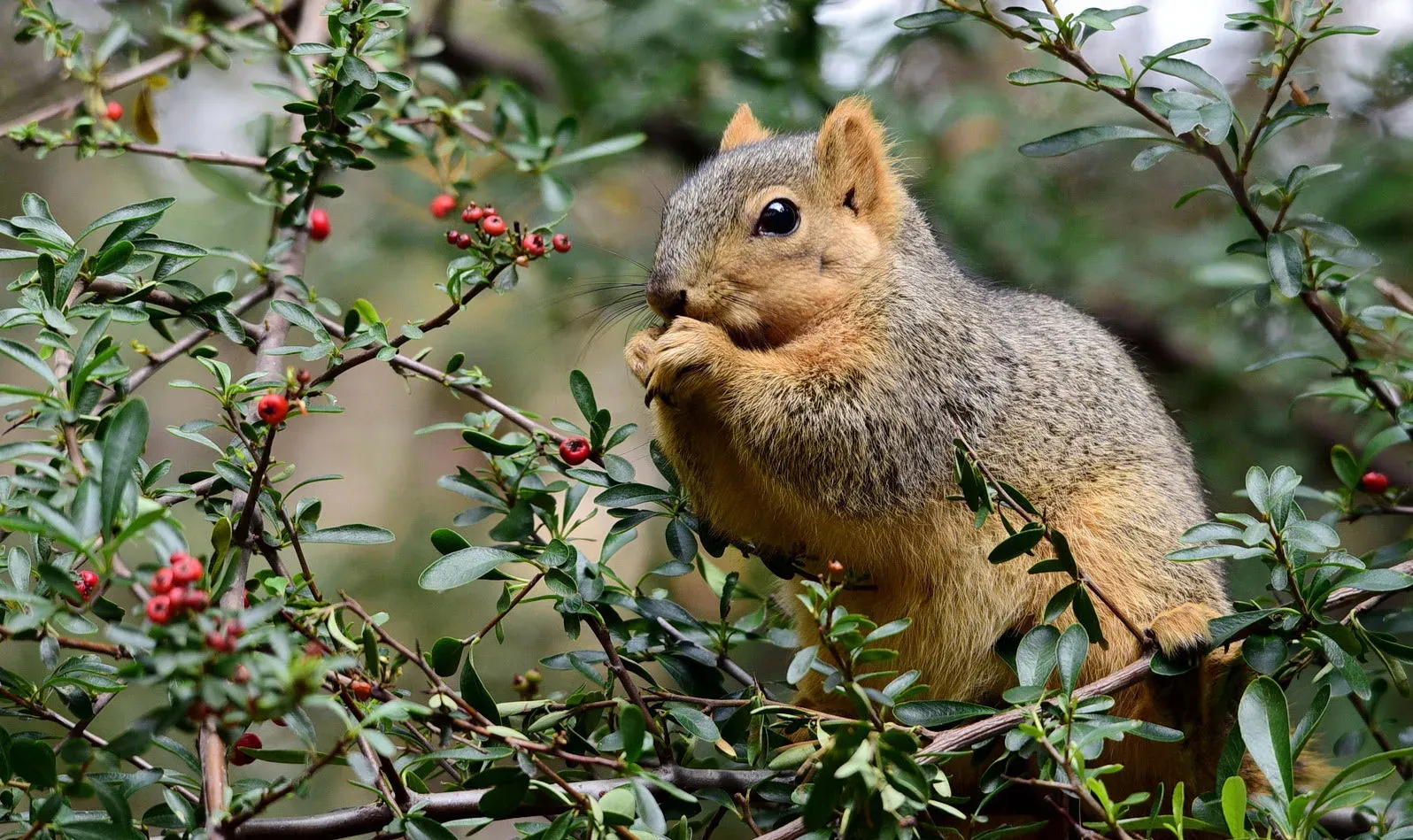
This is the quieter, harder-to-see explanation. Sometimes squirrels don’t leave. Sometimes the population simply declines in place, and the absence is the result of illness or compounding stress rather than migration. Common diseases include squirrel poxvirus, mange caused by mites, and parasitic infections. These diseases can weaken squirrels and make them more vulnerable to predators or starvation.
The squirrel pox virus is responsible for a disease that presents with mange-like symptoms, leading to rapid loss of body condition and subsequently death. While squirrelpox is particularly devastating to red squirrel populations in Europe, disease-related mortality can affect grey squirrel populations in North America as well, especially when local conditions favor transmission. Dense squirrel populations in parks and neighborhoods make it easier for diseases to spread, and while not always immediately fatal, these conditions lower a squirrel’s ability to escape predators or survive harsh weather, ultimately increasing mortality rates.
There are reasons including mass migrations from one area to another due to overpopulation. Population cycles in squirrels follow a somewhat predictable rhythm. A boom year, triggered by abundant food or a mild winter, is often followed by a bust year when resources thin and disease spreads more easily through a crowded population. What looks like a sudden disappearance is often the tail end of a slow-building pressure.
The survival rate of young squirrels is low. Predation, disease, and lack of food can all contribute to the absence of new squirrels. Also, if adult squirrels are under stress, they may not successfully raise young. So the yard can fall quiet not because the adults moved on, but because no new generation came along to replace those that were lost.
What the Empty Yard Is Actually Telling You
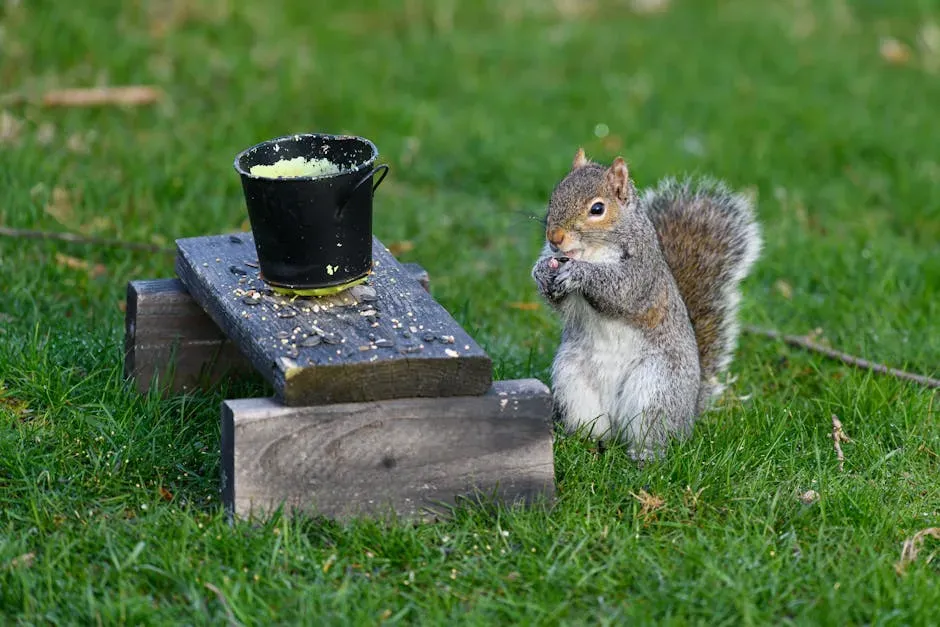
A yard without squirrels isn’t necessarily a yard in crisis, but it is a yard worth paying attention to. These animals are sensitive indicators of local ecological health. When they vanish, something in the surrounding environment has shifted, whether that’s a predator moving in, a food source running dry, or a habitat becoming too fragmented to sustain a local group. Factors such as environmental changes, human impacts, and the natural dynamics of wildlife populations play a significant role in squirrel disappearance.
Climate change has added complexity to the seasonal behavior of squirrels, and unpredictable weather patterns can disrupt their traditional practices of food caching and reproduction. That’s a longer conversation, but it’s worth noting that the cycles which once felt predictable are becoming harder to read, for squirrels and for the people watching them.
If you want them back, the most reliable steps are also the simplest. Planting native trees and shrubs provides food and shelter for squirrels, and offering supplemental food through a squirrel feeder stocked with nuts, seeds, and fruits can help attract them. Avoiding pesticide use protects squirrels from poisoning, and making sure fresh water is readily available, especially during dry periods, also makes a meaningful difference.
The squirrels that once treated your yard as their territory had reasons for being there. Understanding why they left is really just the first step in understanding what your yard offers the wider world of local wildlife. Sometimes the stillness isn’t loss. It’s a gap waiting to be filled again.

- Is Earth Already In Its 6th Extinction? - July 18, 2026
- 11 Animals With Unique Survival Strategies in the Harshest Environments - July 18, 2026
- 12 US States Where Wild Horses Are Roaming Free Again and Why It Matters - July 18, 2026