

It’s Not What You Think: The Freeze Is a Decision, Not a Reflex
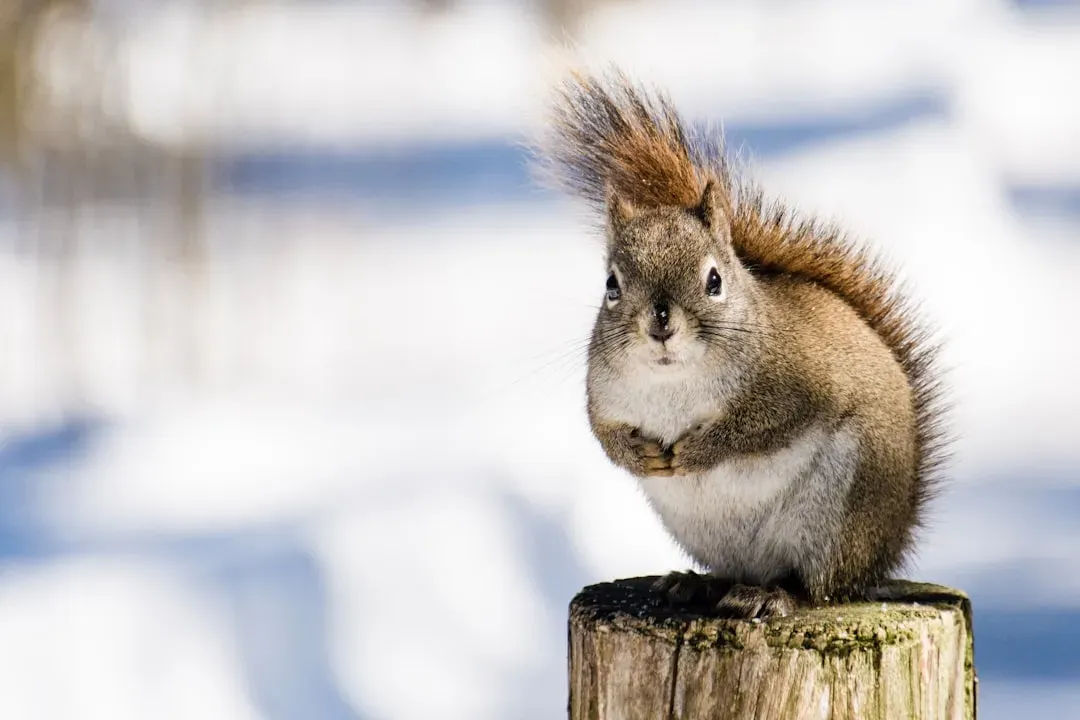
Most people instinctively assume that when a squirrel freezes, something has gone wrong, as if the animal short-circuited. The truth is the opposite. Those sudden pauses and moments of seeming frozen stillness aren’t random glitches in their programming. They’re deliberate strategies, meticulously honed through evolution, that allow squirrels to thrive in environments full of both opportunity and danger.
When threatened by predators or dominant animals, squirrels and other prey species freeze, often in a crouch, utterly devoid of movement except for breathing. Freezing is not passive, however. It is a coordinated, protective defense against danger. Think of it less like a deer caught in headlights and more like a soldier dropping to the ground to assess the situation before acting.
Survival Wired Into Every Nerve: The Prey Animal Perspective
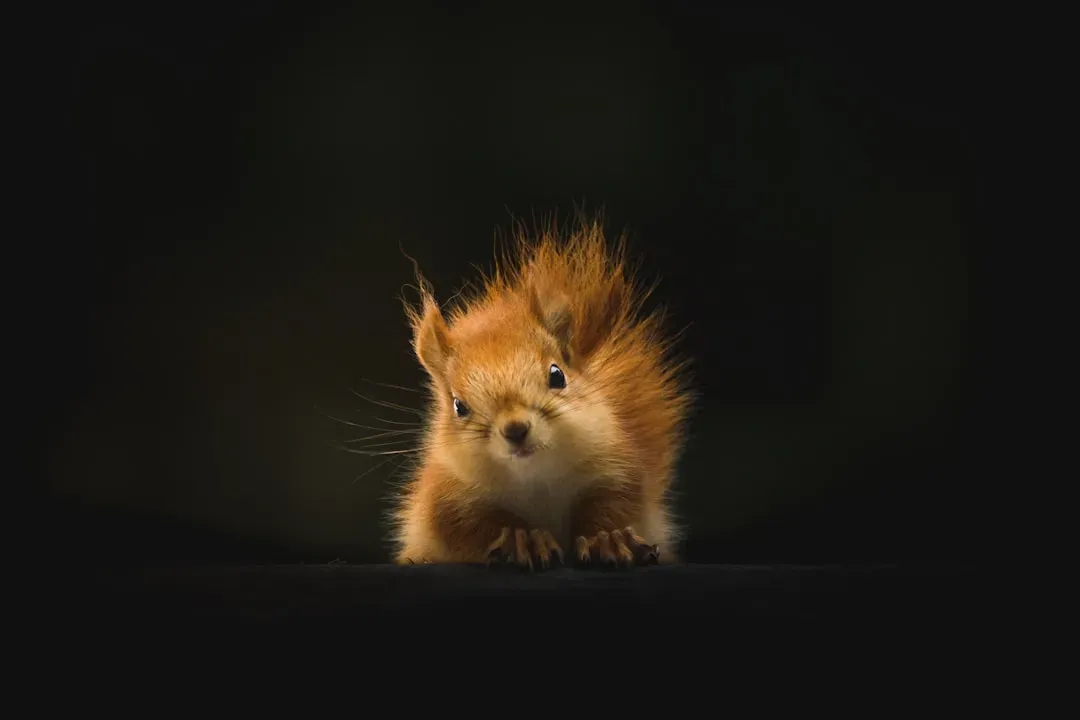
Squirrels are prey animals, and their survival depends on accurately identifying predators and responding appropriately. By staring, they gather visual cues about your movements, body language, and intentions, allowing them to determine if they need to flee, freeze, or continue their activities undisturbed.
Squirrels spend most of their waking hours vigilant for both predators and food sources. As prey animals, they must constantly assess potential threats in their surroundings to survive. Their large, prominent eyes give them excellent vision, and they have the ability to rotate their necks nearly 360 degrees to scan their environment. Every single moment outdoors, a squirrel is calculating risk. The stare you receive is just one visible window into that constant mental work.
The Science of the Stare: What Their Eyes Are Actually Doing
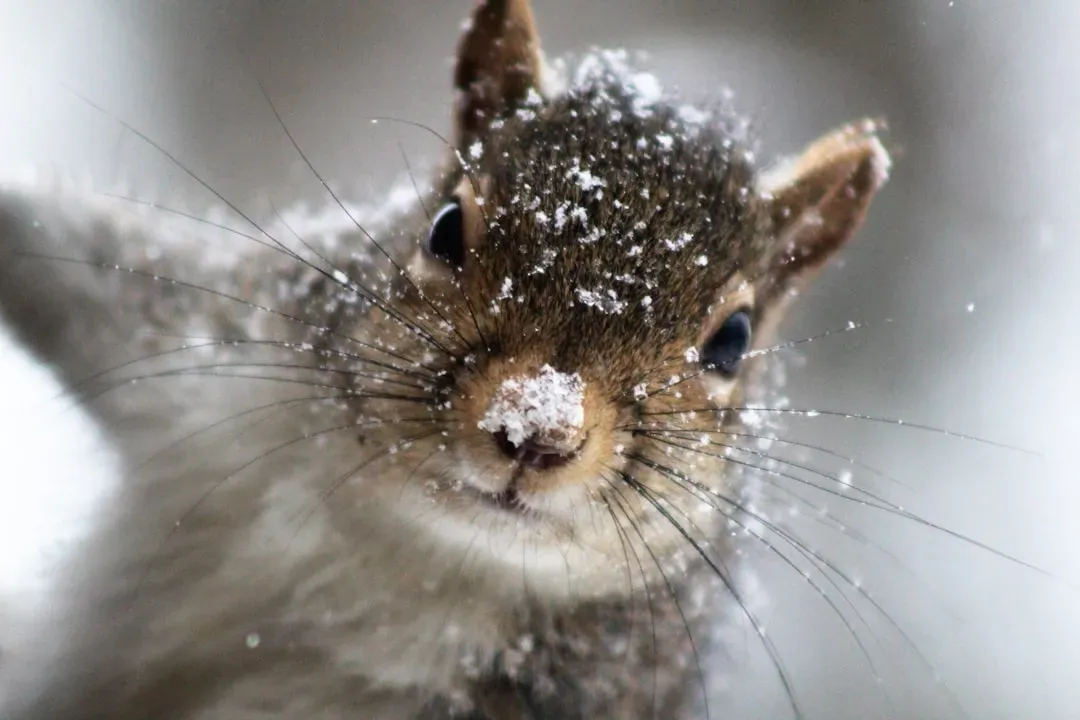
Squirrel vision is specifically adapted for spotting danger. Ground squirrels often stand bolt upright to scan their surroundings, extending their line of sight across open terrain. Their retinas contain a specialized pathway for fast visual signal transmission, essentially a high-speed connection between the light-detecting cells in the eye and the brain. This system is tuned for their daytime, predator-aware lifestyle and helps explain why squirrels react to movement so quickly.
A shadow passing overhead or a slight motion in the periphery triggers an immediate response, often before the squirrel has even identified what moved. So when a squirrel locks its gaze on you, those large dark eyes are doing some serious computational work. Squirrels rely on their vision, hearing, and even their whiskers to navigate their environment. When they stare, they are often combining visual cues with other sensory information to make informed decisions.
The Threat Assessment: You Are Being Evaluated Right Now
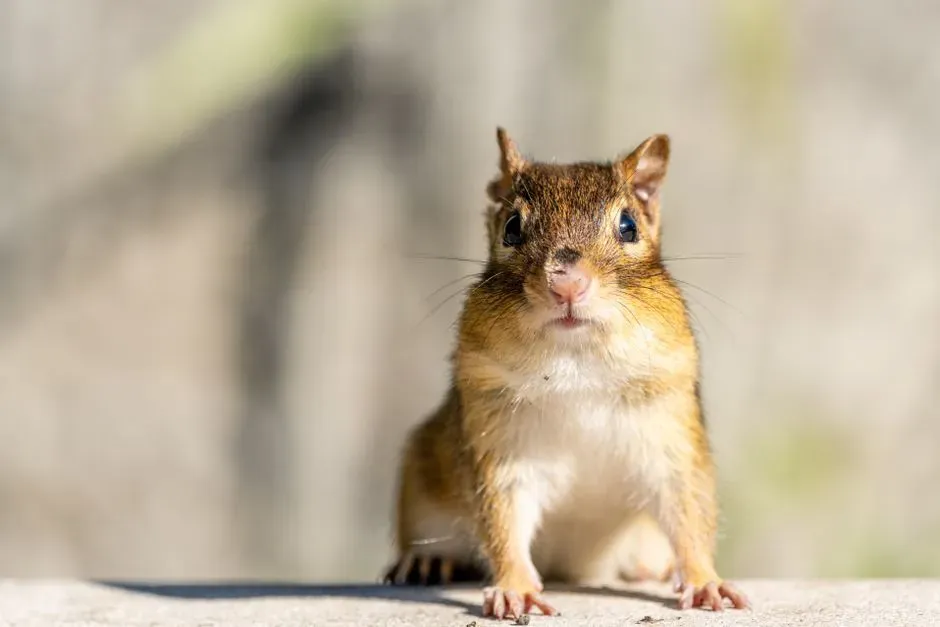
The common observation of a squirrel staring directly at a human is a calculated response to a large, approaching presence. This behavior represents a rapid assessment process fundamental to the squirrel’s survival. The fixed gaze allows the animal to gather information about a potential threat or opportunity before committing to a course of action.
The act of staring is part of a survival calculation that addresses two immediate questions: is this a threat, and is this an opportunity? As a prey animal, the squirrel’s initial reaction to a large object like a human is a threat assessment. The squirrel determines whether the approaching figure is a predator, a harmless passerby, or a source of danger requiring immediate flight. The visual check is a preliminary step in determining the Flight Initiation Distance, which is the point at which the animal decides to flee. Whether you realize it or not, you’re being scored.
What Your Body Language Tells a Squirrel
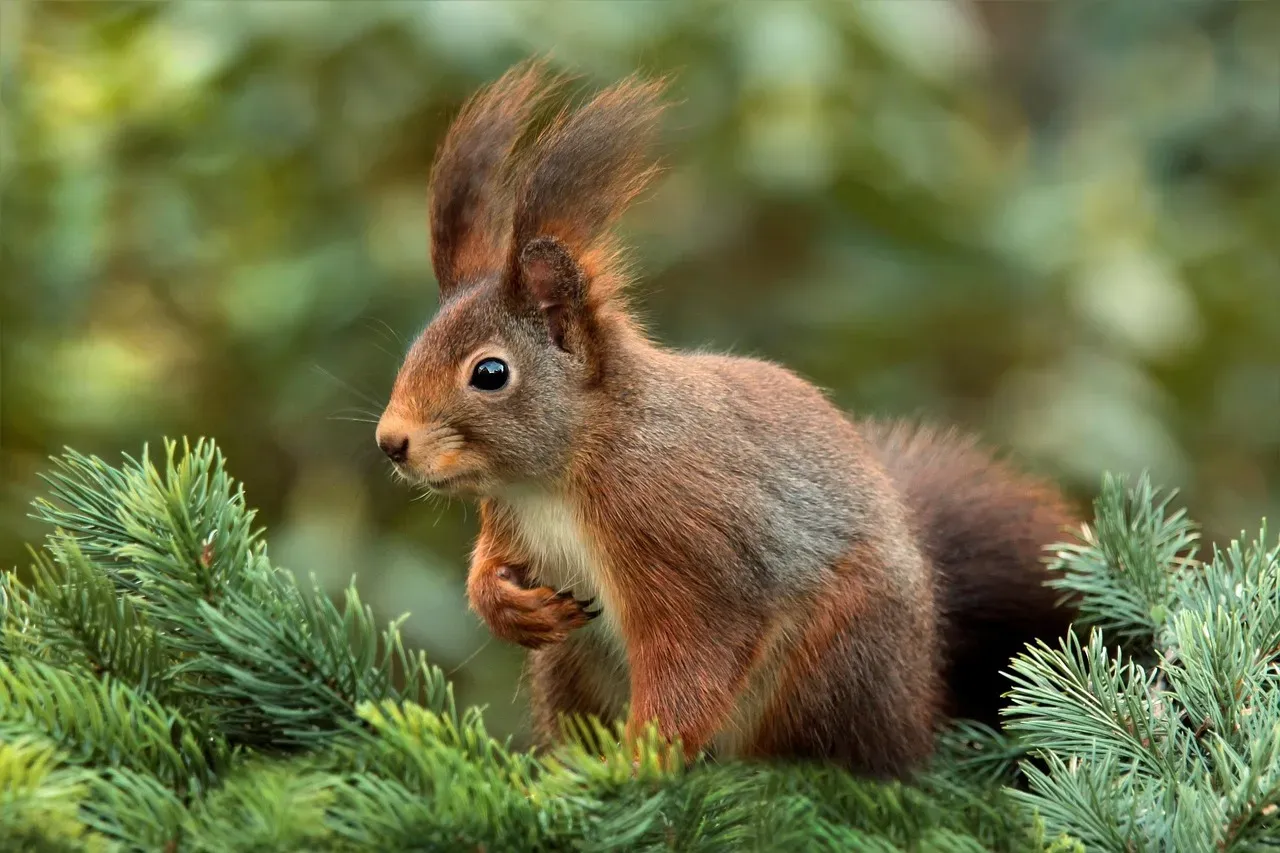
During their assessment, squirrels are particularly attuned to human body language. Slow, deliberate movements and a lack of direct eye contact may signal to the squirrel that you are not a threat. Conversely, quick, jerky motions or attempts to chase the squirrel can trigger its fight-or-flight response.
The stare also allows the squirrel to monitor your proximity and trajectory, helping it decide whether to retreat to a safe location, such as a tree or burrow, or to remain in its current position. This behavior is not just defensive but also energy-efficient, as squirrels avoid unnecessary escapes that could waste valuable calories. Standing still and avoiding sudden movement is the simplest way to signal that you mean no harm, even if that thought had never previously crossed your mind mid-stroll.
Urban Squirrels Have Learned to Read Humans Differently
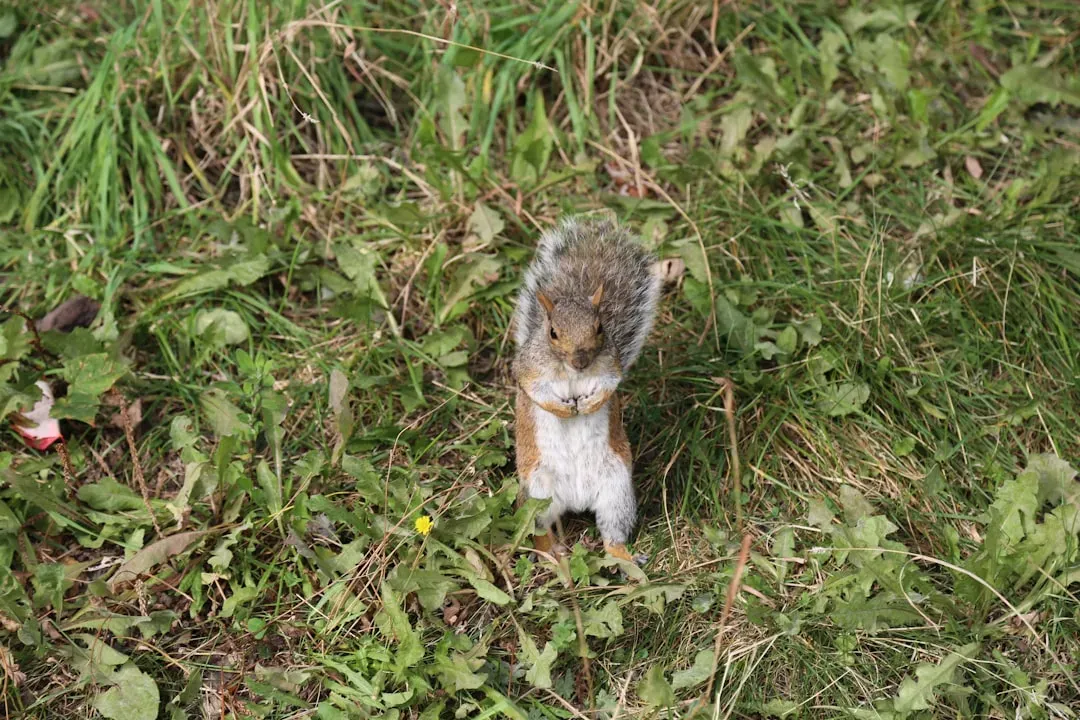
Studies show that squirrels living in highly urbanized areas often exhibit a reduced fear response and tolerate closer human proximity before fleeing compared to their rural counterparts. However, their response is highly sensitive to the human’s behavior. They are significantly more likely to flee if the human moves off a predictable path and looks directly at them.
Research has found that rural squirrels possess flight initiation distances two to three times longer than those of urban squirrels. Squirrels in rural areas also lower their flight initiation distance in autumn, but no seasonal difference is observed in urban squirrels. City squirrels have essentially recalibrated their danger threshold through constant exposure to people, which is a quiet form of real-time adaptation happening right in front of us on park benches and footpaths.
The Freeze and the “Fight, Flight, or Freeze” Instinct
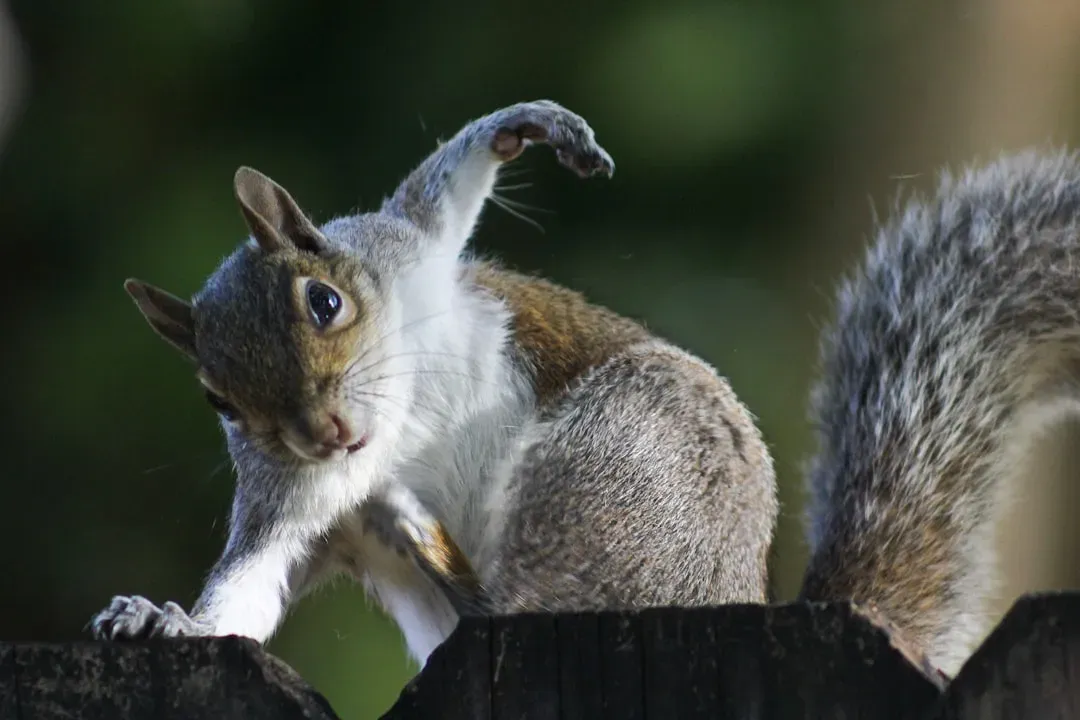
It may seem odd to you as a human, but this behavior is quite normal in the animal world. “Fight or flight” is a well-known response in the animal kingdom, but “freeze” is very much another viable option. The freeze state is not helplessness. It’s a calculated pause in which the animal gathers maximum information before committing to action.
Freezing evolved to counter the predator’s sensitivity to movement. Prey species freeze because many predators see stationary objects poorly, and they are less likely to detect immobile prey. In simple terms, squirrels freeze up to think of their next move when they encounter something they perceive as a threat. When squirrels freeze, their blood pressure and heart rate may rise and they breathe faster than normal. Still on the outside, far from calm on the inside.
The Curiosity Factor: They’re Genuinely Interested in You
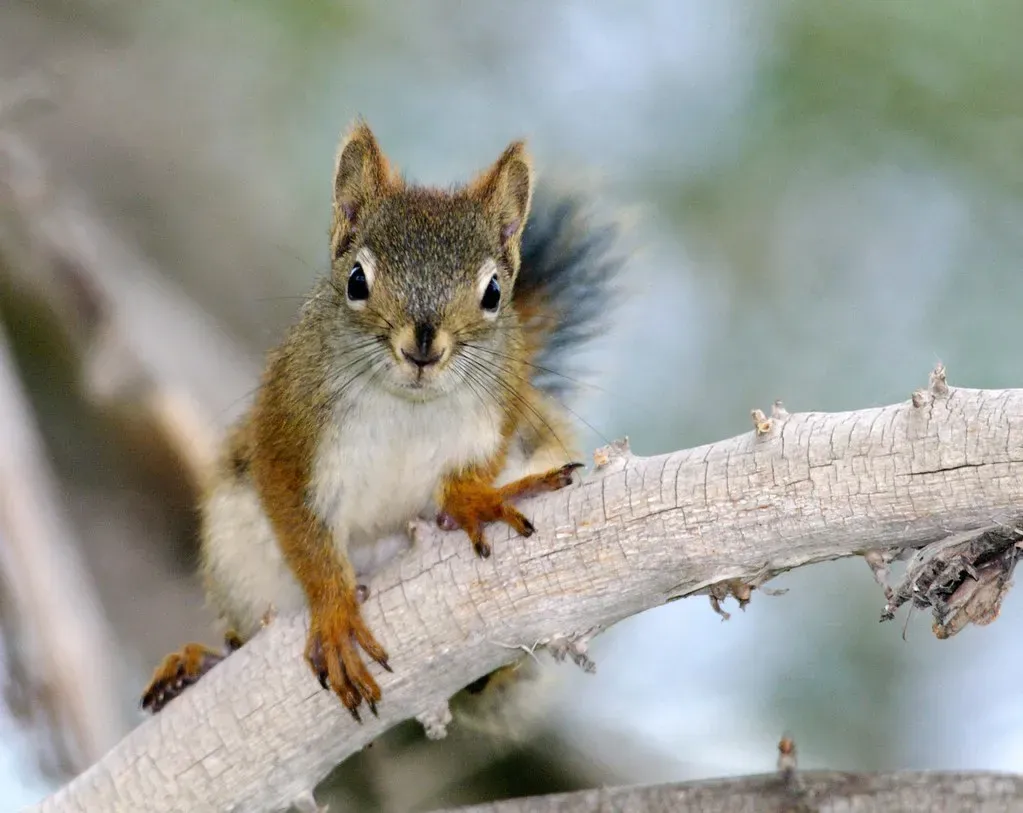
A key squirrel behavior is to sit up on their hind legs and intently look around, scanning for subtle signs of threats or food sources. Scientists believe this “sentry duty” behavior evolved to help squirrels learn about dangers and opportunities in their environment. When a squirrel spots something unusual, like a human staring back at them, their innate curiosity compels them to stare back and gather more visual information.
Squirrels are intelligent creatures, and they are naturally curious about their surroundings. A new or unusual object, including a human, might pique their interest. They may stare simply to learn more about you and your behavior. This is especially true for younger squirrels, who are still learning about their environment. Curiosity and self-preservation are not mutually exclusive, and in squirrels they seem to operate simultaneously, often indistinguishable from each other.
Territorial Instincts: Sometimes That Stare Is a Warning
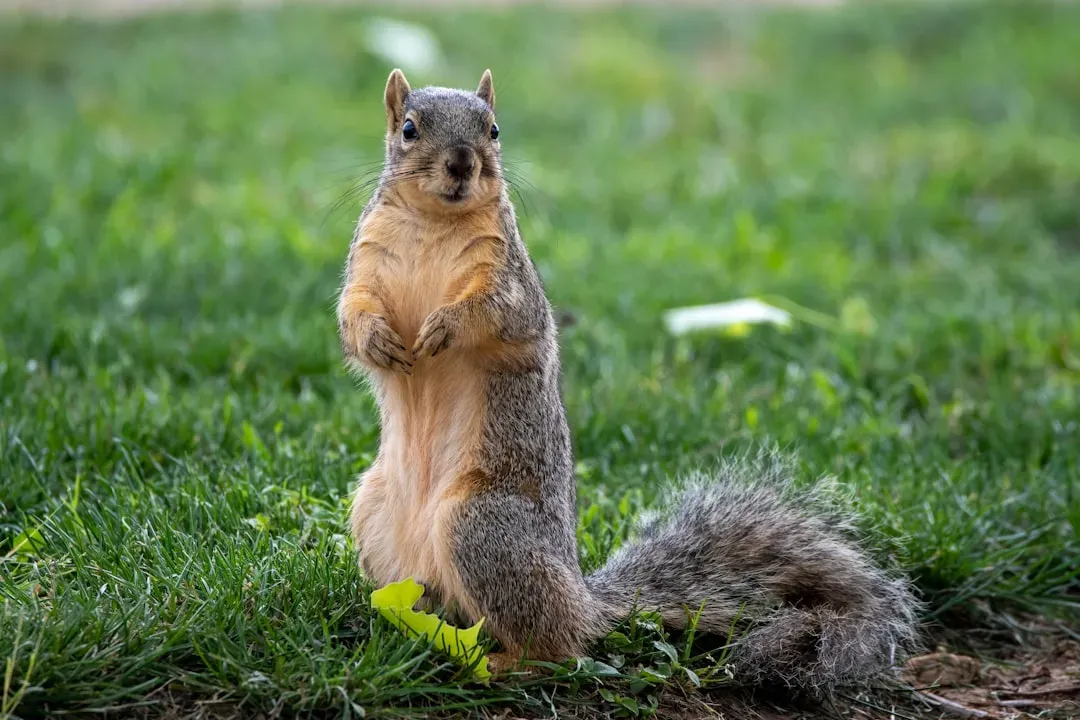
While less common, a squirrel might stare at you as a display of territoriality. This is more likely to occur if you are near their nest or food cache. The stare can be a warning, signaling that you are too close to their territory and should back off.
If a squirrel stares at you while holding food or near its nest, it may be guarding its resources or young, further emphasizing its protective instincts. A staring squirrel might prepare to confront an intruder, showing readiness to defend itself or its territory. They can make quick, sudden movements to establish dominance if they feel cornered. Recognizing these territorial displays can help you maintain a respectful distance and avoid startling the animal.
Can a Squirrel Actually Remember Your Face?
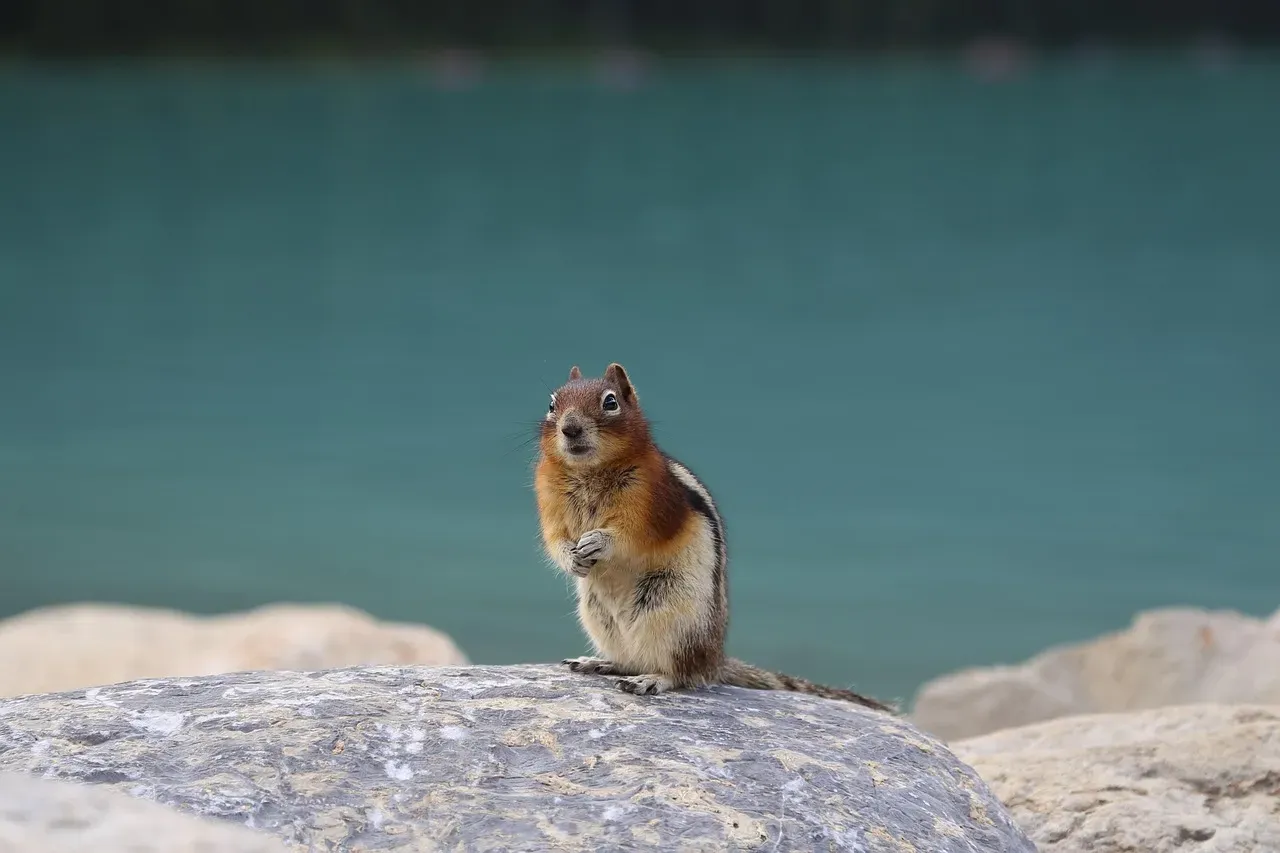
This is where the story gets genuinely surprising. Squirrels can learn to tolerate human presence when people move predictably. They can even distinguish between individual humans, recognizing those who provide food versus those who pose a threat, and modify their interactions accordingly.
Squirrels combine visual details and scent to tell people apart. If you feed one often, it starts to learn your height, your clothes, and even where you usually stand. Your scent from food or your hands sticks in their memory, making recognition easier. An experiment at the University of Exeter showed grey squirrels solving tricky problems to find a hazelnut reward. Two years later, the same squirrels remembered how to solve the problem. That long-frozen stare may reflect more accumulated memory than you’d expect.
Alarm Systems and Social Signals Hidden in Plain Sight
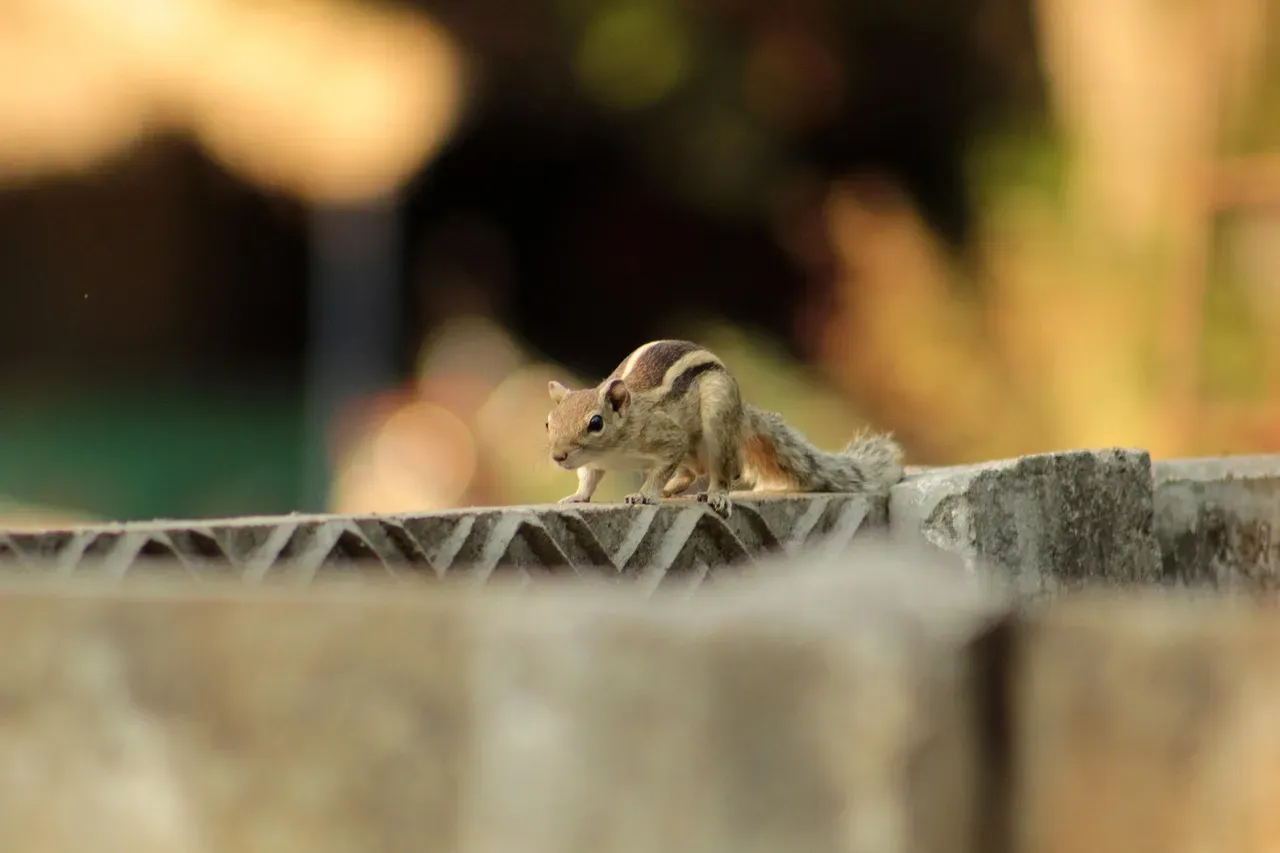
Squirrels don’t just freeze for themselves. The behavior ripples outward. In social species like the gray squirrel, individuals take turns acting as lookouts while others forage. These sentinels position themselves in elevated locations, such as tree branches, where they have a clear view of the surroundings. When a sentinel detects a predator, it emits alarm calls or tail-flagging signals, alerting the group to the threat. This cooperative behavior enhances the survival chances of the entire community.
Twitching also serves as a form of communication among squirrels, further enhancing their collective alertness. When one squirrel detects a threat, its twitching behavior can signal danger to others nearby. This social aspect creates a network of vigilance, where multiple squirrels work together to keep the group safe. That frozen squirrel on the fence post might not only be watching you. It might be alerting every other squirrel in the vicinity that something worth watching has appeared.
How Squirrels Read Environmental Sound Cues Too
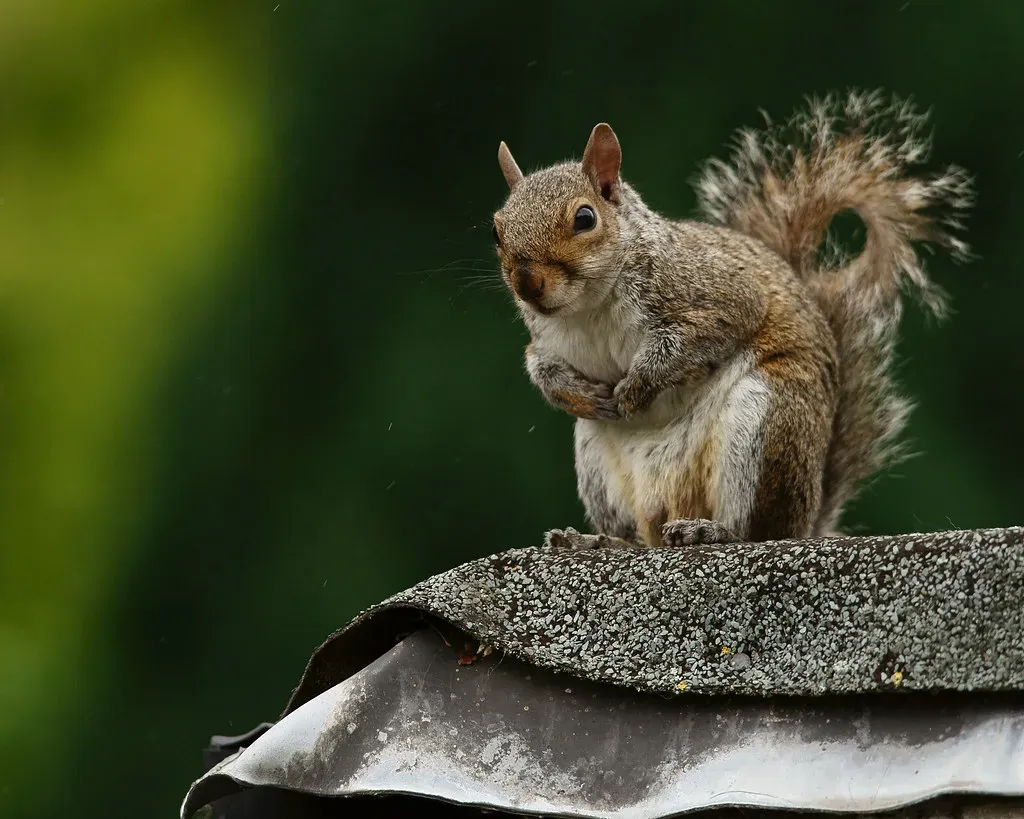
The freeze-and-stare behavior doesn’t happen in a vacuum. Squirrels layer what they see with what they hear. Squirrels respond to hawk call playbacks by significantly increasing the proportion of time they spend engaged in vigilance behaviors and the number of times they look up during otherwise non-vigilance behaviors, indicating that they perceived elevated predation threat.
Research found that squirrels exposed to bird chatter engaged in significantly lower levels of vigilance behavior, and the decay in vigilance behaviors was more rapid, suggesting squirrels use information contained in bird chatter as a cue of safety. So the ambient soundtrack of a park, the chattering of birds, the hum of passing people, all feeds into how long and how intensely a squirrel will hold that freeze. A quiet, still environment with a large mammal approaching? That squirrel is going to stare for a while.
When the Stare Isn’t About Fear at All
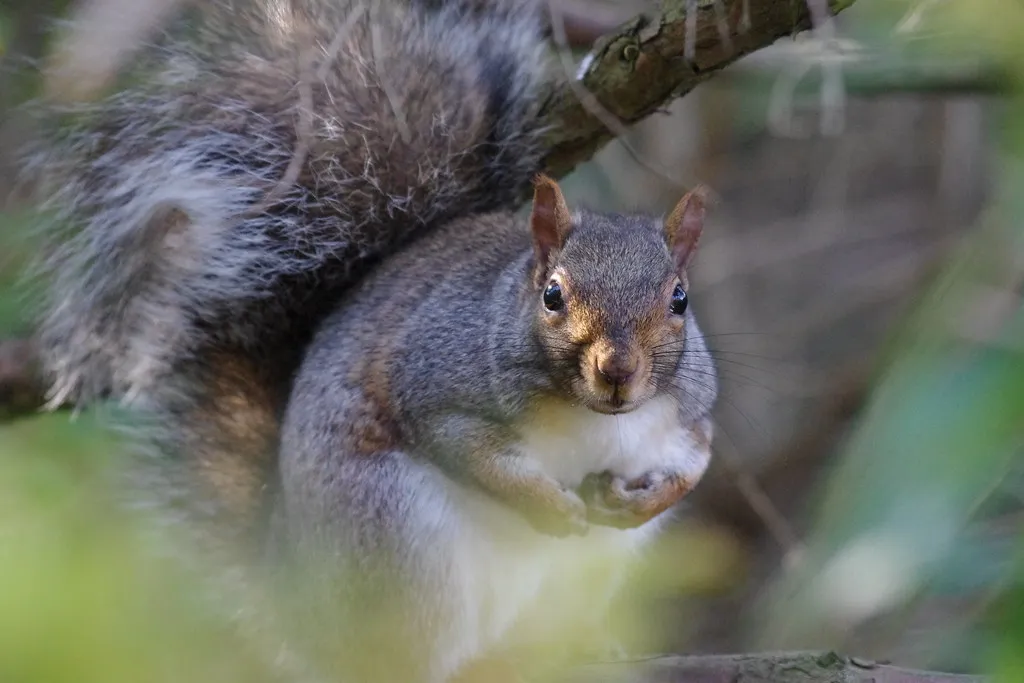
Squirrels are quick learners, and they adapt their behavior based on their experiences. If they have consistently received food from humans, they will learn to associate people with positive outcomes. This can lead to more brazen behavior, including approaching and staring at people in anticipation of a snack.
While foraging, squirrels sometimes exhibit a “begging” posture, standing on their hind legs and staring intensely. This action can signal to you that they want food. Being aware of this behavior can lead to a more pleasant interaction, even if you decide not to feed them. What looks identical from a distance, the frozen stare, the locked gaze, can mean completely different things depending on context. Fear and hunger wear the same expression in a squirrel’s repertoire.
Conclusion: That Frozen Gaze Holds a Lot More Than It Shows
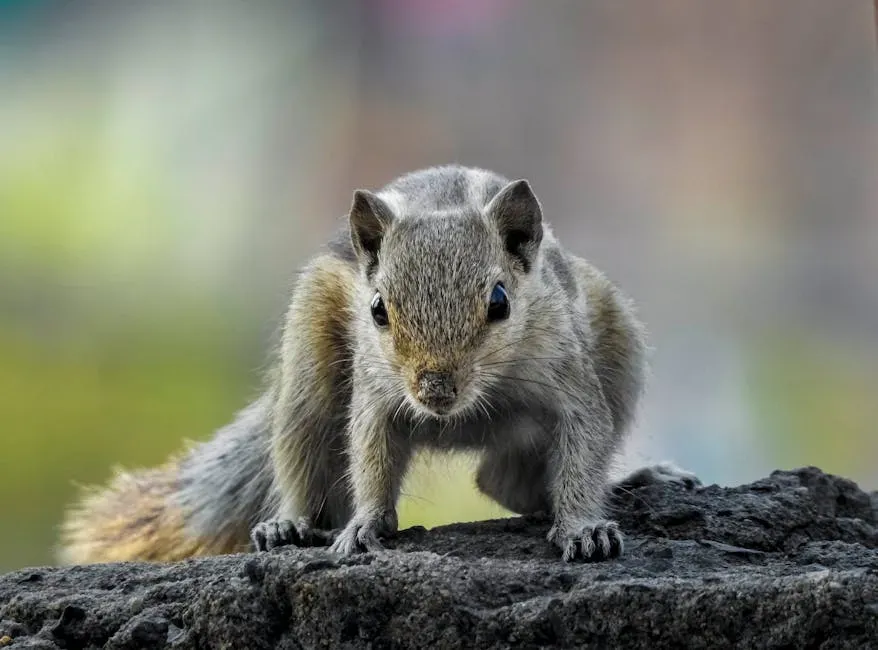
The next time a squirrel locks eyes with you and goes utterly still, resist the urge to dismiss it as a silly moment. What you’re witnessing is a creature running a complex, rapid, multi-sensory risk calculation that has been refined across evolutionary time. It’s assessing your speed, your trajectory, your body language, possibly even your face if you’re a familiar presence in its territory.
There’s something quietly humbling about that. We walk through parks and neighborhoods treating squirrels as part of the scenery, background creatures in our daily commute. Meanwhile, they’re cataloguing us, remembering our habits, reading our moods through the angle of our shoulders and the pace of our stride. The freeze isn’t about you making them nervous. It’s about them being smarter than we gave them credit for.

- Why Veterinarians Say If Your Cat Sleeps With Their Back to You, It's the Highest Form of Trust in Feline Behavior - July 20, 2026
- The Zodiac Signs That Owls Avoid Completely (And What Folklore Says It Means About Your Energy) - July 20, 2026
- You Won’t Believe What These 5 Animals Eat for Dinner - July 20, 2026