
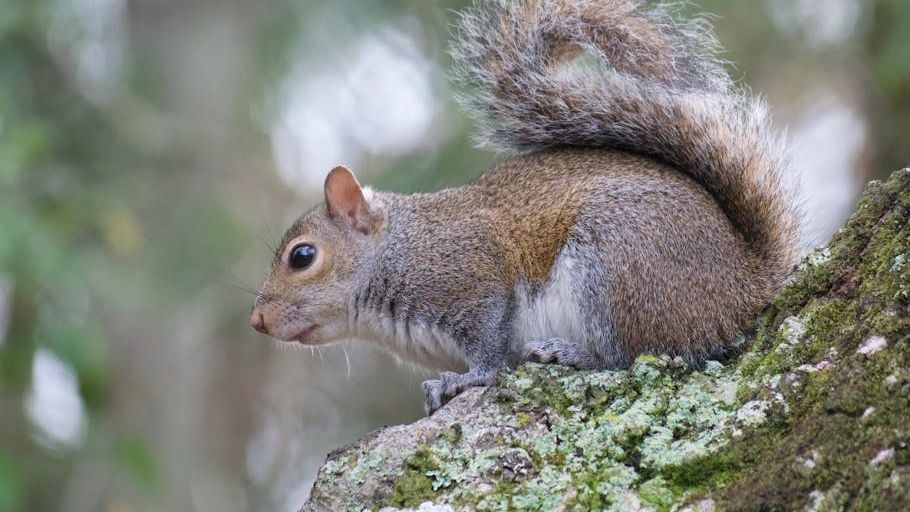
One day they’re everywhere. Darting across fences, raiding bird feeders, burying things in your lawn with frantic purpose. Then, almost without warning, they’re gone. No dramatic exit, no gradual thinning out. Just silence where there used to be movement and noise.
It’s a more common experience than most people realize, and the reasons behind it are genuinely fascinating. Squirrels don’t vanish by accident. Their disappearances follow patterns rooted in ecology, predator pressure, food cycles, and the slow-building consequences of how we’ve reshaped our neighborhoods. Understanding why they leave, and why they sometimes don’t come back, reveals quite a bit about the hidden logic of urban wildlife.
#1: The Food Supply Collapses and They Follow It Elsewhere
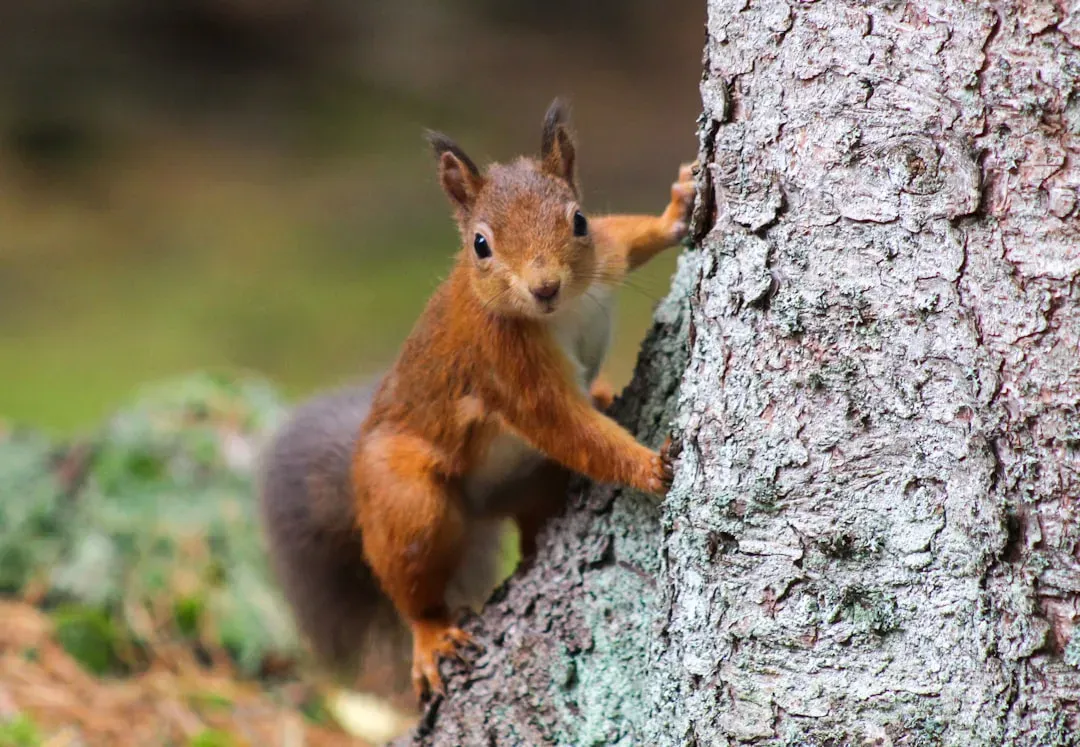
Squirrels are practical in a way we often underestimate. They don’t stick around out of loyalty. They follow the food. When the nuts, acorns, and seeds that sustain them thin out in a neighborhood, the animals don’t wait around hoping things improve. They move, sometimes covering surprising distances in a short window of time.
What many observers notice is part of a natural cycle that follows an event known as oak tree masting, a process that ecologists have studied closely in wooded and semi-urban regions. Population cycles in squirrels follow a somewhat predictable rhythm. A boom year, triggered by abundant food or a mild winter, is often followed by a bust year when resources thin and disease spreads more easily through a crowded population. What looks like a sudden disappearance is often the tail end of a slow-building pressure.
Mast years, those years with abundant nut production, are followed by lean years that can lead to population declines. Climate change has also altered weather patterns in ways that affect the timing and abundance of food sources, and human removal of nut-bearing trees or the use of pesticides can further reduce what’s available. When several of these pressures overlap, the local food base can collapse quickly enough that squirrels have no viable reason to stay.
#2: A Predator Has Quietly Moved In
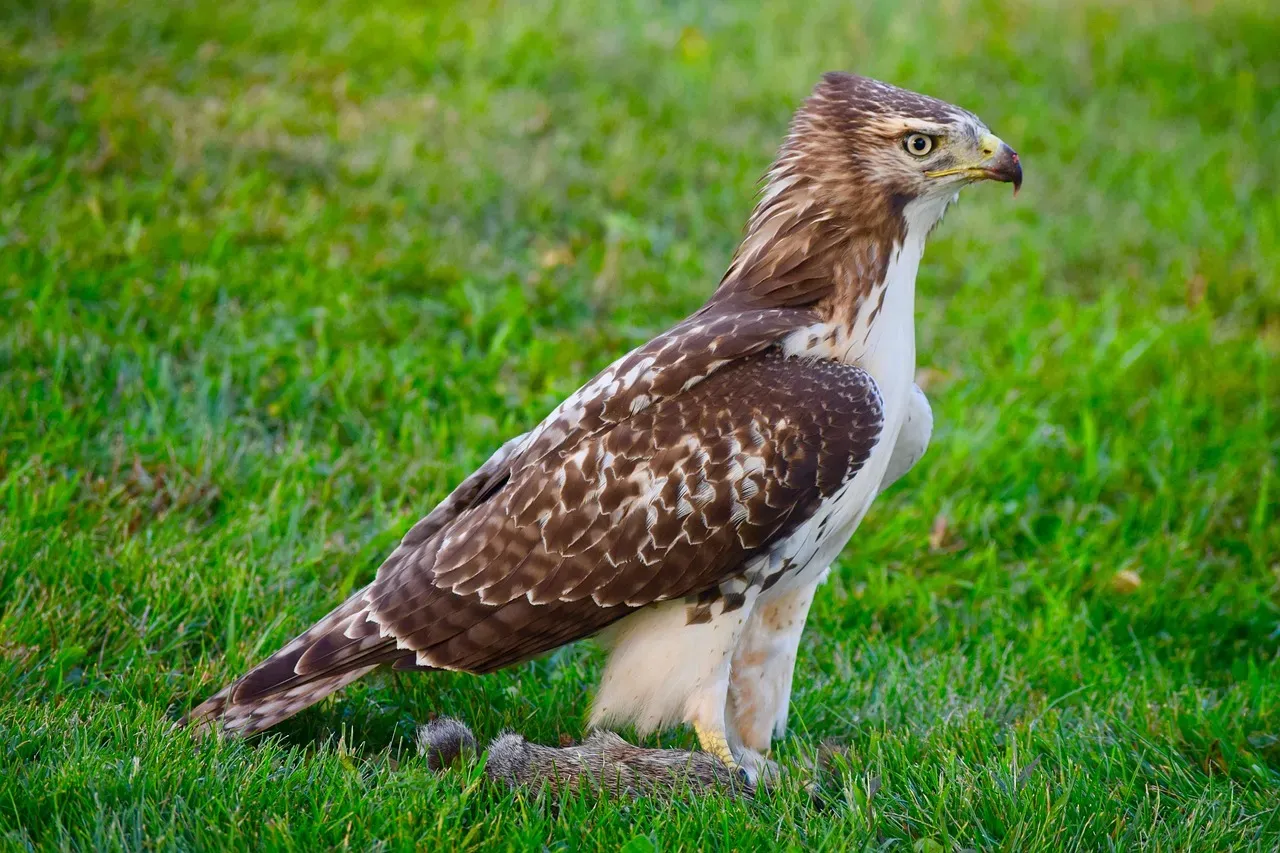
Squirrels are prey animals, and they know it. Hawks and owls swoop down at high speeds, often leaving squirrels no time to react, and daytime hunters like hawks paired with nighttime hunters like owls make squirrels vulnerable around the clock. Squirrels have a number of natural predators, including foxes, rat snakes, coyotes, hawks, owls, and feral cats, all of which will feed on squirrels.
Hawks’ impact on squirrel populations extends beyond direct predation. The presence of hawks can alter squirrel behavior, causing them to spend more time hiding and less time foraging, which can reduce their food intake and overall fitness. This indirect effect can lead to lower reproductive rates and slower population growth among squirrels. A neighborhood that once felt safe becomes a place they actively avoid, even when the predator is only passing through.
Hawks, particularly those whose populations have expanded due to human activities, pose a substantial threat to squirrels. Birds of prey such as red-tailed hawks and Cooper’s hawks are highly efficient hunters and can significantly reduce squirrel numbers, especially in urban and suburban areas where trees provide ample perching and hunting grounds. Unlike native predators, introduced hawks may not face competition or predation themselves, allowing them to exploit squirrel populations more effectively. This imbalance can lead to localized declines in squirrel numbers, particularly in areas where squirrels are already stressed by habitat loss or other factors.
#3: Disease and Population Crashes Work Together
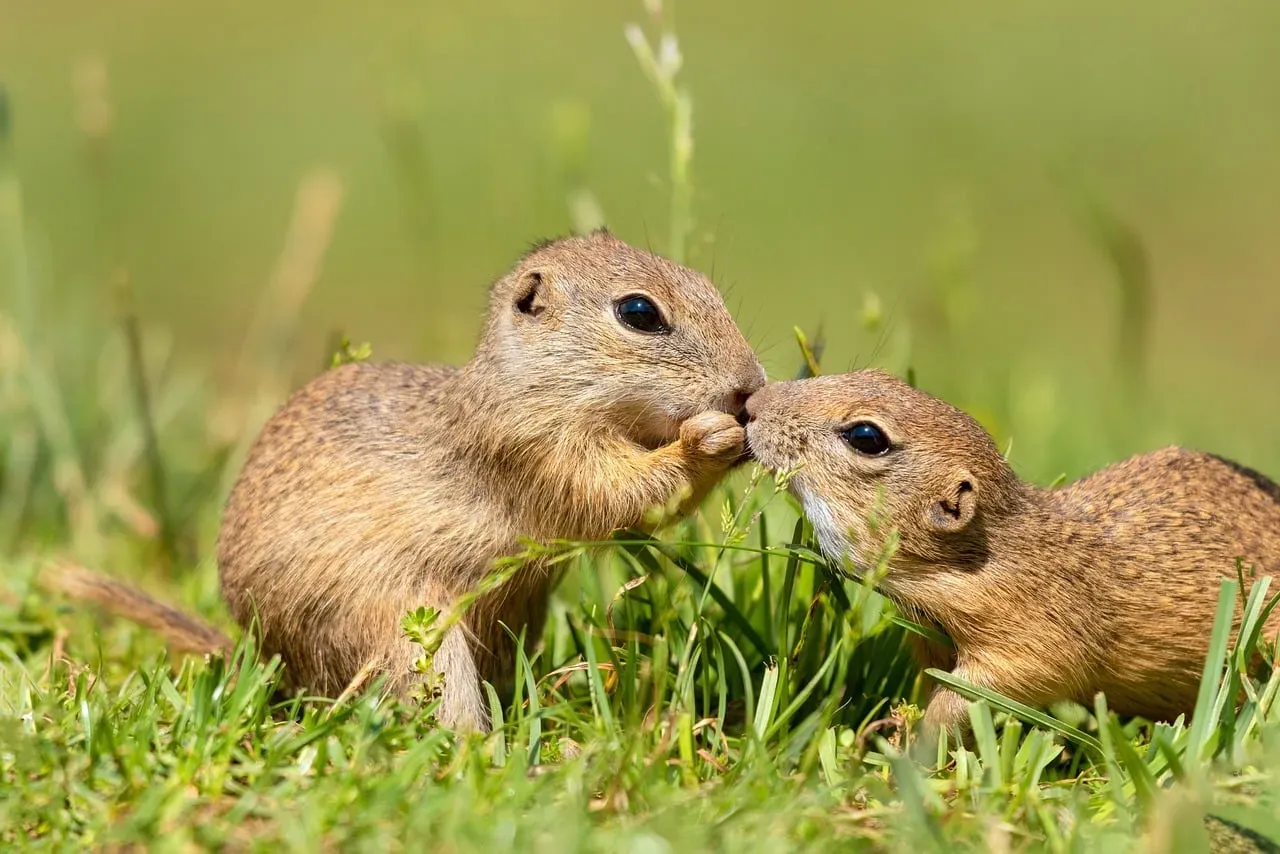
Squirrels are also at risk from illnesses like squirrel pox, mange, and respiratory infections. These diseases can weaken entire populations, especially when squirrels live in close proximity to one another. Parasites such as ticks, fleas, and internal worms further add to the burden, often leading to slow declines in health. A neighborhood that supports a dense squirrel population is essentially setting the stage for faster disease transmission.
Dense squirrel populations in parks and neighborhoods make it easier for diseases to spread, and while not always immediately fatal, these conditions lower a squirrel’s ability to escape predators or survive harsh weather, ultimately increasing mortality rates. The visible disappearance often comes at the end of a longer, quieter deterioration in population health that happened below the surface. Squirrel poxvirus, mange, and other diseases can weaken or kill squirrels, leading to localized declines.
Squirrels can live anywhere from five to ten years in the wild, though the average squirrel probably only survives five to ten years. Most wild squirrels don’t make it past eighteen months because of diseases, people, and other animals that eat them. When disease sweeps through a local population at its densest point, the numbers can drop sharply within a single season.
#4: Habitat Loss and Urban Development Break the Chain
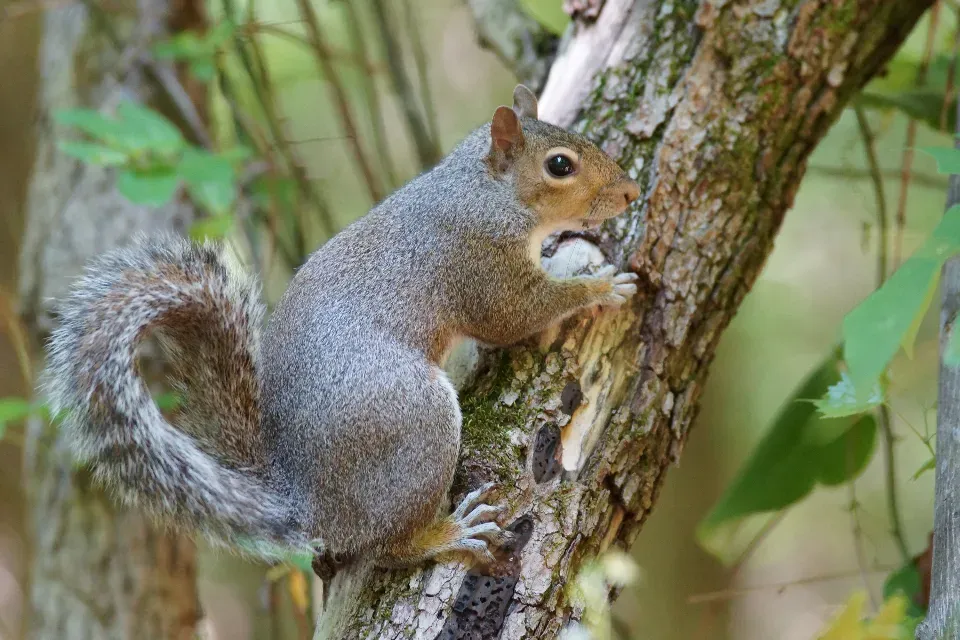
Squirrel populations are highly sensitive to changes in their environment, and habitat loss due to deforestation, urbanization, and land development is one of the most significant factors contributing to their decline. Deforestation, whether for logging, agriculture, or other purposes, directly removes the trees and forests that squirrels rely on for food, shelter, and nesting. A neighborhood that loses its mature canopy trees loses much of its value as squirrel habitat almost immediately.
Trees provide essential resources such as nuts, seeds, and bark, which form the bulk of a squirrel’s diet. When forests are cleared, these food sources disappear, forcing squirrels to either relocate or face starvation. Additionally, the loss of trees eliminates the canopy cover and hollows that squirrels use for protection from predators and harsh weather conditions. Once these structural elements are gone, there is nothing left to bring a displaced population back.
Habitat loss and fragmentation due to urbanization are key contributors to the decline of biodiversity. The consequence of these factors is small, isolated populations that are more susceptible to deterministic and stochastic threats of extinction. Squirrels may encounter barriers such as urban areas, agricultural lands, or fragmented forests, which can hinder their movement and lead to isolated populations. As species move into new areas, they may come into competition with resident species for resources.
#5: Territorial Pressures and Reproductive Cycles Drive Permanent Departures
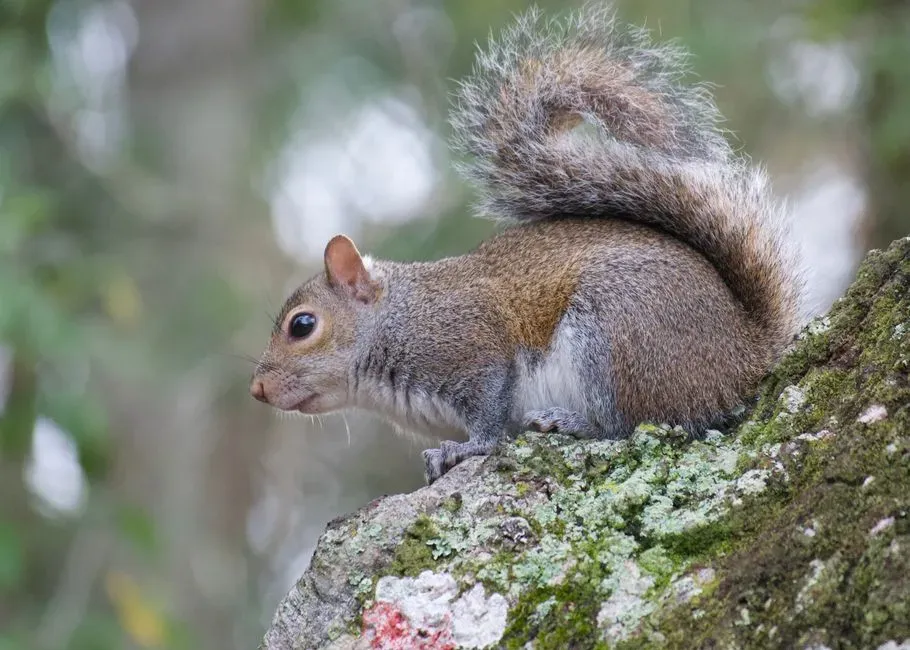
Reproductive cycles also affect visibility. Young squirrels may leave their nests but not return if they can’t establish their own territories. Their territorial behavior can lead to conflicts, causing some individuals to disappear from familiar areas. As a result, a neighborhood may see fluctuations in squirrel populations, especially during the breeding season. What feels like a sudden vanishing is sometimes just the outcome of a territorial reshuffling that didn’t resolve in the local population’s favor.
There are reasons including mass migrations from one area to another due to overpopulation, which can push animals into new zones far from their origin points. Competition with other species further exacerbates food scarcity for squirrels. As habitats change due to climate shifts, invasive species or generalists like raccoons, birds, and even other rodent species may move into squirrel territories, competing directly for the same limited food resources. Invasive plant species can also outcompete native plants that squirrels depend on, reducing the overall food availability.
Climate change can also disrupt the synchronization between squirrels’ life cycles and food availability. Many squirrel species time their breeding seasons to coincide with peak food availability, ensuring that offspring have enough resources to grow and survive. When that timing gets disrupted, fewer young squirrels survive to repopulate an area, and a neighborhood that once had dozens may find itself with none.
Can They Come Back?
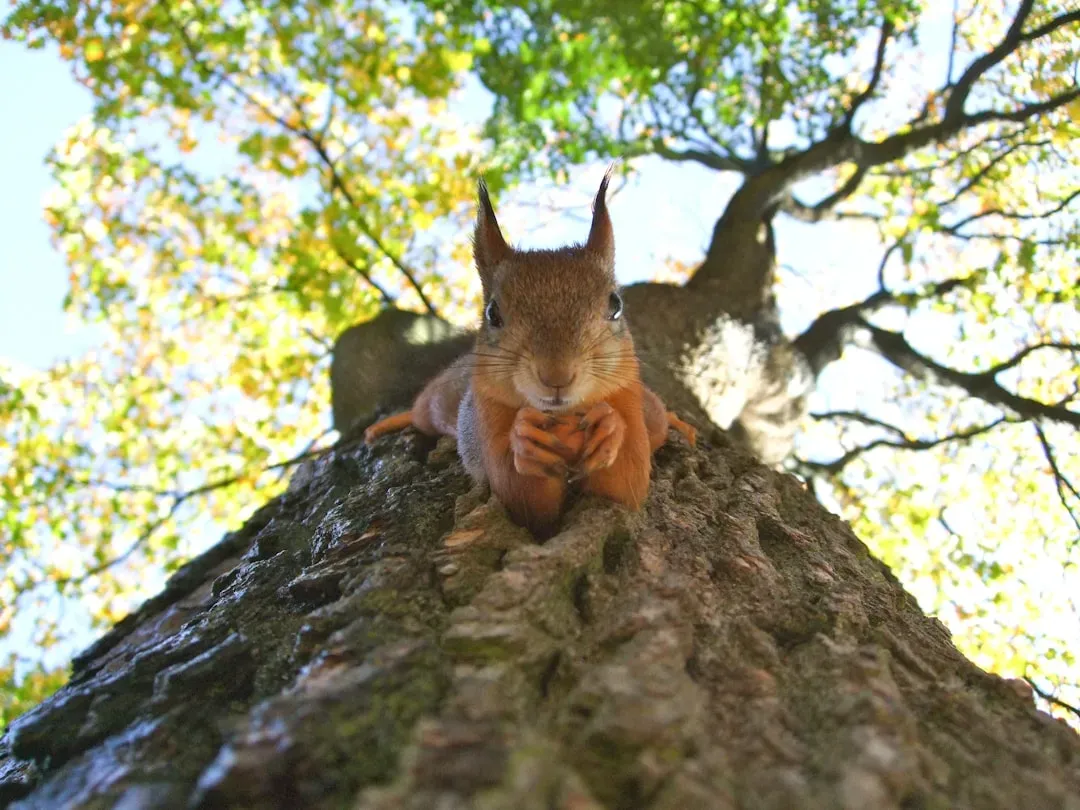
Climate change has added complexity to the seasonal behavior of squirrels, and unpredictable weather patterns can disrupt their traditional practices of food caching and reproduction. The cycles which once felt predictable are becoming harder to read, for squirrels and for the people watching them. Recovery is possible, but it’s rarely guaranteed, and it depends heavily on whether the conditions that drove squirrels away have actually changed.
Planting native trees and shrubs provides food and shelter for squirrels, and offering supplemental food through a squirrel feeder stocked with nuts, seeds, and fruits can help attract them. Avoiding pesticide use protects squirrels from poisoning, and making sure fresh water is readily available, especially during dry periods, also makes a meaningful difference. These are quiet, practical steps. They won’t guarantee a return, but they make a neighborhood worth returning to.
When the food supply runs short and there are too many mouths for what’s available, squirrels leave, often looking for better feeding grounds. Some of them die. Their population will reduce and then gradually rebuild. That’s the honest cycle, not a story with a clean ending, but a natural rhythm that has played out across neighborhoods and woodlands for as long as squirrels have shared space with us.
The real takeaway isn’t that squirrels are fragile. They’re not. It’s that their presence in a neighborhood is a quiet signal, a sign that the habitat still has enough of what wild things need to stay. When they vanish, the neighborhood hasn’t just lost something lively. It’s lost a small but meaningful measure of ecological health, and that’s worth paying attention to.

- 12 Architectural Wonders From The Ancient World That Inspire Us Today - July 18, 2026
- 6 Beautiful Ancient Cities That Time Forgot (But Shouldn’t) - July 18, 2026
- 6 Common Animal Behaviors That Are Often Misunderstood by Humans - July 18, 2026