

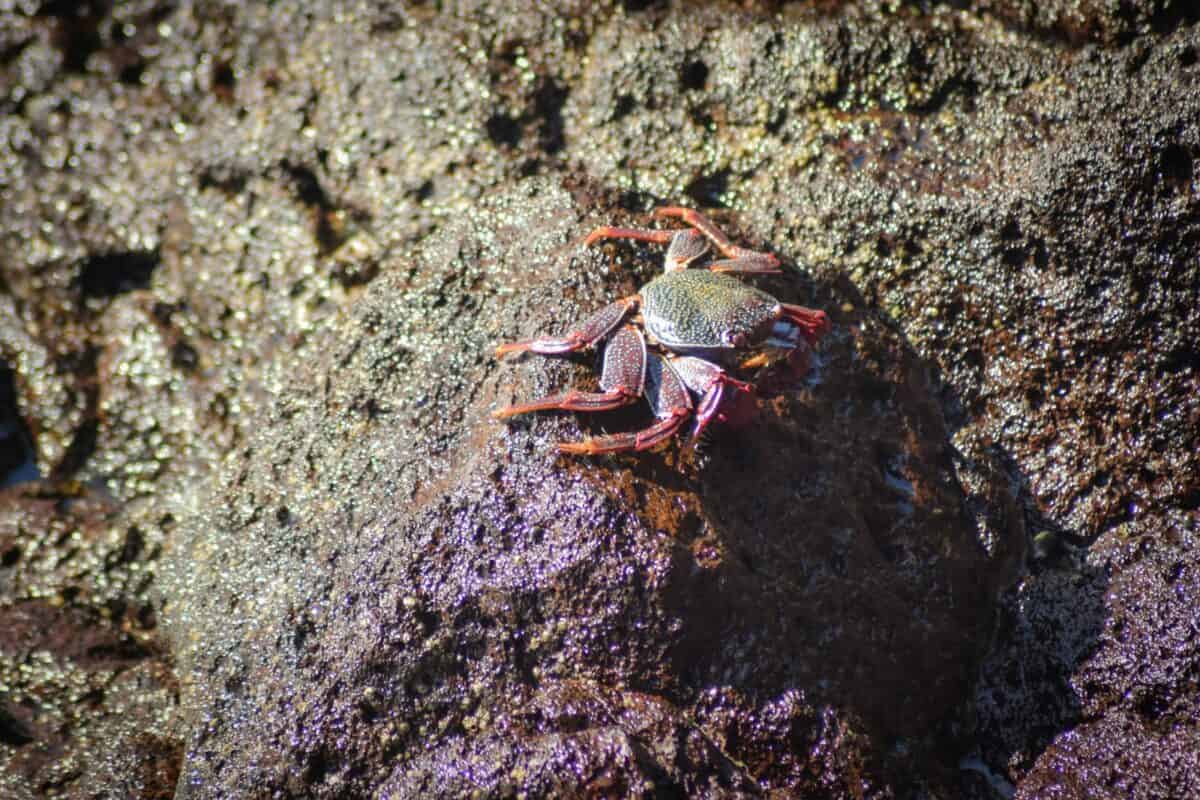
Beneath the ocean’s surface exists a fascinating creature with a unique talent for self-expression and camouflage—the decorator crab. Unlike most marine animals that rely solely on their natural appearance for protection, these ingenious crustaceans actively collect and attach materials from their environment to create elaborate disguises. This remarkable behavior not only serves as a survival strategy but also represents one of nature’s most creative adaptations. As we dive into the world of decorator crabs, we’ll discover how these underwater fashion designers transform themselves using an assortment of marine materials, creating living masterpieces that blur the line between animal and environment.
The Decorator Crab: An Introduction to Nature’s Disguise Artists
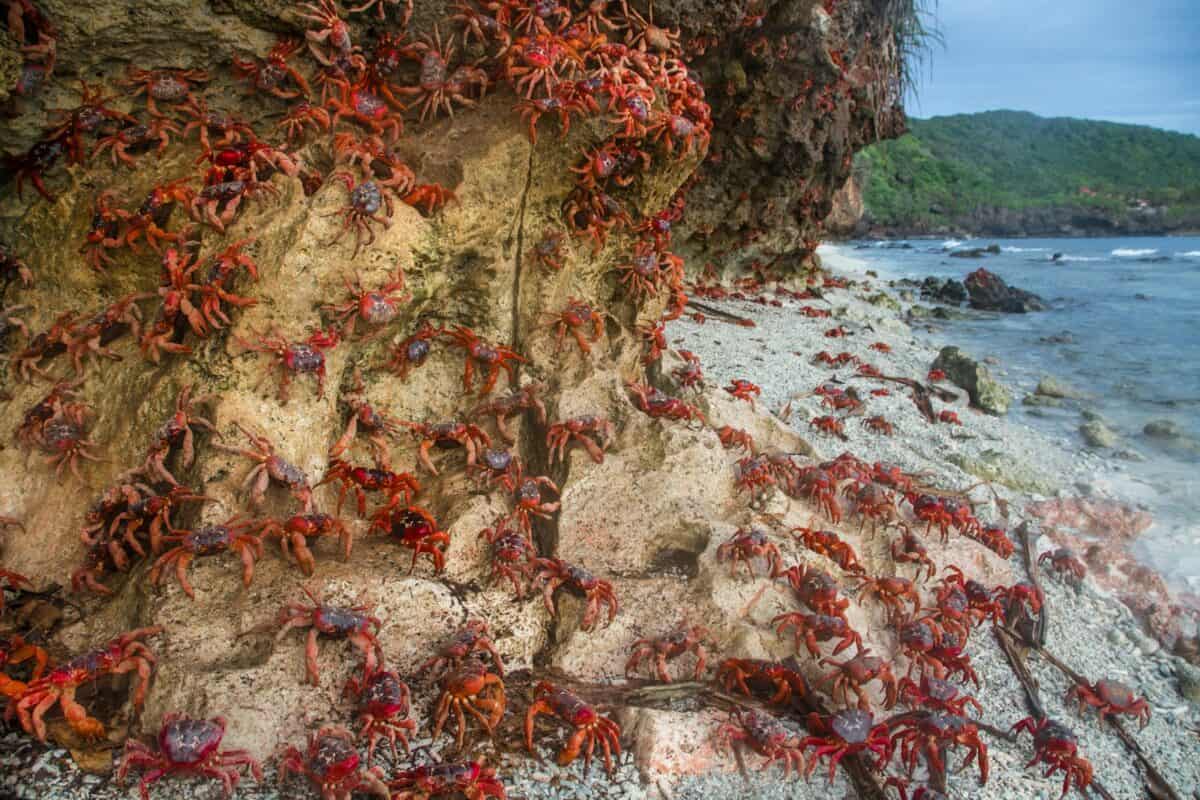
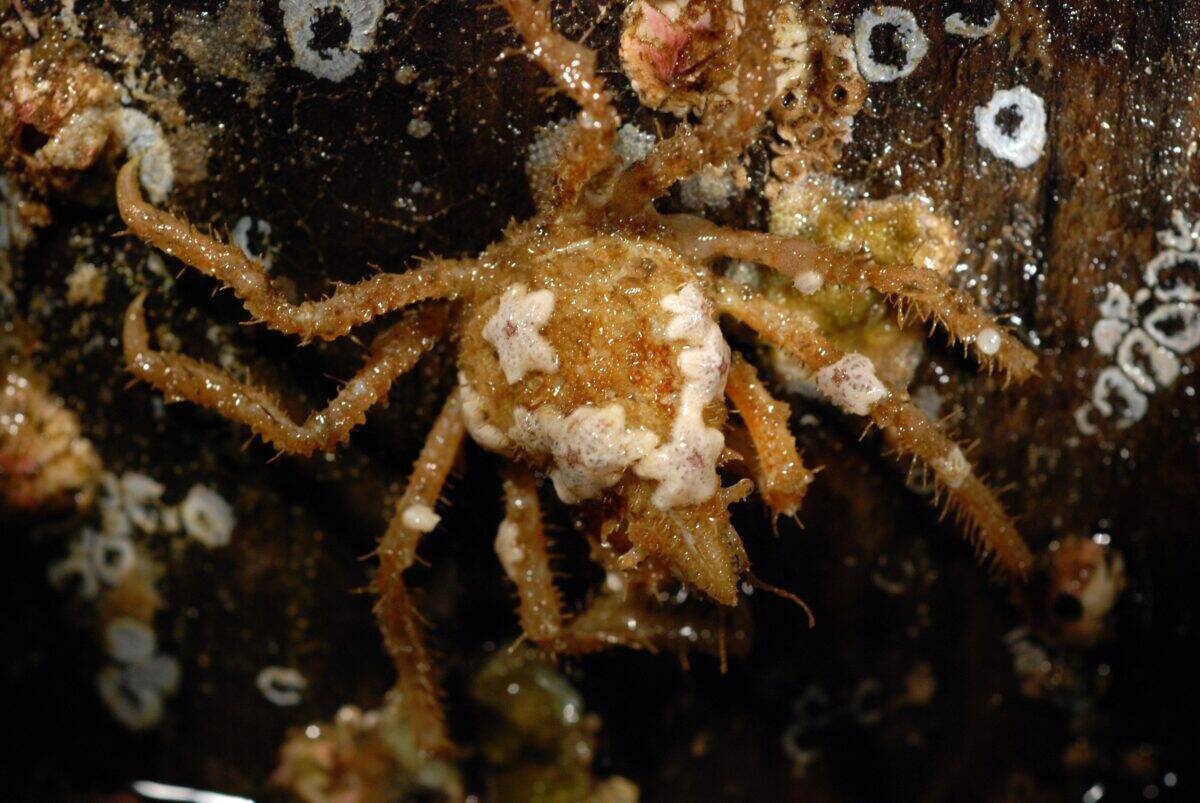
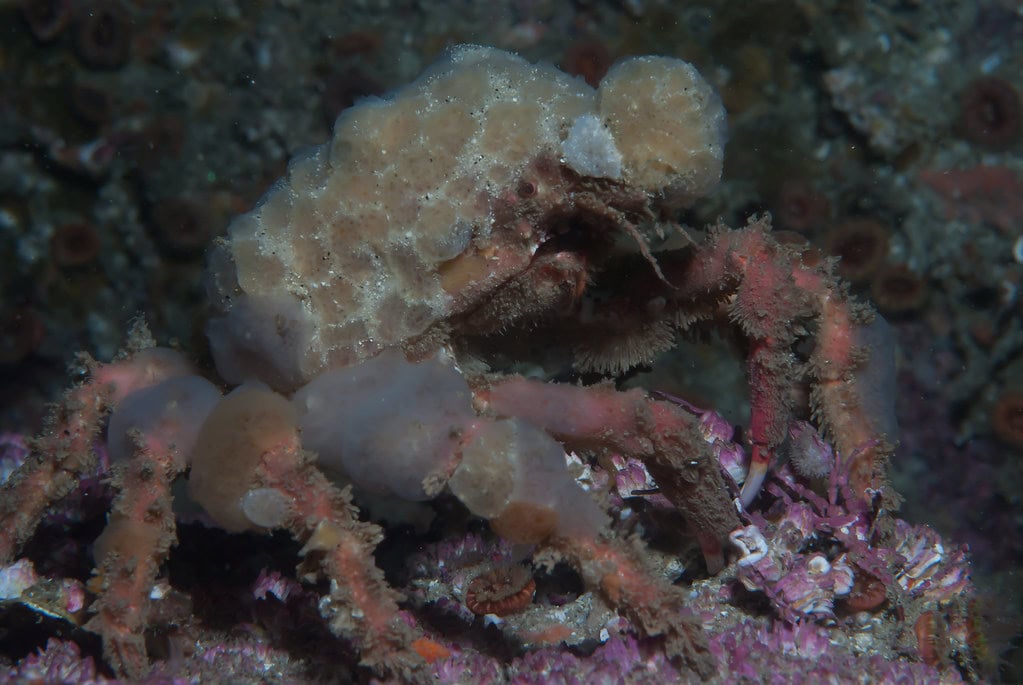
Decorator crabs belong to the family Majidae, also known as spider crabs, and encompass numerous species found in oceans worldwide. What distinguishes these crustaceans from their relatives is their deliberate behavior of adorning their shells with marine debris, living organisms, and other materials from their surroundings. This isn’t merely accidental collection—decorator crabs actively select, cut, and attach these items to specialized hooked setae (hair-like structures) on their exoskeletons.
This self-decorating behavior serves multiple purposes, primarily camouflage to avoid predators, but also potentially providing chemical defenses and even additional food sources. These fascinating creatures range in size from tiny specimens measuring just a few centimeters to larger species spanning over 30 centimeters, with each exhibiting its own decorating preferences and techniques based on habitat and available materials.
Evolutionary Marvel: How Decorator Crabs Developed Their Unique Behavior
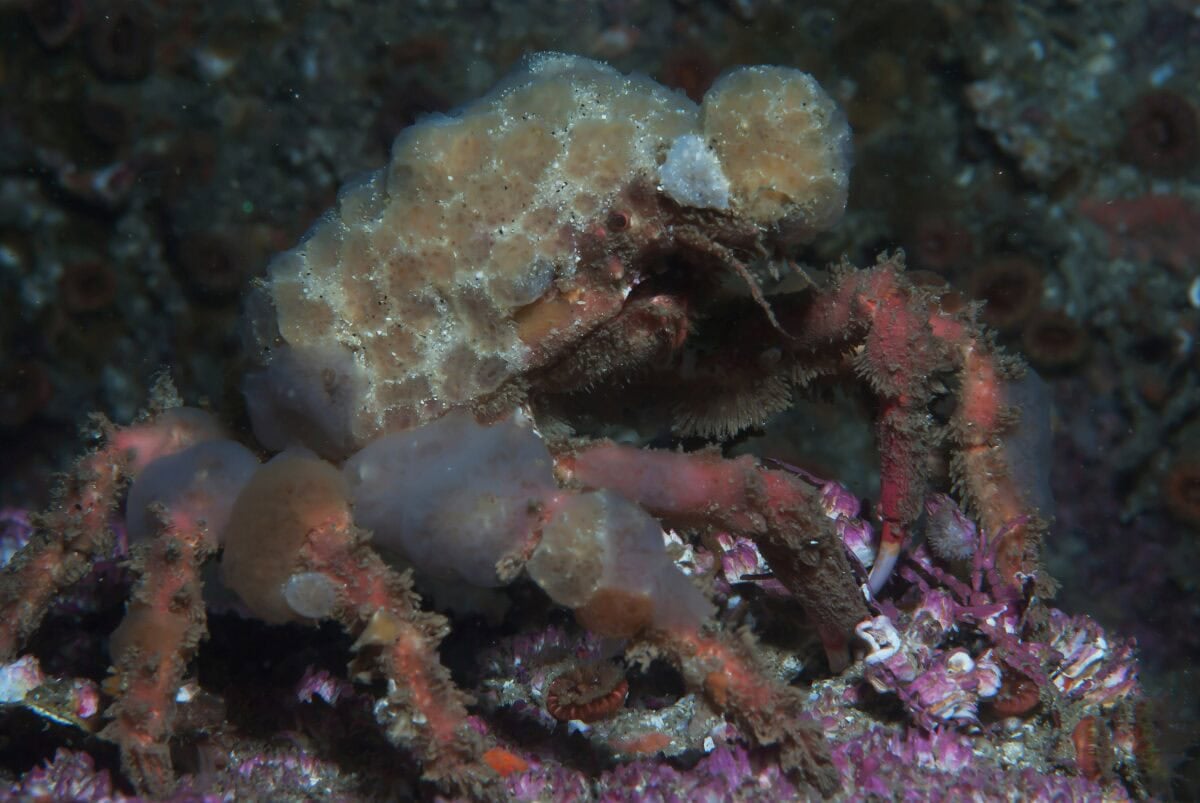
The decorator crab’s remarkable behavior represents millions of years of evolutionary adaptation. Scientists believe this decorating behavior evolved as a specialized form of camouflage in response to predation pressure. Unlike many crustaceans that rely solely on protective coloration or hiding behaviors, decorator crabs developed specialized morphological adaptations—specifically, hooked setae—that allow them to attach foreign objects to their bodies. This adaptation provided an evolutionary advantage by allowing these crabs to blend into virtually any environment by simply changing their “outfit.”
Fossil evidence suggests that ancestors of modern decorator crabs have been practicing this behavior for at least 40 million years. What makes this adaptation particularly fascinating is that it represents a rare case of tool use in invertebrates, demonstrating that complex behaviors aren’t limited to vertebrates with larger brains. The diversity of decorating styles across different decorator crab species also suggests that this behavior has been refined through natural selection to match the specific challenges faced in different marine habitats.
The Fashion Tools: Specialized Setae and How They Work

The secret to the decorator crab’s decorating ability lies in specialized structures called setae—microscopic, hook-like bristles covering their exoskeleton. These setae function similarly to Velcro, with tiny hooks that can grasp and hold objects securely. Under a microscope, these structures reveal remarkable complexity, with different species featuring variations in setae density, distribution, and shape depending on their preferred decorating materials. The setae are concentrated primarily on the crab’s carapace (upper shell) and legs, creating a natural attachment surface.
When a decorator crab selects a material—whether algae, sponge, or other marine matter—it first manipulates it with its claws, often trimming it to an appropriate size. It then passes the material to its mouth parts where specialized appendages (maxillipeds) prepare the material by coating it with secretions that enhance adhesion. Finally, the crab presses the material against its setae, where it becomes firmly attached. This sophisticated biological attachment system allows decorator crabs to maintain their disguises for extended periods, even as they move through their environment, and provides a secure foundation for their living camouflage.
Material Selection: Not Just Random Decoration
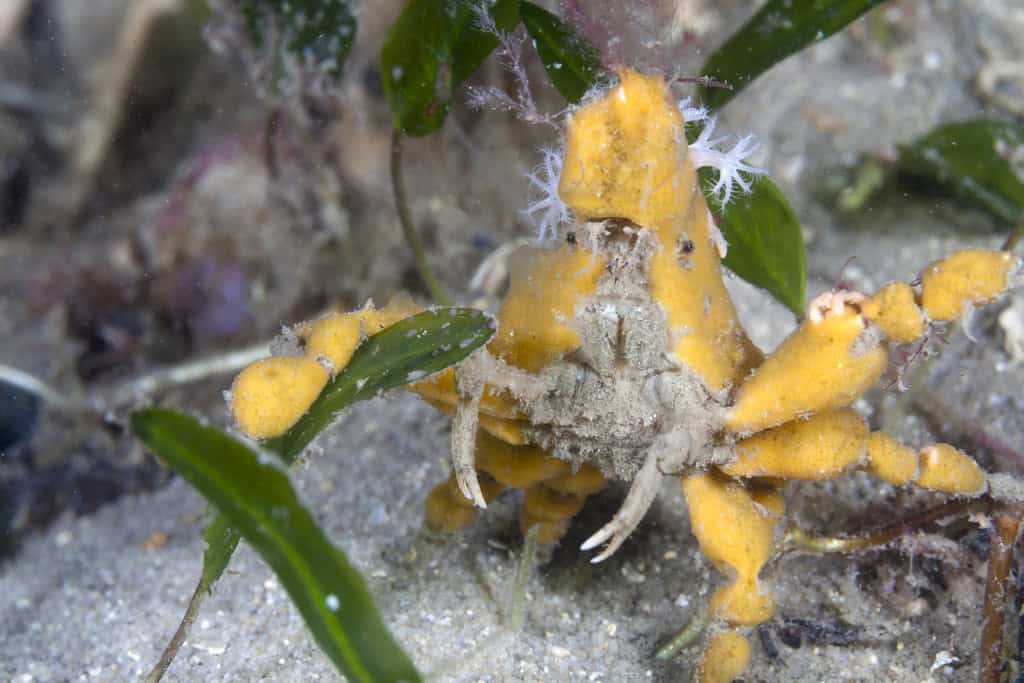
Decorator crabs display remarkable selectivity in choosing their decorating materials, a process far more sophisticated than random collection. Research has shown that these crustaceans often select materials based on specific criteria that enhance their survival. Many species preferentially choose materials that match the color and texture of their surroundings, maximizing camouflage effectiveness. For example, crabs living among red algae tend to decorate primarily with red algae pieces. Beyond visual camouflage, decorator crabs often select materials with chemical defenses.
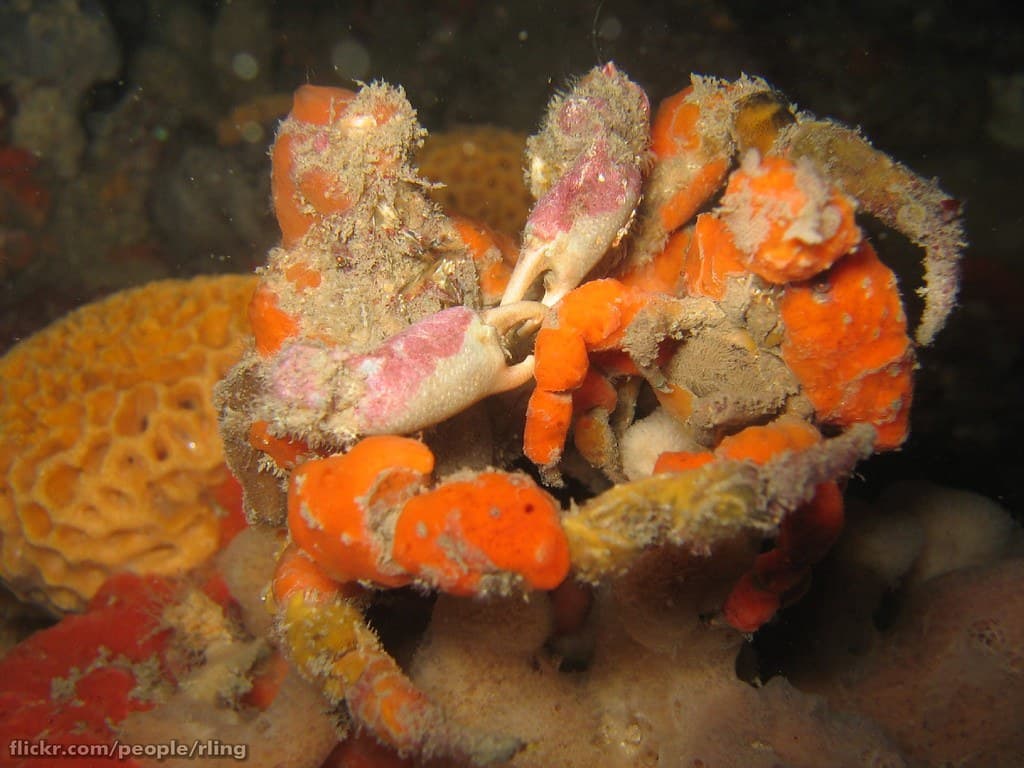
Many species deliberately attach toxic sponges, stinging hydroids, or noxious algae that predators avoid, essentially borrowing chemical protection from these organisms. Some decorator crabs even display seasonal or habitat-specific preferences, changing their decorating materials when moving between different environments. Researchers have conducted experiments where decorator crabs were placed in environments with non-native materials and observed that the crabs could quickly adapt their decorating strategies to use new materials effectively. This deliberate selection process demonstrates remarkable behavioral plasticity and suggests a level of environmental awareness that challenges our understanding of crustacean cognition.
Masters of Disguise: Camouflage Strategies

The primary purpose of a decorator crab’s elaborate adornment is camouflage—a sophisticated anti-predator strategy that works on multiple levels. Visual camouflage is the most obvious benefit, as the attached materials break up the crab’s distinctive outline and help it blend into its surroundings. This form of concealment, known as disruptive coloration, makes it difficult for predators to recognize the crab’s shape. Some decorator species take camouflage further by practicing what scientists call “masquerade,” where they don’t just blend in but actually resemble something else entirely—such as a clump of algae or a piece of coral.
This strategy confuses predators who might not even recognize them as potential prey. The effectiveness of decorator crab camouflage has been demonstrated in controlled experiments where decorated crabs experienced significantly lower predation rates compared to crabs whose decorations were artificially removed. What makes this camouflage strategy particularly effective is its adaptability; unlike fixed camouflage, decorator crabs can modify their appearance as they move through different environments or as seasons change, providing them with versatile protection across varied habitats.
Beyond Camouflage: The Multiple Benefits of Decoration
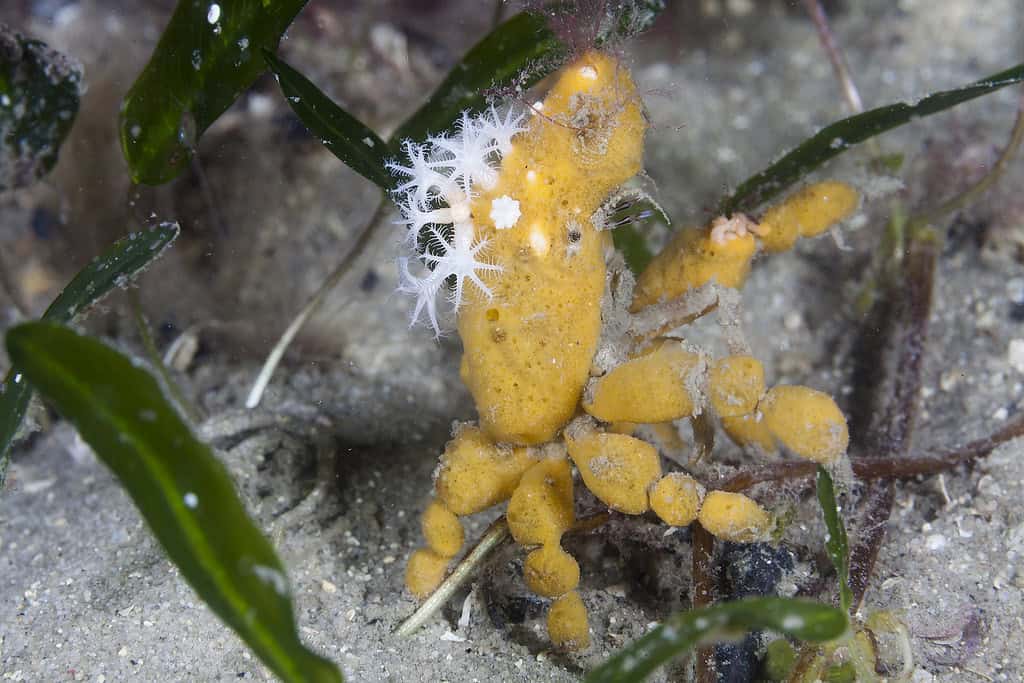
While camouflage is the primary advantage of decoration, research has revealed several additional benefits to this behavior. One significant advantage is chemical defense—many decorator crabs selectively attach organisms like toxic sponges, stinging hydroids, or chemically-defended algae that deter predators through their chemical properties. When a predator encounters these toxic hitchhikers, they often retreat, leaving the crab unharmed. Some decorator species have evolved relationships with their decorations that go beyond defense—they may graze on small portions of the living organisms they carry, essentially cultivating a mobile food supply.
This behavior represents a fascinating intermediate step between simple tool use and agriculture. In certain species, decorations may play a role in temperature regulation, with layers of sponge or algae providing insulation against extreme water temperatures. During mating seasons, some decorator crabs modify their decorations in ways that might enhance their attractiveness to potential mates or signal their reproductive status. This multi-purpose utilization of decorations demonstrates how natural selection can elaborate a single adaptation to serve multiple biological functions, maximizing the evolutionary advantage gained from this unique behavior.
Notable Decorator Crab Species and Their Distinctive Styles
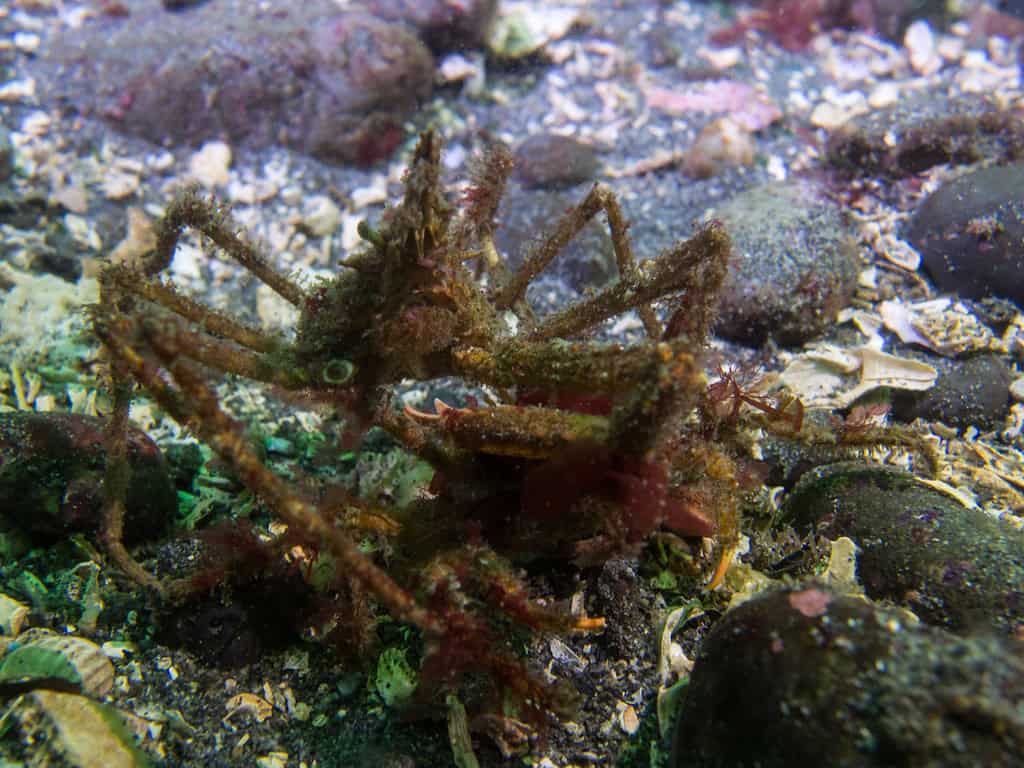
The decorator crab family includes numerous species, each with distinctive decorating preferences and techniques. The Moss Crab (Loxorhynchus crispatus), found along the Pacific coast of North America, earns its name by covering itself extensively with mossy bryozoans and sponges, creating an almost garden-like appearance. The Sponge Crab (Cryptodromia octodentata) takes a different approach, carrying a single large sponge or ascidian that it holds over its back like a shield, which it trims to fit its size.
The Japanese Spider Crab (Macrocheira kaempferi), one of the largest crustaceans in the world with a leg span reaching up to 12 feet, decorates less extensively than smaller species but still attaches sponges and anemones to its shell. The Graceful Decorator Crab (Oregonia gracilis) of the North Pacific shows remarkable habitat-specific decoration, using different materials depending on whether it inhabits rocky bottoms or sandy substrates. The Compound Decorator Crab (Schizophrys dama) from Indo-Pacific coral reefs specializes in attaching live coral polyps to its shell, creating a living coral disguise that perfectly matches its reef habitat. Each species has evolved decorating behaviors specifically adapted to its ecological niche, resulting in a diverse array of decorating styles throughout the family.
The Decorating Process: How Crabs Create Their Disguises
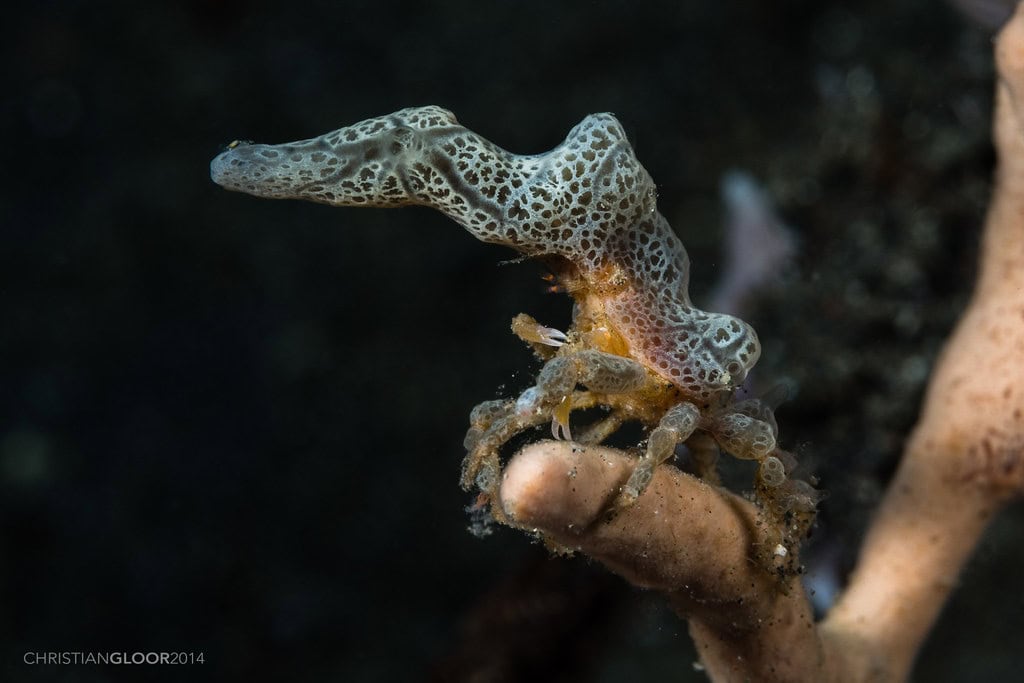
The process by which decorator crabs adorn themselves is a fascinating sequence of deliberate behaviors. When a crab decides to add to its disguise, it first locates suitable material using its sensory appendages to explore the environment. Upon finding appropriate material—be it algae, sponge, hydroids, or debris—the crab uses its claws (chelipeds) to carefully snip off a manageable piece. It then manipulates this piece, often cleaning it or trimming it to an appropriate size. The crab transfers the material to its maxillipeds (specialized feeding appendages near the mouth), where it may be further processed and coated with adhesive secretions that enhance attachment.
Finally, using precise movements, the crab reaches with its claws to press the material firmly against the hooked setae on its shell or legs. This entire sequence can take anywhere from a few minutes to over an hour, depending on the complexity of the material and the crab’s size. Remarkably, crabs maintain their decorations meticulously, regularly inspecting their disguise and replacing or rearranging materials that have become damaged or dislodged. After molting, when decorator crabs shed their old exoskeleton and grow a new one, they must redecorate themselves entirely—a process that can take several days as they carefully rebuild their protective covering.
Life Cycle and Growth: Redecorating After Molting
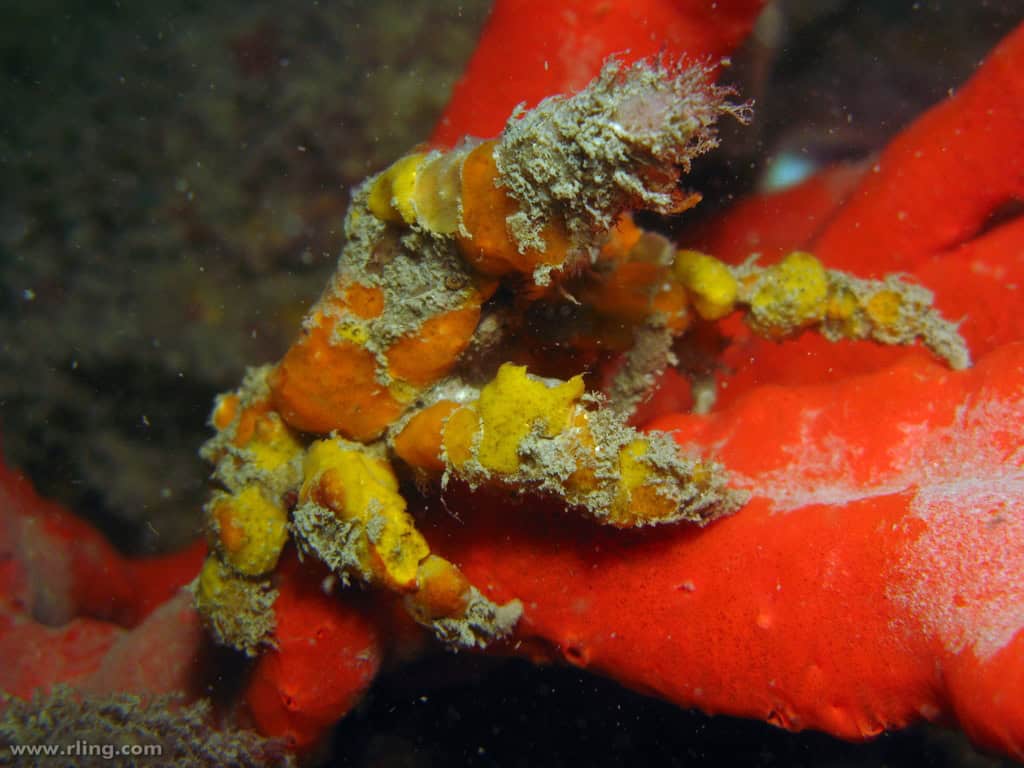
The decorator crab’s life cycle presents unique challenges related to its decorating behavior, particularly during molting. Like all crustaceans, decorator crabs grow by periodically shedding their rigid exoskeleton in a process called ecdysis. For a decorator crab, molting means losing not just its shell but also its entire carefully constructed disguise. After emerging from its old exoskeleton, the crab’s new shell is initially soft and vulnerable, making this a particularly dangerous period. Within hours of molting, many decorator crabs begin the process of re-decorating, sometimes even removing decorations from their discarded shell to reuse on their new one—a remarkable example of resource recycling in nature.
Young decorator crabs typically molt more frequently than adults, sometimes every few weeks, meaning they must reconstruct their disguises regularly during early development. This frequent redecoration may serve as a form of practice, with juvenile crabs becoming more efficient decorators over time. Research has shown that experienced adult crabs can decorate themselves more quickly and effectively than juveniles, suggesting a learning component to this behavior. As crabs age and grow larger, the molting frequency decreases, with adult specimens sometimes going months between molting events, allowing them to maintain more elaborate and extensive decorations for longer periods.
Ecological Relationships: Living Decorations and Their Hosts

The relationship between decorator crabs and the living organisms they attach to themselves represents a fascinating ecological interaction that falls somewhere between commensalism and mutualism. Many of the organisms used as decorations—including sponges, hydroids, bryozoans, and algae—continue to live and grow while attached to the crab, creating a mobile micro-ecosystem. For some of these hitchhikers, the arrangement appears beneficial, as the crab’s movement exposes them to new feeding opportunities and disperses them across larger areas than they could reach as sessile organisms.
The crab may provide a stable substrate in environments where suitable attachment surfaces are limited. However, the relationship isn’t always mutually beneficial; some decorator crabs occasionally feed on portions of their living decorations, essentially farming these organisms. In certain cases, the crab’s behavior creates complex multi-species associations, where the primary decorations (like sponges) harbor secondary organisms (like small crustaceans or worms) that may provide additional benefits or resources to the crab. These relationships highlight how evolutionary adaptations can create novel ecological interactions that blur traditional categories of symbiosis. Long-term studies of these relationships have revealed that specific decorator crab species often form preferential associations with particular species of sponges or algae, suggesting coevolutionary relationships that have developed over evolutionary time.
Research and Scientific Discoveries About Decorator Crabs
Scientific investigation into decorator crabs has yielded fascinating insights and continues to reveal new aspects of their biology and behavior. Recent research using high-resolution imaging techniques has provided unprecedented details about the structure and function of the specialized setae that make decoration possible. These studies have revealed variations across species that correspond to different decorating strategies and material preferences. Behavioral experiments have demonstrated that decorator crabs can make sophisticated choices about decorating materials based on their protective value—when given a choice between toxic and non-toxic materials, many species preferentially select the toxic options.
Genetic studies are beginning to unravel the evolutionary history of decorator crabs, suggesting that the decorating behavior evolved independently multiple times within the broader spider crab family. Neurobiological research is investigating how these relatively simple nervous systems can support such complex behavioral patterns, challenging assumptions about cognitive requirements for tool use. Conservation biologists are also studying how decorator crabs respond to anthropogenic changes in their environment, including whether they can adapt to using microplastics and other human-made materials as decorations—a concerning indicator of marine pollution. Ongoing research into chemical compounds produced by decorator crabs’ living decorations has identified several bioactive molecules with potential pharmaceutical applications, highlighting how these unique relationships might benefit human medicine.
Conservation Concerns and Human Impact
Decorator crabs face several conservation challenges in today’s changing marine environments. Habitat destruction, particularly the degradation of coral reefs, seagrass beds, and kelp forests where many decorator species live, directly impacts their populations by reducing available shelter and decorating materials. Ocean acidification and warming pose threats to both the crabs and the organisms they use for decoration, potentially disrupting the ecological relationships that have evolved over millions of years. Pollution presents a particular concern, as studies have documented decorator crabs increasingly incorporating microplastics and synthetic materials into their disguises when natural materials are scarce—essentially turning these animals into indicators of marine pollution.
Some decorator crab species are also collected for the ornamental marine aquarium trade, though the impact of this collection on wild populations remains poorly understood. Conservation efforts focusing on marine protected areas help preserve the complex habitats that decorator crabs depend on, while public education about these fascinating creatures increases awareness of their ecological importance and the need for marine conservation. Research into decorator crab population dynamics is still limited, making it difficult to assess the conservation status of many species, though some localized populations have shown concerning declines correlated with habitat degradation.
Conclusion: Nature’s Ingenious Adaptations
The decorator crab stands as a remarkable example of evolutionary innovation, demonstrating how natural selection can produce extraordinary adaptations that blur the lines between innate behavior and tool use. Through their deliberate self-decoration, these crustaceans have developed a flexible survival strategy that allows them to adapt to diverse environments and challenges, showcasing biological problem-solving at its finest.
The complex relationships between decorator crabs and their living decorations highlight the interconnectedness of marine ecosystems, where species interactions create unexpected mutual benefits and specialized niches. As we continue to study these fascinating creatures, they offer valuable insights not only into evolutionary biology and animal behavior but also into the health of our oceans, serving as both indicators of environmental change and inspirations for human innovation. The decorator crab reminds us that even seemingly simple creatures can develop sophisticated solutions to life’s challenges, encouraging us to look more deeply at the natural world and the countless marvels still waiting to be fully understood.

From exploring the marine wonders in the Azores and witnessing the vast savannas of Kenya, to delving deep into the rich biodiversity of South Africa and traversing iconic landscapes in Australia and the US like Yellowstone, Chris's experiences are vast.
With a penchant for diving alongside sharks, the ocean holds a special place in his heart.
Through his academic insights, he champions wildlife conservation, striving with 'Animals Around The Globe' to cultivate a profound connection between humans and animals, enhancing our mutual appreciation.
Connect with him at Feedback@animalsaroundtheglobe.com.
- What Happens When Earthquakes Hit Underwater - July 31, 2026
- Remembering Laika’s Brave Mission with Sputnik 2 - July 31, 2026
- Why Peacocks Are Sacred in Hindu and Greek Stories - July 31, 2026