

Texas is a state renowned for its wide-open spaces, diverse ecosystems, and cultural dynamism. Yet, many might not know that it holds another significant biodiversity feature: it’s home to more bat species than any other state in the U.S. These fascinating creatures are an integral part of Texas’ natural heritage, serving vital ecological roles. So, why does Texas have so many bats? In this article, we’ll delve into the key factors that make this state a bat paradise.
The Bat Capital of America
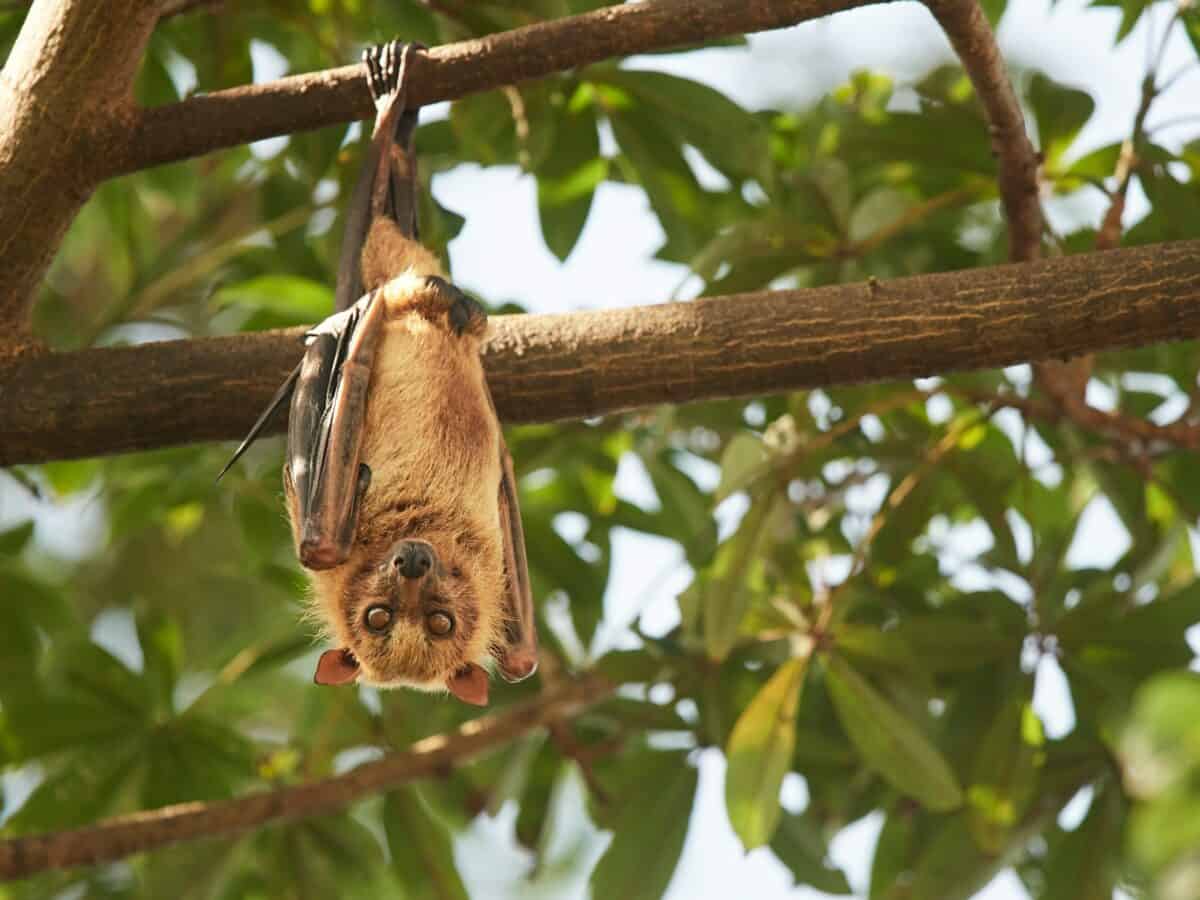
Texas holds the title of the bat capital of America, boasting an impressive 32 bat species. With its varied landscapes, ranging from the limestone caves of the Hill Country to the dense forests of the Piney Woods, Texas offers ideal habitats for bats to thrive. This diversity of environments supports a wide array of bat lifestyles, from those that thrive in arid conditions to those preferring lush, humid locales.
Diverse Habitat Opportunities

The state’s vast and varied geography plays a crucial role in supporting these numerous species. With its mix of swamps, deserts, forests, and caves, Texas provides a range of suitable roosting and foraging opportunities. Each bat species has adapted to specific niches within these environments, allowing them to exploit different food sources and shelter options effectively.
Ideal Climate Conditions

The warm climate of Texas, characterized by hot summers and mild winters, offers optimal conditions for bats. Most species are sensitive to extreme cold and thrive in warmer climates where they do not have to expend excessive energy to maintain body heat, making Texas an attractive region for habitation and breeding.
Abundance of Insect Prey

With its agricultural richness, Texas hosts a substantial insect population, a primary food source for many bat species. The presence of abundant prey throughout the year ensures that bats have access to the sustenance needed to thrive and reproduce, making the state an essential feeding ground for both resident and migratory bat populations.
Migration Pathways
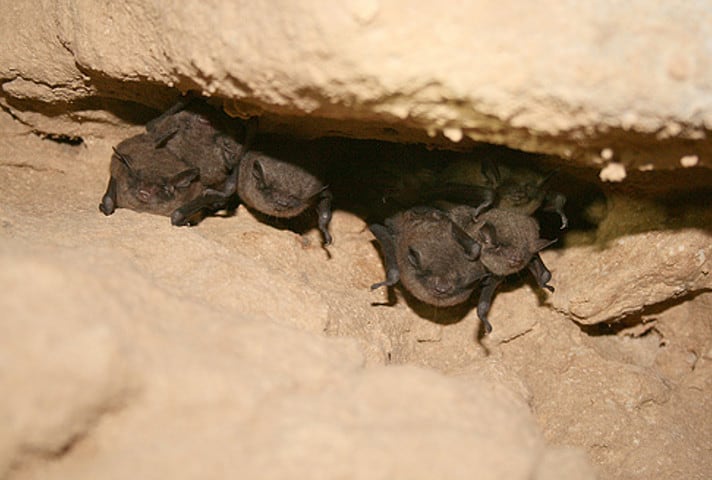
Texas is a significant hub along the migratory path for multiple bat species traveling between the Americas. The state’s geographic positioning makes it a crucial stopover point for bats journeying from Mexico to northern destinations during seasonal migrations. This location supports both the temporary and permanent residence of these mobile mammals.
Unique Cave Systems

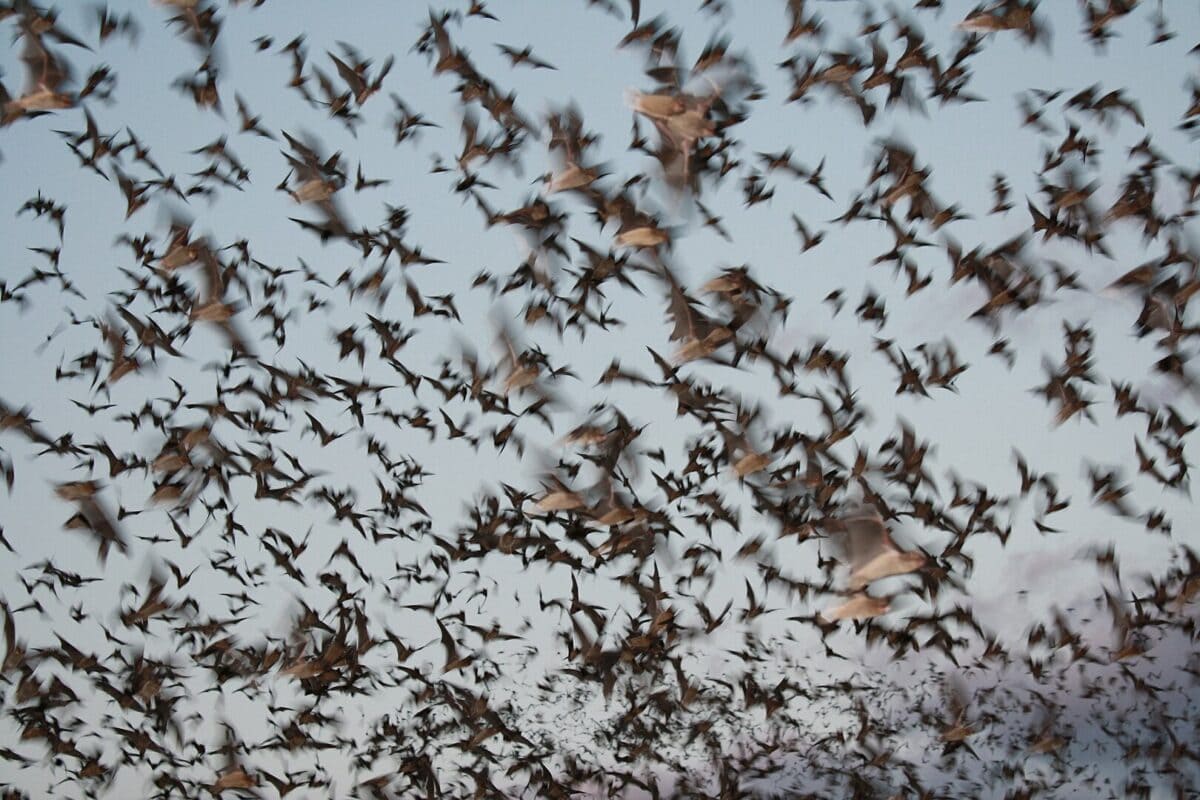
The state’s limestone bedrock has given rise to countless natural cave systems, providing essential roosting sites for large bat colonies. Notably, Bracken Cave and other large roosts in the Hill Country host some of the world’s largest bat populations, supporting millions of Mexican free-tailed bats each year.
Conservation Efforts and Awareness

Proactive conservation efforts have significantly contributed to keeping Texas bat populations healthy. Local and national organizations have worked to protect important habitats, raise public awareness, and promote coexistence with bats. Understanding and mitigating threats such as habitat loss and disease have been crucial in maintaining population numbers.
Public Engagement and Bat Advocacy

Texans embrace bats as a celebrated part of their natural identity. Regular educational tours, bat-viewing events, and collaborations between scientists and the public have fostered a culture of appreciation and protection around these animals. Events such as the nightly bat emergence at Austin’s Congress Avenue Bridge draw countless visitors and have become essential to local tourism.
Impact on Local Economies

Bats contribute significantly to Texas’ agricultural economy by acting as natural pest control agents, reducing the need for chemical pesticides. Their pest management services are invaluable for crops like corn and cotton, leading to financial benefits for farmers and reducing the impact on ecosystems.
Bat Species Diversity
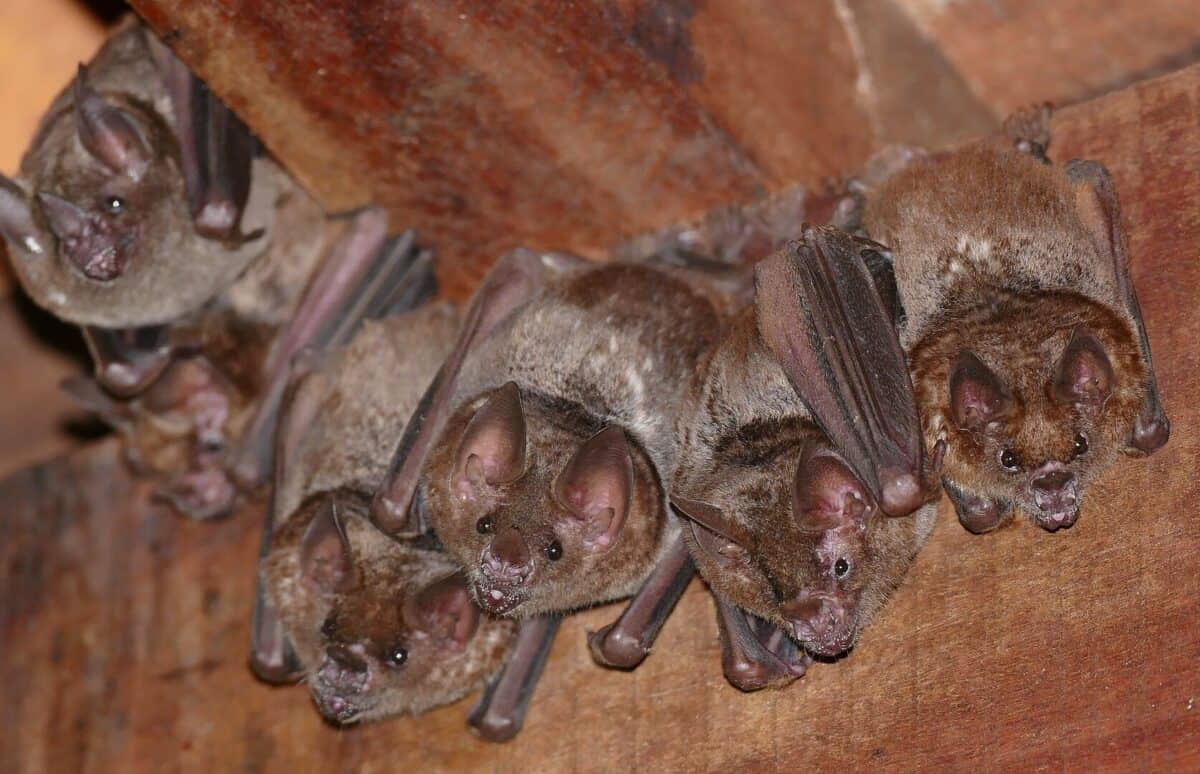
The range of species found in Texas includes both common species like the Mexican free-tailed bat and rare ones such as the cave myotis. Understanding the diversity of species helps scientists study ecosystem health and provides a broader understanding of how different species adapt to similar environments.
Research and Education Initiatives
Universities and research organizations in Texas lead the way in bat research, offering programs dedicated to studying bat behavior, ecology, and conservation. Such initiatives not only advance scientific understanding but also train the next generation of bat conservationists.
The Future of Texas Bats
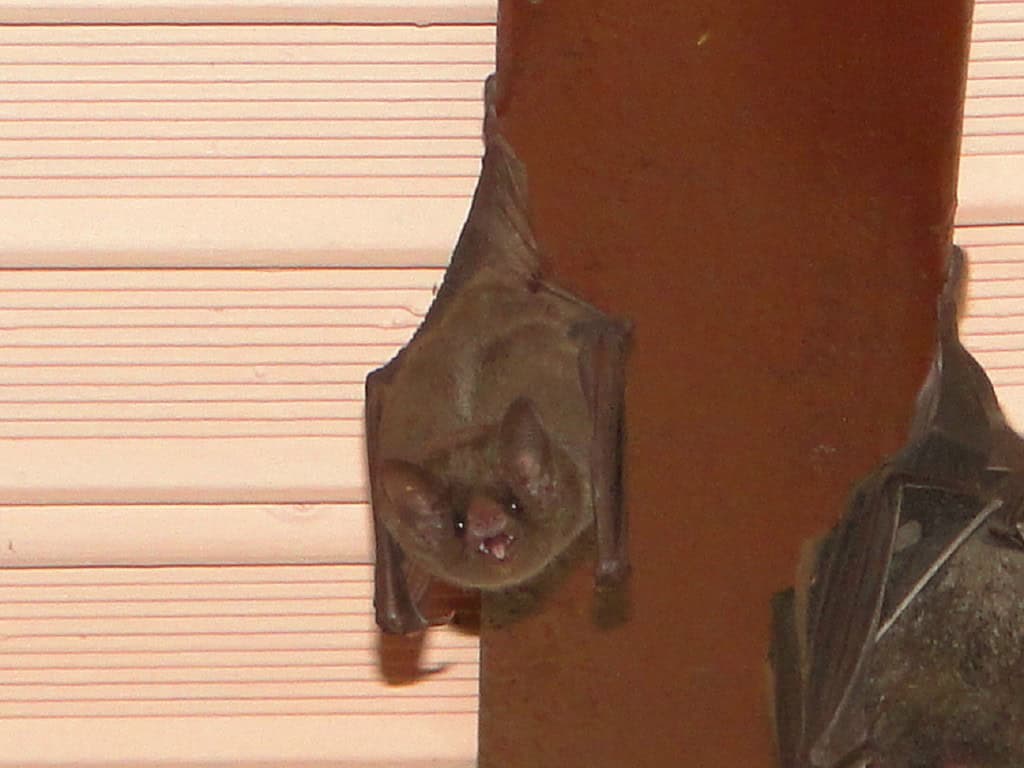
As environmental challenges increase, continued vigilance and conservation efforts are critical to ensuring the long-term survival of Texas’ bats. Balancing development with habitat preservation, combating threats like white-nose syndrome, and maintaining robust monitoring programs will be vital strategies moving forward.
In summary, Texas’ unique amalgamation of environmental conditions, proactive conservation measures, and cultural reverence creates an unmatched sanctuary for bats. Their presence enriches the state’s ecological tapestry, while their stories inspire awe and stewardship among the people who share the land with them.

- How Bees Use Geometry to Build the Perfect Hive - August 10, 2026
- How Gujarat’s Lions Grew by 32% in Just 5 Years in a Roaring Recovery - August 9, 2026
- Dire Wolves Were Real—And Very Different From Game of Thrones - August 9, 2026