
The magnificent leatherback sea turtle stretches our imagination with its sheer size and ancient lineage. Picture a reptile that can grow longer than a compact car and weigh as much as a motorcycle, yet moves through the ocean with surprising grace. This prehistoric marvel has survived for over 20 million years, witnessing the rise and fall of countless species, yet today it faces its greatest challenge yet.
Leatherbacks are the largest sea turtles in the world, with some individuals reaching lengths of more than six feet and weights exceeding 2,000 pounds. They’re not just giants of the sea turtle world; they’re extraordinary creatures that embark on epic migrations spanning thousands of miles each year. Yet despite their impressive size and ancient heritage, these ocean wanderers are rapidly disappearing from our seas.
The Ocean’s Ancient Giants Face Modern Perils
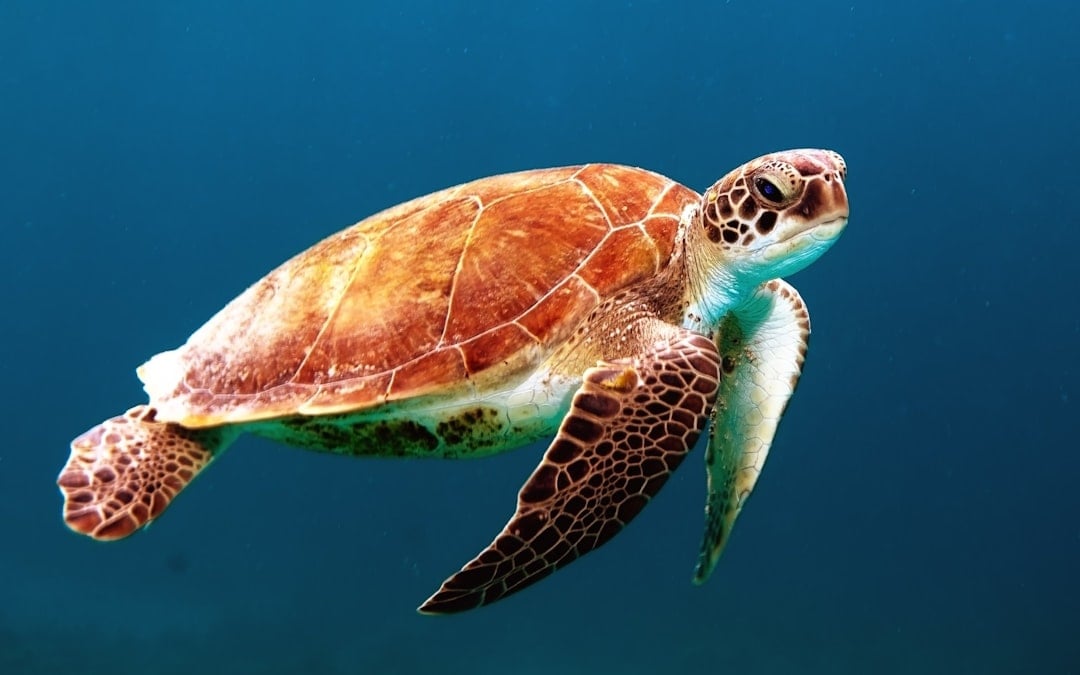
All major populations of leatherback sea turtles are rapidly declining around the world because of persistent threats on their nesting beaches and in the marine environment. What makes this decline particularly alarming is the speed at which it’s happening. Experts estimate that over 95% of the Pacific leatherback population has been wiped out since the 1980s, with the number of nesting females in the eastern Pacific collapsing from tens of thousands to an estimated 700 today over the past 20 years.
The Pacific population tells an especially troubling story. Fewer than 1,400 adult females now remain in the eastern Pacific population, making it the world’s most endangered marine turtle population. This represents a catastrophic decline that has scientists and conservationists racing against time to prevent complete extinction of entire populations.
Fishing Gear: The Silent Ocean Killer
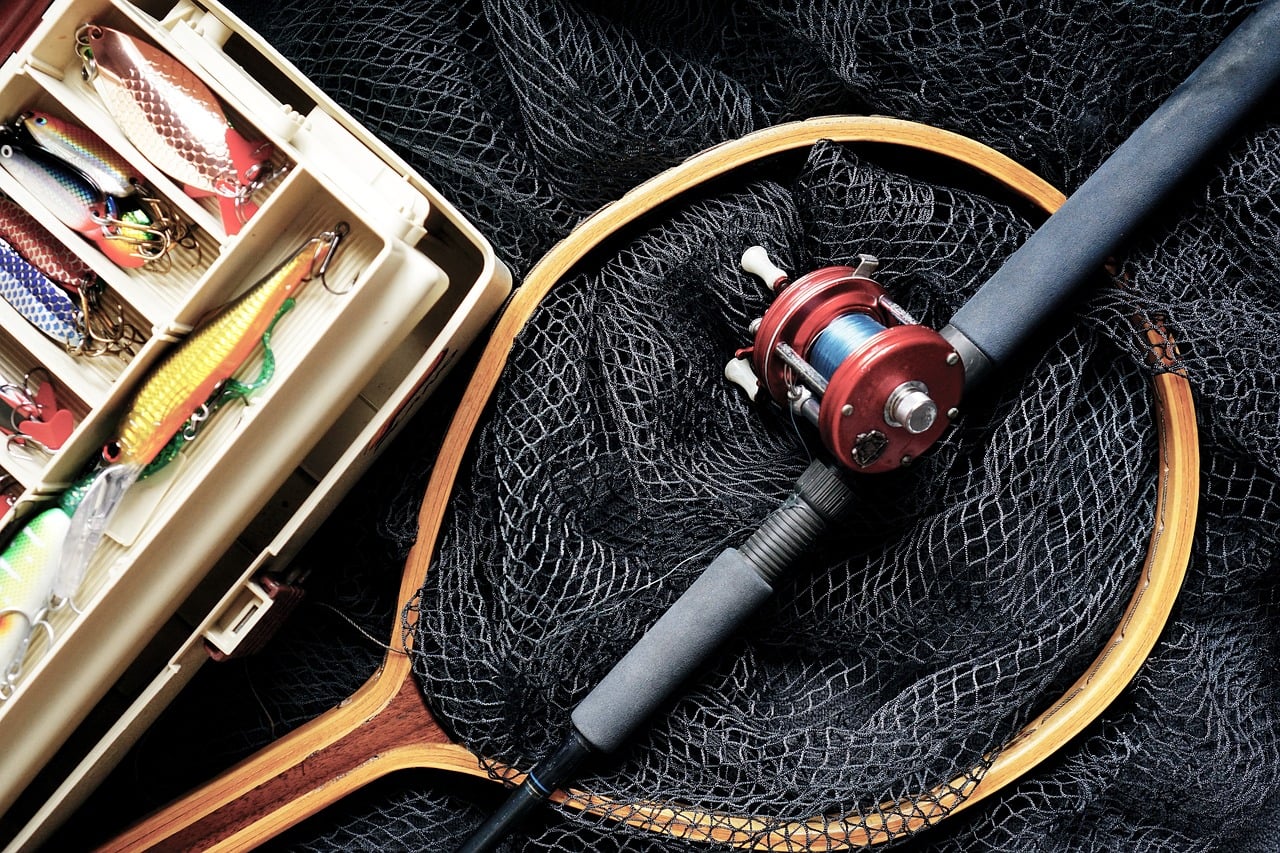
The greatest threat to leatherback sea turtles worldwide is incidental capture in fishing gear, also known as bycatch. Think of the ocean as a massive highway system where leatherbacks must navigate through increasingly dangerous traffic zones filled with longlines, gillnets, and trawling equipment.
Global estimates reveal staggering numbers: hundreds of thousands of sea turtles are captured, injured or killed by fishing gear annually, while 150,000 turtles of all species are killed in shrimp trawls. These gentle giants need to surface regularly to breathe, but once entangled in fishing gear, many drown before they can escape.
A Diet That Becomes a Death Trap
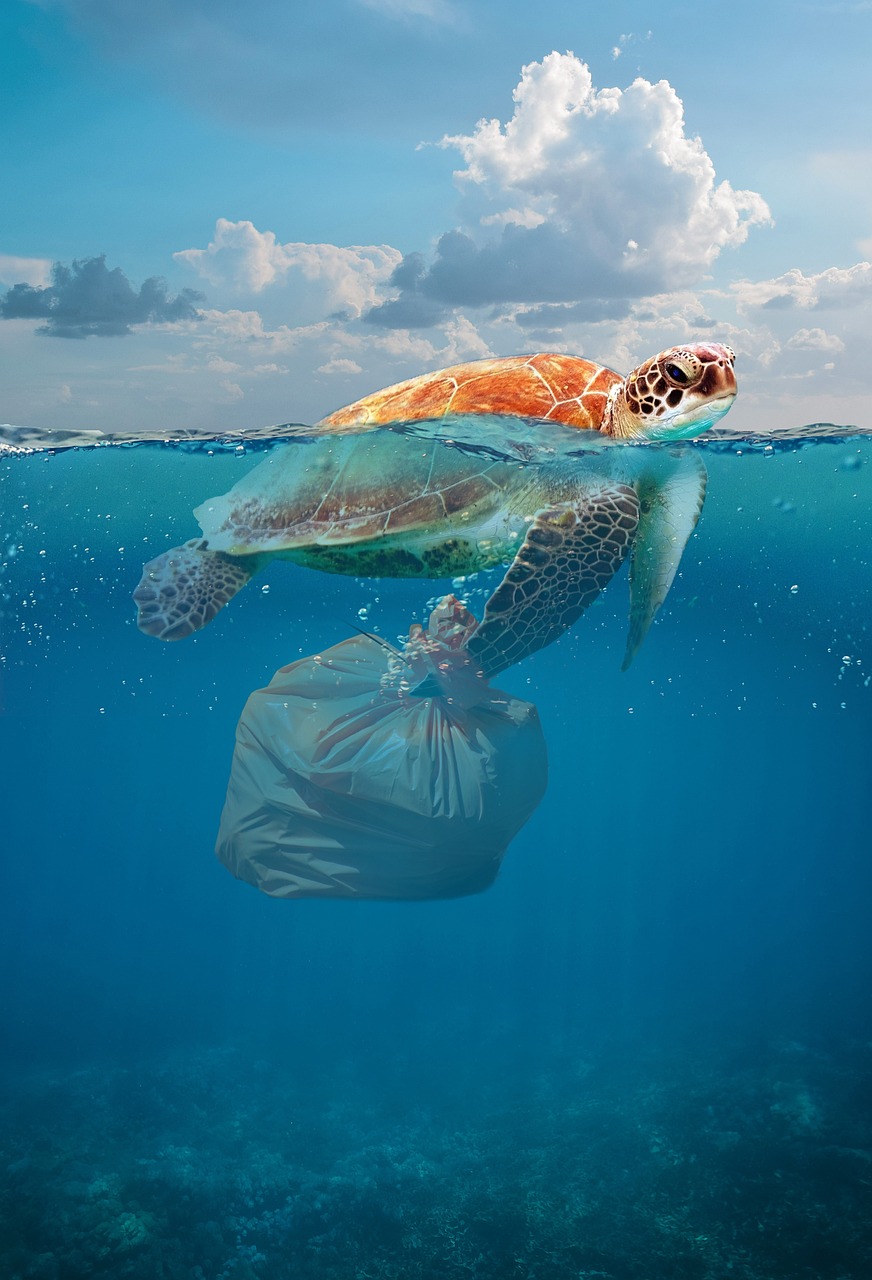
Leatherbacks have evolved to be specialized hunters with a very specific diet preference. They consume large numbers of jellyfish, which helps keep populations of these marine organisms in check. However, this dietary specialization has become a deadly vulnerability in our plastic-polluted oceans.
Leatherbacks mistakenly swallow plastic bags floating in the ocean, mistaking them for jellyfish, and recent studies show that nearly half of all leatherbacks examined had plastic or cellophane in their stomachs. While it’s not known exactly how much plastic it takes to kill a leatherback, no animal can digest plastic, and the amount of plastic in the oceans is increasing drastically every day.
Vanishing Beaches and Rising Seas
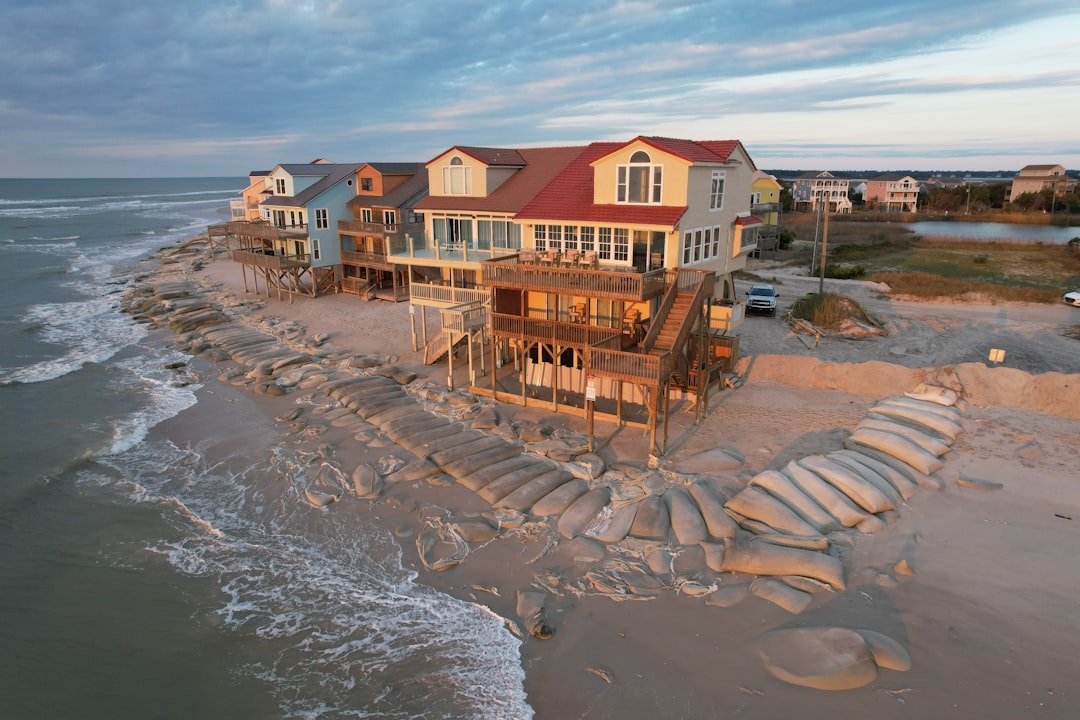
With melting polar ice caps and rising sea levels, beaches are starting to disappear, and as the water level begins to rise, the size of nesting beaches decrease. Leatherback females return to the same beaches where they were born to lay their eggs, but coastal development and climate change are rapidly transforming these critical habitats.
Loss of habitat through development of nesting beaches presents one of the most serious threats to sea turtles around the world, as coastal construction and dredging can reshape beaches, making them too steep for nesting leatherbacks to haul themselves out of the water. Stronger storms, predicted as a result of increasing temperatures, will continue to erode coastal habitats.
The Gender Imbalance Crisis
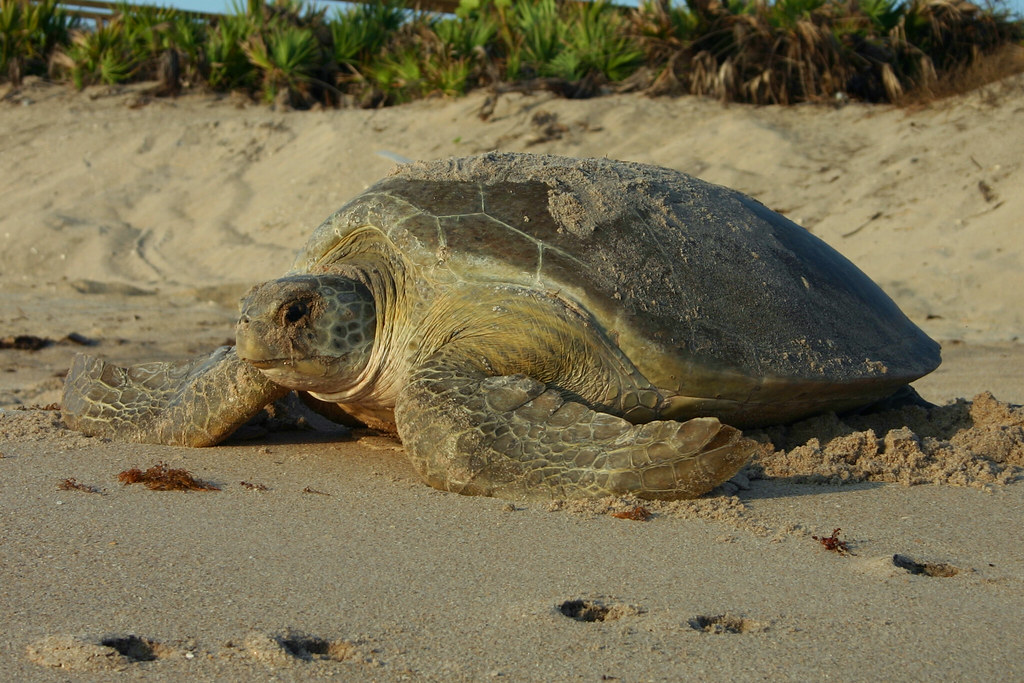
Climate change threatens leatherbacks in unexpected ways through temperature-dependent sex determination. Like most reptiles, temperature determines the gender of the offspring – if it’s warm inside the nest, females will be born, while cooler temperatures produce males.
Increasing incubation temperatures could result in more female sea turtles, which reduces reproductive opportunities and decreases genetic diversity, while hotter, dryer sand negatively impacts the incubation of leatherback nests. A rise in nest temperature is predicted to result in a disproportionately large number of female turtles being born, which will ultimately reduce genetic diversity.
Lights That Lead to Death
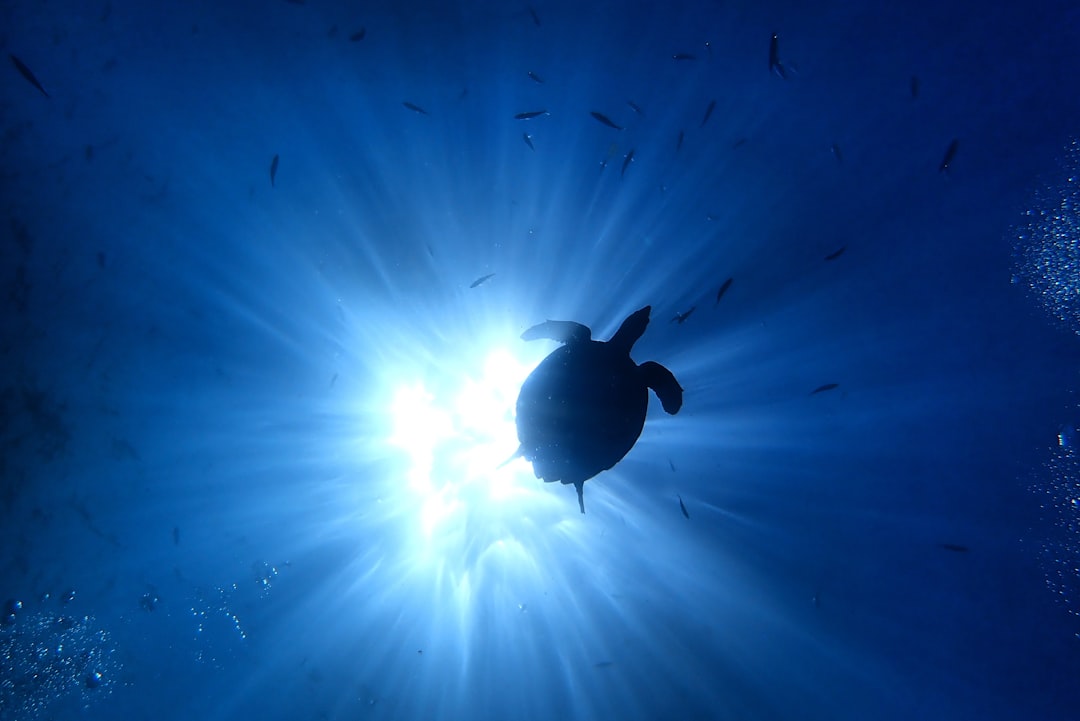
Artificial lighting along coastlines creates a deadly confusion for both adult females and hatchlings. Leatherbacks and other sea turtles prefer dark nesting beaches with no artificial lighting. The moon’s reflection on the water may help them find their way, but artificial lights disorient them and can cause them to crawl the wrong way and die of exhaustion and dehydration.
For tiny hatchlings embarking on their first journey to the sea, lights can be even more devastating. The offspring that do hatch sometimes become attracted to beach resort lighting, so they crawl away from the sea instead of toward it. This disorientation can lead to death from predation, dehydration, or simply exhaustion.
Egg Poaching: Stealing the Future
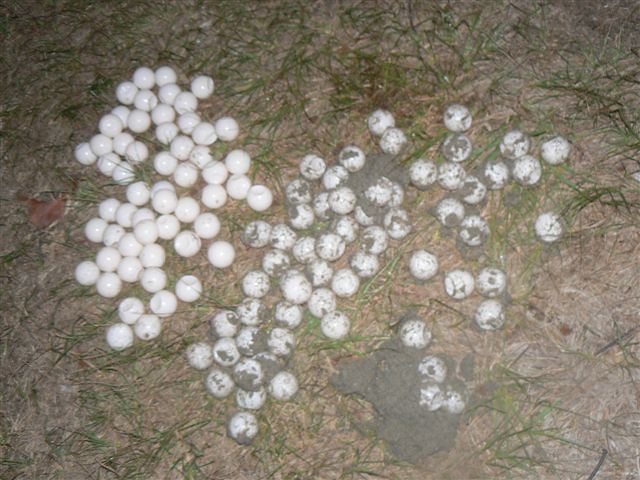
Despite legal protections in many countries, the illegal harvesting of leatherback eggs continues to devastate populations. Egg collection on many turtle nesting beaches is a very serious threat, especially in Southeast Asia where this practice has contributed to the local extinction of leatherbacks in Malaysia and resulted in huge population declines throughout Indonesia.
Illegal harvesting of eggs has put massive pressure on turtle populations, as turtle eggs are often a traditional protein source for the local population but are being harvested at unsustainable rates. Laws prohibit collection of sea turtle eggs in many countries, but poaching often continues in areas with weak enforcement.
Deep Divers in a Dangerous World
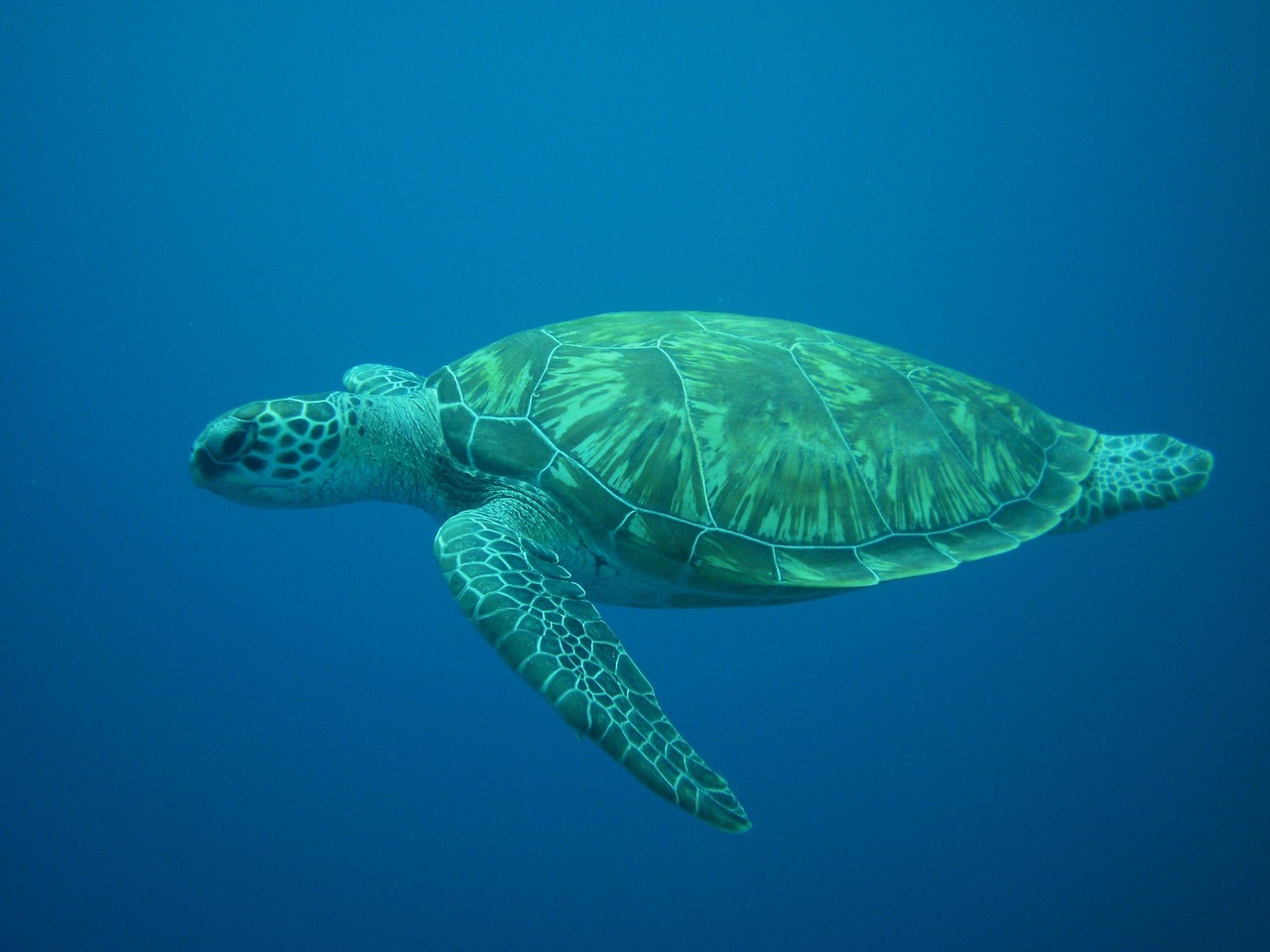
Leatherbacks possess remarkable diving abilities that set them apart from all other sea turtles. They are accomplished divers with the deepest recorded dive reaching nearly 4,000 feet, regularly diving to depths greater than 1,000 meters in search of gelatinous zooplankton such as jellyfish. This incredible capability allows them to access food sources unavailable to other marine creatures.
Their unique physiology enables these deep-sea expeditions. Leatherbacks have special adaptations that allow them to eliminate waste gases through their skin so they can stay under water for extraordinarily long periods, convert salt water to fresh water by ingesting sea water and excreting salt, and their bodies are insulated by a thick layer of fat.
Ancient Survivors in Modern Peril
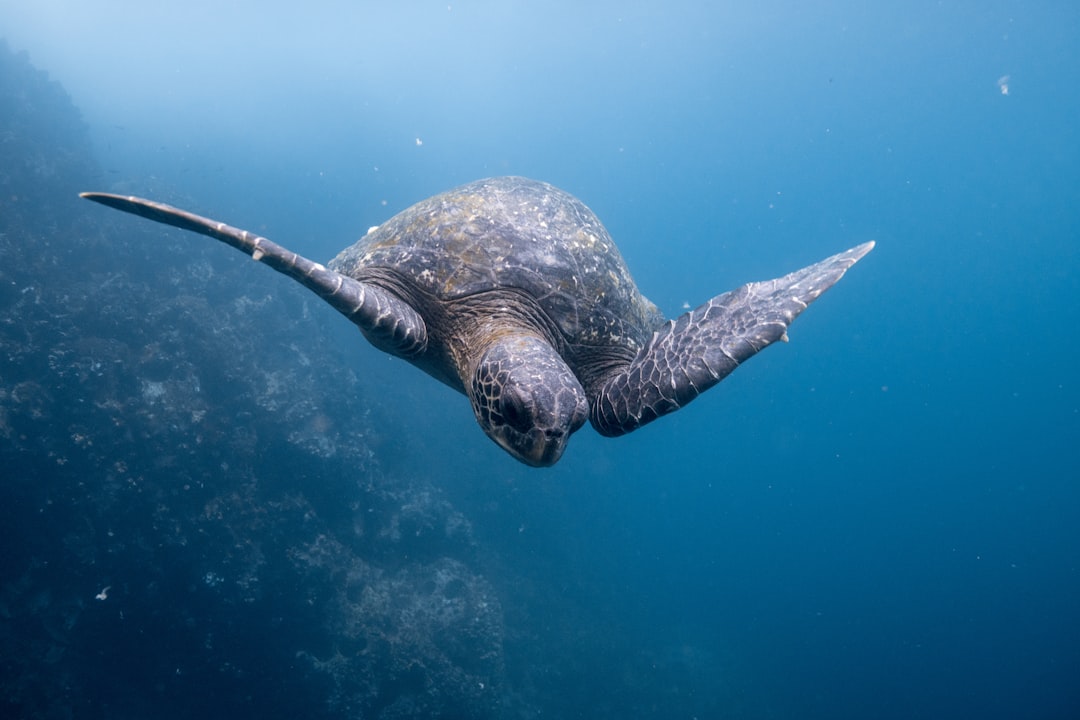
Leatherbacks have existed in their current form since the age of the dinosaurs and have existed for at least 55 million years. This incredible evolutionary success story makes their current plight even more heartbreaking. The leatherback sea turtle is the most unique of all sea turtle species and, as the only living member of the family Dermochelyidae, has the greatest migratory distribution of any reptile on the planet.
They are highly migratory, with some swimming over 10,000 miles a year between nesting and foraging grounds, making leatherback turtles among the most highly migratory animals on earth. This vast range of movement exposes them to threats across multiple jurisdictions and marine environments.
The Pacific Crisis: A Population on the Brink
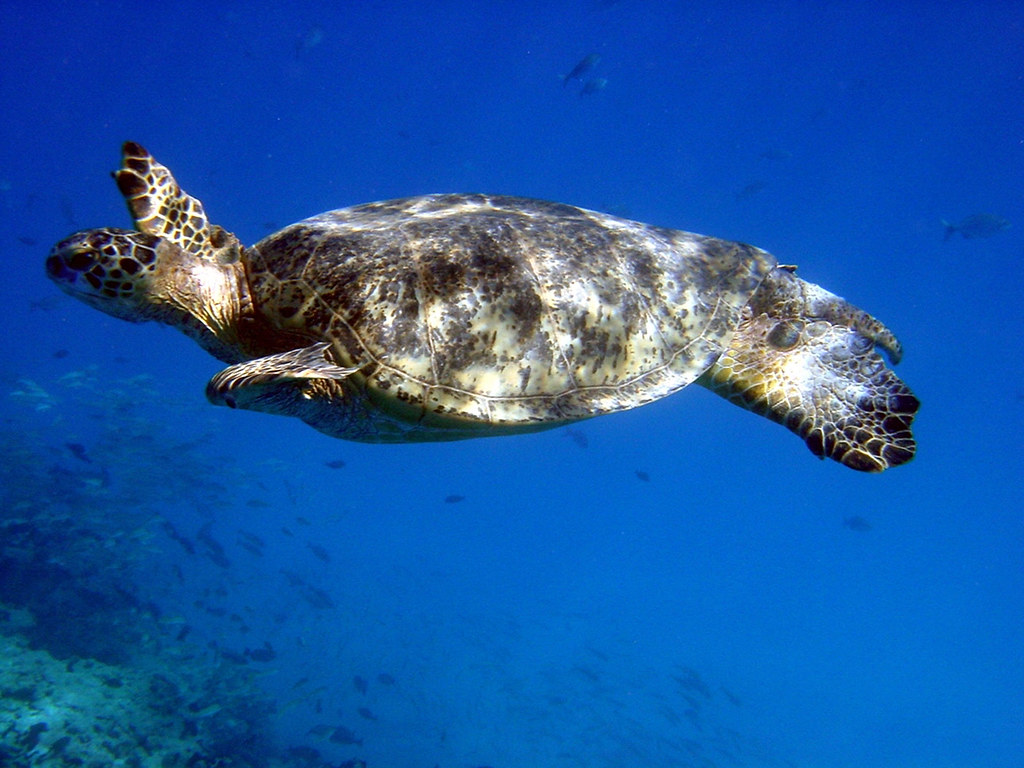
The situation in the Pacific Ocean represents one of the most urgent conservation crises facing any marine species today. Nine sea turtle populations, primarily in the Pacific Ocean, were categorized as High Risk-High Threat, signaling the urgent need for targeted interventions in the Pacific.
Leatherbacks – the largest and most widely-ranging of the world’s seven species of sea turtles – stand out as being particularly imperiled, with the highest combined risk and threat scores of all the sea turtle populations in the study. Most populations in the Pacific are in steep decline, creating an environmental emergency that demands immediate action.
Conservation Success Stories Offer Hope
Despite the alarming statistics, conservation efforts have shown that recovery is possible when sustained action is taken. Over 40% of marine turtle populations are now considered Low Risk-Low Threat, up from just 23% in 2011, demonstrating the profound impact of local conservation efforts around the world and reflecting the dedication of countless individuals and organizations.
Conservation works, particularly if collaborative efforts that address relevant threats and build resilience in sea turtle populations are sustained in the long-term, as the turtles have taught us that slow and steady wins the race. However, the findings underscore the critical need for sustained action, as fisheries bycatch remains the most pressing threat to sea turtles worldwide, alongside other risks such as coastal development, ocean pollution, climate change, and direct take of turtles and their eggs.
The Fight for Survival Continues

The story of the leatherback sea turtle serves as both a warning and a call to action. Leatherbacks face multiple threats to their survival, but we can still rescue these remarkable reptiles from extinction if we take urgent and collective action to save them. The contrast between their ancient resilience and current vulnerability highlights how rapidly human activities can push even the most adaptable species toward extinction.
The battle to save leatherbacks isn’t just about preserving one species; it’s about maintaining the health of our ocean ecosystems. As a major jellyfish predator, the leatherback turtle provides natural ecological control of jellyfish populations, and overabundance of jellyfish may reduce fish populations as jellyfish can feed on fish larvae. Losing leatherbacks would create ripple effects throughout marine food webs that we’re only beginning to understand.
What strikes me most about this crisis is how preventable much of it is. Simple changes like reducing plastic pollution, implementing turtle-safe fishing practices, and protecting nesting beaches could make an enormous difference. The leatherback has survived mass extinctions and ice ages, yet it may not survive the next few decades without our help. What do you think we should prioritize first in the fight to save these ocean giants?
