

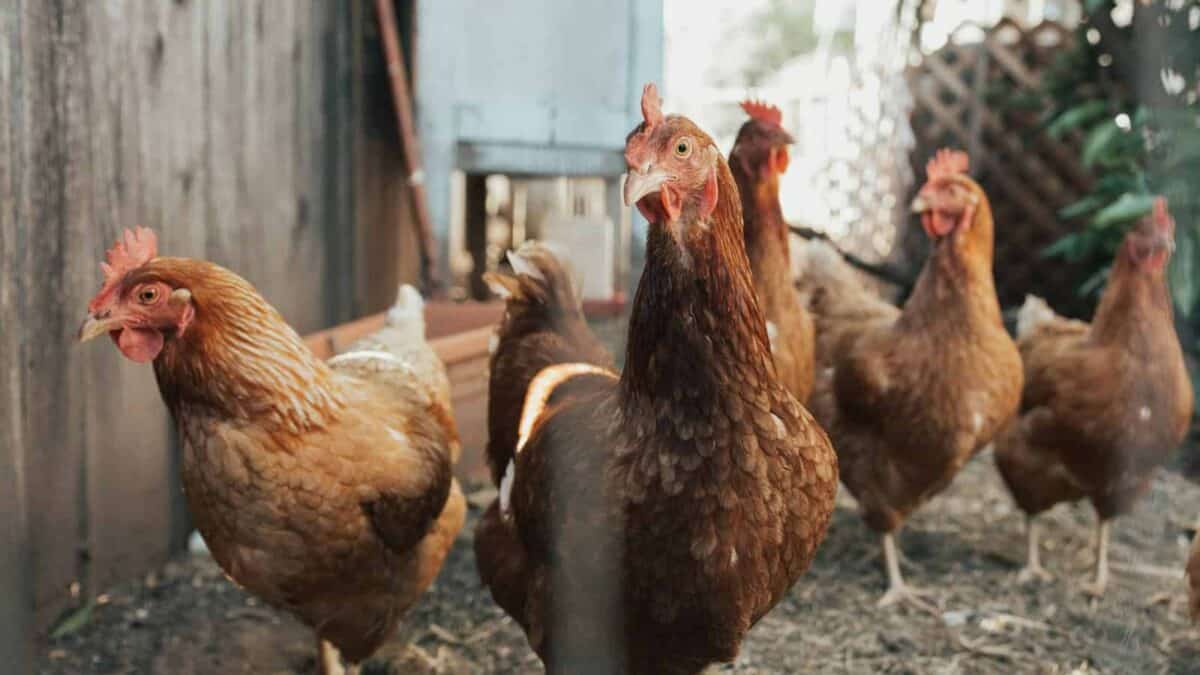
In recent decades, the industrialization of chicken farming has transformed a once backyard practice into a global industry that produces over 70 billion chickens annually for human consumption. This massive scale of production has brought chicken meat and eggs to tables worldwide at affordable prices, but at what cost? Behind the scenes of this seemingly efficient system lies a complex web of ethical concerns that have ignited passionate debates across cultural, economic, and philosophical lines.
From cramped battery cages to rapid growth genetics, from environmental impacts to worker conditions, the modern poultry industry faces scrutiny from consumers, activists, scientists, and policymakers alike. This article explores the multifaceted ethical dimensions of modern chicken production that have sparked a global conversation about our relationship with the animals that feed us.
The Transformation of Chicken Farming: From Backyard to Industry
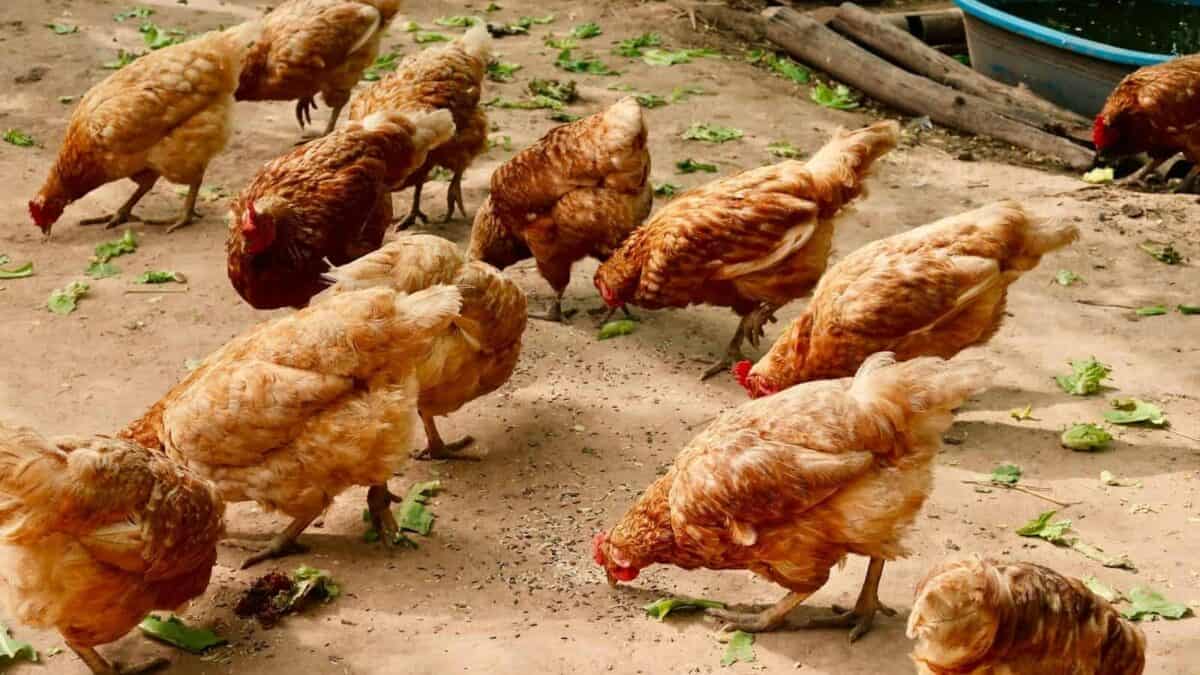
Chicken farming has undergone a remarkable transformation over the past century. Before the 1950s, most chickens were raised in small flocks on diversified farms, with birds having access to outdoor areas where they could express natural behaviors like dust bathing, perching, and foraging. The typical chicken might live for several years, with hens valued primarily for egg production and roosters or spent hens eventually becoming Sunday dinner. This traditional model fostered a direct relationship between farmers and their animals, with chicken care integrated into broader agricultural practices.
The post-World War II era saw the rapid industrialization of chicken production, driven by scientific advances in breeding, nutrition, and disease control. Today’s commercial broiler (meat) chickens reach market weight in just 6-7 weeks, compared to the 16 weeks required in the 1950s. Similarly, modern laying hens produce more than 300 eggs annually, far exceeding the 150 eggs their ancestors laid. This dramatic increase in efficiency has been accompanied by a shift toward concentrated animal feeding operations (CAFOs), where tens of thousands of birds are housed in climate-controlled buildings, often without access to the outdoors. This industrialization has made chicken the most consumed meat in many countries and has significantly reduced consumer costs, but it has also created new ethical challenges that were virtually nonexistent in traditional farming systems.
Living Conditions: Space, Confinement, and Natural Behaviors
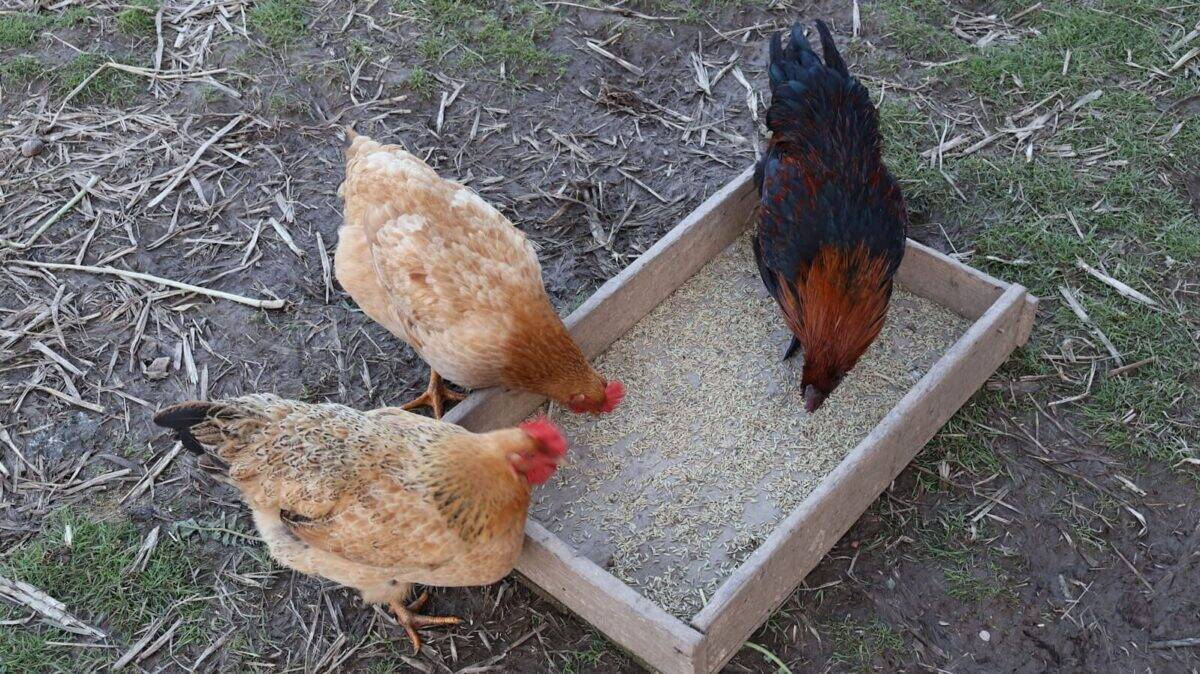
One of the most contentious aspects of modern chicken production is the space allocated to each bird. In conventional egg production, laying hens have traditionally been housed in battery cages, with each bird allotted space equivalent to less than a sheet of letter paper (67-76 square inches in standard systems). These cages prevent natural behaviors such as wing-flapping, perching, and nest-building. For broiler chickens raised for meat, while they are not typically caged, stocking densities in industrial settings can reach 0.6-0.8 square feet per bird. As these birds grow, their movement becomes increasingly restricted, with many spending their final weeks sitting in their own waste because walking becomes painful or difficult due to their rapid weight gain.
These space constraints have prompted significant ethical concerns about whether such systems respect the basic welfare needs of chickens as sentient beings. Scientific research indicates that chickens have complex cognitive abilities, including self-awareness, empathy, and the capacity to experience pain and distress. When denied the ability to express natural behaviors, chickens show signs of psychological stress including stereotypical movements, increased aggression, and feather-pecking. In response to these concerns, alternative housing systems like enriched cages, barn systems, and free-range operations have emerged, though they represent a minority of global production. The ethical question remains: what is the minimum acceptable environment for raising chickens, and who should determine these standards?
Genetic Manipulation and Rapid Growth Issues
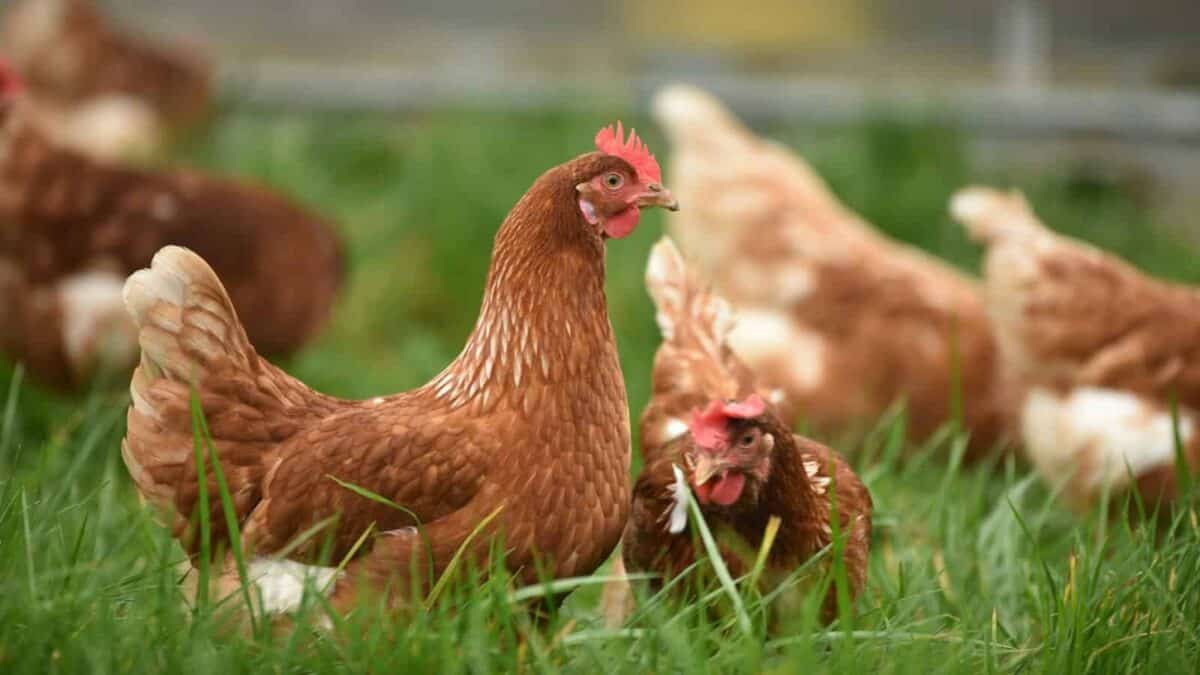
The modern broiler chicken bears little resemblance to its ancestors, having been selectively bred for extraordinarily rapid growth and efficient feed conversion. While this genetic selection has made chicken meat more affordable, it has created significant welfare problems. Today’s broilers grow so rapidly that their skeletal and cardiovascular systems cannot keep pace with their muscle development.
Research indicates that over 30% of commercial broilers suffer from lameness so severe that it causes pain and limits mobility. Heart failure and ascites (fluid accumulation in the abdominal cavity) are common causes of death, even in young birds. For these chickens, their own genetics have become a welfare burden, with bodies designed to grow at rates their organs cannot support.
For laying hens, selective breeding has focused on maximizing egg production rather than growth rate, but this specialization has created its own set of problems. Modern layers produce eggs at rates far exceeding what their wild ancestors would have laid, drawing heavily on their calcium reserves and leading to osteoporosis and fractures. Male chicks from egg-laying breeds grow too slowly to be economically viable for meat production, resulting in the routine culling of approximately 7 billion day-old male chicks annually worldwide. This practice has sparked particularly intense ethical debates, with some countries like Germany and France moving to ban culling methods like maceration and suffocation. The fundamental ethical question emerges: is it acceptable to create animals genetically predisposed to suffering for the sake of production efficiency?
Pain Management and Routine Procedures
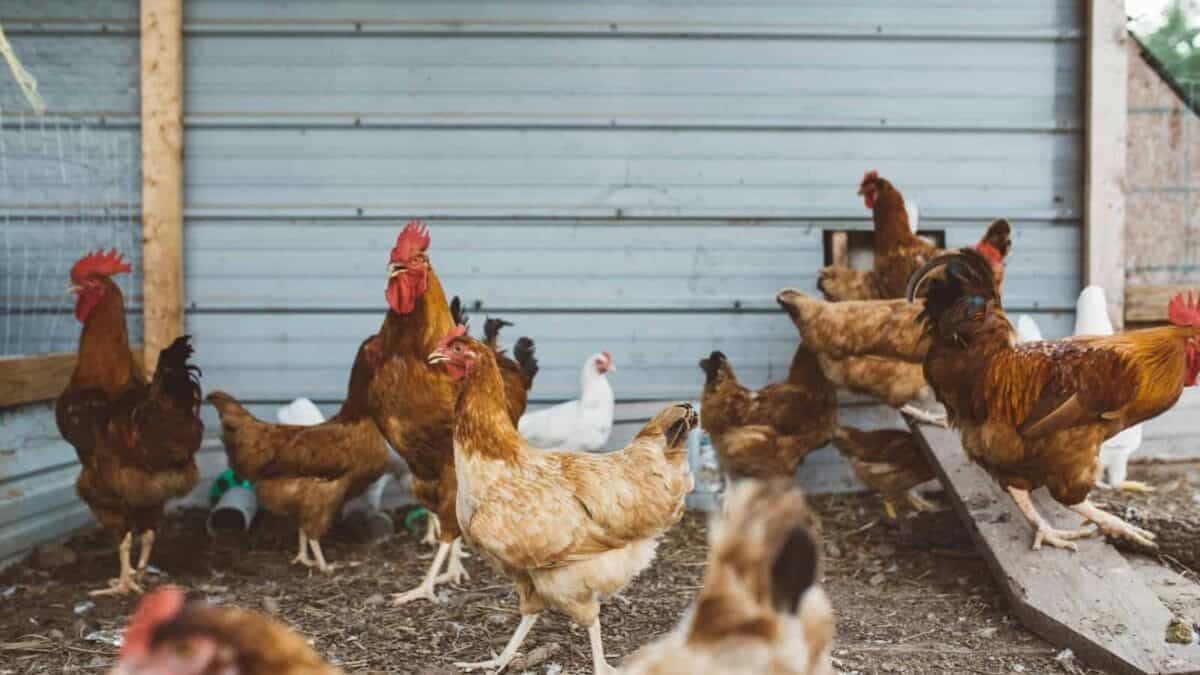
Standard management practices in chicken production include several painful procedures that are typically performed without anesthesia or pain relief. In most conventional egg operations, chicks undergo beak trimming (partial removal of the beak tip) to prevent feather pecking and cannibalism that can occur in densely housed flocks. This procedure damages sensory nerves and can cause both acute pain and chronic neuropathic pain. For broiler breeder chickens (parents of meat birds), feed restriction programs are common, with birds receiving just 25-50% of what they would eat if fed freely, leading to chronic hunger and associated stress behaviors. These birds are genetically identical to broilers but must be kept slim enough to reproduce effectively.
These practices raise significant ethical questions about inflicting pain and discomfort as standard operating procedure. The justification typically centers on preventing greater harm (like cannibalism) or ensuring reproductive viability, but critics argue that these issues primarily arise from the unnatural conditions of industrial production. If housing systems or genetics were modified to better accommodate chickens’ natural behaviors and physical needs, many of these painful interventions might become unnecessary. The debate extends beyond animal welfare to fundamental questions about the moral status of chickens and our responsibilities toward them as sentient beings capable of suffering. Some ethicists argue that the scale of this suffering—affecting billions of animals annually—makes modern chicken production one of the largest ethical issues of our time.
Environmental Impact and Sustainability Concerns
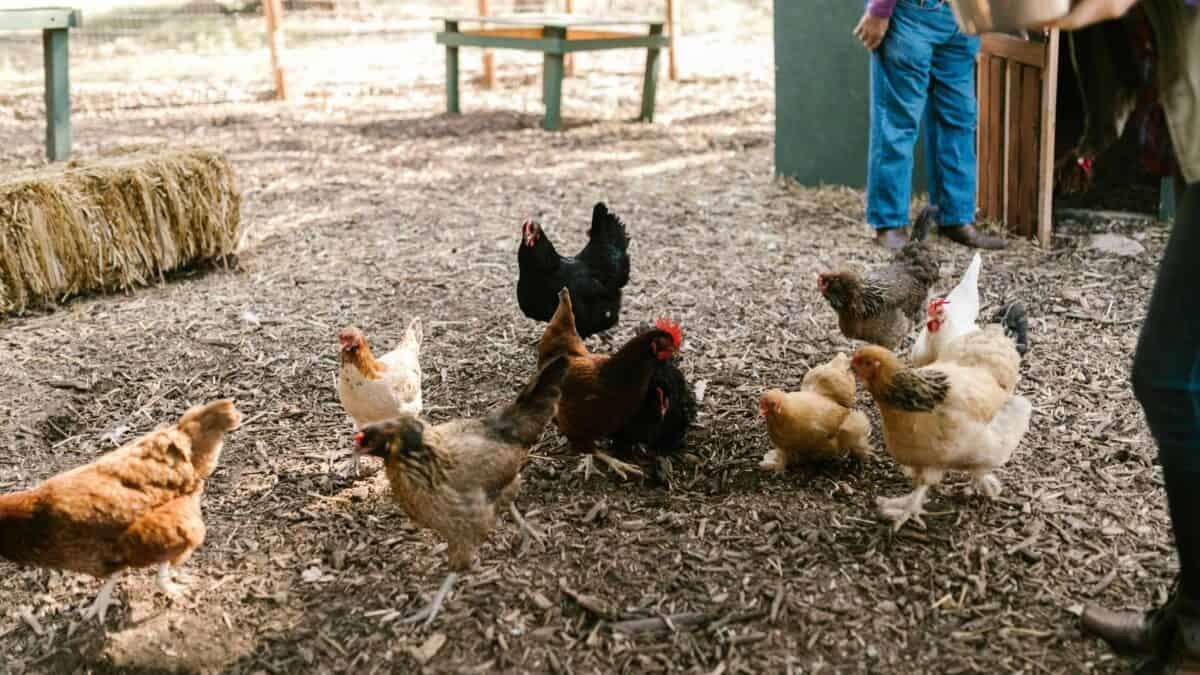
The environmental footprint of intensive chicken production extends far beyond the farm, raising ethical questions about intergenerational justice and our responsibilities to the planet. While chicken has a lower carbon footprint than beef or lamb (producing approximately 6-7 kg of CO₂ equivalent per kg of meat compared to 27 kg for beef), the sheer scale of global production creates significant environmental challenges. Concentrated poultry operations generate large volumes of waste—a single facility housing 20,000 broilers can produce over 150 tons of manure annually. When improperly managed, this waste can contaminate water sources with nitrogen, phosphorus, antibiotics, and heavy metals. Air quality concerns include ammonia and particulate emissions, which affect both nearby communities and contribute to broader air pollution issues.
Feed production for chicken farming drives environmental impacts through land use change, with soy cultivation for chicken feed linked to deforestation in critical ecosystems like the Amazon and Cerrado in Brazil. Additionally, the industry’s reliance on prophylactic antibiotics in many countries contributes to the development of antibiotic-resistant bacteria, a growing global health crisis. These environmental and public health externalities are rarely reflected in the market price of chicken products, effectively shifting these costs to communities, ecosystems, and future generations. The ethical tension arises between providing affordable protein to growing populations and ensuring that production methods don’t undermine the environmental systems upon which future food security depends. Some argue that truly ethical chicken production must account for these broader impacts, potentially through regulatory frameworks that internalize environmental costs.
Worker Rights and Human Costs
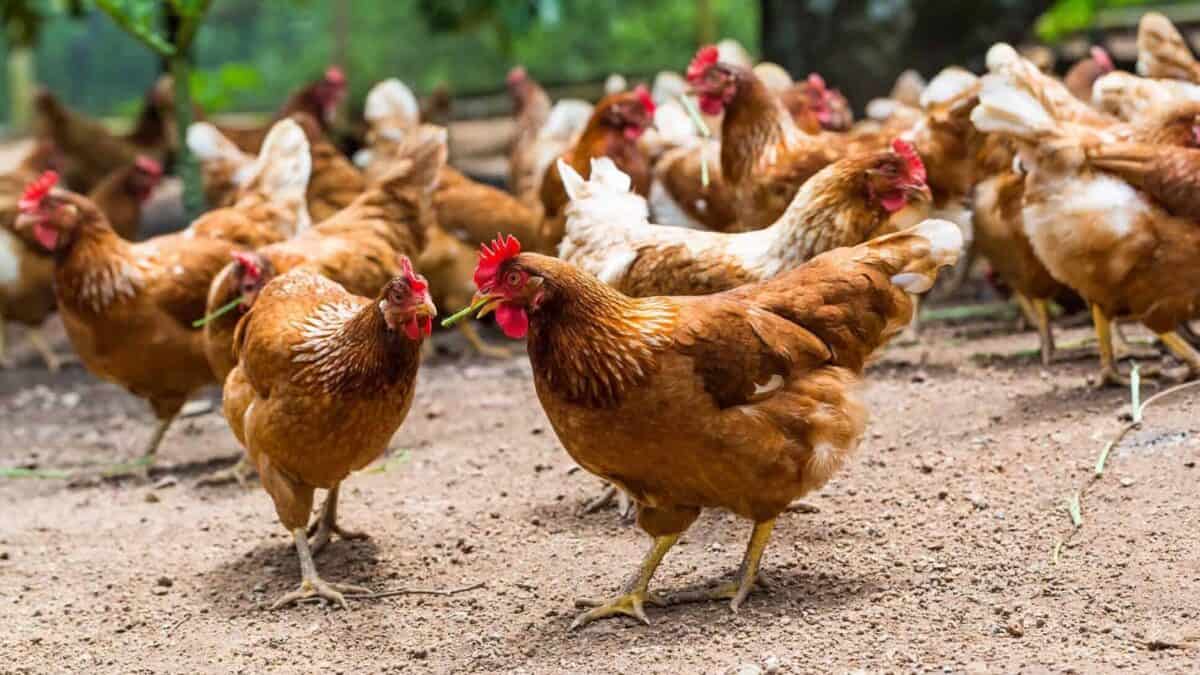
The ethical evaluation of chicken production must include consideration of the human beings who work in the industry. Poultry processing plants typically employ vulnerable populations, including immigrants, refugees, and those with limited employment options. These workers face some of the highest injury rates in manufacturing, with repetitive motion injuries, cuts, respiratory issues from airborne contaminants, and chemical exposures being common. Line speeds in U.S. processing plants can reach 175 birds per minute, placing enormous physical stress on workers who make the same cutting motions thousands of times per shift. A 2015 report by Oxfam America found that some poultry workers were routinely denied bathroom breaks, leading to urinary tract infections and workers wearing diapers on the line.
Beyond physical conditions, many poultry workers face job insecurity, low wages, and limited benefits. The power imbalance between large processing companies and individual workers often makes it difficult for employees to advocate for better conditions. Labor organizing in the industry has historically been challenging, with some companies aggressively resisting unionization efforts. From an ethical standpoint, a production system that provides affordable food while causing physical and economic harm to vulnerable workers raises serious questions about distributive justice.
Some ethicists argue that truly ethical food production must ensure dignity and fair treatment for all humans in the supply chain, not just humane treatment of animals. The interconnected nature of these issues suggests that solutions must address both animal welfare and human rights simultaneously rather than treating them as separate ethical domains.
Global Regulatory Disparities

The ethical debate around chicken production is complicated by vast differences in regulatory standards worldwide. The European Union has implemented some of the most stringent animal welfare regulations, including a ban on conventional battery cages for laying hens (replaced with enriched cages or cage-free systems) and requirements for environmental enrichment. In contrast, the United States has no federal laws governing the treatment of chickens on farms, with the Humane Methods of Slaughter Act specifically excluding poultry. Countries like Brazil and Thailand, major chicken exporters, typically have less comprehensive welfare regulations, though this is gradually changing due to trade pressures and changing consumer expectations.
These regulatory disparities create an uneven playing field where producers in countries with higher welfare standards may be at an economic disadvantage compared to those operating under less restrictive regulations. This can lead to a “regulatory race to the bottom” where production shifts to regions with fewer protections for animals, workers, and the environment. From an ethical perspective, this raises questions about global justice and whether basic welfare standards should be harmonized internationally. Some argue that ethical considerations should transcend national boundaries, particularly when dealing with sentient beings capable of suffering. Others emphasize the importance of respecting cultural differences and economic realities across regions. These tensions play out in international trade negotiations, where attempts to include animal welfare provisions have often been controversial, with some countries viewing them as disguised protectionism rather than genuine ethical concerns.
Consumer Awareness and Market Responses

As awareness of chicken production practices has grown, consumer responses have varied widely. In some markets, particularly in Europe and parts of North America, demand for higher welfare products has increased significantly. This has led to the proliferation of certification schemes such as Certified Humane, Animal Welfare Approved, and various organic standards, each with different requirements for space, outdoor access, and management practices. Major food retailers and restaurant chains have responded by making commitments to source eggs from cage-free systems or broiler chickens raised according to higher welfare standards, though implementation timelines often extend years into the future.
However, there remains a significant gap between consumer attitudes and purchasing behaviors. Surveys consistently show that a majority of consumers express concern about farm animal welfare, yet higher welfare products typically command market shares of less than 10% in most countries. This “attitude-behavior gap” stems from multiple factors, including price sensitivity, lack of transparent labeling, confusion about certification claims, and the psychological distance between meat products and their animal origins.
The ethical implications are complex: while consumer choice is often presented as the solution to welfare concerns, the reality is that most consumers lack the information, economic means, or consistent motivation to drive systematic change through purchasing decisions alone. This raises questions about the appropriate balance between market-driven approaches and regulatory interventions in addressing the ethical challenges of chicken production.
Cultural and Religious Dimensions

Attitudes toward chicken production are shaped not only by scientific and economic considerations but also by cultural and religious traditions that influence how different societies view human-animal relationships. In some Buddhist traditions, for example, the principle of ahimsa (non-violence) encourages minimizing harm to all sentient beings, potentially conflicting with intensive production methods. Islamic dietary laws (halal) and Jewish traditions (kosher) include specific requirements for humane slaughter, though interpretations vary regarding how these ancient principles apply to modern industrial methods. For many indigenous communities worldwide, relationships with animals, including those raised for food, are often framed in terms of respect and reciprocity rather than pure utilitarian value.
These diverse cultural and religious perspectives complicate efforts to establish universal ethical standards for chicken production. What constitutes “humane” or “respectful” treatment may vary significantly across cultural contexts. For instance, while Western animal welfare science often focuses on measurable indicators like physiological stress and behavioral expression, other traditions might emphasize the attitude and intention of the caretaker or the ceremonial aspects of raising and slaughtering animals.
The globalization of chicken production has sometimes eroded these cultural connections, replacing localized, culturally-embedded practices with standardized industrial methods. Some argue that truly ethical approaches to chicken production should not only address physical welfare but also respect cultural diversity and preserve meaningful human-animal relationships. This suggests that ethical solutions may need to be pluralistic rather than uniform, accommodating different cultural understandings while still ensuring basic protections against suffering.
Alternative Production Models

In response to ethical concerns about conventional chicken production, various alternative models have emerged. Pastured poultry systems, popularized by farmers like Joel Salatin, move chickens in mobile shelters across grassland, allowing birds to express natural behaviors while contributing to pasture health through manure distribution and insect control. These systems typically use slower-growing breeds that are better adapted to outdoor conditions. Small-scale, diversified farms often integrate chickens into broader agricultural systems, with birds providing pest management and fertility for crop production while receiving a varied diet and environmental enrichment. More recently, some producers have explored the potential of agroforestry or silvopasture approaches, where chickens are raised in wooded environments that more closely resemble their ancestral jungle habitat.
On the more technological end of the spectrum, cellular agriculture companies are working to develop lab-grown chicken meat that eliminates the need to raise and slaughter birds entirely. While still in early commercial stages, cultured meat technology raises its own set of ethical questions about the relationship between humans, animals, and food. Between these poles lie various “middle way” approaches that aim to improve welfare within economically viable systems, such as indoor aviary systems for layers or lower-density, enriched environments for broilers.
The ethical evaluation of these alternatives depends partly on the ethical framework applied—whether one prioritizes natural living, freedom from suffering, or other values—and partly on empirical questions about outcomes for animals, environments, workers, and communities. What’s clear is that there is no single “ethical chicken,” but rather a spectrum of approaches with different strengths and limitations when evaluated against various ethical criteria.
Philosophical Perspectives: Rights, Welfare, and Utility

The ethical debate about chicken production is ultimately grounded in different philosophical perspectives about our moral obligations to animals. The utilitarian perspective, associated with philosophers like Peter Singer, focuses on minimizing suffering and maximizing well-being for all sentient creatures, potentially justifying some animal use if the total welfare benefits outweigh the harms. Under this view, the key ethical issue with chicken production is not necessarily using chickens for food but rather the suffering caused by intensive production methods.
Animal rights perspectives, championed by philosophers like Tom Regan and Gary Francione, argue that sentient animals have inherent value and rights not to be treated merely as resources for human use. From this standpoint, even humane chicken production may be morally problematic if it treats chickens primarily as means to human ends rather than as beings with their own interests.
Other philosophical frameworks offer different lenses for evaluation. Virtue ethics asks what kind of character traits are developed by our treatment of chickens and whether our production systems reflect virtues like compassion and responsibility. Capabilities approaches, developed by Martha Nussbaum and others, focus on whether animals can exercise species-specific capabilities and functions essential to flourishing. Feminist care ethics emphasizes the importance of relationships and caring attitudes toward dependent others, including farm animals.
Religious and indigenous ethical traditions often incorporate concepts of stewardship, respect, and harmony with nature that influence perspectives on animal husbandry. These diverse philosophical frameworks lead to different conclusions about what constitutes ethical chicken production and whether reform of existing systems is sufficient or more fundamental transformation is required. The global debate reflects not just disagreements about facts or farming methods, but deep differences in values, worldviews, and visions of a just and compassionate society.
Conclusion

The way chickens are raised has become a flashpoint in the global ethics debate because it intersects so many urgent concerns—animal welfare, environmental sustainability, public health, and the values that guide our food systems. As billions of chickens are bred, confined, and slaughtered each year, the sheer scale of industrial production forces societies to reckon with the moral costs of cheap protein. The debate is not only about how we treat chickens, but about what kind of world we want to live in—one that prioritizes efficiency at any cost, or one that balances human needs with compassion and responsibility.
Ultimately, the ethical questions surrounding chicken production do not have simple answers. They require us to examine our habits, challenge entrenched systems, and consider a broader range of philosophical, cultural, and ecological perspectives. Whether the solution lies in reforming current practices, shifting toward plant-based alternatives, or reimagining our relationship with animals entirely, the conversation continues to evolve. What’s clear is that the humble chicken has become a powerful symbol in a much larger moral reckoning.

From exploring the marine wonders in the Azores and witnessing the vast savannas of Kenya, to delving deep into the rich biodiversity of South Africa and traversing iconic landscapes in Australia and the US like Yellowstone, Chris's experiences are vast.
With a penchant for diving alongside sharks, the ocean holds a special place in his heart.
Through his academic insights, he champions wildlife conservation, striving with 'Animals Around The Globe' to cultivate a profound connection between humans and animals, enhancing our mutual appreciation.
Connect with him at Feedback@animalsaroundtheglobe.com.
- The Largest Wolf Ever Recorded Was the Size of a Pony - July 11, 2026
- This Pangolin Was Long Thought Extinct — Until Now - July 11, 2026
- What Triggers Mass Spawning Events in the Ocean - July 11, 2026
Leave a comment
You must be logged in to post a comment.