

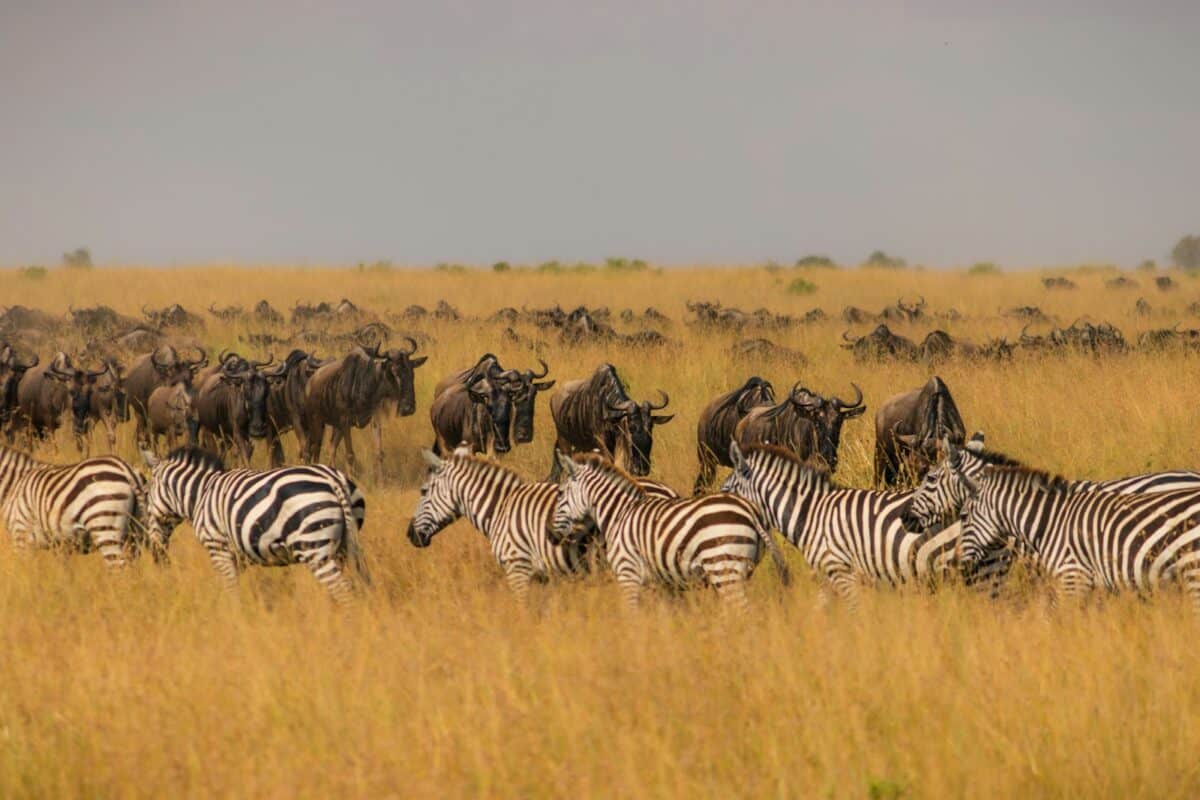
Zebras are known for their striking appearance, but there’s a quieter, lesser-known aspect that piques the curiosity of animal enthusiasts and scientists alike—their silence. When zebras migrate across vast distances, their reserved demeanour leaves observers with a sense of mystery. This article delves into the intriguing reasons why zebras maintain such silence during migration, explored through various facets of their behaviour and ecology.
The Legendary Stripes: An Evolutionary Perspective
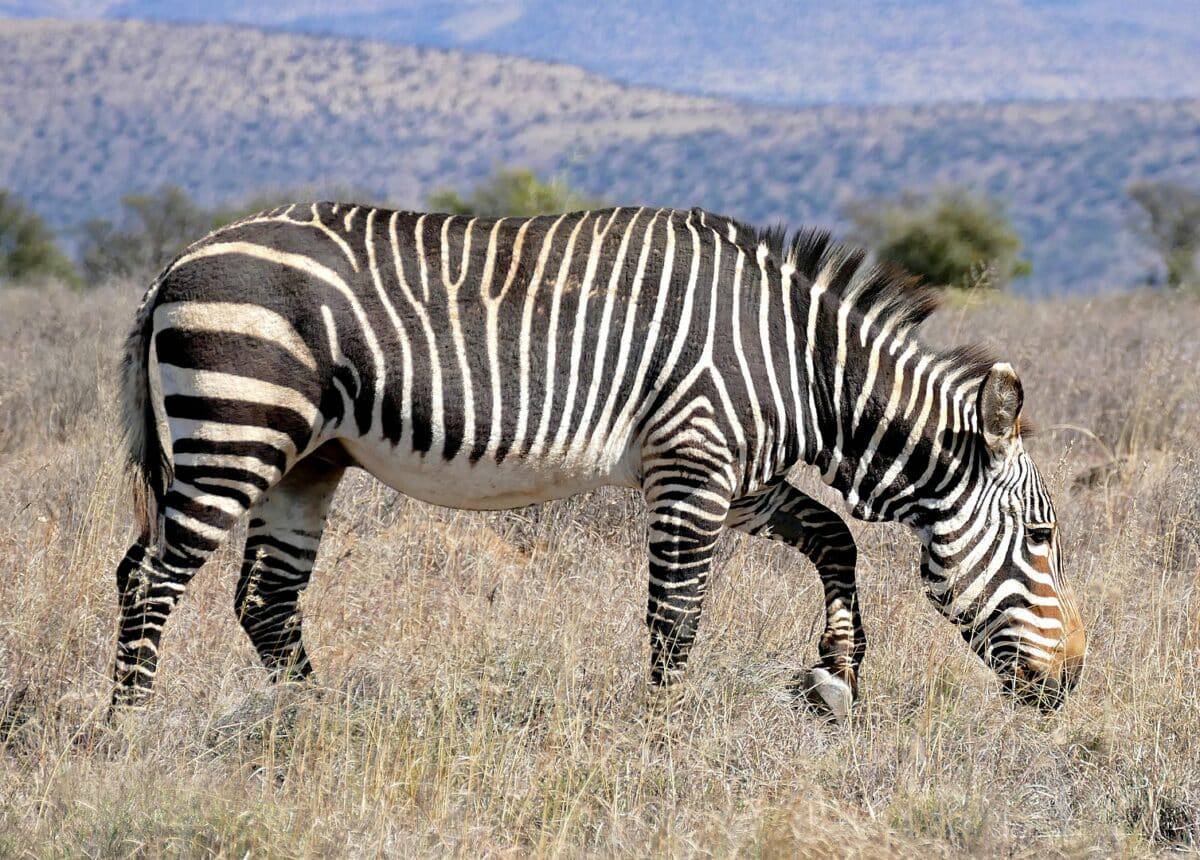
Zebras are instantly recognizable due to their bold black and white stripes, which serve as a camouflage mechanism in the wild. The stripes create a visual illusion that helps zebras blend into their surroundings, making it difficult for predators to single out individuals. Similarly, during migration, keeping silent complements this strategy by reducing the chances of drawing unwanted attention.
Understanding Zebra Communication

Despite their silent migration, zebras are inherently social animals that communicate using a variety of vocalizations within their herd. Sounds like barks, brays, and snorts are typical during rest or grazing. However, during migration, vocal communication is significantly minimized as a precautionary tactic to avoid predation.
The Role of Social Structure

Within zebra herds, intricate social bonds exist. These ties are reinforced through visual and olfactory signals rather than vocal ones. The establishment of a tight-knit group makes vocal communication less necessary during movement, as body language and familiarity guide their interactions efficiently.
Predation Pressures: Staying Below the Radar

One of the primary reasons zebras remain silent during migration is to avoid attracting predators such as lions and hyenas. The open savannah offers little in terms of natural defense, making it crucial for zebras to migrate quietly, reducing the likelihood of alerting predators to their presence.
The Secrets of Zebra Navigation
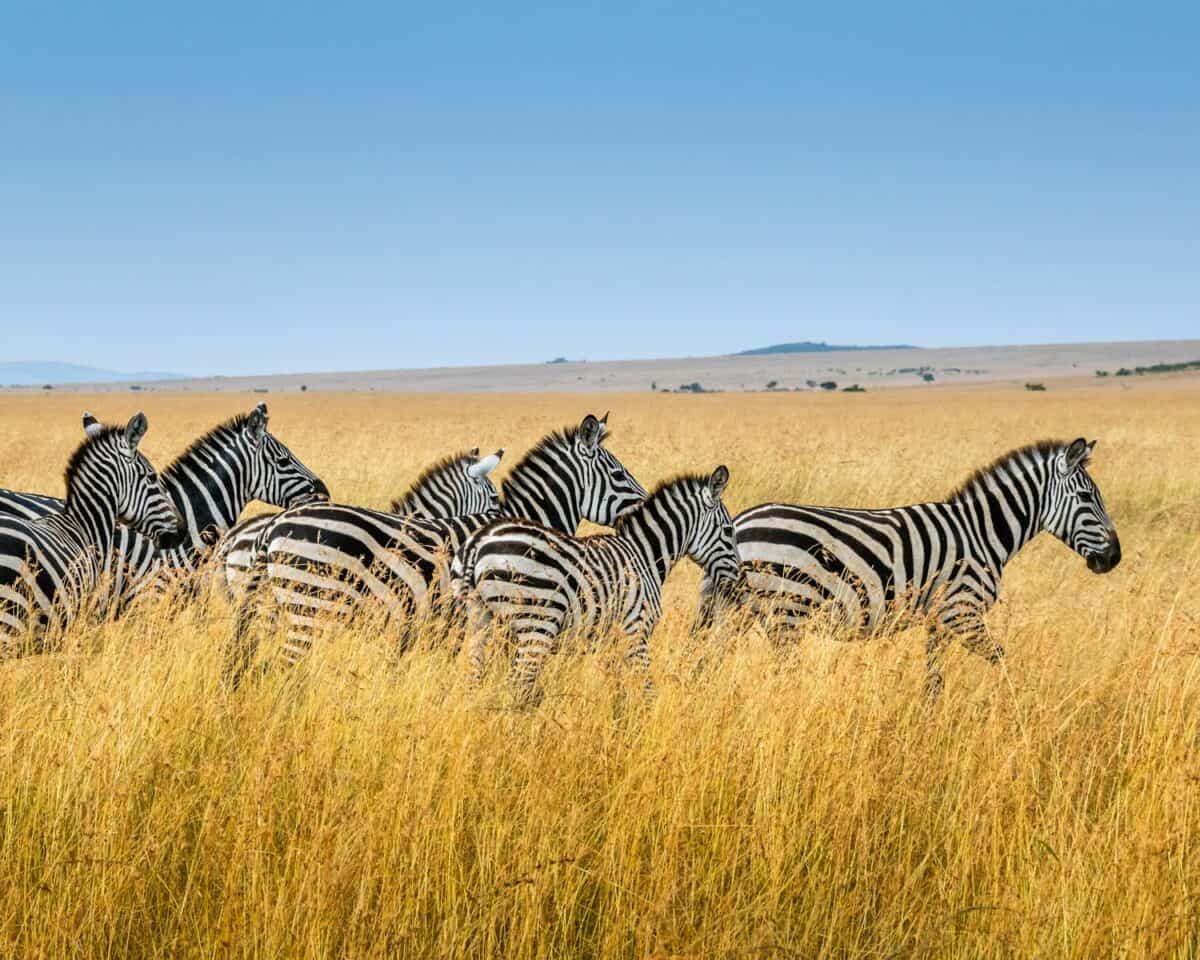
Understanding their instincts and learned behaviours is central to explaining how zebras navigate without verbal cues. Zebras rely heavily on environmental markers and the paths of other animal species, following familiar routes year after year. Silence ensures that these migrations remain orderly and undisturbed by external threats.
Camouflage Beyond the Stripes
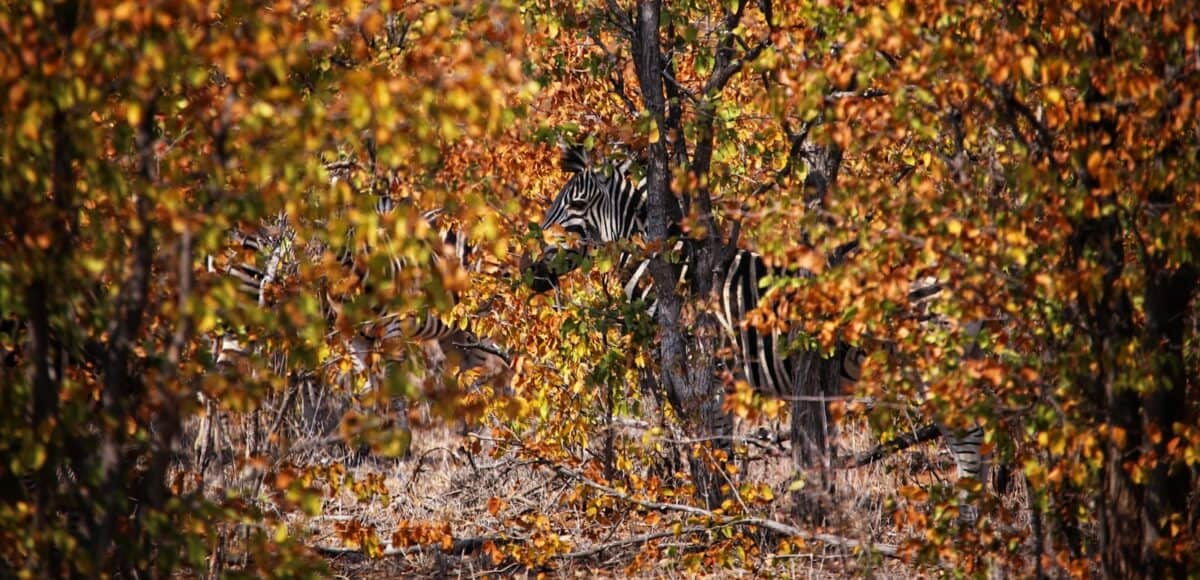
While their physical appearance is a deterrent in itself, silence enhances their camouflage. Even the slightest sound can disrupt the illusion of unity within the herd, potentially breaking their protective pattern and making them more visible to predators.
The Importance of Energy Conservation

Migrations are long and exhausting, with zebras traveling hundreds of miles in search of food and water. Silence can be a means of energy conservation, where every ounce of stamina is reserved for the journey itself rather than vocal communication.
Zebra Adaptation to Environmental Challenges

Zebras have adapted to their environment in many profound and subtle ways. Maintaining silence amidst the chaos of migration is an adaptation that speaks to their resilience and resourcefulness in responding to the challenges posed by their ecosystem.
The Impact of Human Interaction

Human activities such as poaching and habitat destruction pose significant threats to zebra populations. As a result, quieter migration could also be a survival adaptation to minimize the likelihood of human encounters that could prove detrimental.
The Interplay Between Zebras and Other Species
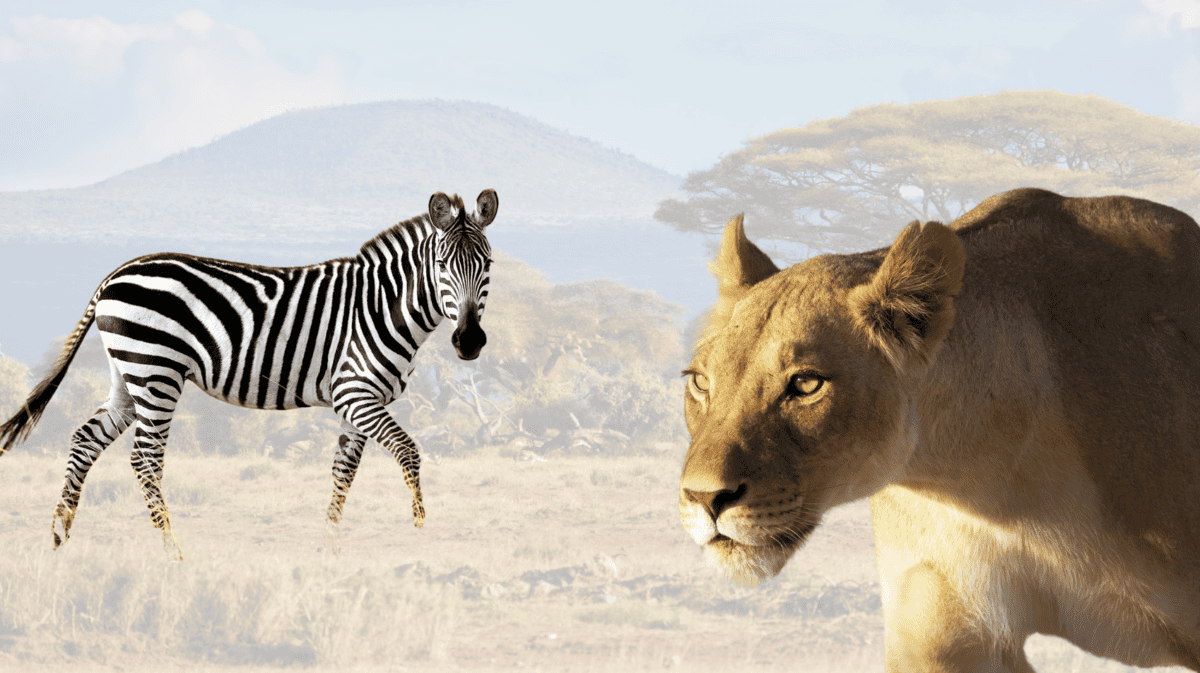
Zebras often migrate alongside wildebeests and other herbivores. This cooperative behaviour allows the group to benefit mutually, as the combined herd is more difficult for predators to single out. Silence plays a critical role in maintaining cohesion and coordination among these diverse species.
Lessons from Silence: A Broader Ecological Insight
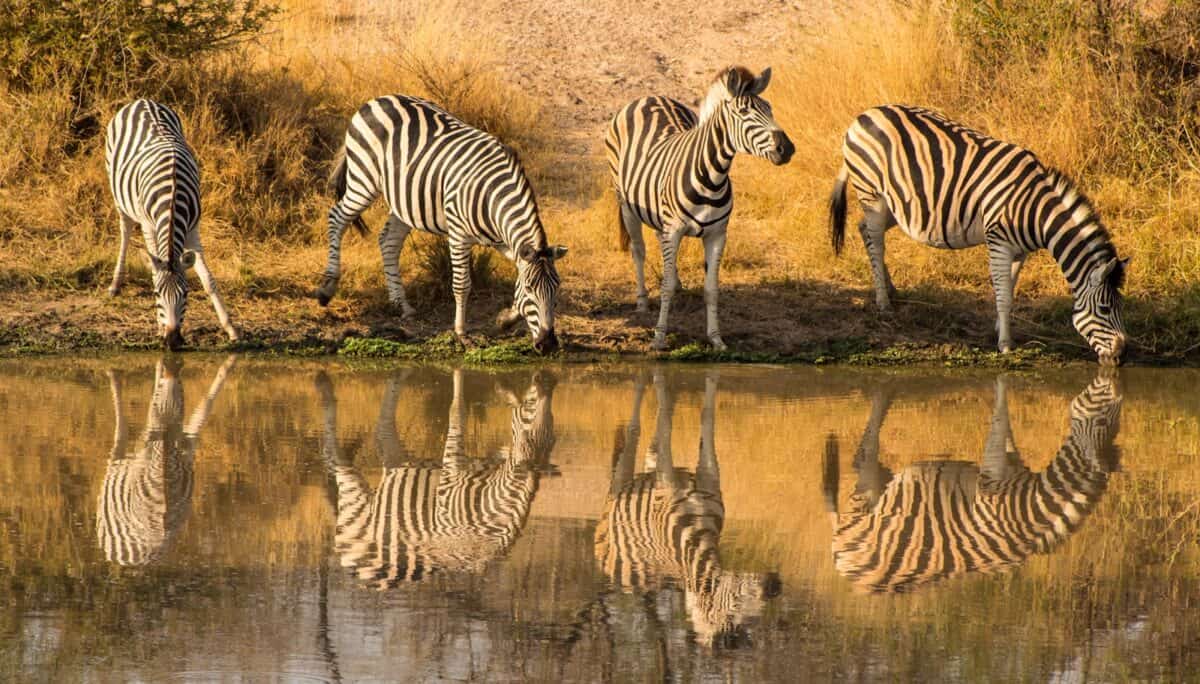
The silent migration of zebras offers broader ecological insights into the balance of predator-prey dynamics and the adaptive behaviors necessary for survival. Understanding these patterns provides essential lessons in conservation biology and the intricate tapestry of life in the wild.
The Enduring Enigma of Silent Movement

The silence of zebras during migration remains an evocative symbol of nature’s complexity. It displays the delicate harmony within their existence in the savannah, a testament to their instinctual intelligence and survival strategy. The quiet hum of their journey across the plains invites us to contemplate the wonders of the natural world and the hidden stories behind every creature’s path.
In conclusion, the quiet conduct of zebras during their migratory journeys is not merely a behavioural quirk but a profound survival strategy shaped by evolution and environmental pressures. These silences speak volumes about the sophistication and resilience of zebras, illuminating the depth and subtlety inherent in nature’s grand design.

- How Crickets Chirp Using Their Wings - July 20, 2026
- The Largest Sea Turtle Ever Rescued Off North Carolina - July 20, 2026
- The Ocean’s Escape Artist: Why Octopuses Outsmart Us All - July 20, 2026