
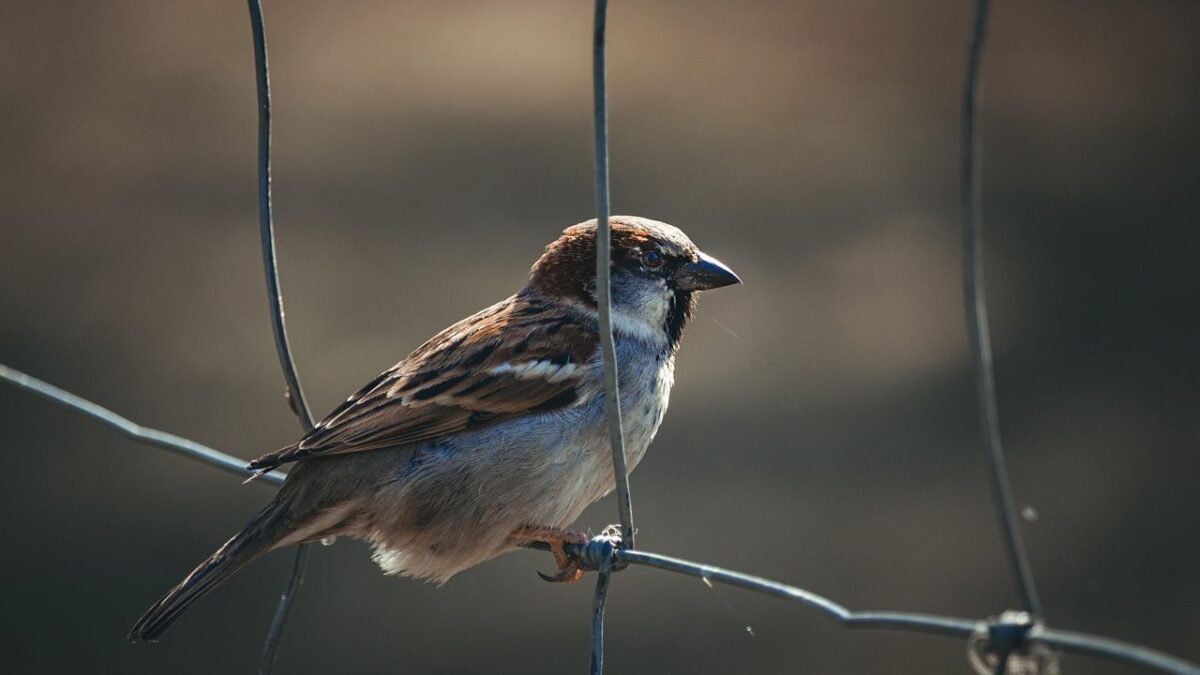
Walk through any major city today and chances are you’ll hear something unexpected overhead. Not the hum of traffic or the grind of construction, but the sharp call of a peregrine falcon cutting between skyscrapers, or the soft cooing of a mourning dove tucked behind a window ledge. Birds, it turns out, have been quietly moving in.
One study documented that roughly one in five of the world’s bird species now occur in urban areas. That’s a striking number, especially given how inhospitable cities can seem to wildlife. The reasons behind this shift are more layered than simple opportunism, and understanding them reveals something genuinely fascinating about how life adapts when the landscape around it changes beyond recognition.
The Traits That Make a City Bird
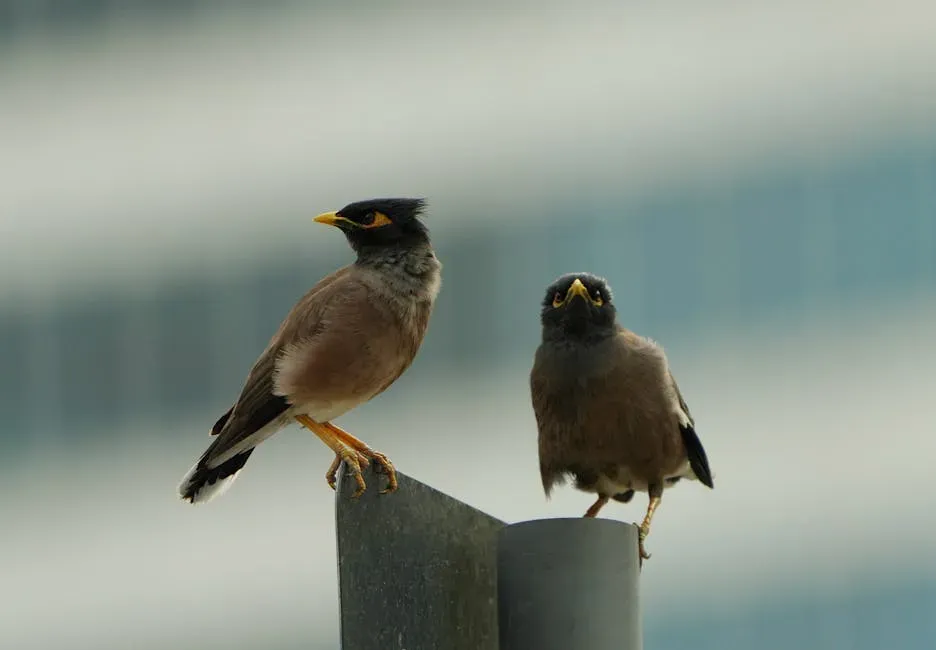
Not every species makes the cut. Cities are selective environments, and the birds that thrive there tend to share a recognizable set of characteristics. Urban bird species tend to be smaller and less territorial, have a greater ability to fly long distances, and tend to have broader dietary and habitat niches.
Urban bird species are also characterized by large breeding distributions, high propensity for dispersal, high rates of feeding innovation, less fear toward humans, and a life history marked by high annual fecundity and adult survival rates. These aren’t just convenient traits. They’re practically a checklist for city life.
Research published in 2026 studying bird communities across Italian cities found that urban “winners” were characterized by traits such as colonial nesting, high productivity, and longevity, and in winter displayed generalist foraging strategies. Meanwhile, species negatively affected by urbanization tended to be insectivorous, ground-nesting, and short-distance migratory species, the very ones that struggle to pivot when their habitat changes.
Bird families with high average urban success scores include starlings, swifts, swallows, parrots, orioles, and blackbirds. These groups share a flexibility that allows them to read and respond to a constantly shifting environment in ways more specialized birds simply cannot.
Cities as Unlikely Safe Havens for Nesting
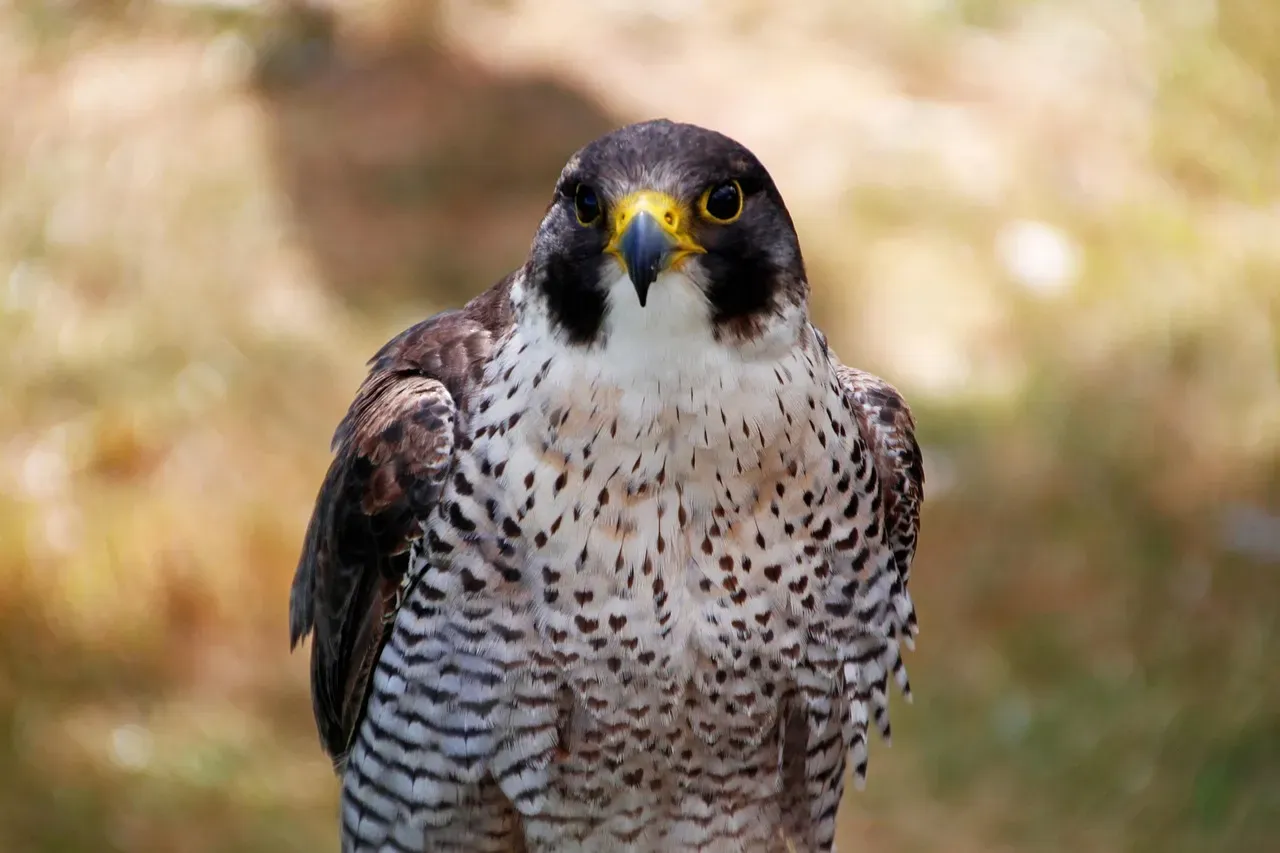
It might seem counterintuitive, but in some measurable ways cities offer birds safer nesting conditions than the countryside. Cities provide additional and safer nesting sites compared to rural habitats. Fewer large predators patrol rooftops and building ledges than forest floors, and that matters enormously to a nesting bird.
The peregrine falcon, for instance, takes advantage of tall buildings as nest sites and an abundance of prey such as pigeons and ducks. Large urban areas offer an abundant prey base, a lack of great horned owls, and tall buildings that mimic cliff faces while offering relative solitude high above the streets. For a species that once hunted along coastal cliffs, a downtown tower block is a surprisingly good substitute.
Urban peregrines today may experience greater breeding success and chances of survival than their rural counterparts, with this success typically attributed to suitable prey and nesting sites in urban environments. That’s a remarkable reversal from the pesticide-driven collapse the species suffered in the mid-twentieth century.
Research also suggests that shrub-nesting in urban habitats may be safer, likely due to lower predation pressure and favorable nesting sites for shrub-nesting species in cities. Reduced nest predation alone can tip the scales toward reproductive success in an otherwise stressful environment.
Rewiring Behavior: How Birds Adjust to Urban Noise and Light
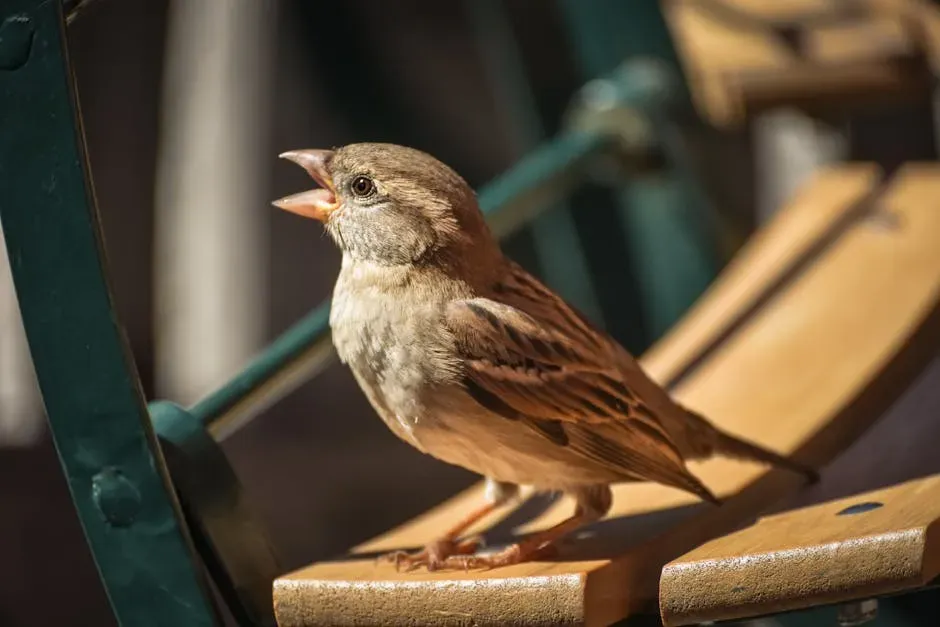
Noise pollution in city environments poses a challenge for birds when it comes to communication. Species that live in cities have adapted their birdsong to a higher frequency in an attempt to be heard over traffic and construction noise, and birds that rely on their song for mating or territory defense may sing louder or longer to overcome background noise.
Robins and pigeons have also been documented shifting their vocalizations to quieter moments of the day, such as early in the morning or late at night, when traffic noise is less intense. This kind of behavioral scheduling shows a level of environmental awareness that researchers have only recently begun to fully document.
Northern Mockingbirds, for example, build nests lower to the ground in cities and sing more often at night, where there is artificial light. Research also shows they can recognize individual people who have disturbed their nests, reacting more strongly to them than to strangers. That’s not just adaptation. That’s something closer to social intelligence.
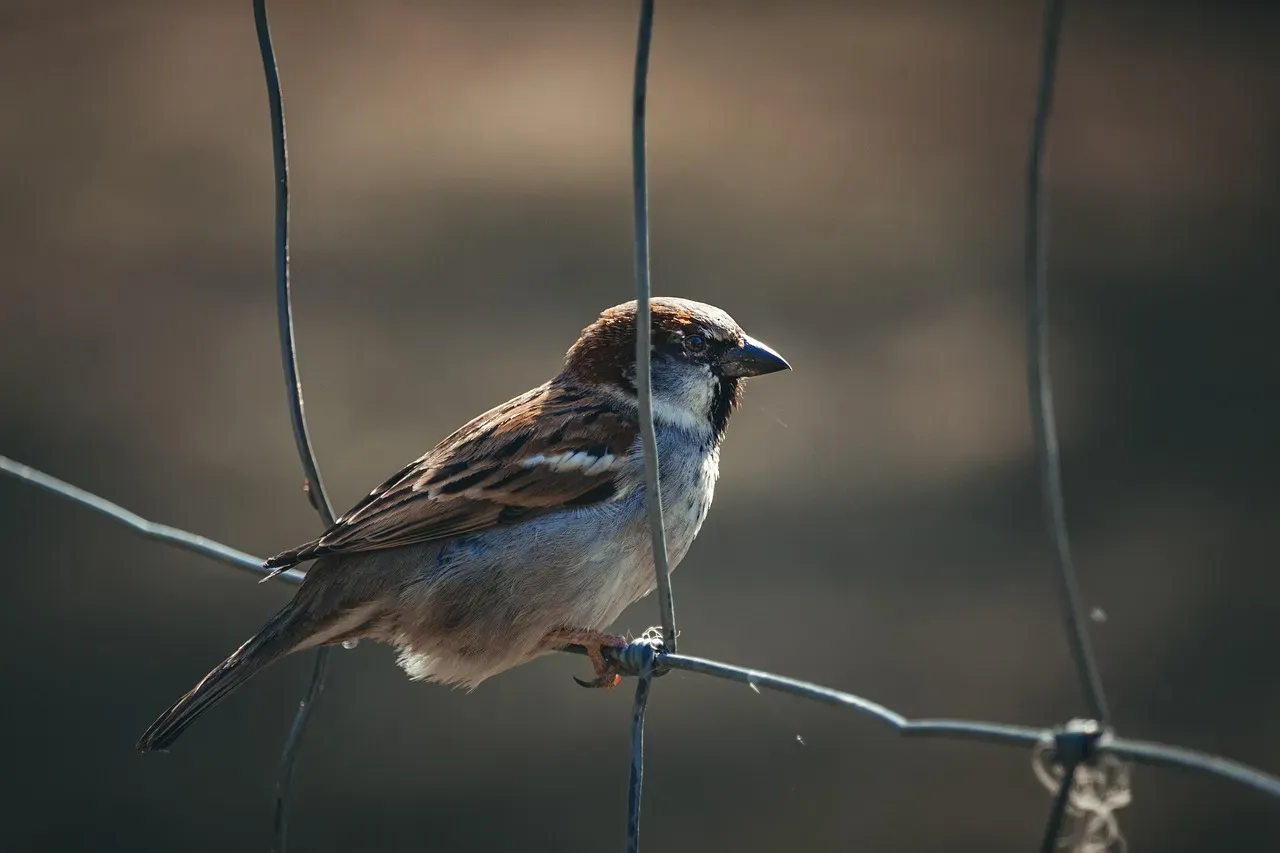
Studies show that city sparrows sing at higher pitches to rise above traffic noise and have stronger immune systems to handle pollution better than rural sparrows. The physiological adjustments run deeper than behavior alone, touching on immunity and stress response in ways scientists are still working to understand.
Reinventing the Nest: Building With Whatever the City Offers

One of the more striking shifts in urban nesting behavior involves the materials birds use to construct their homes. In natural settings, nests are built from twigs, plant fibers, moss, and feathers. Cities offer a very different palette. Urban birds have evolved to be more creative with what they use to build their nests, and have been seen using plastic rubbish, string, and paper rather than twigs and leaves.
One particularly striking example is the use of cigarette butts in nests. Both House Sparrows and House Finches have been shown to include cigarette butts as nesting materials, and the nicotine appears to work as an effective insect repellent against ectoparasites, with more butts correlating to less nest infestation. It’s a genuinely strange discovery, though researchers note this repellent seems to come with physiological costs to the parent birds.
Research on dark-eyed juncos found that nests placed in ecologically novel locations, off the ground and on artificial surfaces, actually increased fitness. The findings suggest that behavioral plasticity facilitates adaptation to urban environments, and that the drivers behind novel nesting behaviors are complex and multifaceted.
Green Spaces, Urban Planning, and the Future of City Birds
The story of birds in cities isn’t just about the birds. It’s also about the choices cities make. In response to urbanization, birds actively seek suitable nesting sites and develop optimal breeding strategies for their survival and prosperity in cities. Whether they find those sites often depends on how cities are designed and maintained.
Urban birds play a vital role in shaping urban ecology and supporting urban biodiversity worldwide. More than half of the planet’s population now lives in cities, making green spaces with native vegetation crucial for nesting sites and food for many species. Parks, street trees, rooftop gardens, and even neglected lots can serve as critical corridors.
While urbanization is one of the most significant threats to avian diversity, low and intermediate levels of urban development can actually provide birds with convenient conditions for breeding and wintering. The relationship isn’t simply negative. It’s nuanced, and urban design decisions carry real ecological weight.
A dramatic loss of biodiversity will accompany urbanization unless there are practical plans to preserve it. Identifying traits that help wildlife adapt or even thrive in cities can help urban planners bolster biodiversity by increasing green spaces, planting more and taller trees, building more varied potential habitats, or reducing housing density. The science is increasingly clear on what helps. The question is whether cities choose to listen.
Conclusion
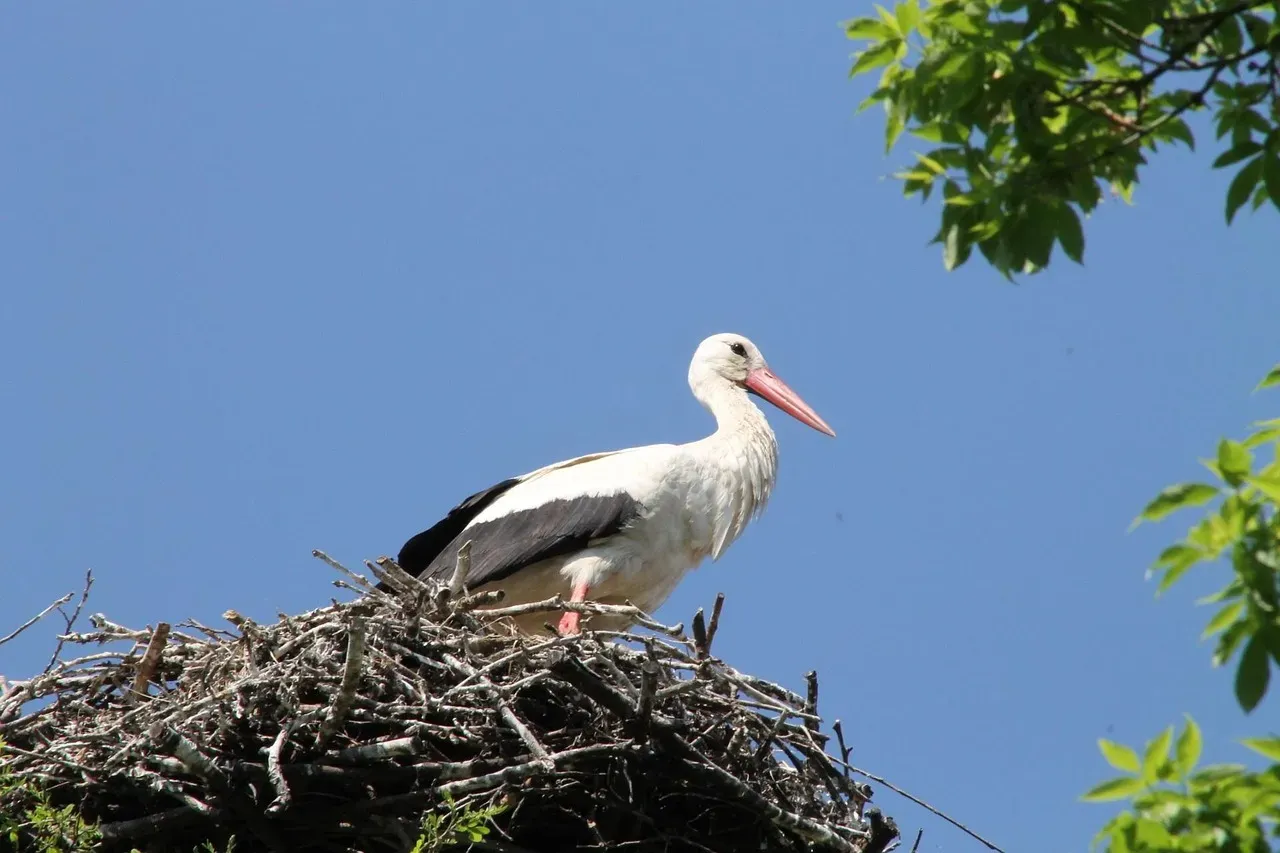
Birds nesting in urban areas aren’t making a mistake. In many cases, they’re making a calculated, biologically driven choice shaped by millions of years of evolution, compressed into just a few decades of rapid environmental change. To survive and breed successfully in urban environments, birds have had to adapt to trade-offs between the pressures specific to urban settings and the benefits these new habitats offer.
A growing body of research reveals the surprising ways that some bird species are changing to adapt to urban life, with scientists finding that some birds alter how they sense the world, how they communicate, and even their physical characteristics to survive in cities. The scale of this adaptation, happening in real time and in plain sight, is extraordinary.
The birds watching us from window ledges and rooftop edges aren’t just tolerated tenants. They’re indicators. Their presence, behavior, and choices reflect the health and design of the cities we’ve built. In that sense, they’re offering us something rare: an honest, unfiltered read on the world we’ve made, one nest at a time.

- 12 Common Mistakes Pet Owners Make That Can Harm Their Beloved Animals - July 19, 2026
- Why Mangroves Are Vital to Florida’s Coast - July 19, 2026
- How Did Reindeer Become a Symbol of Christmas? - July 19, 2026