


When most people think of biodiversity hotspots, the Amazon rainforest immediately comes to mind. With its vast expanse of lush vegetation and countless species, it has earned its reputation as one of Earth’s most biodiverse regions. However, there’s a mountain range that surpasses even the mighty Amazon in terms of biodiversity concentration: the tropical Andes. Stretching approximately 4,300 miles along South America’s western edge, this remarkable mountain chain contains more species per unit area than any other hotspot on the planet, including the Amazon basin. The unique combination of elevation gradients, varied microclimates, geological history, and evolutionary isolation has created an unparalleled cradle of life that scientists continue to study with awe and urgency.
The Tropical Andes: A Biodiversity Powerhouse
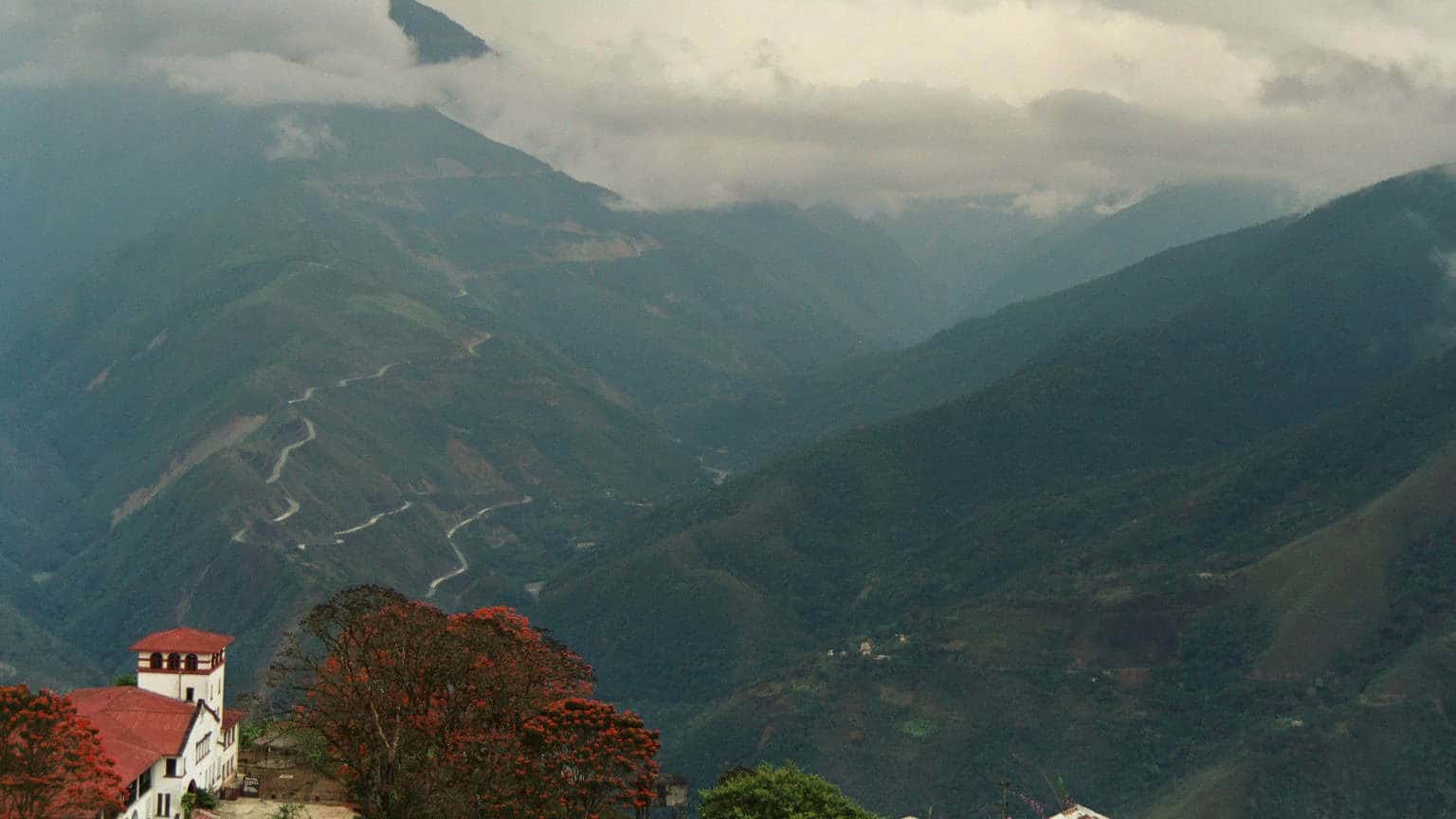
The tropical Andes run through Venezuela, Colombia, Ecuador, Peru, and Bolivia, covering about 1.5 million square kilometers. While this area represents just 1% of the Earth’s land surface, it harbors an astonishing 15-17% of all plant life on the planet and nearly 20% of all bird diversity. The density of unique species in this relatively small area exceeds that of the much larger Amazon basin. The Andes contain approximately 45,000 plant species (20,000 of which are endemic, meaning they’re found nowhere else), compared to the Amazon’s 40,000 species spread across a much larger area. This remarkable concentration of life forms makes the tropical Andes the most biodiverse place on Earth when measured by species density rather than total species count.
Elevational Gradients: Nature’s Biodiversity Engine
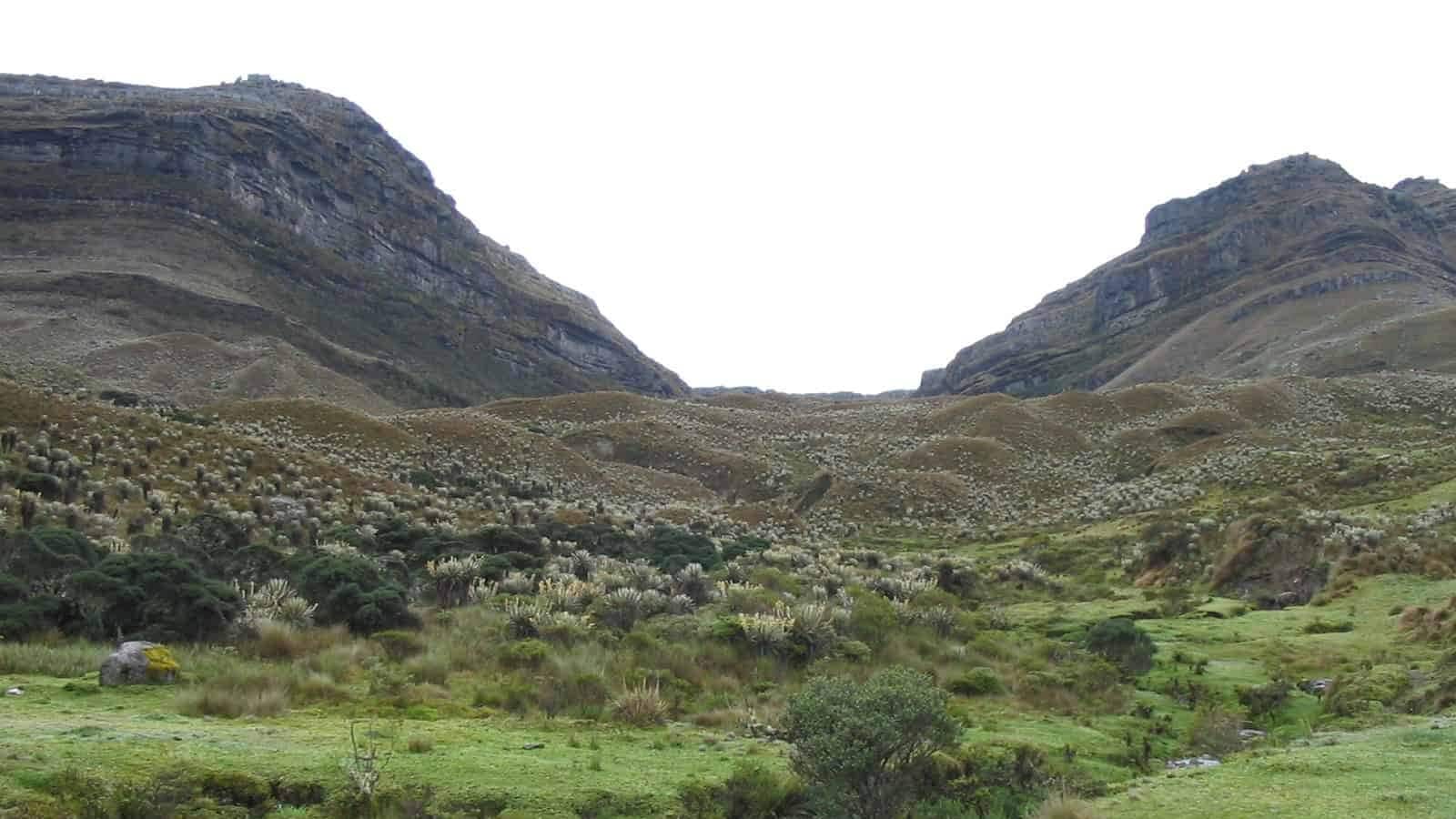
One of the primary reasons for the Andes’ exceptional biodiversity is its dramatic elevation gradients. While the Amazon offers a relatively uniform lowland environment, the Andes present multiple ecological zones stacked vertically within short horizontal distances. From tropical lowlands at the base to páramo ecosystems and permanent snowfields at the peaks, the mountains create a stunning variety of habitats. Each 100-meter change in elevation produces different temperature and precipitation patterns, effectively creating new ecological niches where specialized species can evolve. A single Andean mountainside can contain as many distinct habitats as would be found traveling thousands of kilometers across flat terrain, essentially compressing biodiversity into a much smaller geographical footprint.
The Evolutionary Laboratory Effect
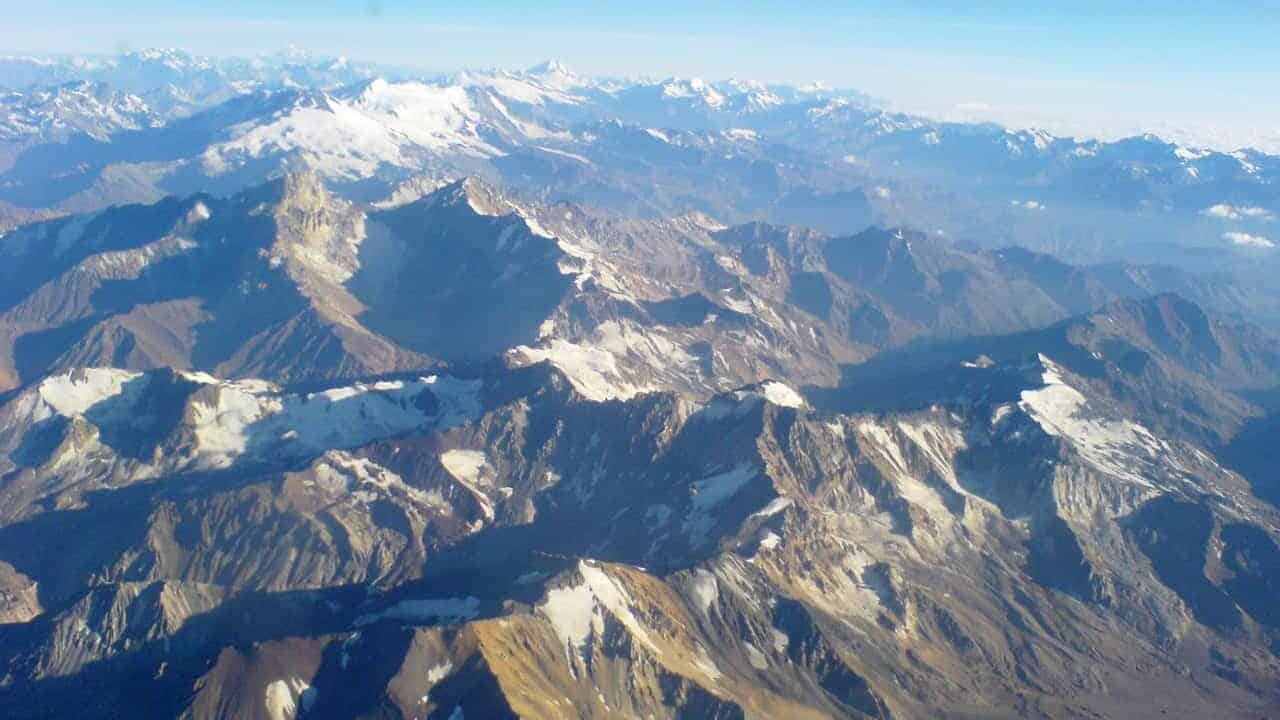
The Andes Mountains have functioned as a spectacular evolutionary laboratory for millions of years. The mountain-building process itself, which began approximately 25 million years ago but intensified 10-12 million years ago, created countless isolated valleys and plateaus where species evolved in relative isolation from their neighbors. This geographical isolation led to allopatric speciation—the formation of new species when populations become separated. Additionally, as climate zones shifted up and down the mountains during glacial and interglacial periods, species had to adapt or migrate, further driving evolutionary innovation. The result is an evolutionary tapestry of remarkable complexity, with many species having evolved relatively recently in geological time, making the Andes a showcase of ongoing evolution.
Cloud Forests: Biodiversity Jewels
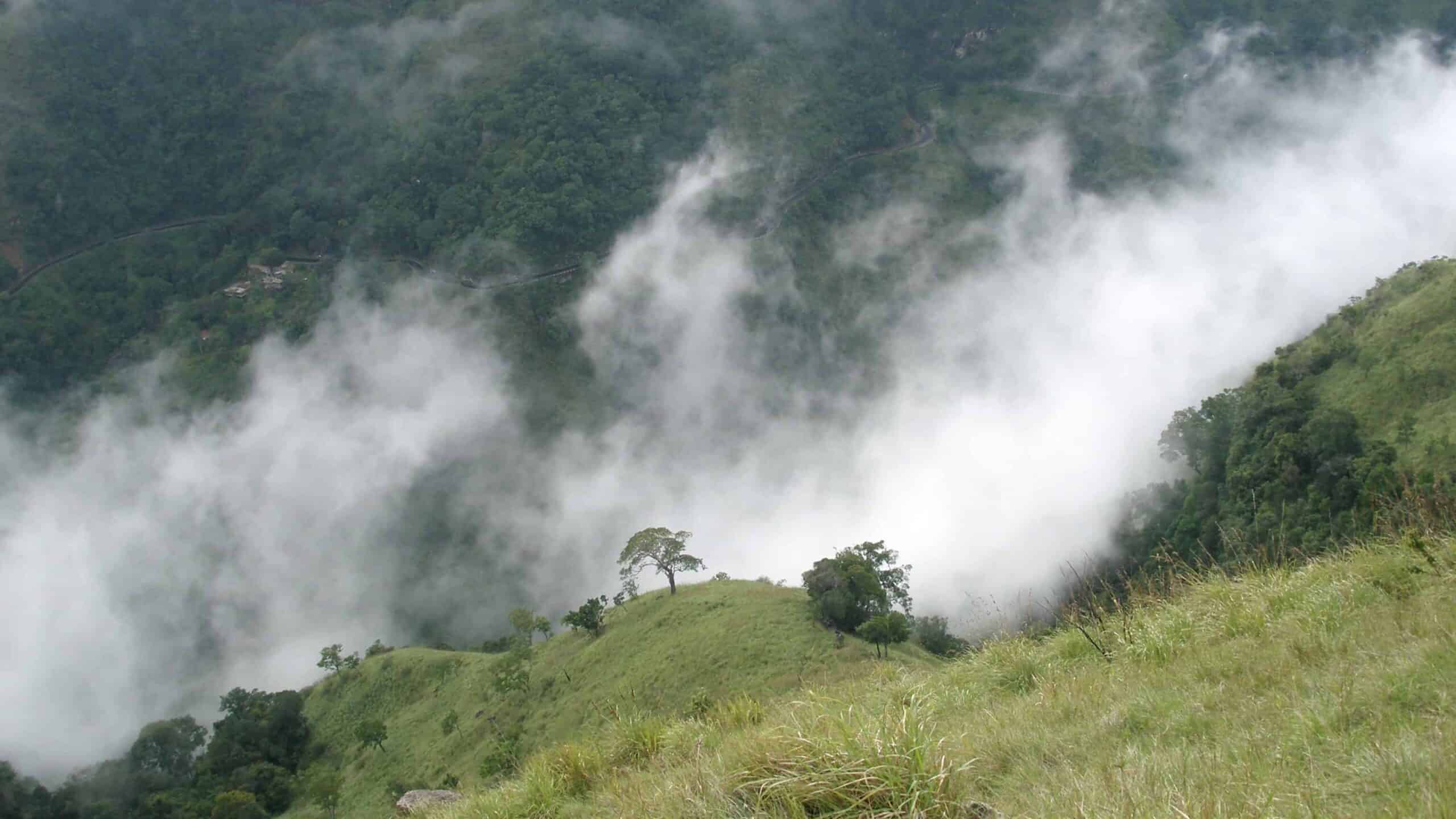
Andean cloud forests represent some of the most biodiverse ecosystems on the planet. These misty, moisture-laden forests typically occur between 1,000 and 3,500 meters above sea level where mountains capture cloud moisture directly from the atmosphere. They cover just 0.14% of the Earth’s land but contain approximately 50% of Colombia’s biodiversity and similar proportions in other Andean countries. The perpetual moisture creates ideal conditions for epiphytes—plants that grow on other plants—including thousands of orchid species, bromeliads, and mosses. A single hectare of Andean cloud forest can contain more tree species than all of Europe combined. These forests are also home to iconic species like the spectacled bear, mountain tapir, and hundreds of hummingbird species that have co-evolved with the region’s exceptional floral diversity.
Páramo Ecosystems: High-Altitude Specialization
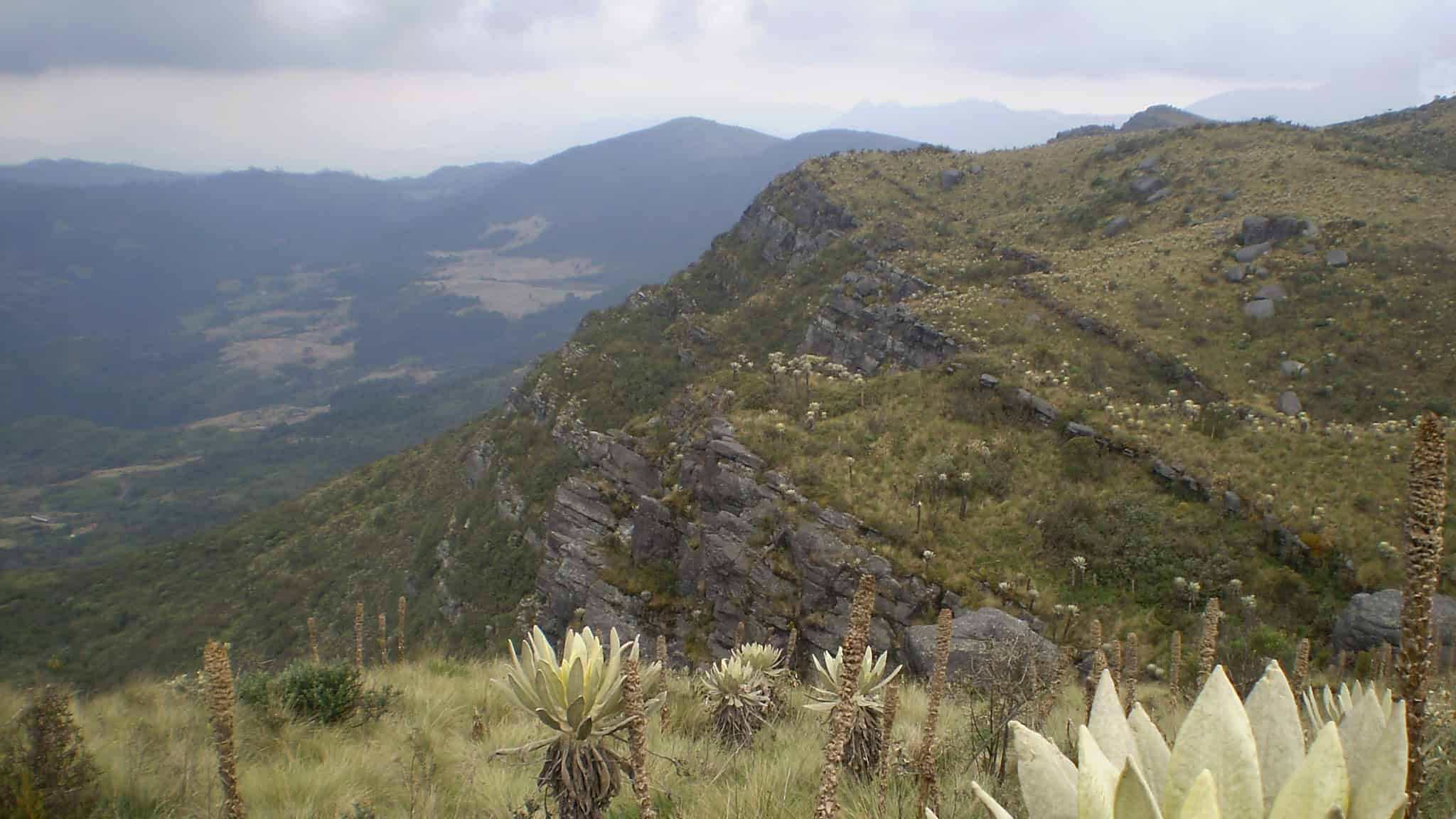
Above the cloud forests lie the páramos, unique high-altitude tropical ecosystems found almost exclusively in the northern Andes between the treeline (around 3,500 meters) and the permanent snowline (around 5,000 meters). These “islands in the sky” harbor extraordinary levels of endemism, with approximately 60% of their 5,000+ plant species found nowhere else on Earth. Páramos are dominated by distinctive frailejones (Espeletia), giant rosette plants that have evolved specialized adaptations to survive freezing nights and intense daytime UV radiation. These ecosystems also serve as critical water sources, with specialized vegetation and soils that act like sponges, capturing moisture from the air and releasing it slowly to form the headwaters of major river systems. Despite covering just 2% of Colombia, Ecuador, Venezuela, and Peru, páramos provide water for more than 100 million people.
Geological Forces Behind the Diversity
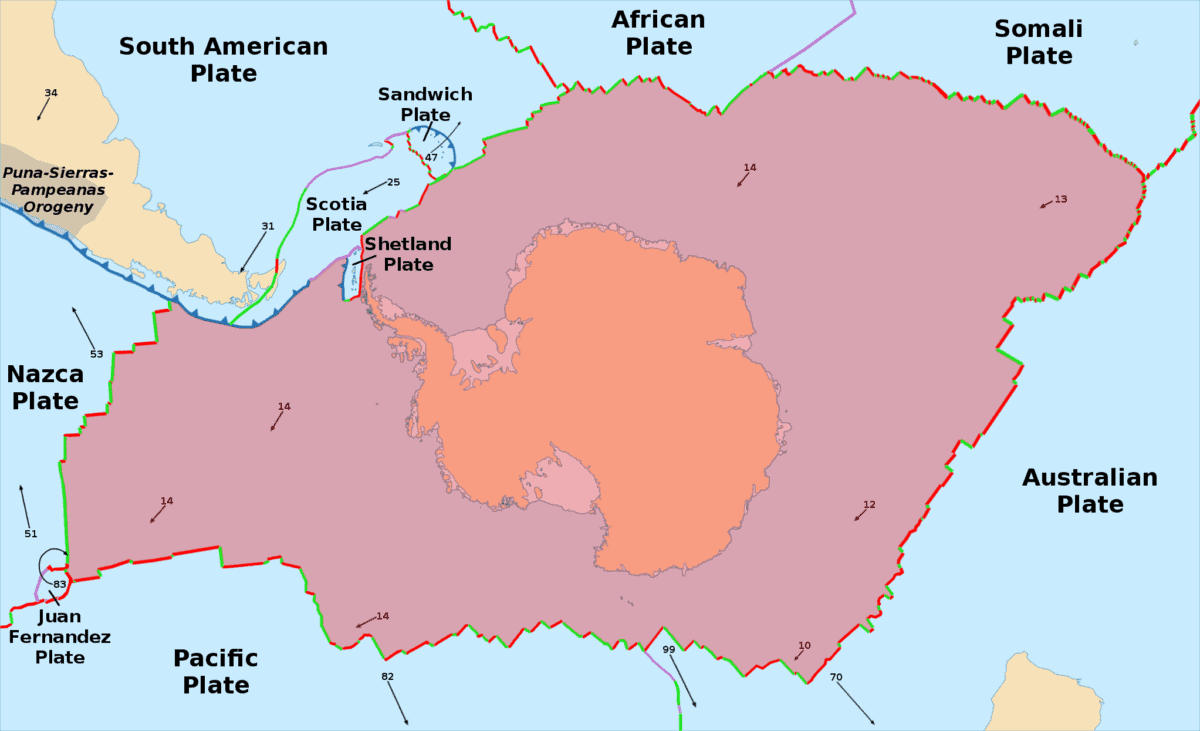
The geological history of the Andes has been instrumental in creating its biodiversity. Unlike older, more weathered mountain ranges, the Andes are geologically young and dynamic. Their formation involved the subduction of the Nazca and Antarctic oceanic plates beneath the South American continental plate, creating a complex mosaic of terrains with varied soil compositions. This geological diversity translates directly into biological diversity, as different plant communities establish themselves on soils with different mineral compositions, pH levels, and drainage characteristics. Additionally, the mountains’ formation created a rain shadow effect that produces dramatically different precipitation patterns on their eastern and western slopes. The eastern slopes, which catch moisture from the Amazon basin, are typically lush and wet, while the western slopes in many areas are drier, creating entirely different ecosystems within short distances.
Hydrological Influence: The Water Tower Effect
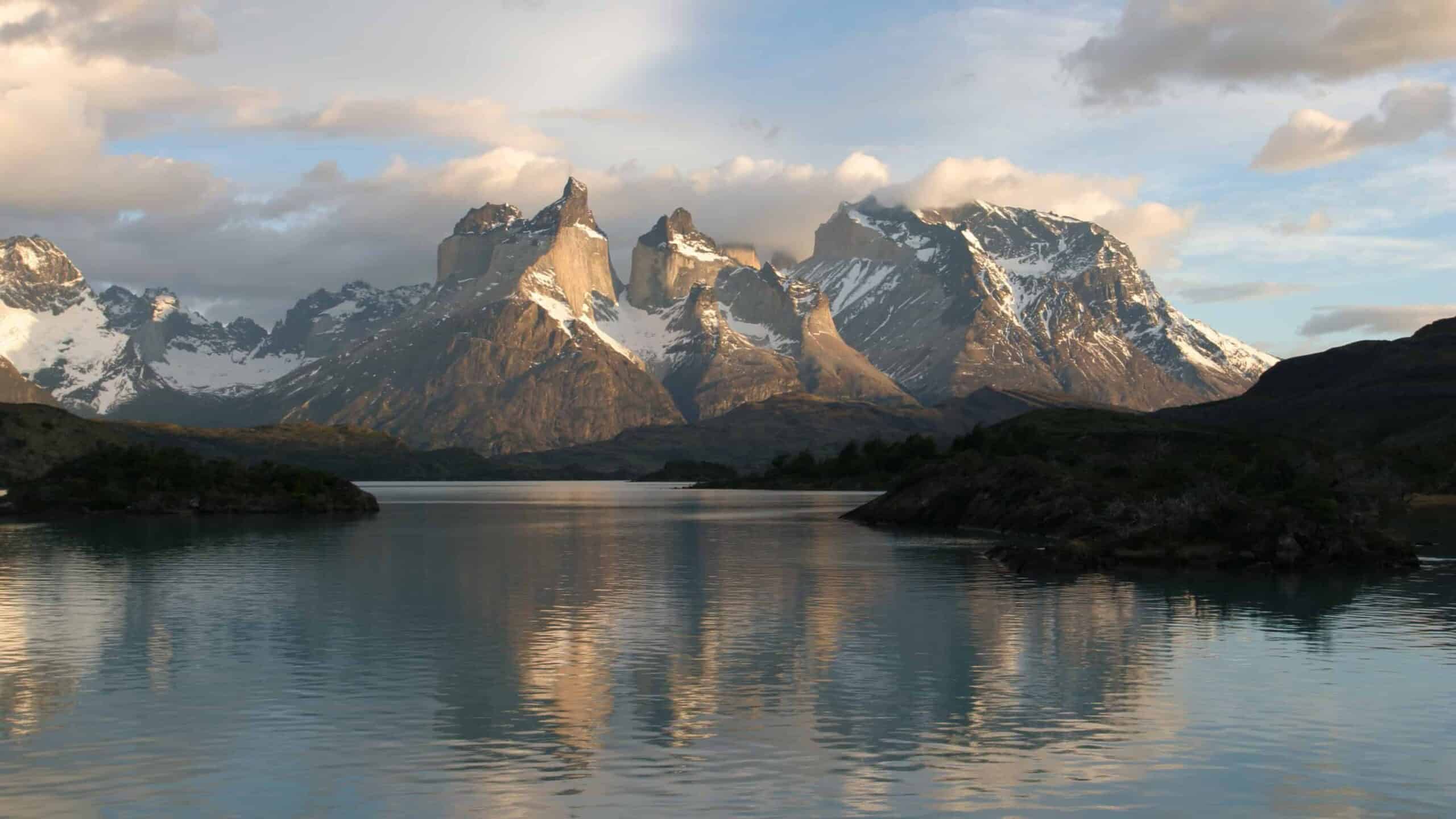
The Andes function as South America’s water towers, giving rise to countless rivers that feed both the Amazon basin to the east and the Pacific watershed to the west. This hydrological influence creates unique transition zones where Andean and Amazonian species intermingle. The eastern foothills of the Andes, known as the ceja de selva (eyebrow of the jungle), represent one of the most species-rich transition zones on Earth. Here, mountain and lowland species coexist, and many species use these areas as migration corridors. The rivers flowing from the Andes also carry nutrient-rich sediments that fertilize downstream ecosystems, including parts of the Amazon. This interdependence means the Andes not only contain exceptional biodiversity themselves but also support biodiversity in adjacent regions through their hydrological functions.
Microclimates: Biodiversity Within Biodiversity
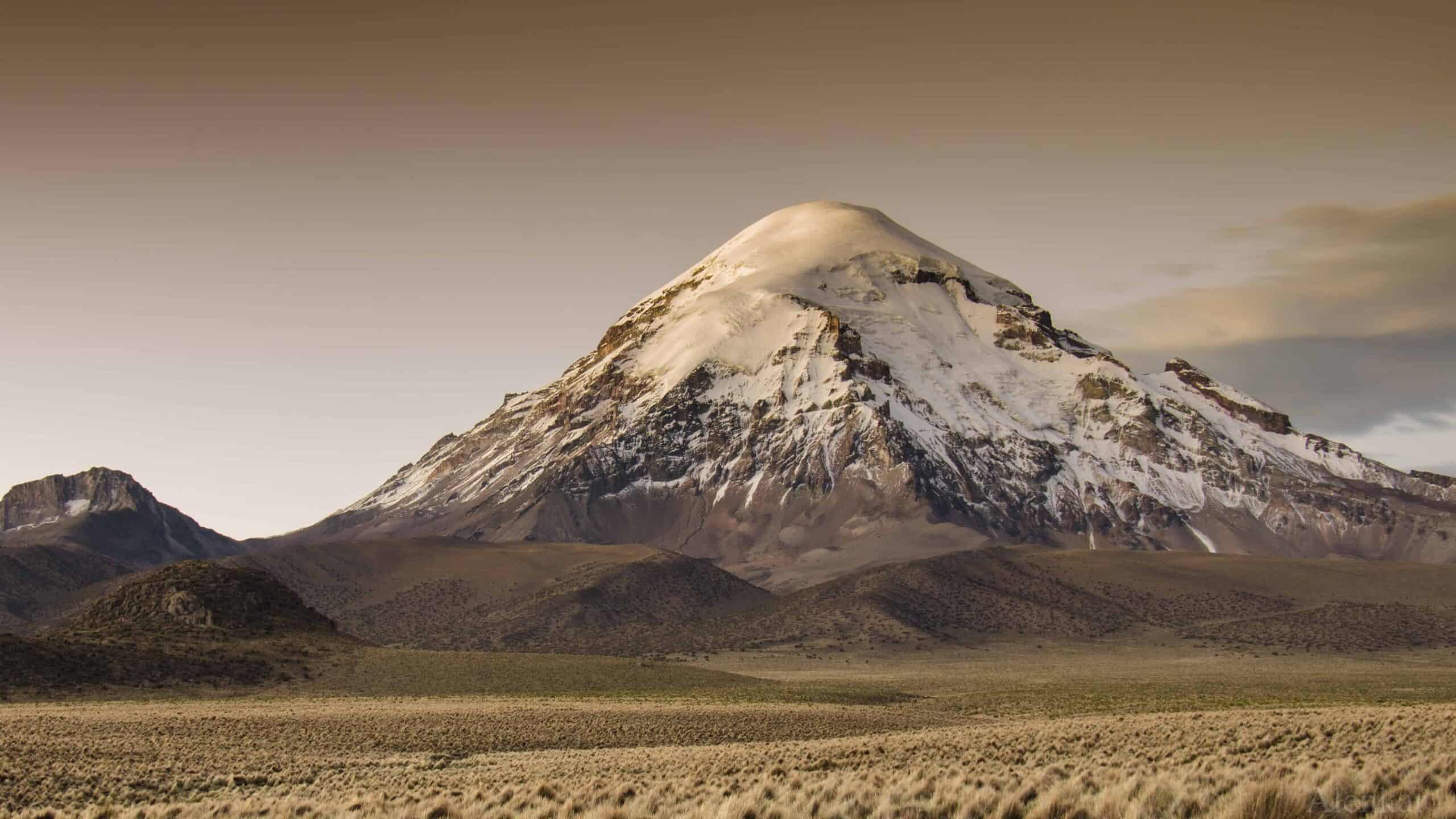
The complex topography of the Andes creates thousands of microclimates—small areas with climate conditions that differ from the surrounding region. A single Andean valley can contain dozens of microclimates determined by factors such as slope orientation, elevation, proximity to water bodies, and prevailing winds. These microclimates allow specialized species to find their optimal conditions within very small geographical areas. For instance, certain orchid species may be restricted to specific valley slopes with particular temperature and humidity patterns. Some Andean microclimates are so specific that endemic species may exist within areas smaller than a few square kilometers. This microclimate diversity contrasts with the Amazon, where conditions tend to be more uniform across larger areas, and helps explain why the Andes can pack so much biodiversity into a relatively small space.
Record-Breaking Species Richness
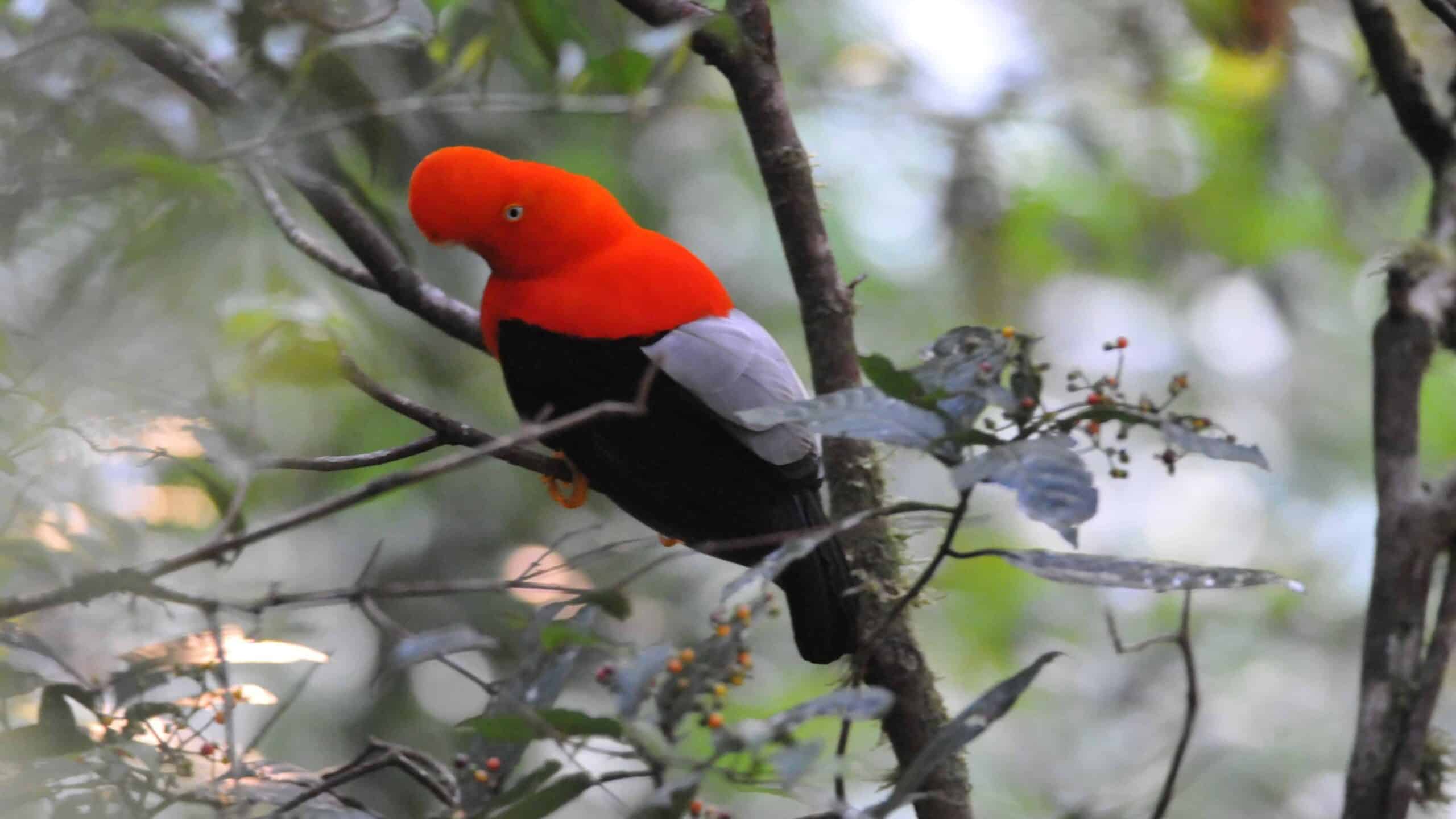
The numbers documenting the Andes’ biodiversity are staggering. The region holds world records for various measures of species richness. For example, a single hectare near Manu National Park in the Peruvian Andes was found to contain 365 tree species—more than in all of North America. For birds, the western slope of the Andes in Colombia and Ecuador is considered the most species-rich area on Earth, with more than 1,550 species. One study documented 243 species of amphibians in Manu National Park alone. For plants, the northern Andes contain an estimated 45,000 species, and new species are still being discovered at remarkable rates. In 2017, for instance, researchers working in Colombia discovered 10 new plant species in just two weeks of fieldwork. These statistics underscore not only the exceptional biodiversity of the region but also how much remains to be discovered.
Endemic Species: Evolution in Isolation
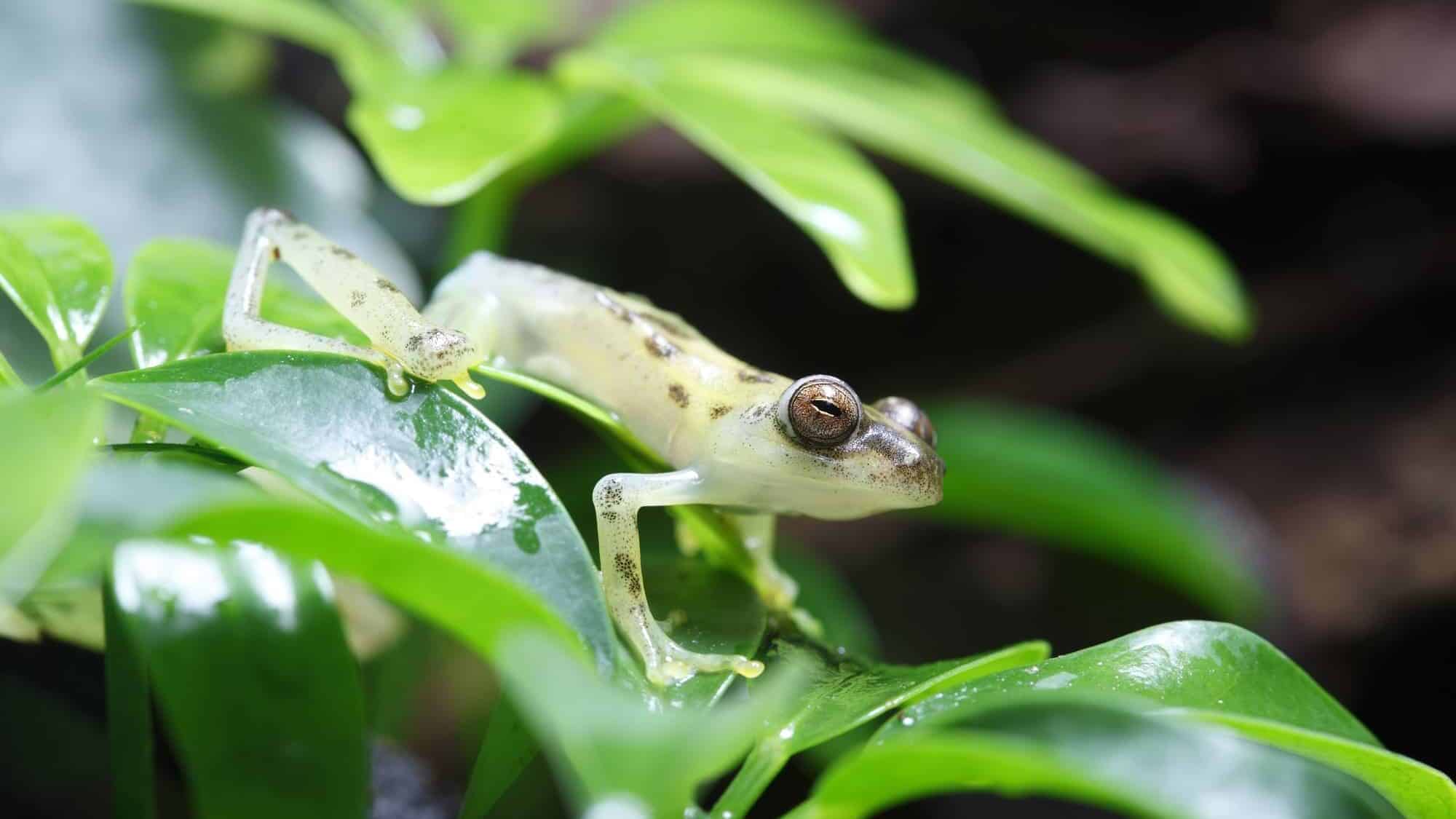
The level of endemism in the tropical Andes exceeds that of almost any other region on Earth. Approximately 50% of all plant species found in the tropical Andes exist nowhere else in the world. For amphibians, the endemism rate reaches an extraordinary 80%, with many species restricted to single valleys or mountaintops. The glass frogs (Centrolenidae) exemplify this pattern, with dozens of species each confined to specific Andean watersheds. Among birds, iconic species like the Andean cock-of-the-rock and numerous hummingbirds evolved in response to the region’s unique conditions. The isolation provided by the Andean topography has functioned as an evolutionary crucible, allowing species to diverge from their ancestors through adaptation to local conditions. This pattern of endemism stands in contrast to the Amazon, where species tend to have wider distributions due to fewer geographical barriers within the basin.
Threats to Andean Biodiversity
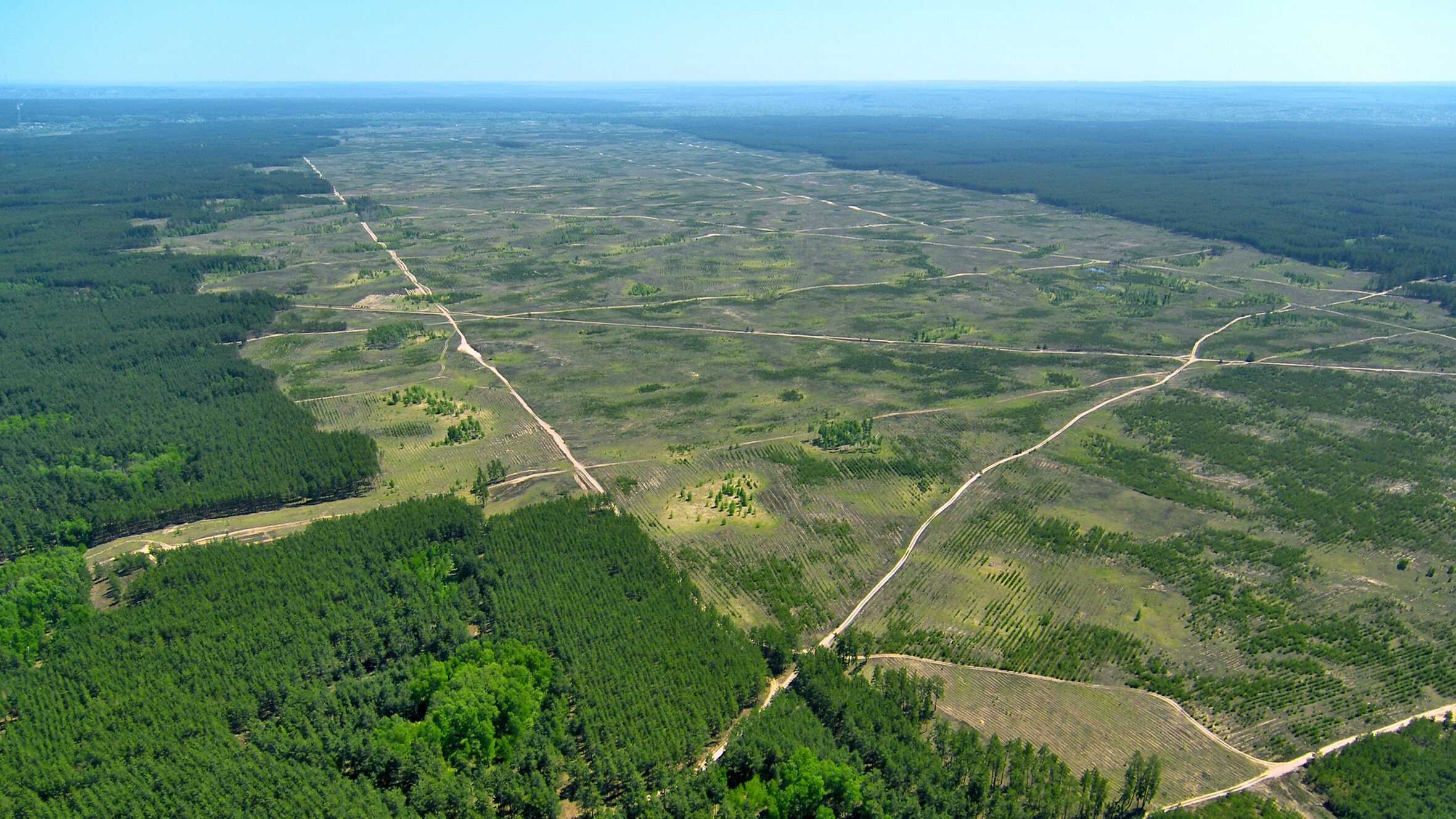
Despite its biological importance, the tropical Andes is one of the most threatened biodiversity hotspots globally. Approximately 75% of the region’s original habitat has already been altered by human activities. Deforestation for agriculture, particularly coffee, coca, and cattle ranching, continues to fragment critical habitats. Mining operations, both legal and illegal, degrade ecosystems and pollute watersheds with heavy metals and chemicals. Climate change poses perhaps the most serious long-term threat, as it disrupts the delicate temperature gradients that many Andean species depend on. High-elevation species face “mountain-top extinction” as warming temperatures push their habitable zones beyond the peaks. Urban expansion, road construction, and hydroelectric projects further threaten intact ecosystems. Conservation International estimates that the tropical Andes contains more threatened species than any other biodiversity hotspot, making conservation efforts in the region particularly urgent.
Conservation Successes and Challenges
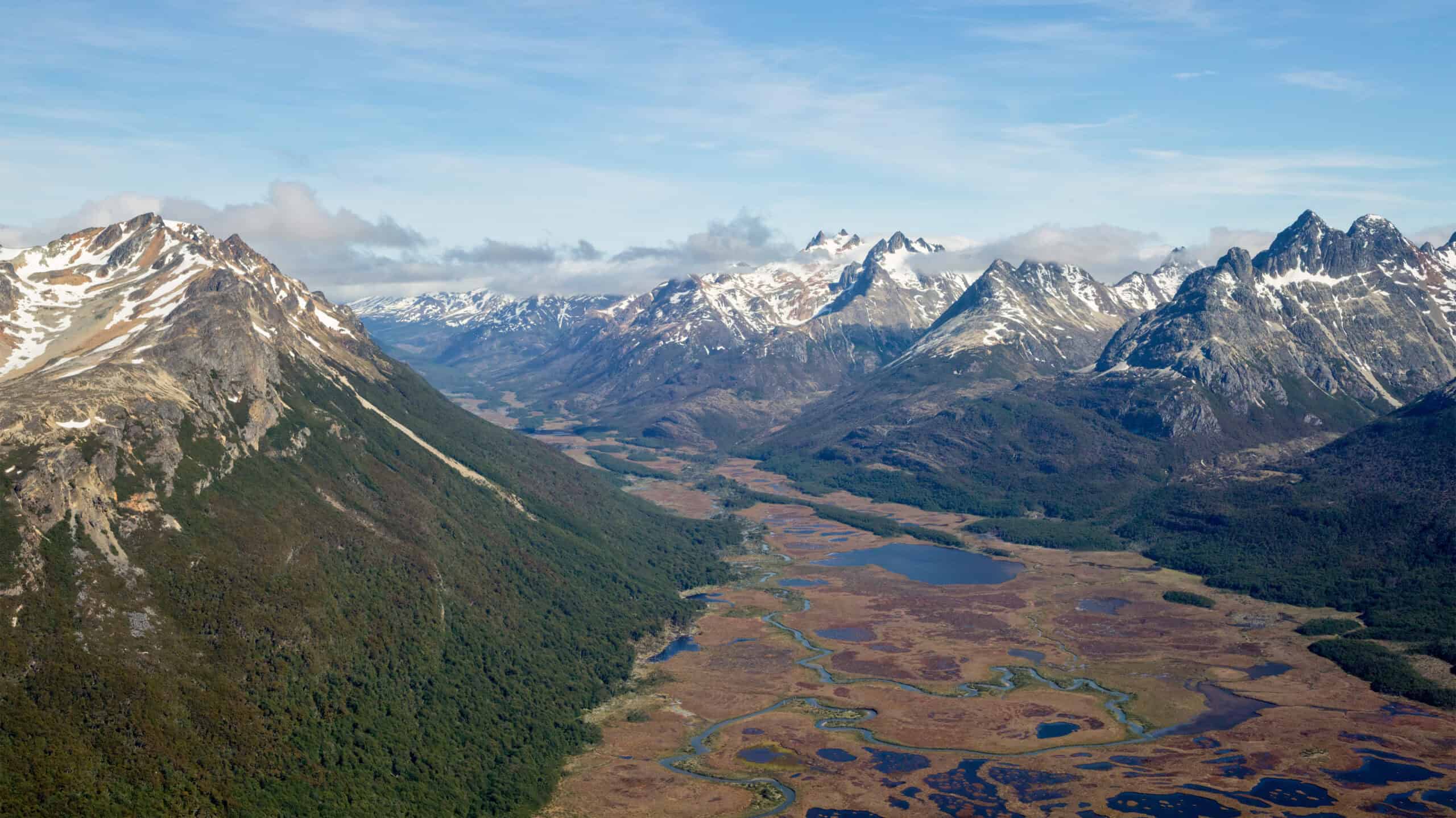
Despite the numerous threats, significant conservation efforts are underway in the Andes. The region now contains more than 200 protected areas covering approximately 16% of the tropical Andes hotspot. Ecuador’s constitutional recognition of the “Rights of Nature” has provided a novel legal framework for conservation. Colombia’s peace process has opened previously inaccessible areas to scientific study, revealing numerous new species. Indigenous communities across the Andes are increasingly involved in conservation, bringing traditional ecological knowledge to bear on protection efforts. However, challenges remain. Protected areas often lack sufficient funding and enforcement capacity. Coordination across international boundaries remains difficult despite the transboundary nature of many ecosystems. Economic pressures continue to drive habitat conversion. The future of Andean biodiversity will depend on strengthening these conservation initiatives while developing sustainable economic alternatives for local communities who depend on Andean resources.
The tropical Andes stand as Earth’s preeminent biodiversity hotspot, containing more species per square kilometer than any other region, including the Amazon. This exceptional concentration of life forms results from the unique interplay of elevation gradients, geological processes, evolutionary isolation, and climatic factors that have transformed these mountains into an unparalleled cradle of speciation. As we come to better understand the complex ecological relationships within the Andes, we also recognize the critical role these mountains play in providing ecosystem services—from water regulation to climate stabilization—that support millions of people across South America. Protecting the biological wealth of the Andes requires coordinated international efforts, sustainable development approaches, and a deepened appreciation for the irreplaceable value of this extraordinary mountain range that truly stands as one of our planet’s most precious natural treasures.

- 12 Wild Horses at Risk Due to Shrinking Water Supplies - June 14, 2026
- 24 Weirdest Animal Rituals and Mating Habits - June 14, 2026
- Are Lobsters Food or Sentient Beings? The Heated Debate - June 14, 2026