
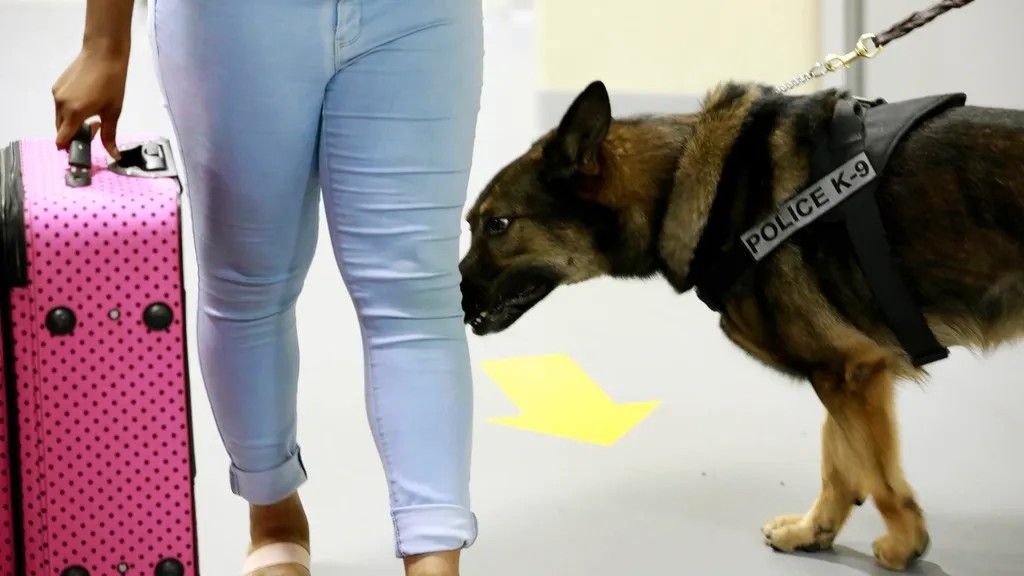
The Social Structure Dogs Bring to Our Homes
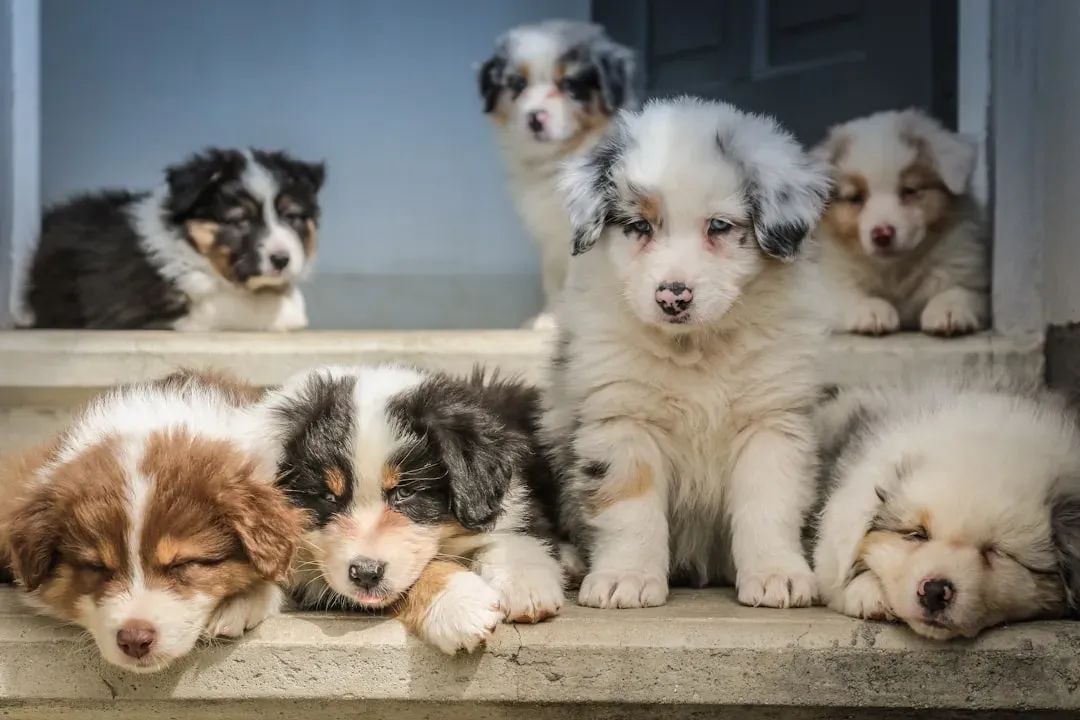
Dogs carry an innate sense of group order into human households. They watch who leads, who follows, and how daily movements connect the members of their shared space. This awareness shapes small choices like trailing an owner from room to room.
Pack hierarchy shows up in these quiet decisions. The dog treats the bathroom trip as part of the group’s shared path rather than an isolated event. Over time the pattern becomes a steady reminder of who belongs where in the daily rhythm.
Attachment That Goes Beyond Simple Neediness
Strong attachment in dogs often looks like constant proximity. When an owner moves, the dog moves too, because staying close maintains the connection that feels essential. This is not the same as panic when left alone.
Instead it reflects a steady preference for keeping the unit together. The bathroom simply becomes one more location where that preference plays out. Owners notice the consistency across different times of day and different moods.
Bathroom Visits as a Window into Canine Thinking
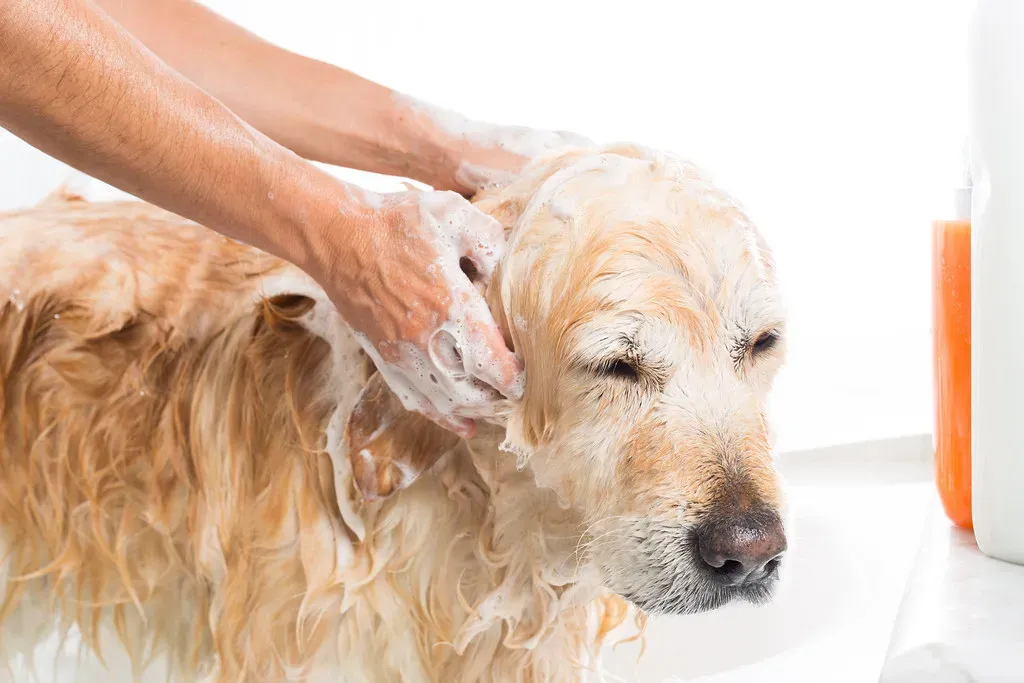
The bathroom draws attention because it is a small, enclosed space that breaks the usual flow of the house. Dogs register these shifts and respond by staying near the person they view as central. The choice reveals how they map their environment.
Hierarchy enters the picture when the dog consistently chooses to accompany one specific household member. That repeated decision signals a clear ranking of importance. It is a practical expression of who the dog keeps in sight.
Common Misreadings of This Everyday Scene
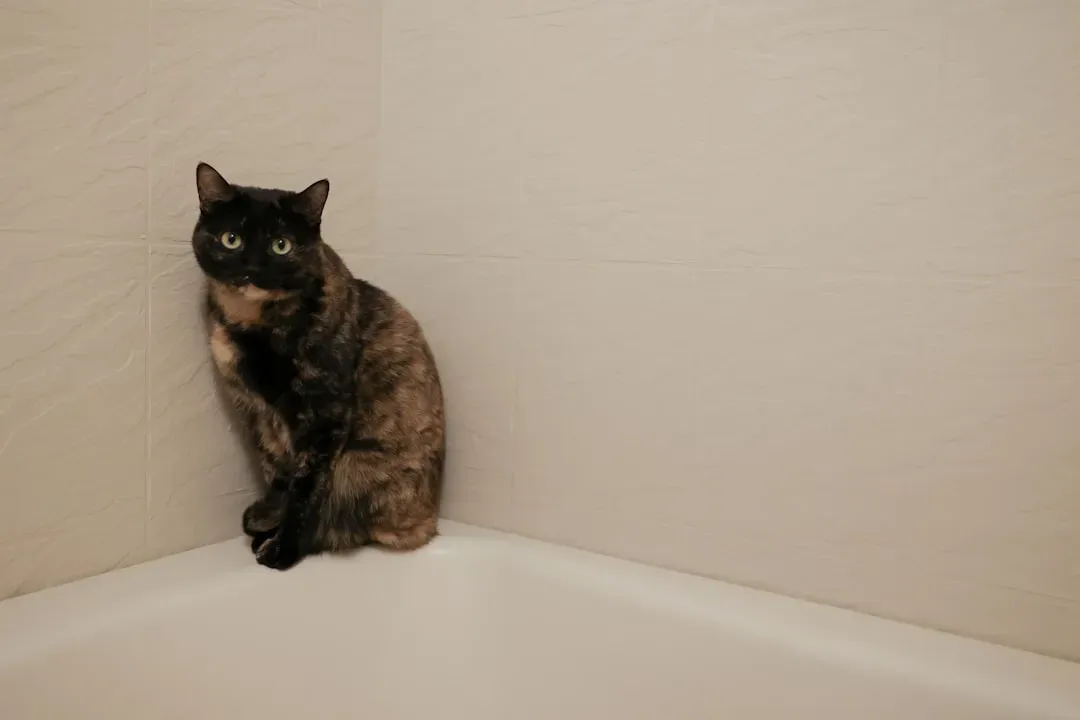
Separation anxiety involves visible distress when the owner leaves the home entirely. Following into the bathroom lacks the frantic pacing or vocalizing that marks true anxiety. The two behaviors operate on different scales.
Many people still link the two because both involve closeness. Yet the bathroom habit tends to appear even when the owner is only a few steps away and returns quickly. That difference helps separate normal group behavior from genuine worry.
Building a Balanced Relationship with Your Pet
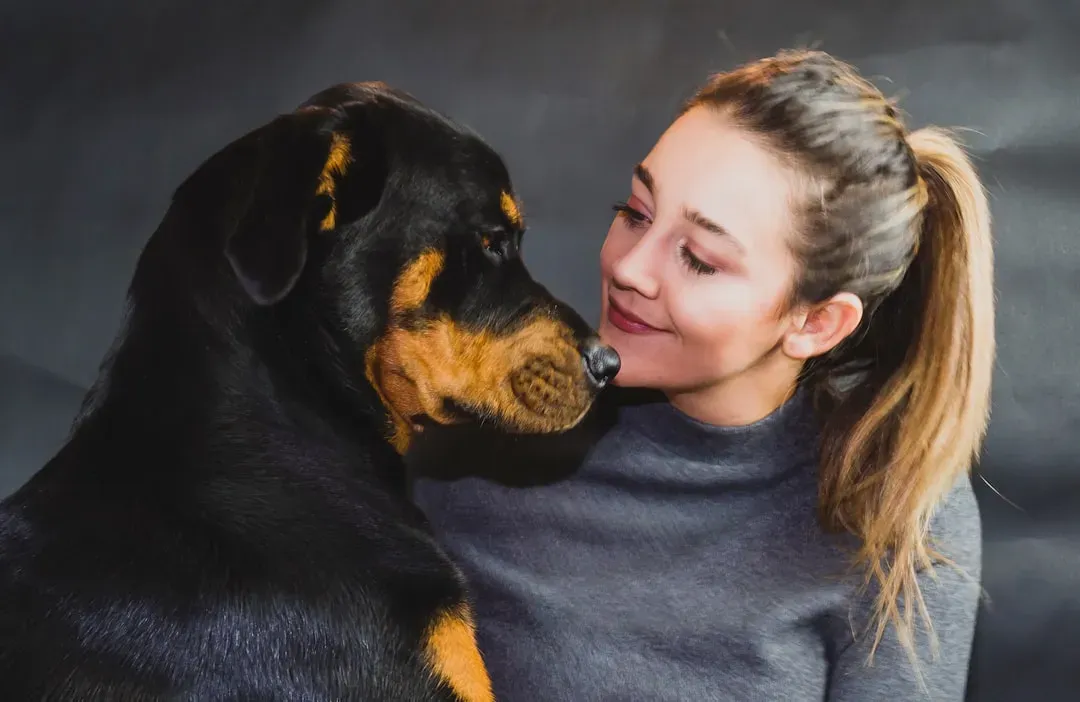
Recognizing hierarchy lets owners respond with calm consistency. They can allow the dog to follow without turning the moment into a special event. Simple acceptance often reduces any extra intensity the dog might add.
At the same time, gentle guidance can teach the dog that brief separations inside the home are ordinary. Short, positive departures from the bathroom build flexibility without challenging the existing bond. The goal is a steady middle ground.
Small Changes That Honor Natural Instincts
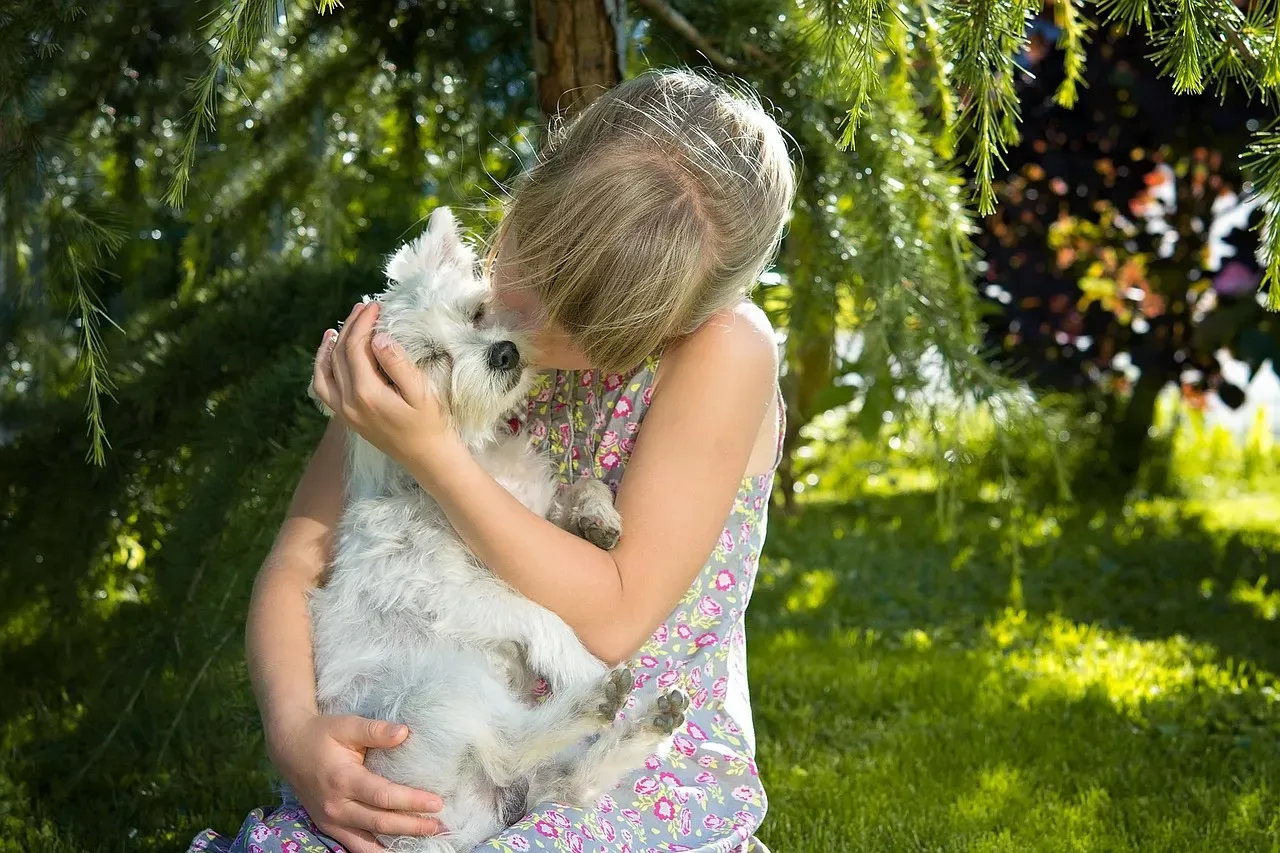
Owners sometimes close the door out of habit or privacy. Leaving it slightly open or inviting the dog to wait nearby respects the dog’s preference while keeping daily life practical. Minor adjustments like these keep tension low.
Providing a comfortable spot just outside the door gives the dog a clear place to stay connected. Over weeks the routine settles into something both sides accept. The change feels natural rather than forced.
Conclusion: Rethinking the Bathroom Follower
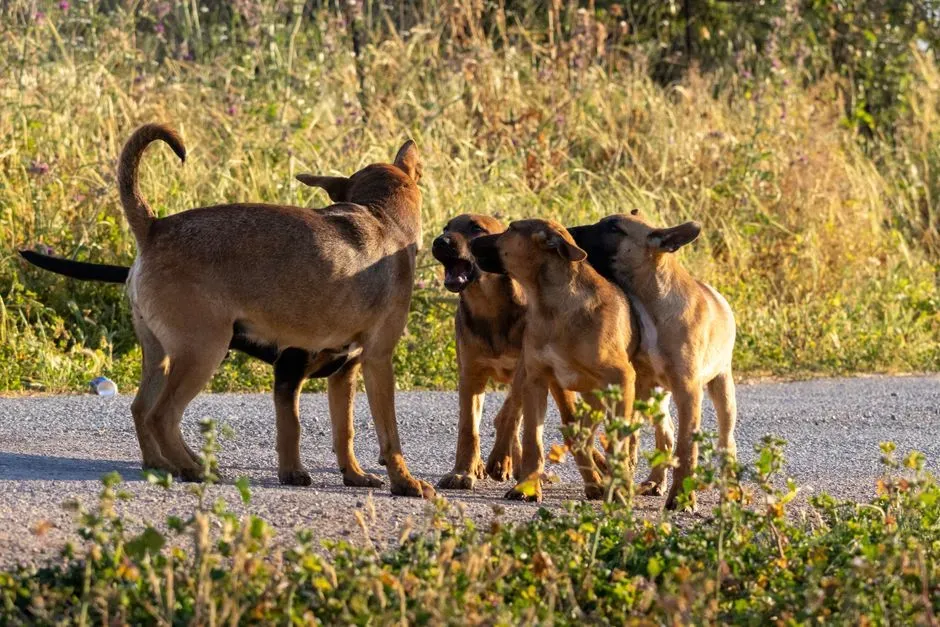
Viewing the behavior through the lens of pack hierarchy shifts the conversation from worry to understanding. It encourages owners to see their dog as a participant in the household order rather than a creature in distress. That perspective often makes daily interactions smoother and more respectful.
In the end the bathroom escort is less about neediness and more about belonging. Accepting it as part of the dog’s social map strengthens the quiet trust that already exists between human and canine. The habit becomes one more thread in a shared life instead of a puzzle to solve.

- 22 Horse Breeds Vets Refuse to Let Their Own Children Ride - July 30, 2026
- 22 Horse Breeds Vets Refuse to Let Their Own Children Ride - July 30, 2026
- The Clingy-Looking Dog Breed That Is Secretly the Most Independent of All - July 30, 2026