


Octopuses are among the most intriguing creatures of the deep. Their ability to change color, squeeze through tiny openings, and grasp objects with dexterous arms has fascinated scientists. But perhaps one of the most peculiar behaviors of certain octopuses is their ability to walk on land. Recent discoveries have shed light on this fascinating capability, offering insights into the octopus’s remarkable adaptability. Join us as we delve into why these sea-dwellers venture onto land and what new revelations have come to light.
Introduction to the Amphibious Octopus
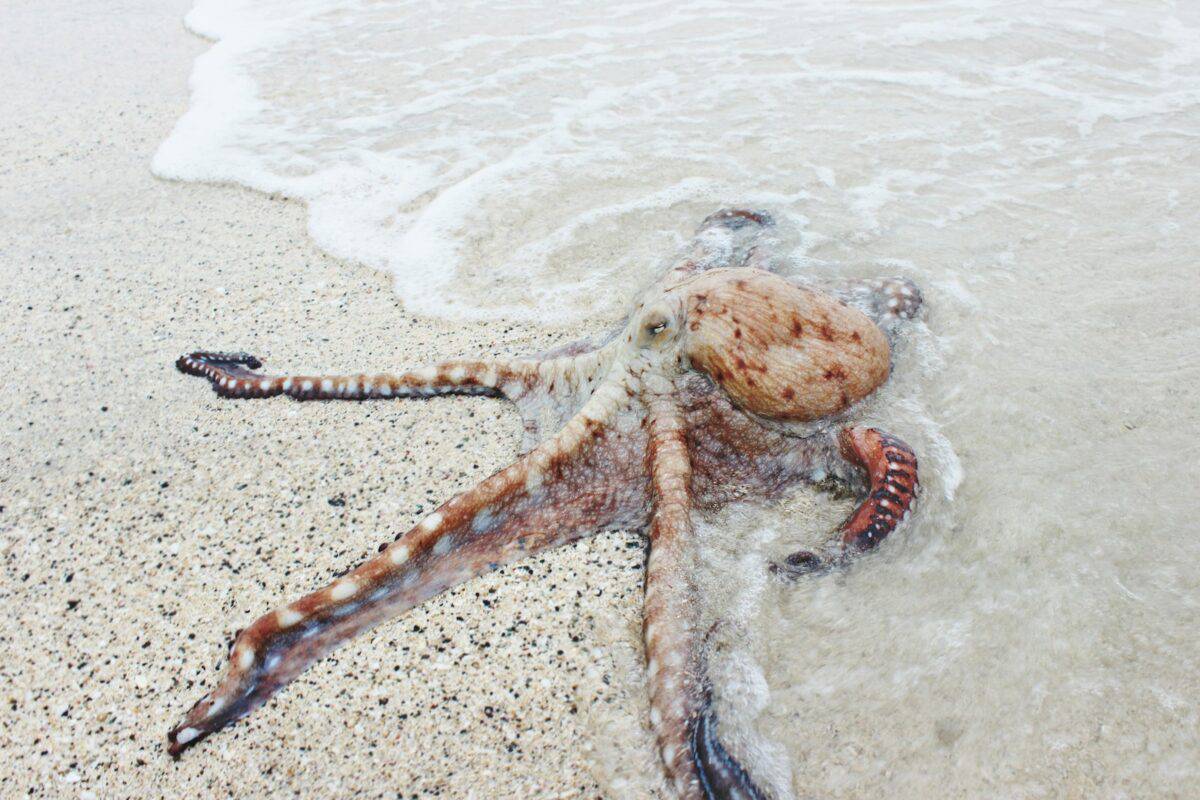
While most octopuses live their lives submerged in water, some species, such as the larger Pacific striped octopus and certain intertidal species, have displayed a curious ability: they can move across land. These octopuses are often found in regions where tidal movements are frequent, allowing them to explore tidal pools without becoming stranded. Their land-walking ability is not just a party trick; it’s a crucial survival adaptation.
Why Do Octopuses Walk on Land?

Octopuses may venture onto land for several reasons. These include escaping predators, hunting for food, or moving to a new water source when their environment becomes inhospitable. By walking on land, they can access new feeding grounds that would otherwise be unavailable, thus giving them a competitive edge in environments where resources might be limited.
The Mechanism Behind Land Walking

The octopus’s ability to walk on land isn’t as surprising when considering its unique physiology. An octopus’s arms are lined with powerful, suction-cup-like suckers that allow them to grip surfaces with strength and precision. When moving on land, the octopus spreads its arms out and uses its suckers in a coordinated dance, pulling and pushing itself forward.
A Unique Respiratory System

A challenge for any aquatic creature venturing onto land is breathing. Octopuses, with their specialized respiratory systems, can absorb oxygen through both their gills and their skin. This dual system allows certain octopuses to survive out of water for short periods while maintaining enough oxygen to power their bodies.
Recent Scientific Discoveries
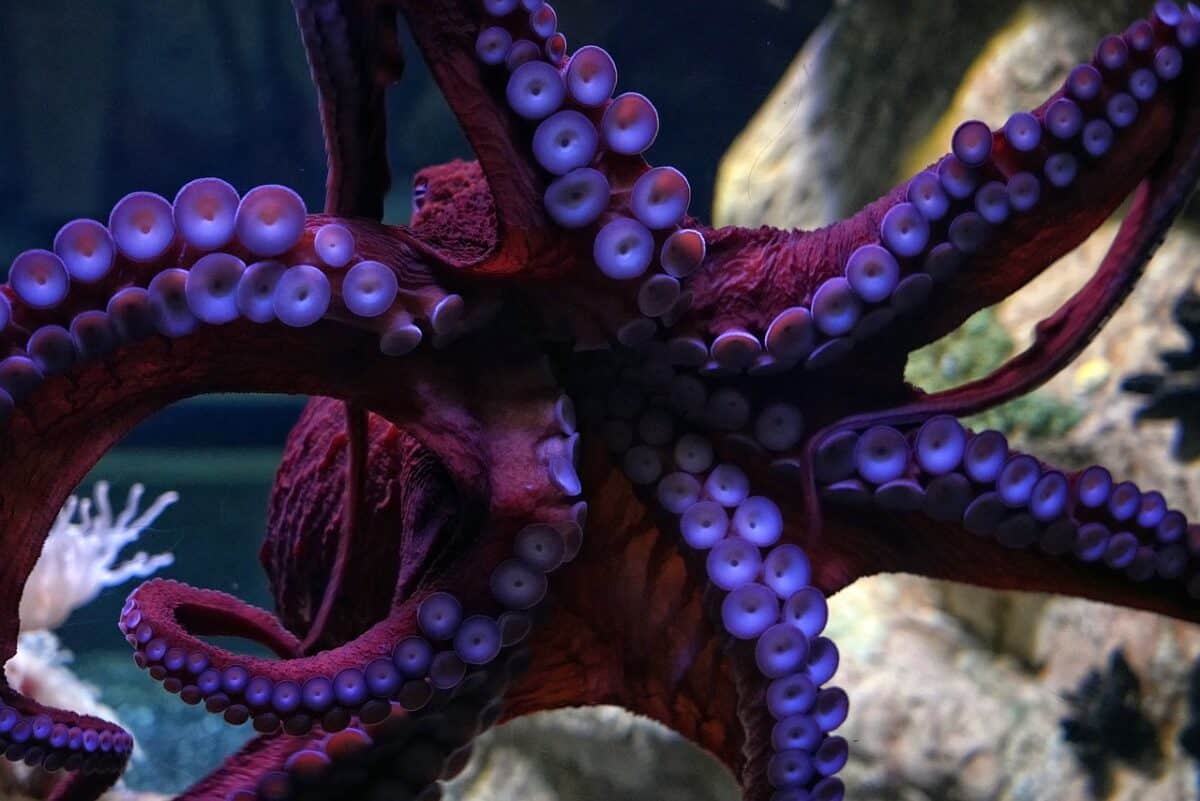
Researchers recently discovered that the nervous system of the octopus is highly centralized for tasks that require coordination, like walking. This aligns with the finding that expansive neural networks throughout their arms allow them to process sensory information independently, aiding their terrestrial movement.
Survival and Adaptation

The ability to traverse land is a remarkable example of adaptation and survival. Octopuses that inhabit rocky, tidal areas have developed this skill as a means to navigate challenging environments. It’s a testament to their evolutionary prowess and showcases the flexibility of their behavioral repertoire in response to environmental changes.
The Role of Intelligence

Octopuses are renowned for their intelligence, which plays a crucial role in their ability to walk on land. Their problem-solving skills and ability to learn from experience allow them to navigate the complex landscape of land-walking. Each step is likely honed by trial and error, stored in their memory for future escapades.
What This Means for Evolutionary Biology
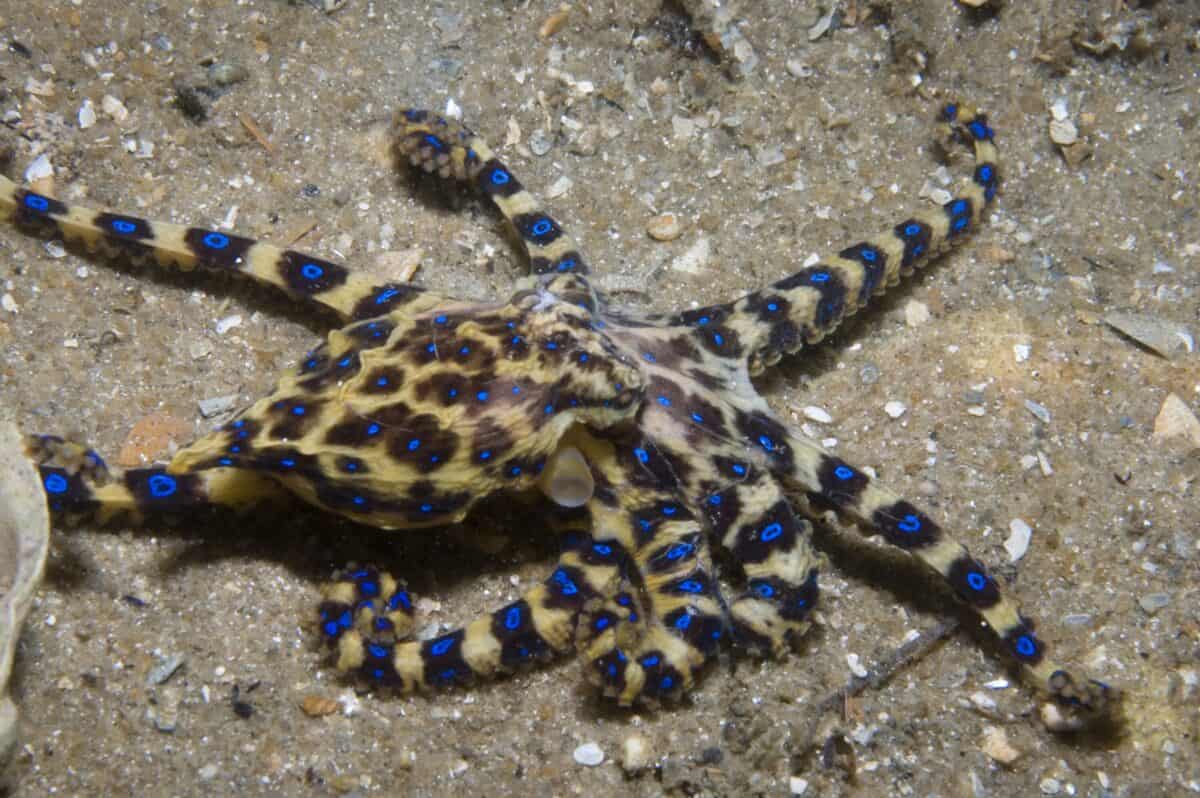
From an evolutionary standpoint, the capacity of octopuses to occasionally walk on land provides a compelling look at how life adapts to thrive in diverse environments. It also suggests that the ancestors of modern octopuses might have had more terrestrial capabilities, hinting at an intriguing evolutionary past.
Comparisons with Other Amphibious Animals

The octopus isn’t alone in its land-walking abilities; various fish, like the mudskipper, also navigate terrestrial environments. Comparing these creatures’ adaptations reveals how different species have converged on similar solutions to the same problems, a concept known as convergent evolution.
Public Fascination and Misconceptions

While land-walking octopuses spark widespread curiosity, public perceptions aren’t always accurate. Oftentimes, these behaviors are exaggerated in media, leading to misconceptions about how frequently and effectively octopuses walk on land. Scientists emphasize that while these feats are impressive, they are not the norm across all octopus species.
Implications for Marine Research
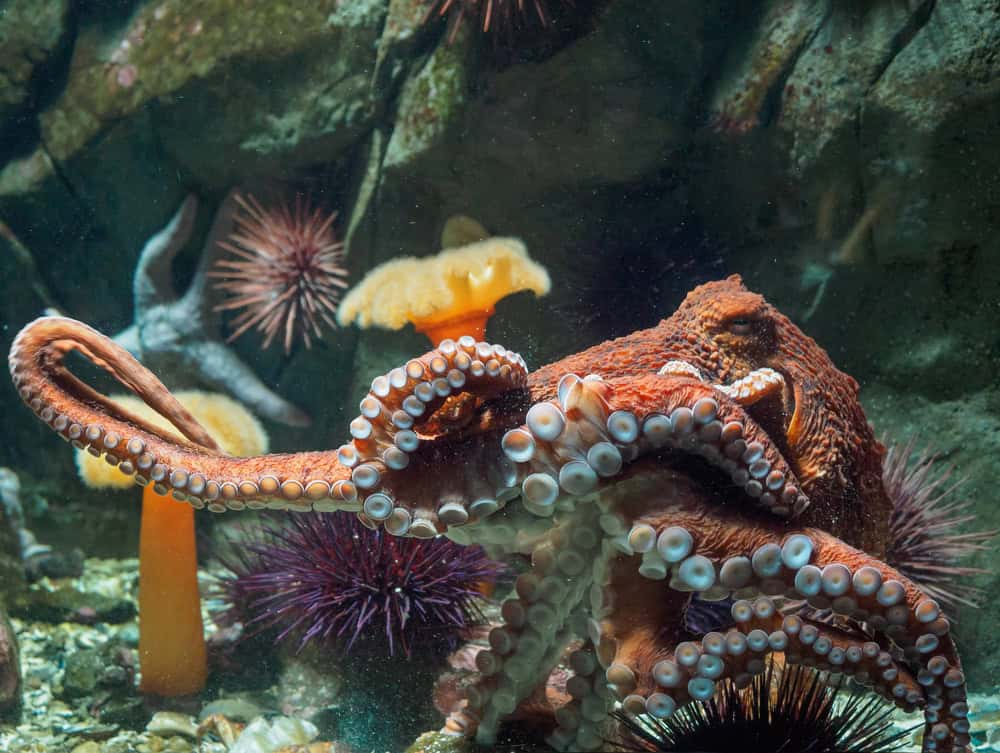
The discovery of land-walking octopuses presents exciting opportunities for marine biologists to study cognition, motor control, and adaptation in marine life. By understanding how these creatures explore and exploit their environment, scientists can gain valuable insights into the resilience and adaptability of marine life in changing climates.
The Future of Land-Walking Studies

As research continues, scientists are eager to learn more about the genetics and environmental factors that contribute to this amphibious behavior. Future studies might explore whether other species possess latent land-walking capabilities, unlocking further secrets of our planet’s rich history of life.
In conclusion, the ability of certain octopuses to walk on land is a powerful reminder of the wonders of evolution and the incredible adaptability of life on Earth. While there remains much to learn about these fascinating creatures, what we do know continues to inspire awe and deepen our understanding of the natural world. Through continued research, we can hope to unlock even more secrets of these intelligent, versatile, and mysterious sea creatures.

From exploring the marine wonders in the Azores and witnessing the vast savannas of Kenya, to delving deep into the rich biodiversity of South Africa and traversing iconic landscapes in Australia and the US like Yellowstone, Chris's experiences are vast.
With a penchant for diving alongside sharks, the ocean holds a special place in his heart.
Through his academic insights, he champions wildlife conservation, striving with 'Animals Around The Globe' to cultivate a profound connection between humans and animals, enhancing our mutual appreciation.
Connect with him at Feedback@animalsaroundtheglobe.com.
- Dugongs and Their Slow Mating Rituals in the Ocean - July 18, 2026
- How Animal Exhibits Are Evolving to Promote Conservation - July 17, 2026
- This Creature Has the Longest Fangs—But Uses Them Like Tweezers - July 17, 2026