

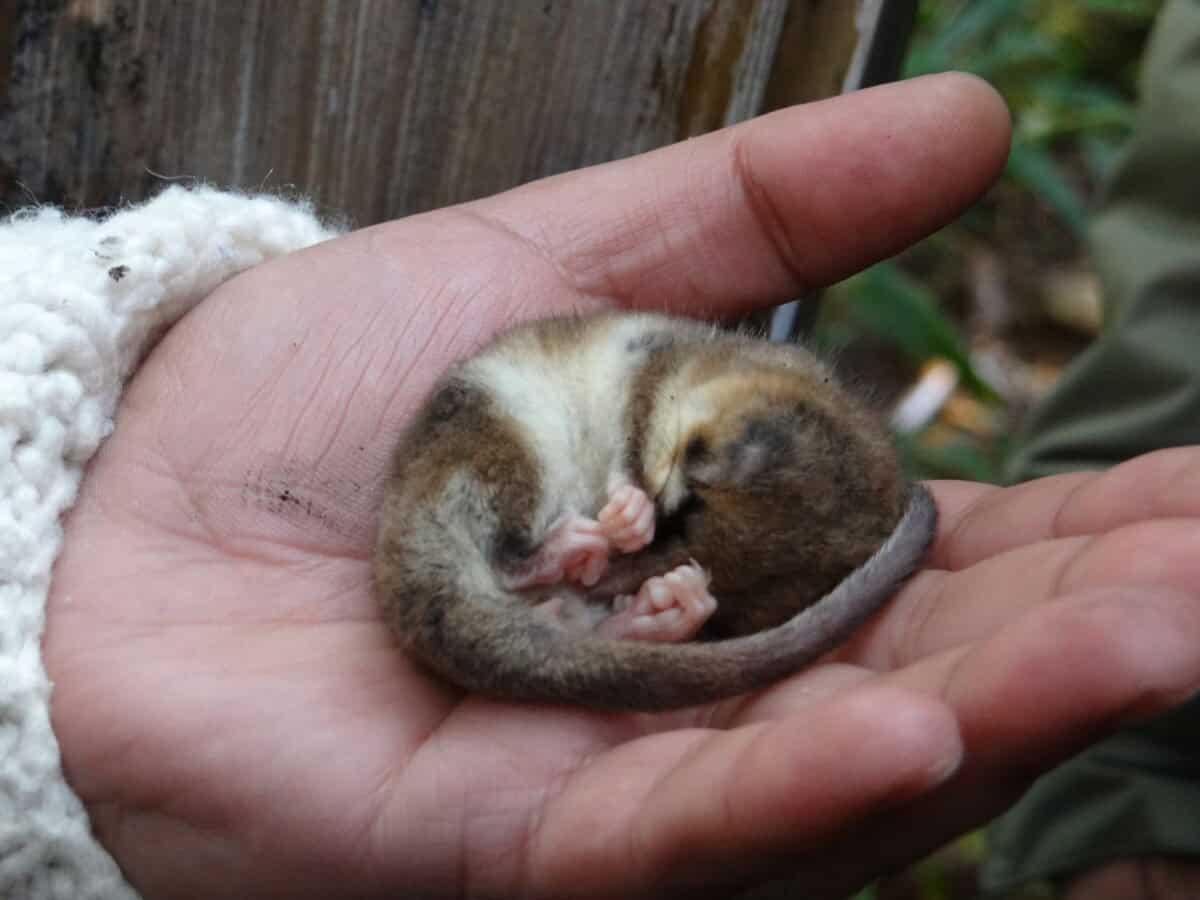
In the realm of extraordinary evolutionary stories, few animals capture the imagination quite like the mysterious monito del monte. This diminutive marsupial, whose name translates to “little mountain monkey” in Spanish, represents one of the most remarkable examples of evolutionary persistence on our planet. Native to the temperate rainforests of Chile and Argentina, this creature has remained virtually unchanged for millions of years, earning it the distinction of possibly being the oldest living fossil among mammals. Its story weaves through continental drift, mass extinctions, and evolutionary isolation, offering scientists precious insights into ancient mammalian ancestry and raising important questions about conservation in our rapidly changing world.
What Exactly Is a Living Fossil?
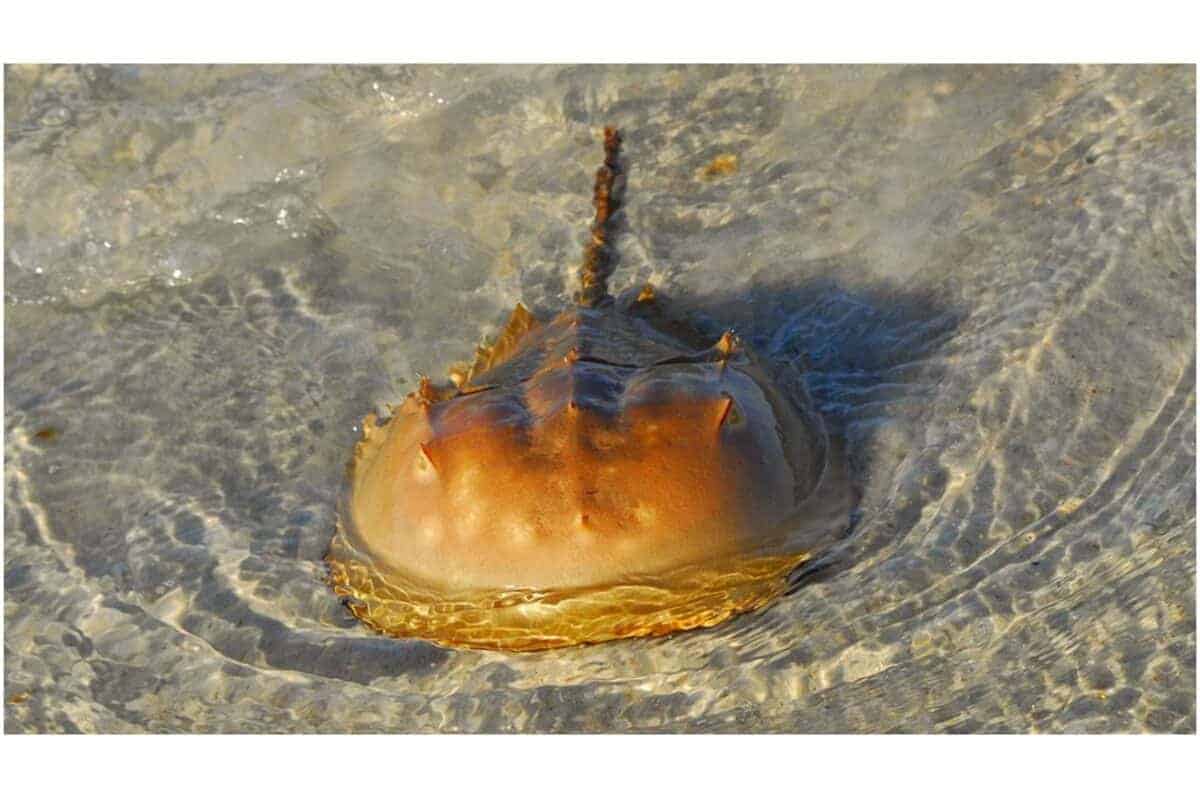
The term “living fossil” was first coined by Charles Darwin in his groundbreaking work “On the Origin of Species.” It refers to species that have remained largely unchanged for millions of years and closely resemble their ancient ancestors found in the fossil record. These organisms typically show little morphological change over vast periods, suggesting they found an evolutionary niche so successful that major adaptations became unnecessary.
Living fossils often represent the last surviving members of once-diverse lineages, having somehow persisted through mass extinctions and environmental changes that eliminated their relatives. Classic examples include the horseshoe crab, coelacanth fish, and nautilus – and now, the monito del monte joins this exclusive evolutionary club as potentially the oldest mammalian representative.
Introducing the Monito del Monte
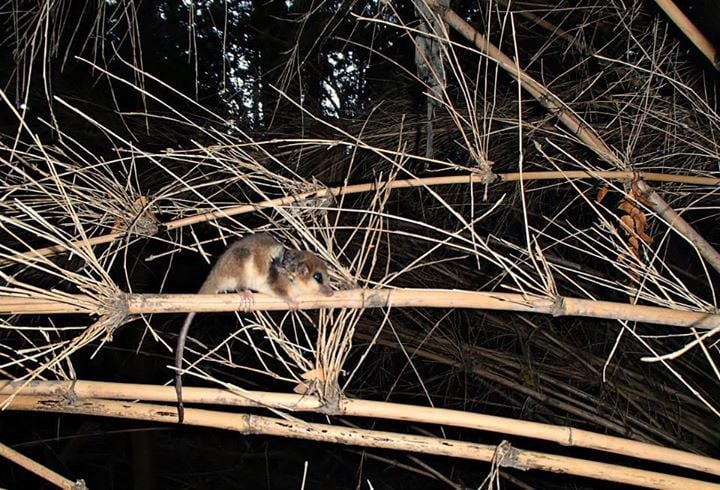
The monito del monte (Dromiciops gliroides) is a small marsupial weighing merely 16-42 grams and measuring about 10 centimeters in length, with an additional 10 centimeters for its prehensile tail. With its soft, dense grayish-brown fur, rounded ears, and large black eyes adapted for nocturnal life, it bears a superficial resemblance to a mouse but represents something far more ancient and remarkable.
This arboreal creature inhabits the temperate Valdivian and Magellanic forests of southern Chile and adjacent parts of Argentina, where it lives among the dense bamboo understory and Nothofagus (southern beech) trees. Despite its unassuming appearance, genetic and morphological evidence reveals that the monito del monte is the sole living representative of an ancient order of mammals called Microbiotheria, with a lineage stretching back approximately 60 million years.
The Gondwanan Connection: A Tale of Continental Drift
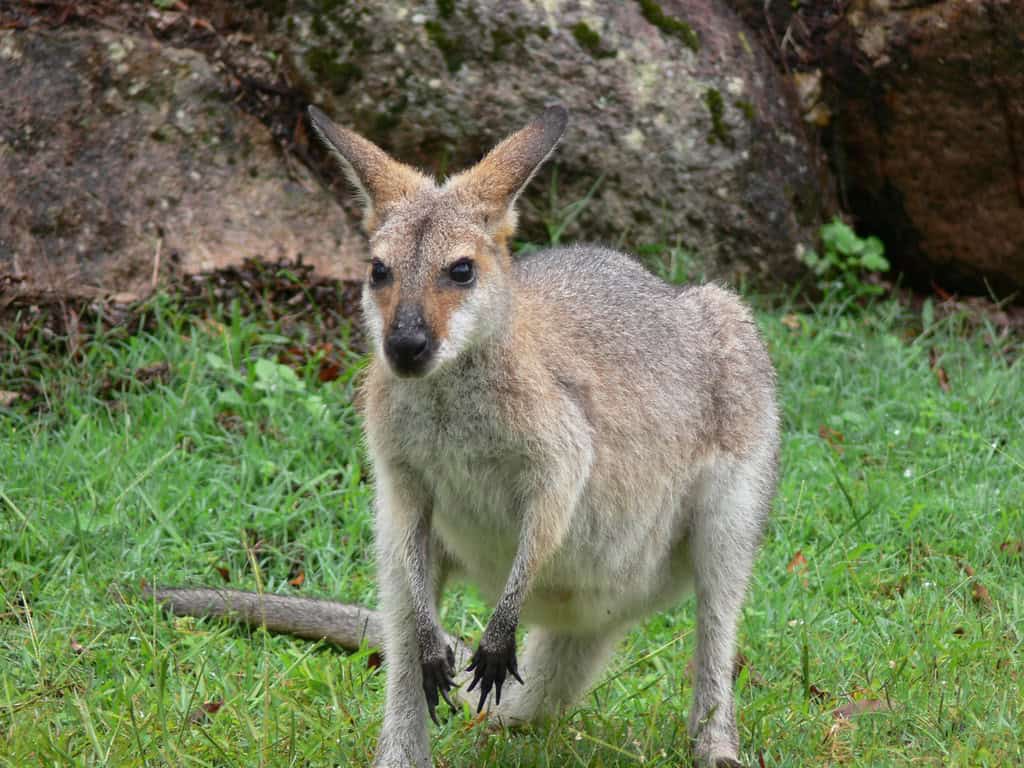
Perhaps the most fascinating aspect of the monito del monte’s story is its connection to Gondwana, the ancient supercontinent that began breaking apart approximately 180 million years ago. Genetic studies have confirmed what paleontologists long suspected: this tiny creature’s closest relatives aren’t other South American marsupials but rather those found in Australia. This relationship provides compelling evidence for the Gondwanan distribution pattern of early marsupials, suggesting they spread across the interconnected southern landmasses before the continents drifted apart.
While most South American marsupials evolved from North American ancestors that arrived after the formation of the Panama land bridge, the monito del monte represents a different, much older lineage. It stands as a living testament to a time when Australia, Antarctica, and South America were still connected, making it a genuine Gondwanan relict – a tiny window into Earth’s ancient past.
Evolutionary Stasis: Unchanged for Millions of Years

What truly earns the monito del monte its living fossil status is the remarkable degree of similarity between modern specimens and their ancient ancestors. Fossils belonging to the Microbiotherian order dating back 55-60 million years show striking resemblances to today’s monito del monte, with relatively few morphological changes. This evolutionary stasis suggests the animal found an ecological niche that remained stable over vast periods, requiring little adaptive change.
Unlike many mammal groups that underwent rapid diversification and adaptation, the monito del monte appears to have found its evolutionary sweet spot early on. Its specialized arboreal lifestyle, unique physiological adaptations, and isolated habitat may have protected it from competitive pressures that drove evolution in other lineages. This remarkable consistency through time provides scientists with a rare opportunity to study what is essentially a living representative of early marsupial evolution.
Physiological Adaptations: Surviving the Andean Winters
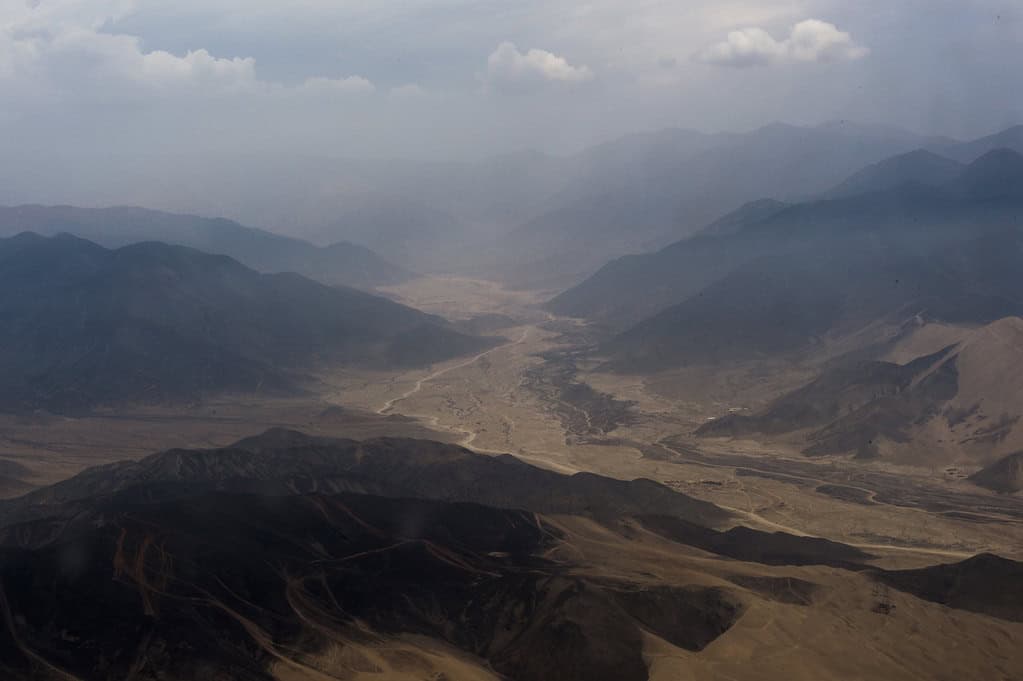
The monito del monte has developed remarkable physiological adaptations that have contributed to its evolutionary success and persistence over millions of years. Perhaps most notable is its ability to enter torpor, a hibernation-like state where it can dramatically reduce its metabolic rate and body temperature to conserve energy during the harsh Andean winters. During this period, the animal’s body temperature can drop to just a few degrees above ambient, sometimes as low as 41°F (5°C), allowing it to survive on its stored fat reserves for months at a time.
Prior to winter, the monito del monte can nearly double its body weight by accumulating fat, particularly in its tail, which becomes noticeably thicker. This adaptation is especially unusual among marsupials and represents a specialized response to the temperate climate of its range – an adaptation that may have remained consistent for millions of years as the animal’s environment maintained relative stability despite global climate fluctuations.
Reproductive Biology: Ancient Marsupial Strategies

The reproductive biology of the monito del monte provides further evidence of its ancient lineage and evolutionary significance. Unlike many marsupials that have specialized pouches, the female monito del monte possesses a more primitive pouch structure consisting of simple skin folds that cover the mammary area. After a gestation period of just 30 days, females typically give birth to 2-5 extremely underdeveloped young that immediately attach to the teats.
The young remain attached for about 30 days before detaching but continue to stay in the pouch area for another two weeks. This reproductive strategy represents a more basal form of marsupial reproduction, potentially similar to that of early marsupials. Interestingly, the monito del monte shows reproductive characteristics that place it as an evolutionary intermediate between Australian marsupials and South American marsupials, further supporting its status as a living fossil that preserves ancient marsupial traits while other lineages continued to diverge and specialize.
Ecological Significance: A Keystone Species
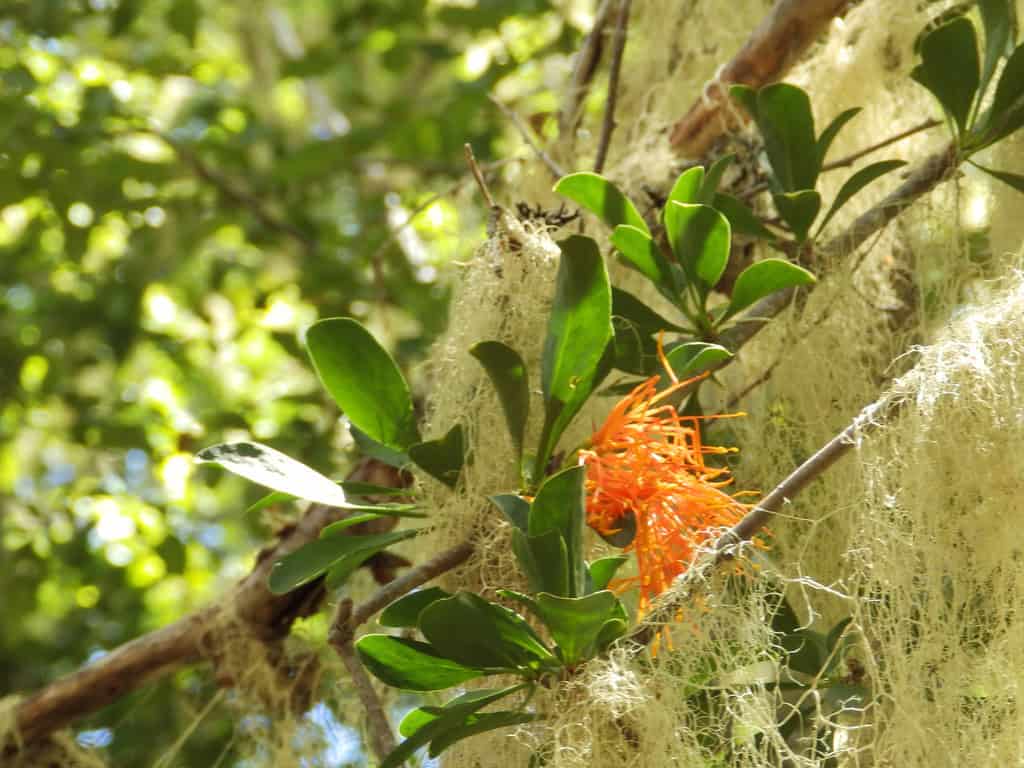
Despite its small size, the monito del monte plays a disproportionately important role in its forest ecosystem, functioning as what ecologists call a keystone species. It is the primary disperser of seeds for at least 16 species of native plants, including the quintral (Tristerix corymbosus), a keystone mistletoe species. The animal consumes the fruits and passes the seeds through its digestive system, enhancing germination rates and distributing them throughout the forest.
This mutualistic relationship has likely been maintained for millions of years, contributing to the stability and diversity of the temperate rainforest ecosystem. Additionally, as both predator and prey, the monito del monte occupies a crucial position in the food web. It feeds primarily on insects and small invertebrates, helping to control their populations, while also serving as food for larger predators such as owls and foxes. This ecological role highlights how even ancient, seemingly unchanged species can remain vital components of modern ecosystems.
The Mystery of Survival: How Did It Persist?

The persistence of the monito del monte through millions of years, including multiple mass extinction events, poses a fascinating evolutionary puzzle. How did this small, specialized marsupial survive when so many other lineages disappeared? Scientists theorize that several factors contributed to its remarkable longevity.
First, its specialized habitat in the temperate rainforests of southern South America may have provided a relatively stable refuge, buffered from the extreme climate changes that affected other regions. Second, its ability to enter torpor likely helped it survive periods of food scarcity and harsh conditions. Third, its generalist diet of fruits and invertebrates meant it could adapt to changing food availability. Finally, its isolated geographical position may have protected it from competition with more recently evolved mammalian groups, particularly placental mammals that replaced marsupials in many other ecosystems. This combination of factors created a perfect scenario for evolutionary persistence, allowing this tiny living fossil to continue its ancient lineage while its relatives disappeared or evolved into new forms.
Scientific Significance: A Window into Mammalian Evolution

For evolutionary biologists and paleontologists, the monito del monte represents an invaluable scientific treasure – a living window into early mammalian evolution. By studying this living fossil, researchers can gain insights into the biology, physiology, and behavior of ancient marsupials that would be impossible to determine from fossil evidence alone. Genetic studies of the monito del monte have already yielded significant discoveries about marsupial evolution and biogeography, helping to reconstruct the evolutionary relationships between South American and Australian marsupials.
The animal’s genome contains ancestral genetic elements that other marsupial lineages have lost, providing clues about the genetic makeup of early mammals. Additionally, understanding how this species has maintained evolutionary stasis for so long may help scientists better comprehend the mechanisms that drive or constrain evolutionary change. As molecular techniques advance, this living fossil will likely continue to yield new insights about mammalian evolutionary history, making it a subject of ongoing scientific fascination and research.
Conservation Status: A Living Fossil at Risk
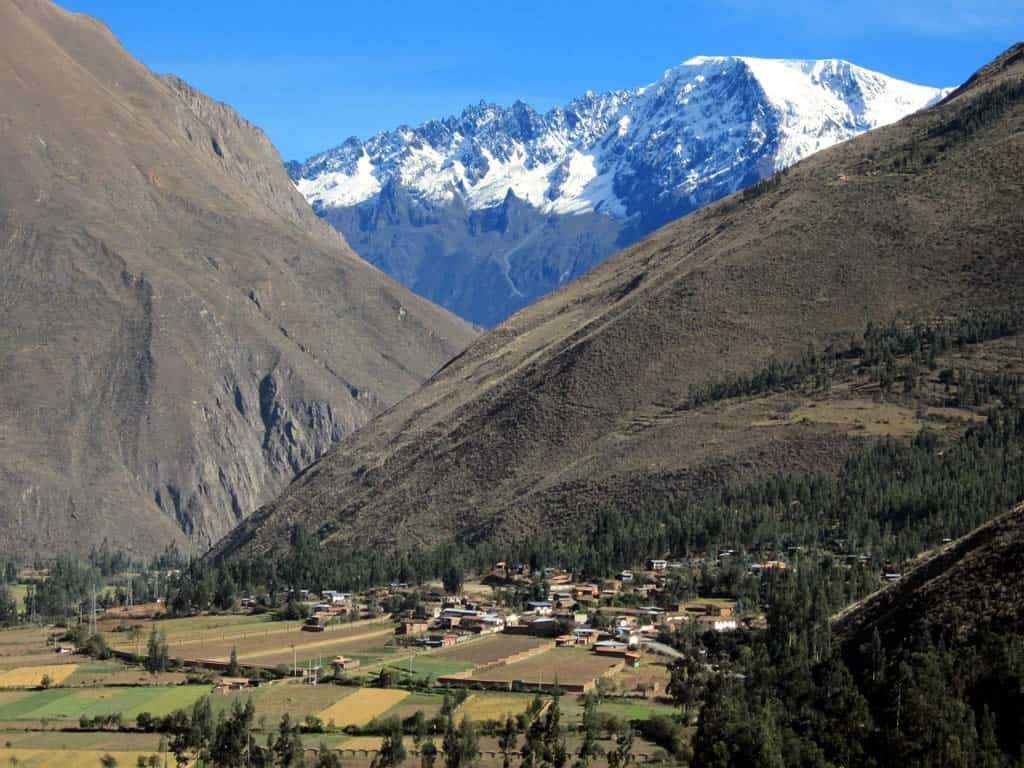
Despite having survived for millions of years, the monito del monte now faces unprecedented threats to its existence. Currently classified as “Near Threatened” by the International Union for Conservation of Nature (IUCN), this living fossil faces multiple challenges. Habitat destruction poses the most immediate threat, as the temperate rainforests of Chile and Argentina continue to be cleared for agriculture, forestry, and development. Climate change represents another serious concern, as the specialized microclimates that have supported the species for millions of years undergo rapid alterations.
The monito del monte’s restricted range, specialized habitat requirements, and low reproductive rate make it particularly vulnerable to these threats. Furthermore, introduced species such as domestic cats and rats prey on these small marsupials, while invasive plants alter their forest habitat. The potential extinction of this evolutionary relict would represent not just the loss of a unique species but the disappearance of an entire ancient mammalian lineage – a living link to Earth’s distant past that has persisted for tens of millions of years.
Indigenous Knowledge and Cultural Significance
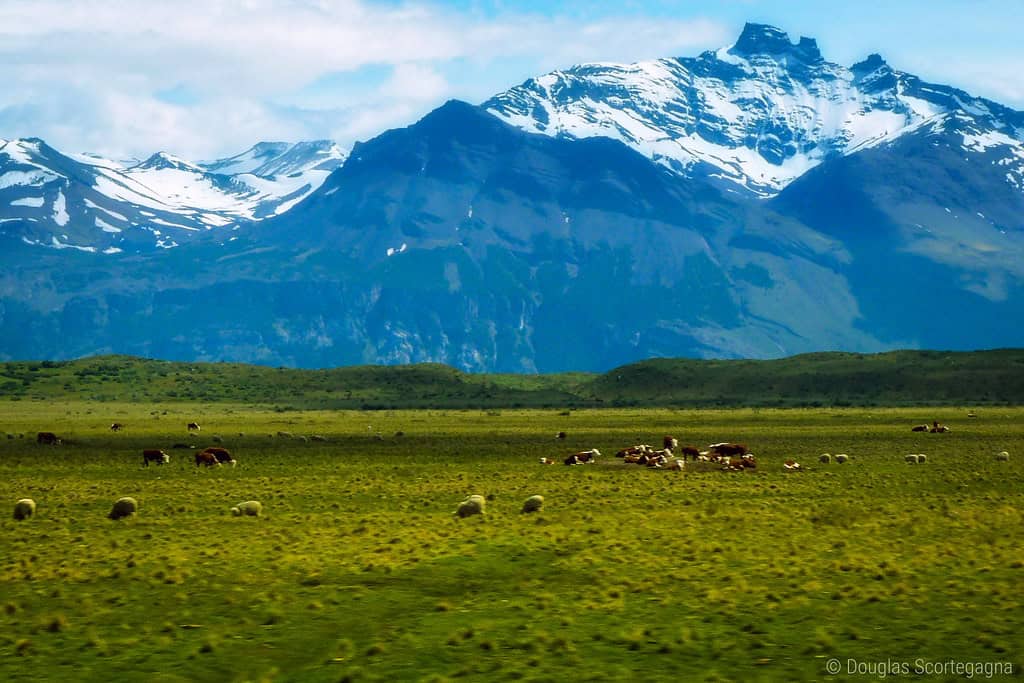
The monito del monte holds special significance in the culture and traditional knowledge of indigenous peoples of southern Chile and Argentina, particularly the Mapuche. In Mapuche folklore, the creature is known as “kongoy-kongoy” and features in various stories and legends. Traditional ecological knowledge has long recognized the animal’s unique hibernation-like behavior, with indigenous communities aware of its seasonal torpor and fat storage in its tail long before Western science documented these traits.
Some indigenous groups considered the animal to have mystical properties, believing it connected the earthly realm with spiritual dimensions due to its nocturnal habits and elusive nature. This cultural significance adds another dimension to the importance of preserving this living fossil, as it represents not only biological heritage but cultural heritage as well. The integration of indigenous knowledge with scientific research has provided valuable insights into the behavior and ecology of this remarkable creature, highlighting the importance of traditional knowledge in conservation efforts.
Recent Discoveries: Rewriting the Monito’s Story

Recent scientific investigations continue to reveal new aspects of the monito del monte’s remarkable story. In 2016, researchers discovered that what was thought to be a single species actually comprises at least three distinct species within the genus Dromiciops, suggesting the lineage may be somewhat more diverse than previously recognized. This finding doesn’t diminish its living fossil status but adds nuance to our understanding of microbiotherian evolution. Additionally, new studies of the animal’s torpor mechanisms have identified unique physiological adaptations that could have applications in human medicine, particularly in areas such as organ preservation and metabolic disorders.
Climate reconstruction models have also provided insights into how the monito del monte’s range has shifted over millennia in response to glaciations and warming periods, helping scientists predict how it might respond to current climate change. These ongoing discoveries highlight that even for a species that has remained morphologically similar for millions of years, our understanding continues to evolve, revealing new dimensions to one of mammalian evolution’s most extraordinary stories.
Conclusion: A Tiny Witness to Earth’s Great Changes

The monito del monte stands as a remarkable testament to evolutionary persistence, having maintained its ancient form and lifestyle while witnessing continental drift, mass extinctions, and the rise and fall of countless other species. This tiny marsupial offers us a living connection to the world of early mammals, providing invaluable insights into evolution, adaptation, and survival that no fossil alone could reveal.
As potentially the oldest living mammalian fossil, it challenges our understanding of evolutionary processes and demonstrates how some lineages can maintain remarkable stability over vast timescales. The future of this evolutionary marvel now rests in human hands, as conservation efforts race to protect its dwindling habitat and ensure that this small survivor of deep time can continue its extraordinary journey. In the monito del monte, we find not just a scientific curiosity but a powerful reminder of our planet’s deep history and the fragile connections that link our present world to Earth’s ancient past.

From exploring the marine wonders in the Azores and witnessing the vast savannas of Kenya, to delving deep into the rich biodiversity of South Africa and traversing iconic landscapes in Australia and the US like Yellowstone, Chris's experiences are vast.
With a penchant for diving alongside sharks, the ocean holds a special place in his heart.
Through his academic insights, he champions wildlife conservation, striving with 'Animals Around The Globe' to cultivate a profound connection between humans and animals, enhancing our mutual appreciation.
Connect with him at Feedback@animalsaroundtheglobe.com.
- How Close Are We to Cloning the Woolly Mammoth? - July 18, 2026
- The Most Venomous Creature in the U.S. - July 18, 2026
- Banned! Exotic Pets That Are Illegal to Own in the US - July 18, 2026